Extended Half Day Shark & Grouper Fishing
If you're looking to tangle with some of Florida's strongest fighters, this 6-hour private charter is exactly what you need. Starting at 8:00 AM, you'll have the whole boat to yourself and up to three fishing buddies as we hunt down trophy Goliath Grouper and hard-hitting sharks in the waters around Key West. This isn't your typical tourist trip – we're talking serious fishing with heavy tackle, targeting species that'll test your drag and make your arms burn. The best part? We handle all the gear and bait, so whether you're a weekend warrior or someone who's never held a rod, you're set up to succeed.
What to Expect on the Water
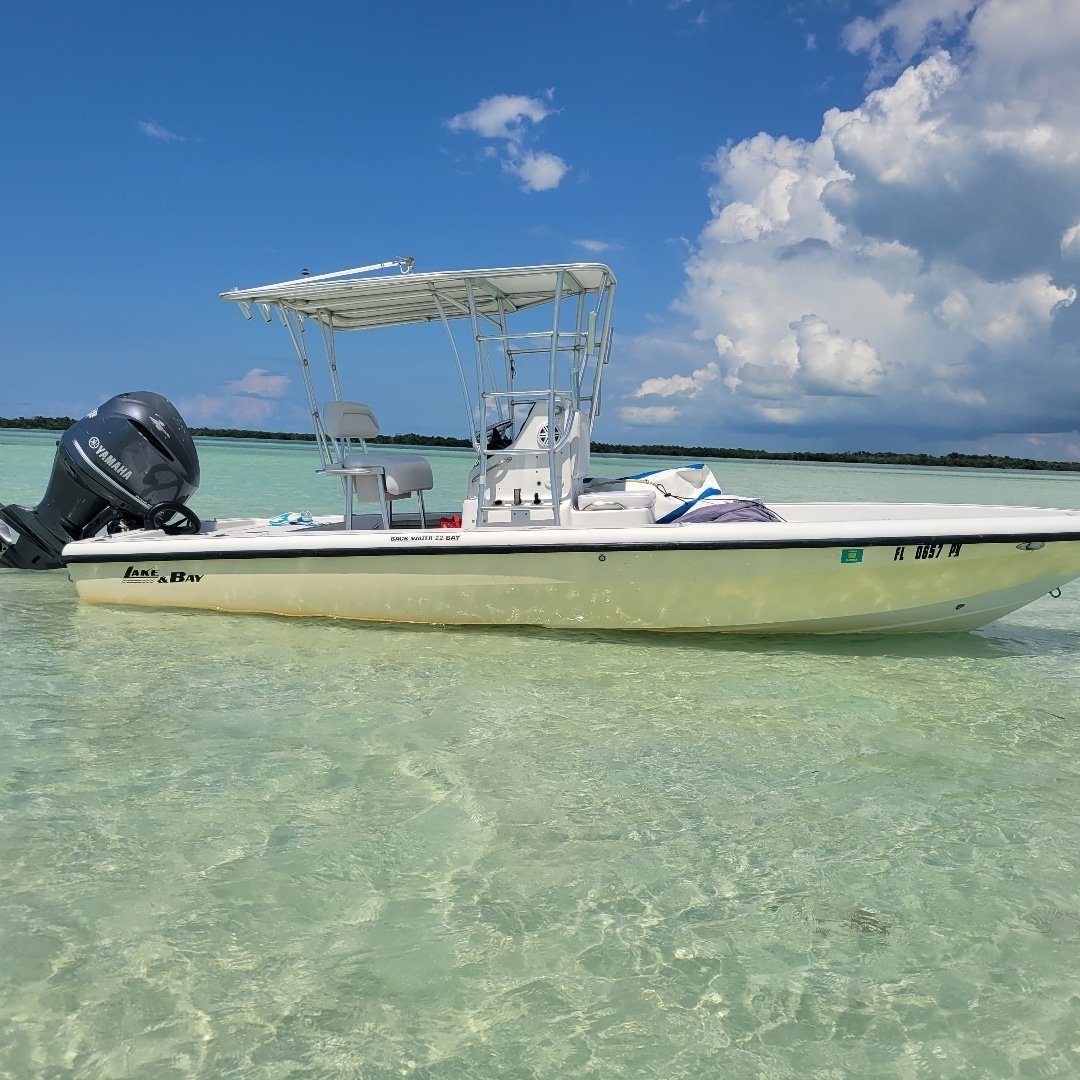
Your day kicks off aboard our 22-foot Lake and Bay boat, purpose-built for the shallow water access that makes Key West fishing so special. We'll start by working the mangrove channels where the water's crystal clear and the fish are aggressive. The shallow draft lets us sneak into spots the big boats can't reach, giving you first crack at fish that haven't been pressured all day. From there, we'll hit the nearshore wrecks where the real giants live. These artificial reefs are magnets for Goliath Grouper and the various shark species that patrol these waters. The structure provides cover for baitfish, which draws in the predators we're after. You'll be fishing with serious tackle – heavy rods, strong reels, and the kind of line that won't snap when a 200-pound fish decides to head for the bottom.
Techniques & Heavy Tackle
We're fishing with purpose-built gear for these battles. Think 50-80 pound class tackle, circle hooks that ensure safe releases, and enough drag to turn a fish's head when it counts. Around the mangroves, we'll use live bait presentations – pinfish, grunts, and blue runners that we'll catch fresh or have waiting in the live well. The technique is simple but effective: drop that bait near structure, keep your rod tip up, and be ready for the freight train hit when a Goliath inhales your offering. At the wrecks, we switch tactics depending on what's showing on the fish finder. Sometimes we're bottom fishing with chunk bait for the resident grouper, other times we're sight fishing to cruising sharks with live bait on floats. The key is staying flexible and reading the water – something that comes with years of fishing these same spots day after day.
Species You'll Want to Hook
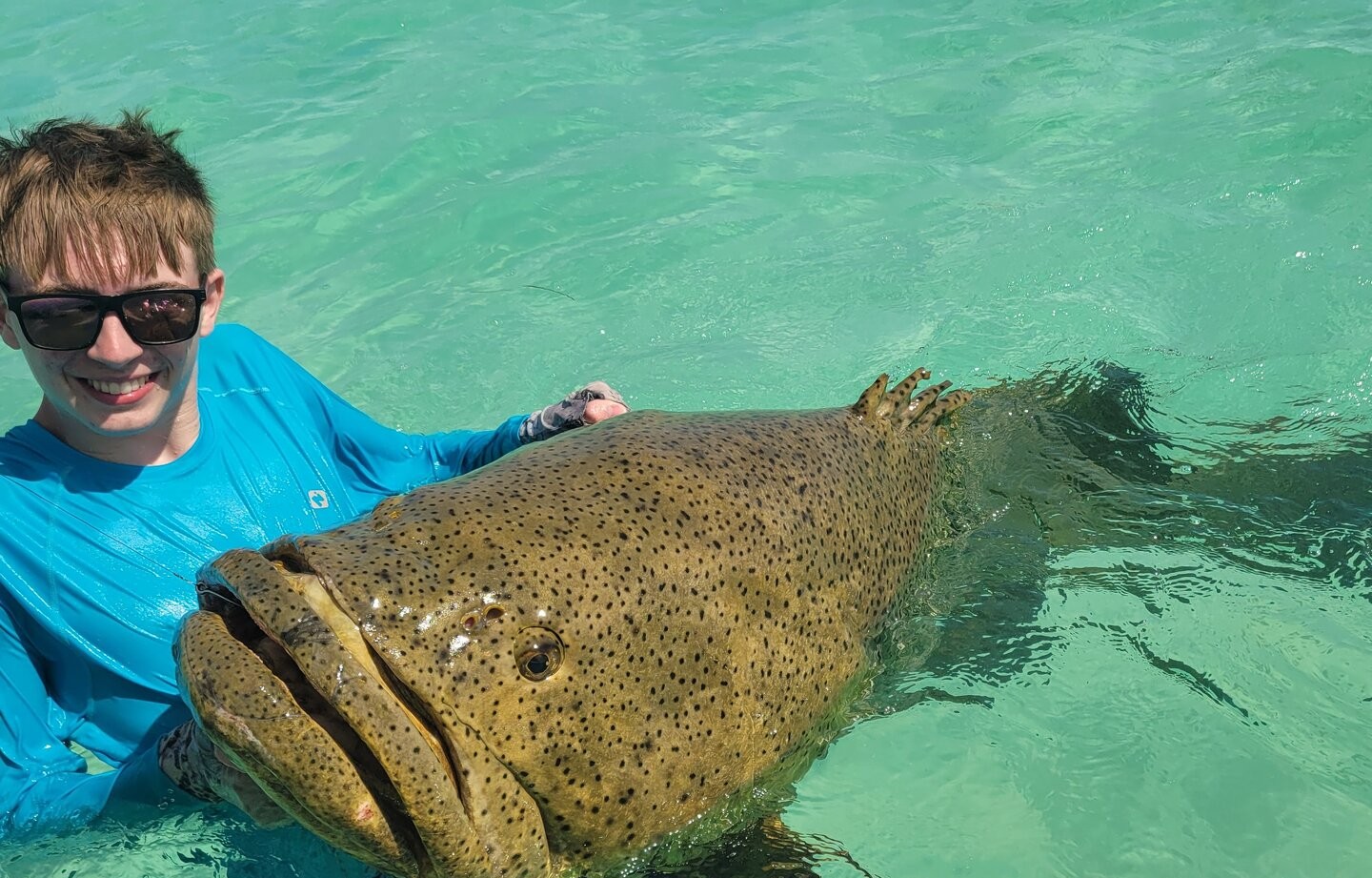
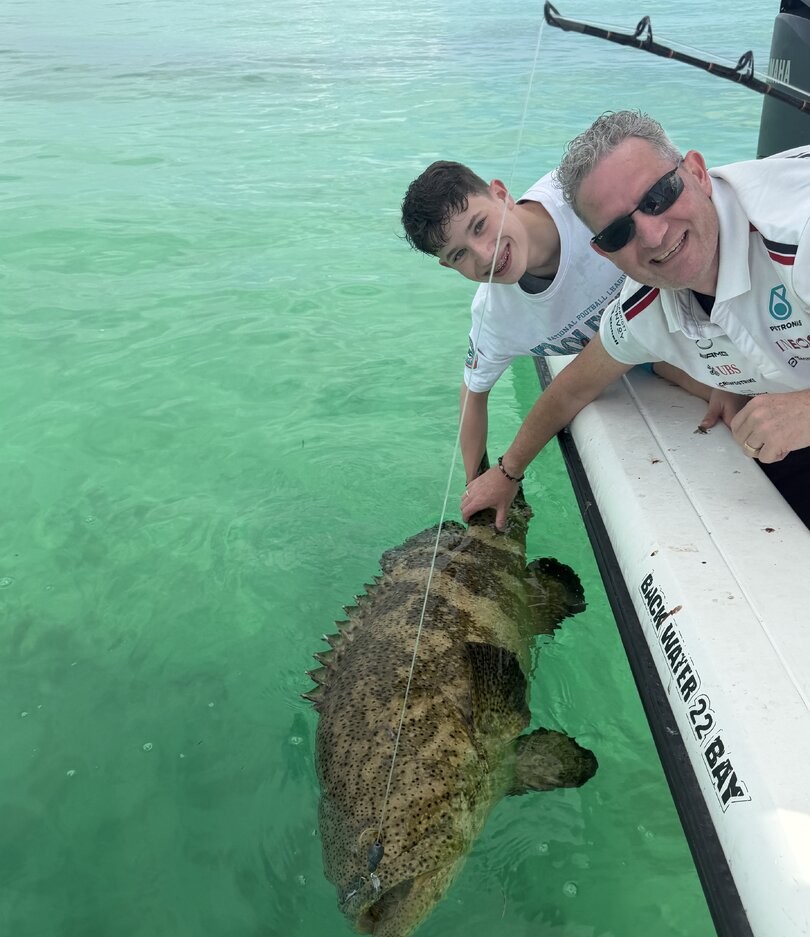
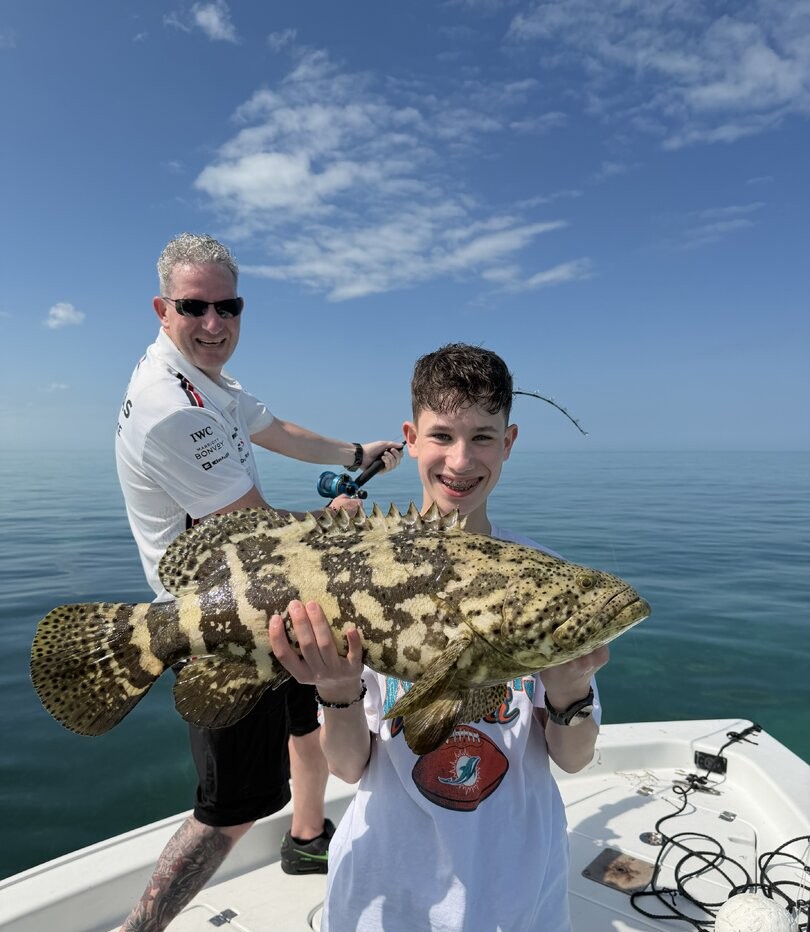
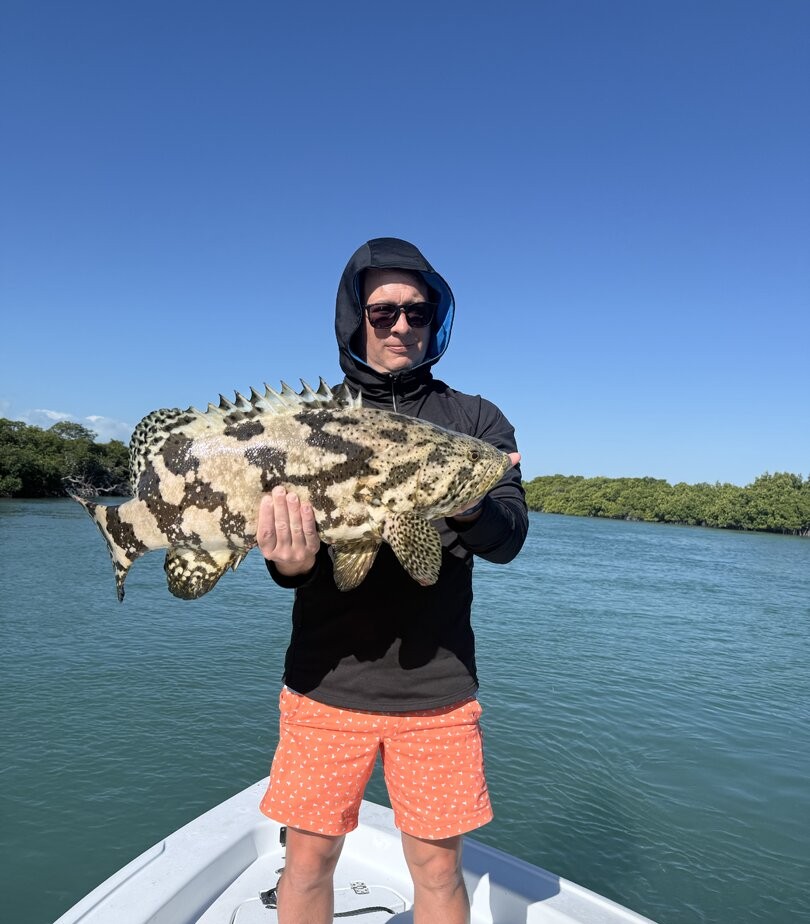
Goliath Grouper are the undisputed kings of these waters, and for good reason. These massive fish can easily top 300 pounds and have the power to break you off before you know what hit you. They're most active during the warmer months, hanging around wrecks and ledges where they ambush anything that swims by. What makes them so exciting isn't just their size – it's their attitude. A big Goliath will inhale your bait and immediately head for the nearest hole or structure, testing every knot and connection you've got. The fight is pure power, and even with heavy tackle, it's a battle that'll leave you questioning who's really in control.
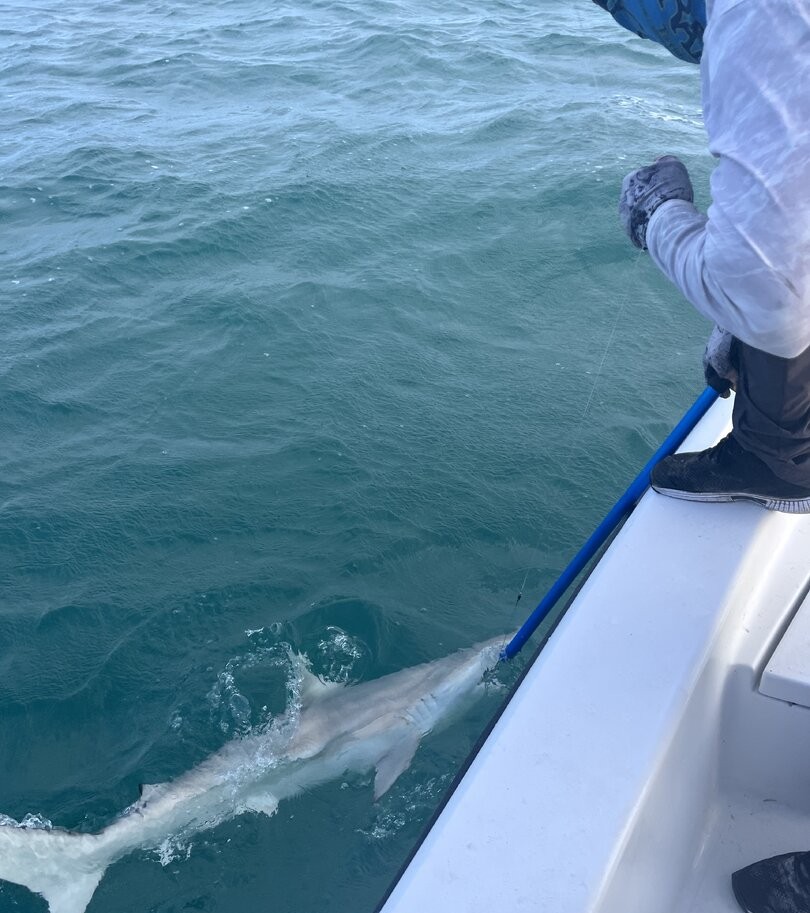
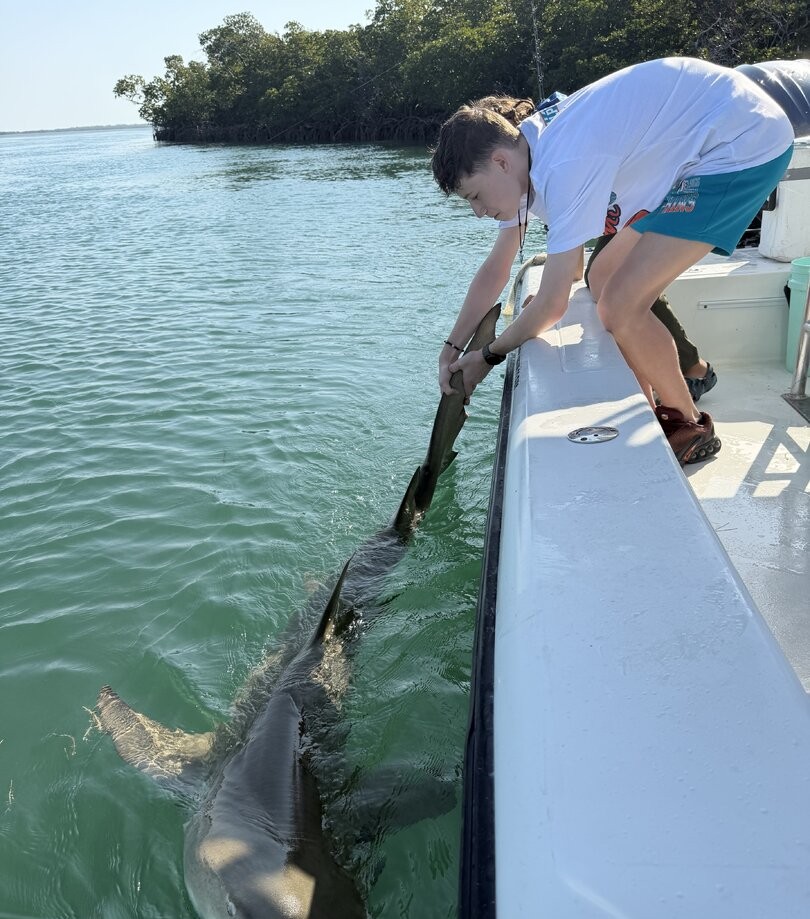
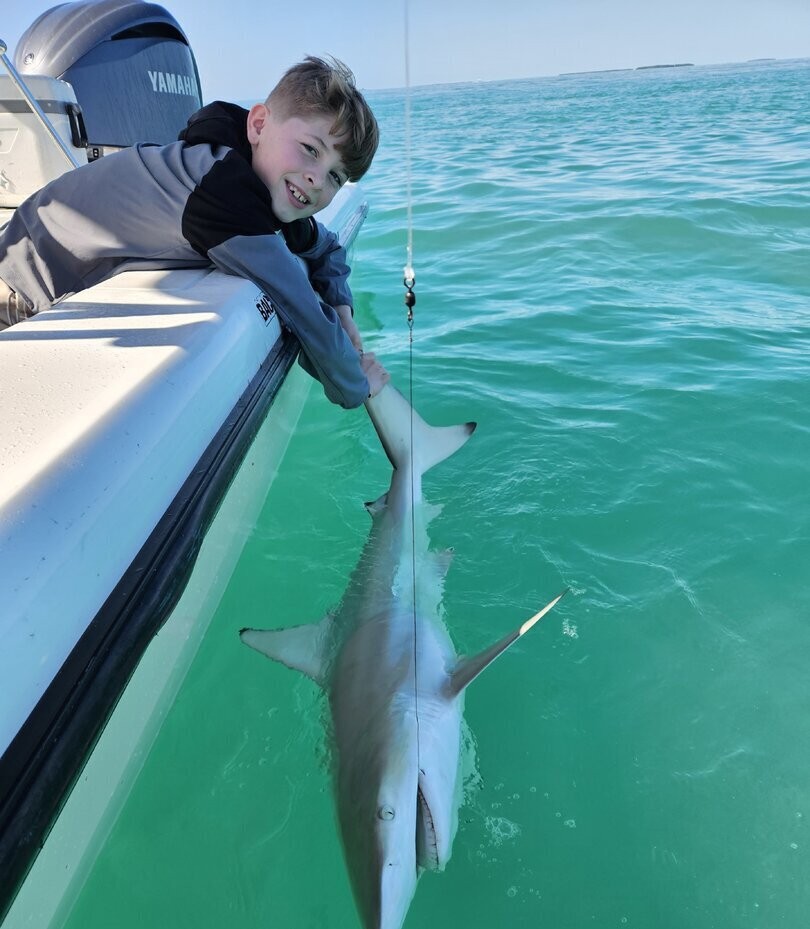
Blacktip Sharks bring a completely different energy to your day. These athletic predators are built for speed and acrobatics, often launching themselves clear out of the water when hooked. They're year-round residents but really turn on during the spring and fall migrations when baitfish are thick. Blacktips typically run 20-60 pounds in our waters, making them perfect on medium-heavy tackle. They fight with bursts of speed rather than raw power, making long runs and spectacular jumps that'll have you reaching for your phone to capture the action.
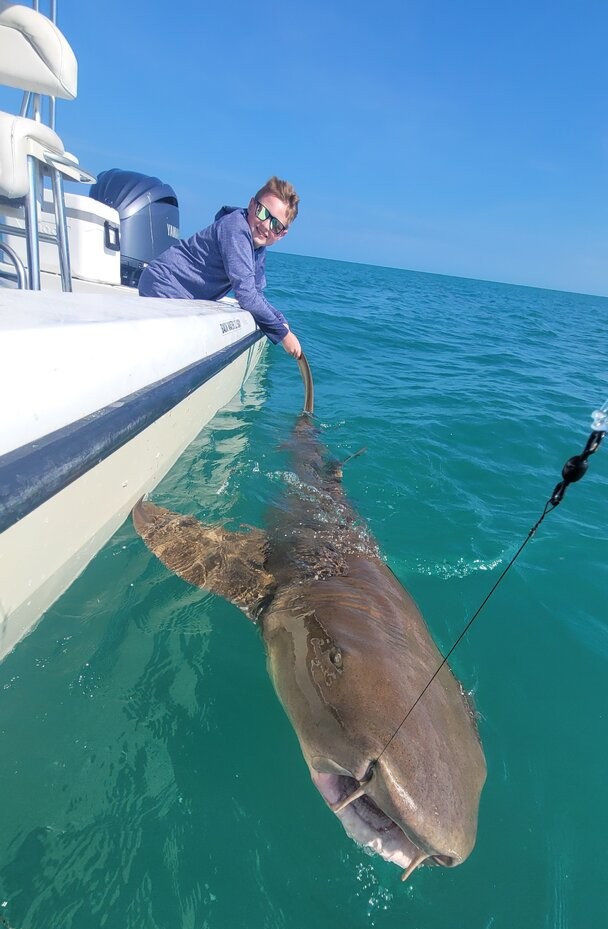
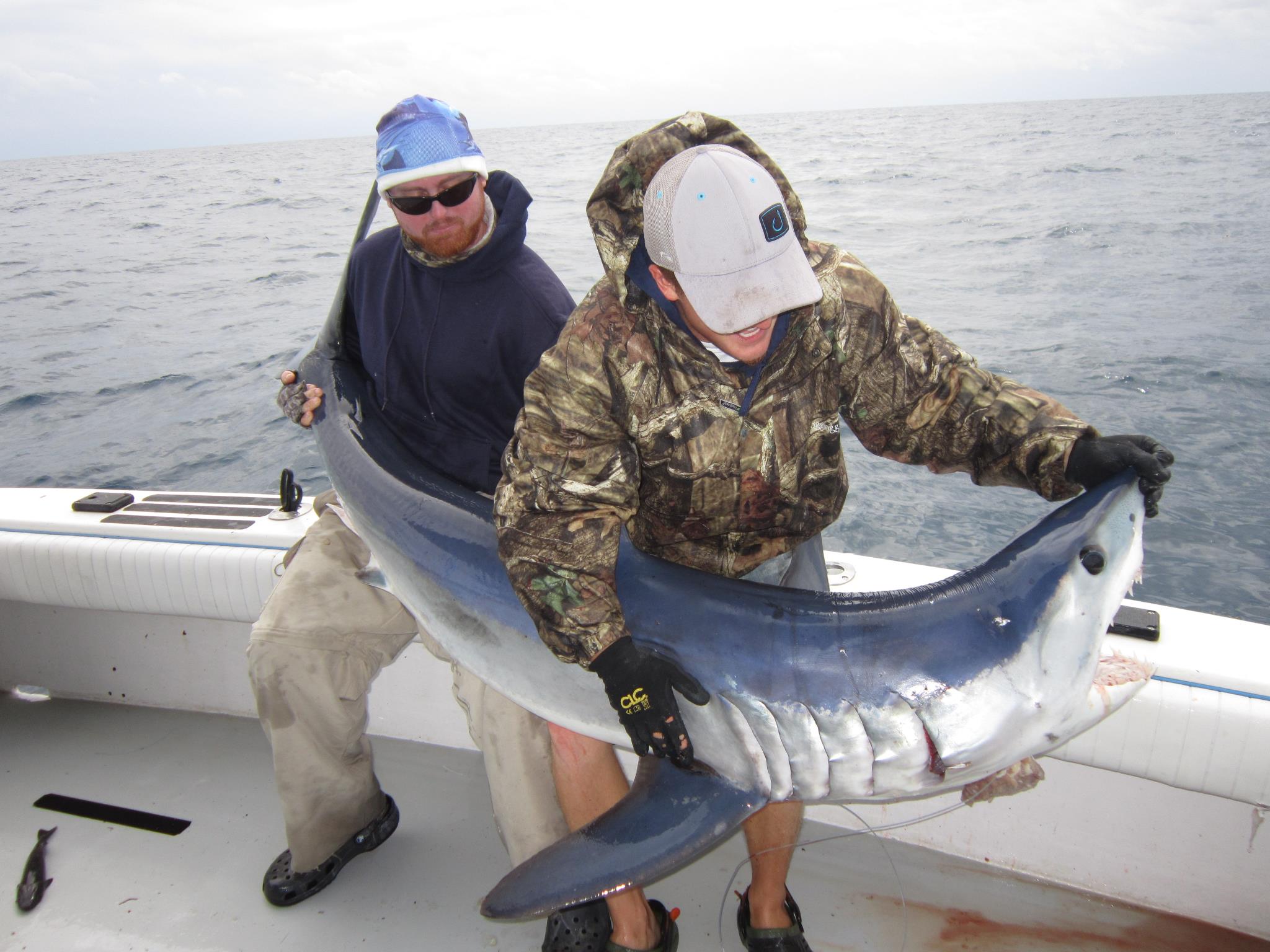
Bull Sharks are the heavy hitters of the shark world, combining size with an aggressive attitude that makes every hookup memorable. These thick-bodied predators can show up anywhere from 2 feet of water to 200 feet, but around Key West, we typically find them near structure in 15-40 feet. Bulls can easily reach 200+ pounds and fight with a relentless, bulldogging style that'll test your endurance. They're most active during the warmer months but can be caught year-round if you know where to look.
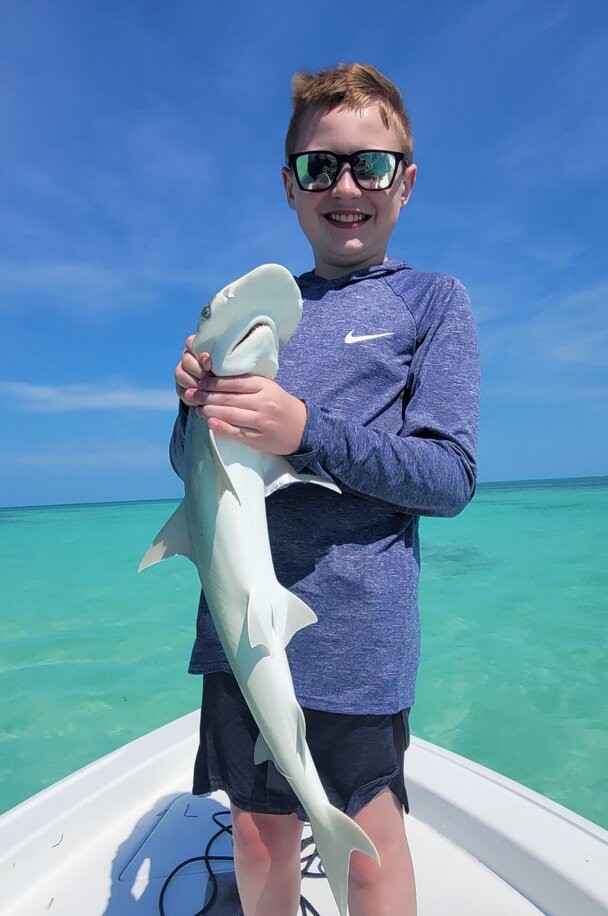
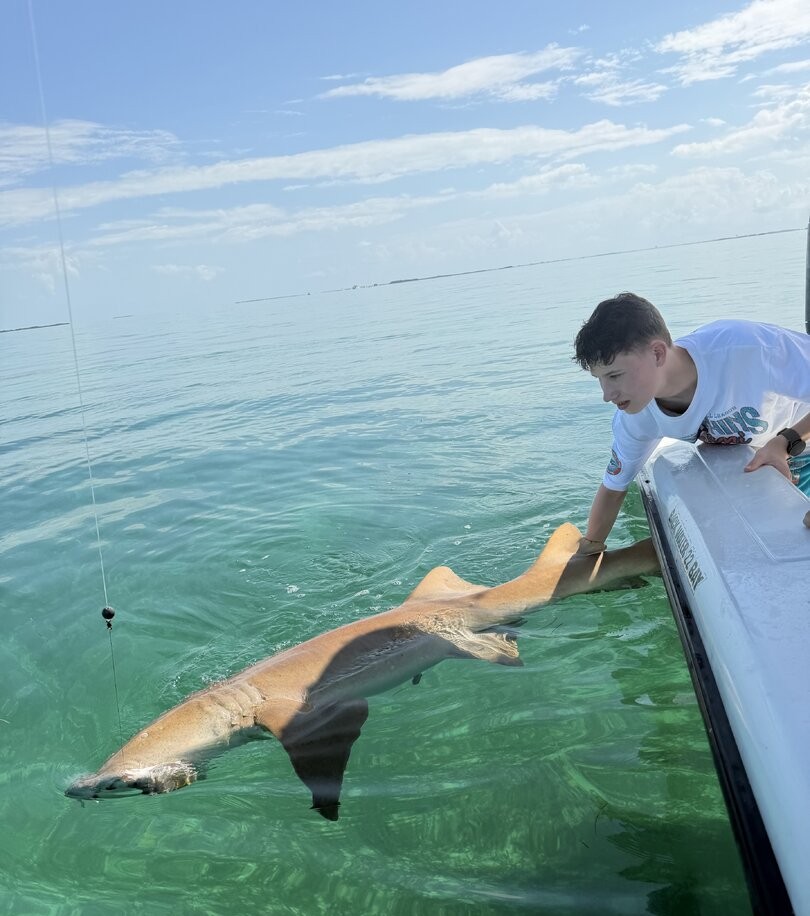
Lemon Sharks are probably the most predictable of our target species, often found in the same areas day after day. They prefer shallow, sandy areas near mangroves and grass flats, making them perfect for our light-draft boat. Lemons typically run 50-150 pounds and fight with steady, determined runs rather than flashy jumps. What makes them special is their willingness to feed in shallow water where you can often see them coming to your bait – adding a visual element that gets everyone on the boat excited.
Time to Book Your Spot
This trip books up fast, especially during peak season when the fishing is at its best. With only four spots available and the flexibility of free cancellation up to three days out, there's really no reason to wait. You're getting a full 6 hours on the water with a captain who knows these fish and these waters better than anyone. All your tackle, bait, and local knowledge is included – you just need to bring yourself and maybe a cooler with drinks and snacks. Whether you're celebrating something special, introducing someone to serious fishing, or just need to get your adrenaline fix, this charter delivers exactly what you're looking for. The combination of trophy potential, diverse species, and world-class fishing grounds makes this one of the top-rated experiences you'll find in Key West.
 Private Trip
 Wrecks/Reefs Fishing
 Key West
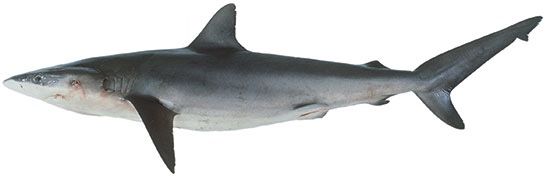

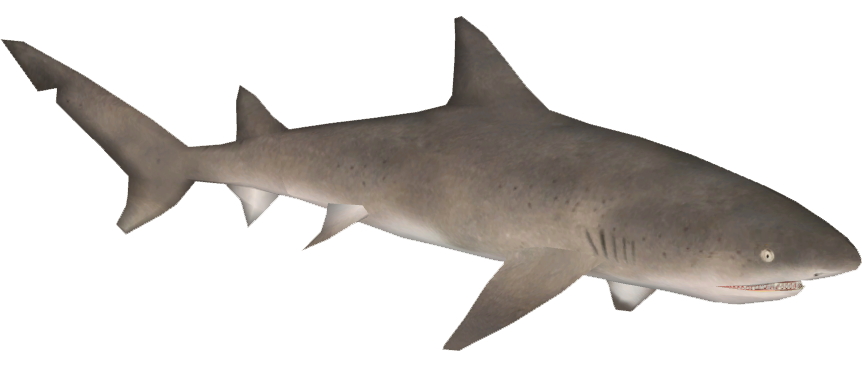
 Six-hour private charter targets Goliath Grouper and multiple shark species