Half-Day Wreck Fishing Adventure
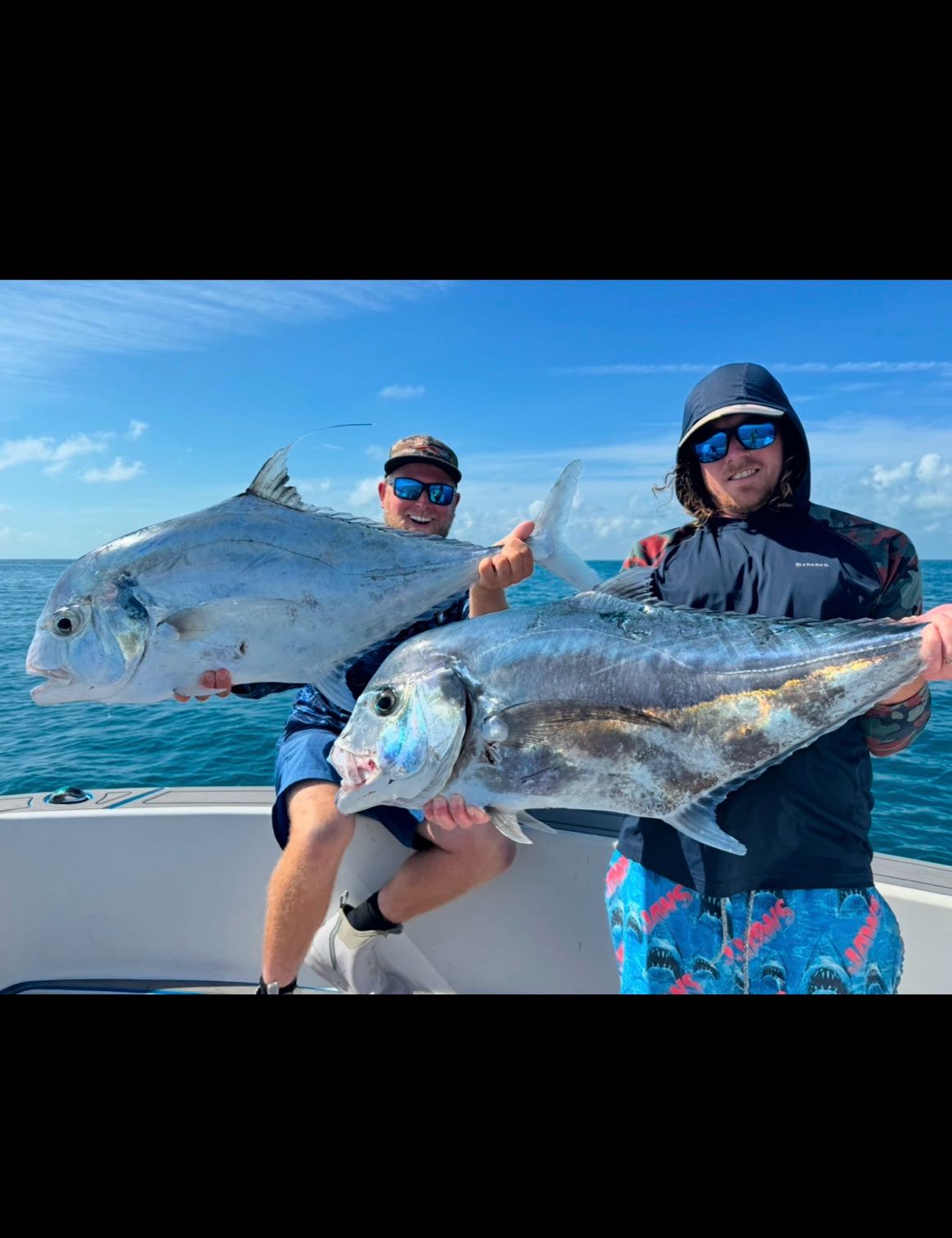
Looking for a solid half-day on the water that won't eat up your whole vacation? This 4-hour wreck fishing trip with Keys Disease Charters hits the sweet spot between action and time management. We're talking about hitting productive wrecks, reefs, and inshore spots where the fish actually live – not just burning fuel to say you went deep. With a max of 4 anglers, you'll get personalized attention and plenty of elbow room to work your lines without bumping into strangers.
What to Expect on the Water
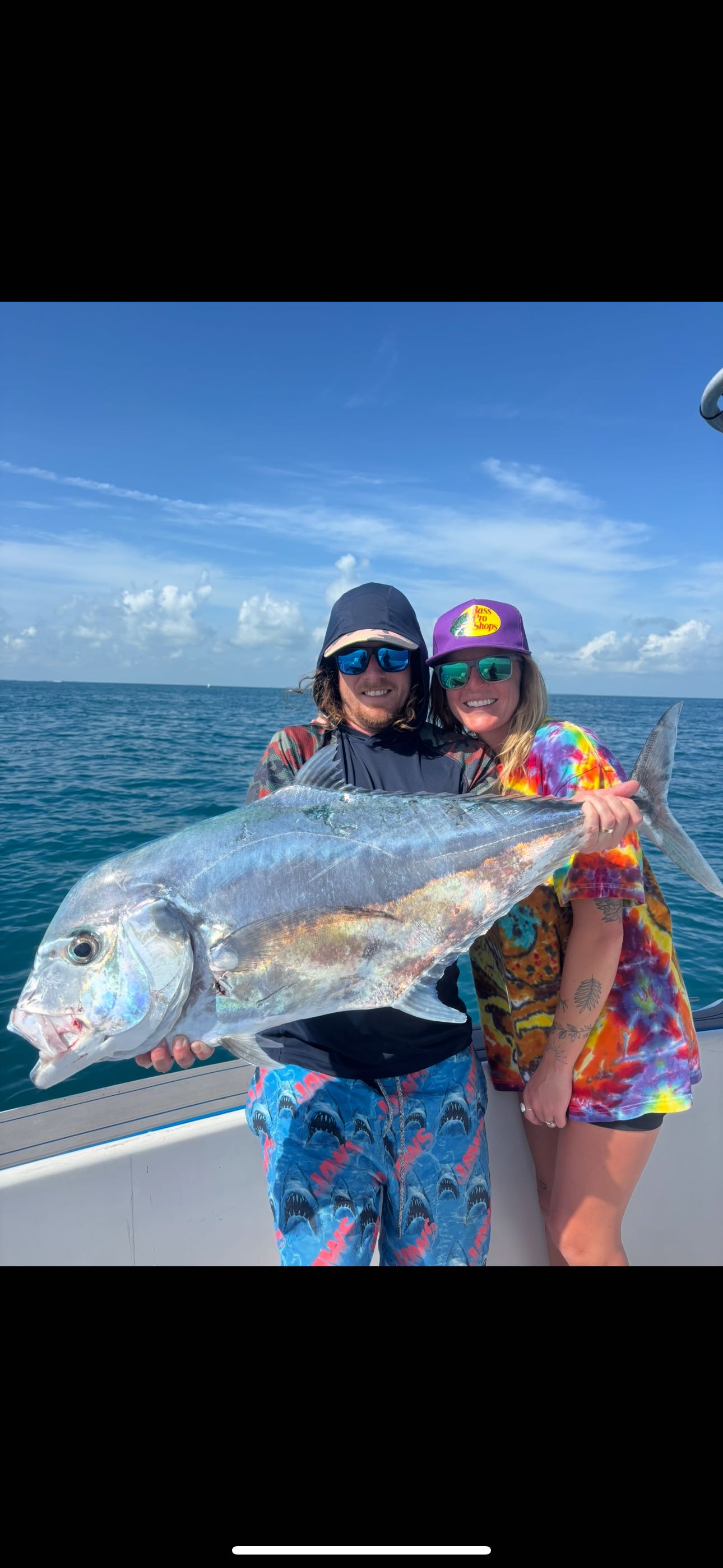
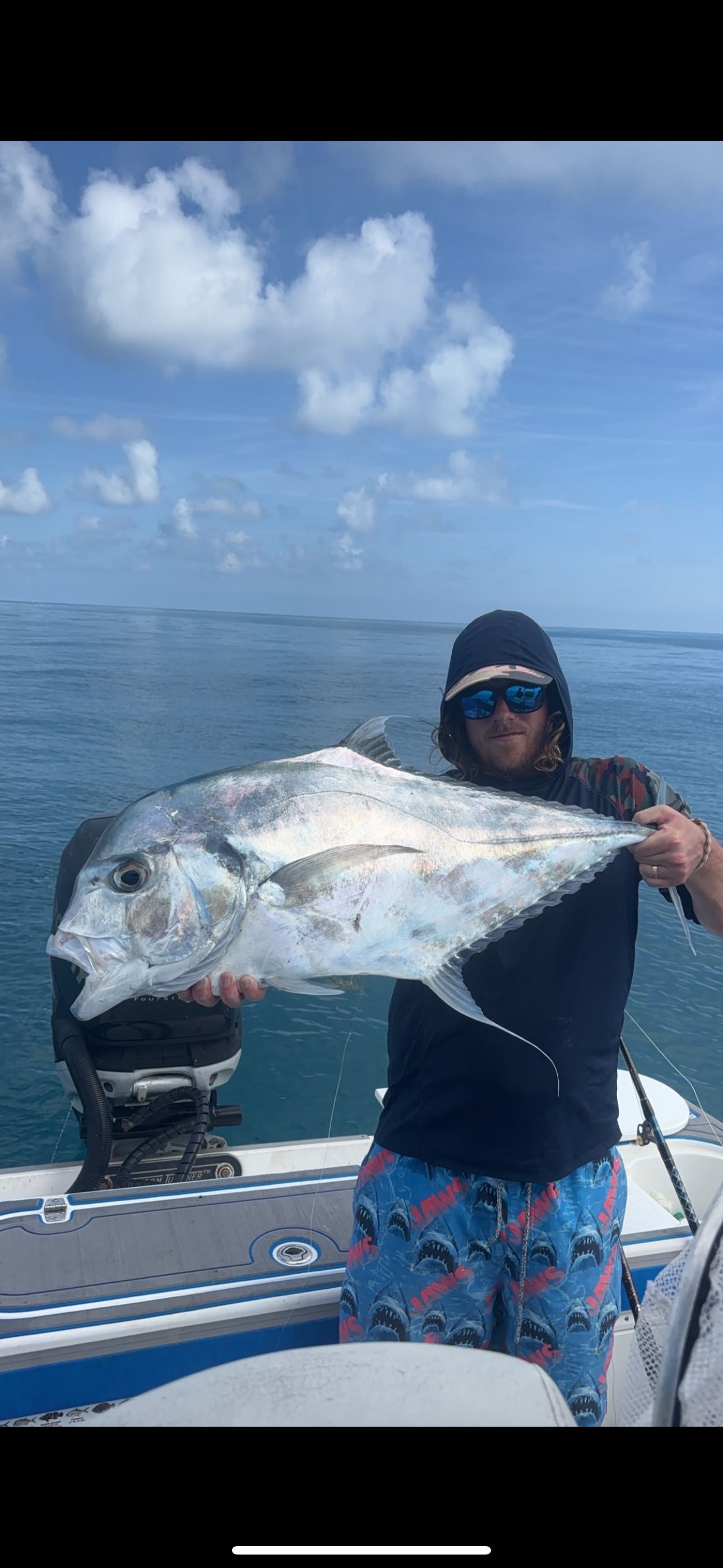
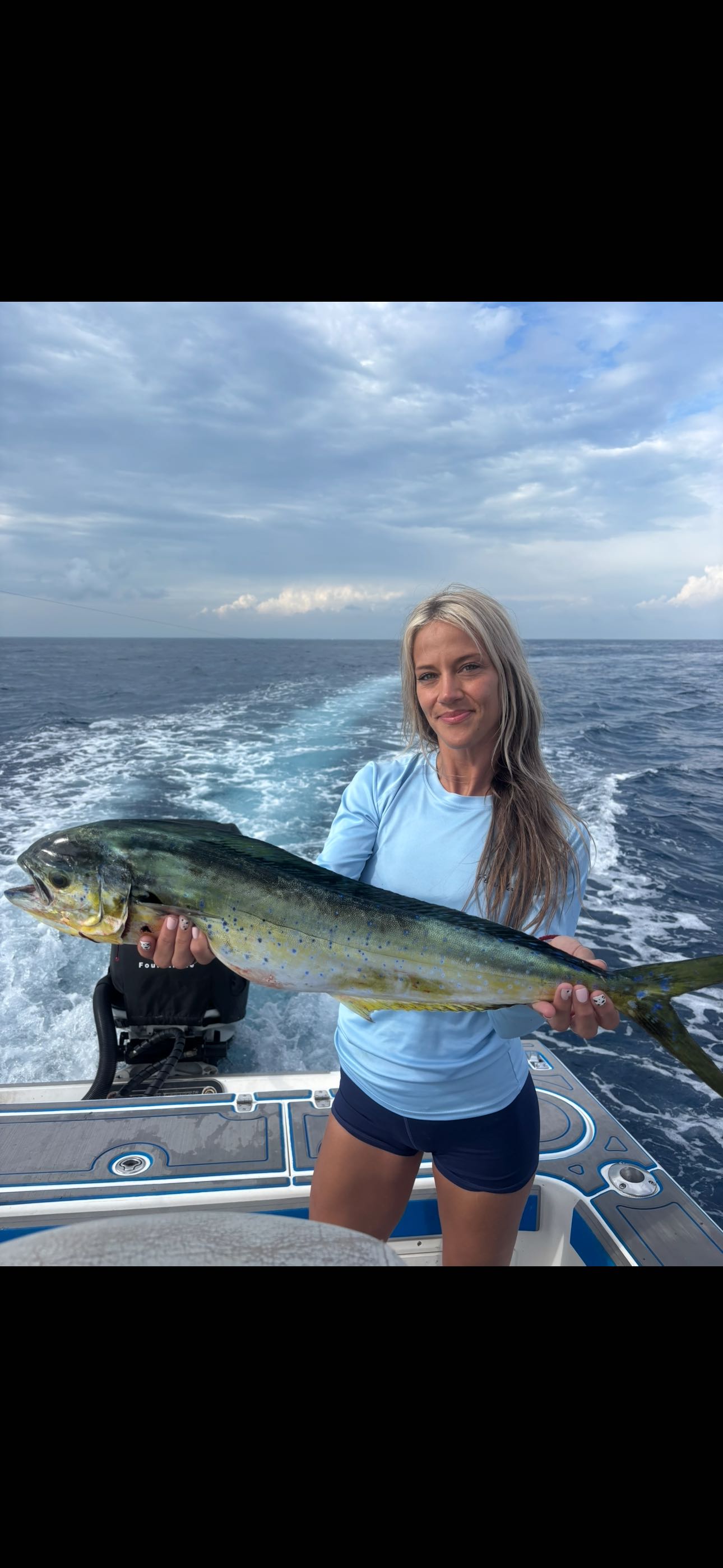
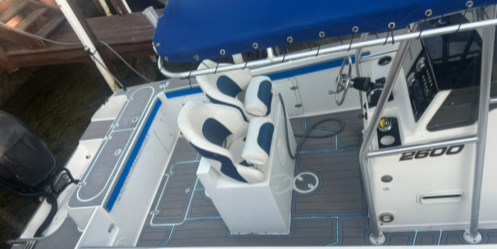
Your morning starts with a quick rundown of the game plan – we'll check conditions and head to wherever the bite's been best. Could be a wreck holding grouper, patch reefs loaded with snappers, or inshore structure where the mackerel have been blitzing bait. We keep it flexible because fish don't read schedules. You'll be working with light tackle that's perfectly matched to the targets, making every hookup feel like a real fight. The boat comes equipped with everything you need: rods, reels, terminal tackle, and most importantly, fresh live bait when it's available. We're not just throwing out dead shrimp and hoping – we'll run multiple techniques throughout the day. Bottom rigs for the reef dwellers, jigs for the aggressive biters, and flat lines when the pelagics show up. Chum goes in the water early and often because nothing beats drawing fish right to your hooks.
Techniques and Tackle
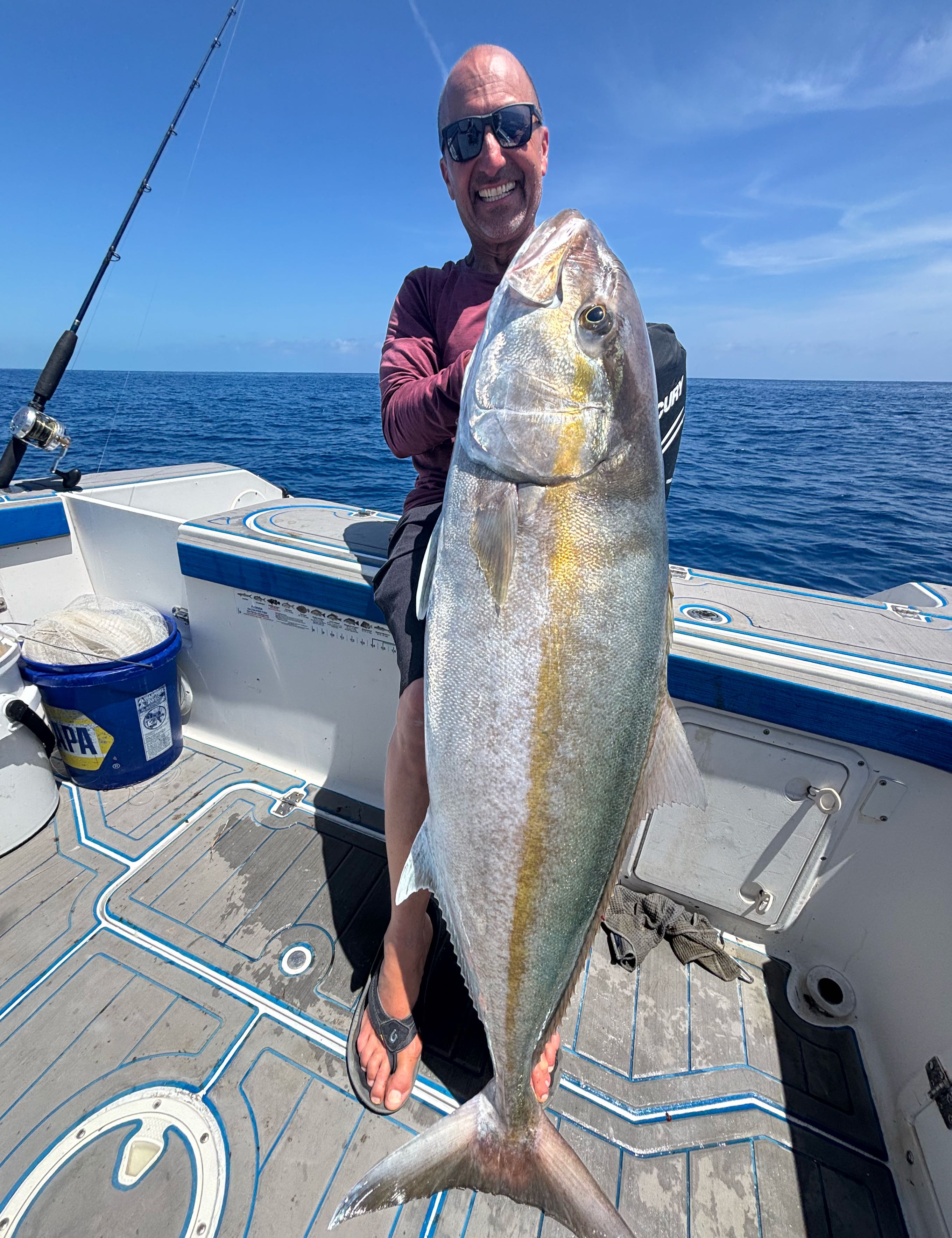
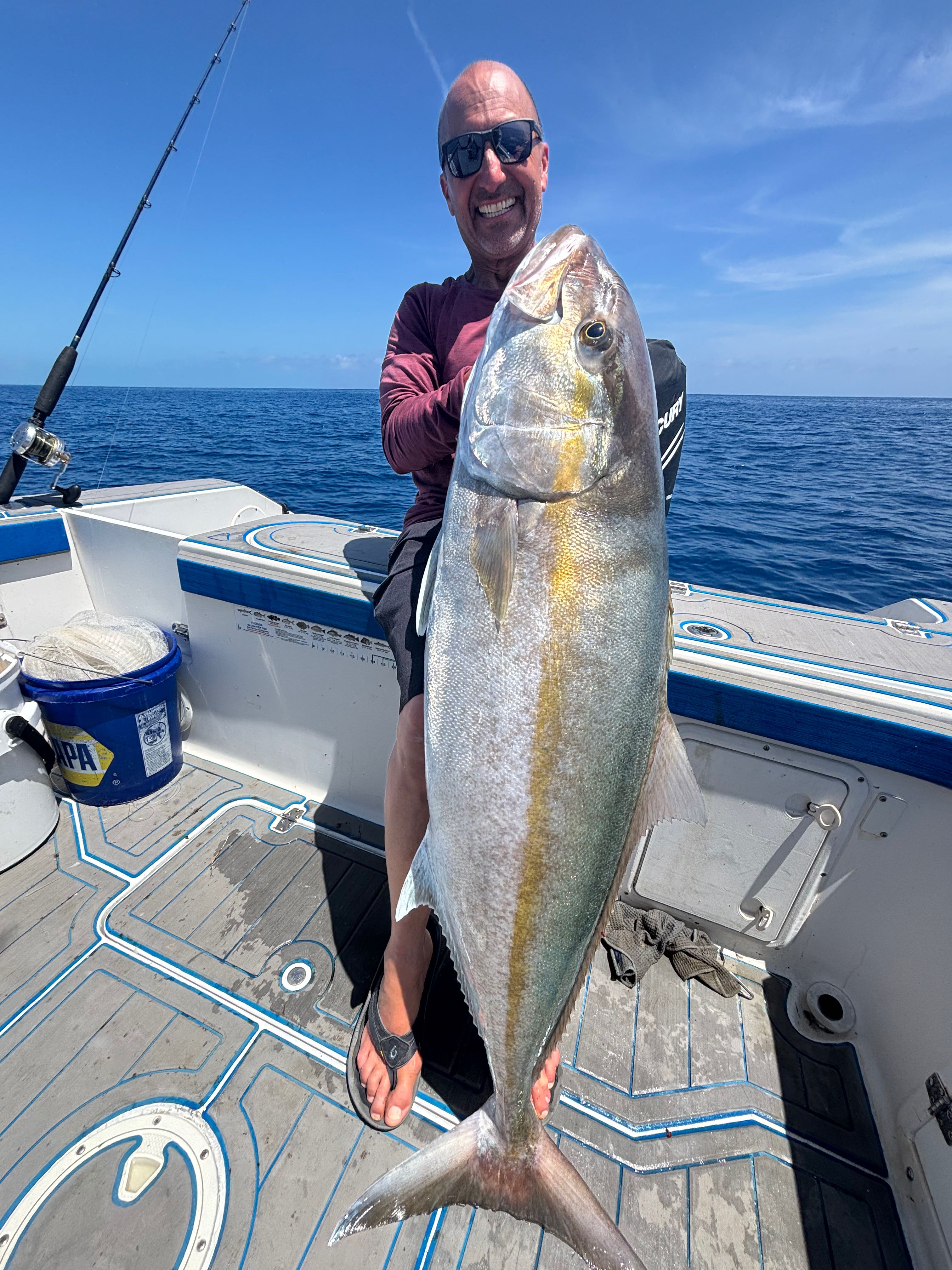
This isn't a one-trick operation – we switch techniques based on what's working and what we're targeting. Bottom fishing with circle hooks keeps the snappers and groupers coming, while vertical jigging can trigger strikes from fish that won't touch bait. When current's moving right, we'll drift fish the edges where predators ambush prey. Flat lining covers water and picks up the speedsters like kings and barracuda that patrol the blue water. Light tackle means you'll feel every head shake and run, whether it's a 5-pound mutton snapper or a 20-pound king mackerel. The chumming operation runs constantly – ground bait goes over to create a slick that carries scent downcurrent and brings fish up from the depths. Live pilchards, pinfish, and threadfins get the nod when they're around, but don't overlook cut bait and squid strips. Sometimes the biggest fish want the easy meal. We'll adjust leader length and hook size based on what's biting, and I'll show you how to read the signs when fish are around but not committing.
Species You'll Want to Hook
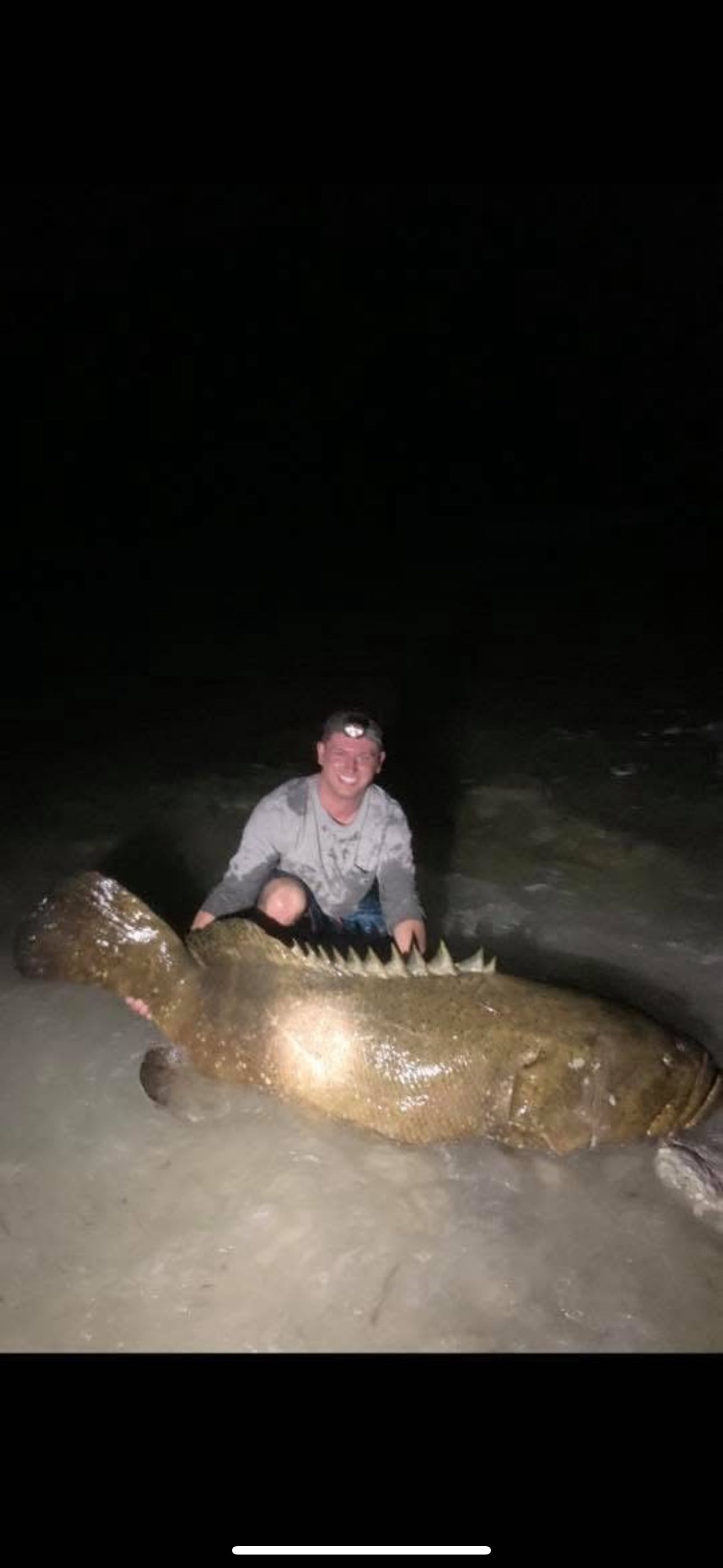
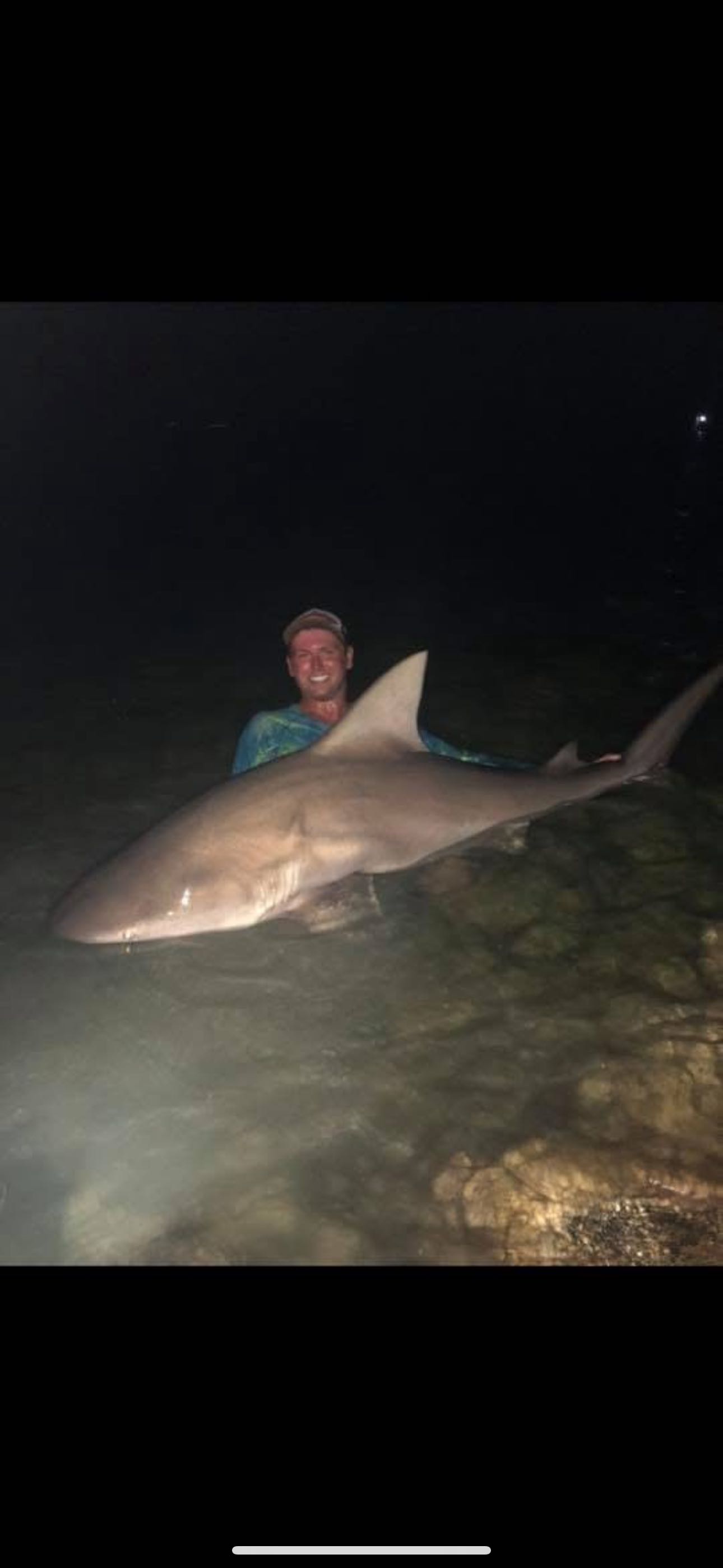
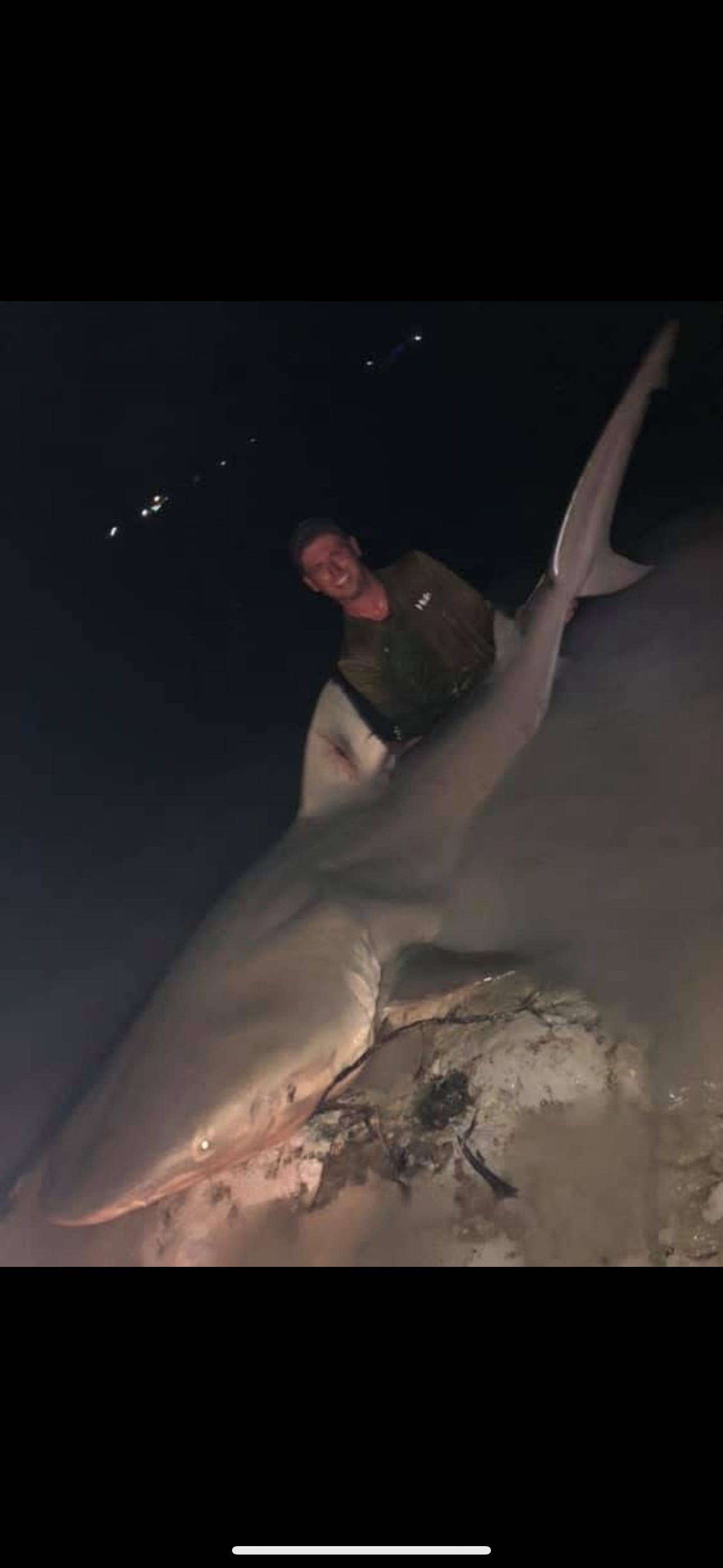
Goliath Grouper are the monsters everyone talks about, and for good reason. These giants can push 200-300 pounds and live around wrecks, bridges, and deep reefs. They're curious fish that respond well to large baits and aren't particularly line-shy – but don't mistake that for easy. When a goliath grabs your bait, it's like being tied to a freight train. The fight happens in short, powerful runs to structure, and you've got maybe 30 seconds to turn their head before they wrap you up. Best action runs from June through September when they're spawning and feeding heavily. Catching one is a bucket-list experience that most anglers never forget.
Atlantic Sailfish bring serious excitement with their aerial displays and blistering runs. These pelagic speedsters show up year-round but peak from December through April when cooler water pushes them closer to shore. They'll take live bait fished on the surface or slow-trolled, and once hooked, they put on a show that'll have everyone on the boat reaching for cameras. Sailfish typically run 6-8 feet long and fight with incredible stamina, mixing jumps with long runs that test your drag settings and patience. The key is keeping steady pressure without pulling too hard – they can throw the hook with one wild shake of their bill.
King Mackerel are the bread and butter of many offshore trips, and there's good reason they're so popular. These toothy predators hit hard, run fast, and taste incredible on the dinner table. Kings patrol reefs, wrecks, and temperature breaks looking for schools of bait, and they're not subtle about feeding. When they're around, you'll see birds diving and bait spraying out of the water. They prefer live bait but will slam spoons, jigs, and trolled dead baits. Wire leaders are mandatory – their teeth will slice through mono in a heartbeat. Peak season runs from fall through spring, but resident fish are around year-round.
Wahoo Fish are built for speed and designed to cut bait in half. These torpedo-shaped predators can hit 60 mph and fight with a combination of speed and power that few fish can match. They're often caught while targeting other species, ambushing baits intended for kings or sailfish. Wahoo have incredible teeth and require heavy wire leaders, but the fight is worth the extra rigging. They typically show up around wrecks and drop-offs where they can use structure to corner baitfish. Fall and winter offer the best chances, especially when water temperatures start dropping and bait moves offshore.
Great Barracuda are the opportunists of the reef, always looking for an easy meal and quick to investigate anything that moves. These aggressive predators can reach 4-5 feet and fight with surprising strength, especially around structure where they can use their speed and agility. They're notorious bait stealers but also willing biters when you target them specifically. Barracuda respond to shiny lures, live bait, and cut fish, though they can be line-shy in clear water. They're around year-round and provide consistent action when other species are being finicky. Their teeth demand wire leaders, but their aggressive nature makes them a favorite for anglers who like visual strikes and hard-fighting fish.
Time to Book Your Spot
Half
 Private Trip
 Wrecks/Reefs Fishing
 Marathon, FL


 Four-hour fishing adventure targeting multiple reef and wreck locations