Half Day Morning Fishing Trip In Port Arthur
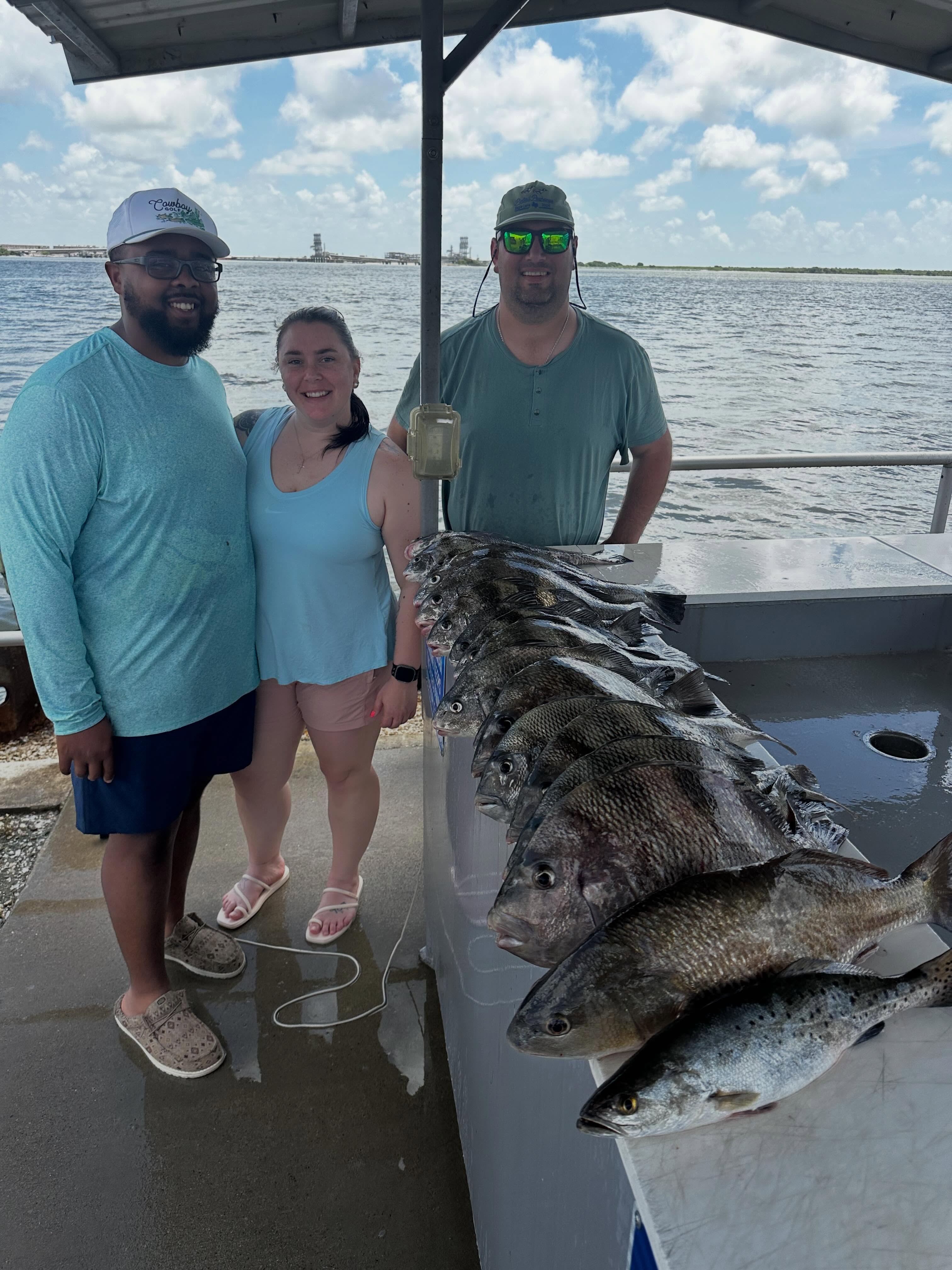
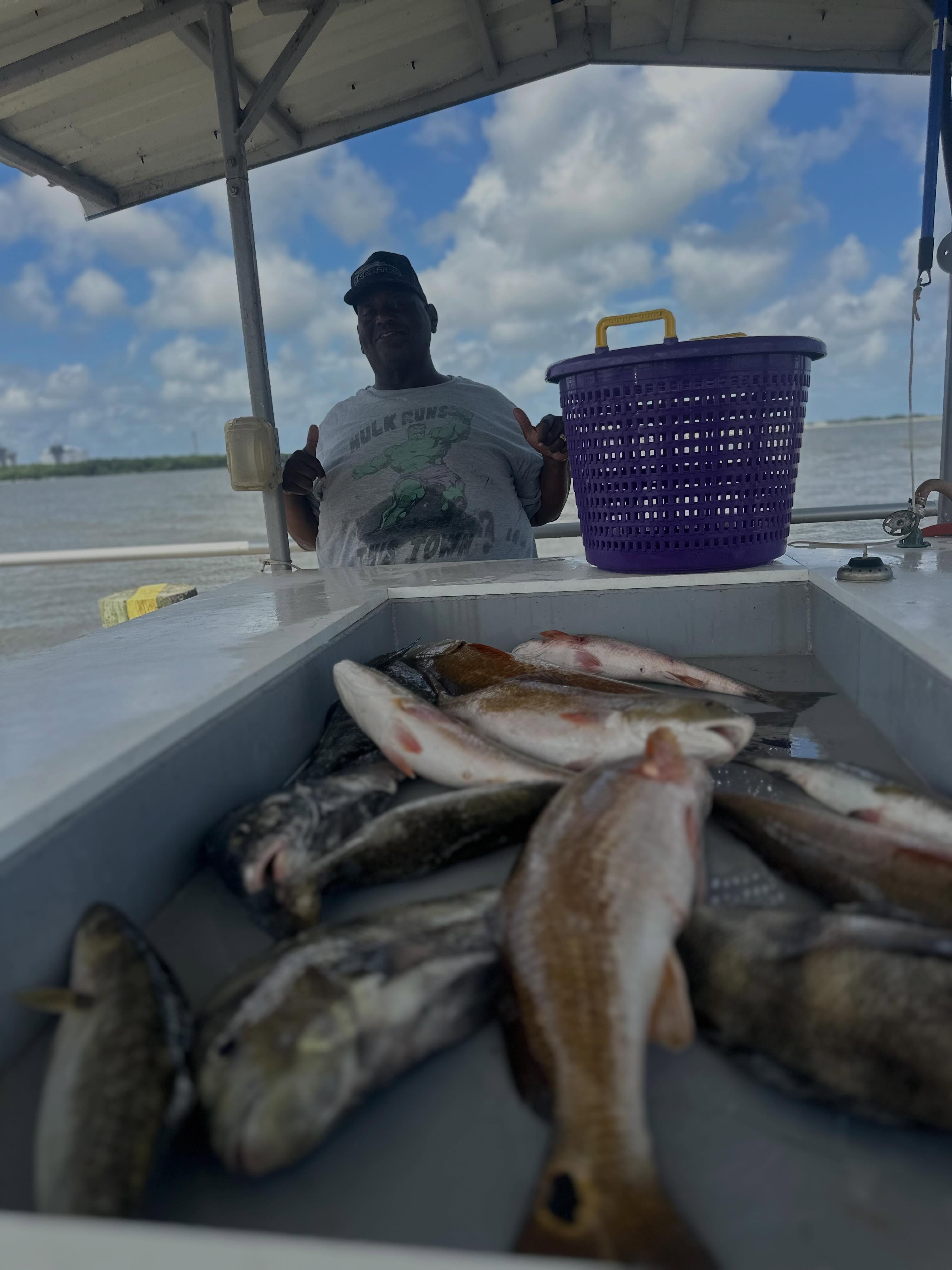
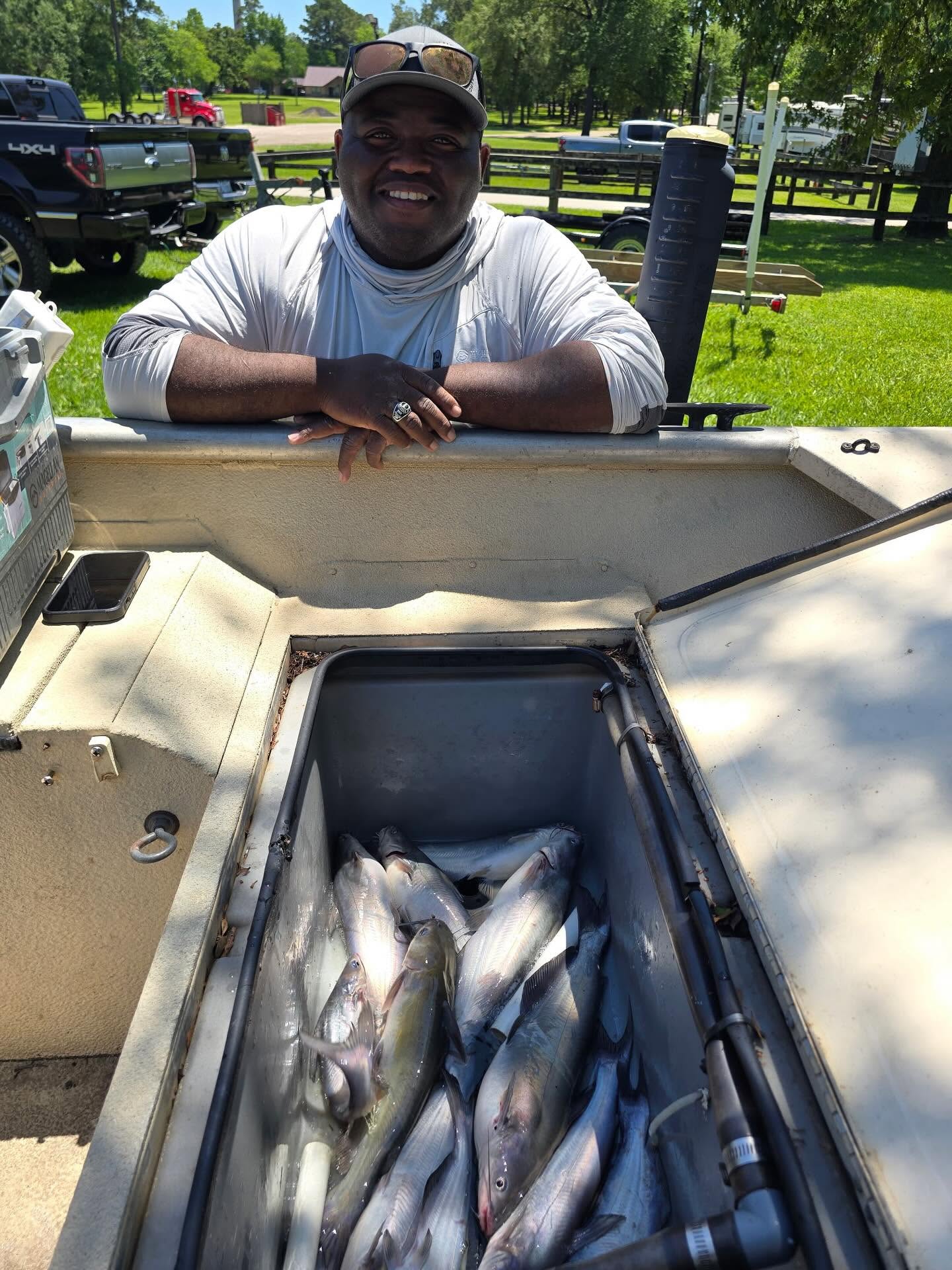
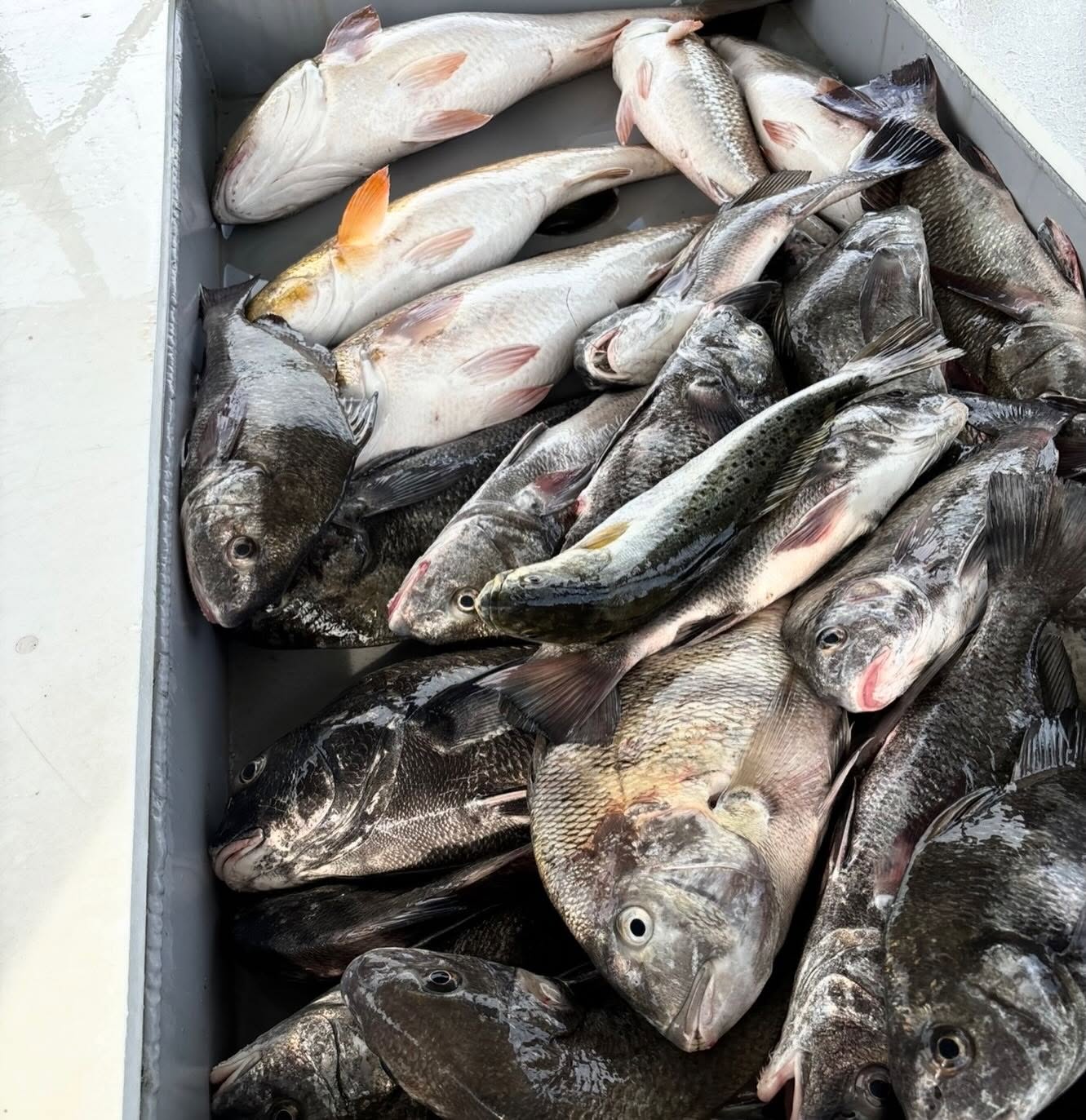
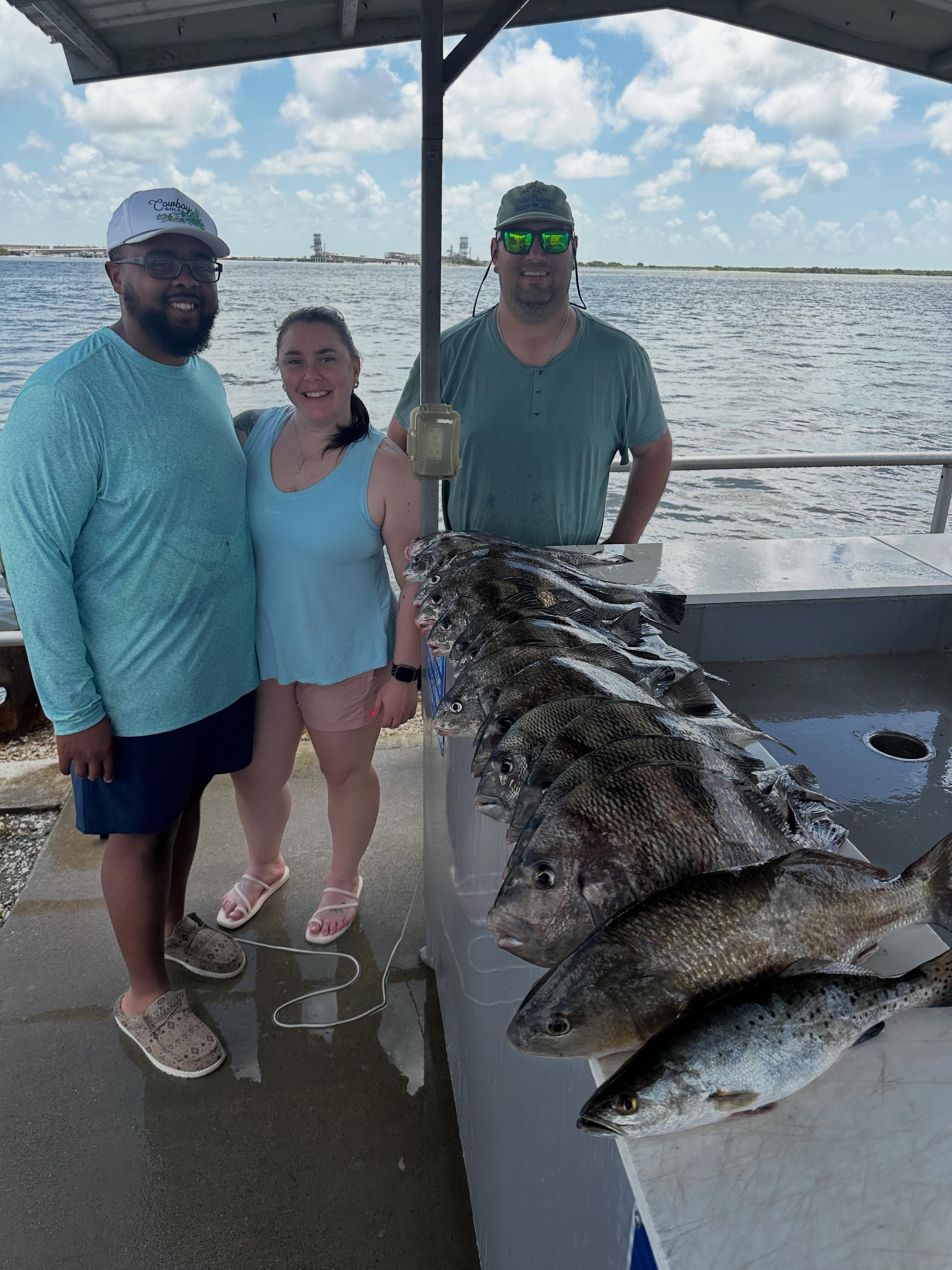
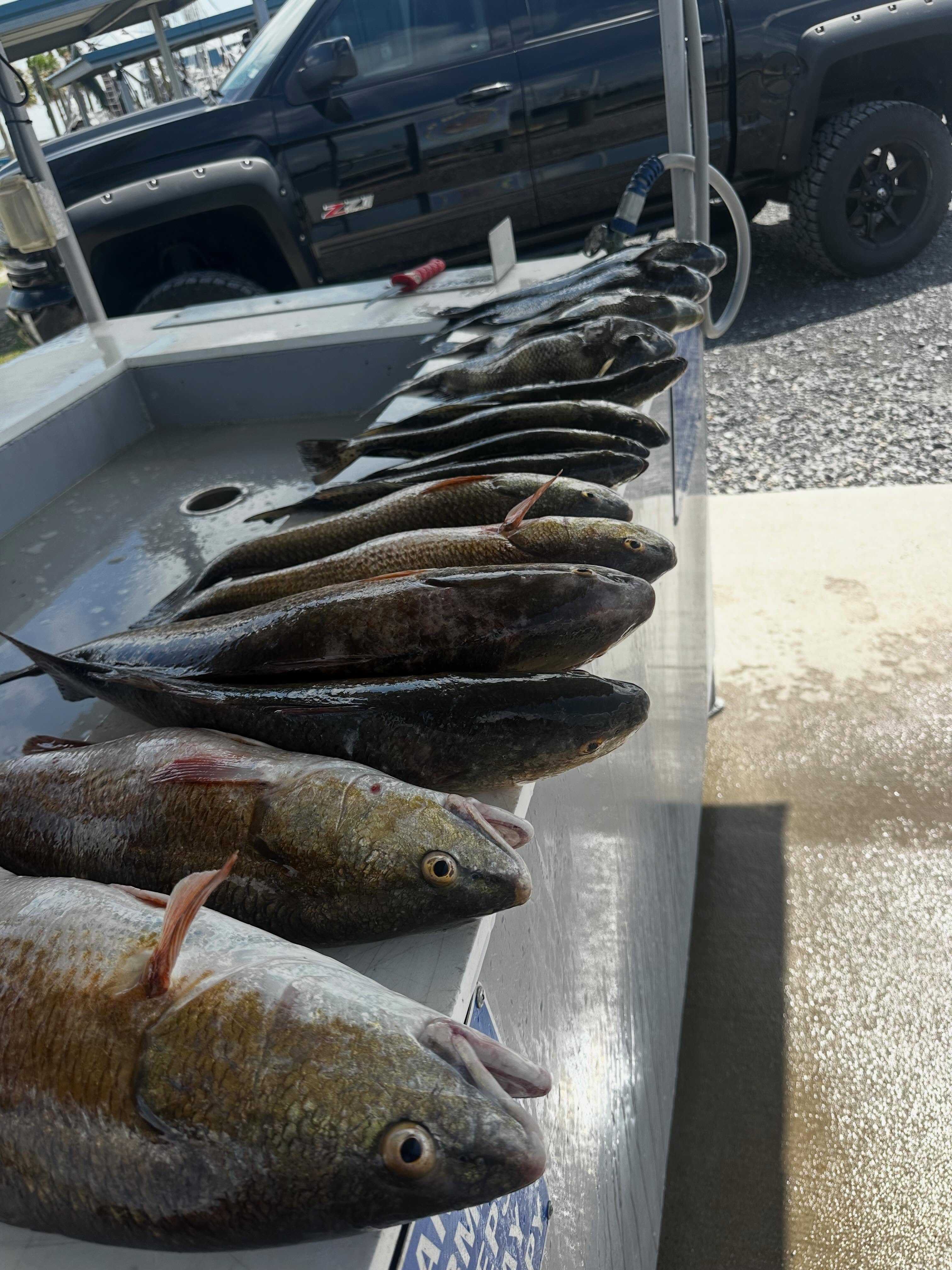
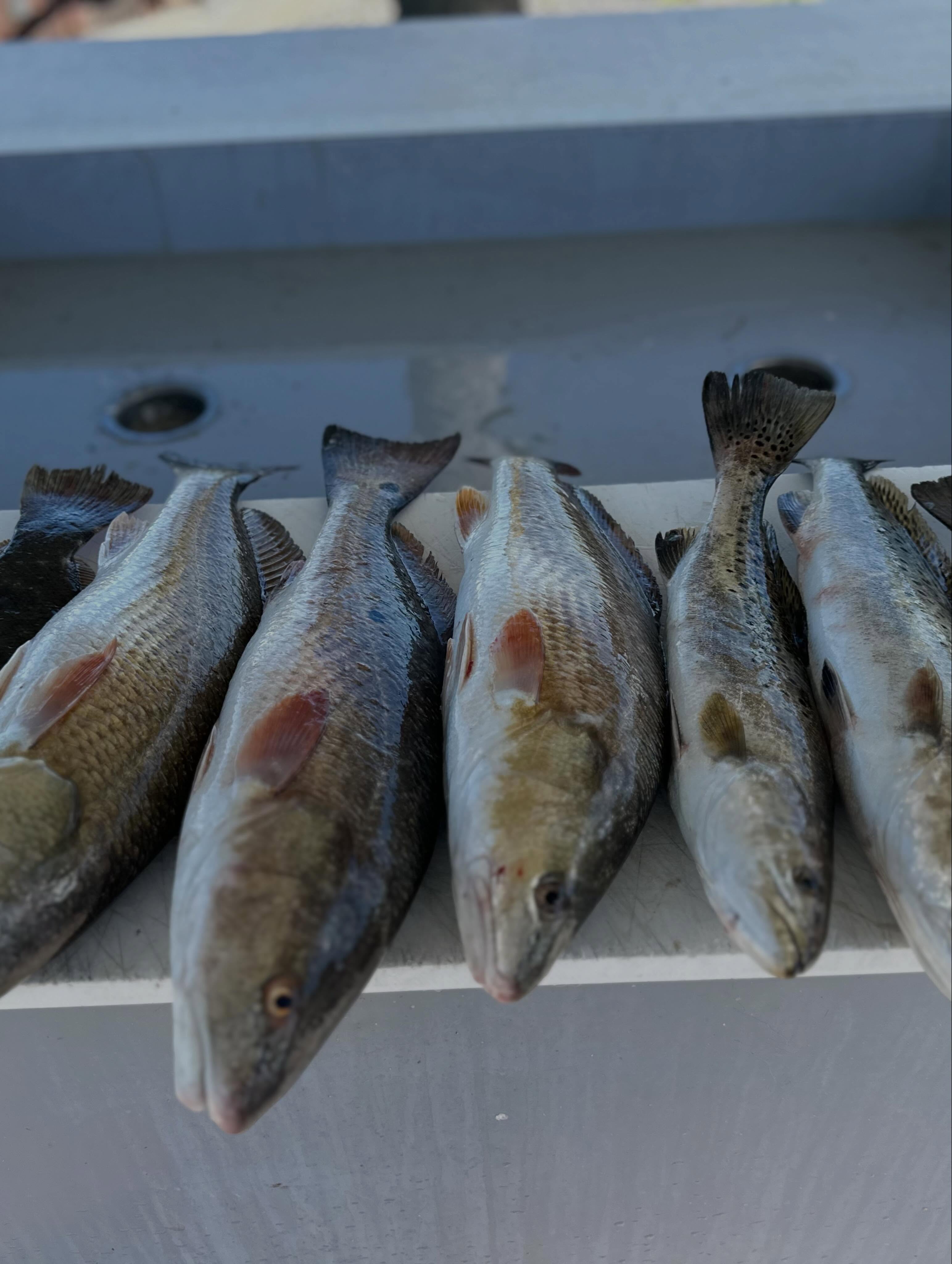
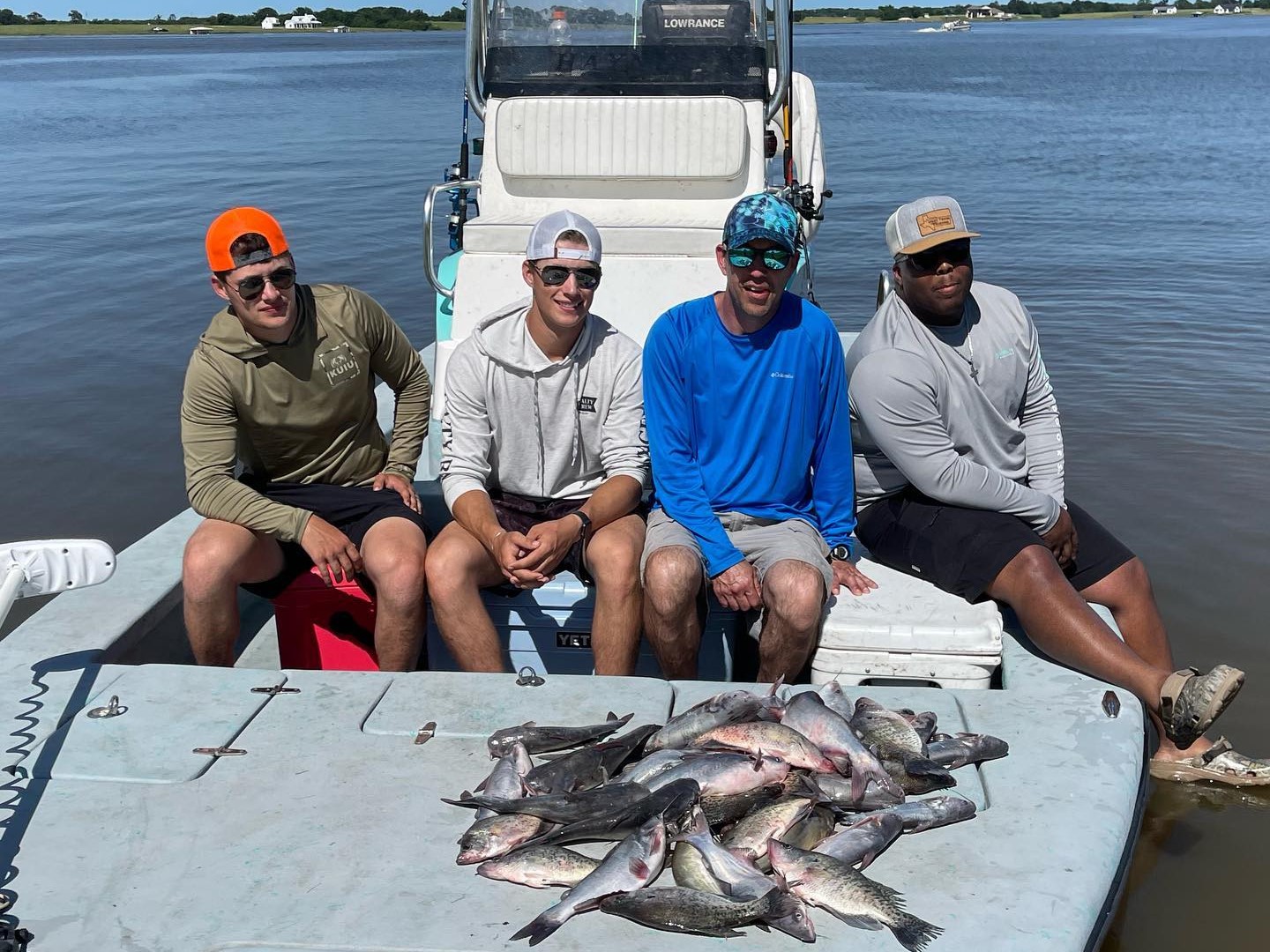
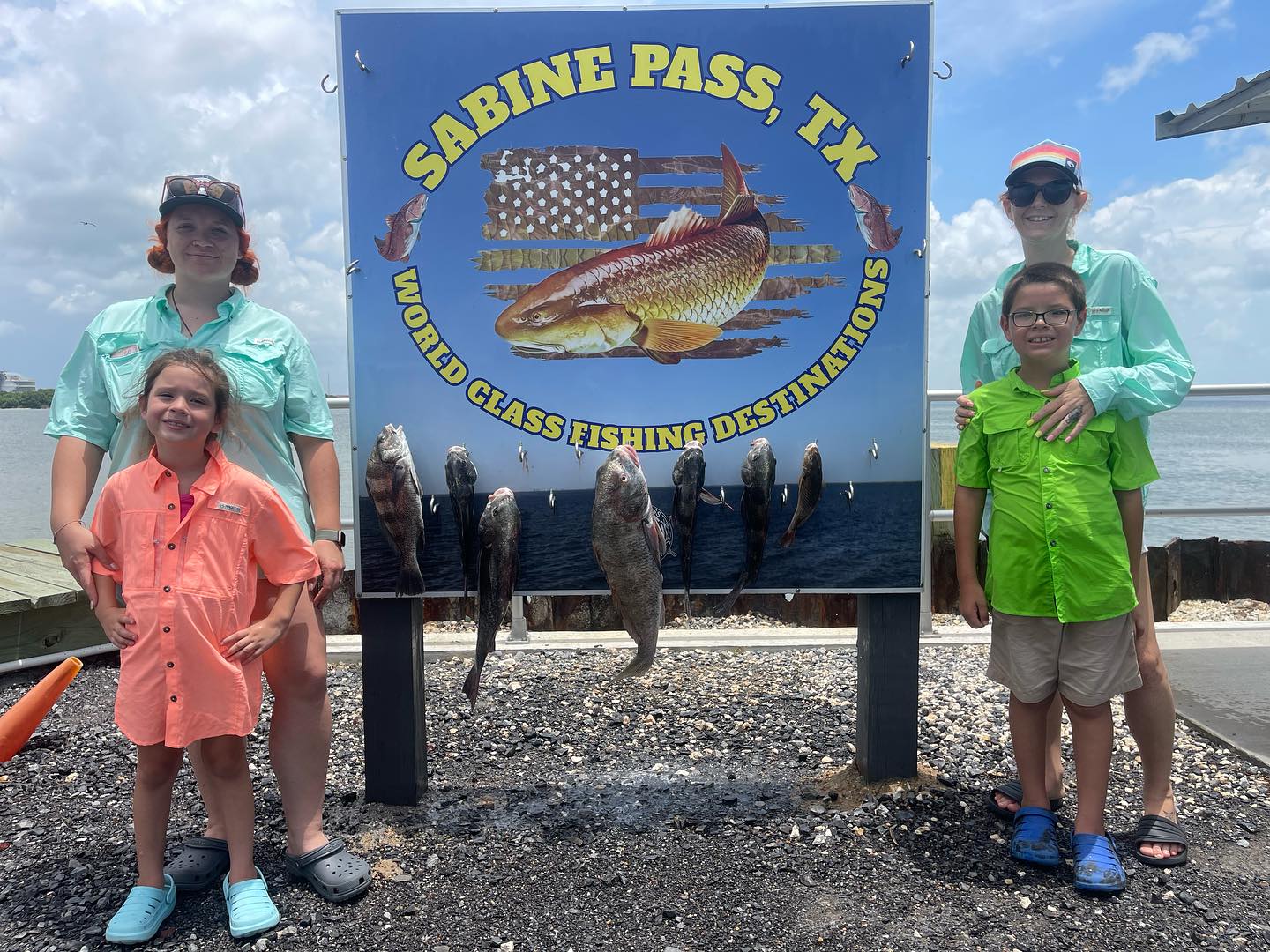
Picture this: it's 7 AM, the Texas sun is just starting to peek over the horizon, and you're casting your line into some of the most productive inshore waters along the Gulf Coast. That's exactly what you'll get with Keystone Outdoors' top-rated Port Arthur fishing charter. This 4-hour morning trip is designed for up to 3 guests, running Mondays, Saturdays, and Sundays when the fish are most active and the waters are at their calmest. We're talking about prime time fishing in waters that consistently produce Redfish, Speckled Trout, Black Drum, Flounder, and Sheepshead. Don't forget your valid Texas fishing license – you're going to need it when these fish start biting!
What to Expect on the Water
Early morning starts are a game-changer in Port Arthur's inshore waters. By the time most folks are having their second cup of coffee, you'll already be working the grass flats and shell reefs where the action happens. The beauty of this 4-hour window is that you're fishing during the most productive part of the day without committing to a full-day adventure. Port Arthur's location gives us access to incredible diversity – we've got everything from shallow grass beds perfect for sight fishing to deeper structure holds where the bigger drum and trout like to hang out. The morning bite here is legendary among local anglers, and there's something special about watching the sunrise paint the water while you're hooked up to a bull redfish. This customer favorite trip keeps groups small at just 3 people, so you're getting personalized attention and plenty of rod time.
Techniques & Tackle Setup
Port Arthur inshore fishing is all about adapting to what the fish want on any given day. We'll be using a mix of live bait and artificials depending on conditions and target species. For the reds and black drum, we're talking about working the bottom with fresh shrimp and blue crab around oyster reefs and drop-offs. When we're after trout and flounder, we'll switch gears to soft plastics and topwater plugs worked over grass flats and sand pockets. The key here is reading the water – looking for nervous baitfish, bird activity, and those telltale signs that predators are feeding. We keep our tackle versatile with medium-action spinning rods that can handle everything from finesse presentations to fighting a 30-inch redfish that doesn't want to come to the boat. The boat is equipped with quality Penn and Shimano reels, and we've got everything from popping corks to jigheads ready to go. Live bait wells keep our shrimp and croakers happy, and we're always scanning for signs of life with our fish finder.
Species You'll Want to Hook
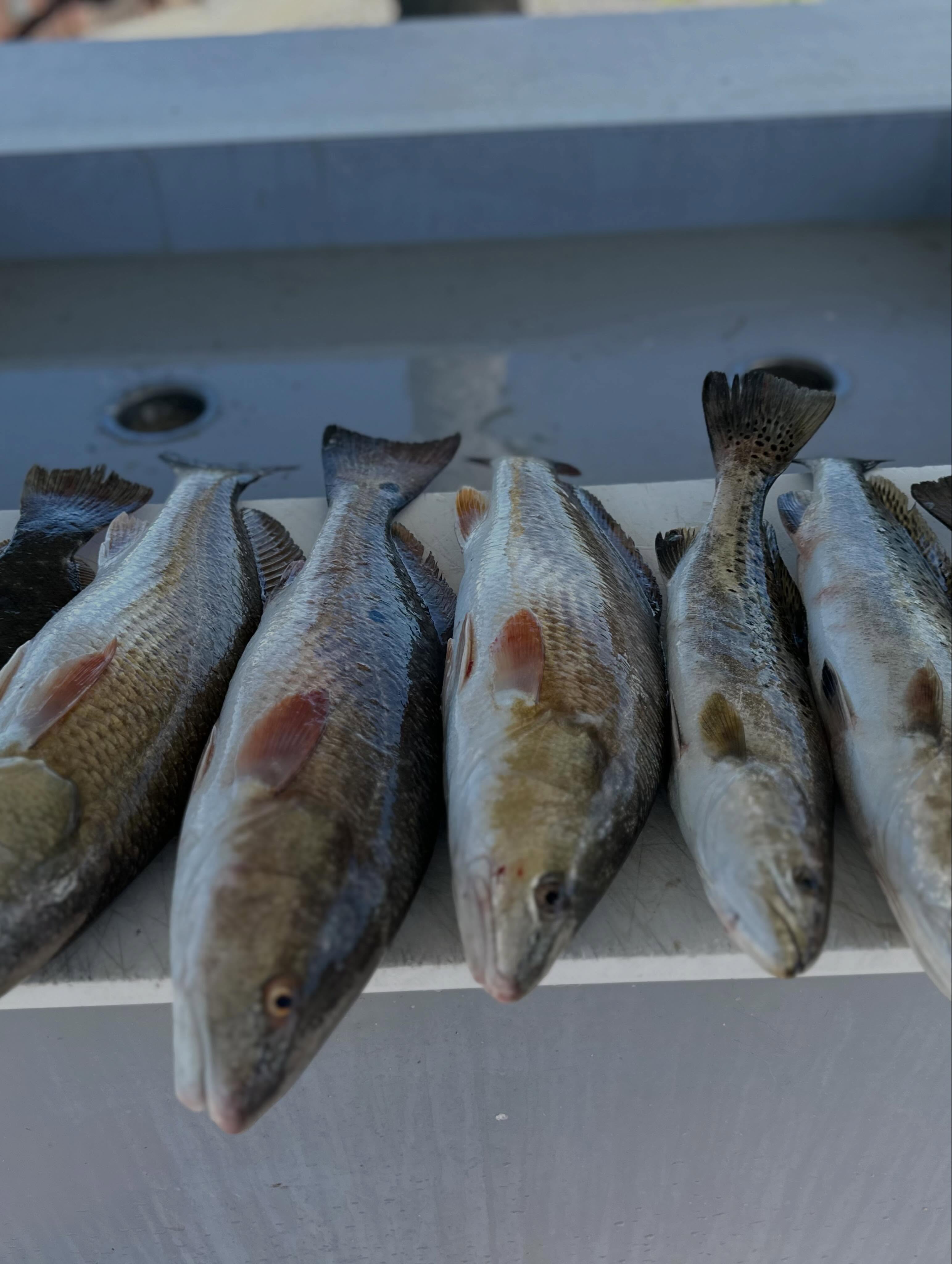
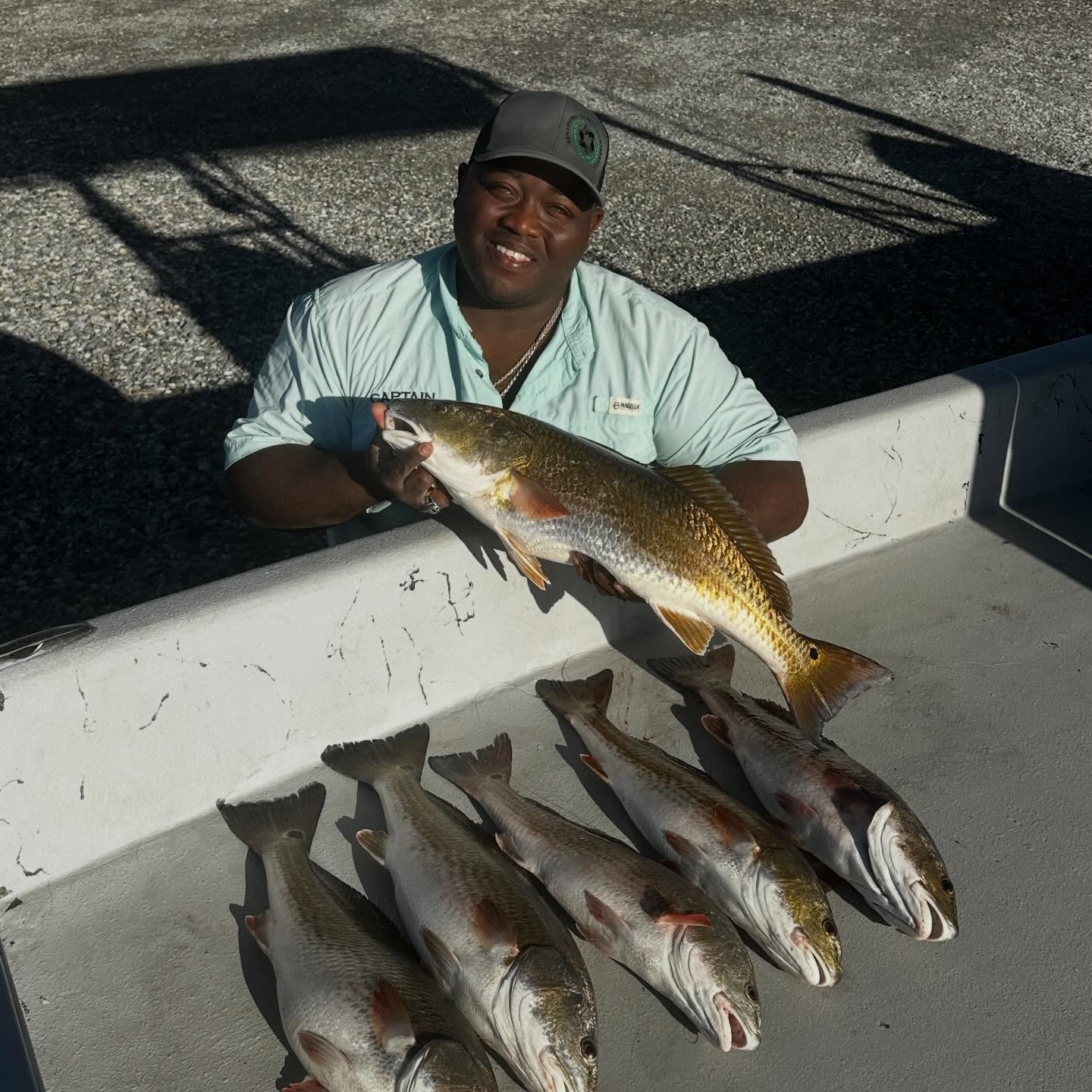
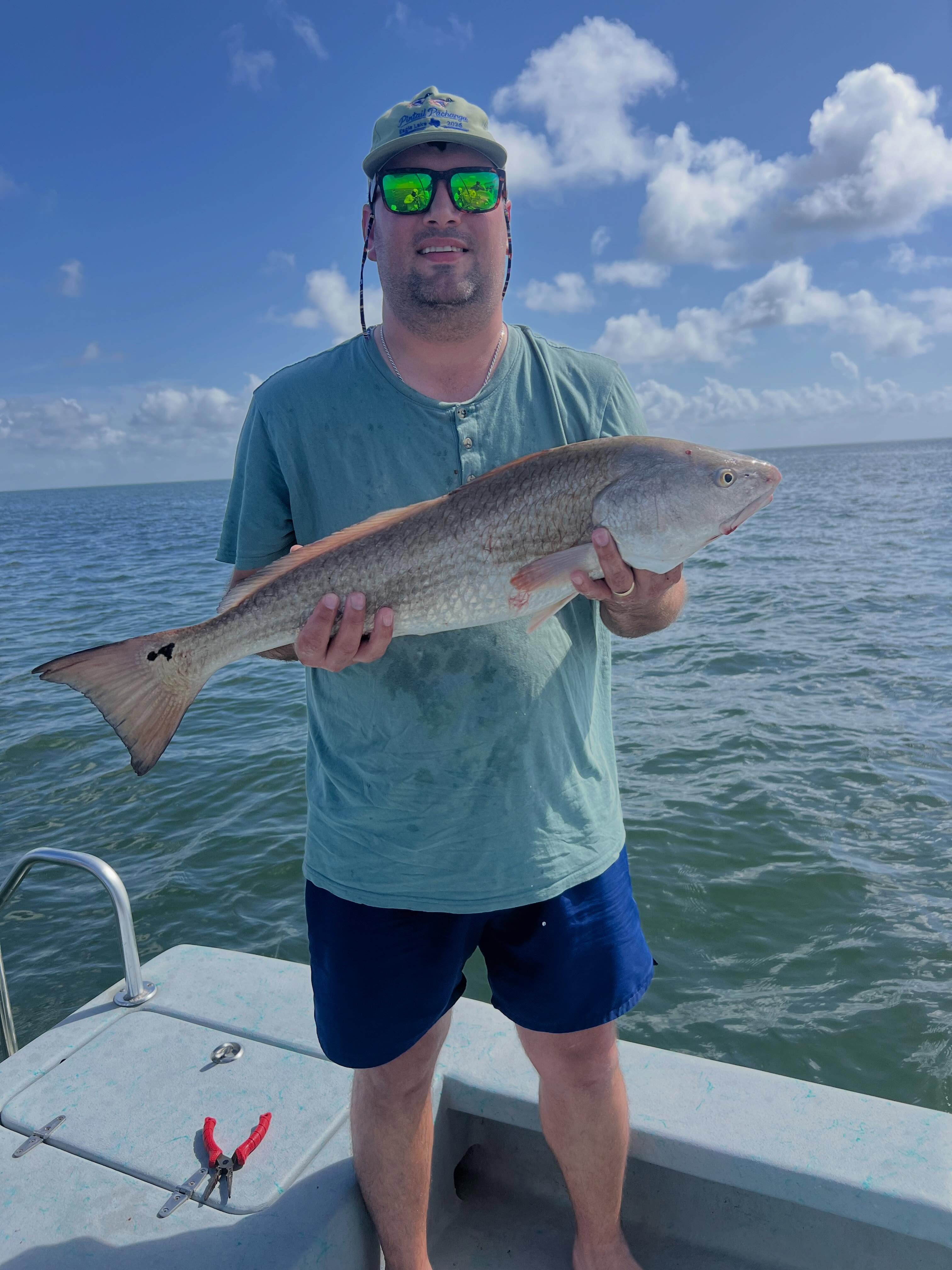
Redfish are the crown jewel of Port Arthur's inshore scene, and for good reason. These copper-colored bruisers range from slot-size keepers around 20-28 inches up to massive bull reds that'll test your drag system. Fall and spring are prime time, but honestly, Port Arthur produces quality reds year-round. What makes them so exciting is their aggressive feeding behavior – they'll crush a topwater plug in 2 feet of water or inhale a crab bounced along an oyster reef. Plus, they fight like freight trains once hooked.
Speckled Trout, or "specks" as we call them locally, are the bread and butter of Texas inshore fishing. These beautiful fish with their distinctive black spots love our grass flats and are most active during cooler months from October through March. A good Port Arthur speck will run 15-20 inches and provides some of the most technical fishing you'll find. They can be picky eaters, requiring precise presentations with soft plastics or live shrimp under a popping cork. When you find a school of feeding trout, the action can be non-stop.
Black Drum might not win beauty contests, but they're absolute tanks when it comes to fighting power. Port Arthur's waters hold both smaller "puppy" drum perfect for the dinner table and monster bulls that can exceed 40 pounds. These fish are bottom feeders with incredible crushing power in their jaws. Spring months bring the big spawners into shallow water, creating world-class fishing opportunities. They're notorious for making long, powerful runs that'll have your reel screaming.
Summer Flounder, our "doormat" flatfish, are masters of camouflage and ambush predation. These bottom-dwellers bury themselves in sand and mud, waiting to ambush unsuspecting baitfish. Port Arthur's varied bottom structure creates perfect flounder habitat, especially around channel edges and transition zones. Summer and early fall are peak seasons, when flounder move into shallower water to feed. A quality keeper flounder runs 16+ inches and provides excellent table fare.
Sheepshead are the trickiest customers in Port Arthur waters, earning them the nickname "convict fish" for their black and white stripes and their reputation for stealing bait. These structure-loving fish have human-like teeth perfect for crushing barnacles and crabs around pilings, reefs, and jetties. Winter months are prime time when sheepshead gather in large schools around structure. They're renowned for their light bites and ability to strip bait without getting hooked, making them a favorite challenge for experienced anglers.
Time to Book Your Spot
This best trip option gives you everything that makes Port Arthur inshore fishing special – productive waters, diverse species, and that perfect morning bite window. With only 3 spots available per charter, you're getting a personalized fishing experience that larger operations simply can't match. The early 7 AM start time puts you on the water when fish are most active and before recreational boat traffic picks up. Whether you're a seasoned angler looking to target specific species or a beginner wanting to experience Gulf Coast fishing at its finest, this
 Private Trip
 Inshore Fishing
 Port Arthur


 Early morning 4-hour inshore fishing charter for up to 3 guests