St Marks Inshore Fishing for Beginners
Looking for the perfect introduction to Florida's legendary inshore fishing scene? King Charters has you covered with this beginner-friendly 6-hour adventure in the productive waters around Crawfordville. We're talking about Apalachee Bay here – one of the Big Bend's most consistent fishing spots where trout, redfish, and drum are practically jumping in the boat. This isn't some rushed half-day trip where you barely get your line wet. Six hours gives us real time to find fish, teach you the ropes, and maybe even sneak in a few different spots depending on what's biting. With all your gear, bait, and licenses included, you just need to show up ready to learn and have a good time on the water.
What to Expect on the Water
This trip is designed for small groups – we're talking three anglers max, so you're not fighting for space or attention from your guide. That's the sweet spot where everyone gets hands-on instruction without feeling crowded. The boat launches from the St Marks area, putting us right in the heart of some serious fish habitat. Apalachee Bay is shallow, grassy, and full of structure that holds baitfish – which means predators aren't far behind. Your guide knows these waters like the back of their hand, from the deeper channels where the drum hang out to the grass flats where trout love to ambush shrimp. We can adjust the game plan based on conditions, tides, and what species are most active. Some days we might spend more time working the mangrove edges for redfish, other days we'll focus on the grass beds for trout. The beauty of a private charter is flexibility – if something isn't working, we move and try something else.
Techniques and Gear Setup
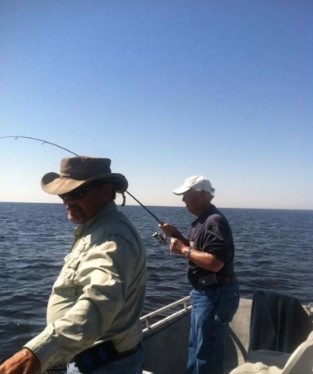
Since this is geared toward beginners, we keep things straightforward but effective. Most of the day you'll be using light spinning tackle – easy to handle but still plenty of fun when you hook into a decent redfish or drum. Live bait is the name of the game here, usually shrimp and small baitfish that we'll rig on jig heads or under popping corks. Don't worry if you've never tied a knot or rigged bait before – that's what your guide is for. We'll show you how to read your rod tip for bites, when to set the hook, and how to fight fish without losing them at the boat. The water around St Marks ranges from super shallow grass flats to deeper creek mouths and channels, so we might switch between wade fishing and casting from the boat depending on conditions. Popping corks are especially deadly here – that popping sound drives trout crazy, and watching the cork disappear when a fish hits never gets old. For redfish, we often fish the mangrove shorelines and oyster bars where they cruise looking for crabs and baitfish.
Top Catches This Season
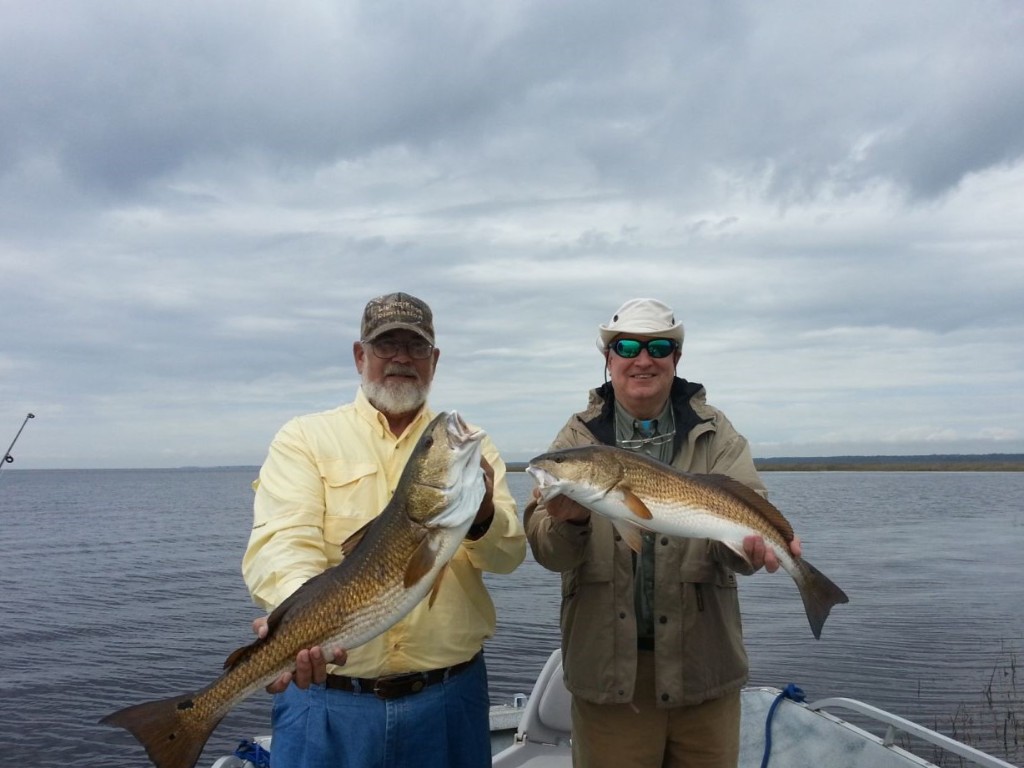
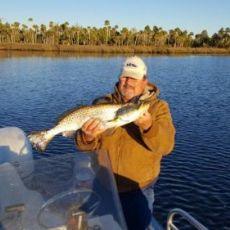
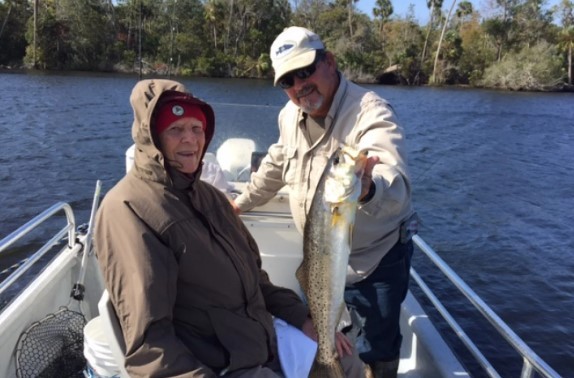
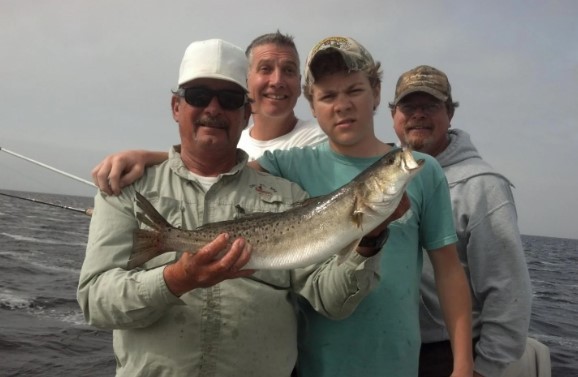
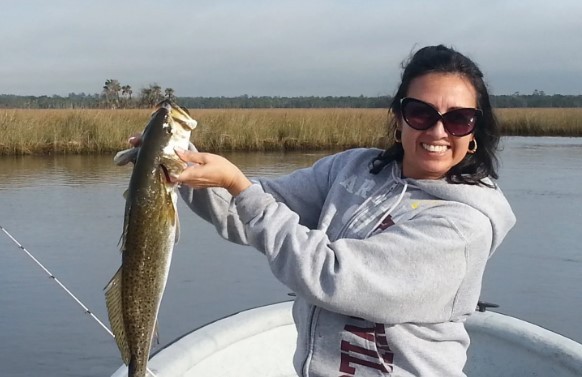
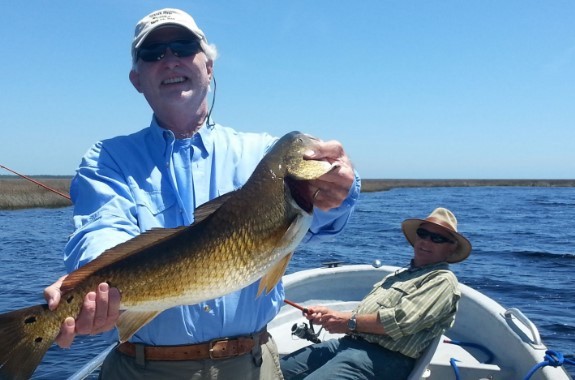
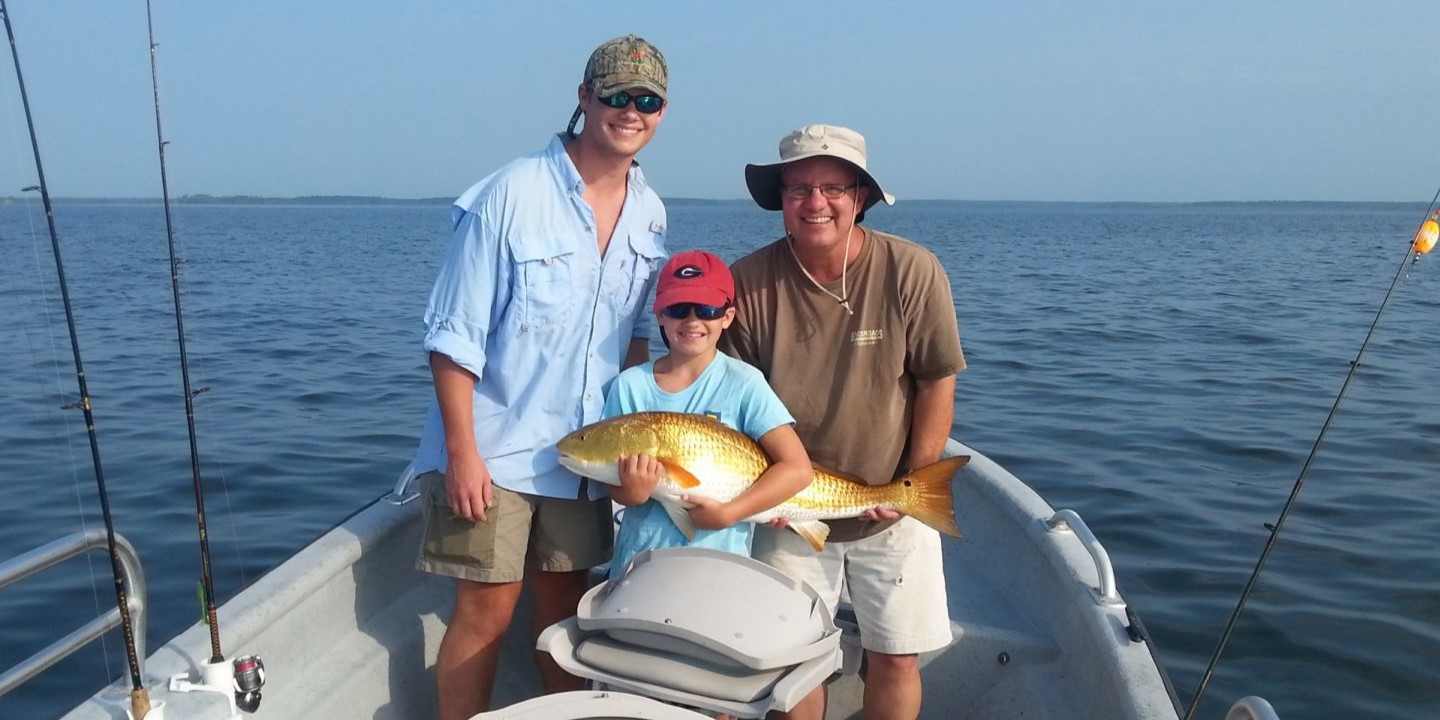
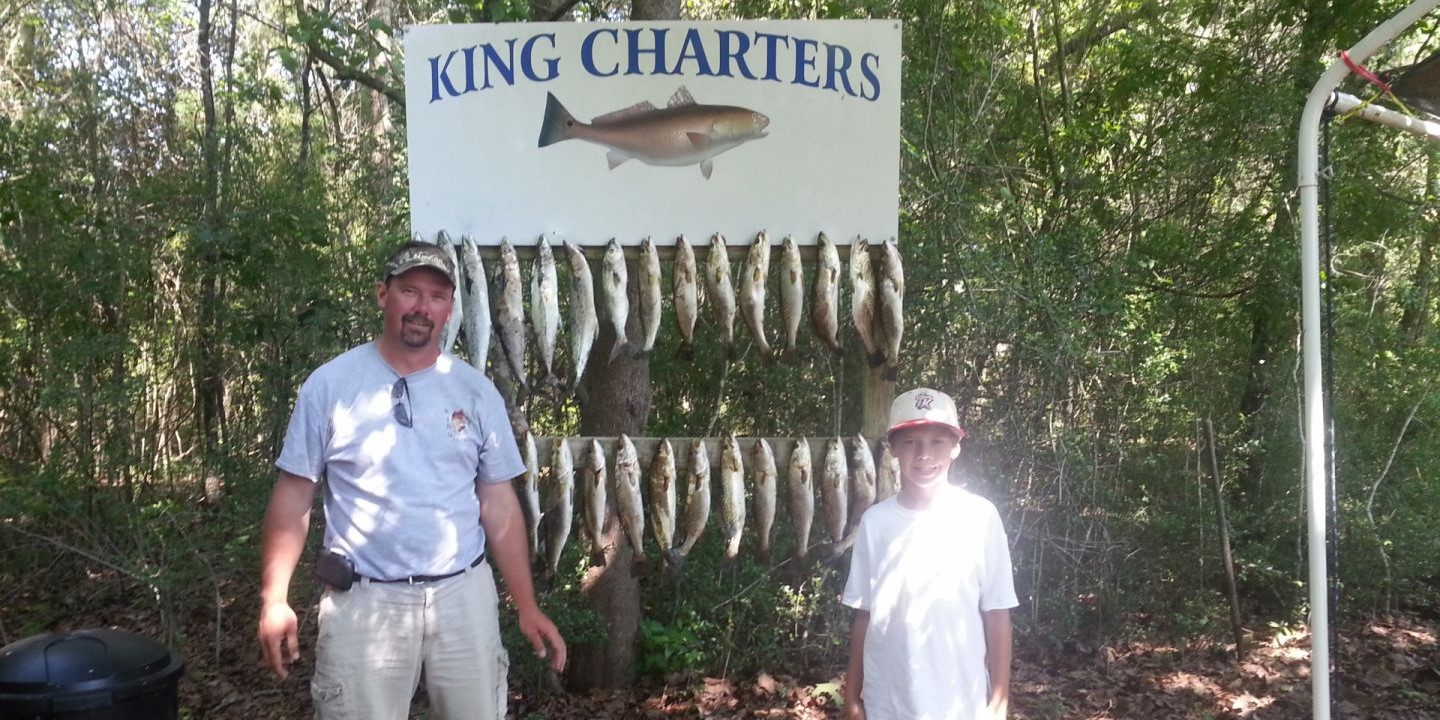
The species mix in Apalachee Bay keeps things interesting all day long. Spotted sea trout are the bread and butter – they're aggressive, fight hard for their size, and taste great on the dinner table. These fish love the grass flats and respond well to both live shrimp and artificial lures. Black drum are another favorite, especially the slot-sized fish that pull like freight trains. You'll feel them thumping on the bottom before they make their run. Redfish are the crown jewel of inshore fishing here, and when conditions are right, we can target them specifically along the mangroves and shallow flats. Crevalle jacks add some serious muscle to the mix – these fish fight way above their weight class and will test your arms and your drag system. When the conditions align, cobia show up to crash the party, usually around structure or following rays in the shallows.
Spotted sea trout are active year-round but really turn on during the warmer months when shrimp are abundant. Look for them over grass beds in 3-8 feet of water, especially around potholes and edges. They're aggressive feeders that will hit live shrimp, DOA shrimp, and topwater plugs. A good trout bite can make your whole day – when you find a school, they'll often compete with each other to hit your bait first.
Black drum are the workhorses of the bay, available in good numbers most of the year. The bigger fish tend to move in during cooler months, while smaller slot fish are around consistently. They're bottom feeders that love crabs and shrimp, and once you hook one, you'll know it immediately. That head-shaking, bulldogging fight is unmistakable. They're also excellent table fare if you're looking to take some fish home.
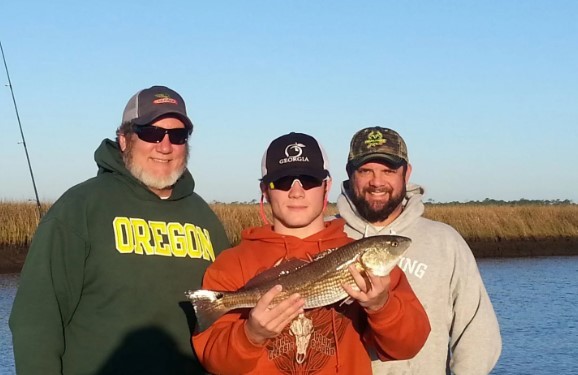
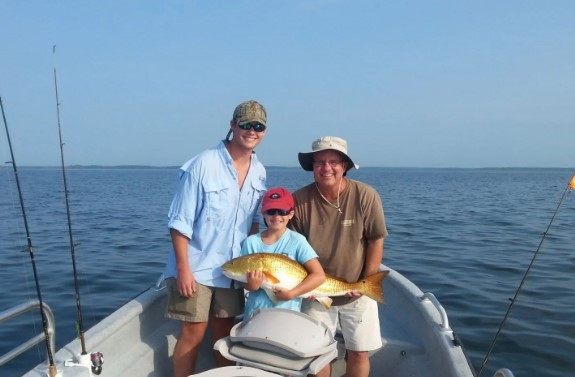
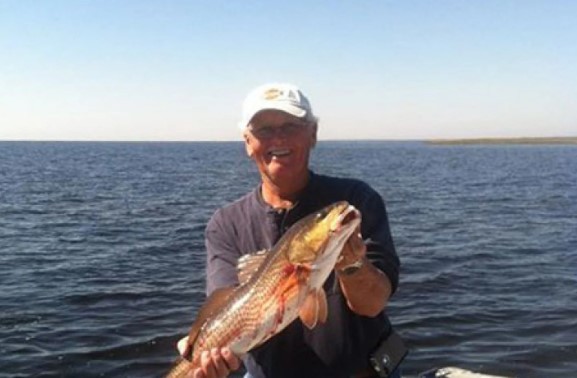
Redfish are what dreams are made of in shallow water fishing. These copper-colored bruisers cruise the mangroves, oyster bars, and grass flats looking for easy meals. Spring and fall are prime time, but they're catchable year-round if you know where to look. The thrill of watching a redfish eat your bait in shallow water is something every angler needs to experience. They're strong, smart, and will use every bit of structure to try to break you off.
Crevalle jacks might not win any beauty contests, but they'll give you a workout you won't forget. These fish are pure muscle and attitude, hitting baits hard and making blistering runs that'll have your reel screaming. They often travel in schools, so where you catch one, there's usually more. They're especially active during the warmer months and will hit just about anything you throw at them.
Cobia are the wildcards of the bay – when they show up, everything else takes a backseat. These brown sharks of the shallows are curious, aggressive, and grow to impressive sizes. They're often found following stingrays or cruising around structure. Sight fishing for cobia in shallow water is as exciting as inshore fishing gets, and landing one is a real trophy
 Private Trip
 Inshore Fishing
 St. Marks


 Private 6-hour inshore fishing trip in Apalachee Bay waters