St Marks Scenic Inshore Fishing 6 Hour Trip
Ready to get your lines wet in some of Florida's most productive inshore waters? King Charters' 6-hour scenic fishing trip takes you into the heart of Apalachee Bay, where calm waters and abundant fish make for perfect conditions whether you're a seasoned angler or just getting started. This private charter accommodates up to three guests, giving you plenty of elbow room and personalized attention from experienced captains who've been working these flats and grass beds for years. Everything's included – rods, reels, bait, tackle, and fishing licenses – so all you need to bring is your cooler, some snacks, and maybe a camera to capture those trophy shots.
What to Expect on the Water
Apalachee Bay is one of those special places where the Gulf meets shallow grass flats, creating perfect habitat for inshore species. Your captain will navigate through winding creeks, oyster bars, and shallow flats where the water clarity lets you sight-fish when conditions are right. The bay stays relatively protected, so even on windier days, you're fishing comfortable waters instead of battling heavy chop. Mornings often start with topwater action as baitfish schools get worked over by hungry predators, while afternoon sessions focus on structure fishing around oyster bars and drop-offs. The scenic aspect isn't just marketing talk – you'll see dolphins, various bird species, and maybe even manatees while moving between fishing spots. King Charters' captains know exactly where to position the boat based on tides, wind, and seasonal patterns, maximizing your time with lines in the water rather than just riding around looking for fish.
Techniques and Tackle Setup
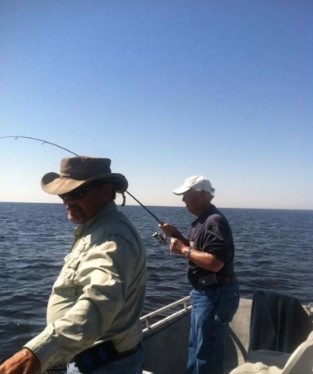
Inshore fishing in Apalachee Bay calls for versatile techniques that match the varied structure and depths you'll encounter. Your captain will have medium-action spinning rods rigged with everything from live shrimp under popping corks to soft plastic jigs for working grass flats. When targeting trout over grass beds, expect to use suspending twitch baits or topwater plugs during early morning and late afternoon feeding windows. Redfish require a different approach – often sight casting with gold spoons or soft plastics when you spot their backs cruising shallow water. For black drum around oyster bars, fresh shrimp on circle hooks gets the job done, while crevalle jacks and cobia call for heavier tackle and cut bait or live pinfish. The beauty of a 6-hour trip is having time to try multiple techniques as conditions change throughout the day. Your captain will adjust tactics based on what the fish are telling you, switching from artificial lures to live bait or moving from shallow flats to deeper channels when the bite slows down.
Target Species You'll Hook
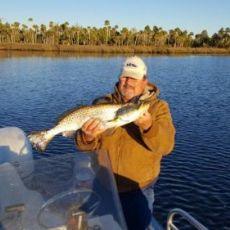
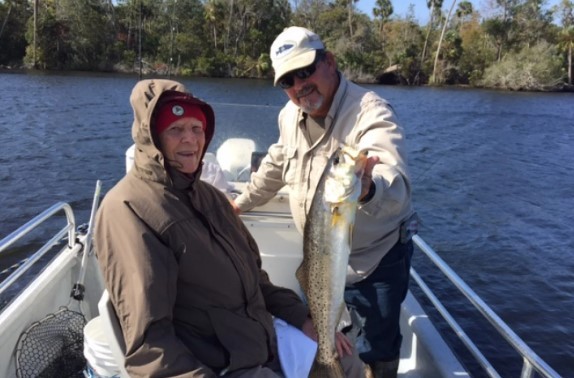
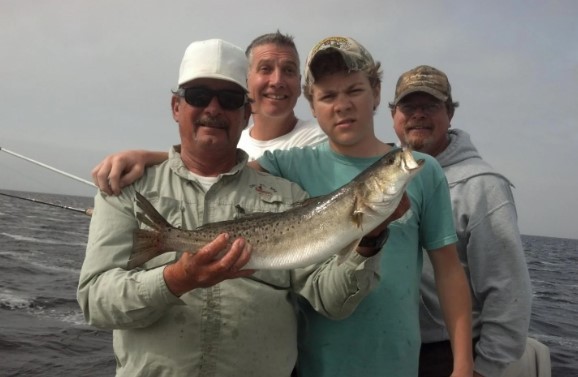
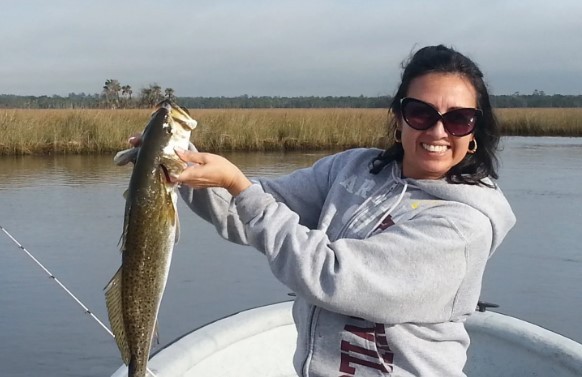
Spotted sea trout are the bread and butter of Apalachee Bay fishing, with keeper-sized fish running 15 to 20 inches and occasional "gator" trout pushing 5 pounds or more. These fish love grass flats in 3 to 6 feet of water, especially during moving tides when baitfish get swept along the edges. Spring through fall offers the most consistent action, with trout feeding aggressively on shrimp, pinfish, and glass minnows. What makes trout fishing exciting here is the variety – you might catch a dozen in an hour when you find an active school, and their aggressive strikes on topwater lures create some memorable moments.
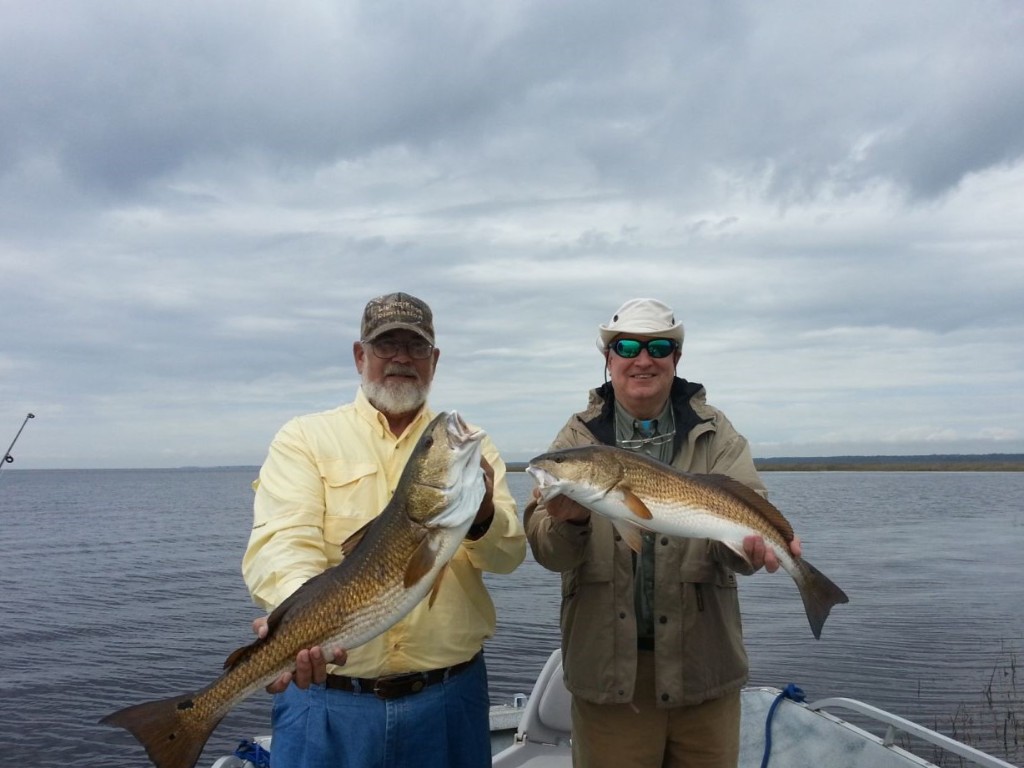
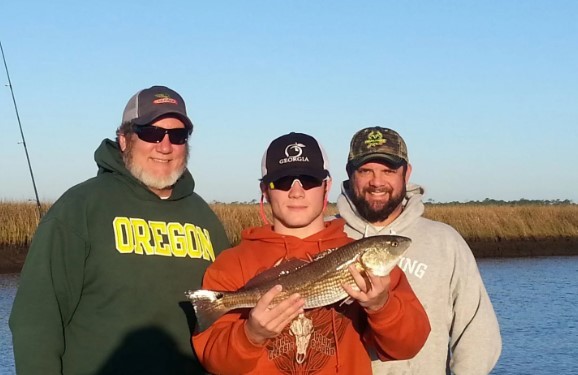
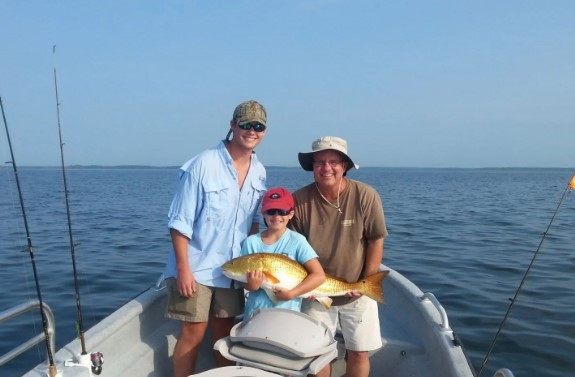
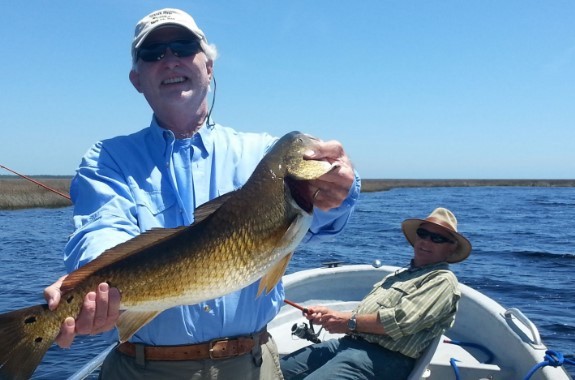
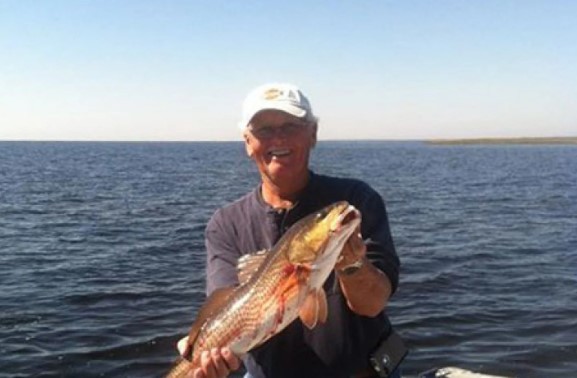
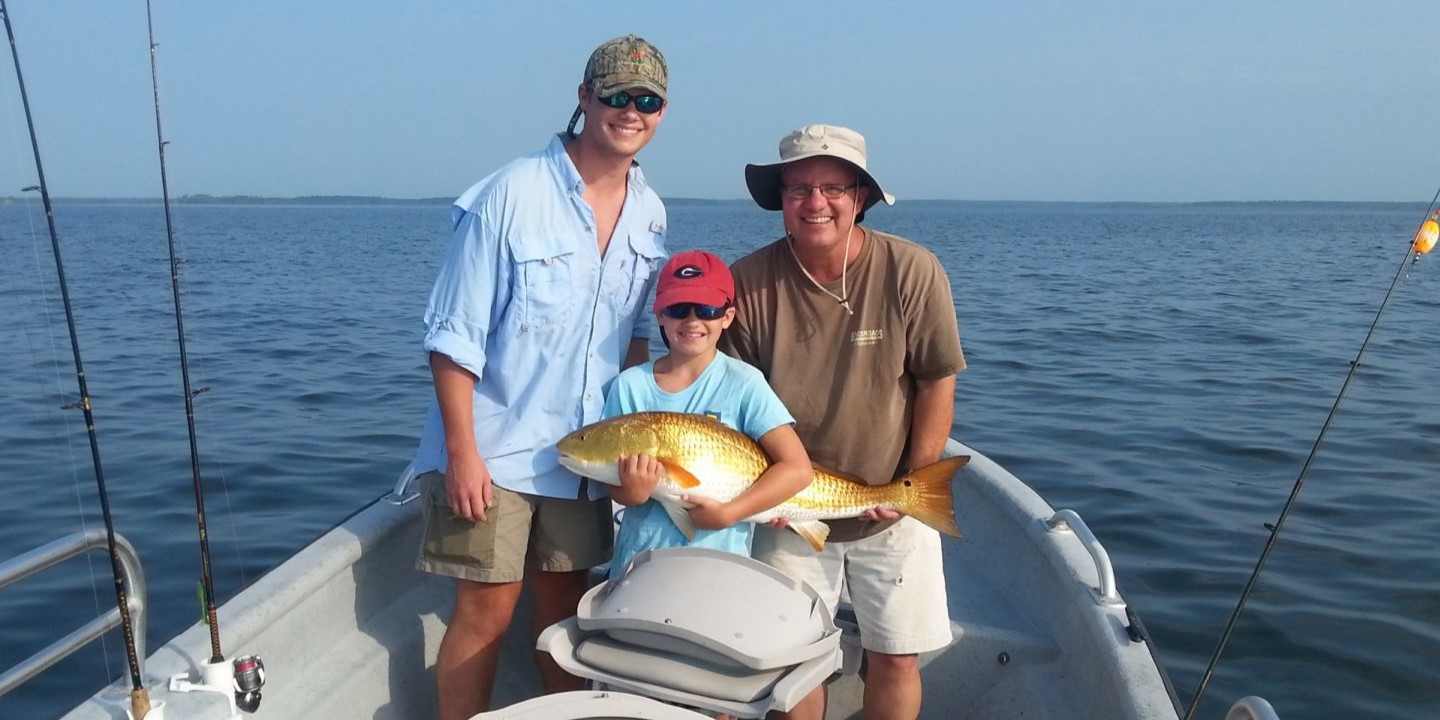
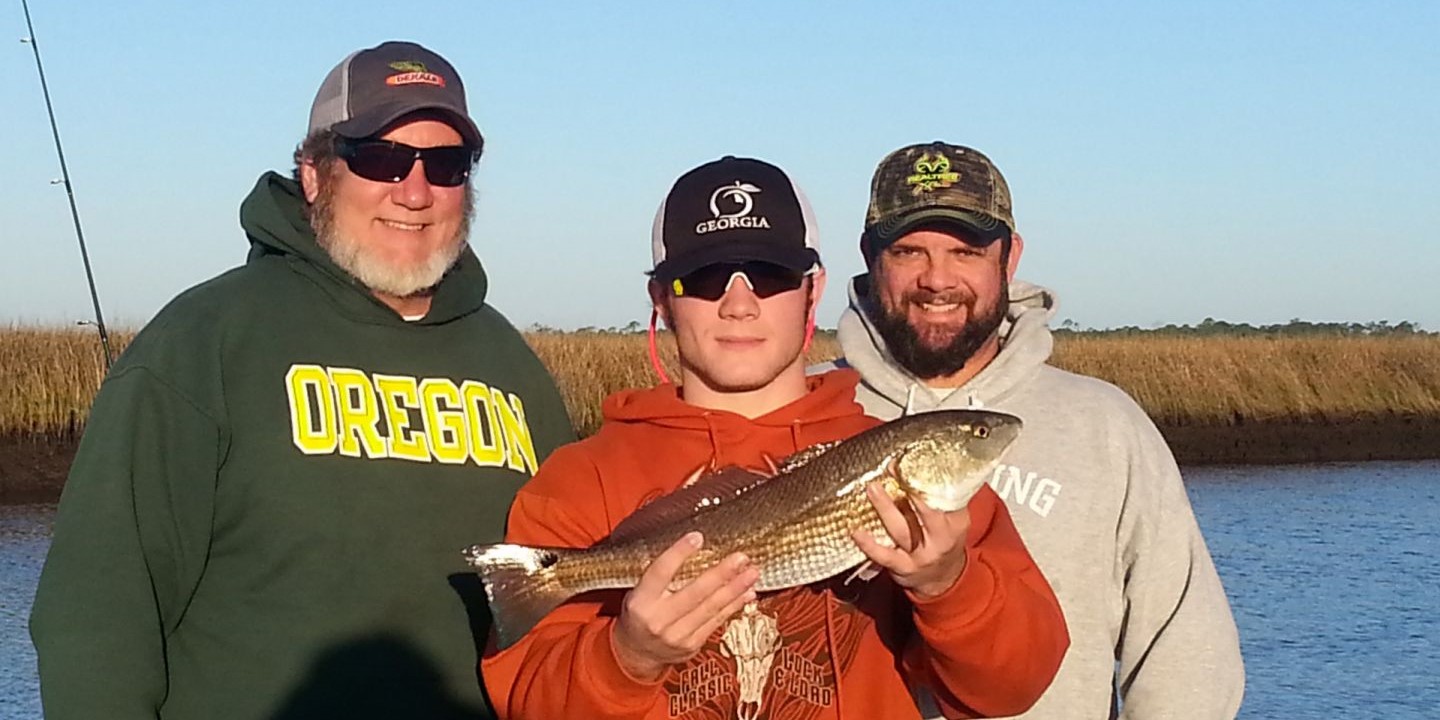
Redfish are the glamour species that many anglers specifically target on these waters. Apalachee Bay reds typically run 20 to 30 inches, with plenty of slot-sized fish and some genuine bulls over 35 inches that'll test your drag system. These copper-colored fighters love shallow oyster bars, creek mouths, and grass flats where they can ambush crabs and baitfish. Fall months bring the best redfish action as they school up for spawning runs, but you can find them year-round if you know where to look. The thrill of sight-fishing to a red's back sticking out of 18 inches of water never gets old, and their bulldogging fight in shallow water creates some of the most exciting battles you'll experience inshore.
Black drum don't get the same attention as reds and trout, but they're abundant in Apalachee Bay and provide excellent table fare when prepared correctly. These bottom-dwellers congregate around oyster bars and hard structure, using their pharyngeal teeth to crush shellfish and crabs. Drum fishing requires patience since they're deliberate feeders, but once you hook one, their steady, powerful runs make for great sport. Most bay drum run 2 to 8 pounds, with occasional larger fish showing up during cooler months. They're particularly active during incoming tides when fresh water brings nutrients and prey into their feeding areas.
Crevalle jacks bring pure excitement to any inshore trip, even if they're not winning any table fare contests. These aggressive predators roam Apalachee Bay in schools, attacking baitfish with incredible ferocity and providing some of the strongest fights you'll encounter. Jacks hit hard, run fast, and never give up – a 5-pound jack will fight harder than most 10-pound fish of other species. They're opportunistic feeders that'll hit everything from topwater plugs to live bait, making them a favorite target when you want guaranteed action and screaming drags.
Cobia represent the wildcard species that can show up anywhere in the bay, especially during warmer months when they cruise shallow flats and follow rays looking for stirred-up crabs and baitfish. These brown sharks (as they're sometimes called) are excellent eating and provide powerful fights on medium tackle. Apalachee Bay cobia typically run 20 to 40 inches, and their curious nature means they'll often follow lures right to the boat before deciding whether to strike. Sight-fishing to cobia creates some of the most exciting moments inshore fishing has to offer.
 Private Trip
 Inshore Fishing
 St. Marks


 Private 6-hour inshore fishing trip in scenic Apalachee Bay