Half Day Afternoon Bass & Catfish Action
Picture this: it's 4 PM on Lake Hartwell, the afternoon sun is casting that perfect golden light across the water, and you've got four hours ahead of you to chase some serious fish. This isn't your typical morning rush – we're talking about prime afternoon bite time when the bass are moving shallow and those big catfish are starting their evening prowl. Lake Hartwell sits right on the South Carolina-Georgia border, and let me tell you, this 56,000-acre reservoir knows how to produce fish. You'll be targeting everything from chunky largemouth bass to those hard-fighting stripers, plus some serious catfish that'll test your drag system.
What to Expect on the Water
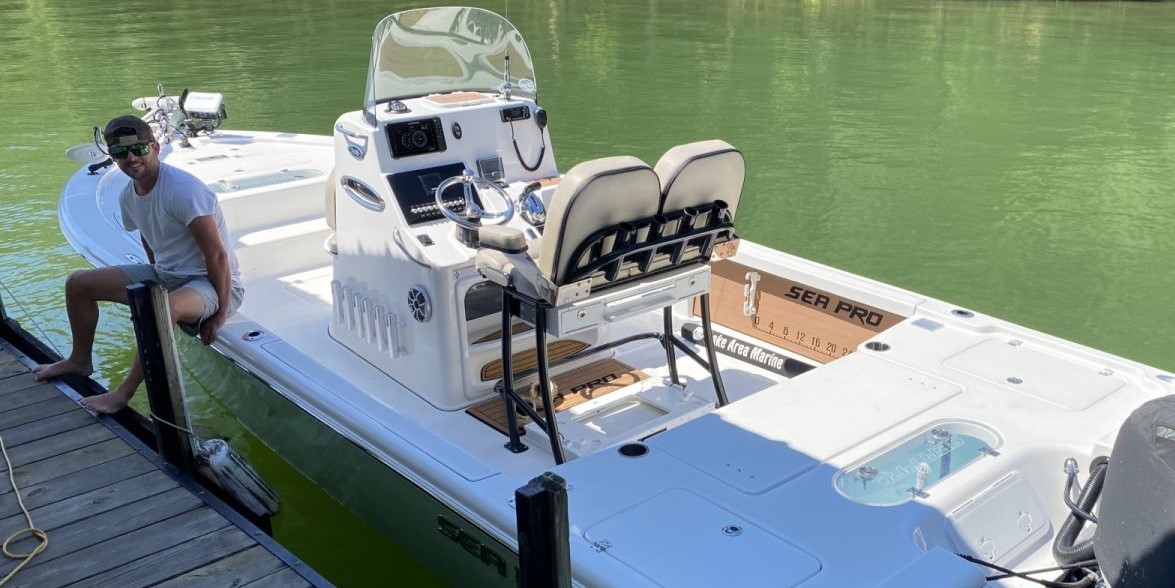
When you step aboard at 4 PM, you're getting the best of both worlds – cooler afternoon temps and active fish. Lake Hartwell's got over 960 miles of shoreline, but we know exactly where to put you on the good stuff. The afternoon hours are money for bass fishing here because these fish start their evening feeding patterns, moving up from deeper structure to chase baitfish in the shallows. We'll be working everything from rocky points to submerged timber, creek channels, and those classic Hartwell brush piles that hold schools of fish. The lake's got plenty of standing timber and rock structure that creates perfect ambush spots, especially along the main lake points and creek mouths. During your four-hour window, we'll cover water efficiently, hitting multiple spots to keep the action consistent. The afternoon bite on Hartwell is legendary among local anglers – bass get more aggressive as the day cools down, and catfish start their evening hunt right around sunset.
Techniques & Tackle Setup
We run a mixed bag of proven techniques that match what the fish are doing at different times during your trip. Bottom fishing is our go-to for those Lake Hartwell catfish – we're talking about serious fish that require the right approach. Fresh cut bait on circle hooks, fished near creek channel drops and main lake structure where these cats patrol for food. For bass, we'll switch between light tackle presentations like finesse worms and jigs around cover, plus some trolling with crankbaits to cover water and locate active schools. Jigging is deadly here, especially around the deeper structure and bridge pilings where stripers and spotted bass hang out. When we're working shallow cover for largemouth, we'll throw everything from topwater to soft plastics, matching the presentation to what the fish want. All gear is provided, but if you've got favorite rods or tackle you like to throw, bring them along. The key on Hartwell is staying versatile – one minute you might be flipping jigs into brush, the next you're fighting a striper that hammered your trolled spoon in 30 feet of water.
Target Species You'll Hook
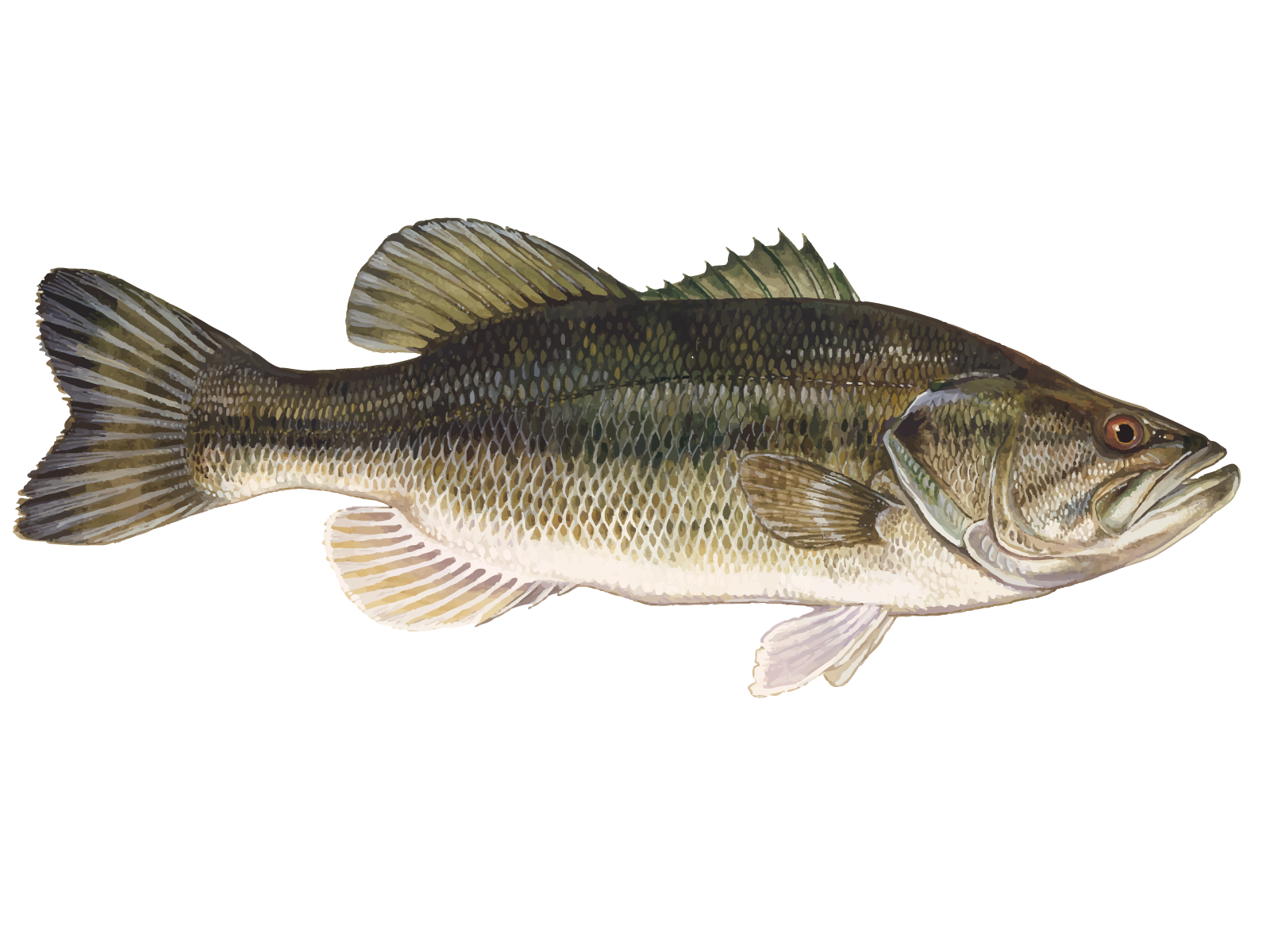
Largemouth Bass are the bread and butter of Lake Hartwell, and these fish have some serious shoulders on them. We're talking about bass that average 2-4 pounds with plenty of 5+ pound fish mixed in. Spring through fall, they're relating to the abundant cover – submerged trees, brush piles, and rocky structure along the shoreline. What makes largemouth so fun here is their aggressive nature, especially during that afternoon feeding window. They'll crush topwater baits, slam jigs, and fight like they mean it when hooked around cover. Best times are definitely spring spawn period and fall when they're fattening up, but summer afternoons produce consistent action too.
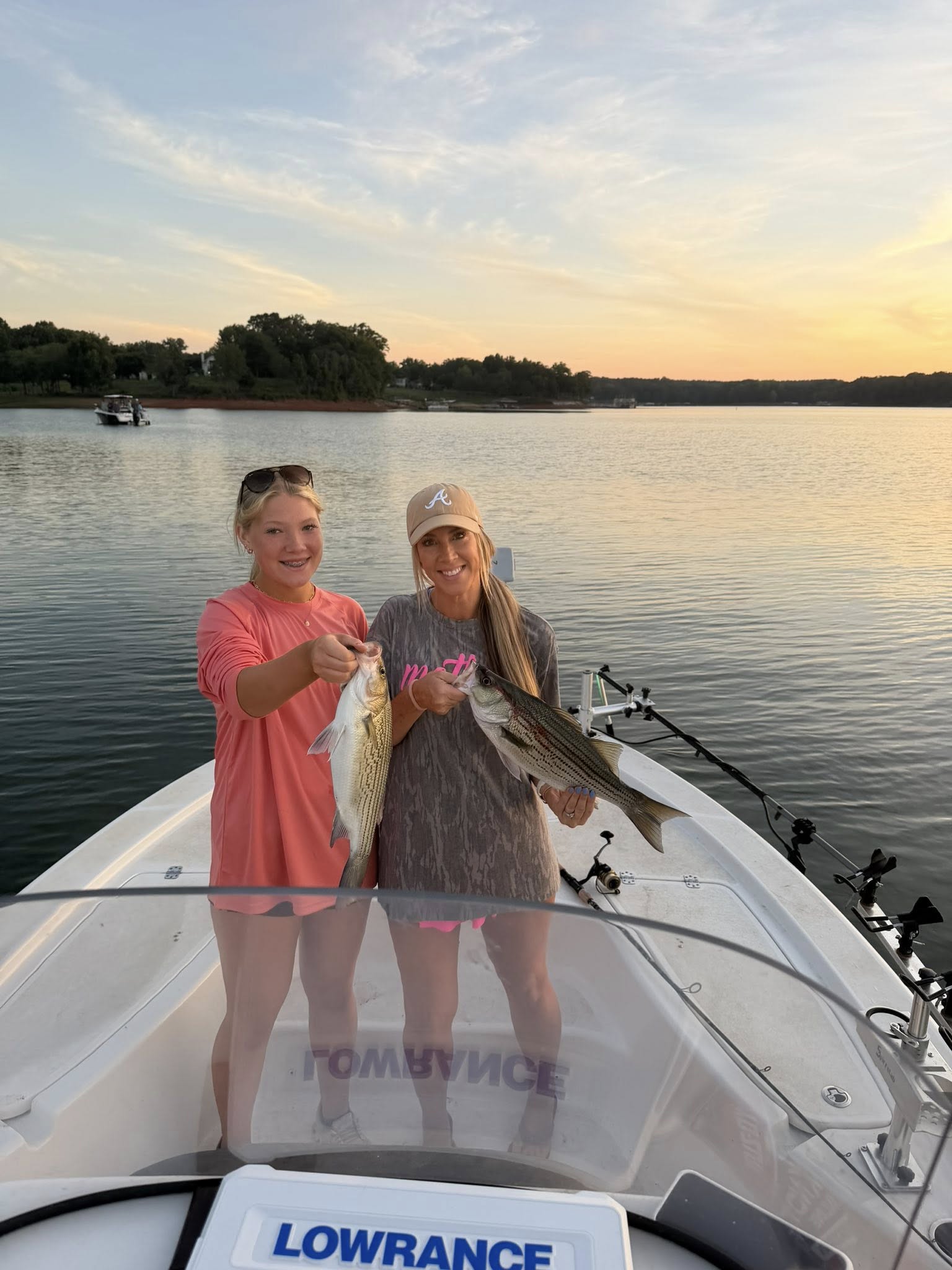
Spotted Bass might be smaller than their largemouth cousins, but pound-for-pound, they fight harder than almost anything in the lake. These scrappy fish love the deeper rocky structure and main lake points, typically running 1-3 pounds but fighting like fish twice their size. They school up more than largemouth, so when you find one, you're usually on a bunch. Spotted bass are active year-round on Hartwell, and they're suckers for small jigs and soft plastics worked around rock piles and channel drops.
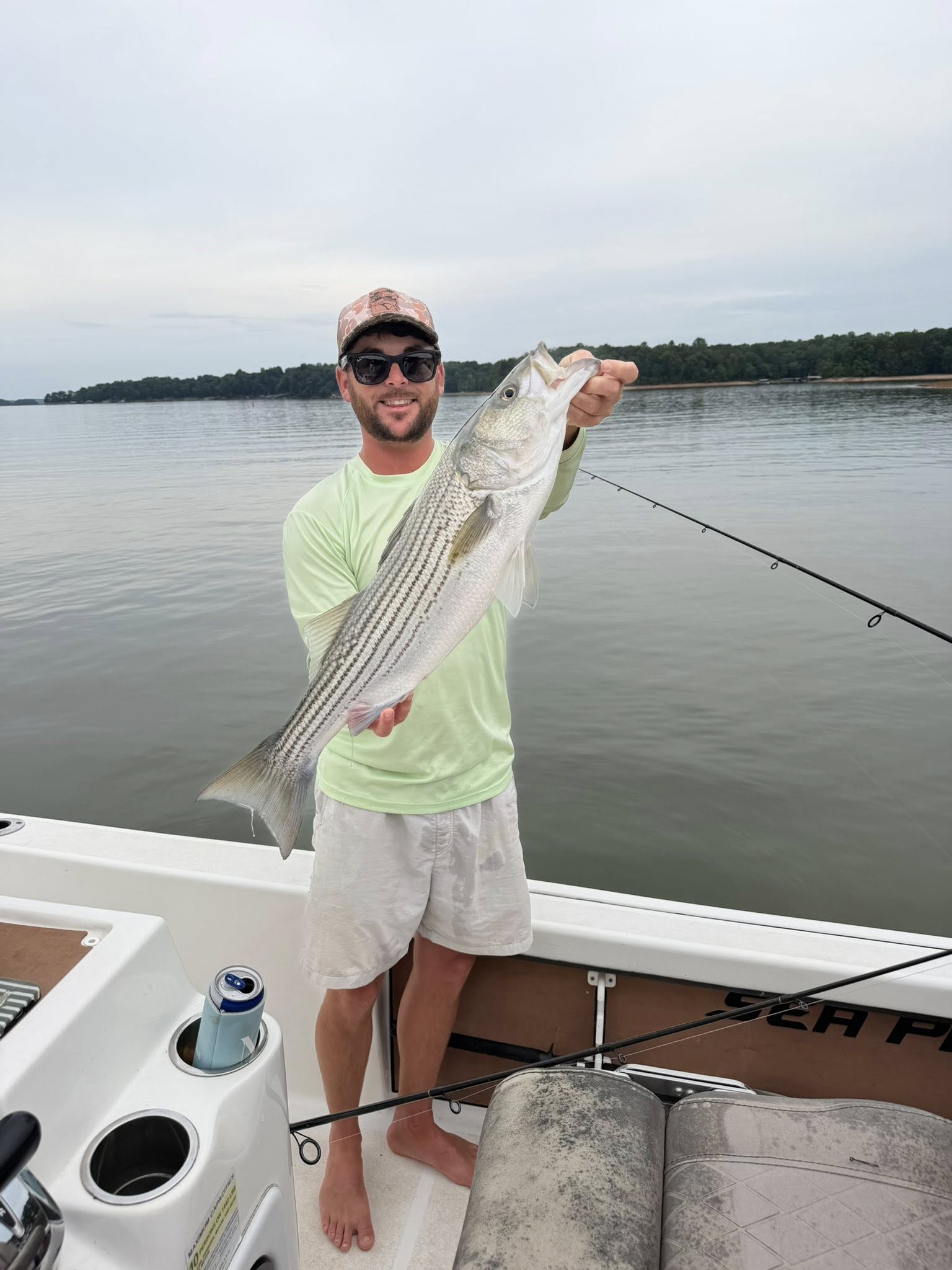
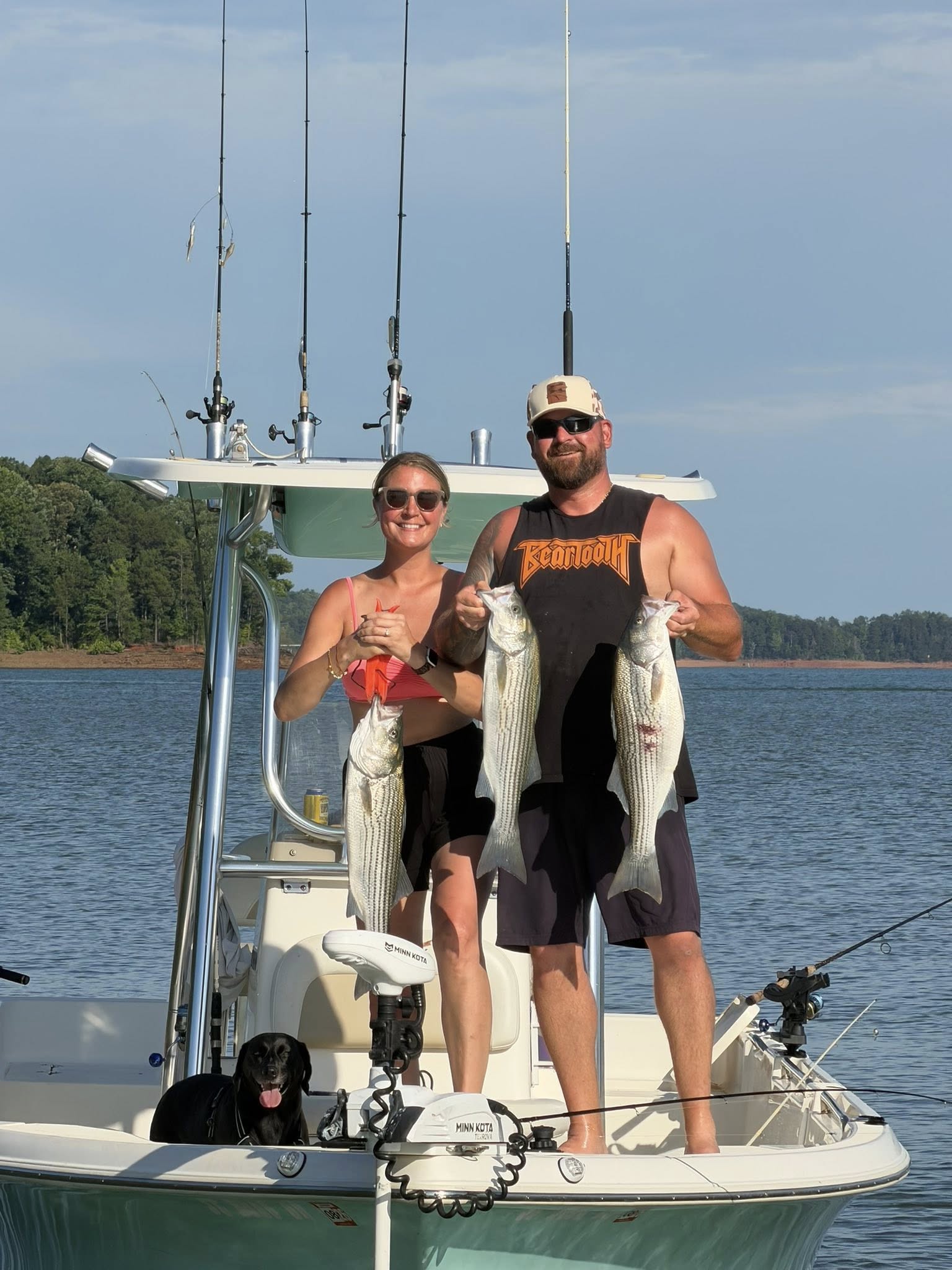
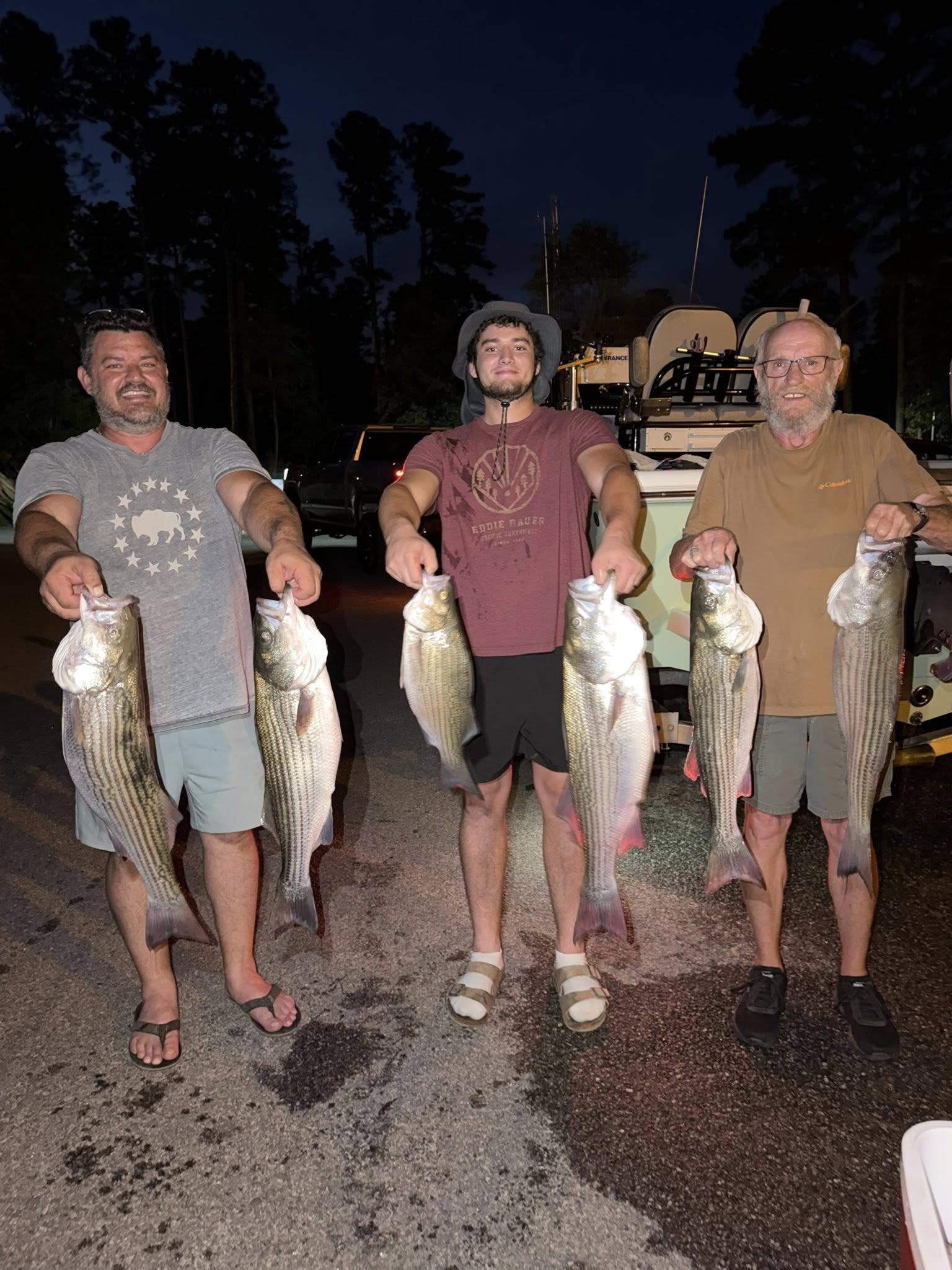
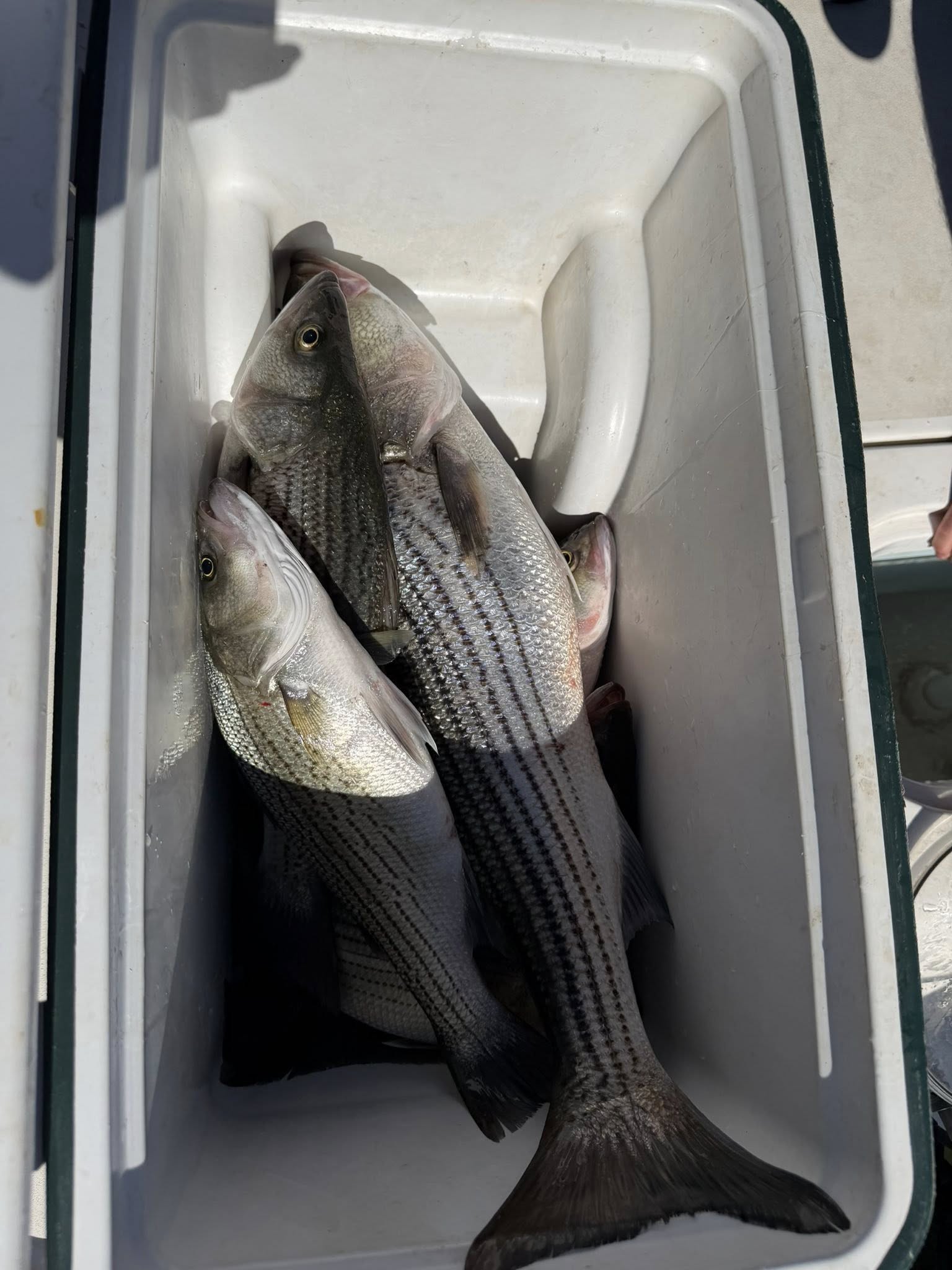
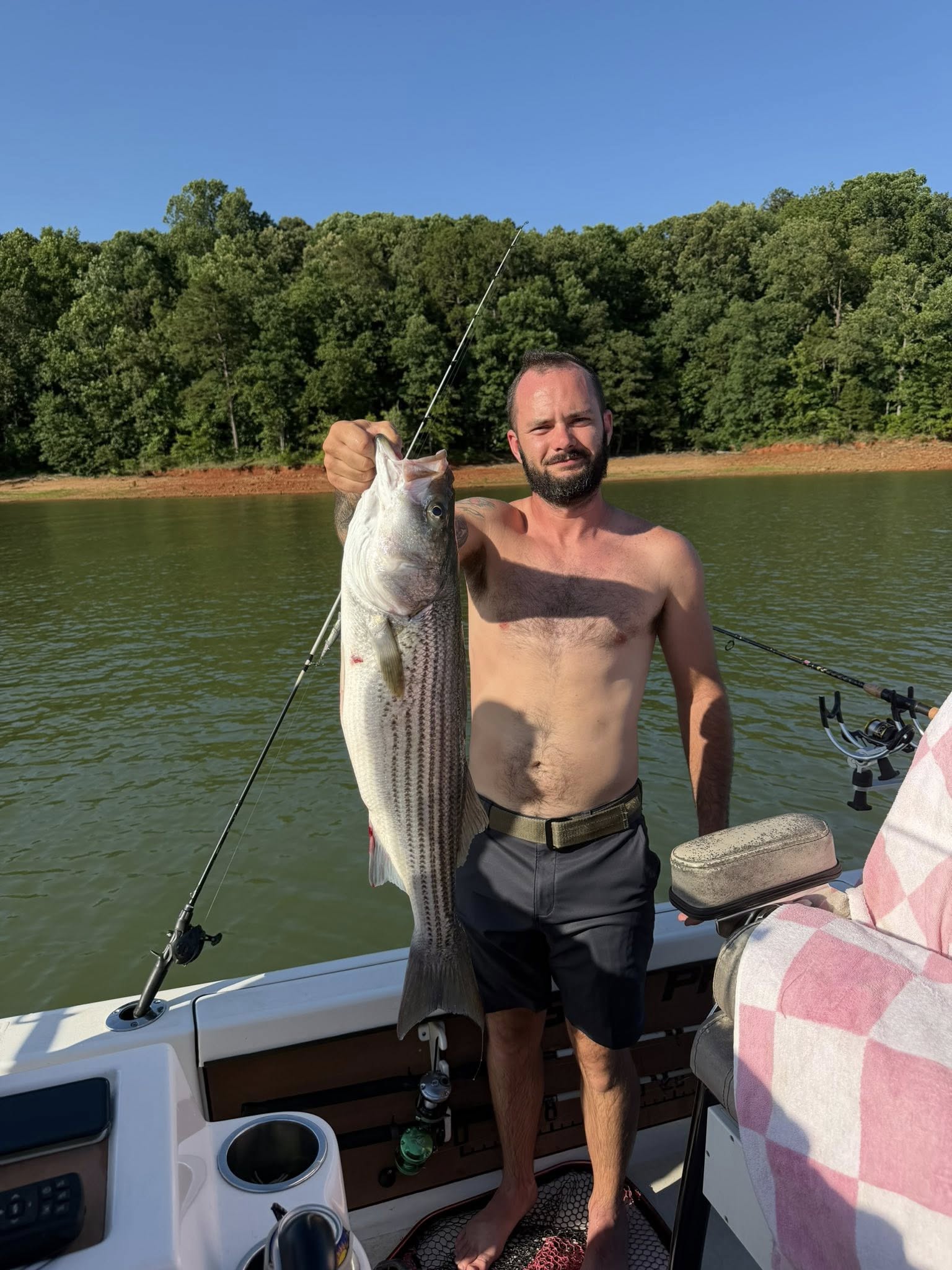
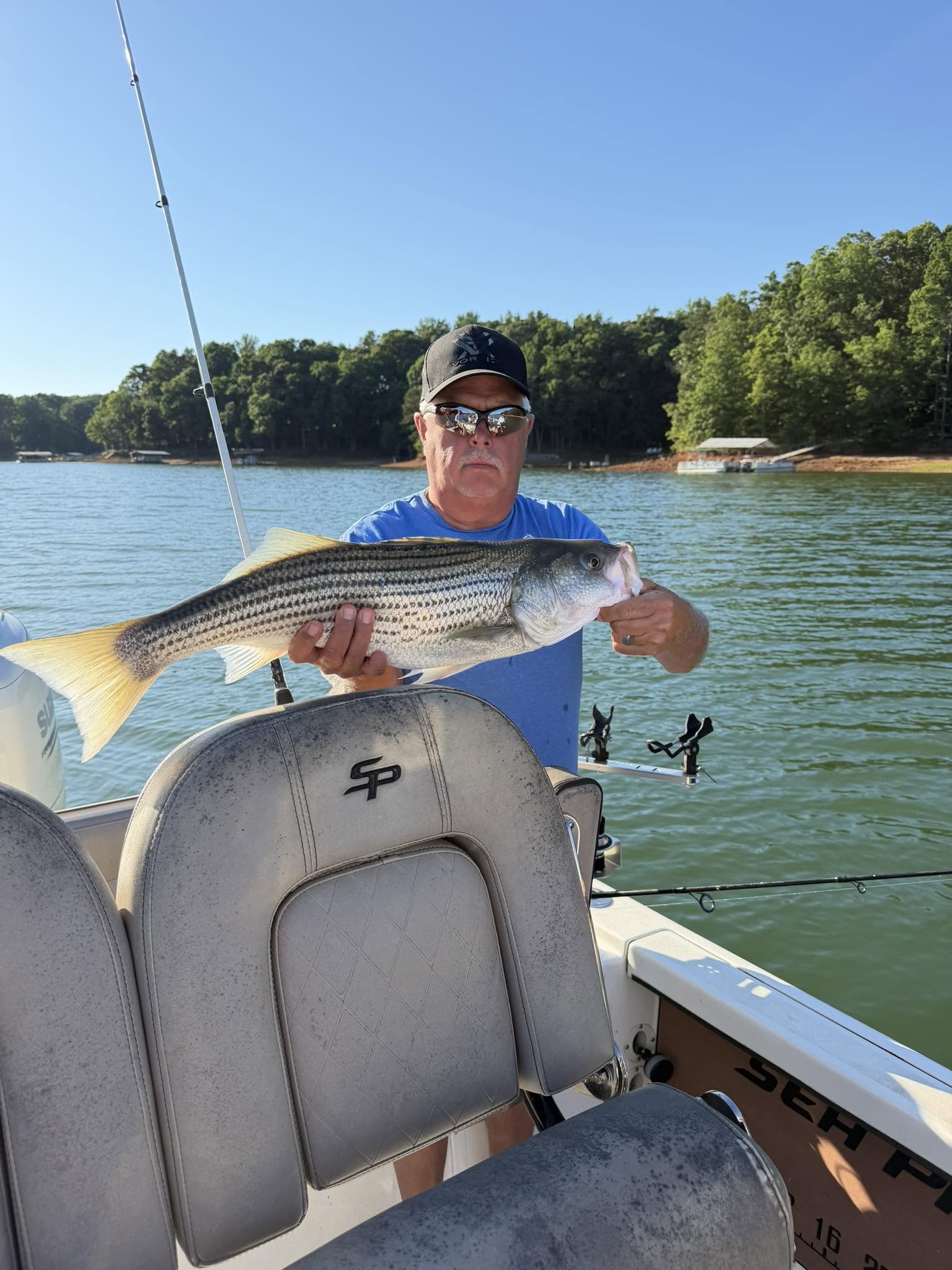
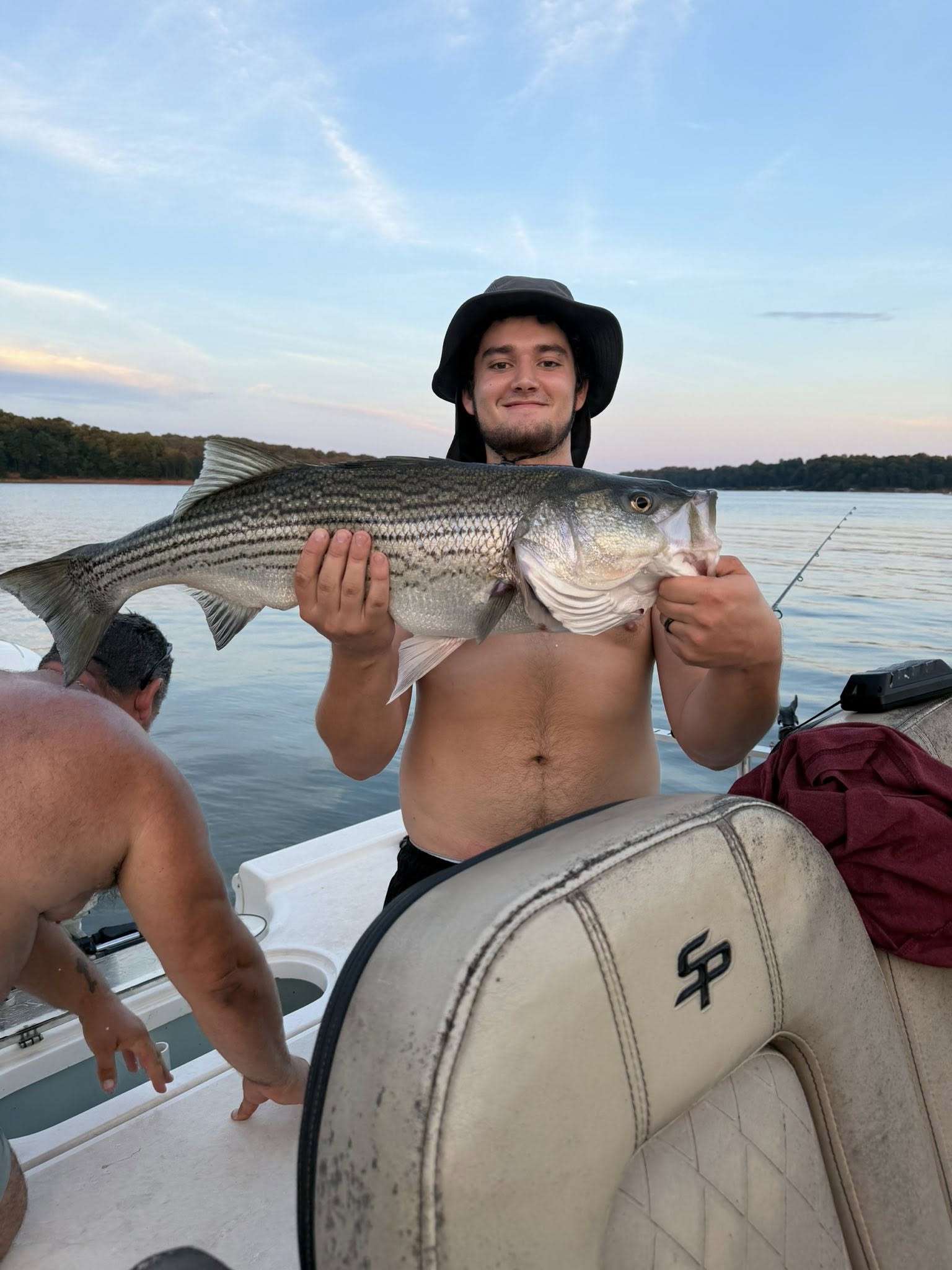
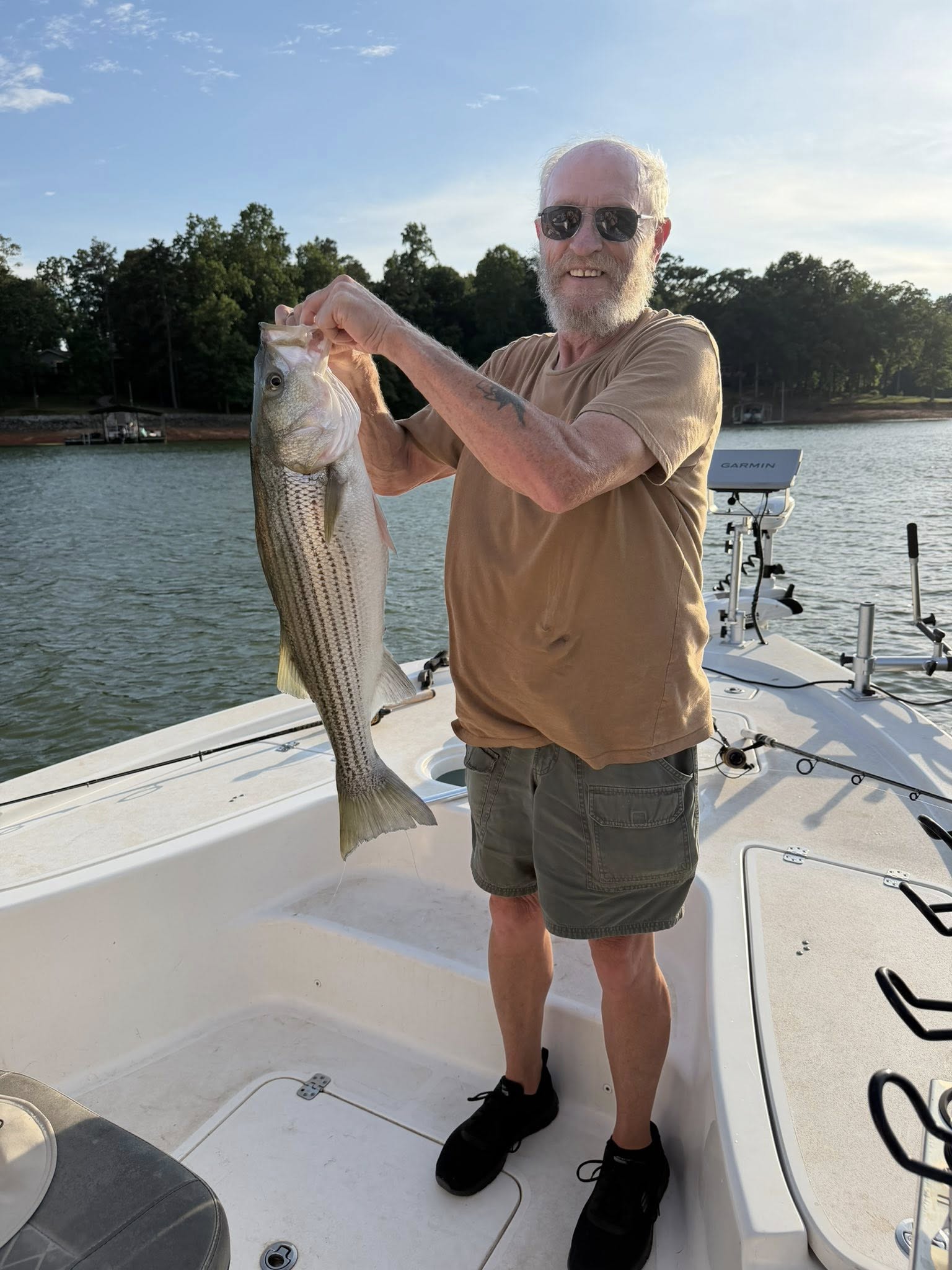
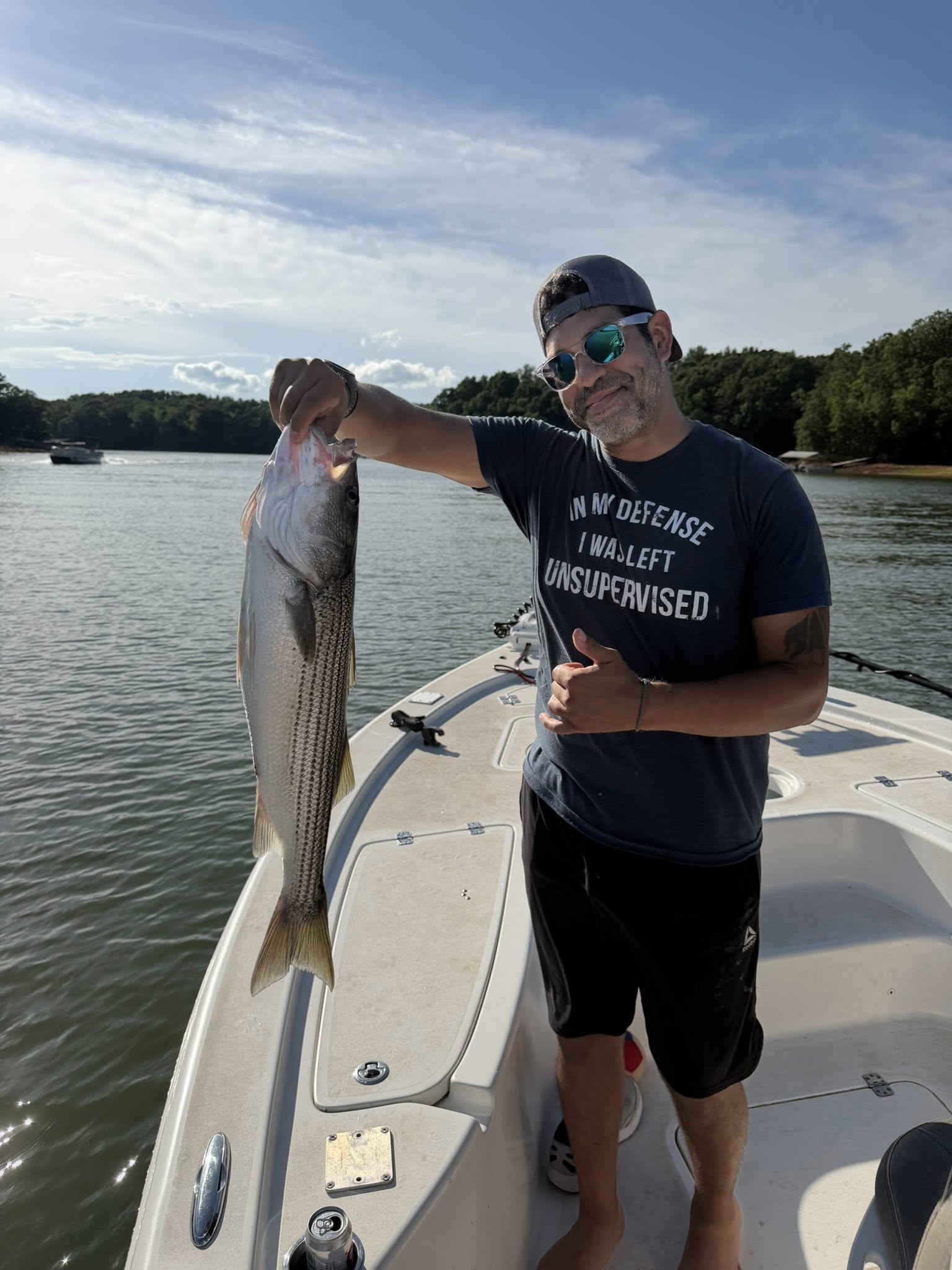
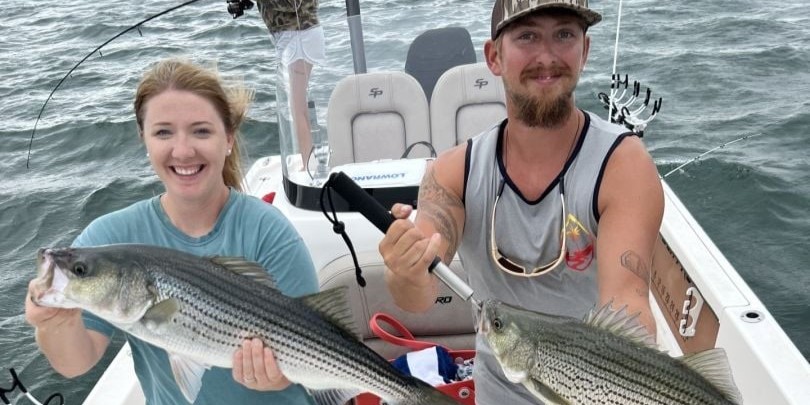
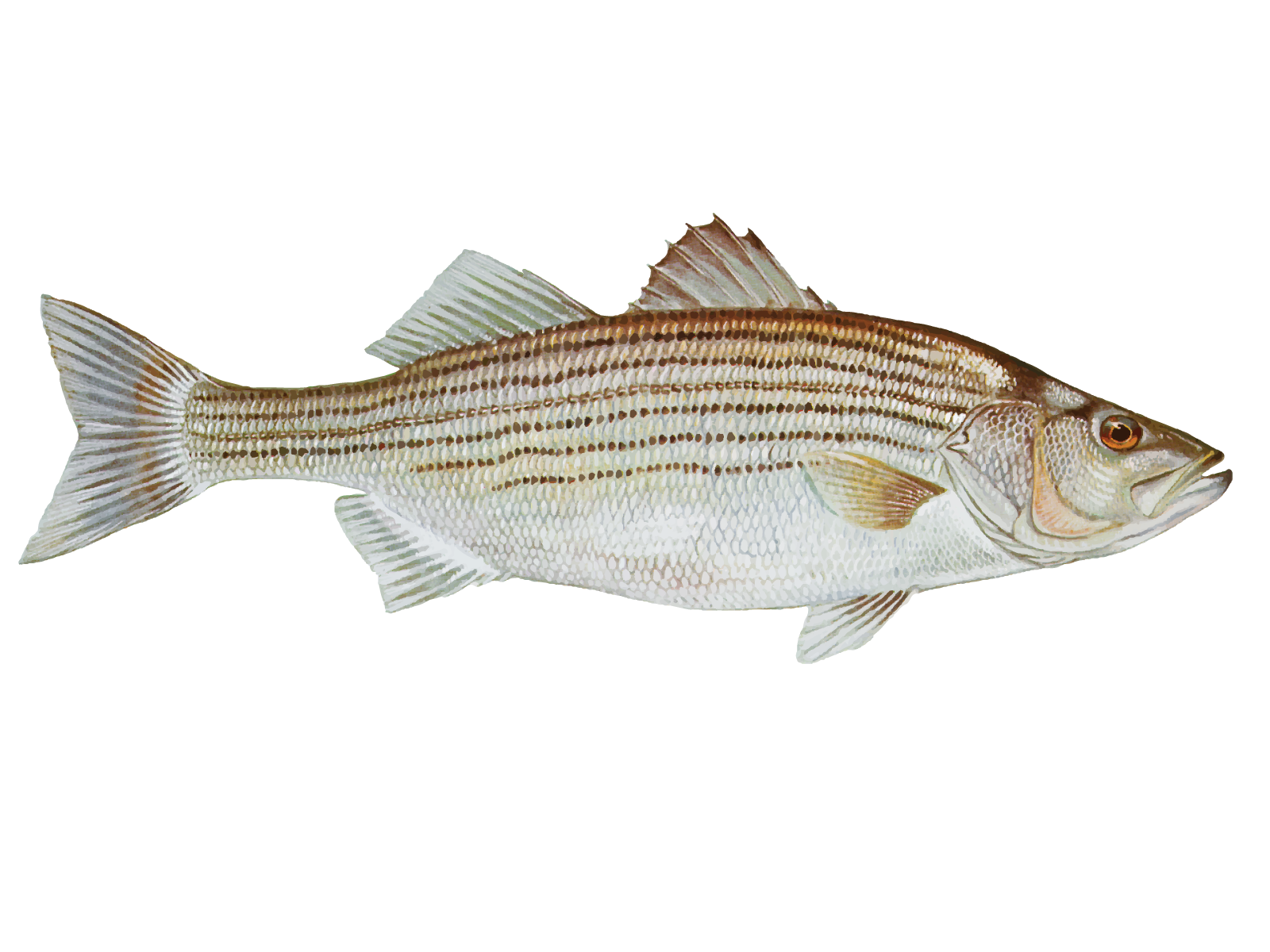
Striped Bass and their hybrid cousins are the power fish of Lake Hartwell. These silver bullets can push 10-20 pounds and will absolutely test your equipment when they make their runs. They're constantly moving, following schools of threadfin shad throughout the lake system. Summer and fall are prime time when they're actively feeding on the surface, creating those classic striper boils that get your adrenaline pumping. They respond well to trolled spoons and live bait, plus they'll crush topwater when they're busting bait on the surface.
Blue Catfish are the heavyweights that keep things interesting. Lake Hartwell's population includes some genuine monsters – we're talking about cats that can go 20, 30, even 40+ pounds. They're most active during low light periods, which makes this afternoon trip perfect since we'll be fishing right into the evening hours. These fish are bottom dwellers that patrol creek channels, main lake structure, and areas with current flow. They're strong, stubborn fighters that'll make multiple runs and test your patience, but landing a big Hartwell blue cat is something you'll remember for years.
Time to Book Your Spot
Look, Lake Hartwell consistently ranks as one of the top bass fishing destinations in the Southeast, and there's good reason for that. This afternoon trip gives you the perfect window to experience what makes this lake special – diverse fish populations, great structure, and that classic Southern reservoir fishing experience. Whether you're a seasoned angler looking to add some Hartwell fish to your list or someone wanting to get into serious lake fishing, this four-hour window delivers the goods. The combination of techniques keeps things interesting, the fish variety means you never know what's going to grab your line next, and that afternoon-into-evening timeframe puts you on the water when fish are most cooperative. Don't wait around – prime afternoon slots fill up fast, especially during the better bite periods. Book your trip and get ready to see
 Private Trip
 Lakes/Reservoirs/Ponds Fishing
 Lake Hartwell

 Four-hour afternoon fishing charter targeting bass and catfish species