Galveston Bay Inshore Fishing Trip
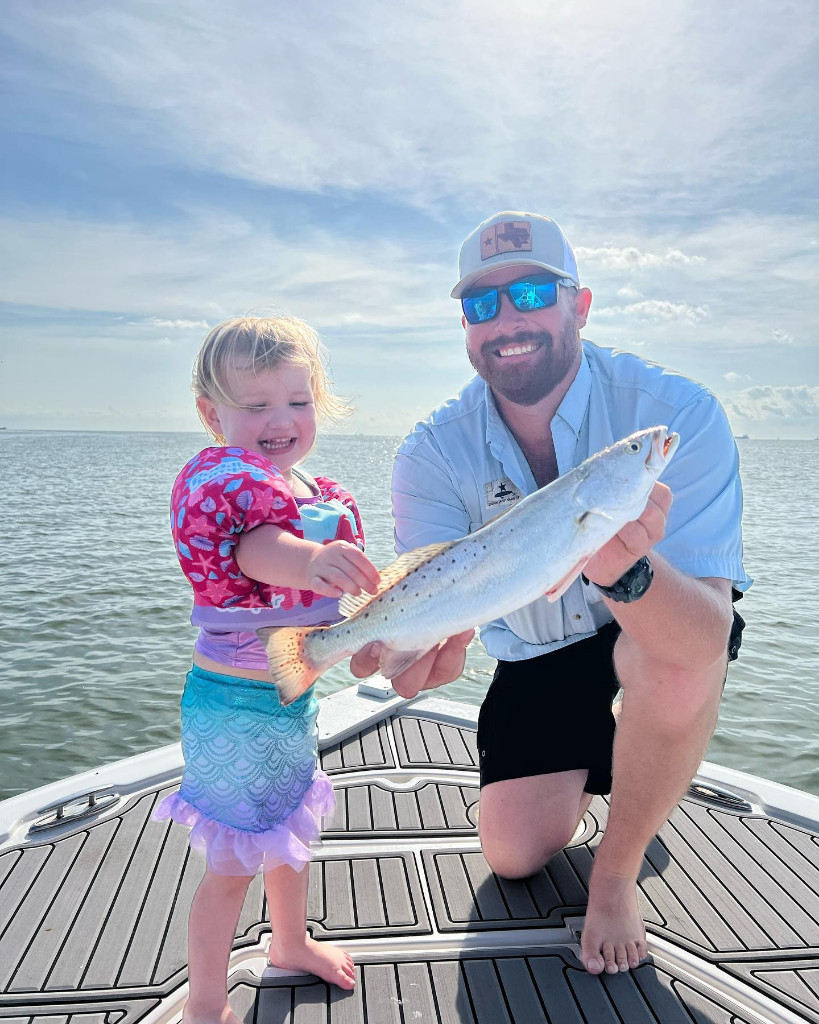
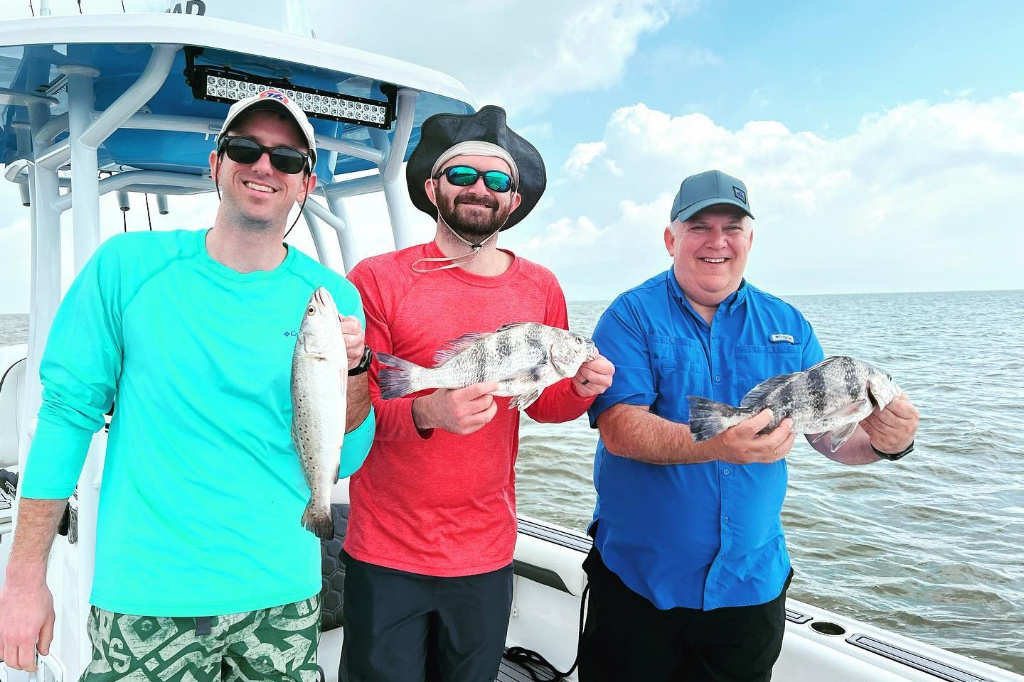
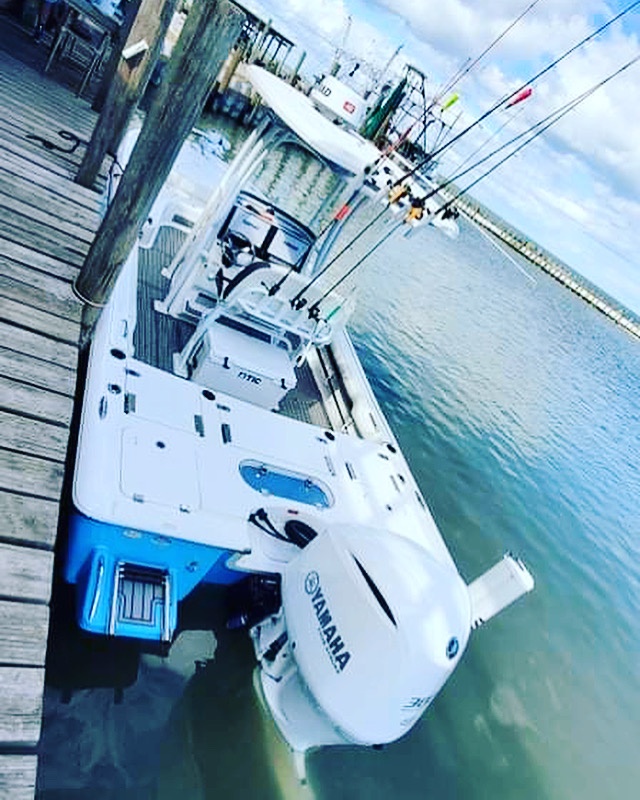
When you're looking for some of the best inshore action on the Texas coast, Galveston Bay delivers every single time. This 5-hour fishing adventure with Knot Working Fishing Charters puts you right in the middle of some seriously productive waters, whether we're working the eastern flats or heading west to chase whatever's biting. With a maximum of 3 anglers, you'll get the personal attention that makes the difference between a good day and an epic one. We'll target everything from trophy redfish to hefty black drum, and trust me – these waters hold some real surprises that'll have you talking about this trip for years.
What to Expect on the Water
Galveston Bay is a massive estuary system that's absolutely loaded with structure, grass beds, and drop-offs that hold fish year-round. We'll spend our 5 hours moving between the most productive spots, reading the conditions and adjusting our game plan as we go. Some days we're sight-fishing the shallow flats for tailing reds, other times we're working deeper channels for black drum and sheepshead around structure. The beauty of this bay system is the variety – one cast you might be working a grass line for flounder, the next you're presenting live bait to a school of feeding cobia. Keep in mind there's an additional live bait charge of $20-$30 per person, but that fresh shrimp and croaker will make all the difference when the fish are being picky. The small group size means everyone gets plenty of rod time and personalized instruction, whether you're a seasoned angler or just getting your feet wet in the saltwater game.
Techniques & Tackle
We'll be running a mix of techniques depending on what the conditions and fish are telling us. Artificial lures like soft plastics, topwaters, and spoons are always rigged and ready, but that live bait really shines when we need to seal the deal. For the grass flats and shallow areas, we'll use lighter tackle to feel every bump and tick – that's often how you detect a flounder picking up your bait or a redfish mouthing your lure. When we're targeting the bigger black drum and cobia around structure, we'll bump up to heavier gear that can handle some serious pulling power. The eastern part of the bay tends to have more grass beds and shallow water opportunities, while the western areas offer deeper channels and more varied structure. I'll have all the tackle you need, from the lightest finesse setups to the heavy stuff for when something big decides to make your drag scream. Circle hooks are the standard when we're using live bait – they hook fish in the corner of the mouth and make for clean, quick releases.
Top Catches This Season
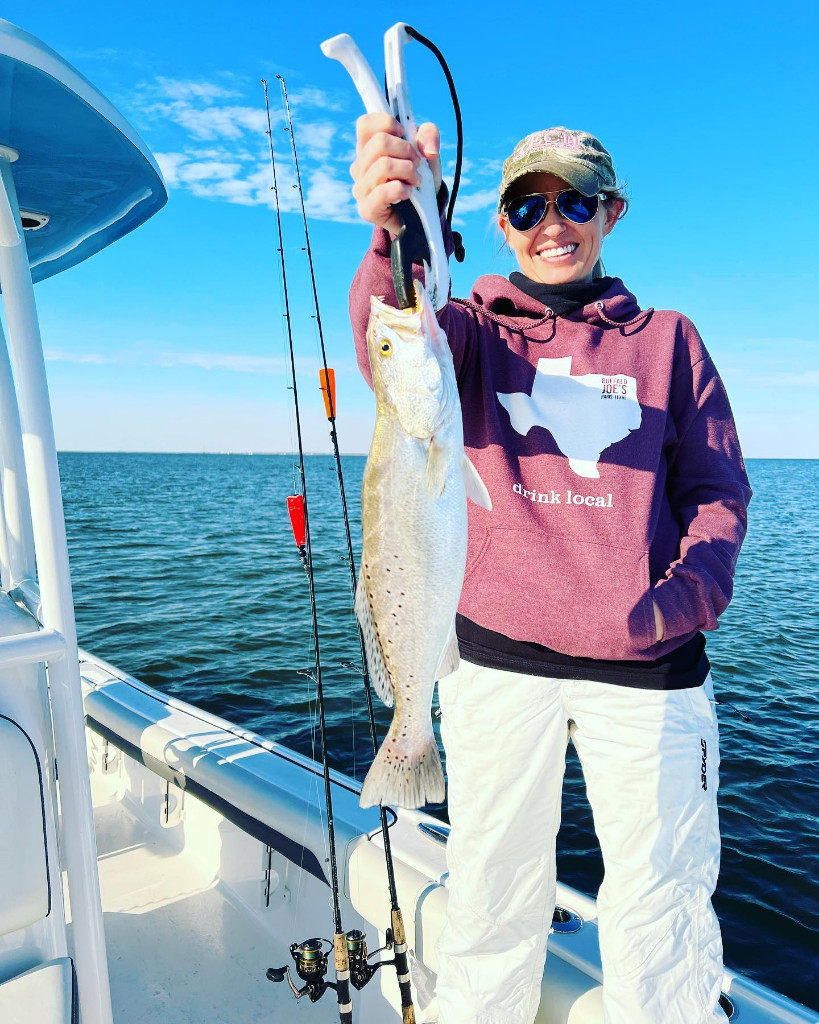
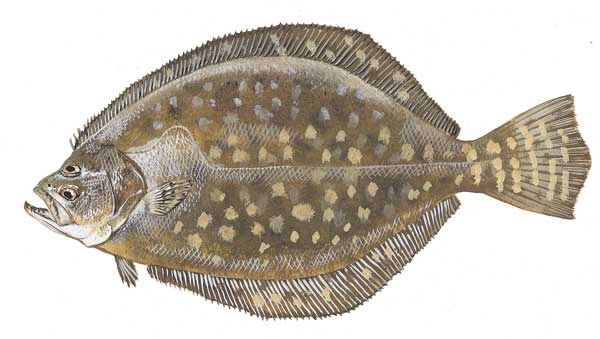
Southern flounder are the masters of disguise in Galveston Bay, lying perfectly camouflaged on sandy bottoms and mud flats waiting for an easy meal. These flatfish typically run 14-20 inches, with the occasional doormat pushing 24 inches or better. Fall months bring the best flounder action as they stage for their offshore spawning run, fattening up and becoming more aggressive. What makes flounder so addictive to target is the subtlety – you've got to really pay attention to your bait because their bite feels like you just snagged a wet towel. When you set the hook and feel that head shake, you know you've got one.
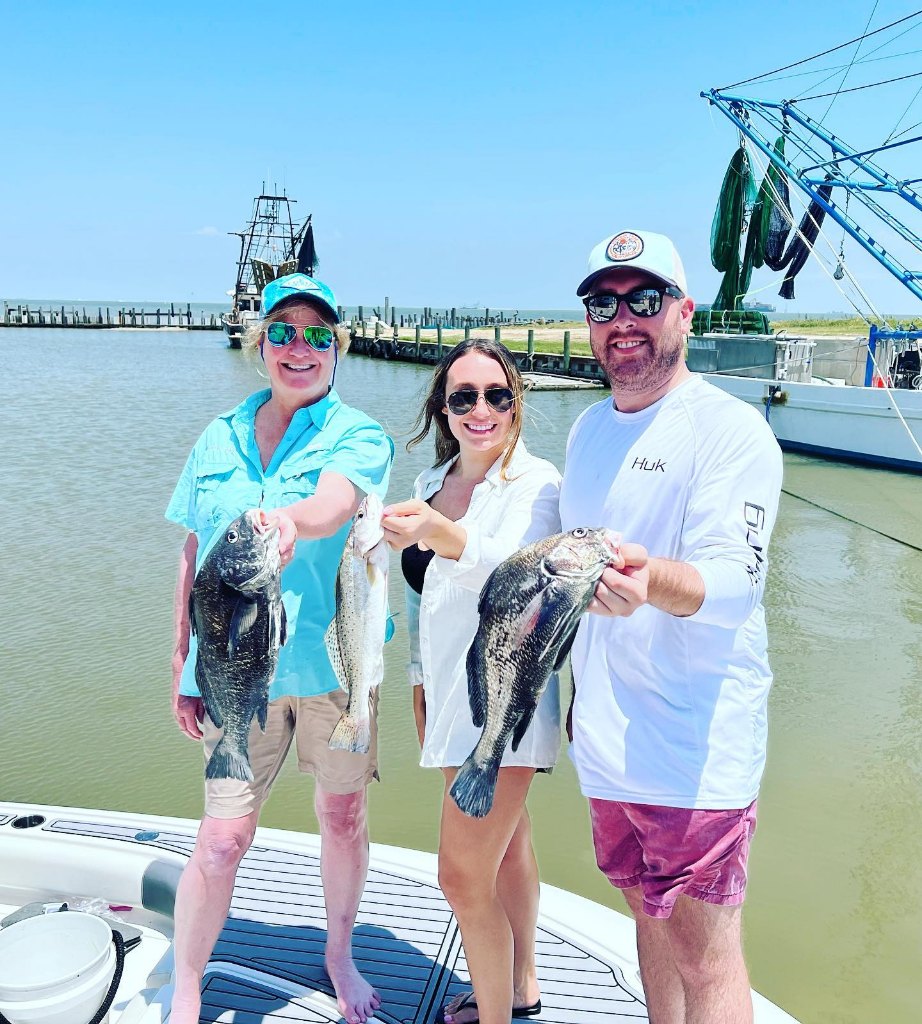
Black drum are the heavyweight champions of the bay, with fish commonly ranging from 20-40 pounds, though we see plenty of smaller "puppy drum" in the 5-15 pound range too. These fish love structure – bridge pilings, old oil platforms, oyster reefs – anywhere they can use that crushing power to crack open crabs and oysters. Spring and fall see the biggest concentrations, but resident fish are here year-round. The fight on a big black drum is all about endurance; they don't jump or make blazing runs, but they'll pull steady and hard, testing your tackle and your patience.
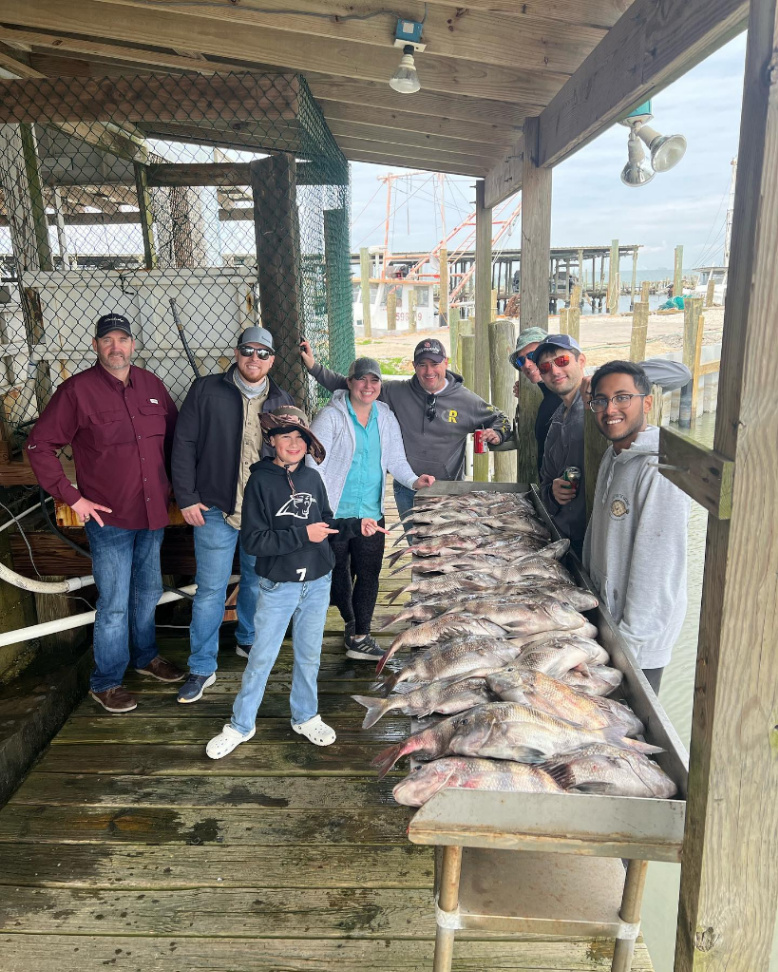
Sheepshead are the pickpockets of Galveston Bay, notorious for stealing bait with surgical precision around any kind of structure. These black-and-white striped fish typically run 12-16 inches, with occasional slabs hitting 18+ inches. Winter months are prime time for sheepshead as they move into the bay systems to spawn. What makes them so challenging and rewarding is their incredibly light bite – you've got to have sharp hooks, tight lines, and quick reflexes. Once hooked, they fight harder than their size suggests and make excellent table fare.
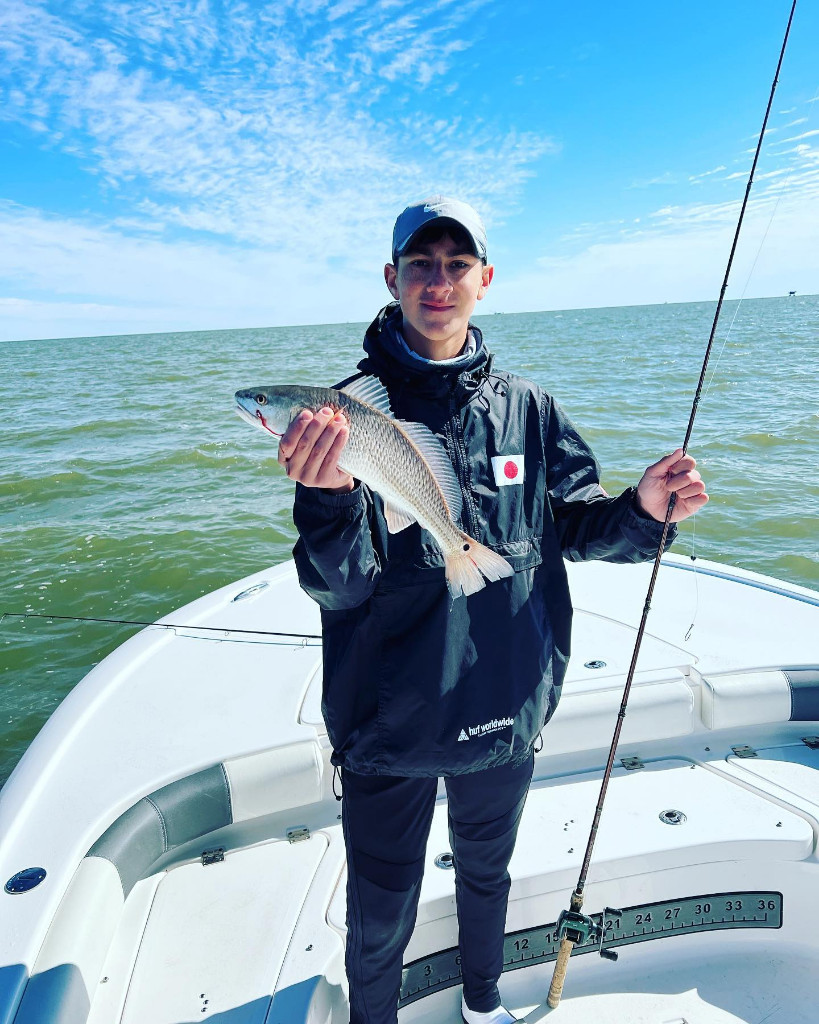
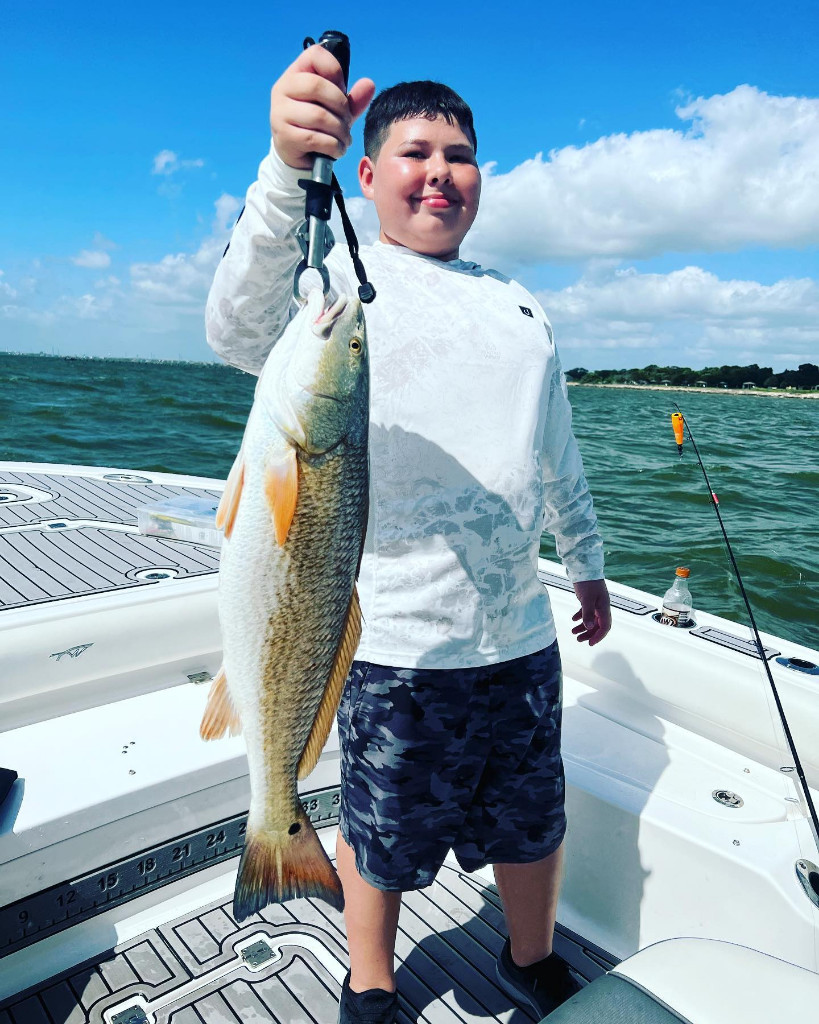
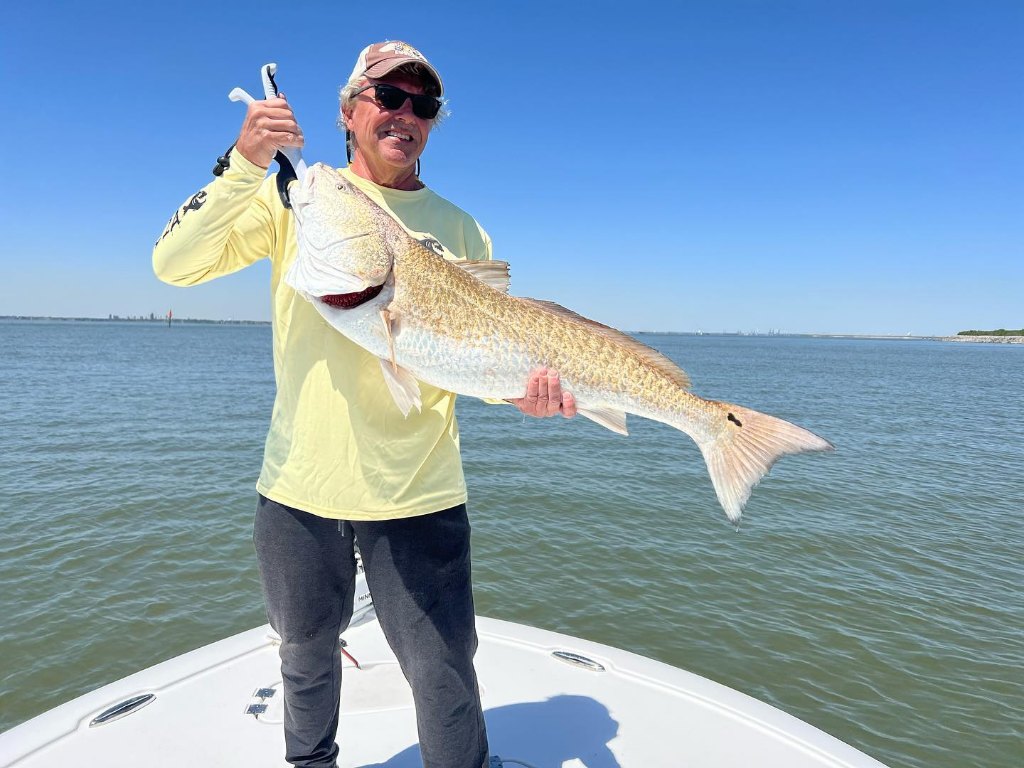
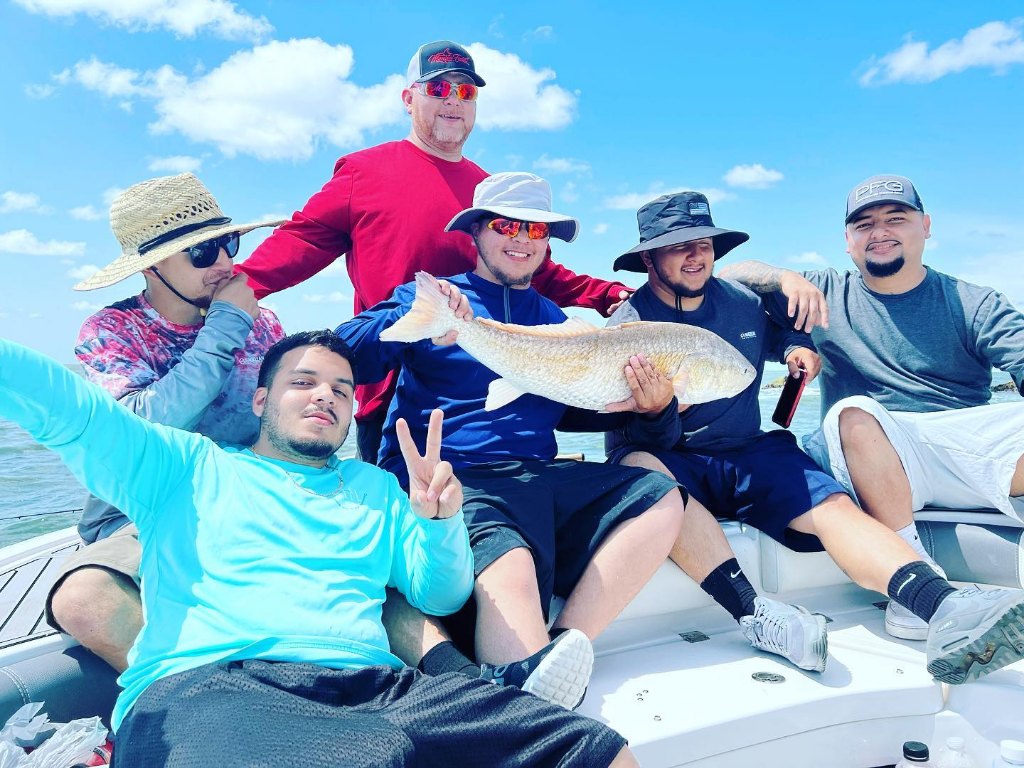
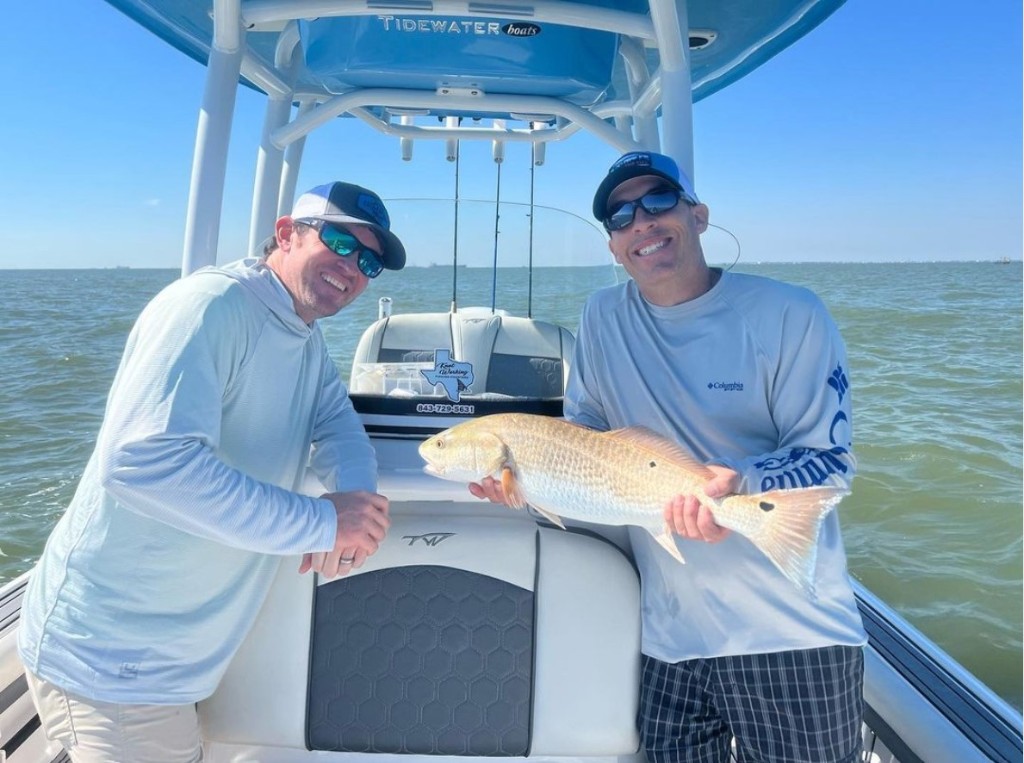
Redfish are the bread and butter of Texas inshore fishing, and Galveston Bay holds some real bulls. We target everything from schooling rats in the 16-24 inch range up to oversized bulls that can push 35+ inches and 20+ pounds. These copper-colored bruisers love shallow grass flats, oyster reefs, and drop-offs where they can ambush prey. Summer finds them in the shallows early and late in the day, while cooler months see them feeding more consistently throughout the day. The sight of a redfish's bronze back and that distinctive black spot cruising through shallow water never gets old, and their initial run when hooked will test your drag settings every time.
Cobia are the wildcards that can turn a good day into a legendary one. These brown sharks-of-the-surface cruise around looking like small sharks but fight like freight trains when hooked. In Galveston Bay, we typically see them in the 25-40 inch range, with occasional monsters pushing 50+ inches. Spring and early summer bring the best cobia action as they move through the bay systems during their spawning migrations. What makes cobia so exciting is their curiosity – they'll often follow lures or baits right to the boat, circling and investigating before deciding to eat. When they do commit, hold on tight because they'll make multiple powerful runs and aren't afraid to jump.
 Private Trip
 Inshore Fishing
 Galveston


 Five-hour inshore fishing adventure in Galveston Bay waters