Apalachicola Flats Fishing: Half-Day Adventures
Four hours on Florida's Forgotten Coast might not sound like much, but when you're working the flats around Apalachicola with Lady Guide Fly Fishing, that's all you need to understand why this stretch of water keeps anglers coming back. We're talking about some of the most productive shallow water fishing on the Gulf Coast, where clear flats meet grassy shorelines and fish move in predictable patterns if you know where to look. This isn't your typical charter boat experience – we're getting up close and personal with the water from a shallow-draft skiff, targeting whatever's been showing up lately across multiple zones from open Gulf beaches to tucked-away back bays.
What to Expect on the Water
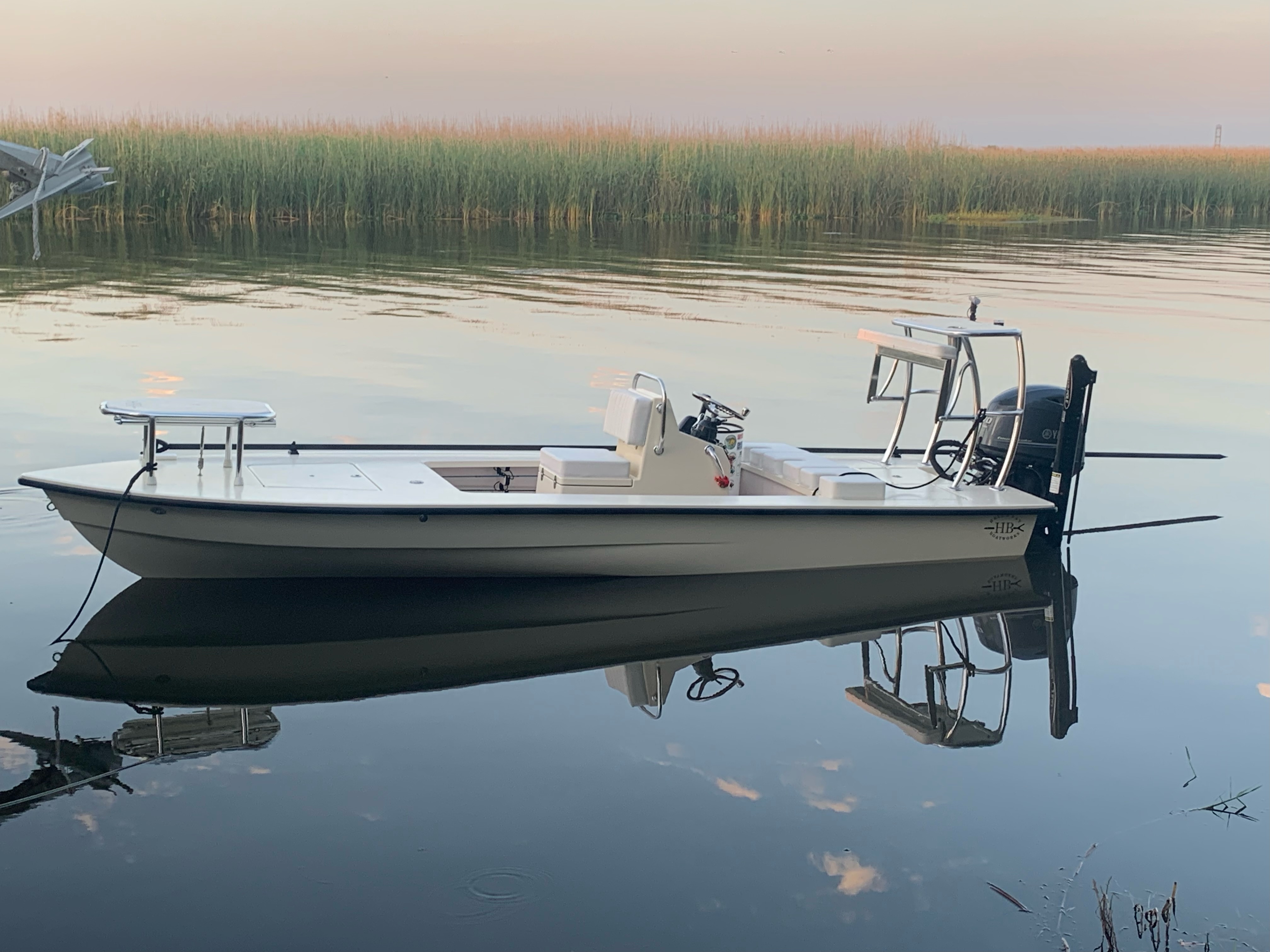
Your morning starts with a conversation about what's been working and where the fish have been holding. We'll load up the 18-foot skiff with everything you need – fly rods, reels, a selection of flies that match current conditions, and all the terminal tackle. The beauty of a half-day trip is we can cover serious ground without wearing you out. One hour we might be working a grass flat in two feet of water watching for tailing redfish, the next we're positioned along a sandy drop-off where sea trout have been ambushing baitfish. The Forgotten Coast earned its name because development stayed away, which means cleaner water, healthier grass beds, and fish populations that haven't seen the pressure of busier destinations. You'll notice the difference in water clarity and fish behavior right away. This is top-rated flats fishing territory where technique matters more than luck, and four hours gives us enough time to dial in what's working without feeling rushed.
Fly Fishing the Flats
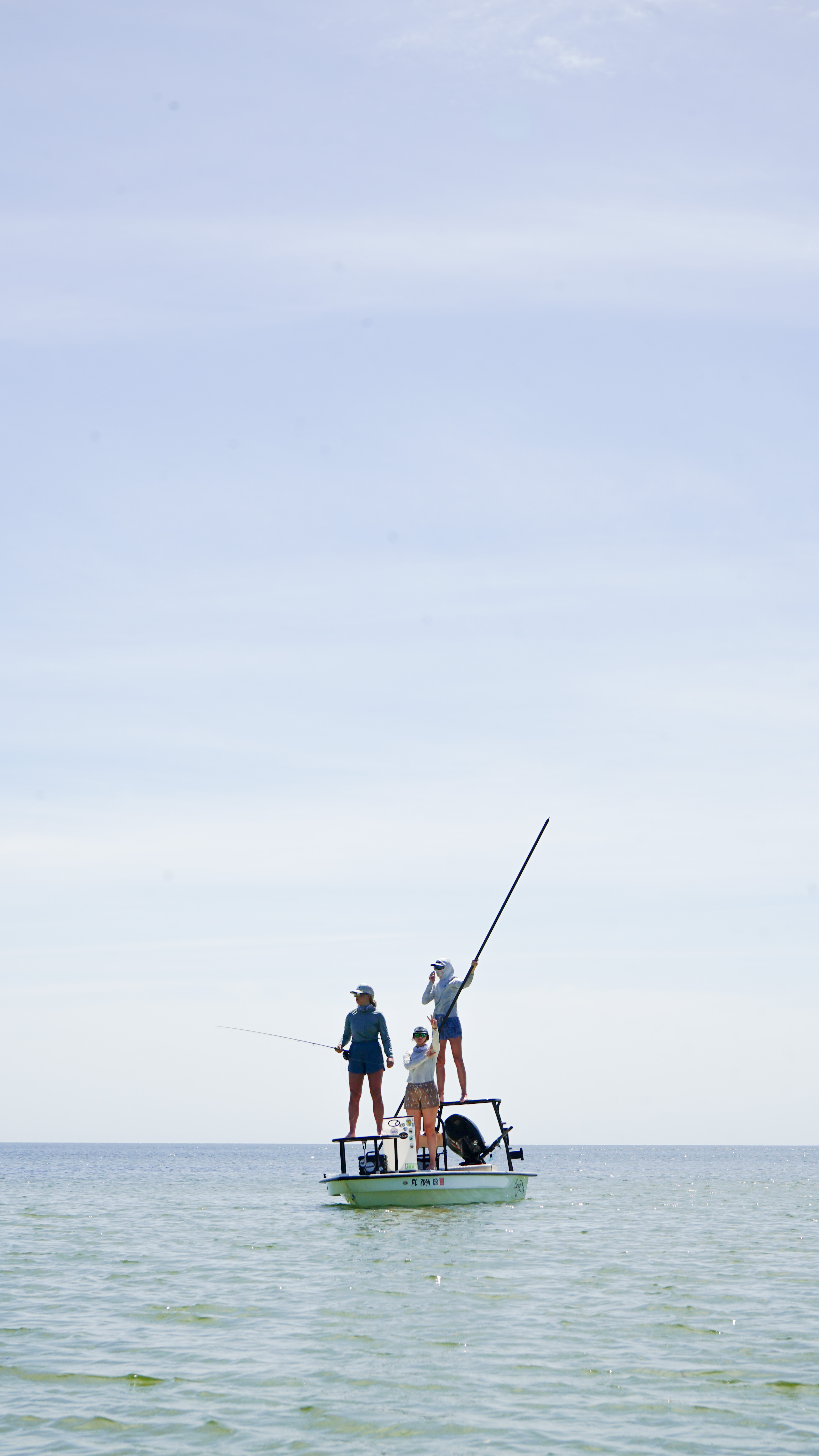
We're fly fishing exclusively, which means presenting flies that match what these fish are eating naturally. Your setup depends on conditions – sometimes we're throwing weightless shrimp patterns in skinny water, other days we need clouser minnows that get down quick in deeper channels. The skiff draws less than a foot, so we can get into spots where conventional boats can't follow. Poling becomes critical when we're working super shallow water or approaching spooky fish. You'll learn to read water color changes that indicate depth variations, spot nervous water that suggests feeding fish, and understand how tides move bait and predators around these flats. Wind direction affects everything from casting angles to where fish position themselves, so we adjust our game plan throughout the trip. The technical side isn't overwhelming – we'll match your experience level – but understanding these details makes the difference between seeing fish and actually hooking up consistently.
Species You'll Want to Hook
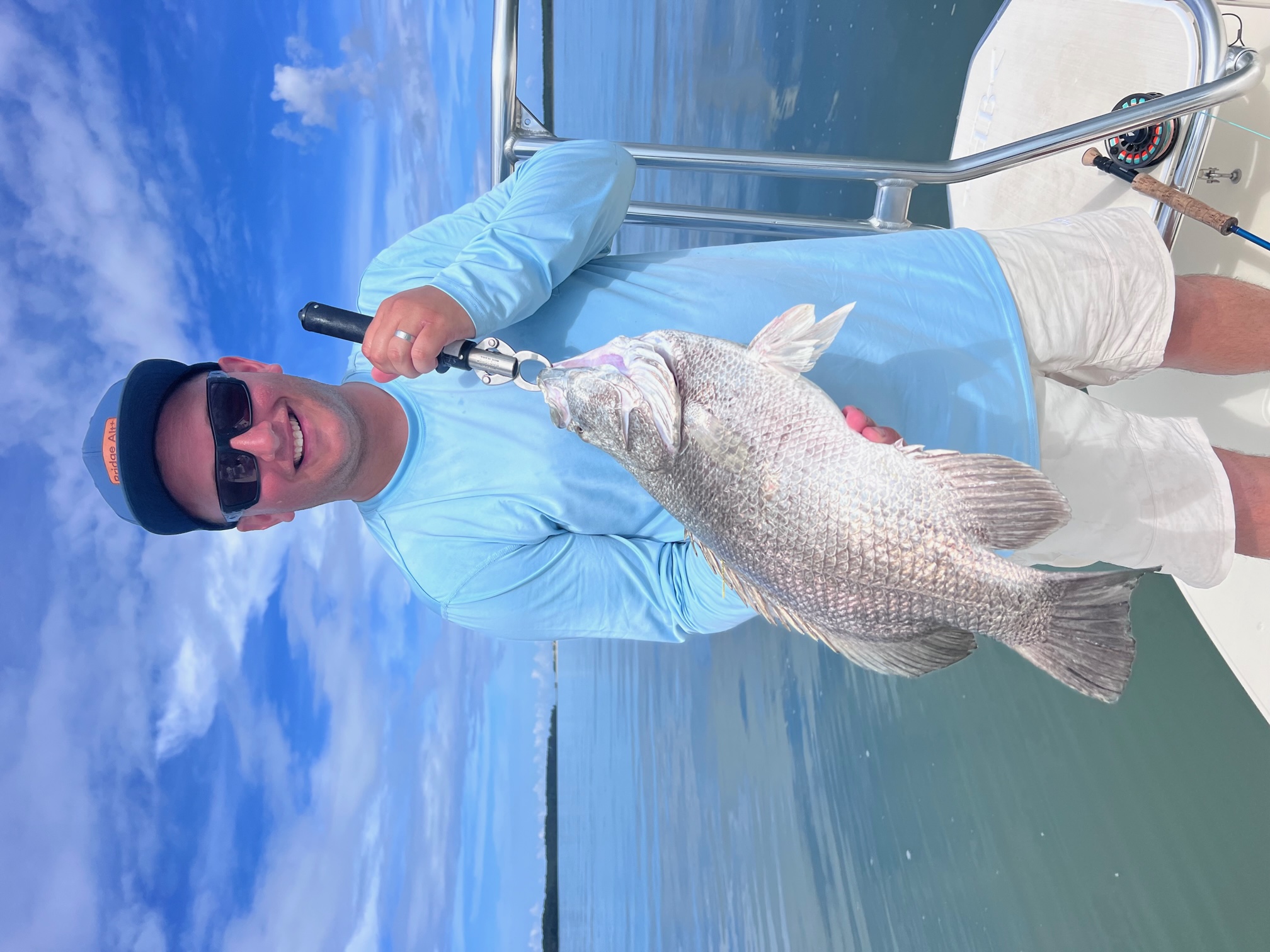
Black drum around Apalachicola run big and fight hard, especially the fish we find working shallow oyster bars and grass edges. These bruisers can push 30-40 pounds and will test your drag system when they make their initial run. They feed by rooting around bottom structure, so you'll often see them before they see you – dark shadows moving systematically across light-colored bottom. Spring through fall offers the best action, with larger fish showing up during cooler months. What makes drum special is their power combined with their tendency to stay in relatively shallow water where the fight becomes a real tug-of-war.
Sheepshead deserve their reputation as tackle thieves, but that's exactly why fly anglers love them. These convict-striped fish hang around any kind of structure – docks, pilings, oyster beds – and they hit fast before you realize what happened. Their small mouths and excellent eyesight mean your presentation has to be spot-on, but when you connect, they fight with surprising strength for their size. Most run 2-4 pounds, perfect for light fly tackle, and they're year-round residents that provide consistent action when other species are off their feed.
Sea trout – specks to locals – are probably the most reliable target we have. They school up over grass flats, work current edges, and respond well to properly presented fly patterns. Spring and fall bring the best numbers, but we find fish throughout the year. What anglers love about specks is their willingness to eat topwater flies and their habit of staying in areas where you can sight-cast to them. A good speck bite means multiple hookups and plenty of action to keep things interesting.
Redfish are the crown jewel of flats fishing, and Apalachicola's back bays hold some beautiful fish. These copper-colored fighters range from schooling juveniles to solitary adults pushing 30 inches. They tail in shallow water while feeding, creating those heart-stopping moments when you're trying to present a fly to a fish you can actually see. Reds eat aggressively, fight dirty, and photograph well – the complete package for fly fishing. Peak season runs spring through fall, but we connect with fish year-round.
Tripletail might be the most unique species we target. These oddly shaped fish float near structure or debris, looking like floating leaves until they decide to eat your fly. They're not common, but when conditions align – usually summer months around floating grass or markers – they provide some of the most exciting sight-fishing opportunities available. Their strike is aggressive, their fight is bulldogging strong, and finding one always feels like discovering a secret.
Time to Book Your Spot
A half-day trip gives you a solid taste of what makes Apalachicola special without the commitment of a full-day adventure. Four hours is enough time to work multiple spots, dial in techniques, and hopefully get into some fish while still leaving part of your day free for other activities. The Forgotten Coast won't stay forgotten forever – word is getting out about the quality of fishing we have here. Lady Guide Fly Fishing focuses on delivering that authentic flats experience where you learn something new, catch some fish, and understand why this area has such a strong reputation among serious anglers. Whether you're new to fly fishing or you've been throwing flies for years, these waters offer the kind of variety and challenge that keeps the day interesting from start

 Private Trip
 Flats/Shallows Fishing
 Montgomery


 Half-day fly fishing charter targeting active species along Forgotten Coast