Full Day Float Trip on Willow Creek for Salmon
Picture yourself drifting down one of Alaska's premier fishing waters, casting flies to wild rainbows and seasonal salmon runs that make anglers from around the world plan their trips around this creek. This guided float fishing adventure puts you right in the heart of some of the best multi-species action Alaska has to offer. You'll spend 6-8 hours working productive pools and runs from a comfortable 14-foot NRS Otter raft, covering water that walk-in anglers rarely see. Whether you're new to fly fishing or you've been chasing fish for decades, this trip delivers the kind of variety that keeps you coming back season after season.
What to Expect on the Water
Your day kicks off at 9am from Willow Creek State Recreational Area, where you'll meet your guide and get dialed in with the right gear for current conditions. The beauty of a drift trip is how much water you can cover - instead of being stuck in one spot, you're constantly moving to fresh holding water where fish haven't been pressured. Your guide will be reading the water ahead, positioning the raft for perfect presentations to undercuts, drop-offs, and current seams where trout and salmon like to sit. The pace is relaxed but focused, giving you time to work each productive run without rushing. Lunch isn't provided, so pack something hearty to keep your energy up during the longer stretches between fish. Don't forget you'll need that Alaska sport fishing license sorted before you show up - no exceptions there.
Drift Fishing Techniques
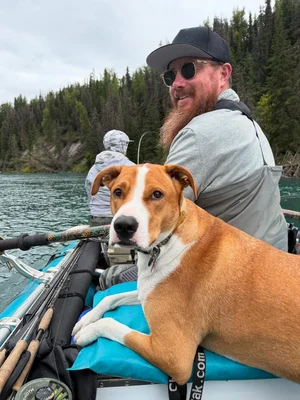
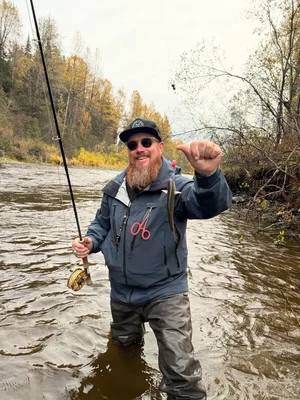
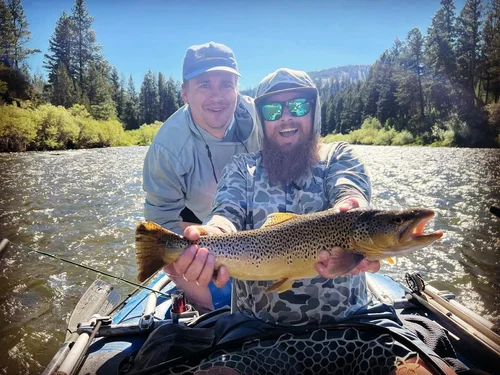
Floating gives you access to techniques that really shine on moving water. Your guide will have you working everything from dead-drifted nymphs in the deeper holes to swinging streamers through the tailouts where aggressive fish like to ambush prey. The raft lets you approach fish from angles they don't expect, and you can cover both banks without spooking anything. Fly rods, reels, and terminal tackle are all included, so your guide can match your setup to what's working that day - maybe a heavier nymph rig for the deeper pools or lighter dry fly setups when fish are rising. The catch and release approach means you're focused on the fight and the photo, not worrying about keeping fish fresh. It's pure fishing without the pressure of filling a cooler.
Top Catches This Season
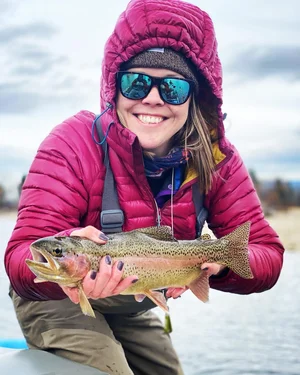
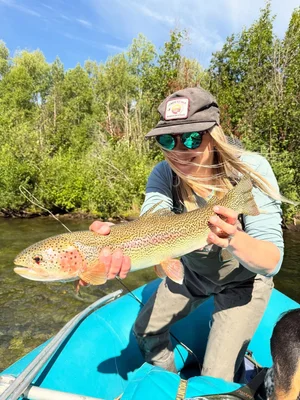
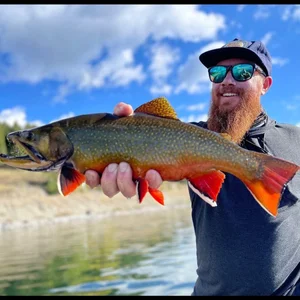
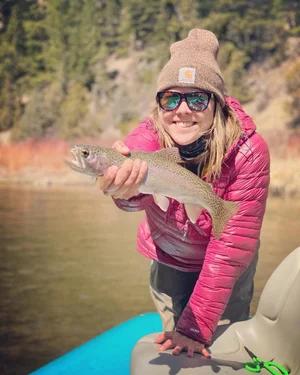
Willow Creek serves up an incredible mix of species that keeps every cast interesting. Wild leopard rainbow trout are the year-round stars here, with their distinctive spots and aggressive takes that make them a favorite among fly fishers. These aren't your typical stocked rainbows - they're wild fish that have been feeding on salmon eggs and flesh, putting on serious size and strength. Arctic grayling add their own unique flavor to the mix with that sail-like dorsal fin and their preference for clean, cold water. Dolly Varden char prowl the deeper pools, often mistaken for small salmon until you see those characteristic spots. Then there's the seasonal salmon runs - Coho, Sockeye, Chum, and Pink salmon that transform this creek into something special when they're moving through. Each species brings its own challenge and reward to your day on the water.
Species You'll Want to Hook
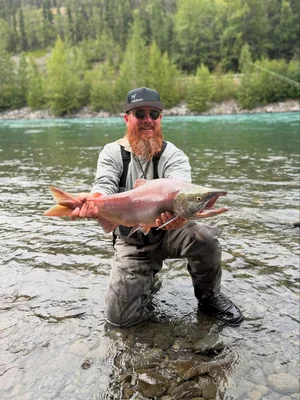
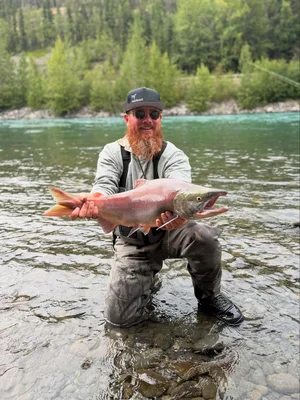
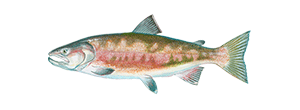
Chum salmon might not get the respect of Kings or Coho, but they're absolute bulldogs on the line. These fish typically run from mid-July through August, and by the time they hit freshwater, they've developed those distinctive hooked jaws and tiger stripes. They're aggressive and will hit flies hard, giving you a fight that'll test your drag system. Don't let anyone tell you Chums aren't worth targeting - they're some of the strongest salmon you'll encounter.
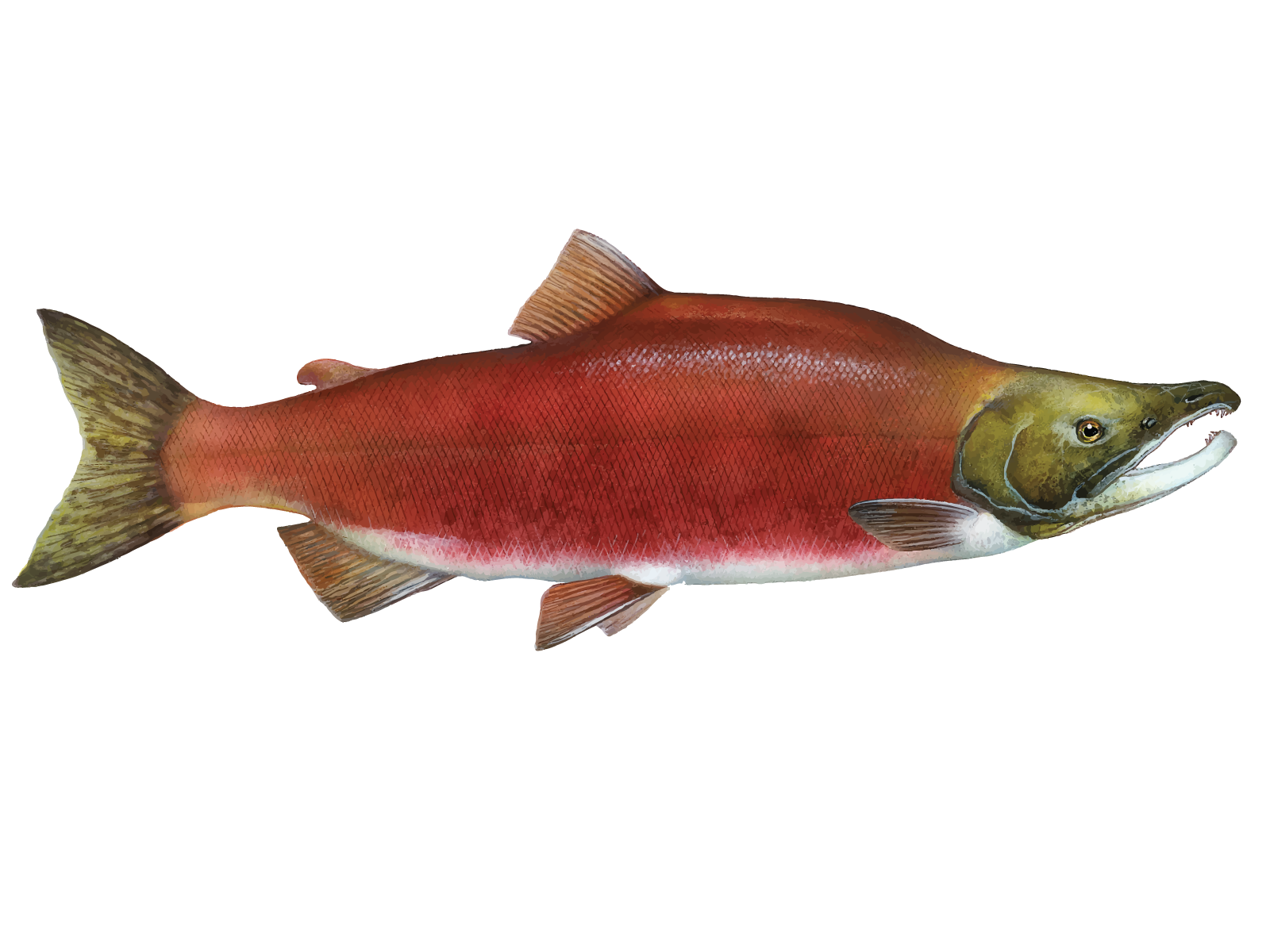
Sockeye salmon are the prize many anglers dream about, and Willow Creek gets solid runs during peak season. These bright silver rockets are notoriously picky about flies, making them a technical challenge that separates the casual anglers from the serious ones. When you do connect with a fresh Sockeye, you're in for a fight that combines speed, jumps, and raw power. They typically move through in late June through July, turning the creek into a world-class fishery.
Arctic grayling are Alaska's most unique freshwater fish, with that massive dorsal fin that looks like it belongs on a tropical reef fish. They're curious and aggressive, often competing with each other to hit your fly first. Grayling prefer the faster water and will rise to dry flies more readily than most other species here. They're not huge - typically 12-16 inches - but they're scrappy and beautiful, with those iridescent scales that change color in the light.
Rainbow trout in Willow Creek are the stuff of fly fishing legends. These aren't your average rainbows - they're wild fish that have been gorging on salmon eggs and flesh, putting them in prime condition. Expect fish in the 16-22 inch range, with some real monsters pushing even bigger. They're smart, strong, and know how to use the current to their advantage. When salmon are running, these rainbows become incredibly opportunistic, following the spawning fish and feeding heavily.
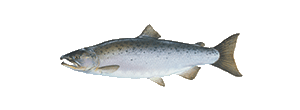
Coho salmon bring a level of excitement that's hard to match. These silver bullets are acrobatic fighters that will jump, run, and do everything possible to throw your hook. Fresh Coho are chrome-bright and incredibly strong, often making multiple runs that'll have your reel screaming. They typically show up in late July through September, and when they're in, the action can be non-stop. Coho are also more likely to hit a variety of fly patterns, making them great targets for anglers who like to experiment with different presentations.
Time to Book Your Spot
This top-rated Alaskan fishing experience fills up fast, especially during prime salmon season. With space for just two anglers per trip, you're getting personalized attention that bigger operations simply
 Private Trip
 River Fishing
 undefined, undefined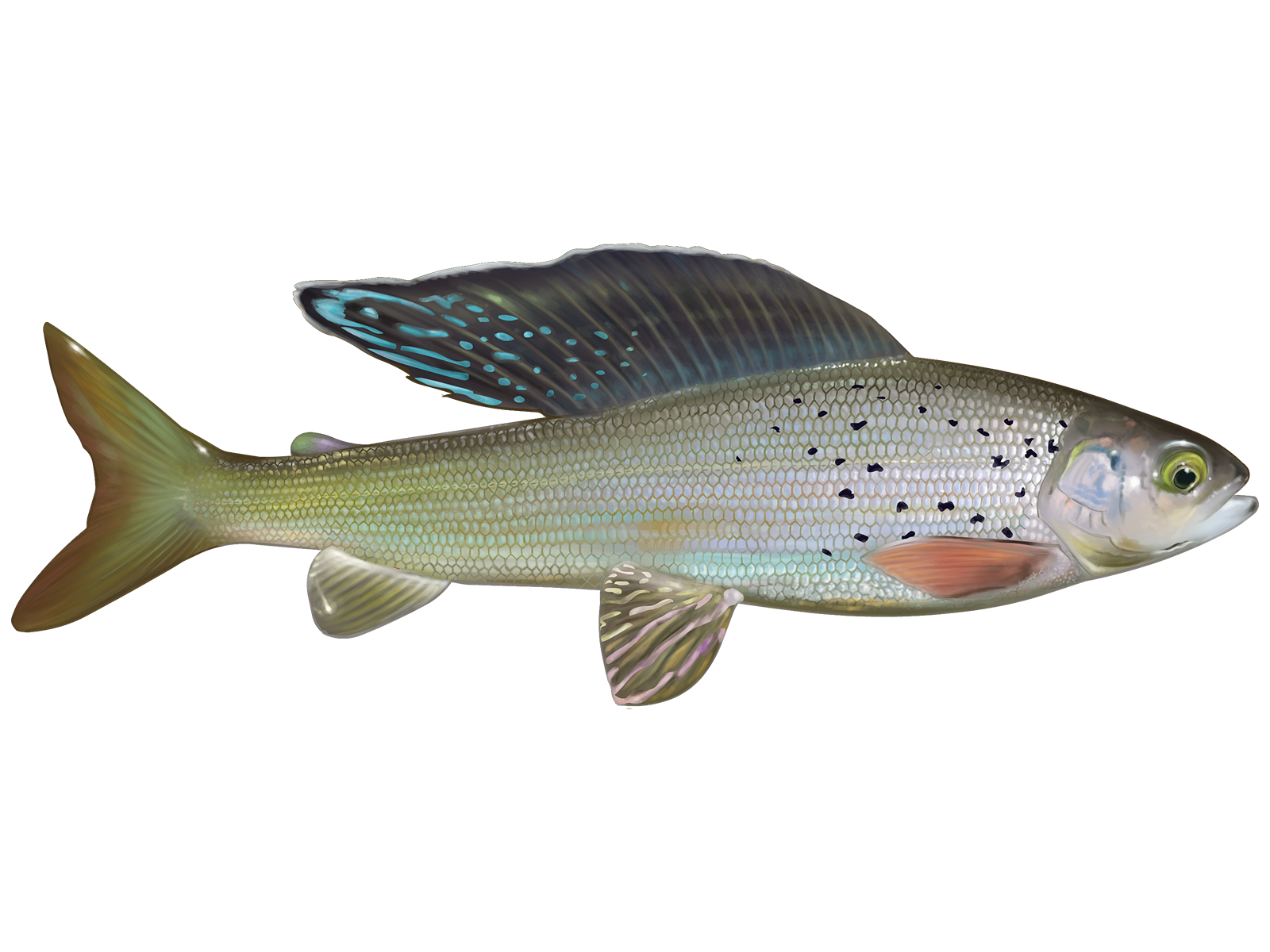

 Full day float fishing targeting salmon and rainbow trout