Private Inshore Fishing for Kids in PCB
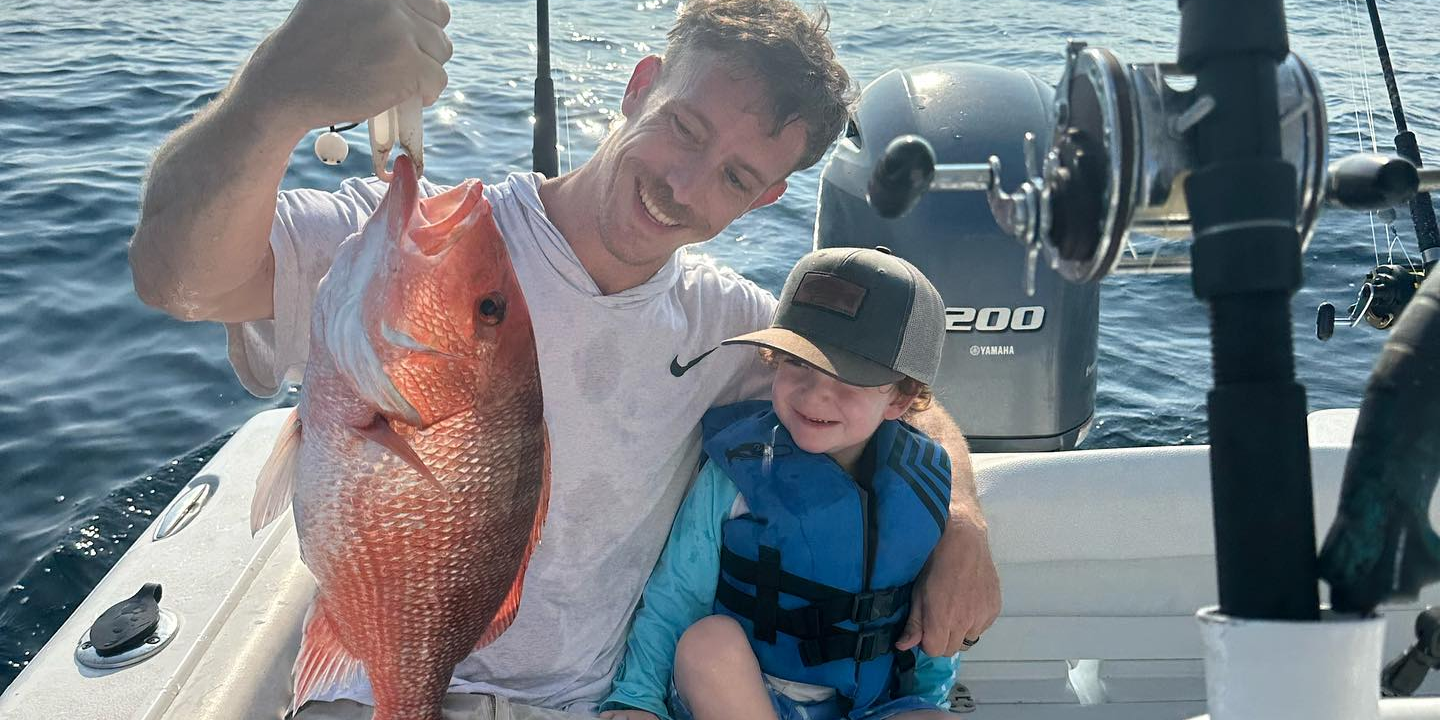
Getting kids hooked on saltwater fishing starts with the right guide and the perfect setup. Captain Will's private 3-hour inshore charter is built from the ground up for young anglers, whether they're holding a rod for the first time or already know their way around a tackle box. You'll cruise the protected bays and calm Gulf waters around Panama City Beach, where the fish are plentiful and the conditions are just right for teaching kids the fundamentals. This isn't just a fishing trip – it's a hands-on education in reading water, understanding fish behavior, and building confidence on the boat. With room for up to 4 guests, it's perfect for family outings or small groups of friends ready to turn their kids into serious anglers.
What to Expect on the Water
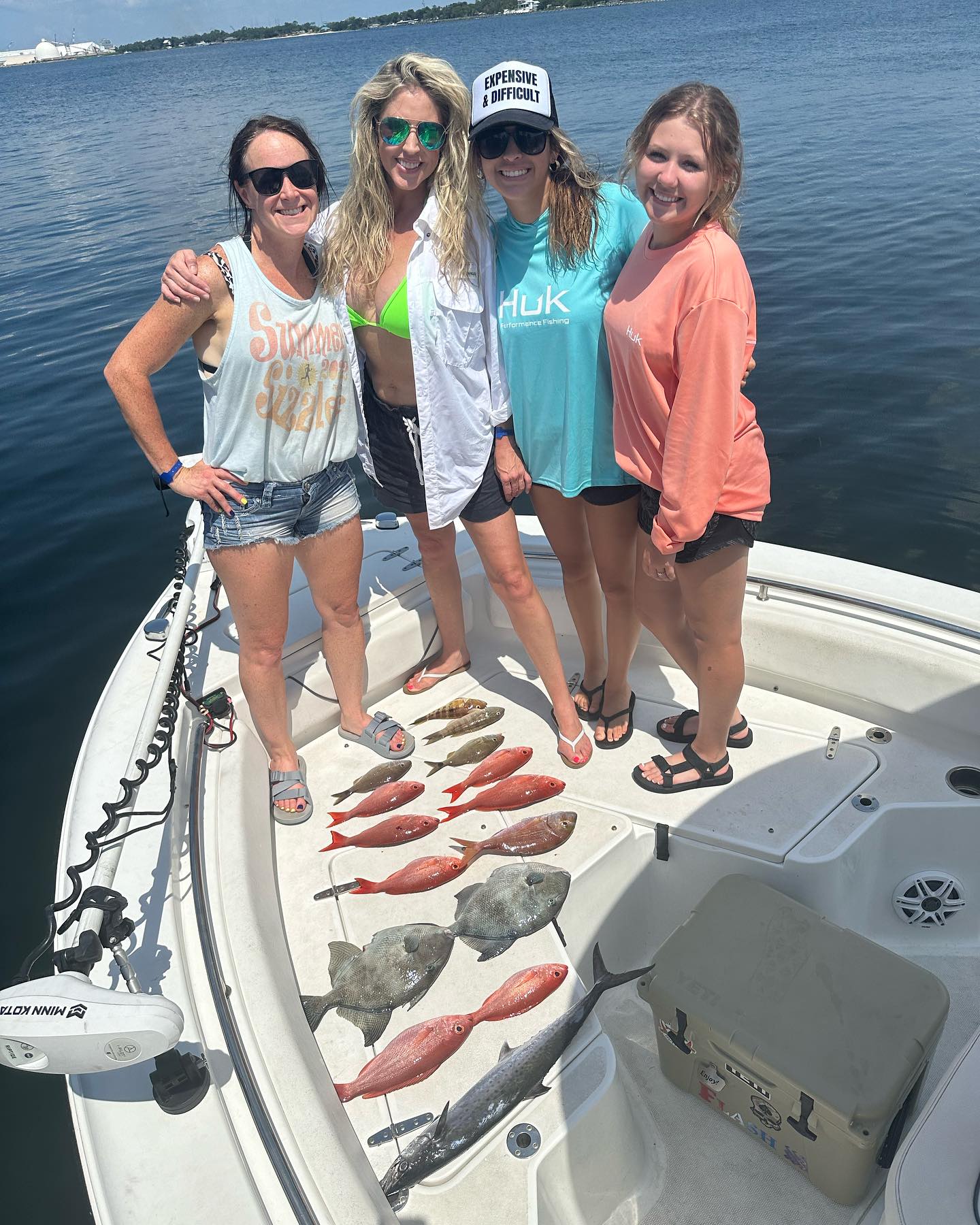
Captain Will knows exactly where to find the action without putting kids in rough conditions. You'll start in the calm inshore waters where gag grouper hang around structure, redfish cruise the grass flats, and sheepshead pick at barnacles along the docks. The boat stays in protected areas most of the time, but when conditions are right, you might venture to the nearshore Gulf waters where king mackerel and mahi mahi patrol the blue water. Every decision is made with safety and success in mind – if the kids are catching fish and having fun, that's where you'll stay. The captain adjusts tactics throughout the trip based on what's working, teaching kids to read the signs and understand why certain spots produce better than others. It's not uncommon to hit three or four different areas during the charter, giving young anglers exposure to different types of fishing and various species.
Gear Setup & Techniques
All the tackle comes with the trip, and Captain Will sets everything up specifically for smaller hands and shorter attention spans. You'll use lighter rods that kids can handle comfortably, with reels that aren't too complicated but still give them the real fishing experience. Bottom fishing with live bait and cut bait is the bread and butter – dropping shrimp, pinfish, and squid down to where the grouper and sheepshead live. When targeting redfish, you'll work the grass flats with jigs and soft plastics, teaching kids to feel the bottom and recognize when a fish picks up their bait. For the pelagic species like kings and mahi, you might troll small spoons or pitch live bait to floating debris. The captain handles all the rigging and re-baiting, so kids can focus on learning proper casting technique, fighting fish, and understanding what they're feeling through the rod. Circle hooks are used for most presentations – they're safer for kids and result in better hook-ups and fish survival.
Target Species
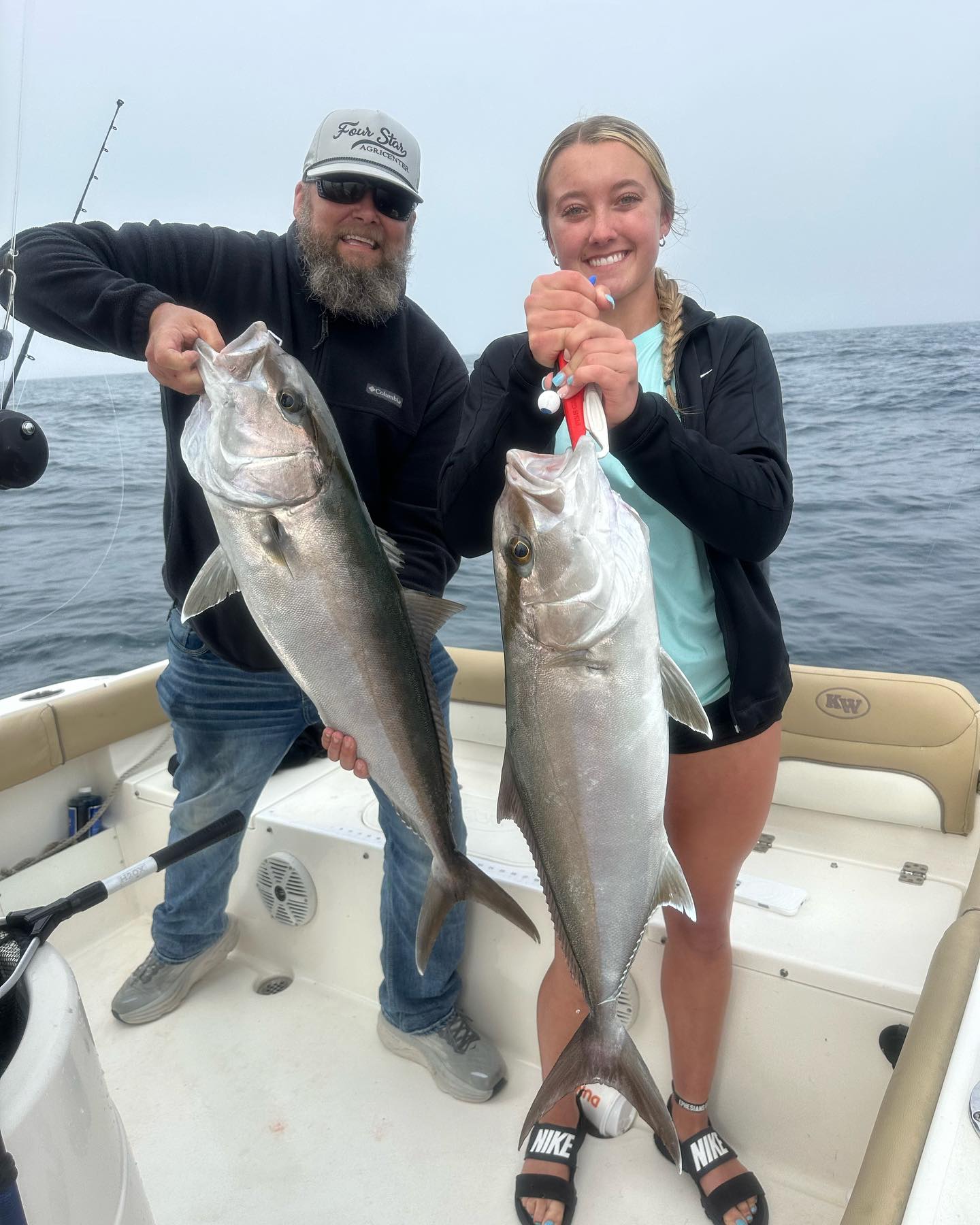
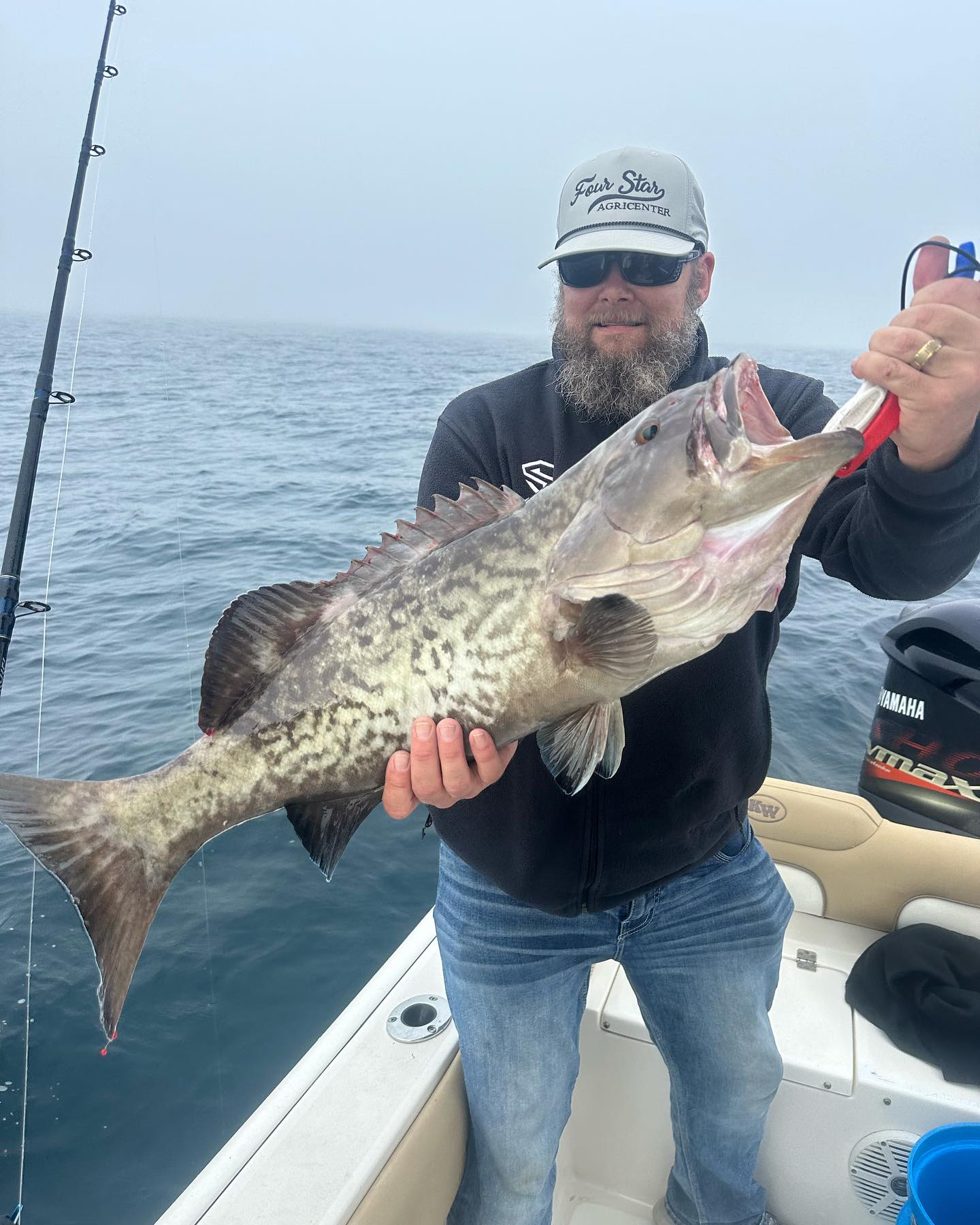
Gag grouper are the backbone of Panama City Beach inshore fishing, and they're perfect for teaching kids proper bottom fishing techniques. These chunky fish live around hard bottom, rocks, and artificial reefs in 20-80 feet of water. Gags typically run 2-5 pounds inshore, which is perfect for young anglers – big enough to bend the rod and make them work, but not so large they can't handle the fight. They hit live shrimp and pinfish hard, giving kids that unmistakable thump that gets their hearts racing. Fall and winter are prime time for gag grouper, when they're feeding heavily and positioned in predictable spots. Kids love them because they're aggressive feeders and relatively easy to catch once you find the right structure.
Sheepshead are the perfect species for teaching kids patience and finesse. These black-and-white striped fish have small mouths and are notorious bait stealers, which actually makes them great teachers. Kids learn to pay attention to subtle bites and develop better hook-setting skills. Sheepshead hang around docks, pilings, and oyster bars, where they pick barnacles and small crabs off the structure. They're most active in cooler months, from November through March, and typically weigh 1-3 pounds inshore. The key is using small hooks with fresh shrimp or fiddler crabs, and teaching kids to feel the light pecking before setting the hook. Once hooked, sheepshead are strong fighters that make several runs toward structure, keeping young anglers engaged throughout the fight.
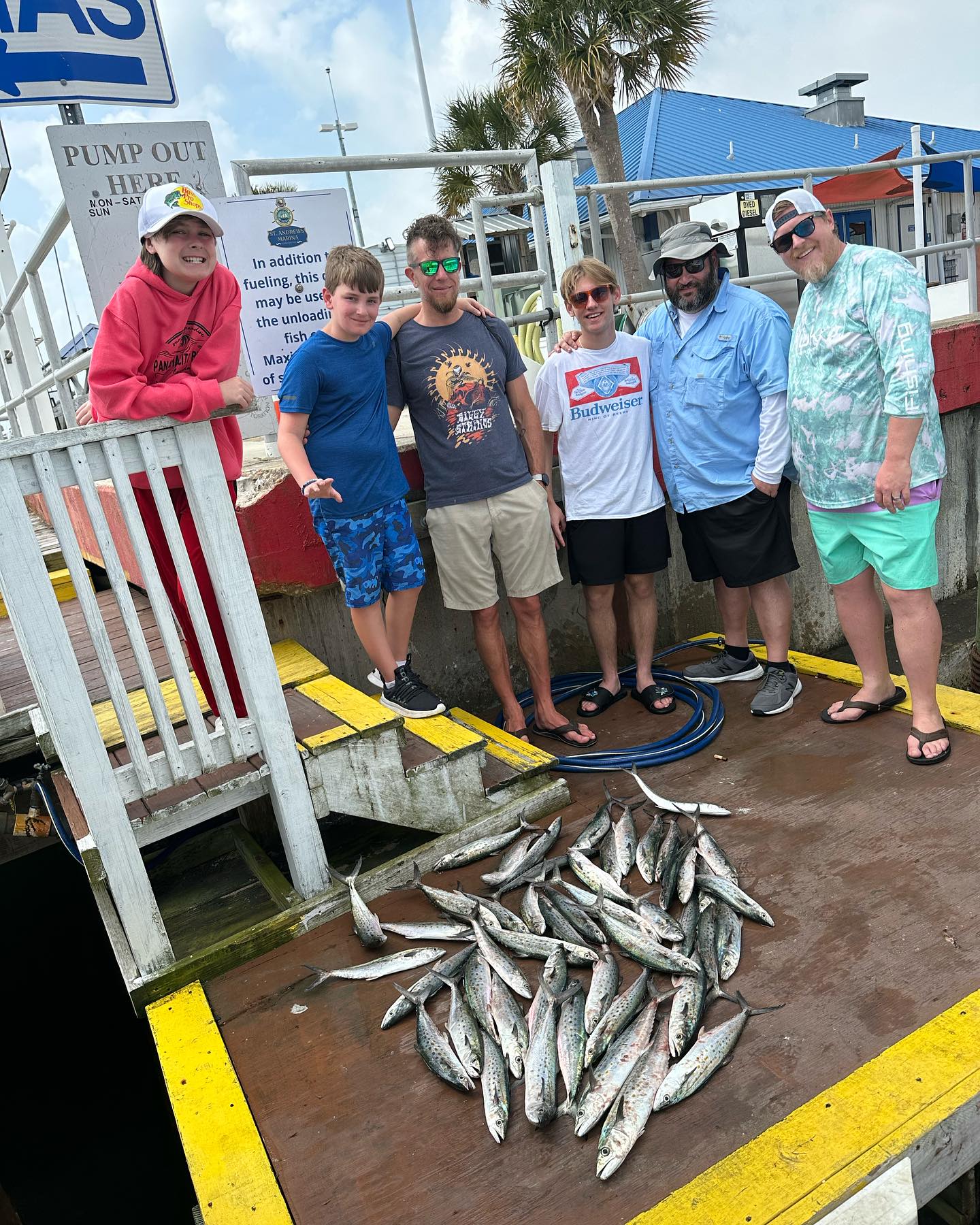
King mackerel bring the excitement level up a notch when conditions allow for nearshore fishing. These silver missiles can show up anywhere from the beach out to 100 feet of water, following bait schools and temperature breaks. Kings in the 10-20 pound range are common, and they're absolute rockets when they hit. Kids get a real thrill from the screaming runs and acrobatic jumps, though Captain Will usually helps with the initial fight to prevent break-offs. Spring and fall offer the best king fishing, when they're moving along the coast in large schools. The trick is finding the right depth and temperature, then presenting live bait or small trolling lures at the proper speed. Kings teach kids about drag settings and the importance of keeping steady pressure on a fish.
Redfish are probably the most user-friendly species for young anglers – they eat almost anything, fight hard but not crazy, and often travel in schools. These copper-colored drums cruise the grass flats and shallow waters year-round, though spring and fall offer the most consistent action. Reds typically range from 18-27 inches inshore, with the bigger bulls moving to deeper water. They're perfect for teaching kids sight fishing when the water's clear, and they respond well to both live bait and artificial lures. Kids love watching redfish crush topwater plugs in shallow water, and the steady, bulldogging fight keeps them engaged without being overwhelming. Redfish also have that distinctive black spot near their tail, making them easy for kids to identify and remember.
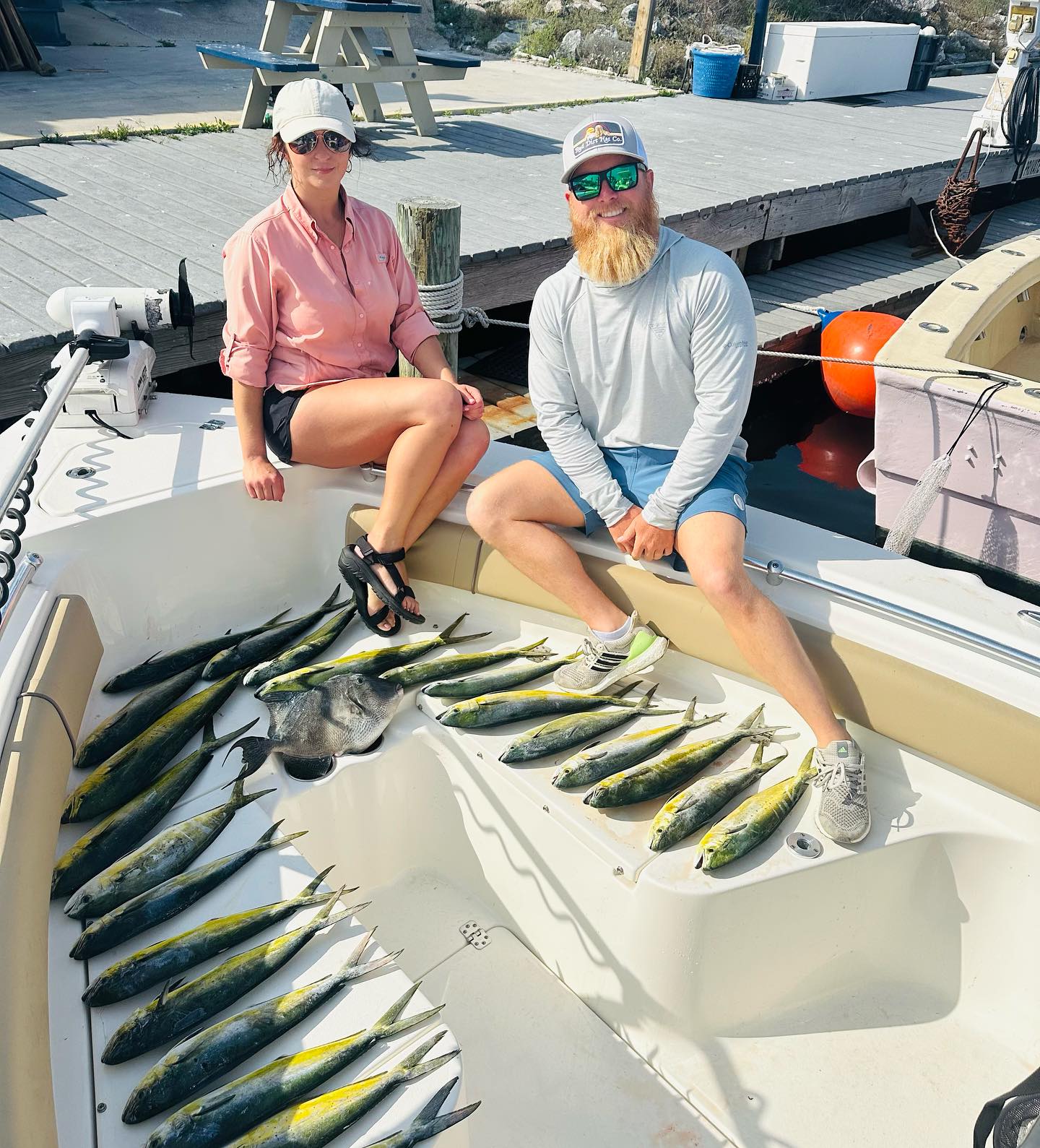
Mahi mahi are the crown jewel when they show up in Panama City Beach waters. These gorgeous fish with their electric colors and acrobatic fights create memories that last a lifetime. Mahi typically appear from late spring through early fall, often around floating debris or weed lines
 Private Trip
 Inshore Fishing
 Panama City Beach


 Private 3-hour inshore fishing charter designed for children