4hr Flamingo Everglades Eco Tour
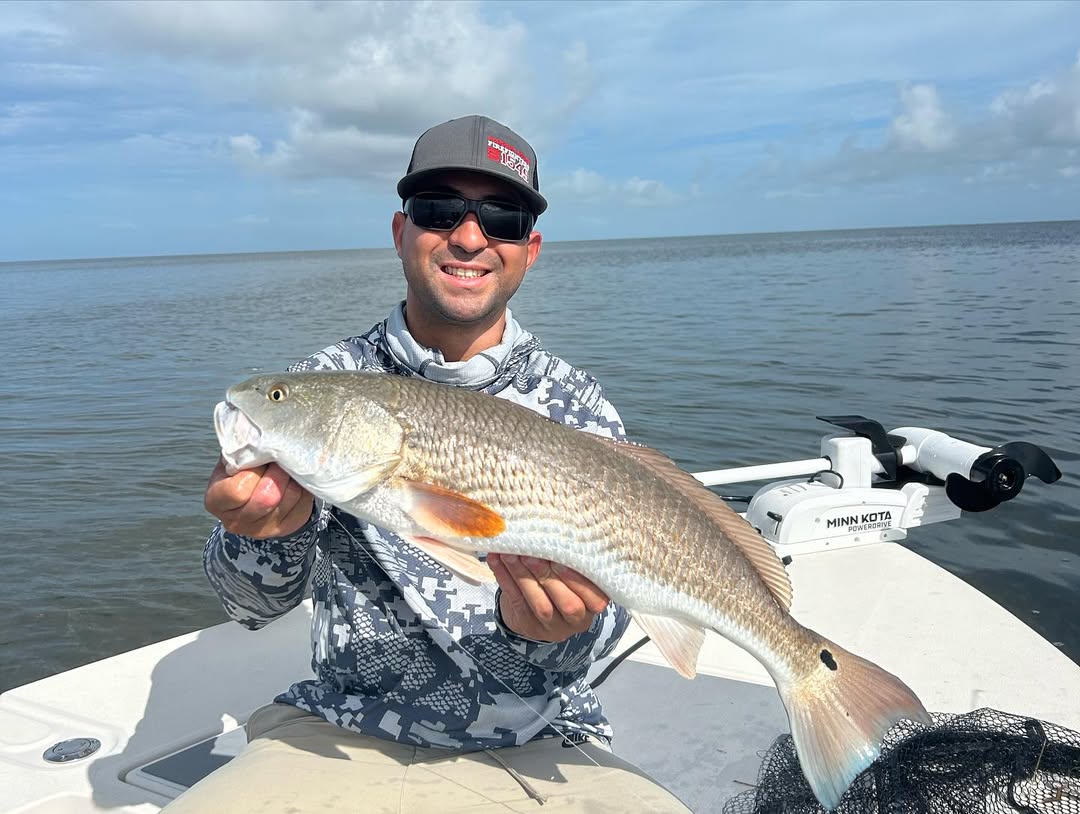
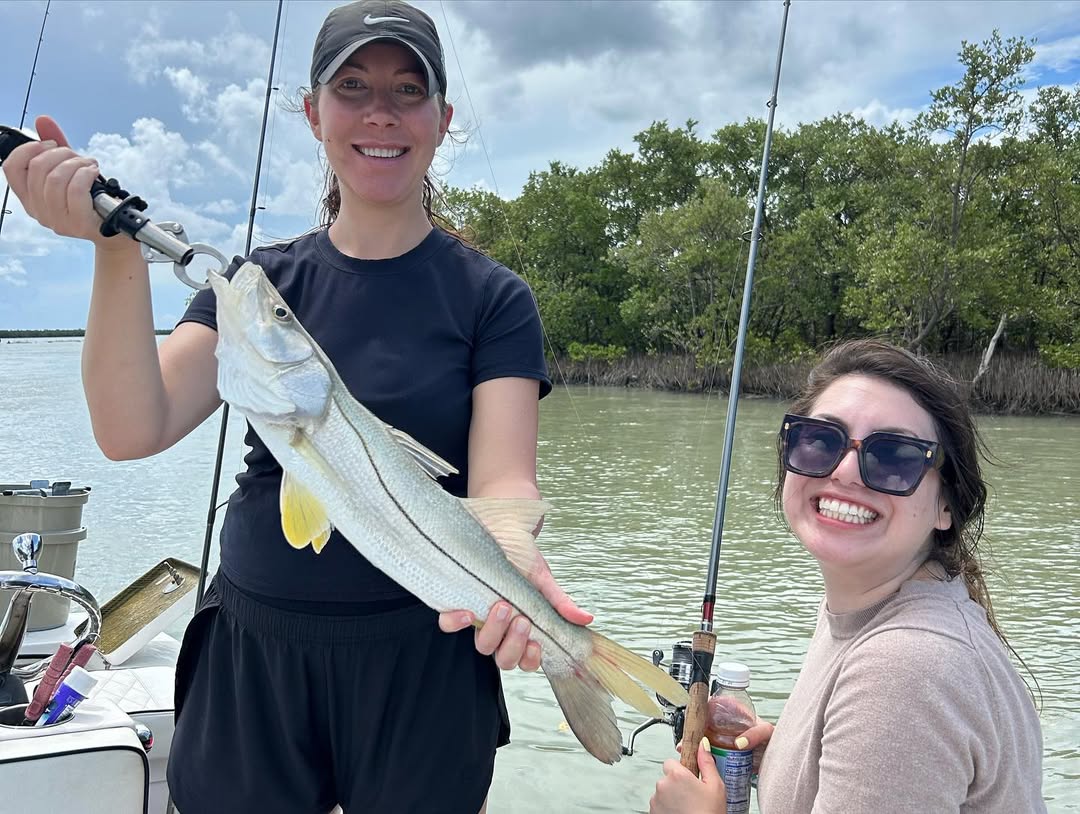
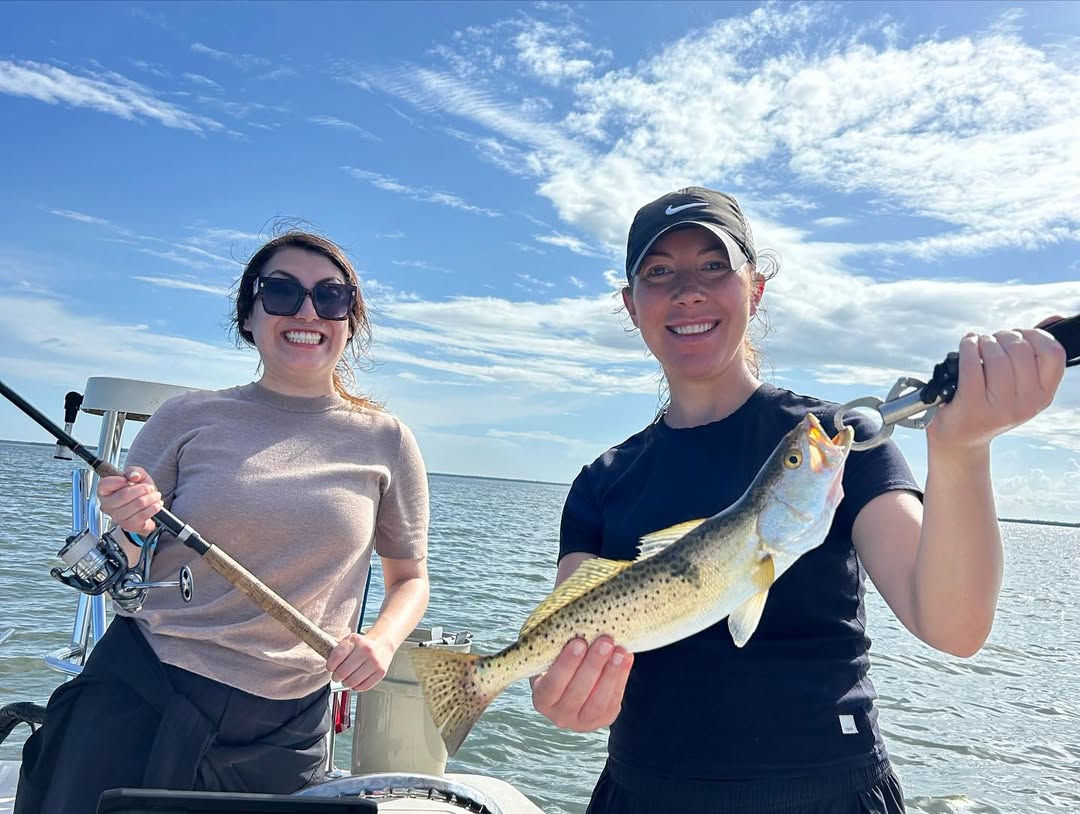
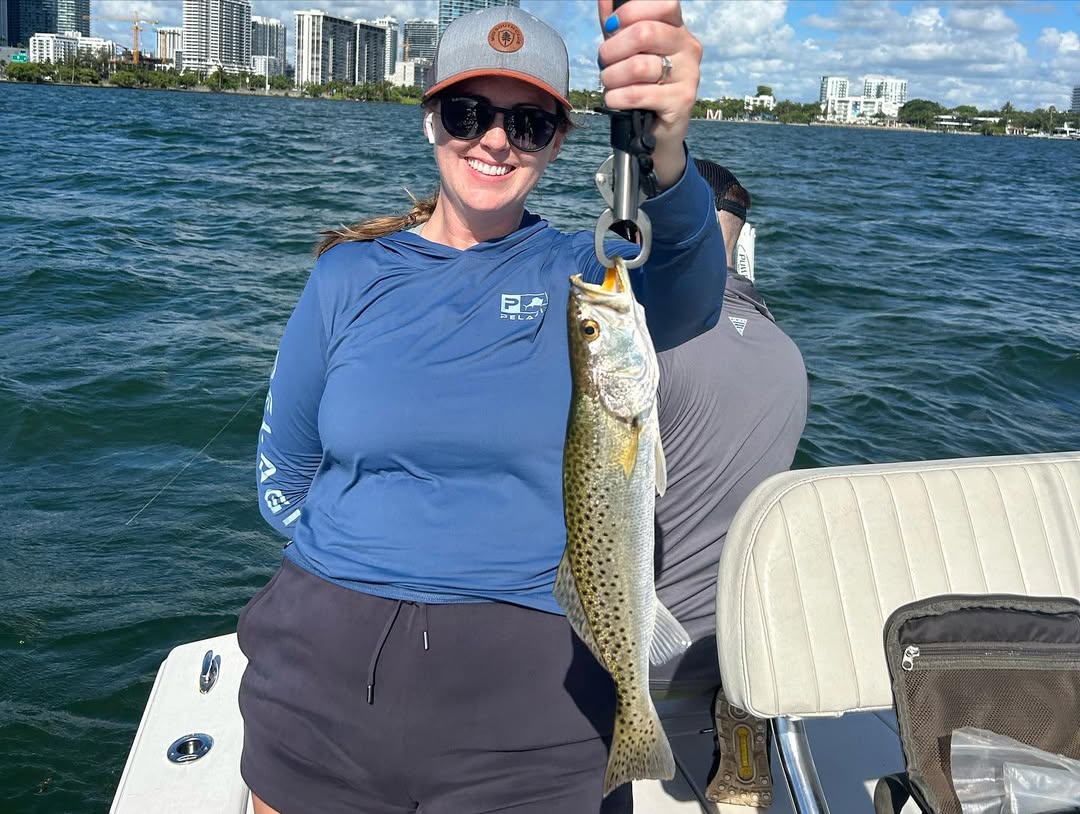
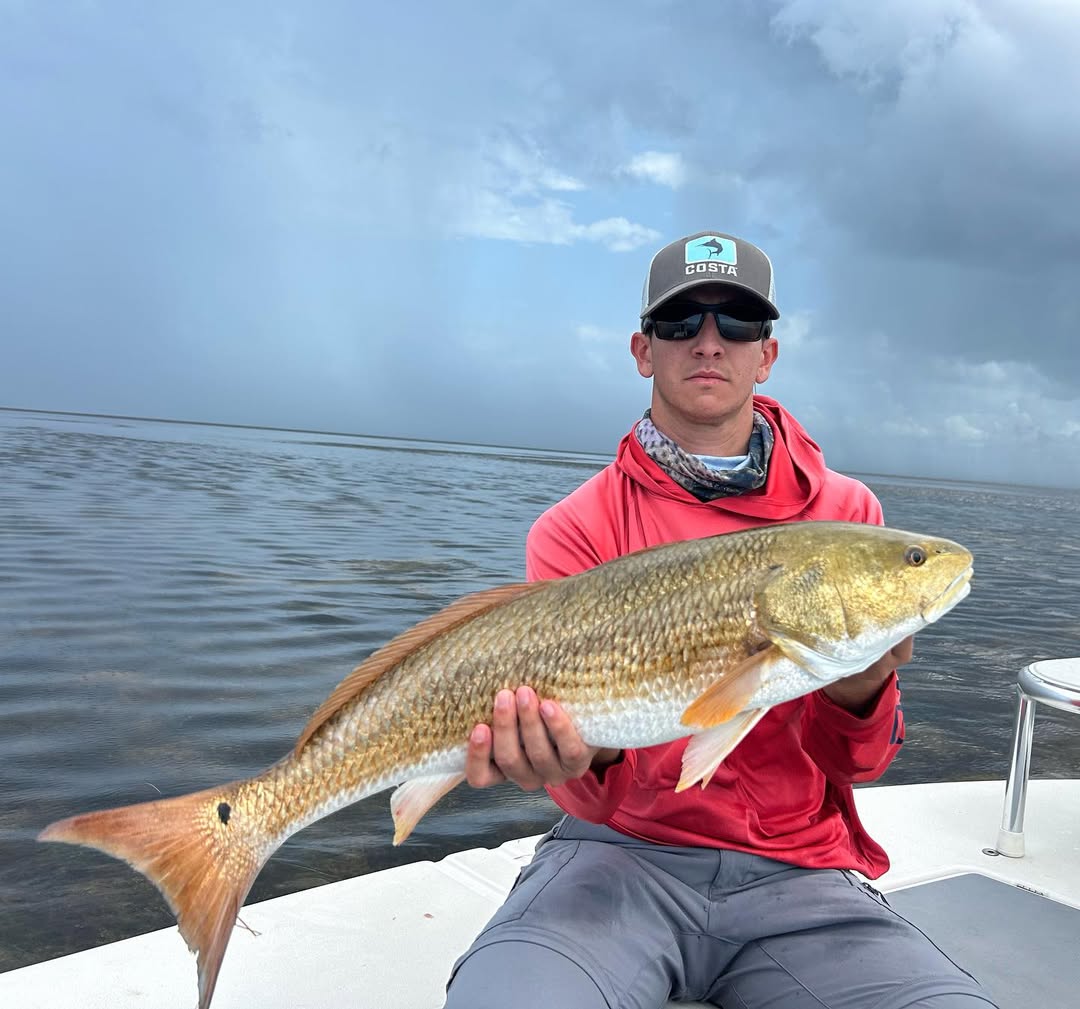
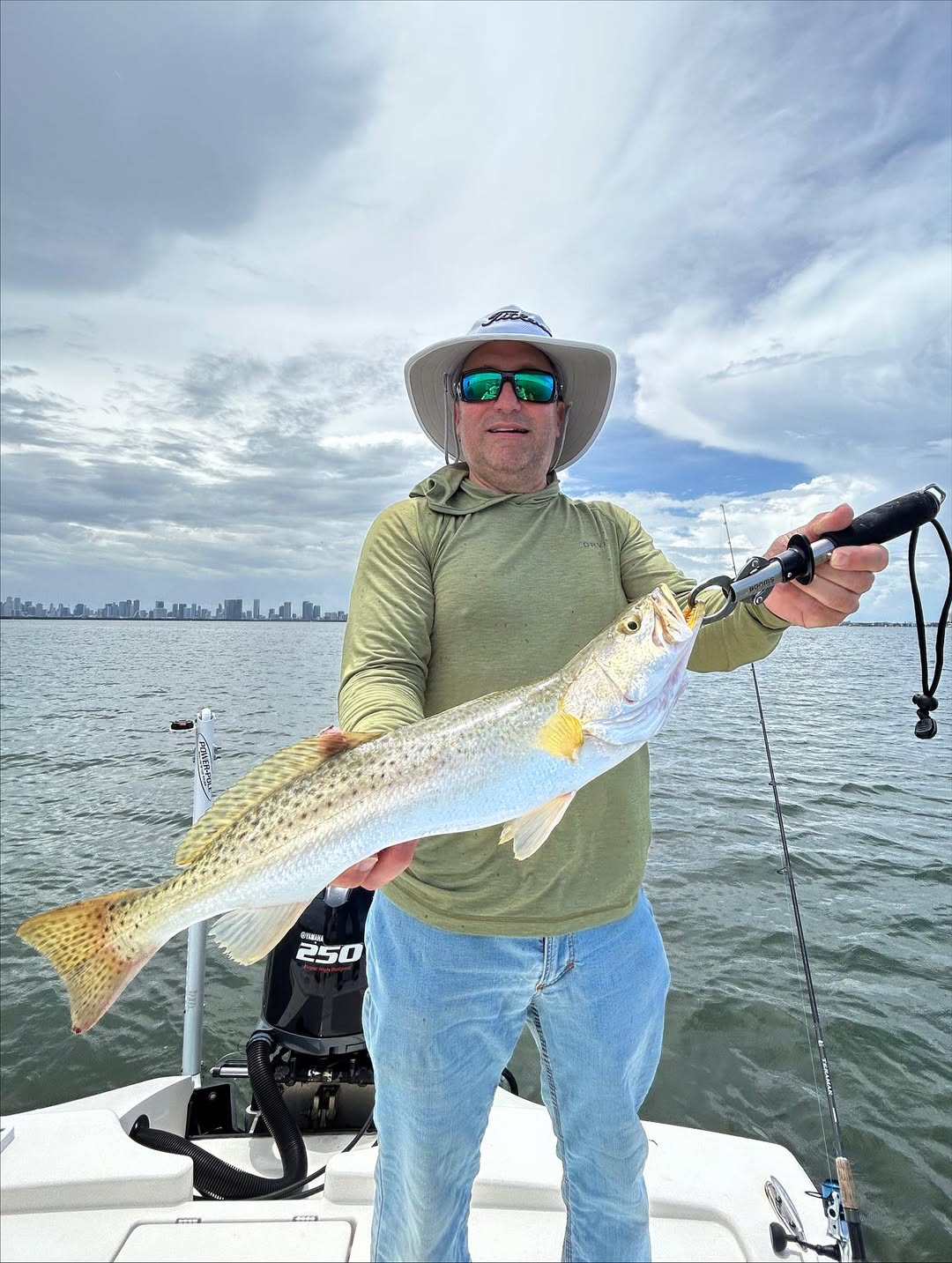
Looking for a peaceful day on the water that combines world-class fishing with some of Florida's most pristine scenery? This 4-hour Flamingo Everglades fishing tour hits the sweet spot for anglers who want to wet a line while soaking up the natural beauty of one of America's most famous national parks. Captain and crew at Lifeline Charters know these shallow backcountry waters like the back of their hand, and they'll put you on fish while you cruise past mangrove islands teeming with wildlife. Whether you're bringing the family for their first fishing experience or you're a seasoned angler looking for a more relaxed day, this trip delivers the goods without the pressure.
What to Expect on the Water
You'll be fishing from a 17-foot Maverick skiff powered by a whisper-quiet Yamaha 70hp – the perfect setup for sneaking into skinny water where bigger boats can't follow. This isn't your typical head boat experience where you're elbow-to-elbow with strangers. With space for just two guests, you get personalized attention and plenty of room to cast without tangling lines with your buddy. The shallow draft design lets your captain slide into backcountry spots that hold fish and stay relatively unpressured. Between the mangrove shorelines and grass flats, you'll cover water that changes throughout the day as tides shift and baitfish move. Don't worry about bringing drinks or dealing with licensing headaches – cooler, ice, water, and Florida fishing licenses come included. The boat's layout makes it easy for beginners to get comfortable while giving experienced anglers room to work their favorite techniques.
Techniques & Tackle
Inshore fishing in the Everglades is all about reading the water and matching your approach to what the fish are doing. Your captain will have you covered with appropriate tackle, but the techniques vary based on what's biting and where you find them. Sight fishing along mangrove edges often calls for accurate casting with live bait or small lures worked slowly near structure. When you're working grass flats, you might be pitching jigs or soft plastics into pockets and drop-offs. The shallow water means you can often see your target before you cast – there's nothing quite like watching a permit tail in two feet of water and making the perfect presentation. Tidal movement drives much of the action here, so your captain will time the trip around productive water movement. The quiet motor lets you get close without spooking fish, and the shallow draft opens up areas that stay off-limits to deeper-hulled boats. Live bait works great when it's available, but don't overlook artificials – many of these fish see plenty of shrimp and pilchards, so a well-presented lure can trigger strikes from fish that have gotten wise to the real thing.
Target Species
Permit are the holy grail of Everglades flats fishing, and for good reason. These disc-shaped fighters are notorious for their wariness and unpredictable feeding habits, making every hookup feel like winning the lottery. They cruise the flats year-round but tend to be most active during warmer months when crabs are plentiful. Permit have incredible eyesight and will spook at the slightest disturbance, so patience and precise casting are essential. When you do connect, expect blistering runs and dogged fights that test your drag system. Most anglers consider landing their first permit a career milestone – they're that special.
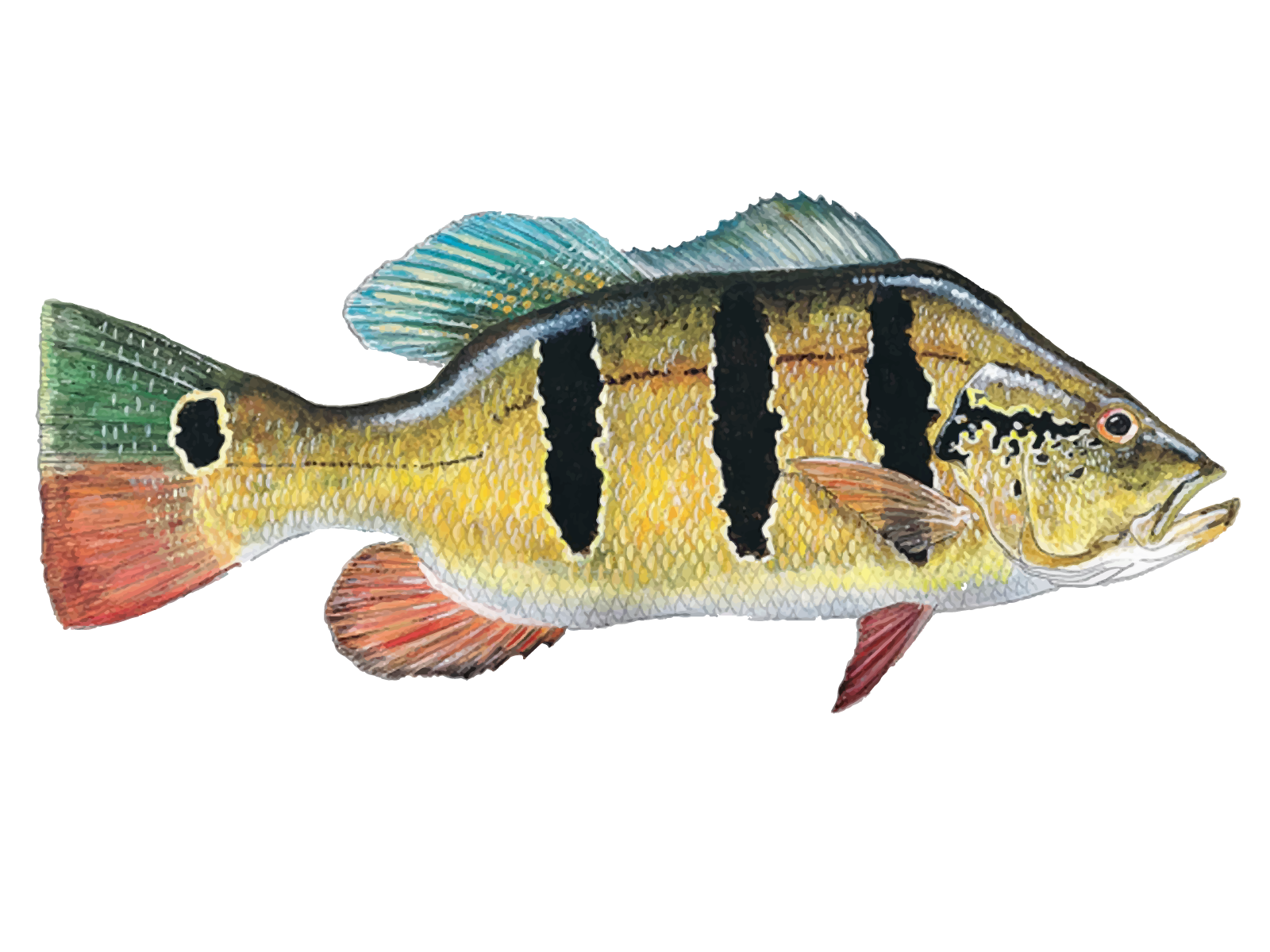
Peacock Bass bring tropical flair to the Everglades freshwater areas, particularly in the canal systems around Flamingo. These colorful fighters aren't native, but they've established healthy populations and provide fantastic sport on light tackle. Peak action typically runs from late fall through early spring when water temperatures cool slightly. Peacocks are aggressive predators that respond well to flashy lures and topwater presentations. They fight harder than their size suggests, with acrobatic jumps and powerful runs that keep your drag singing. The vibrant colors and feisty attitude make them a customer favorite, especially for photographers looking for Instagram-worthy shots.
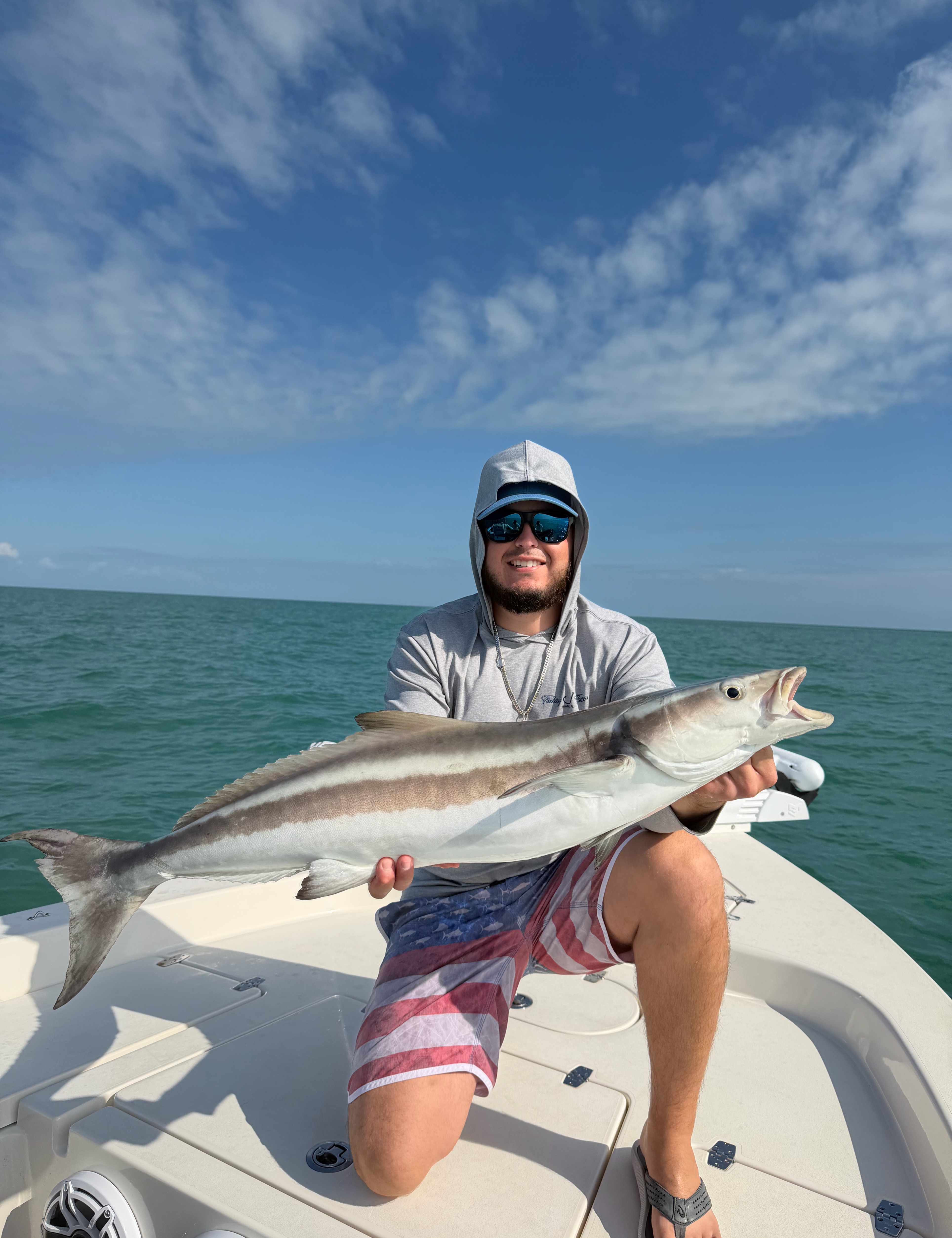
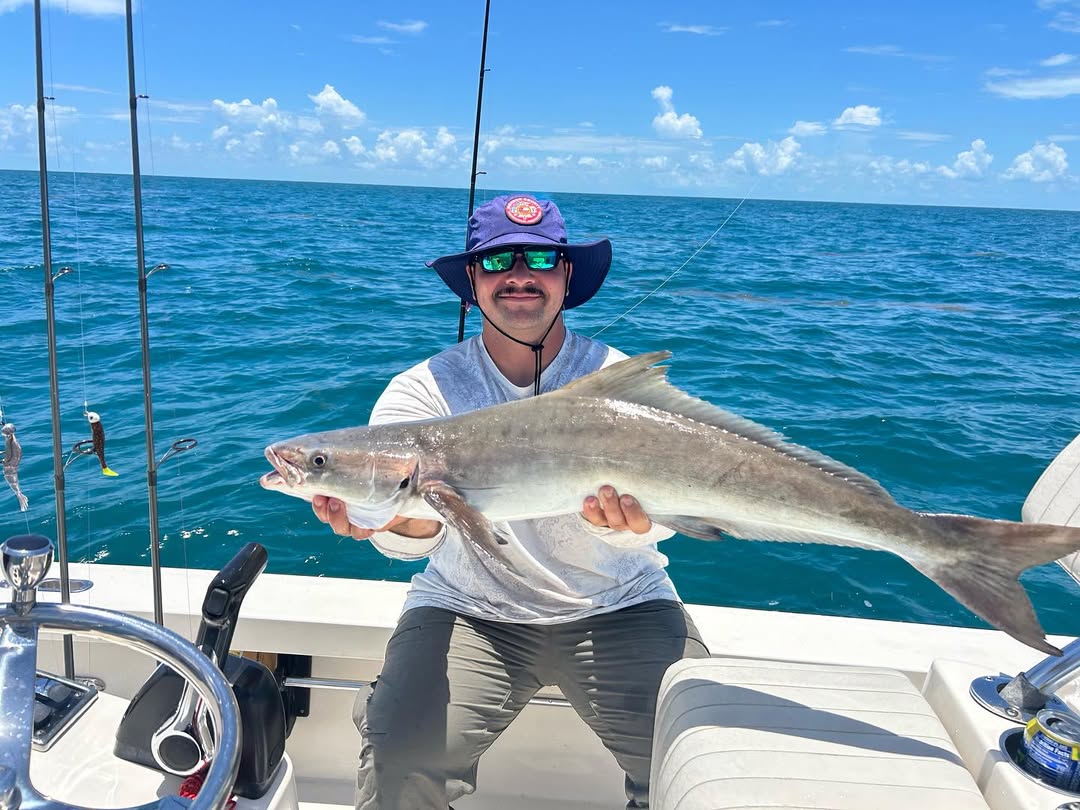
Cobia are the wanderers of the inshore scene, often showing up when you least expect them but providing some of the best fights you'll experience in shallow water. These brown sharks lookalikes can reach impressive sizes and have the attitude to match. Spring migration brings the best numbers, but resident fish can be found year-round near structure and bait concentrations. Cobia are curious fish that will often approach the boat for a closer look, giving skilled anglers opportunities for sight casting. Once hooked, they make long, powerful runs and aren't shy about diving into nearby structure. Their excellent table fare makes them a top target for anglers who like to take home dinner.
Bonefish are the silver ghosts of the flats, prized for their spooky nature and blazing speed once hooked. These shallow-water specialists feed by tailing and muddying in surprisingly thin water, often with their backs exposed as they root for crabs and worms. Bonefish are most active during moving tides and can be found year-round in the Everglades, though cooler months often produce better numbers. Their legendary runs have earned them the nickname "flats rockets" – a good bonefish will strip line faster than you thought possible. The combination of difficult presentation requirements and explosive fights makes them a favorite target for experienced anglers looking to test their skills.
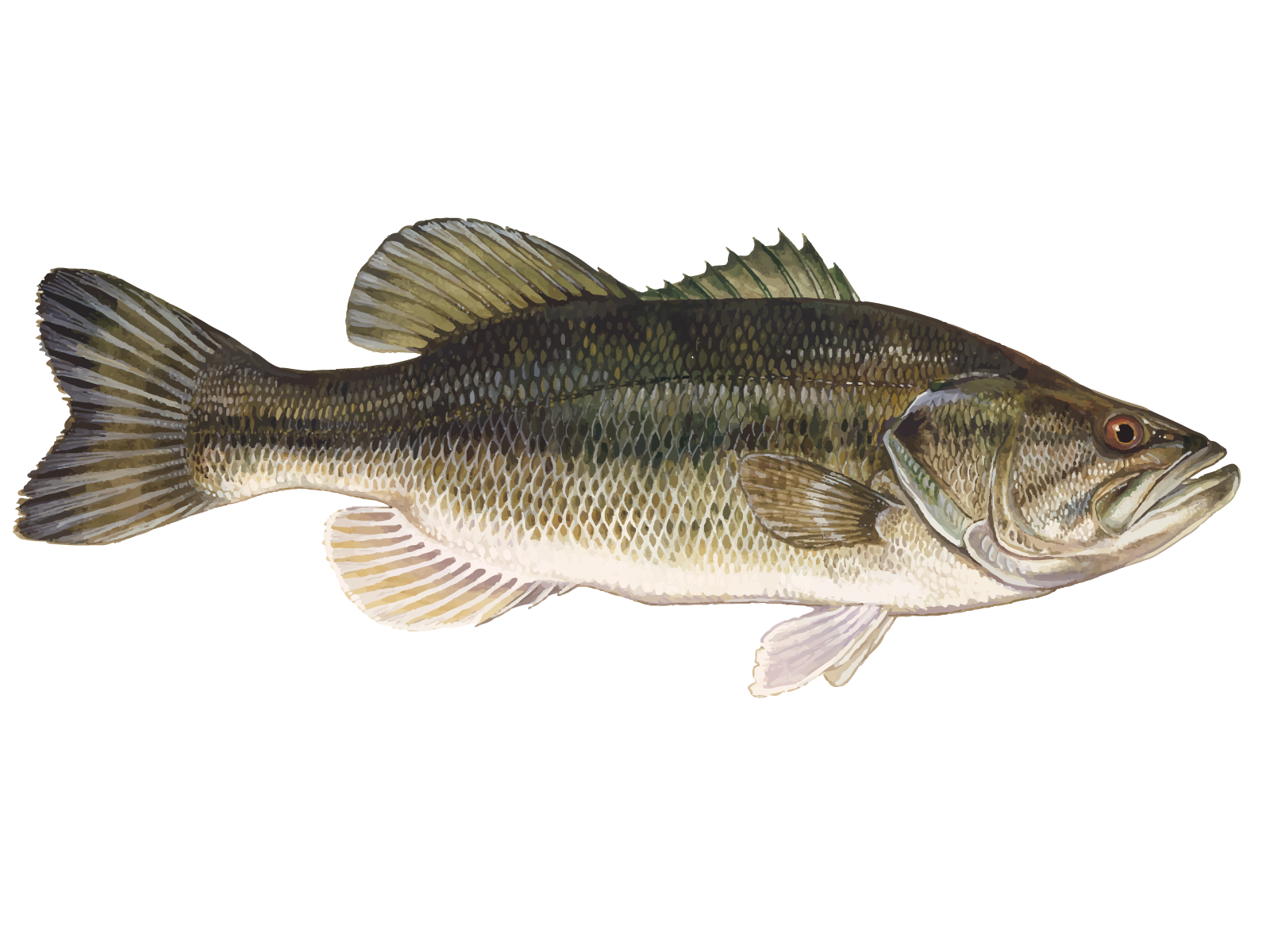
Largemouth Bass thrive in the freshwater areas and brackish zones where the Everglades ecosystem transitions. These are the fish that got many anglers started, but Everglades bass have a different attitude than their pond-dwelling cousins. They grow fat on abundant forage and fight with extra vigor in the current and tidal influence. Bass fishing stays productive throughout the year, with spring and fall typically offering the most consistent action. They're perfect for beginners who want to experience success while learning proper fish handling and release techniques. The familiar species helps newcomers build confidence before targeting more challenging flats
 Private Trip
 Inshore Fishing
 Homestead, FL


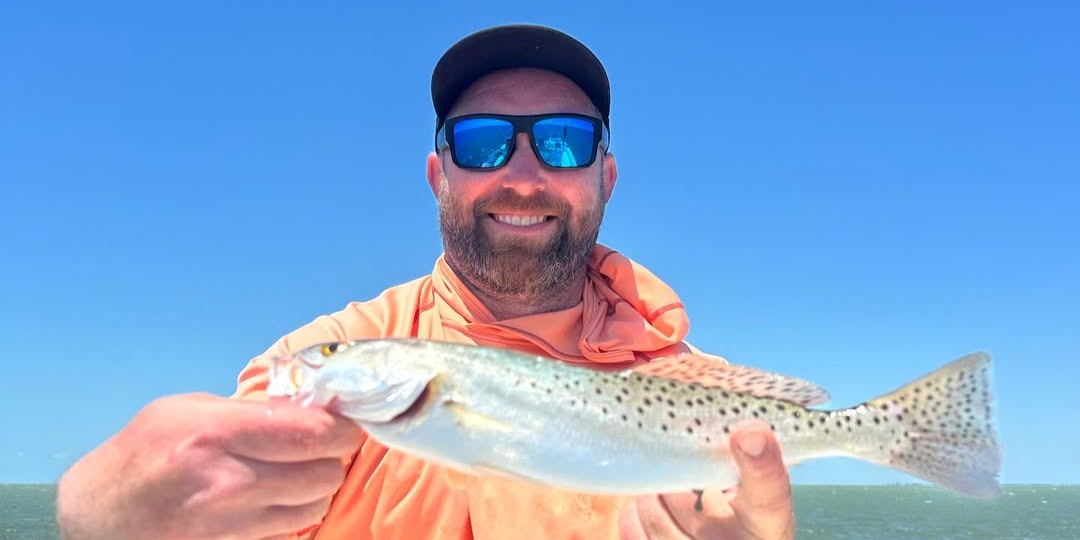
 Four-hour eco tour through Flamingo Everglades backcountry waters