6hr Biscayne Bay Fishing Charter
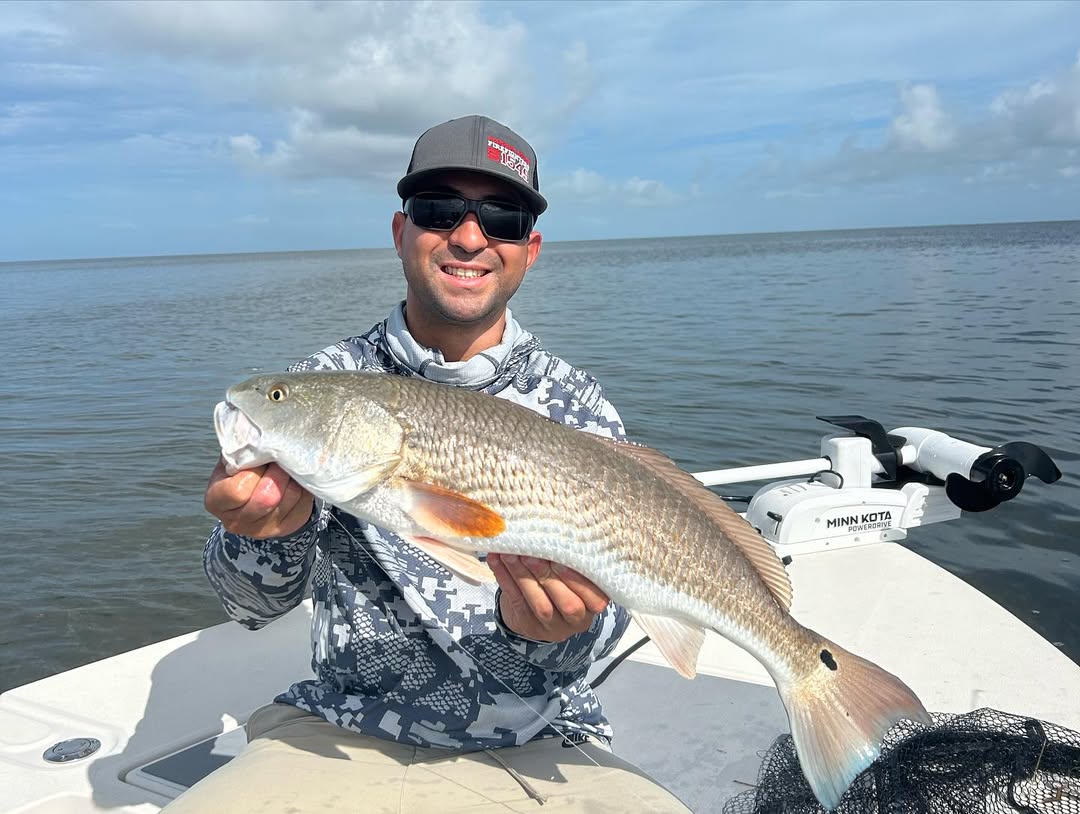
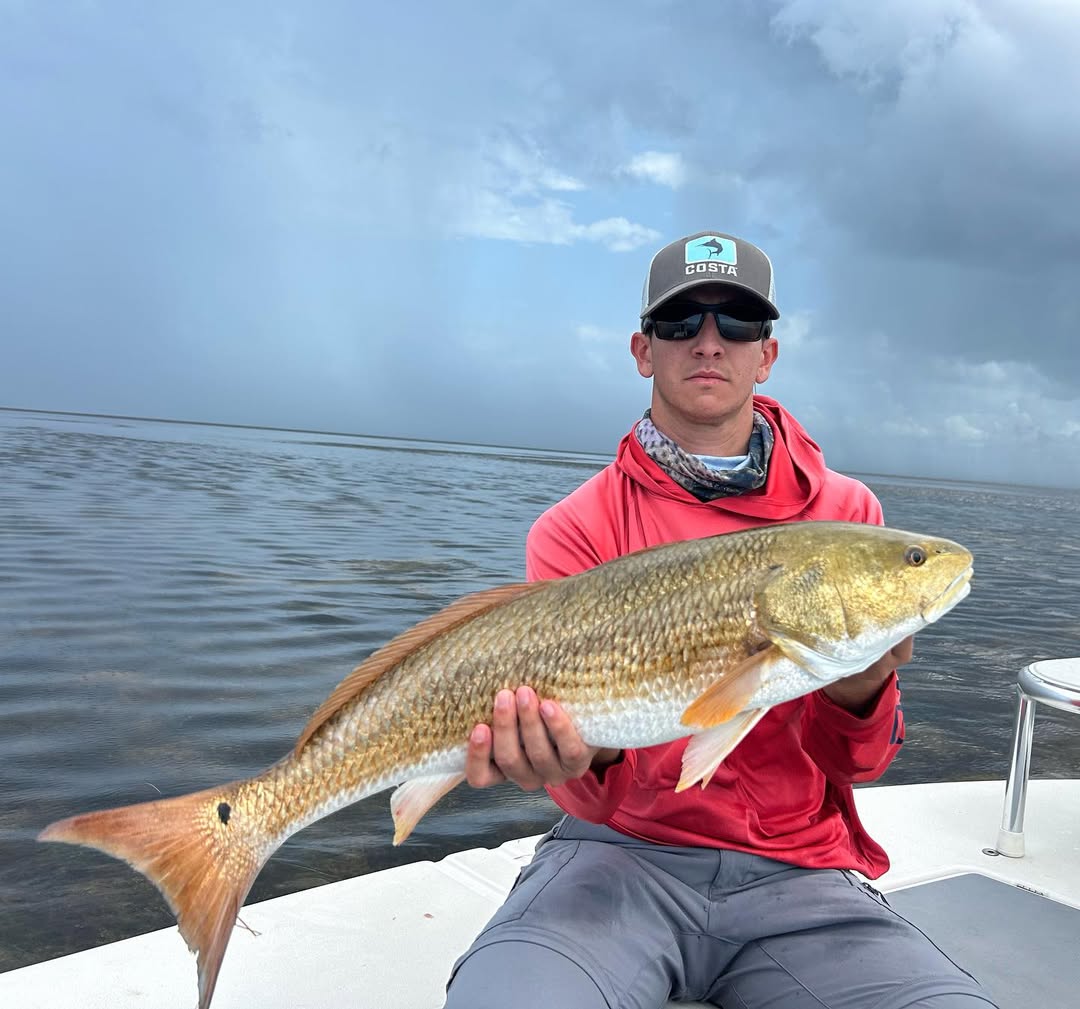
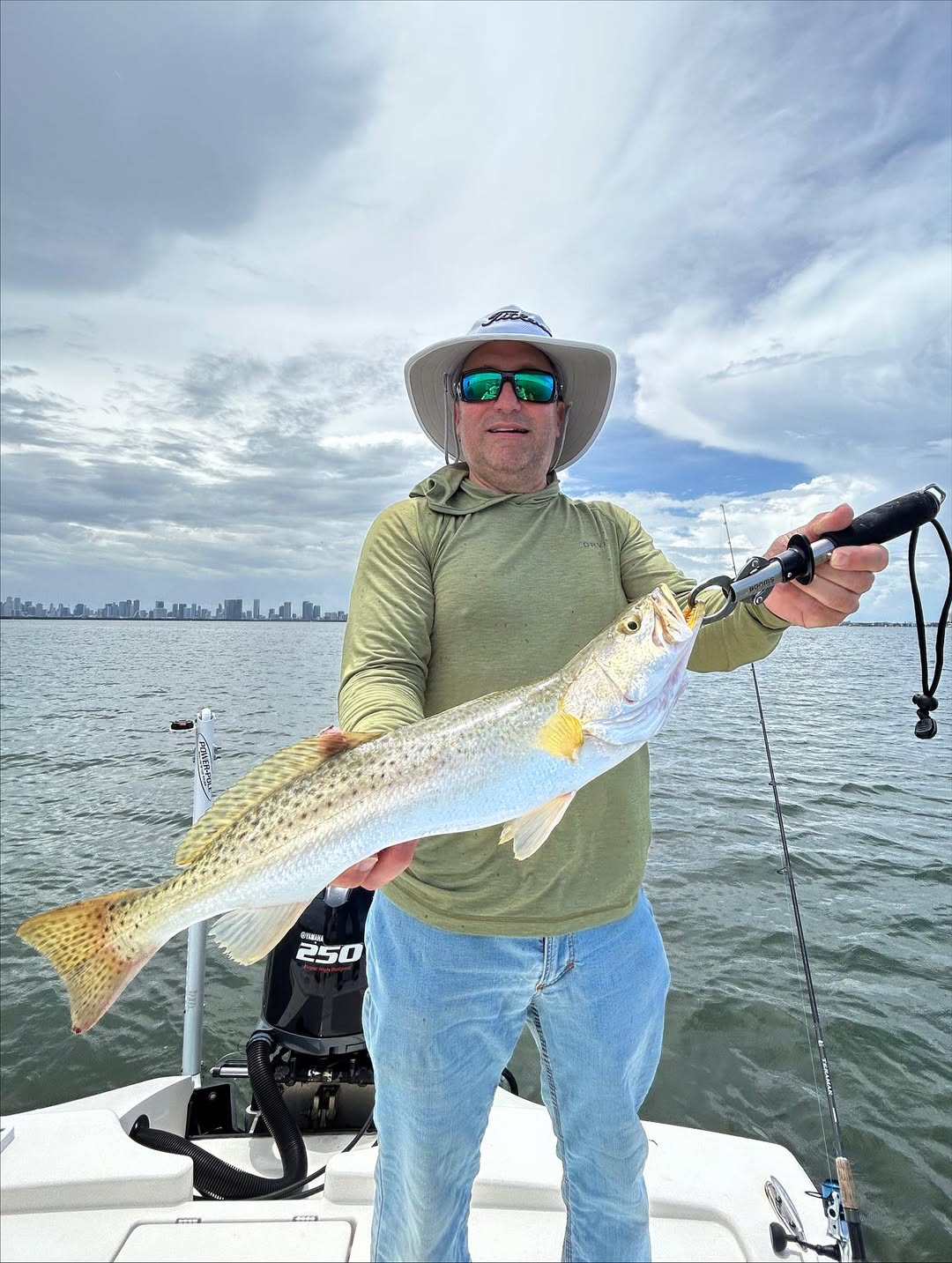
Picture this: six full hours on Miami's legendary Biscayne Bay, just you and a buddy working the flats and channels where trophy fish hang out. This isn't your typical crowded party boat deal – it's a private charter aboard a nimble 17' Maverick skiff that'll get you into skinny water where the big boys feed. Captain's got all your gear sorted, licenses handled, and the cooler stocked with ice and water. You're looking at serious fishing time targeting permit, peacock bass, cobia, bonefish, and largemouth bass in some of South Florida's most productive inshore waters.
What to Expect on the Water
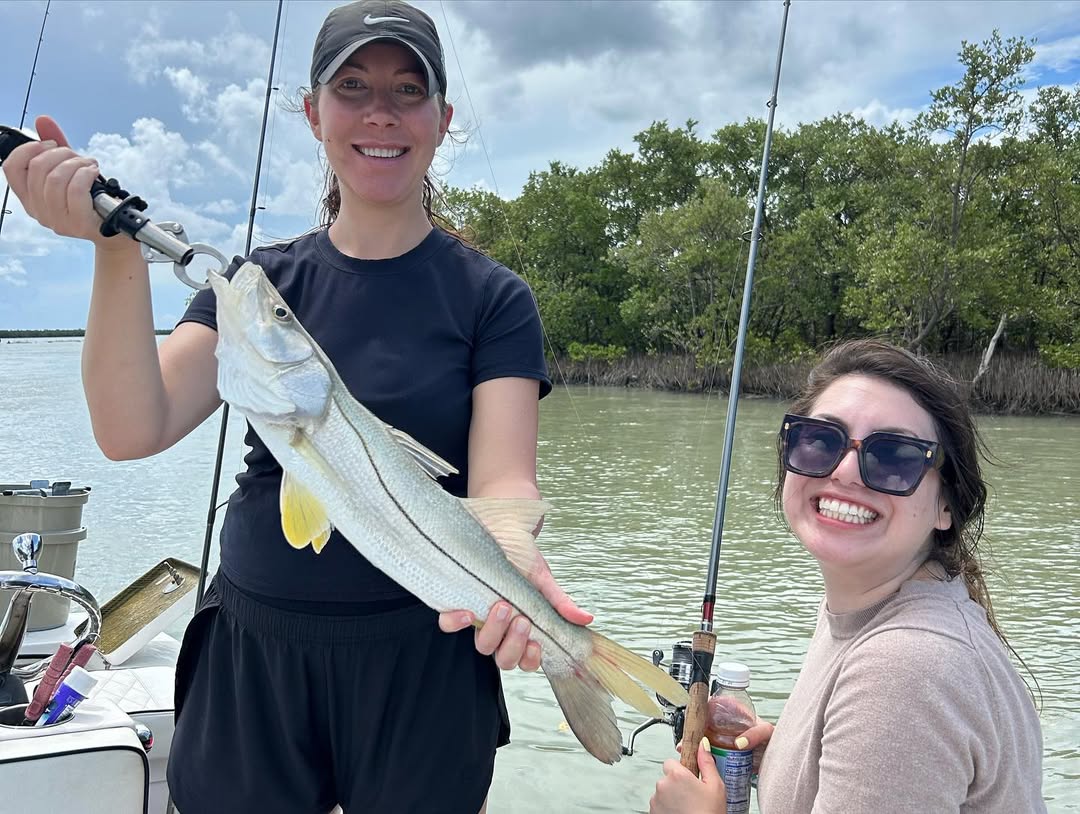
Your day kicks off early when you meet the captain at the launch. That Yamerick skiff might look compact, but it's built for business – shallow draft means accessing spots the big boats can't touch, and that Yamaha 70hp has enough grunt to cover serious ground. You'll spend the morning working structure and grass beds where snook and trout patrol, then shift focus as conditions change throughout the day. The beauty of a six-hour trip is having time to really fish different areas without rushing. Captain knows when to stick with what's working and when to make moves based on tides, weather, and what the fish are telling you. Expect to throw everything from topwater plugs at sunrise to live bait on the flats when the sun gets high.
Techniques and Tackle
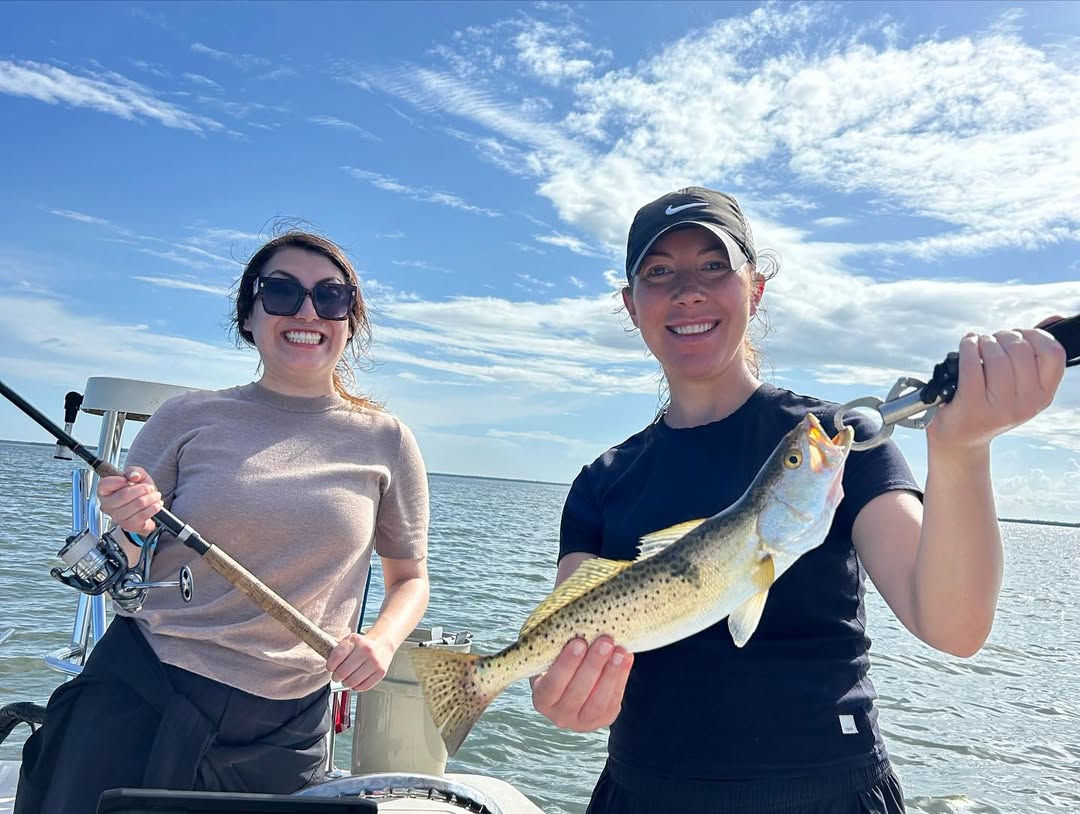
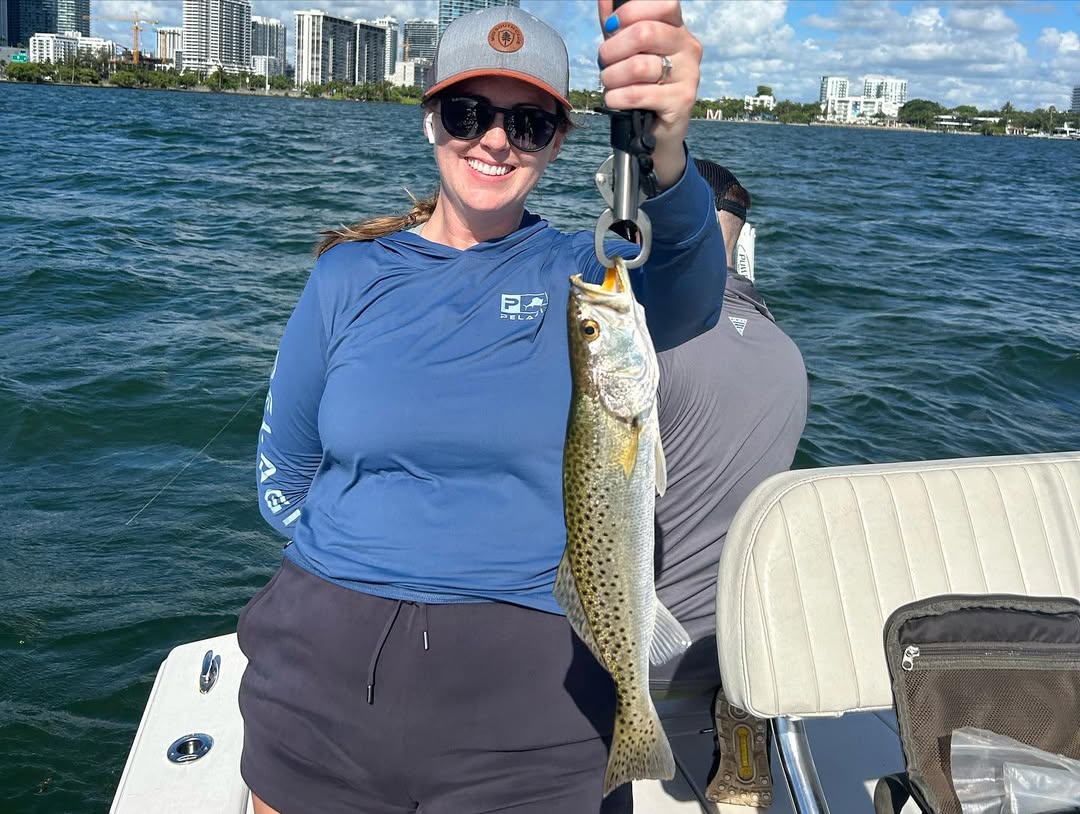
Biscayne Bay fishing is all about reading water and adapting your approach. You'll be sight fishing the flats for tailing permit and cruising bonefish, working mangrove shorelines for snook, and hitting structure for cobia and peacock bass. The captain provides quality spinning gear rigged for inshore work – medium-light rods perfect for finesse presentations when fish get picky, plus heavier setups when you need to muscle a big snook out of the mangroves. Live shrimp and pilchards are go-to baits, but artificial lures shine here too. Expect to throw DOA shrimp, spoons, and topwater plugs depending on conditions. The key is staying versatile – Miami fish see a lot of pressure, so having multiple presentations ready keeps you ahead of the game.
Top Catches This Season
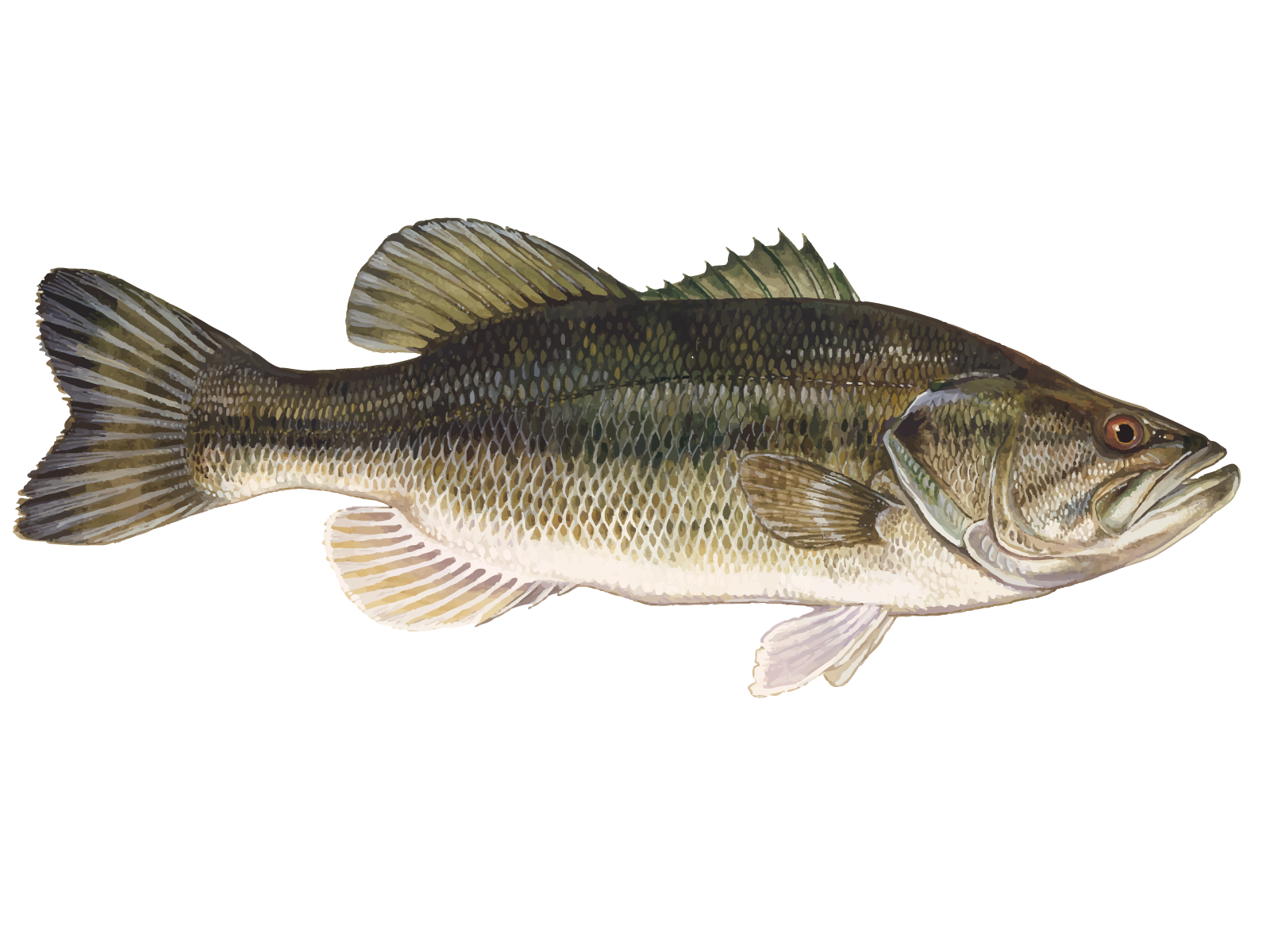
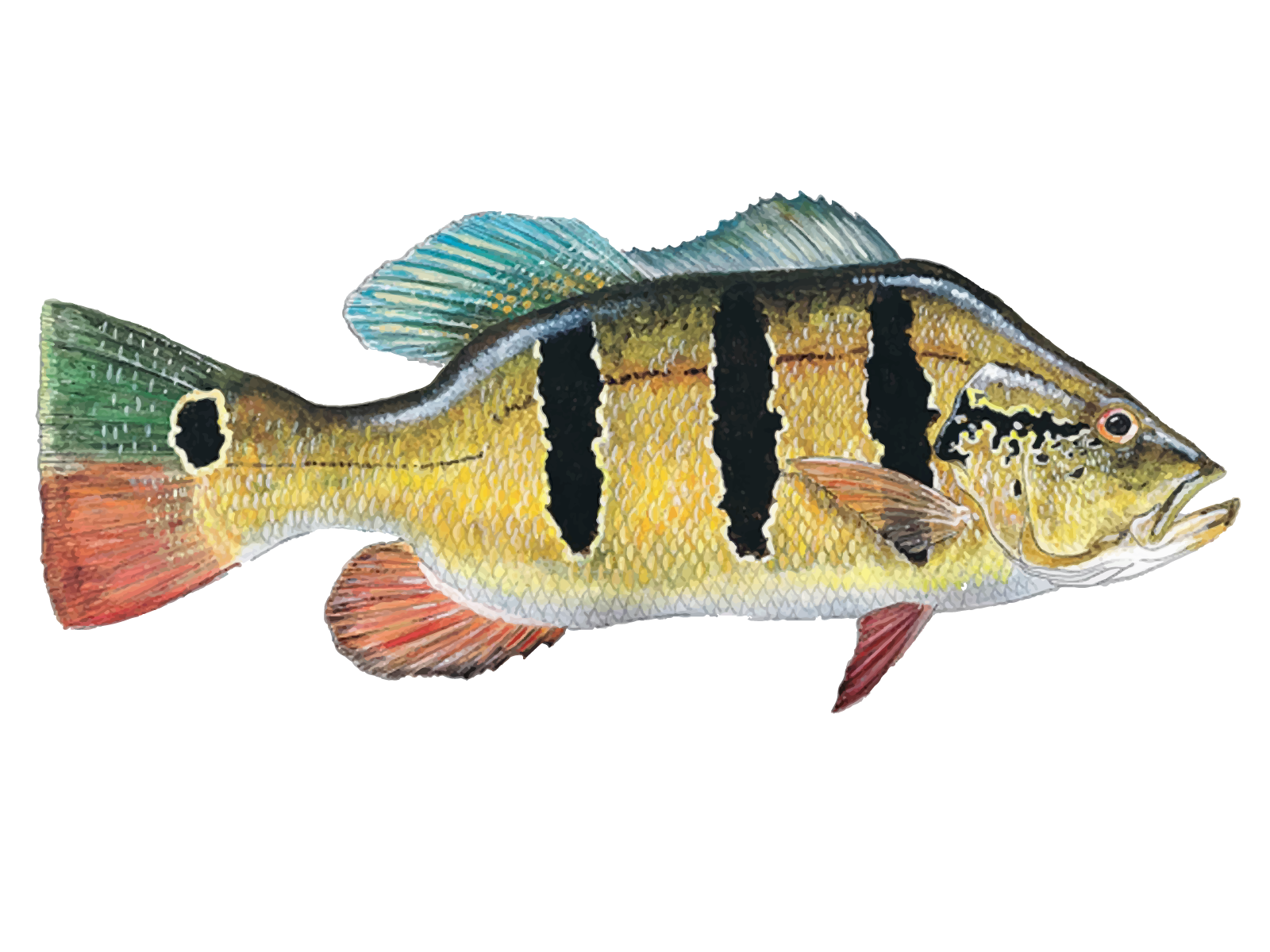
Permit are the holy grail of Biscayne Bay – these silver bullets cruise the flats in small schools, and hooking one will test every bit of your angling skills. They're notoriously spooky and incredibly strong, averaging 8-15 pounds with occasional giants pushing 20-plus. Best shots come during incoming tides when they move shallow to feed on crabs. Peacock bass bring a different kind of excitement – these exotic cichlids explode on topwater lures and fight like fish twice their size. Look for them around structure and canal mouths, especially during warmer months. Cobia show up year-round but peak in spring and fall, often found following rays or hanging near channel markers. Bonefish are the ultimate flats game fish, requiring perfect presentations and lightning-fast reflexes when they finally eat. Largemouth bass might surprise you in the freshwater sections – Florida strain bass grow fat and aggressive in the warm climate, making for some serious topwater action.
Species You'll Want to Hook
Permit fishing separates the serious anglers from weekend warriors. These fish demand perfect presentations with live crabs or crab-pattern flies, and they'll spook at the slightest wrong move. Spring through fall offers the best action, with fish averaging double digits and providing fights that'll leave your arms burning. The reward for landing one? Bragging rights that last a lifetime – permit are considered one of the toughest inshore species to fool consistently.
Peacock bass turn every cast into an adventure. Originally from South America, these colorful fighters have made Miami's canals and connected waters their home. They absolutely demolish topwater plugs and spoons, often jumping clear out of the water multiple times during the fight. Two to four-pound fish are common, but five-plus pounders show up regularly. Best action happens during the warmer months when they're most active and aggressive.
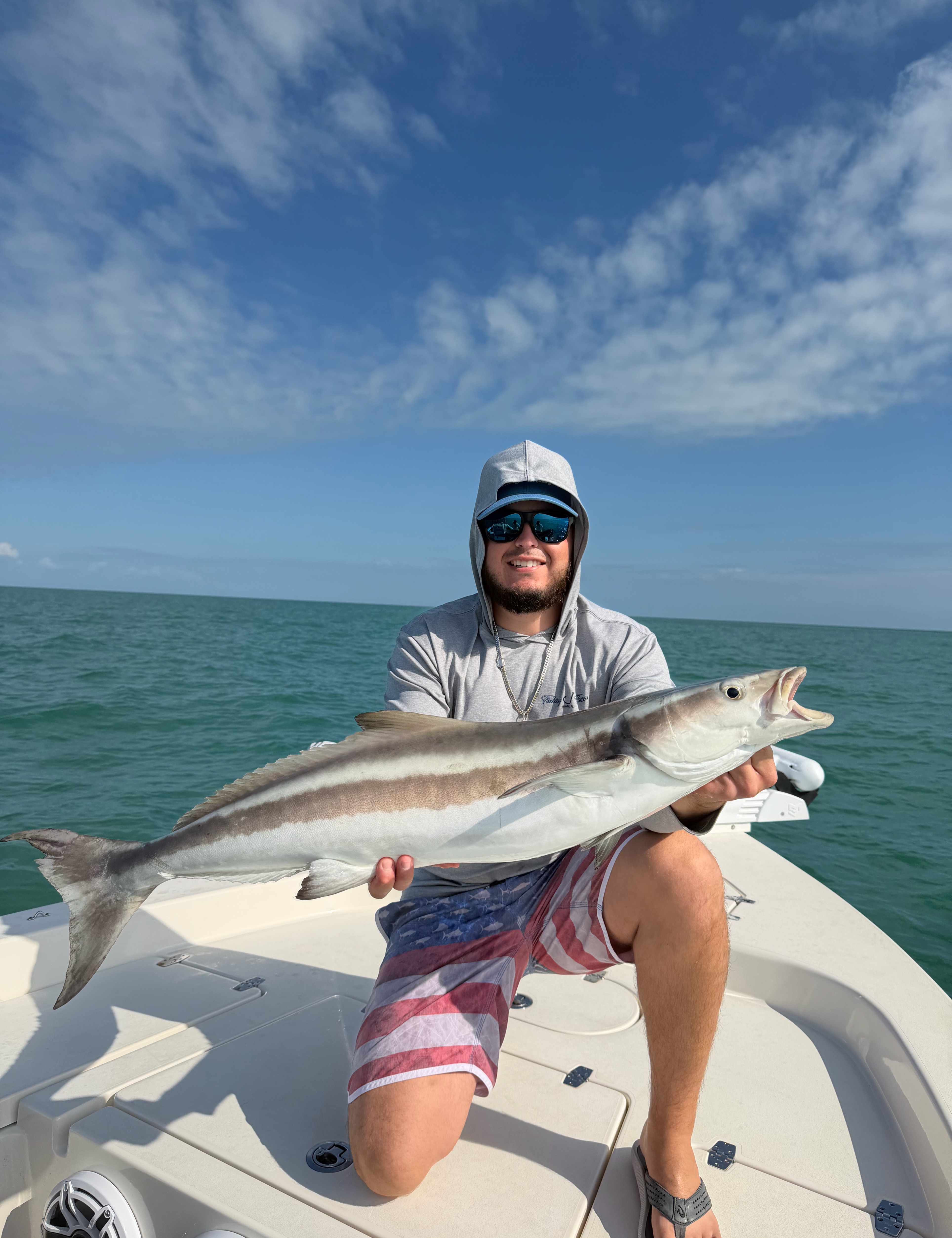
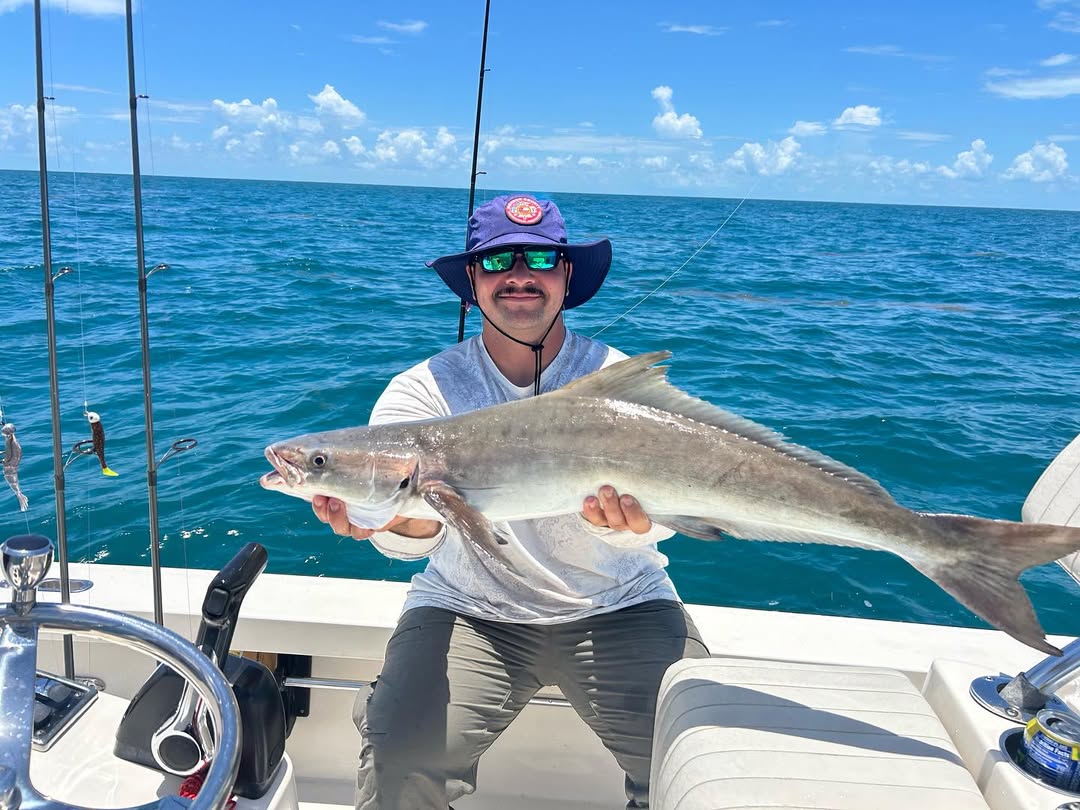
Cobia cruise Biscayne Bay like brown sharks, often following stingrays and feeding opportunistically. These fish grow fast and fight hard – 20 to 40-pound fish are realistic targets, with occasional monsters pushing 50-plus. They're curious by nature, often approaching the boat for a close look before deciding whether to eat. Spring and fall migrations bring the best numbers, but residents hang around year-round.
Bonefish represent the pinnacle of sight fishing challenges. These ghosts of the flats spook at shadows, but when everything comes together – perfect cast, natural presentation, proper timing – the run that follows is pure electricity. Miami's bones typically run 3-8 pounds, with the occasional double-digit fish making appearances. Clear, calm conditions during moving tides offer your best shots.
Largemouth bass fishing in South Florida is nothing like up north. These fish grow year-round in the warm climate, getting thick and aggressive. Structure fishing with plastic baits produces consistently, but topwater action during low-light periods will get your heart pumping. Four to six-pound fish are common, with true giants lurking in the deeper holes and heavy cover.
Time to Book Your Spot
Six hours gives you real time to work different areas and target multiple species without feeling rushed. This top-rated charter combines the excitement of sight fishing with the productivity of Miami's world-class inshore fishery. Whether you're chasing your first permit, looking to nail a personal best peacock bass, or just want to spend quality time on the water with a friend, this trip delivers the goods. The Maverick skiff gets you into fish-holding water that bigger boats can't access, and having everything provided means you just show up ready to
 Private Trip
 Inshore Fishing
 Homestead, FL


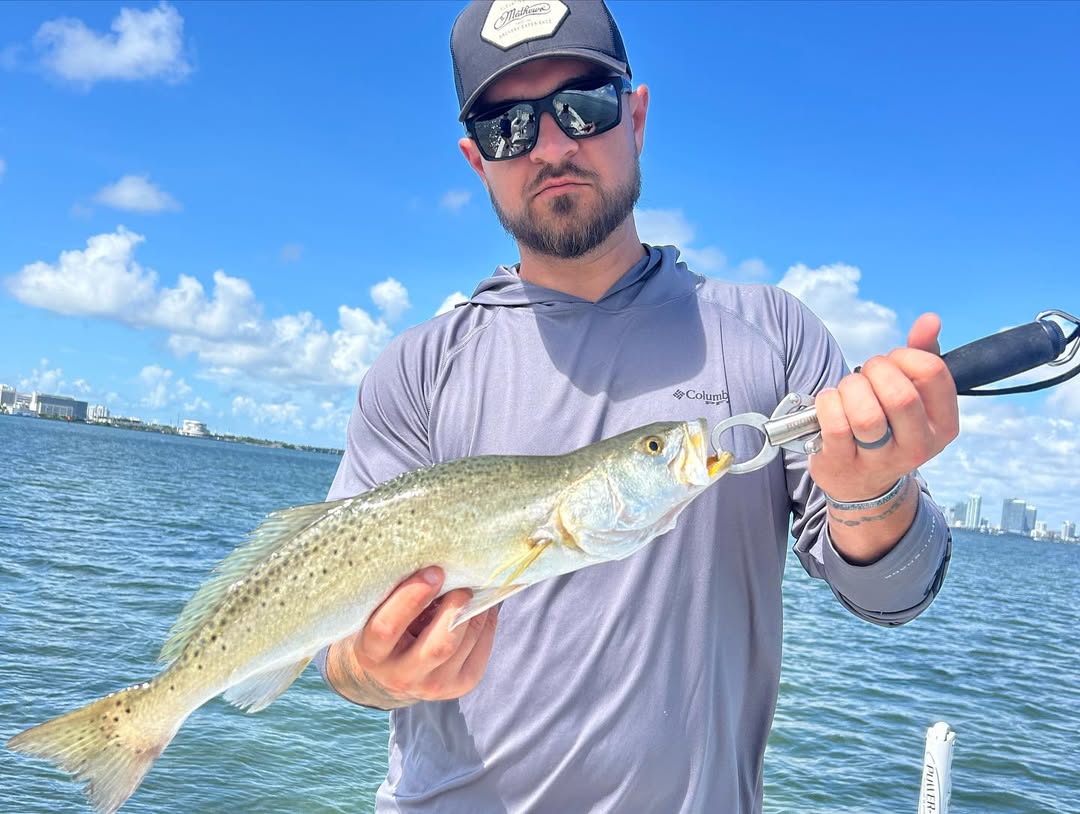
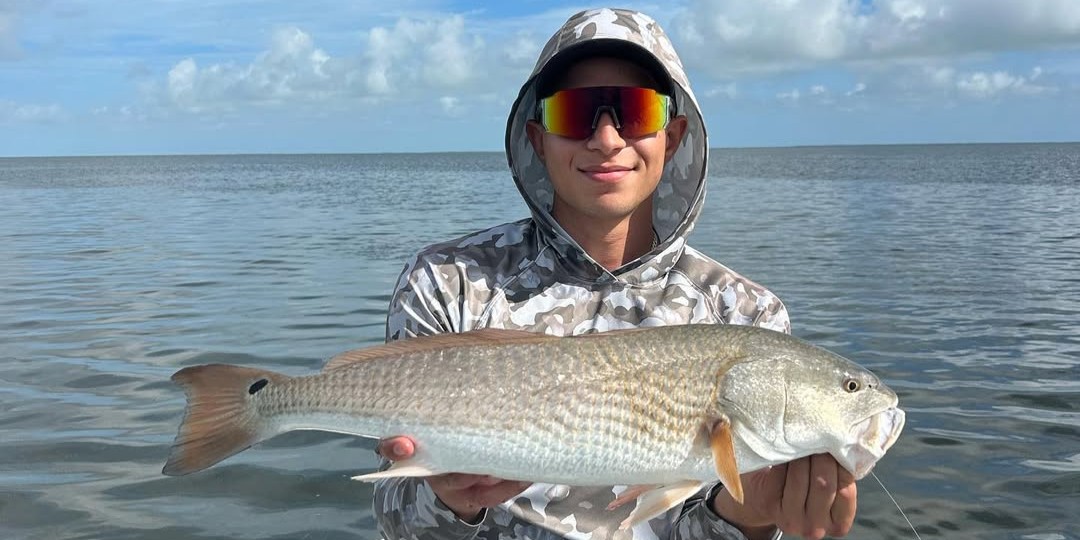
 Six-hour private charter targeting Seatrout, Snook, and Mangrove Snapper