6hr Flamingo Everglades Fishing Charter
Picture this: you're drifting through mirror-calm backcountry waters where the only sounds are your line cutting through the water and maybe a tarpon rolling in the distance. That's what you get with Lifeline Charters' six-hour private fishing adventure in Flamingo Everglades National Park. This isn't your typical charter boat experience – we're talking about a sleek 17' Maverick skiff that can sneak into skinny water where the big fish hide. With room for just two anglers, you'll have your captain's undivided attention whether you're a weekend warrior or someone who can barely tie a Palomar knot. The Everglades backcountry is legendary among serious anglers, and there's good reason why guides from all over Florida dream about fishing these waters daily.
What to Expect on the Water
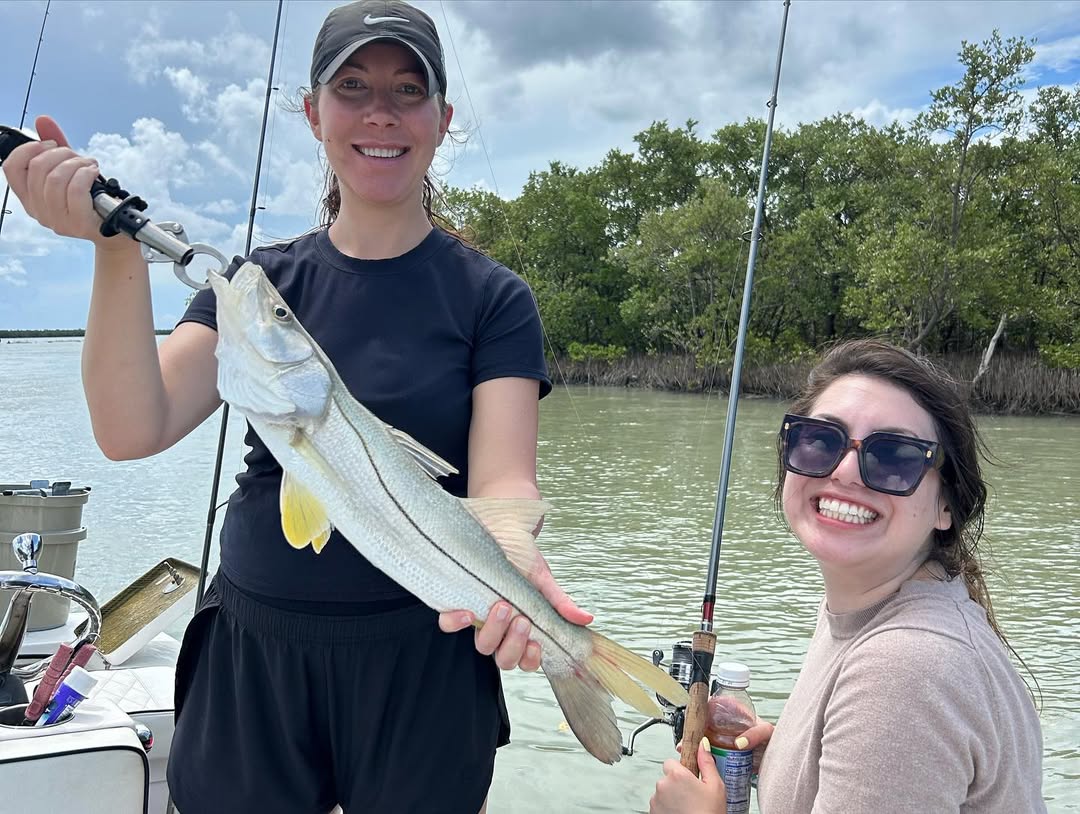
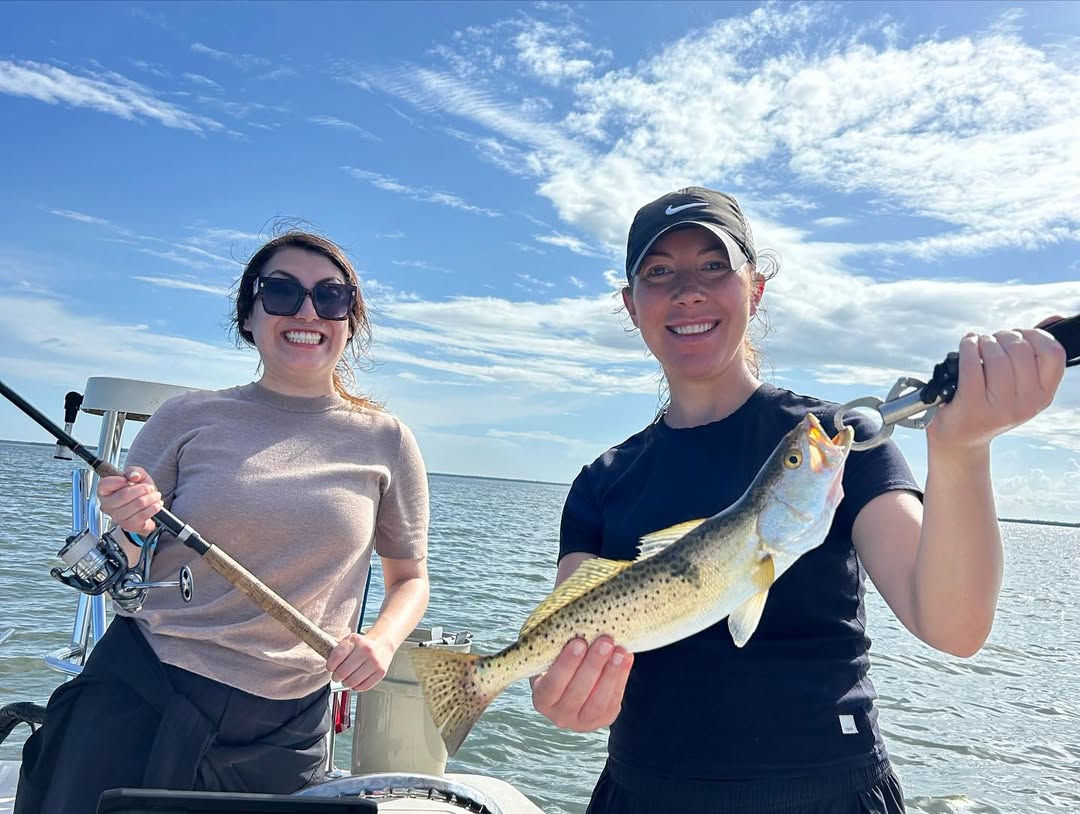
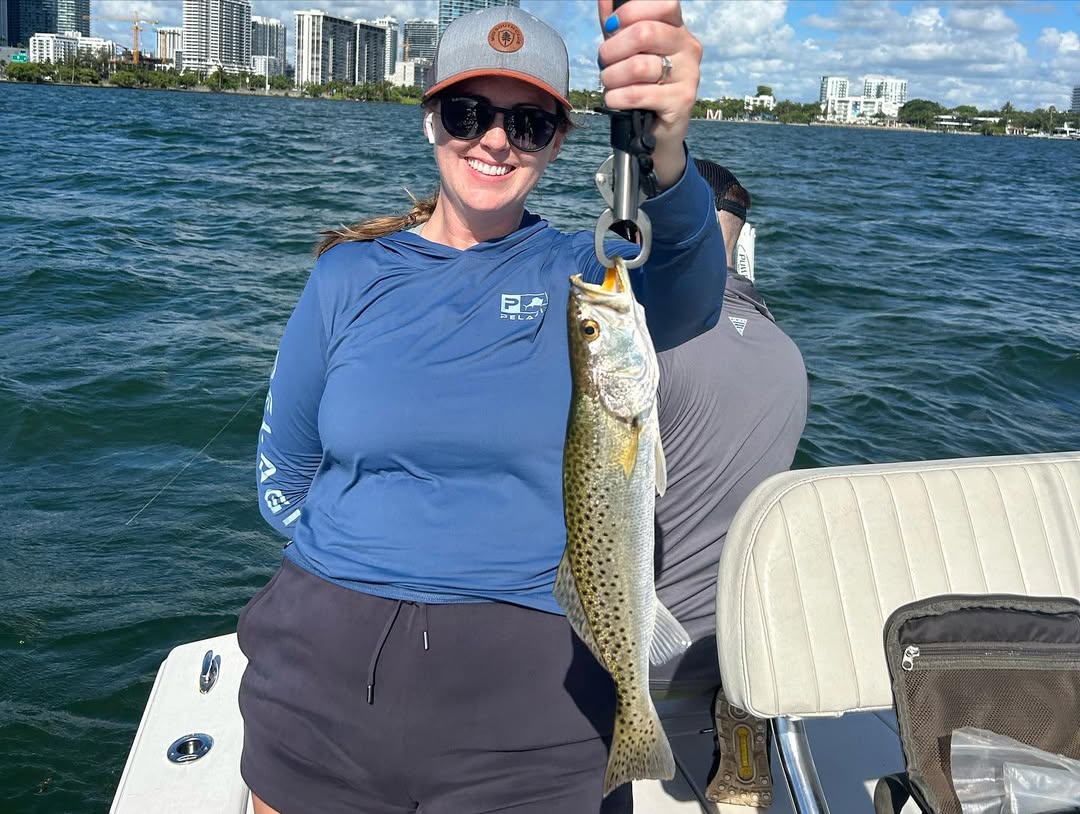
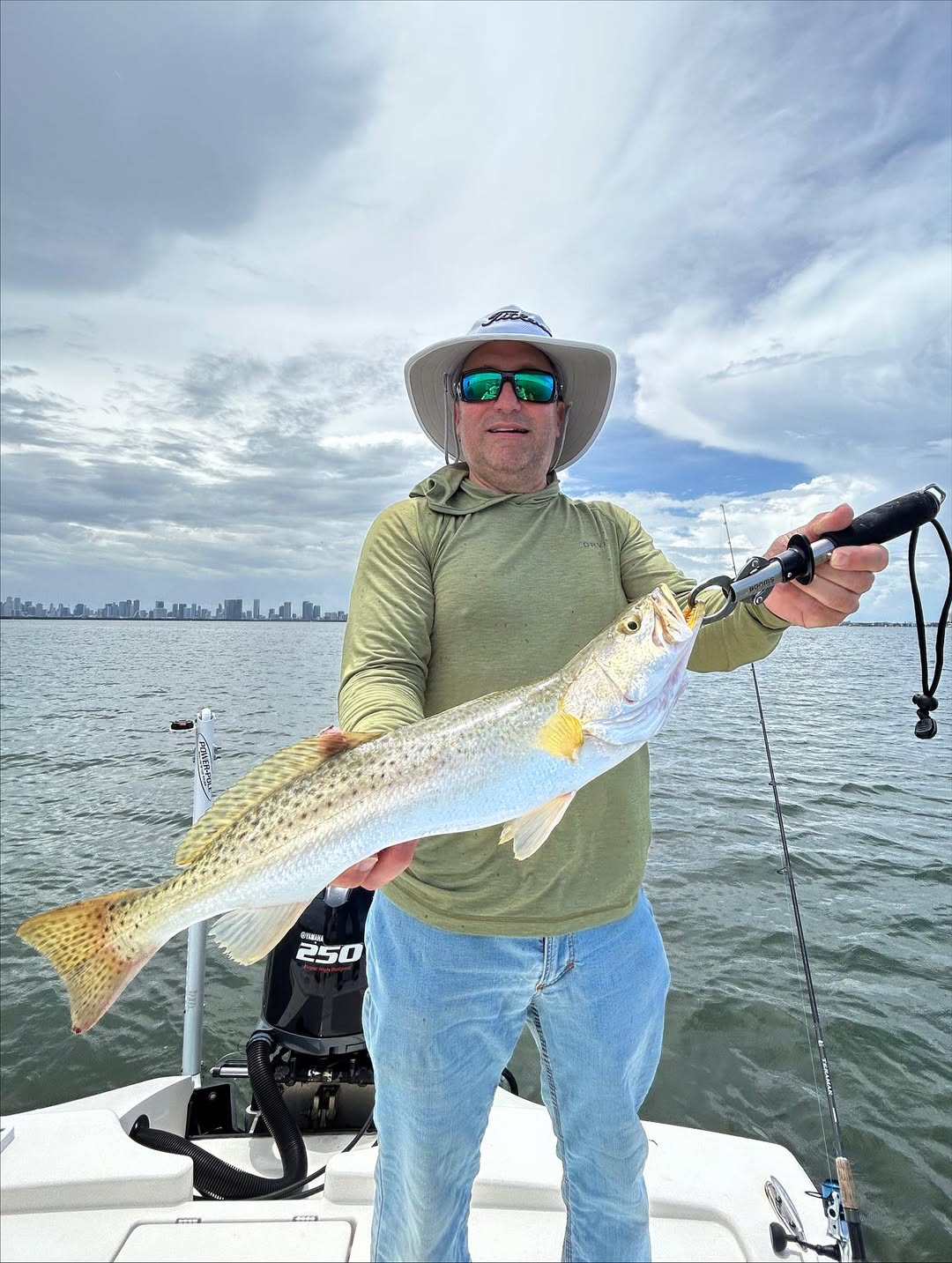
Your day starts early at the Flamingo marina, where you'll meet your captain and load up the Maverick with everything you need. This 17-footer is powered by a reliable Yamaha 70hp that'll get you to the fishing grounds quickly, but more importantly, it's designed to run in less than a foot of water. That's where the magic happens in the Everglades – those shallow flats and mangrove shorelines where redfish cruise and snook ambush baitfish. Your captain comes equipped with all the tackle, from live bait rigs to topwater plugs, plus your fishing licenses are already handled. The cooler's loaded with ice and water, so your main job is to listen, learn, and try not to get too excited when that drag starts screaming. Six hours gives you plenty of time to work different spots – maybe starting on the flats for reds and trout, then sliding into the mangroves for snook, or heading to deeper cuts where tarpon like to hang out.
Techniques & Tackle
Fishing the Everglades backcountry is all about reading the water and adapting your approach. Your captain will have you rigged with everything from live shrimp under popping corks to artificial lures that drive snook crazy. In the shallows, sight fishing becomes the name of the game – you'll learn to spot the wake of a cruising redfish or the flash of a snook's white mouth as it opens up on your bait. The Maverick's poling platform lets your guide position the boat silently, especially important when you're working those skinny flats where one wrong move spooks everything for a hundred yards. Depending on conditions and what's biting, you might throw topwater plugs at first light, switch to soft plastics when the sun gets high, or work live bait around structure when the tide starts moving. The beauty of a six-hour charter is having time to try different techniques and really dial in what's working that day.
Top Catches This Season
Black drum are the bulldogs of the Everglades flats, and they're absolute tackle busters when you hook into a big one. These fish can push 30-40 pounds and love to cruise the shallow grass beds looking for crabs and shrimp. They're not flashy fighters like tarpon, but they'll make long, powerful runs that test your drag and your patience. Best part about black drum is they're around year-round, though spring and fall tend to produce the biggest fish. When you see their backs sticking out of the water as they root around in the grass, it's like watching underwater bulldozers at work.
Tarpon are the reason many anglers make the pilgrimage to Flamingo, and for good reason – these silver kings can reach over 100 pounds and jump like they're trying to fly. Peak tarpon season runs from late spring through summer, when massive schools migrate through the area. Even a 60-pound tarpon will give you the fight of your life, with jumps that seem to go on forever and runs that can strip line faster than you thought possible. The Everglades backcountry holds resident tarpon year-round, but the big migratory fish are what dreams are made of.
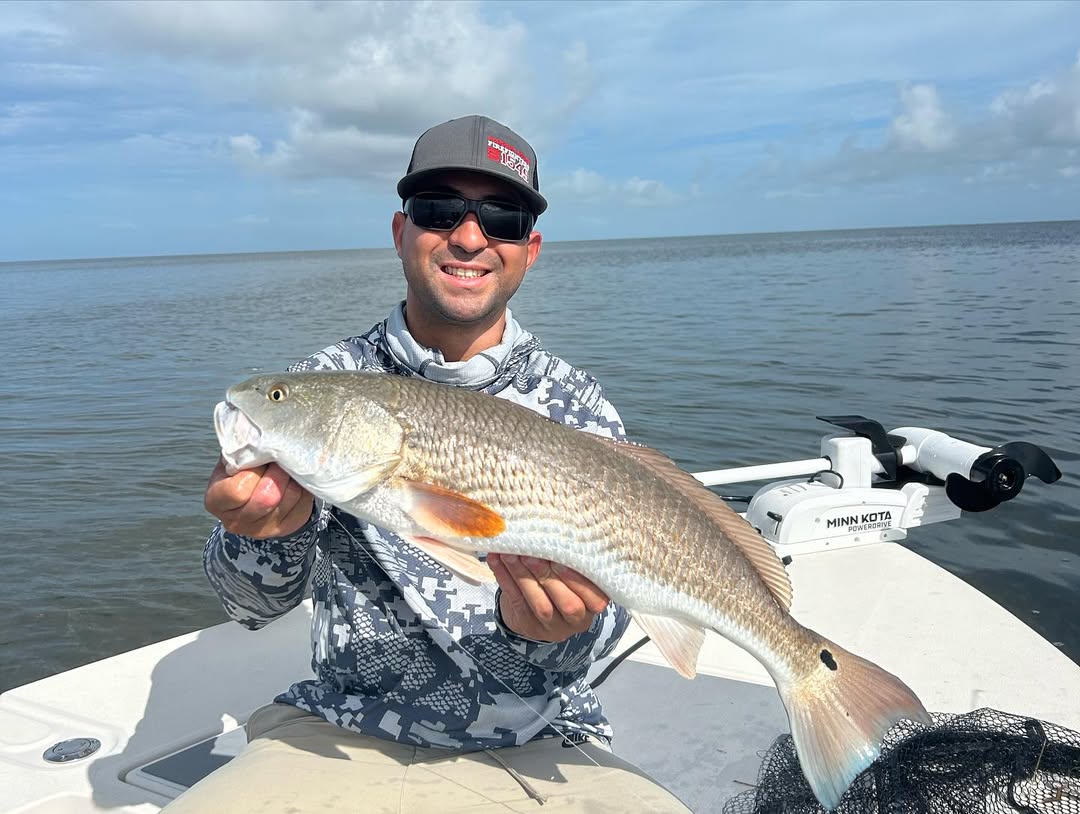
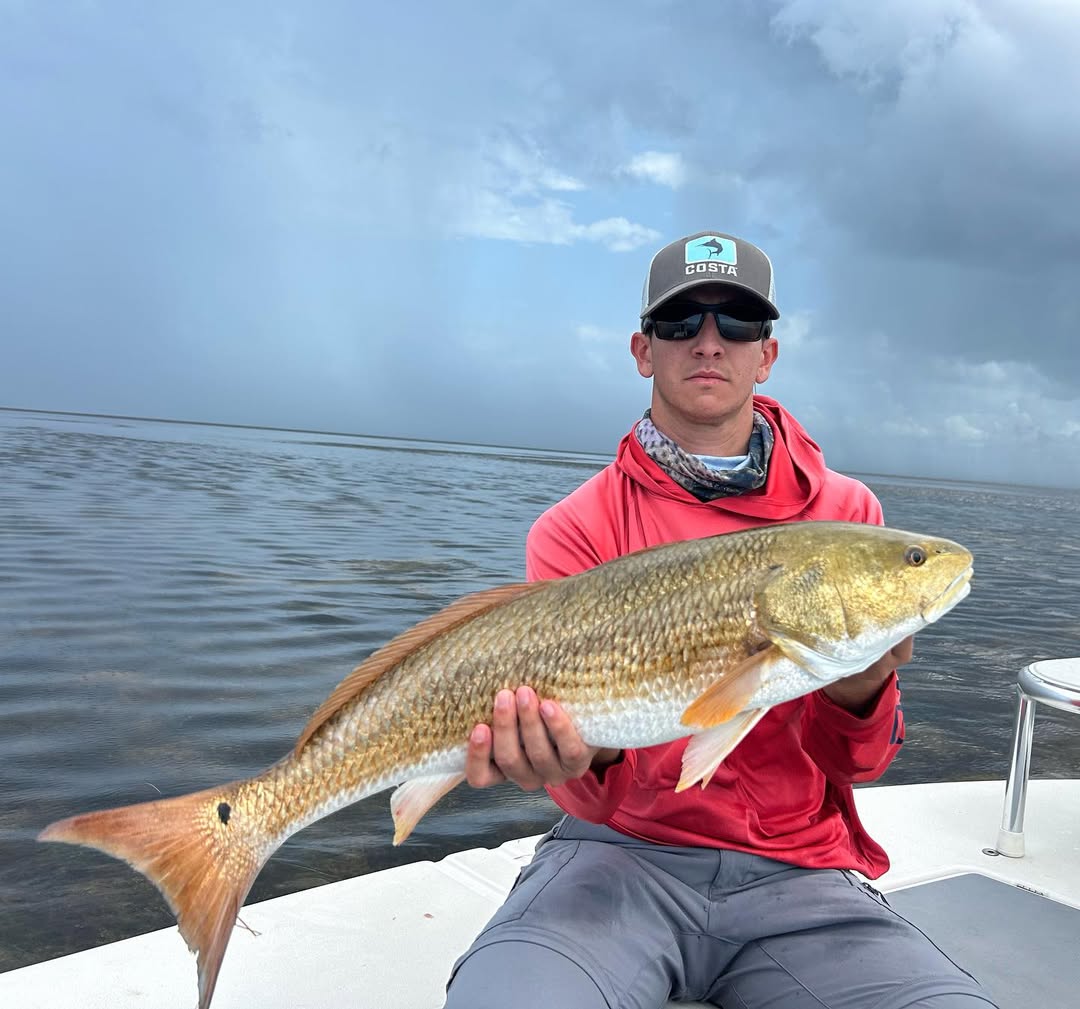
Redfish are probably the most reliable target in these waters, and they're perfectly built for the shallow Everglades environment. These copper-colored bruisers love to cruise the flats in schools, and when you find them, the action can be non-stop. Reds fight dirty – they'll bulldoze toward the nearest mangrove roots or try to wrap you around anything they can find. Spring through fall offers the best redfish action, with fish ranging from slot-size 20-inchers up to bull reds that can push 40 pounds.
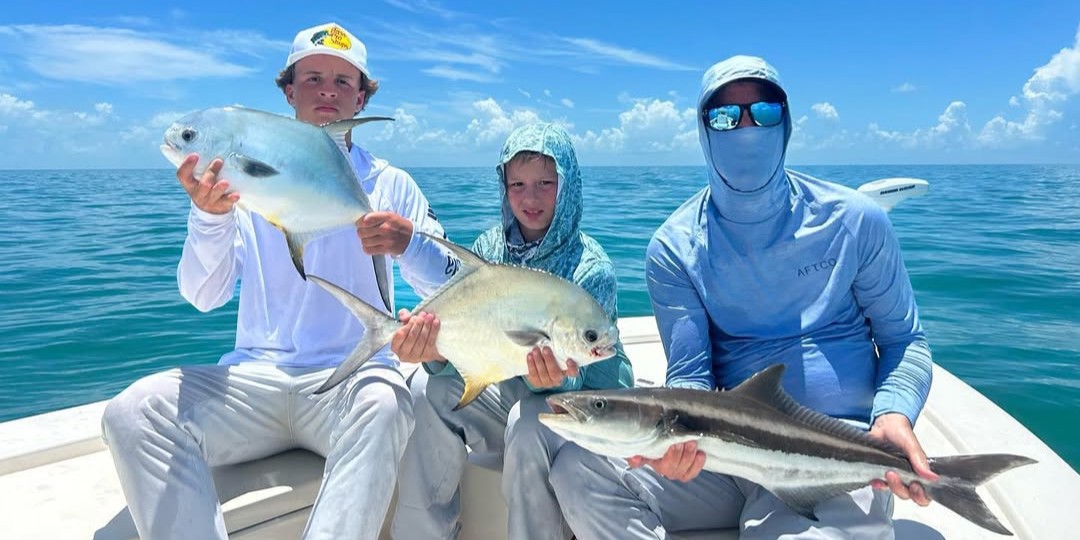
Permit are the holy grail for many flats anglers, and the Everglades holds some of the best permit fishing in Florida. These fish are notoriously spooky and selective, often following a bait for what feels like forever before either crushing it or vanishing like ghosts. When you do hook a permit, they make blazing fast runs across the flats that'll have your reel smoking. They're around year-round but seem most cooperative during the cooler months when they're more aggressive about feeding.
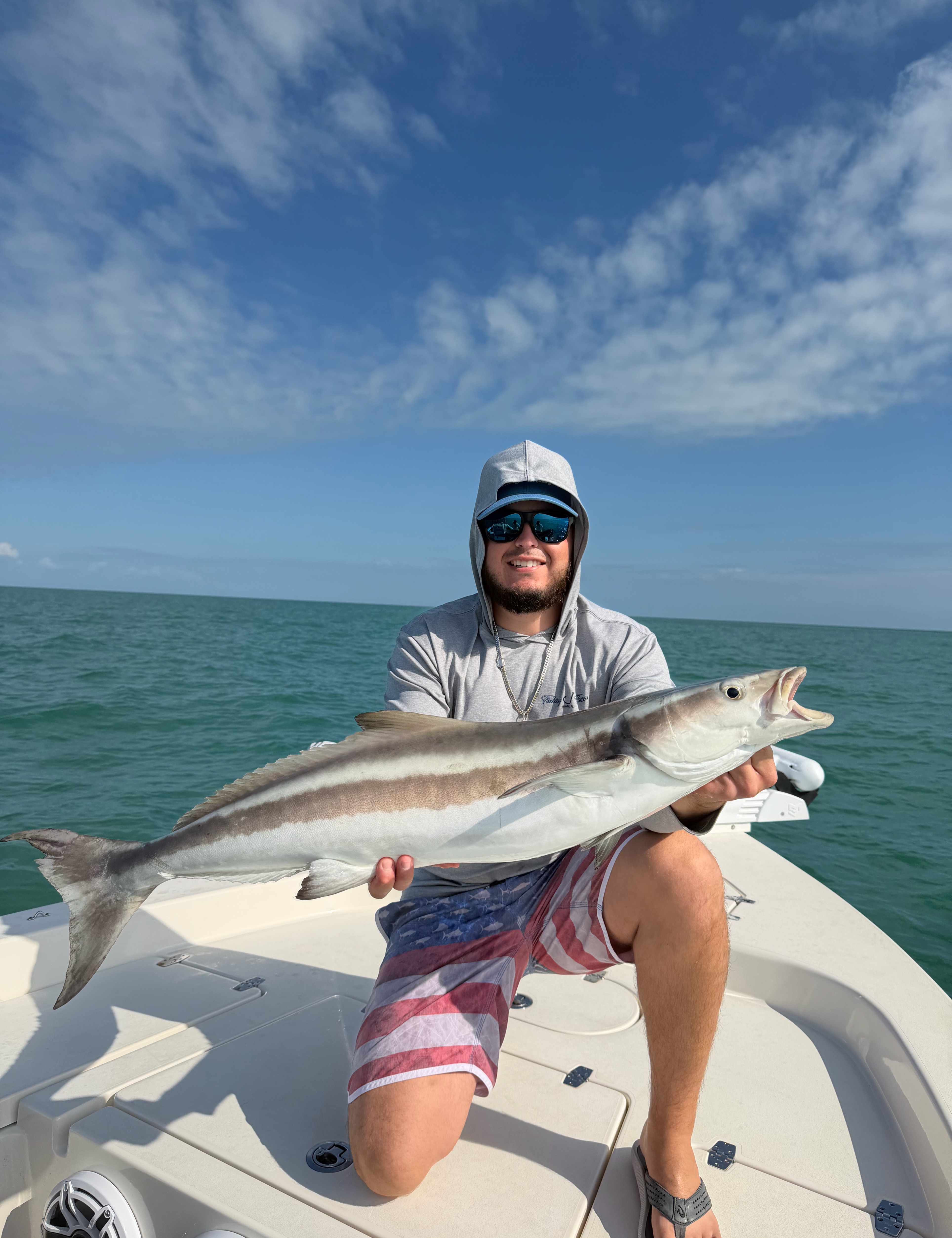
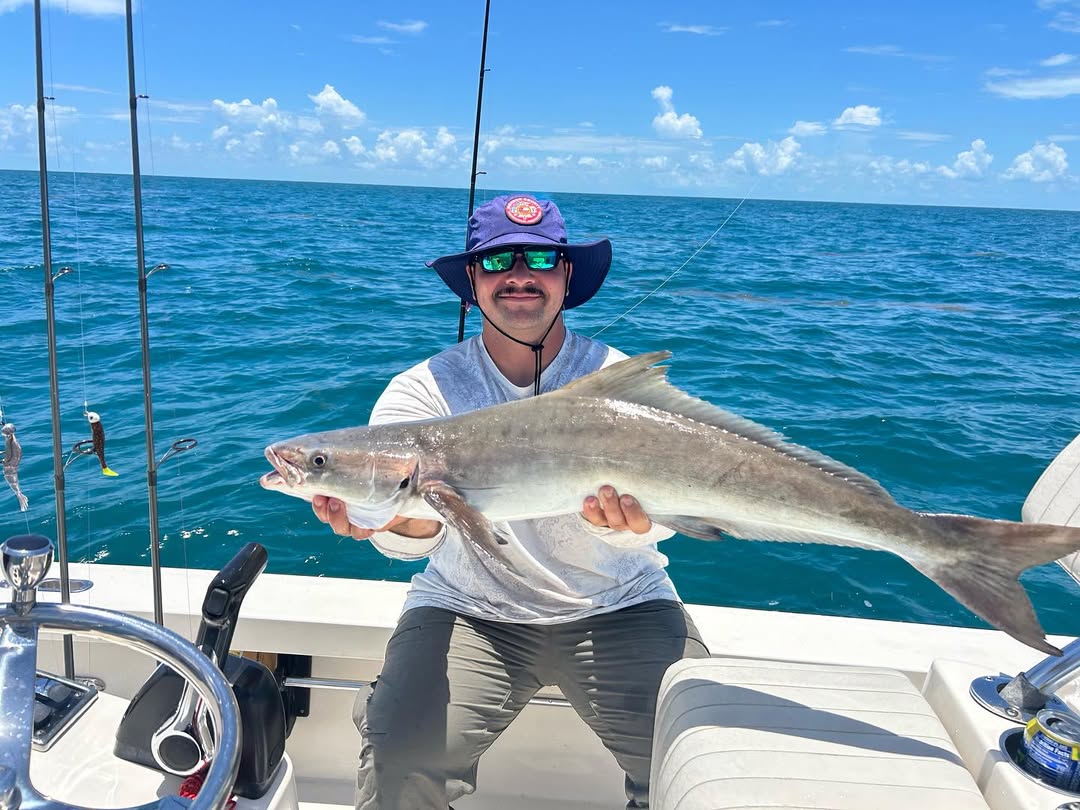
Cobia are the wild cards of Everglades fishing – you never know when one might show up, but when they do, get ready for a battle. These brown sharks (they're not actually sharks, but they sure look like them from a distance) are curious fish that often approach the boat for a closer look. They're strong fighters that love structure and will try to wrap you up on anything they can find. Spring migration brings the biggest cobia through the area, but resident fish provide action throughout the year.
Time to Book Your Spot
A six-hour private charter in the Everglades backcountry isn't just a fishing trip – it's your chance to experience one of Florida's most pristine and productive fisheries with an expert guide who knows every oyster bar and mangrove creek.
 Private Trip
 Inshore Fishing
 Homestead, FL


 Private 6-hour charter targets snook, redfish, and tarpon