Arizona Mountain Lake Bass Fishing Guided Trip
Ever wondered what bass fishing looks like in the Wild West? This isn't your typical desert Arizona experience – we're heading up to the mountain country where the Salt River Chain carved out some serious canyon reservoirs. Roosevelt and Apache lakes sit pretty in rugged territory, offering cooler temps and bass species you won't find down in the valley. We're talking smallmouth bass territory here, plus some hefty largemouth that call these deep, clear waters home. Fair warning though – Apache's access road is no joke, so we'll play it by ear based on conditions. But trust me, when we can get in there, it's worth every bump.
What to Expect on the Water
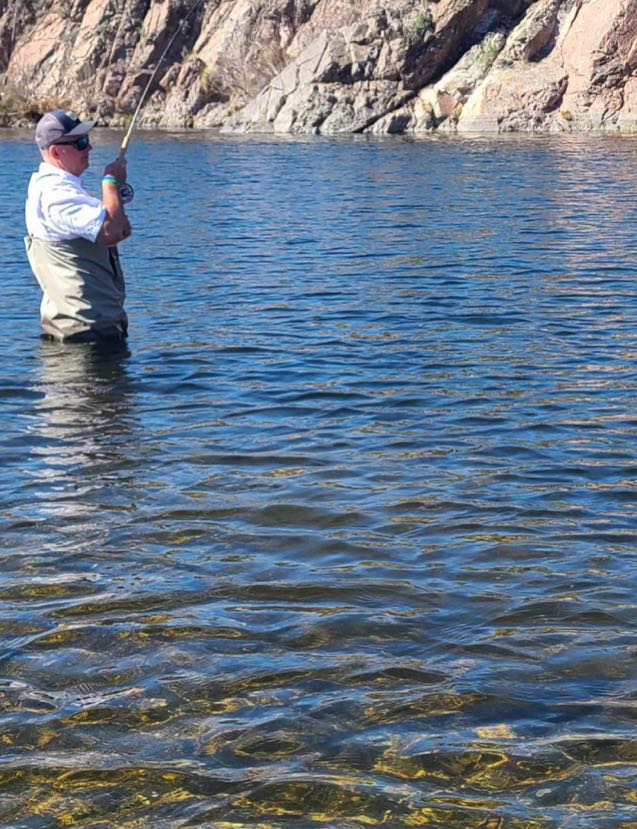
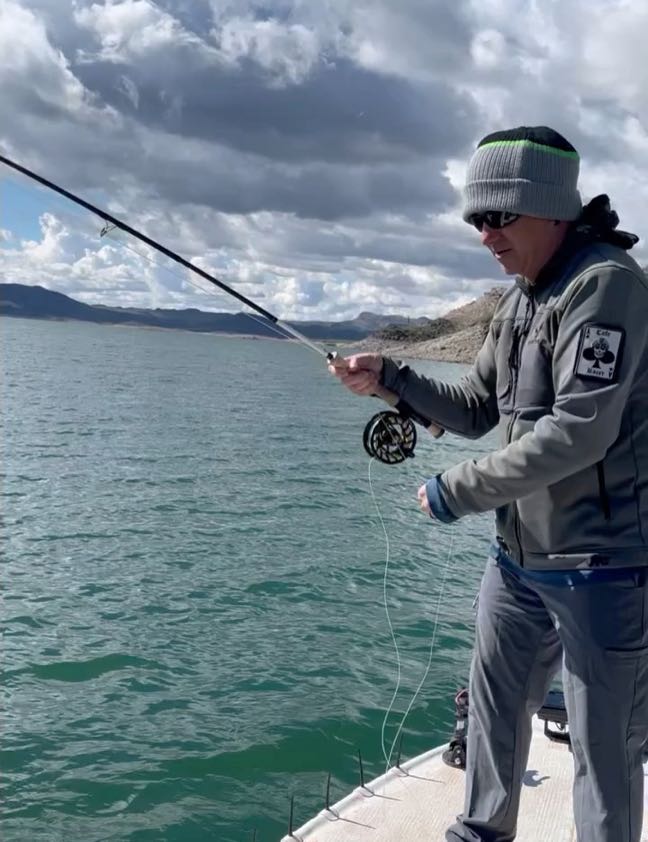
These boat trips put you right in the heart of Arizona's canyon country bass scene. Roosevelt Lake stretches out like a massive playground with countless coves, points, and structure that bass love to ambush prey from. Apache Lake is the more intimate of the two – narrower, deeper in spots, and surrounded by towering canyon walls that'll make you forget you're in the desert. The water clarity up here beats anything you'll find in the lower chain, which means sight fishing opportunities when conditions line up right. We're looking at cooler water temps year-round compared to the valley lakes, which keeps these fish active longer into the day and brings different feeding patterns into play. The scenery's just a bonus – though watching sunrise paint those canyon walls while you're working a topwater bait is something special. Keep in mind, this is wild country with real wilderness access, so we go when Mother Nature says it's safe.
Techniques and Tackle
Canyon lake bass fishing demands versatility, and these waters showcase exactly why. We'll run everything from finesse presentations along the steep rocky walls to power fishing the flats and creek channels. Drop shots and shaky heads shine when we're working vertical structure – those canyon walls drop straight down into 40-plus feet of water in spots. Crankbaits and spinnerbaits come into play around the points and in the backs of coves where the gradient mellows out. Topwater action can be lights-out during the right conditions, especially in late spring and early summer when the shad spawn kicks in. The key difference up here is reading the rock – these aren't muddy, vegetation-heavy lakes. We're looking for chunk rock, boulders, and ledges that create current breaks and ambush points. I'll have you covered on tackle, but the real education comes from learning to read this unique structure and understanding how these mountain lake bass use it differently than their desert cousins.
Species You'll Want to Hook
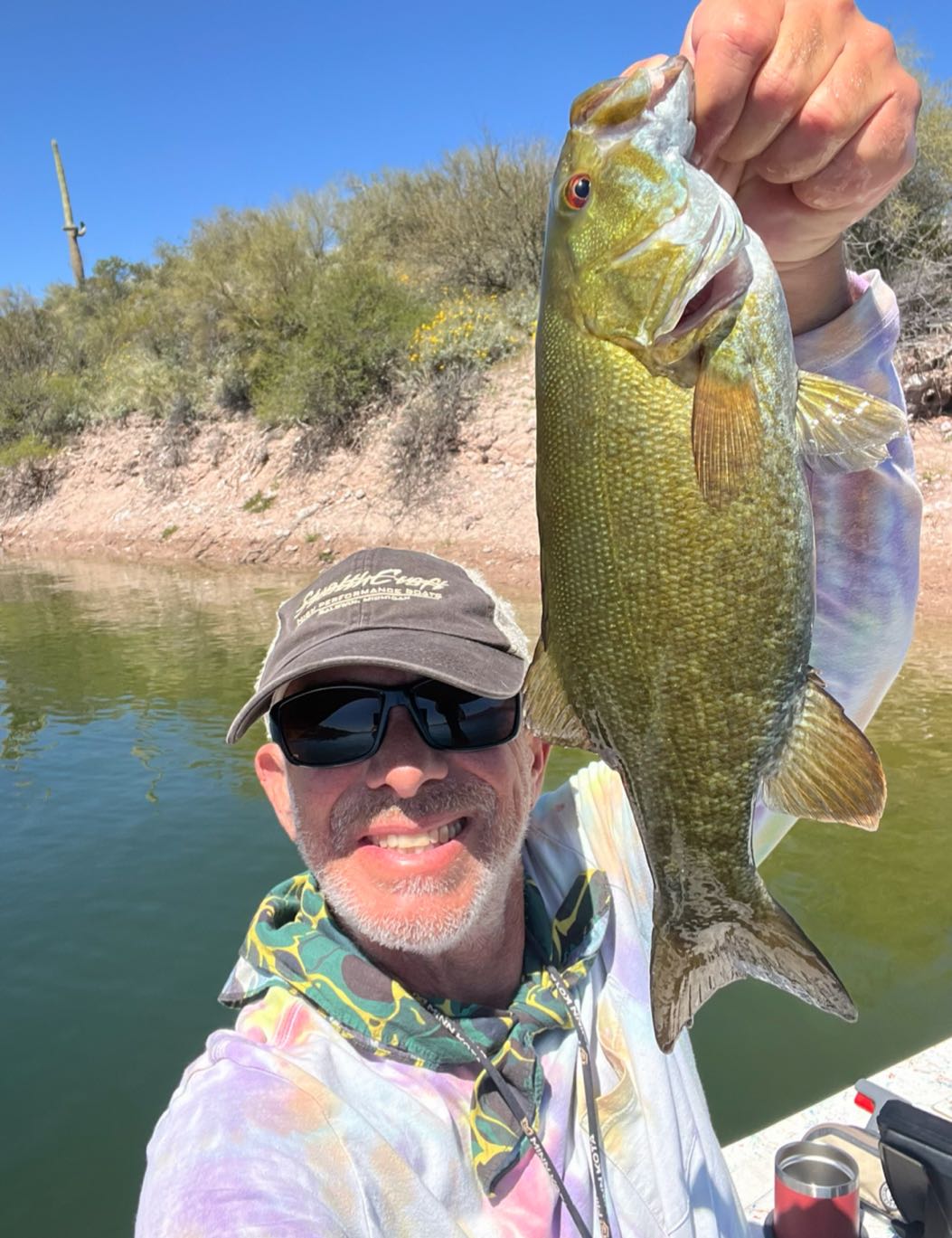
Smallmouth bass are the stars of this show and the main reason we make the trek north. These bronze-backed fighters thrive in Roosevelt and Apache's clear, rocky environment, and they scrap like nothing else in Arizona waters. Smallies up here average 12-15 inches with plenty of 2-3 pounders mixed in, and they fight dirty – jumping, diving for cover, and using every inch of that rocky structure to try to throw the hook. Best action typically runs from late spring through early fall when water temps sit in that sweet 65-75 degree range. They're sight feeders in this clear water, which makes for some heart-pounding moments when you watch one track your bait before committing. What makes them so fun is their aggression – smallmouth don't just eat your lure, they attack it.
Largemouth bass in these canyon lakes behave differently than their shallow water cousins. They tend to suspend more, use deeper structure, and grow fat on the abundant shad population. These aren't the cover-hugging bass you might expect – they're more nomadic, following baitfish and relating to points, humps, and creek channels. Size-wise, they average bigger than the smallmouth, with 3-5 pound fish common and occasional giants pushing 6-plus pounds. The cooler water keeps them healthy and strong, and their diet of shad and crawfish puts serious shoulders on these fish. Peak times vary by season, but they're most predictable during the cooler months when they move shallow to feed. The fight's different too – less jumping than smallmouth but more bulldogging power, especially when they get near those rocky walls.
Time to Book Your Spot
This mountain lake bass adventure showcases Arizona fishing that most people never see. You're getting access to waters that hold species unavailable in the valley, scenery that rivals anywhere in the Southwest, and fishing techniques specific to this unique canyon lake environment. The fact that we're limited to when conditions allow makes each trip more valuable – these aren't everyday waters. Whether you're chasing your first Arizona smallmouth or looking to experience bass fishing in one of the state's most dramatic settings, this trip delivers something different. The combination of challenging access, diverse structure, multiple species, and that Wild West backdrop creates fishing memories that stick. Ready to see what Arizona bass fishing looks like when you get off the beaten path? Let's make it happen while conditions are right.
 Private Trip
 Lakes/Reservoirs/Ponds Fishing
 Phoenix, AZ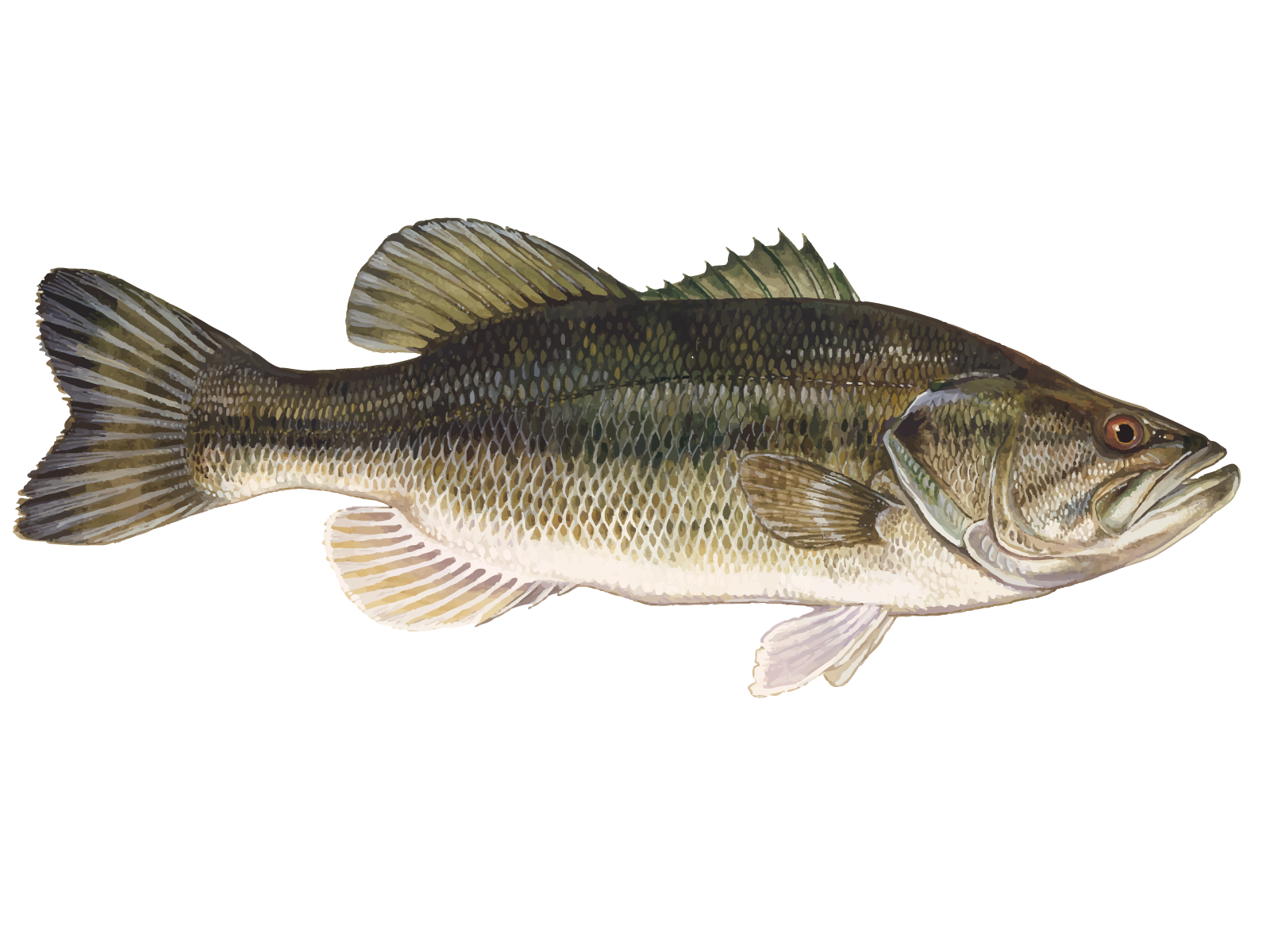

 Target smallmouth bass in Arizona's rugged canyon reservoirs