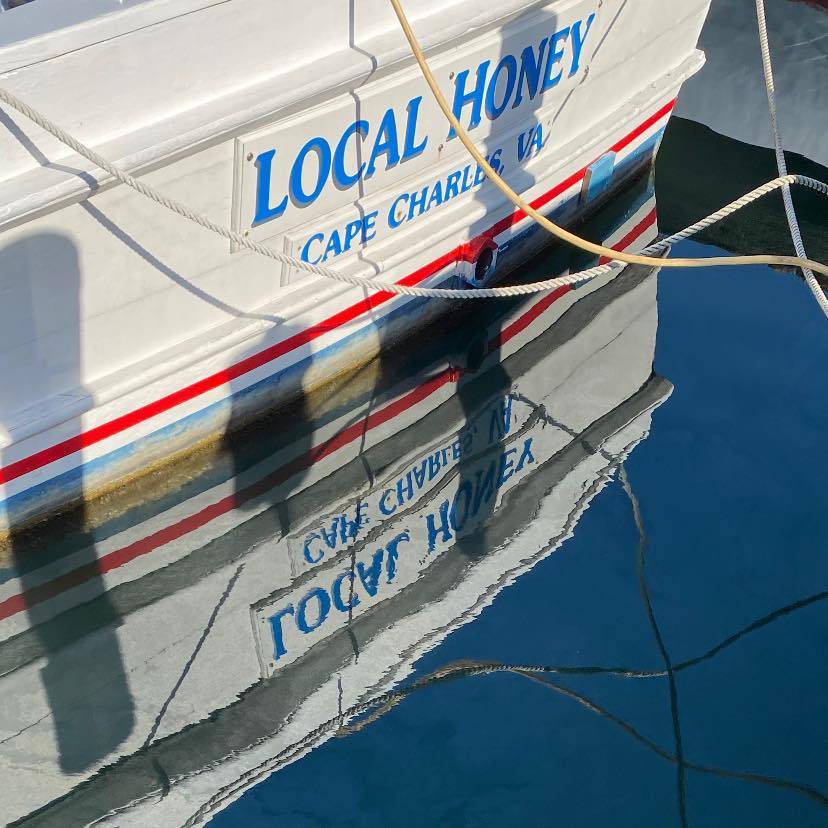
Cape Charles Inshore Fishing Charter
Looking for a solid half-day fishing trip on the Chesapeake Bay? Captain Dave's 2-hour charter out of Cape Charles puts you right in the heart of some of Virginia's most productive inshore waters. This isn't your crowded party boat experience – with just 2 anglers max, you'll get personalized attention and prime fishing spots that bigger operations can't access. The bay around Cape Charles is legendary among local anglers, and for good reason. These shallow flats and grass beds hold serious fish year-round, from keeper flounder to bull redfish that'll test your drag.
What to Expect on the Water
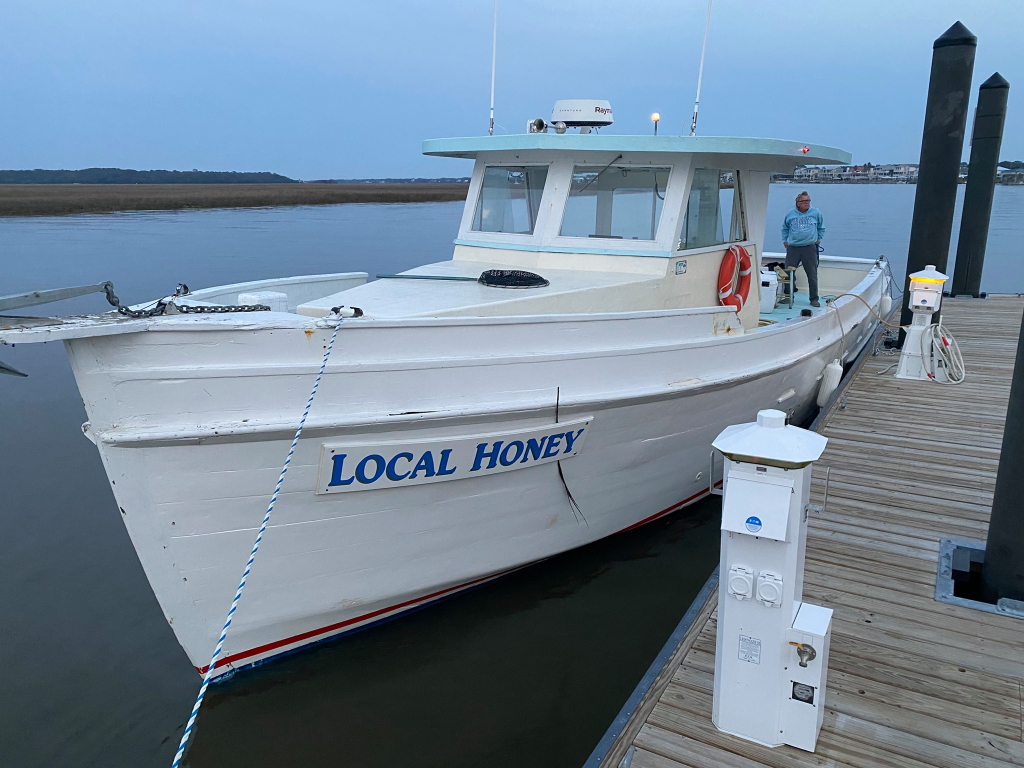
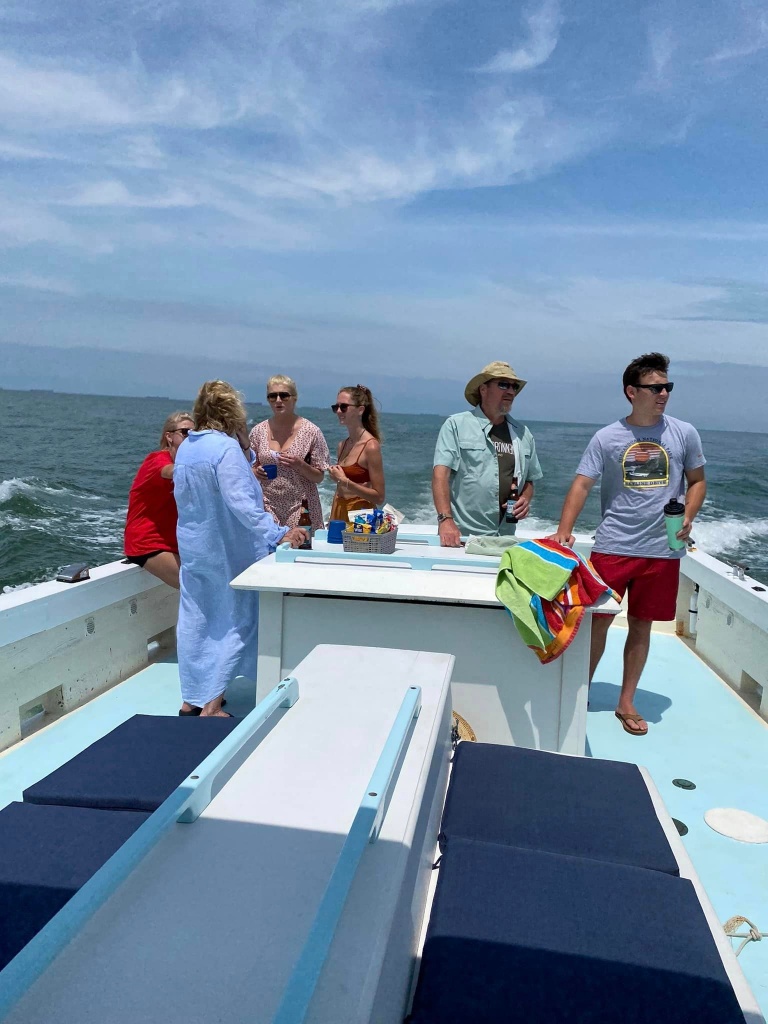
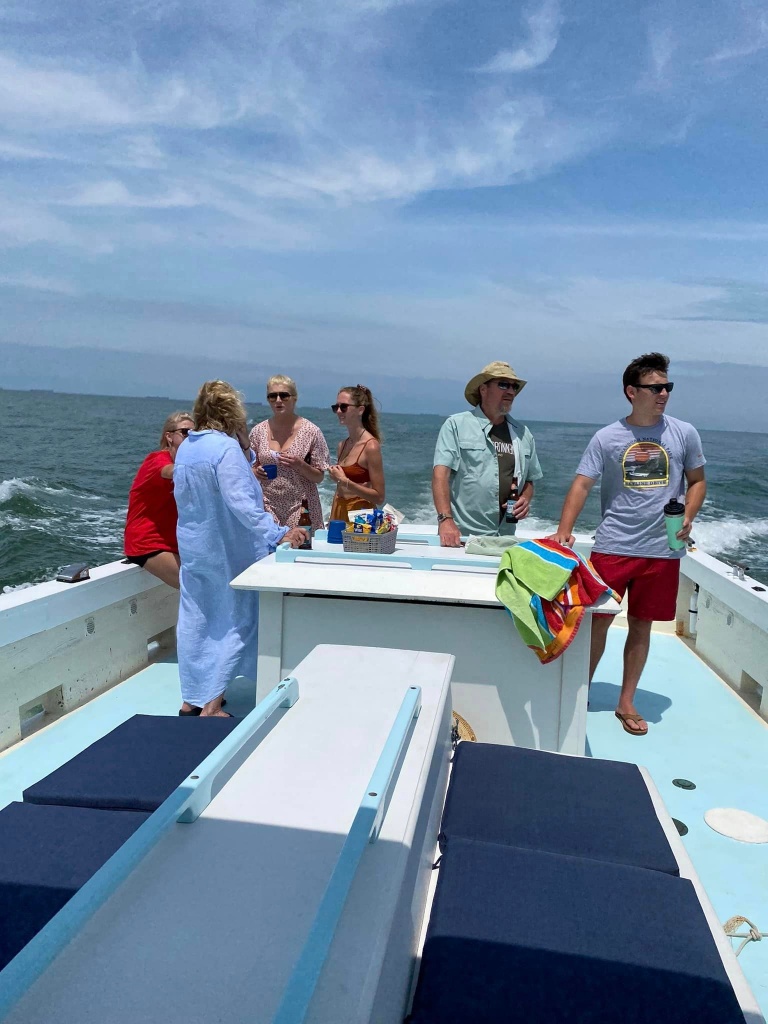
Captain Dave knows these waters like the back of his hand, and he's not the type to waste time running to crowded public spots. You'll launch from Cape Charles and head straight to his proven honey holes – those protected grass flats and channel edges where fish stack up to feed. The beauty of a 2-hour trip is that there's no downtime. You're fishing within minutes of leaving the dock, and every cast counts. Don't worry about bringing anything except your fishing license and sunscreen. Captain Dave provides all the rods, reels, tackle, and bait, plus he keeps you fueled with snacks and cold drinks. The boat's set up specifically for inshore work – shallow draft, quiet trolling motor, and all the safety gear you'd expect from a top-rated charter operation. Weather permitting, you'll cover different structure types depending on the season and what's biting best.
Tactics and Techniques
Inshore fishing around Cape Charles means adapting to what the fish want on any given day. Captain Dave runs a mix of techniques depending on conditions and target species. You might start with live bait – minnows, peeler crab, or bloodworms – working the grass edges for speckled trout and flounder. When the action heats up, switching to artificial lures like paddle tails and topwater plugs can really dial in the bite. The key here is reading the water. Captain Dave will position the boat so you're casting to productive structure – oyster bars, channel drop-offs, and those prime feeding zones where baitfish get pinned up. Light tackle is the name of the game, typically 15-20 pound spinning gear that lets you feel every bump and gives these fish a fair fight. During peak seasons, sight fishing becomes a real option, especially for redfish cruising the shallows. There's nothing quite like watching a red drum inhale your bait in crystal clear water.
Top Catches This Season
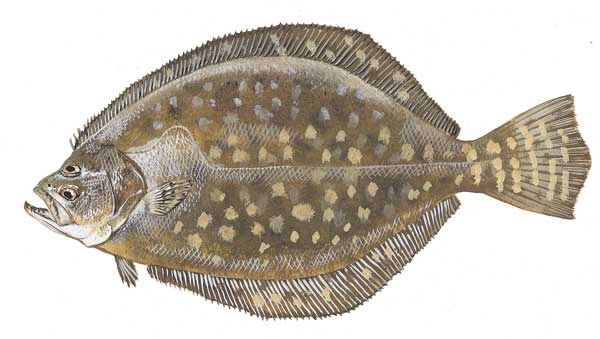
Southern Flounder are the bread and butter of Cape Charles fishing, and these flatfish know how to use the bay's sandy bottom to their advantage. They'll bury up along channel edges and grass lines, waiting to ambush baitfish. Peak season runs from late spring through early fall, with the biggest doormat flounder showing up during the cooler months. What makes flounder so exciting is that bite – it's subtle at first, then they commit and make a run for structure. These fish can push 6-8 pounds in Cape Charles waters, making them a customer favorite for both novice and experienced anglers.
Bluefish bring the aggression factor to your trip. These voracious predators travel in schools and when you find them, the action is fast and furious. Spring and fall migrations offer the best opportunities, with blues ranging from snapper-sized fish up to 10-pound choppers that'll strip line off your reel. They're notorious for their sharp teeth and powerful runs, making them a blast on light tackle. Captain Dave keeps wire leaders handy when the blues are around – you'll need them.
Black Drum are the heavyweights of the inshore scene around Cape Charles. These bottom-feeders can grow massive in the Chesapeake Bay system, with fish over 30 pounds not uncommon during their spring spawning run. They're suckers for crab baits, especially around oyster beds and bridge pilings. The fight is pure power – no fancy jumps, just steady, bulldogging runs that'll test your endurance. Many anglers consider black drum the best eating fish in the bay when they're in the slot size range.
Sea Trout, or speckled trout as locals call them, are arguably the most popular inshore species in Virginia waters. These beautiful fish are aggressive feeders that hit both live bait and artificials with authority. They love grass beds and channel edges, especially during moving tides. Specks are active year-round in Cape Charles, though the bigger gator trout show up during cooler months. They're renowned for their delicate mouths, so keeping steady pressure without horsing them is key to landing these prized gamefish.
Redfish are the crown jewel of Cape Charles inshore fishing. These copper-colored bulldogs are built for fighting, with broad tails and incredible stamina. Virginia's red drum fishery has been world-class for years, producing fish from slot-sized 18-inchers up to monster bull reds over 40 pounds. They're found in everything from shallow grass flats to deeper channel structure, and they're notorious for making long, powerful runs when hooked. The sound of a screaming drag when a big red takes off is something every angler needs to experience.
Cobia are the wild card species that can make any trip legendary. These brown sharks of the inshore world are curious, powerful, and absolutely delicious. They show up around Cape Charles during the warmer months, often following rays and sharks in the shallows. Cobia are sight fishing at its finest – you'll spot their dark silhouettes cruising just under the surface. When hooked, they're capable of long runs and stubborn fights that can last 10-15 minutes. Landing a 30-pound cobia on spinning tackle is a trending experience that keeps anglers coming back season after season.
Time to Book Your Spot
Captain Dave's 2-hour charter
 Private Trip
 Inshore Fishing
 Richmond


 2-hour inshore fishing adventure on Chesapeake Bay waters