Six-Hour Family Fishing Charter in North Carolina
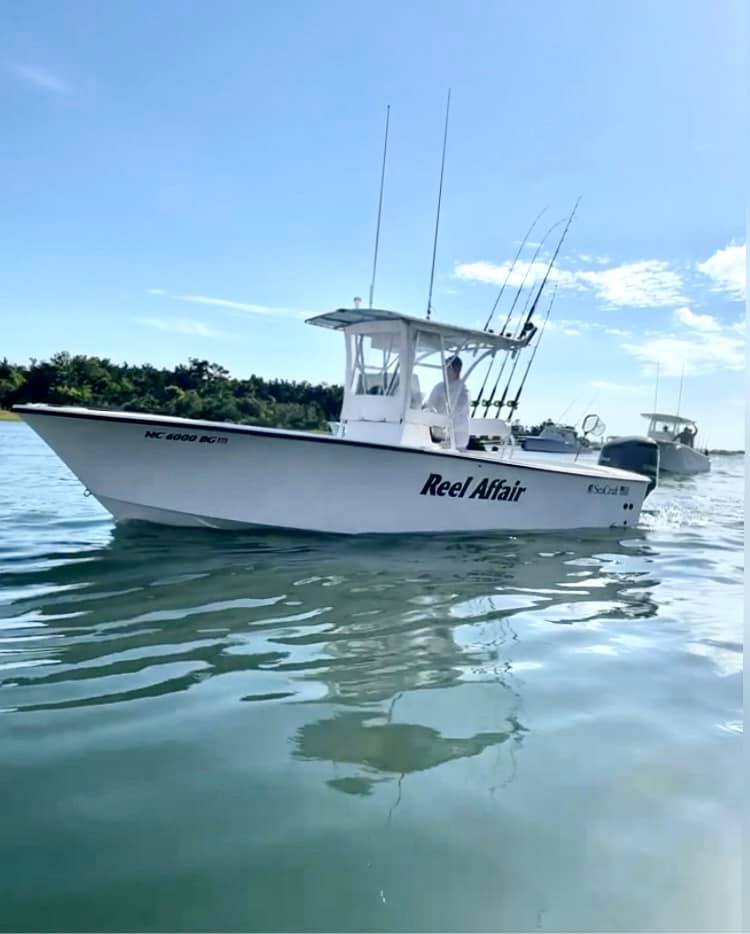
Captain William Gillikin knows these North Carolina inshore waters like the back of his hand, and he's ready to put you on fish that'll make your day. This six-hour charter is built for families and small groups who want to experience some of the best inshore fishing the Carolina coast has to offer. Whether you're a seasoned angler or this is your first time holding a rod, Captain William tailors the trip to match your crew's experience level. With only three spots available, you'll get personalized attention and plenty of room to fish comfortably without feeling crowded.
What to Expect on the Water
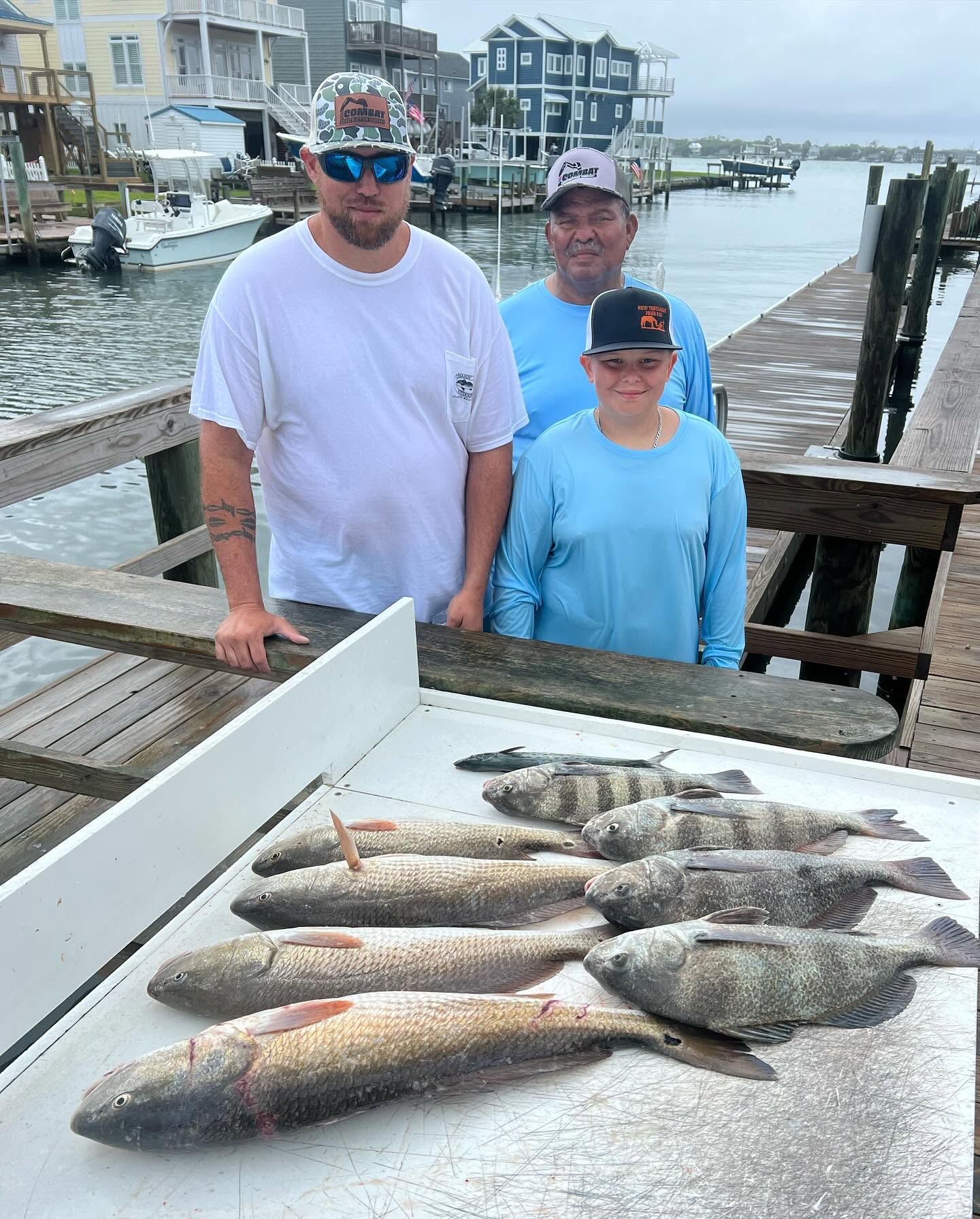
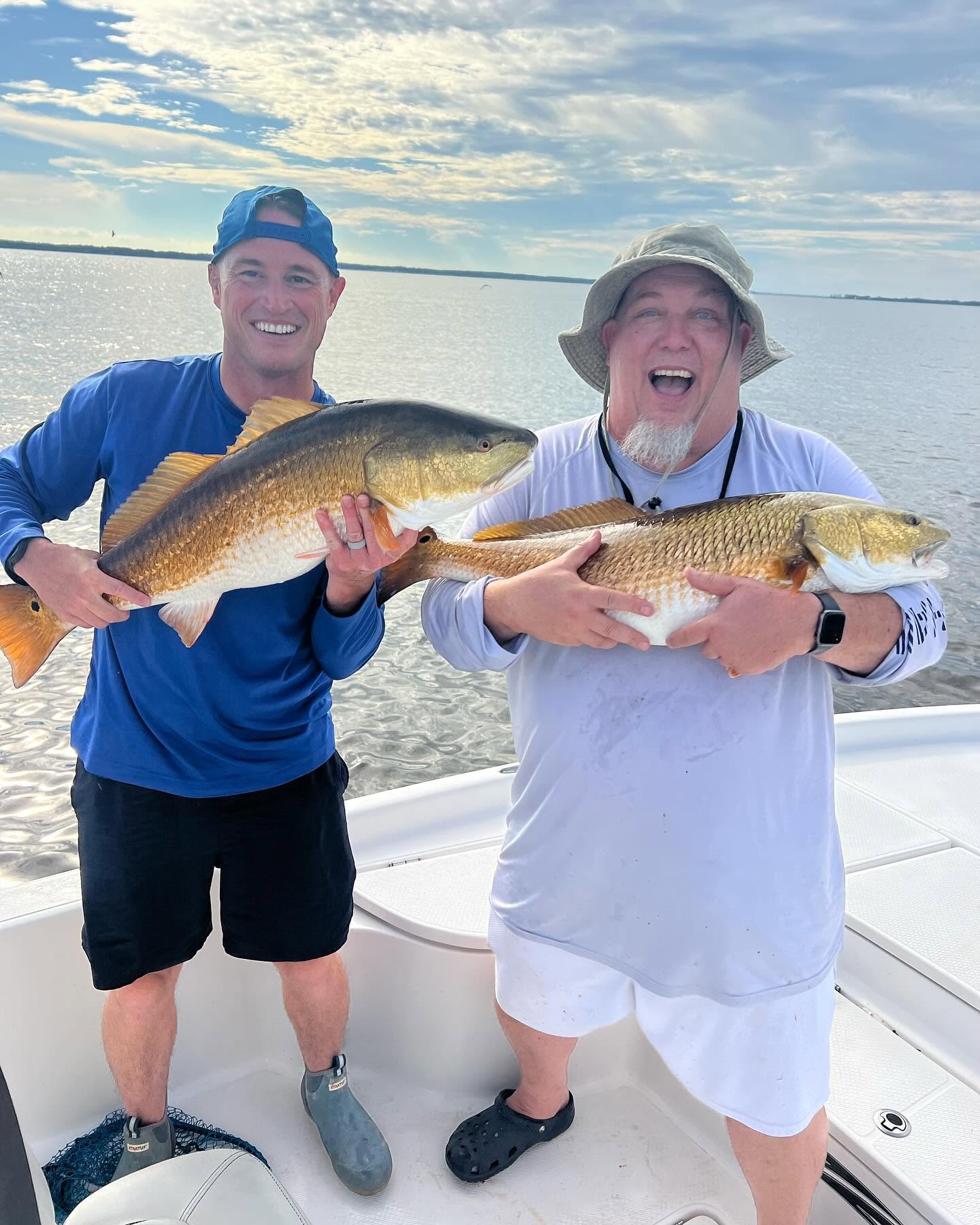
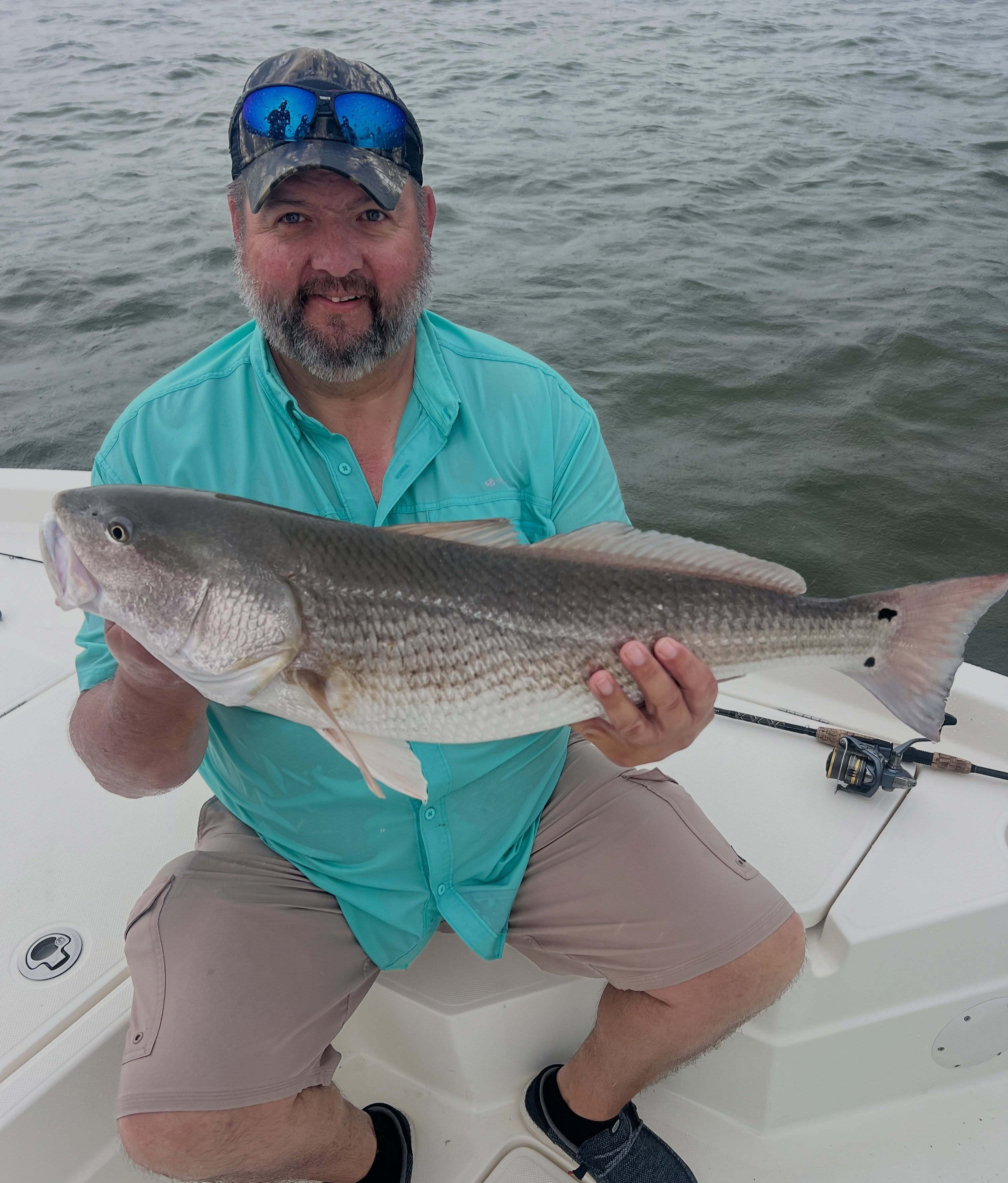
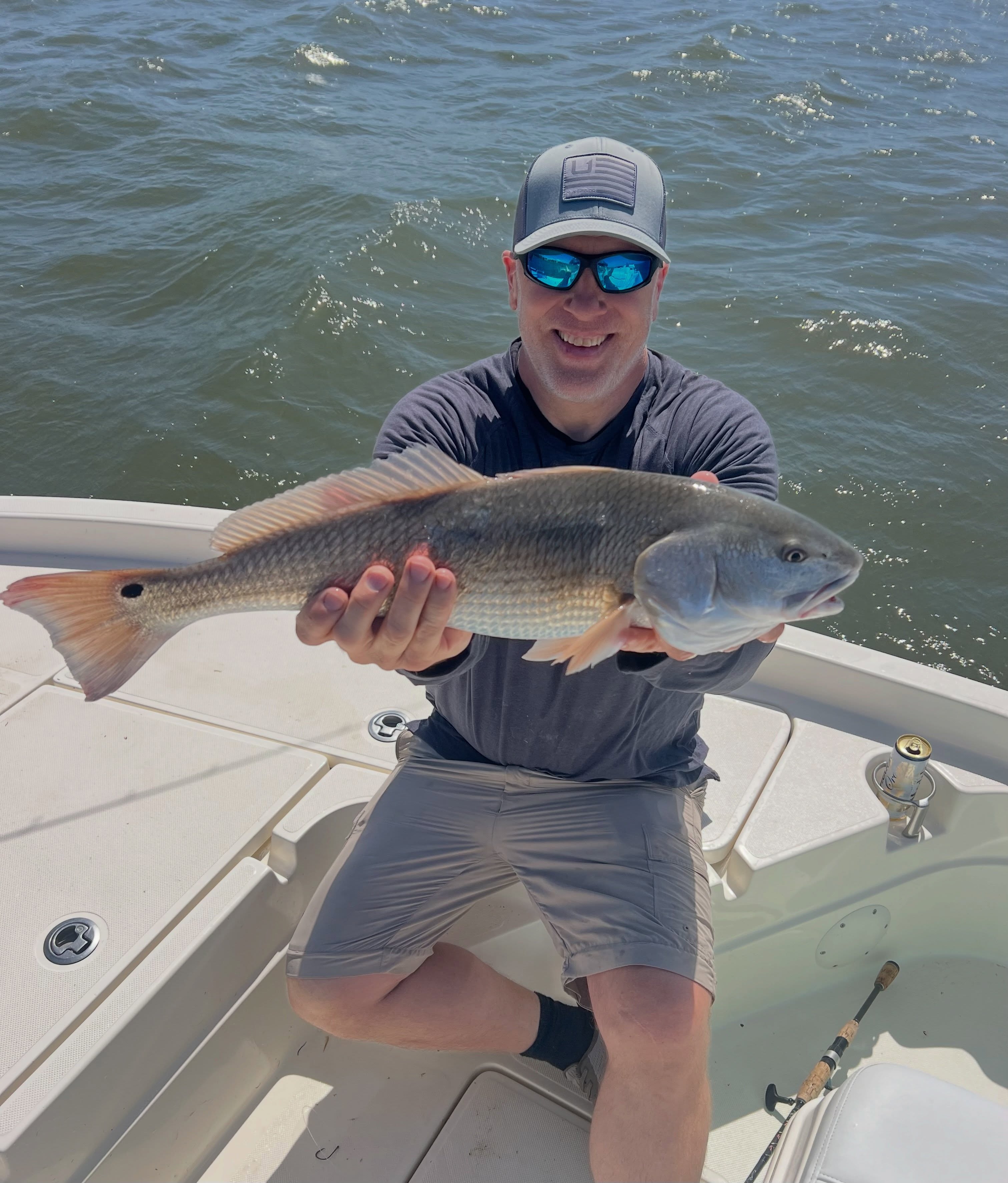
Your day starts early with Captain William, who provides everything you need to have success on the water. All rods, reels, tackle, and bait come with the trip, plus your fishing licenses are covered – one less thing to worry about. The boat is equipped to handle families, with safety gear for everyone and enough space for kids to move around between bites. You'll spend six solid hours working the productive inshore waters where redfish cruise the shallows, speckled trout hold in grass beds, and flounder lay waiting in ambush spots. Captain William brings coolers stocked with ice-cold drinks, but you'll want to pack your own snacks and lunch since meals aren't included. Don't forget sunscreen, polarized sunglasses, and a hat – the sun reflects hard off the water, and you'll be out there for the better part of the day. At the end of your trip, Captain William handles all the cleaning and filleting, so you go home with vacuum-sealed fillets ready for the dinner table.
Techniques and Tackle
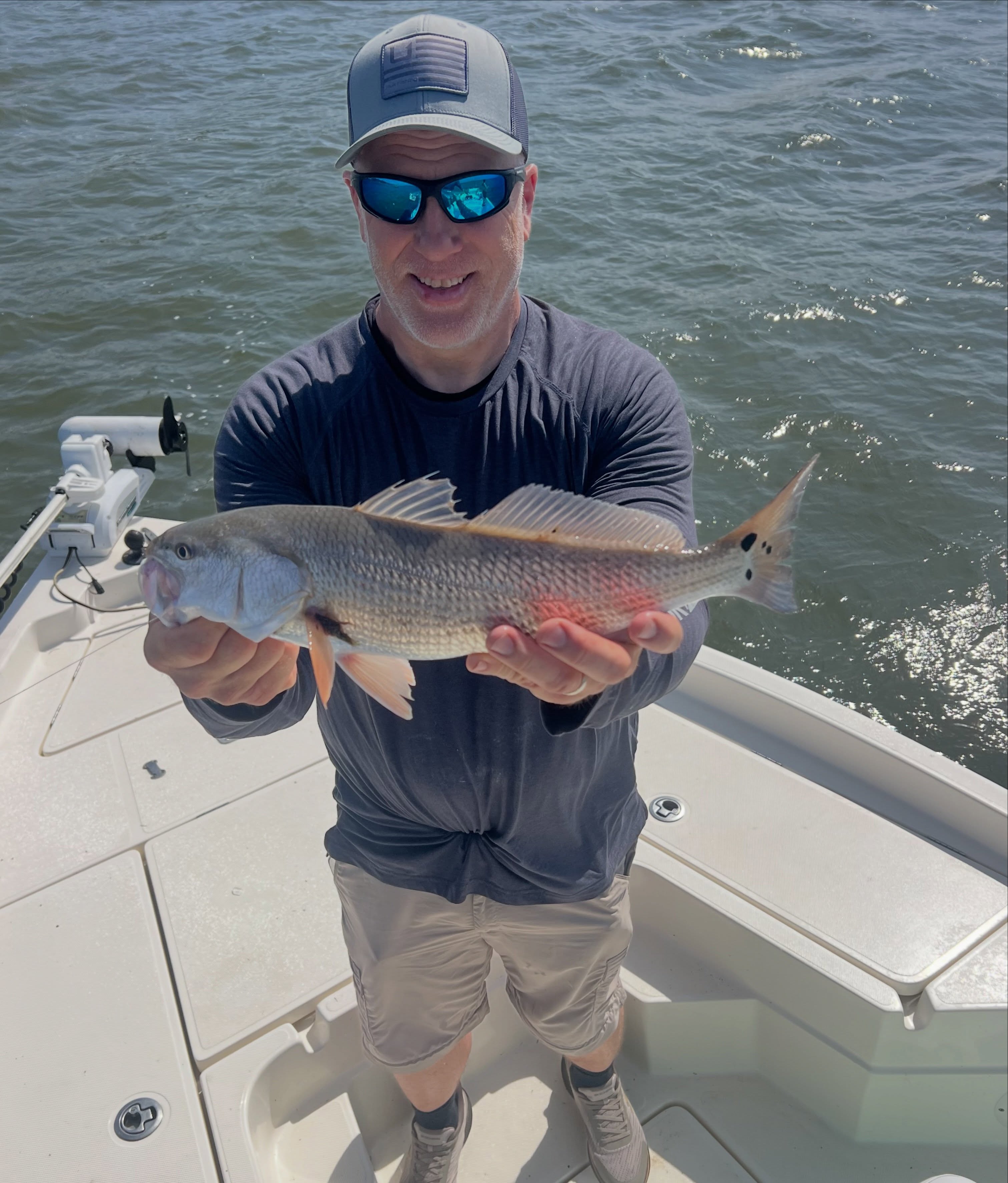
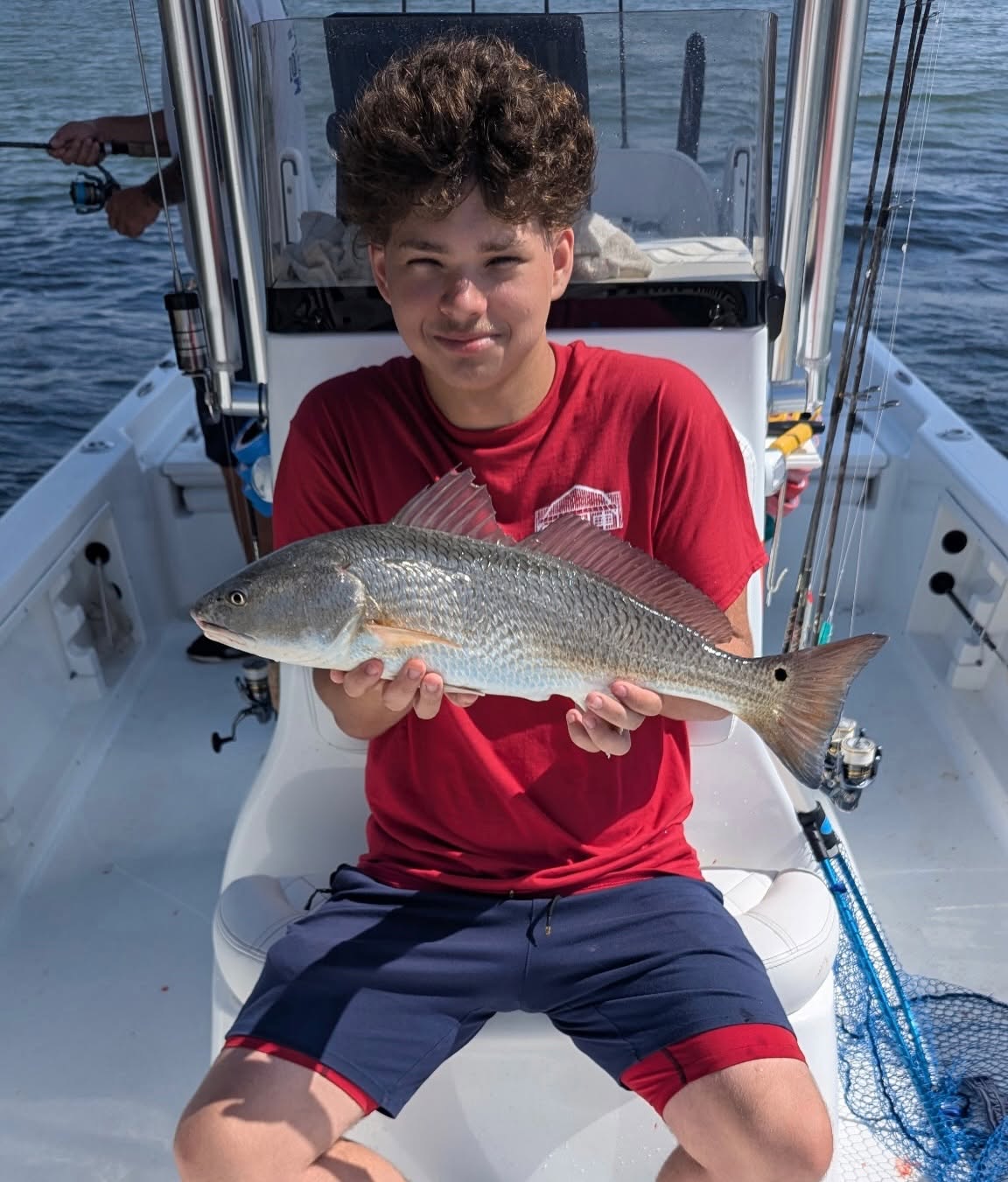
North Carolina inshore fishing is all about reading the water and adapting your approach. Captain William runs light to medium tackle that's perfect for the species you'll target, using everything from live bait to artificial lures depending on conditions and what the fish are hitting. You'll work the grass flats with popping corks and live shrimp for speckled trout, then switch gears to fish structure and oyster bars for redfish using cut bait or soft plastics. When targeting flounder, expect to bounce jigs along sandy bottoms near creek mouths and drop-offs where these flatfish wait to ambush prey. The beauty of inshore fishing is the variety – you might be sight-casting to tailing redfish in two feet of water one minute, then working a deeper channel for trout the next. Captain William teaches proper techniques as you go, showing beginners how to feel the bite, set the hook, and fight fish effectively. Experienced anglers appreciate his knowledge of seasonal patterns and which spots produce consistently throughout the year.
Top Catches This Season
Spanish Mackerel show up in big numbers during the warmer months, typically from late spring through early fall when water temperatures climb into the 70s and 80s. These silver bullets are built for speed, with razor-sharp teeth and an attitude that makes every hookup exciting. They'll hit fast-trolled spoons, small jigs, and live bait with aggressive strikes that'll wake up anyone dozing in their chair. Most Spanish mackerel run between 1-3 pounds, perfect table fare that tastes great grilled or blackened. What makes them special is their willingness to bite – when you find a school, you can often catch them one after another until your arms are tired.
Summer Flounder are the ultimate ambush predators, lying flat against sandy bottoms waiting for unsuspecting baitfish to swim overhead. These "doormat" flatfish can reach impressive sizes, with keepers starting at 15 inches and trophy fish pushing 8-10 pounds or more. Peak season runs from late spring through early fall, when they move into shallow waters to feed aggressively. Flounder fishing requires patience and technique – you'll feel a subtle tap or weight on your line rather than a hard strike. The key is letting them take the bait and run before setting the hook. Their white, flaky meat is considered some of the best eating fish in North Carolina waters, making them a prized catch for families looking to bring home dinner.
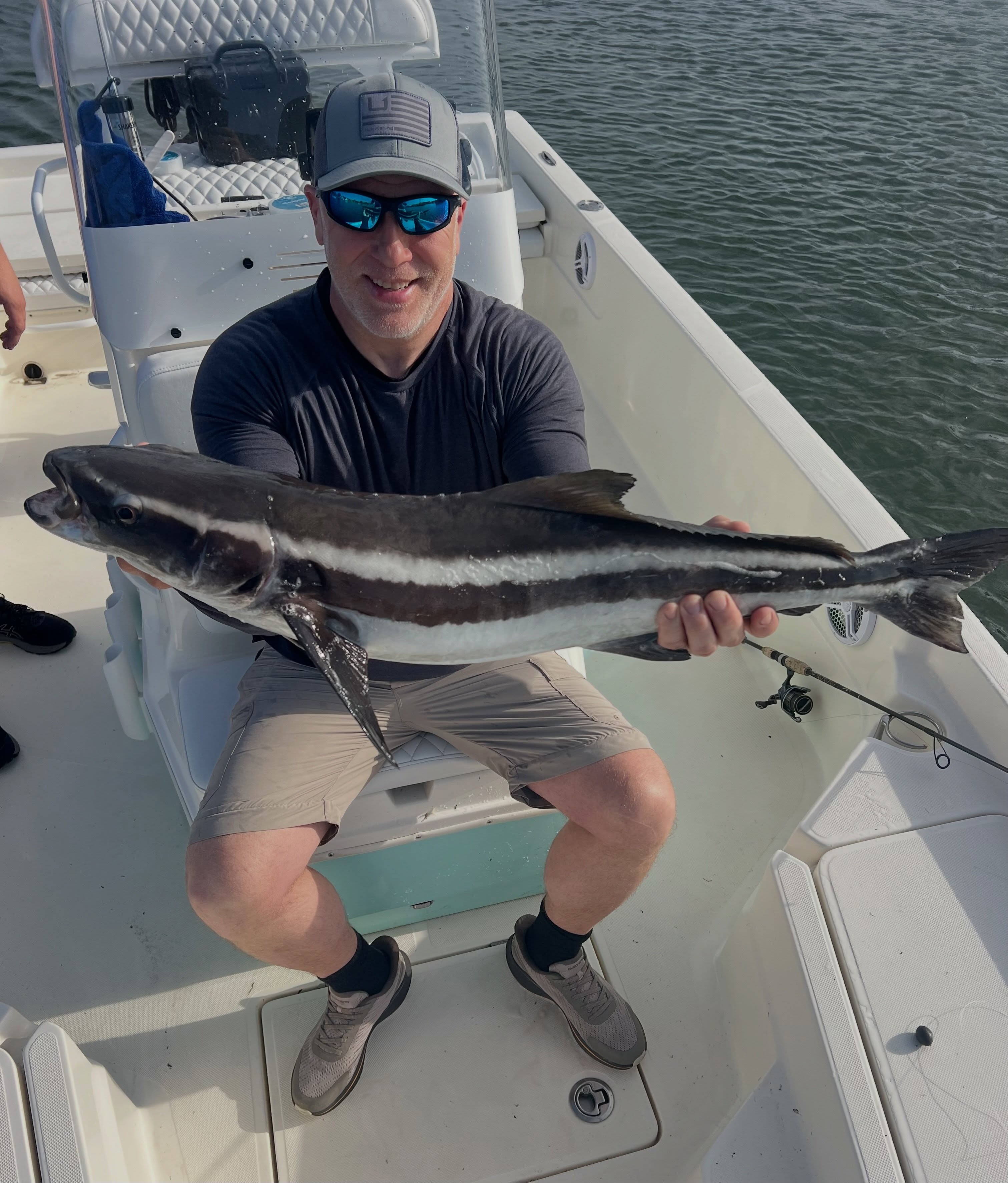
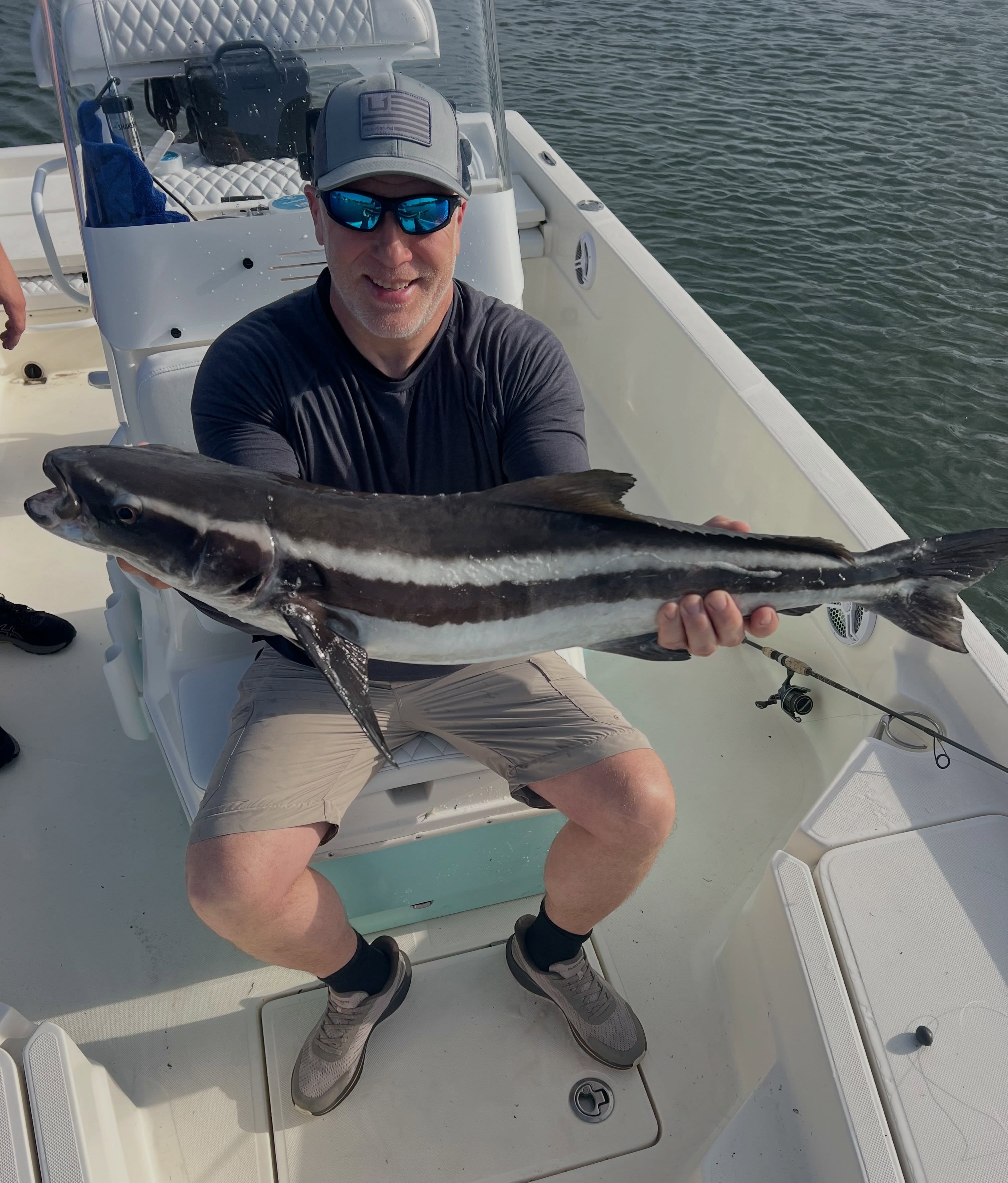
King Mackerel are the heavy hitters of the mackerel family, with torpedo-shaped bodies built for sustained runs that'll test your drag system and stamina. These fish patrol deeper waters near structure and temperature breaks, typically showing up when water temps hit the mid-70s and holding through fall. Kings can range from small "snakes" around 10 pounds to monster fish exceeding 40-50 pounds that'll give you a workout you won't forget. They're known for spectacular jumps and long runs that can strip line off your reel in seconds. Catching a king mackerel is a rite of passage for serious inshore anglers, and the meat is excellent for grilling or smoking.
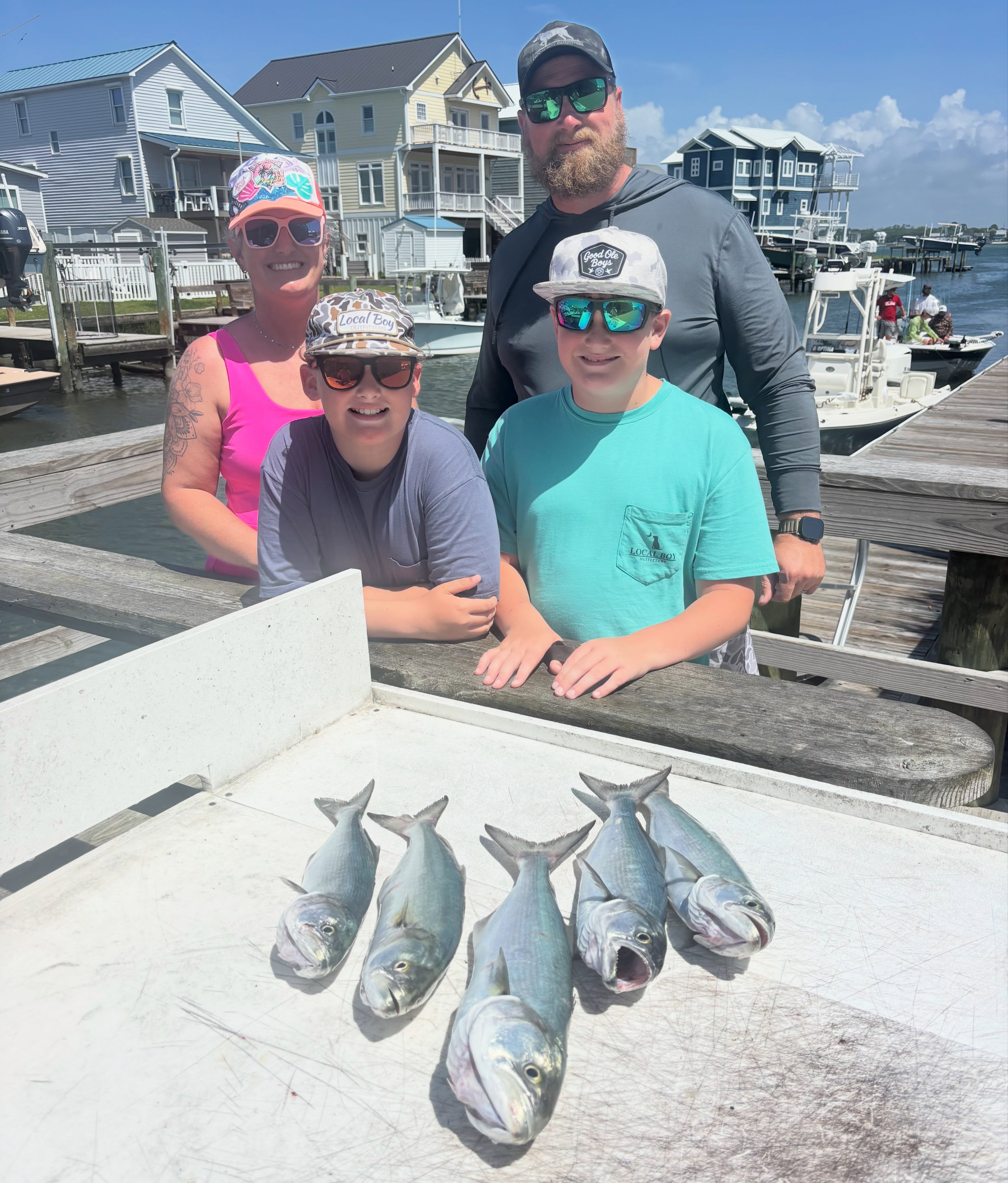
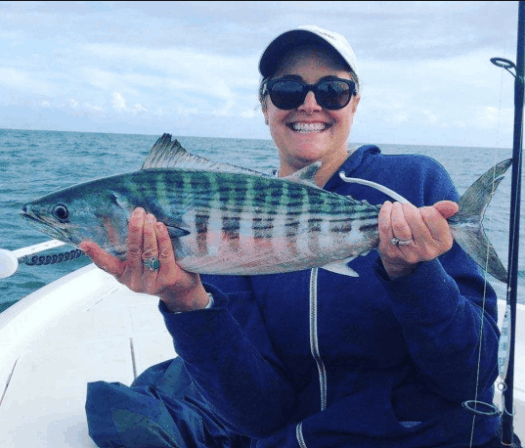
Atlantic Bonito are often called the "poor man's tuna" but don't let that fool you – these fish are pure muscle and attitude packed into a streamlined package. They arrive in North Carolina waters during cooler months, often mixed in with other pelagic species around structure and temperature breaks. Bonito are incredibly fast swimmers with dark, rich meat similar to their larger tuna cousins. They'll hit small lures, live bait, and trolled offerings with violent strikes that immediately let you know you're connected to something special. Most bonito run 3-8 pounds, but their fighting ability far exceeds their weight class.
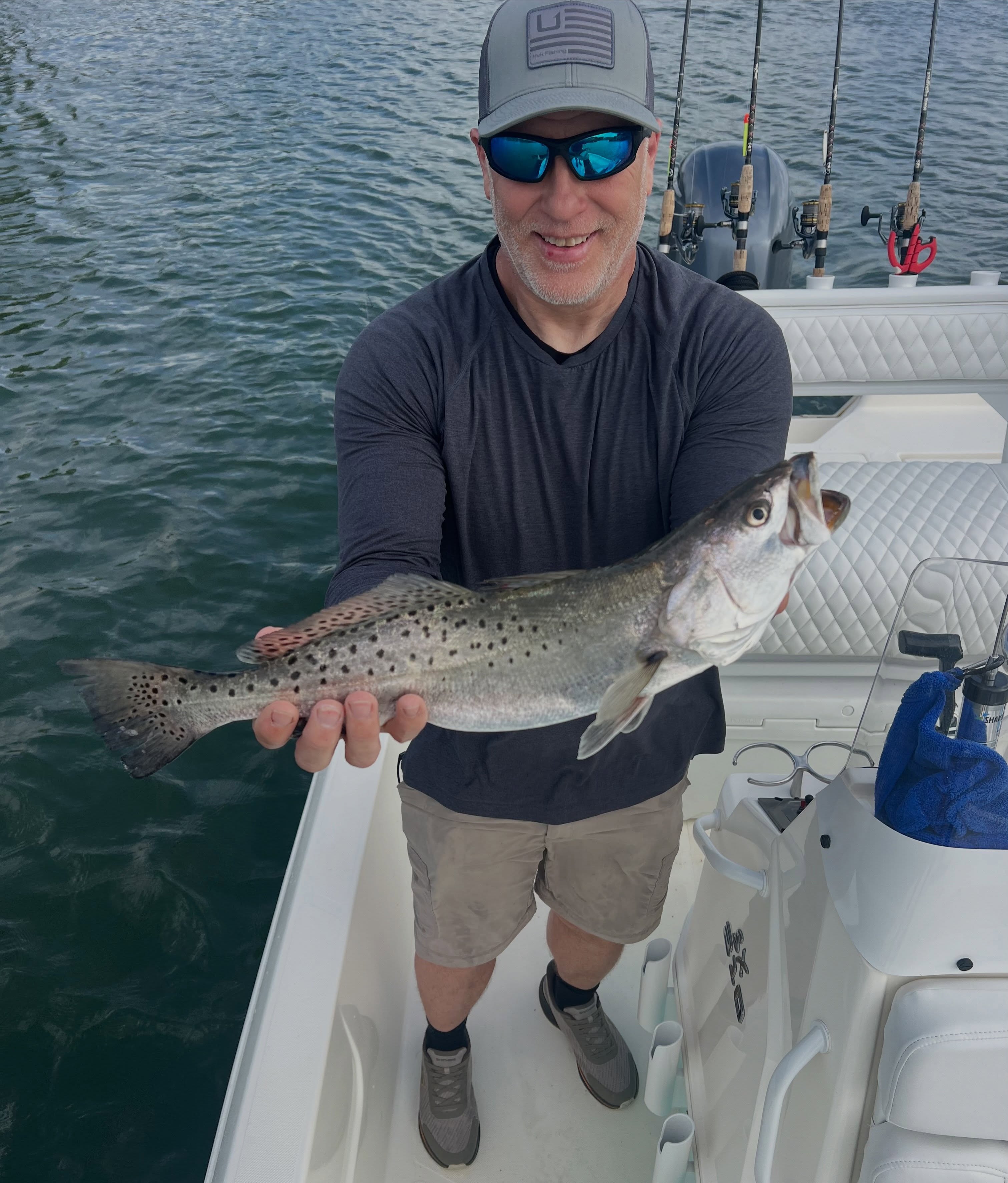
Sea Trout, or speckled trout as locals call them, are the bread and butter of North Carolina inshore fishing. These beautiful fish with distinctive black spots thrive in grass beds, around oyster bars, and near structure where they feed on shrimp, small fish, and crabs. They're active year-round but peak during spring and fall when water temperatures are in their preferred range. Specks are known for their soft mouths, so a light drag and steady pressure are key to landing them successfully. They make excellent table fare with white, flaky meat that's perfect for fish tacos or traditional Southern preparations
 Private Trip
 Inshore Fishing
 Atlantic Beach, NC


 Six-hour inshore charter targeting redfish, trout, and flounder