Full-Day Hilton Head Inshore Fishing Adventure
When you're ready to really get after it on the water, this 8-hour charter around Hilton Head Island and Beaufort gives you the full inshore experience. We're talking about a proper day of fishing where you can dial in on multiple species, work different techniques, and really get a feel for what makes these waters so special. With just two anglers max, you'll get the personalized attention that makes all the difference between a good day and a great one. Our guides know these flats, creeks, and structure spots like the back of their hand, and they're here to put you on fish whether you're slinging flies or working light tackle.
What to Expect on the Water
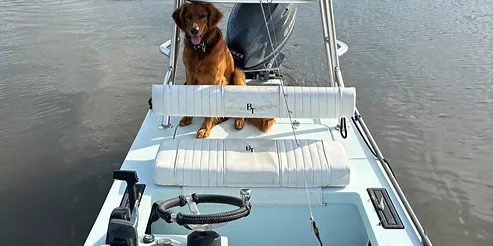
This isn't your typical half-day run where you're rushed from spot to spot. Eight hours gives us room to breathe, explore, and really work the water properly. We'll start early to catch the best tides and temperatures, then move through different zones as conditions change throughout the day. The Lowcountry around Hilton Head and Beaufort offers an incredible variety of inshore fishing - from shallow grass flats where redfish tail in two feet of water to deeper creek mouths where cobia cruise the edges. You'll experience both light tackle and fly fishing opportunities, depending on what's working and what you're interested in learning. The boat stays comfortable all day with plenty of room to move around, and our guides handle all the navigation so you can focus on what you came for - catching fish.
Light Tackle and Fly Techniques
The beauty of inshore fishing here is the variety of presentations that work. On the light tackle side, we're talking 15-20 pound spinning gear that lets you feel every bump and run without being too heavy for the fish or too light for the structure. Soft plastics are huge here - paddle tails, jerk baits, and gulp shrimp that mimic the baitfish these predators are keyed in on. When the fish are up shallow and spooky, we'll switch to fly gear with 8-weight rods that can handle the wind but still present flies delicately. Sight fishing becomes a big part of the game, especially for reds that cruise the flats with their backs out of water. The guides will position the boat perfectly and call out shots as fish move within range. Live bait plays a role too, particularly when targeting cobia or working structure where the current is strong. The key is reading the conditions and matching your approach to what the fish are telling you.
Species You'll Want to Hook
Summer flounder are one of the most underrated fighters in these waters. These flatfish hold in sandy pockets and creek mouths, typically running 14-20 inches with some bigger doormat females pushing 4-5 pounds. They hit hard and make surprisingly strong runs for a fish that spends most of its time on the bottom. Best action comes during moving water, especially on the outgoing tide when baitfish get pushed through the channels. What makes them special is how they ambush prey - they'll bury in the sand with just their eyes showing, then explode upward when something tasty drifts by.
Sea trout might be the bread and butter species for many anglers, but that doesn't make them any less fun to catch. These spotted beauties school up in grass beds and along drop-offs, typically running 12-16 inches with occasional fish pushing 20-plus. They're aggressive feeders that respond well to both artificial lures and live bait, making them perfect for anglers still learning to read the water. The bite can be subtle though - often just a slight tick on the line - so paying attention to your rod tip becomes crucial. Spring and fall offer the best action when water temperatures are in that sweet spot.
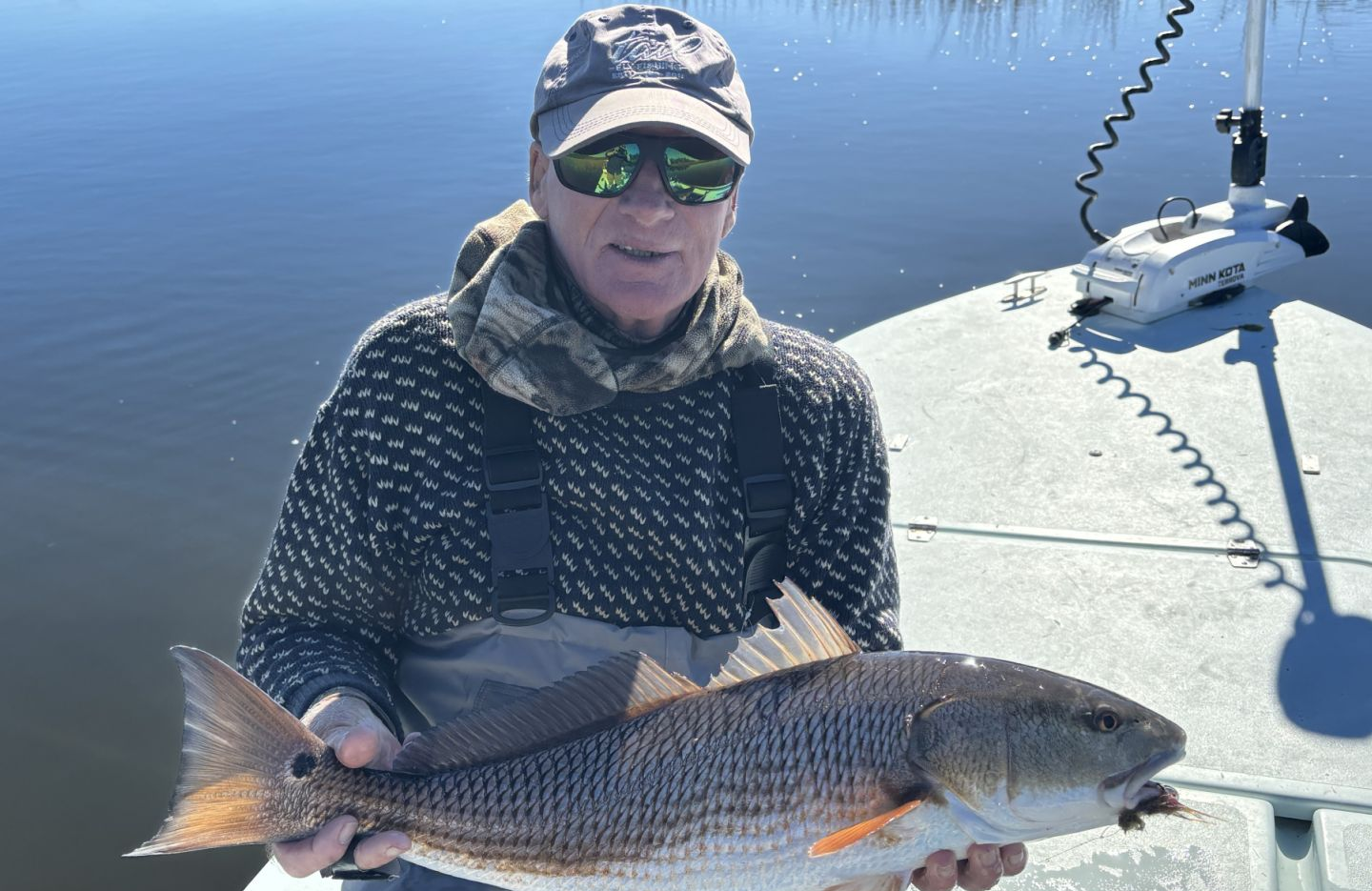
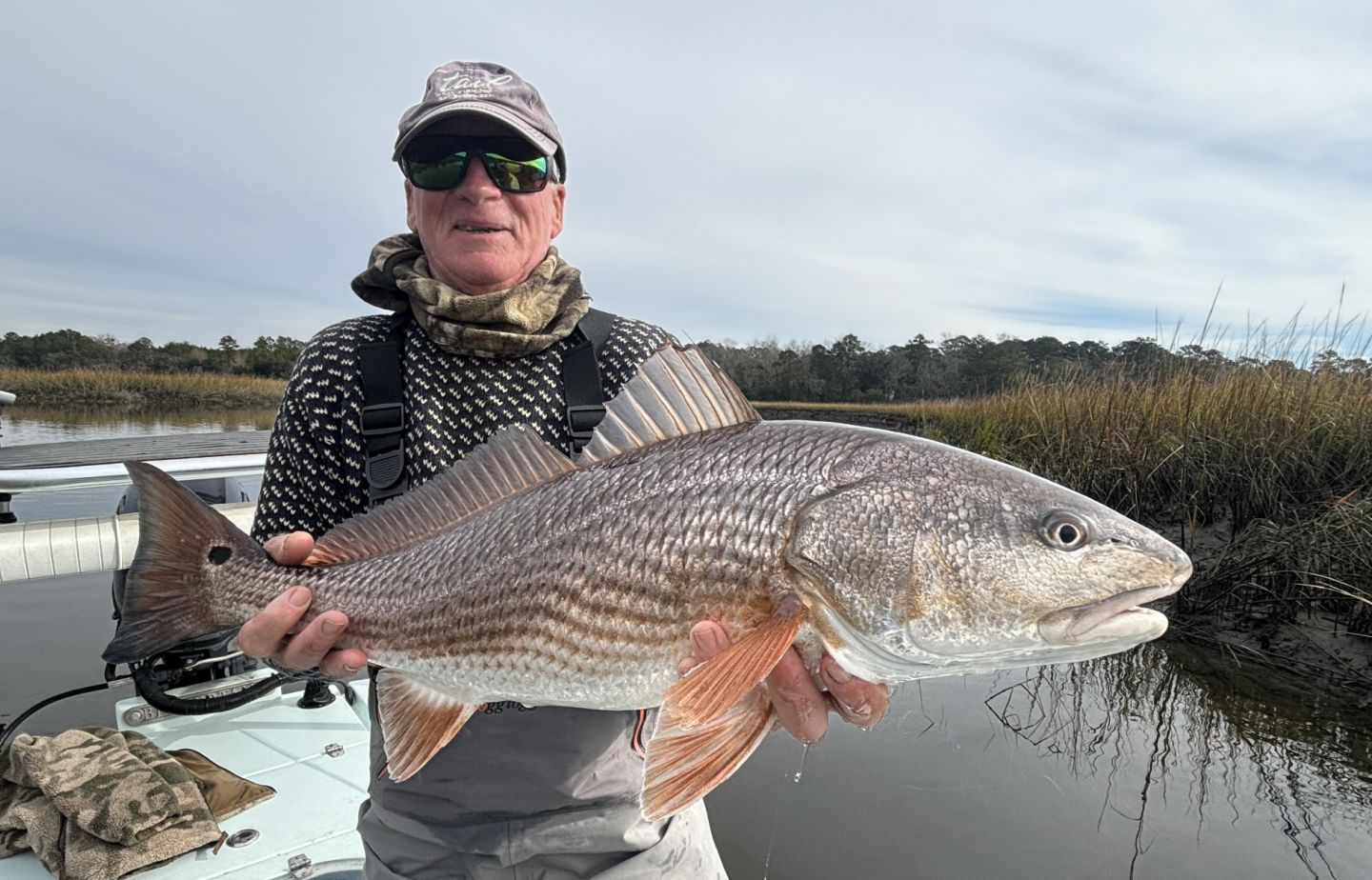
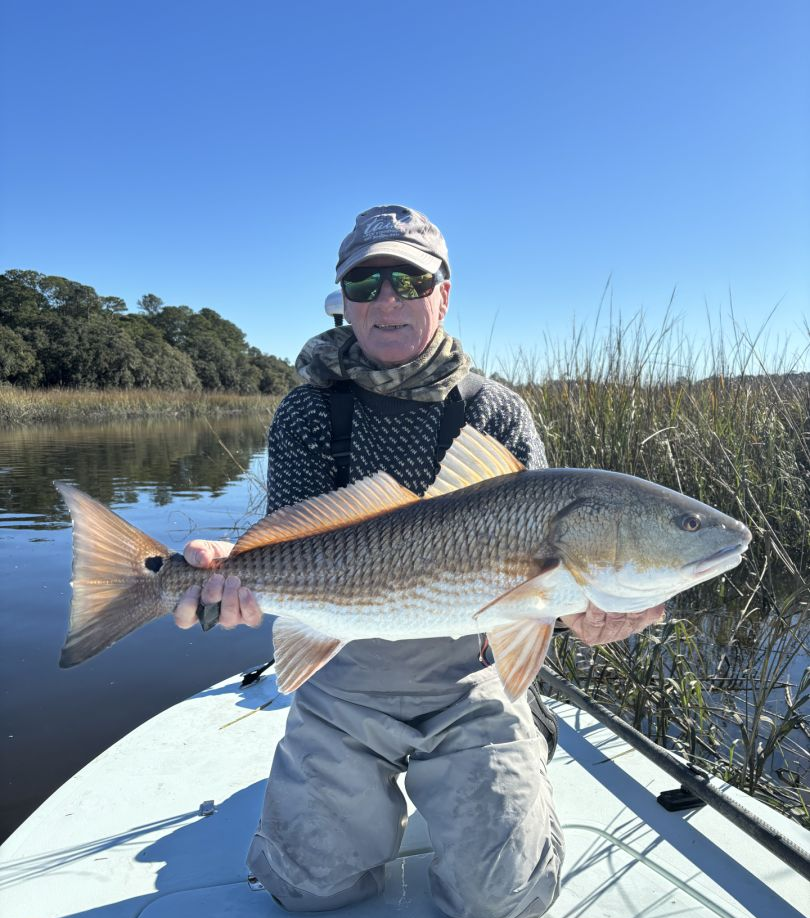
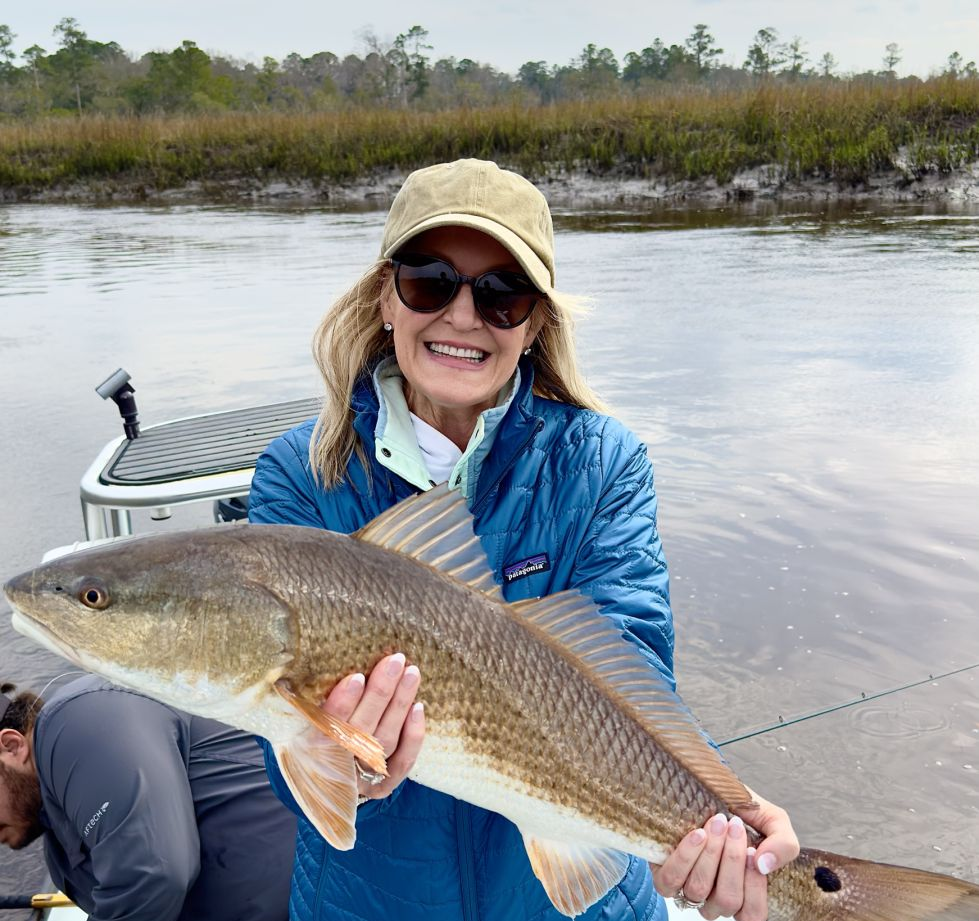
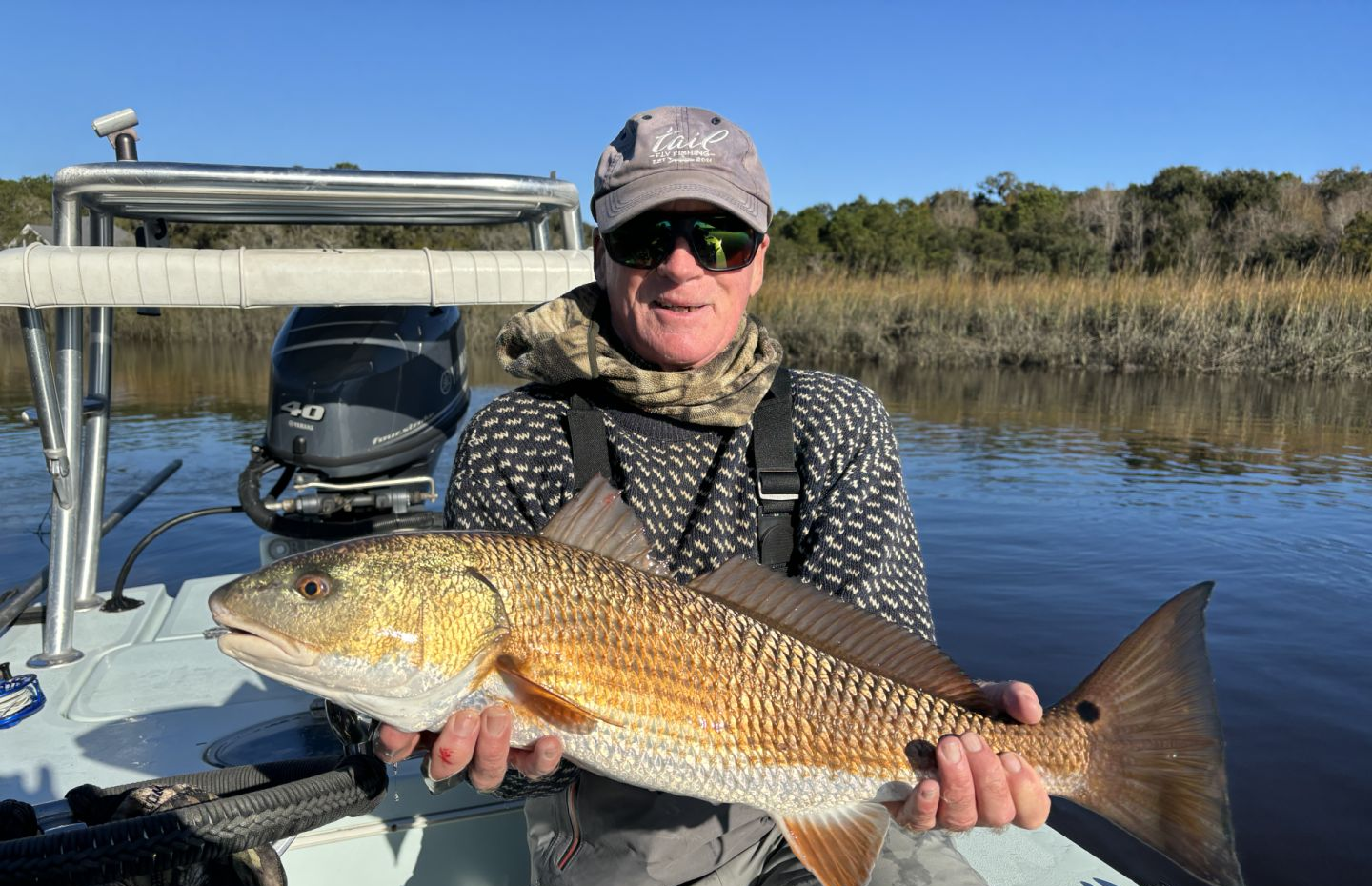
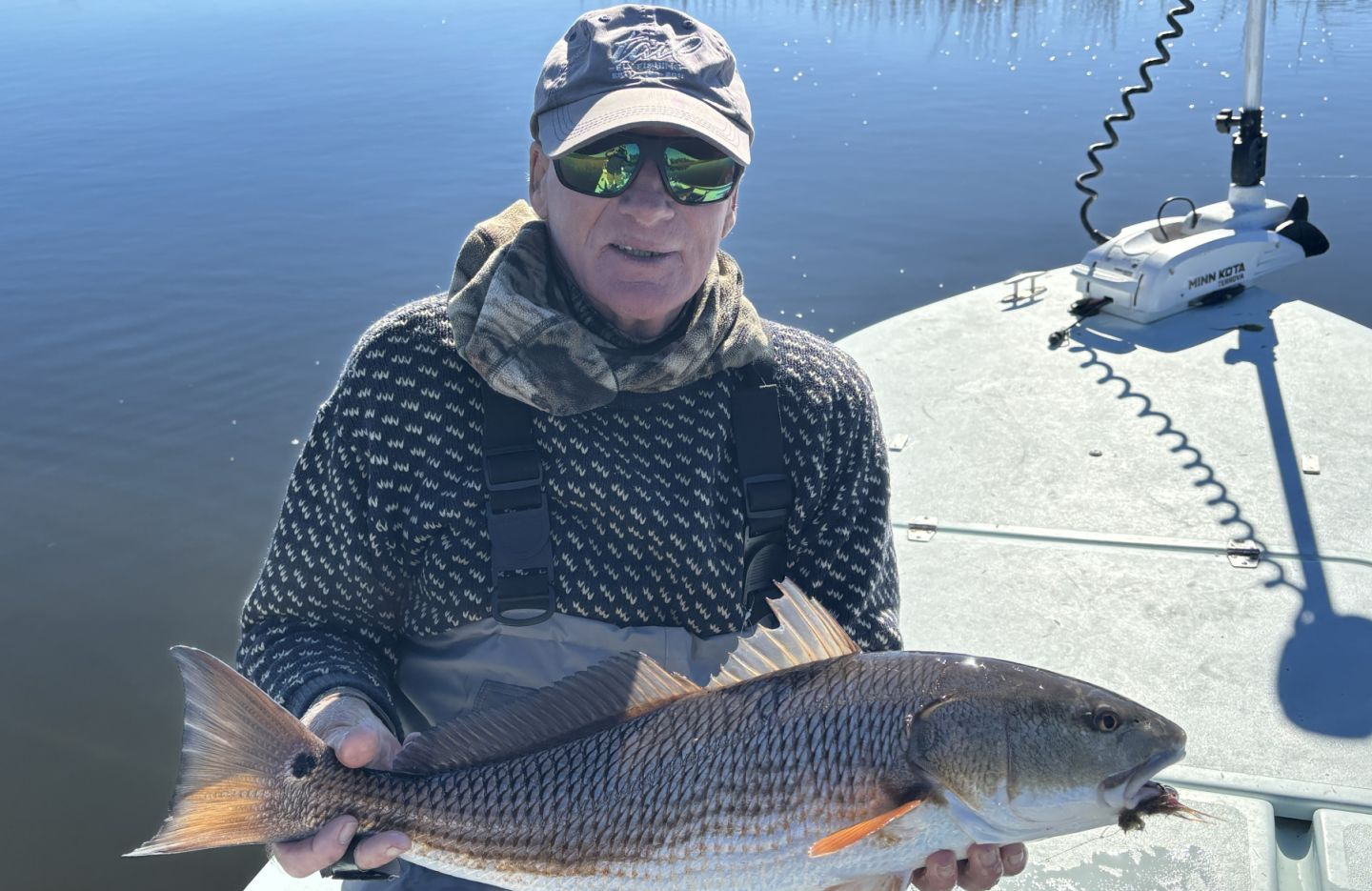
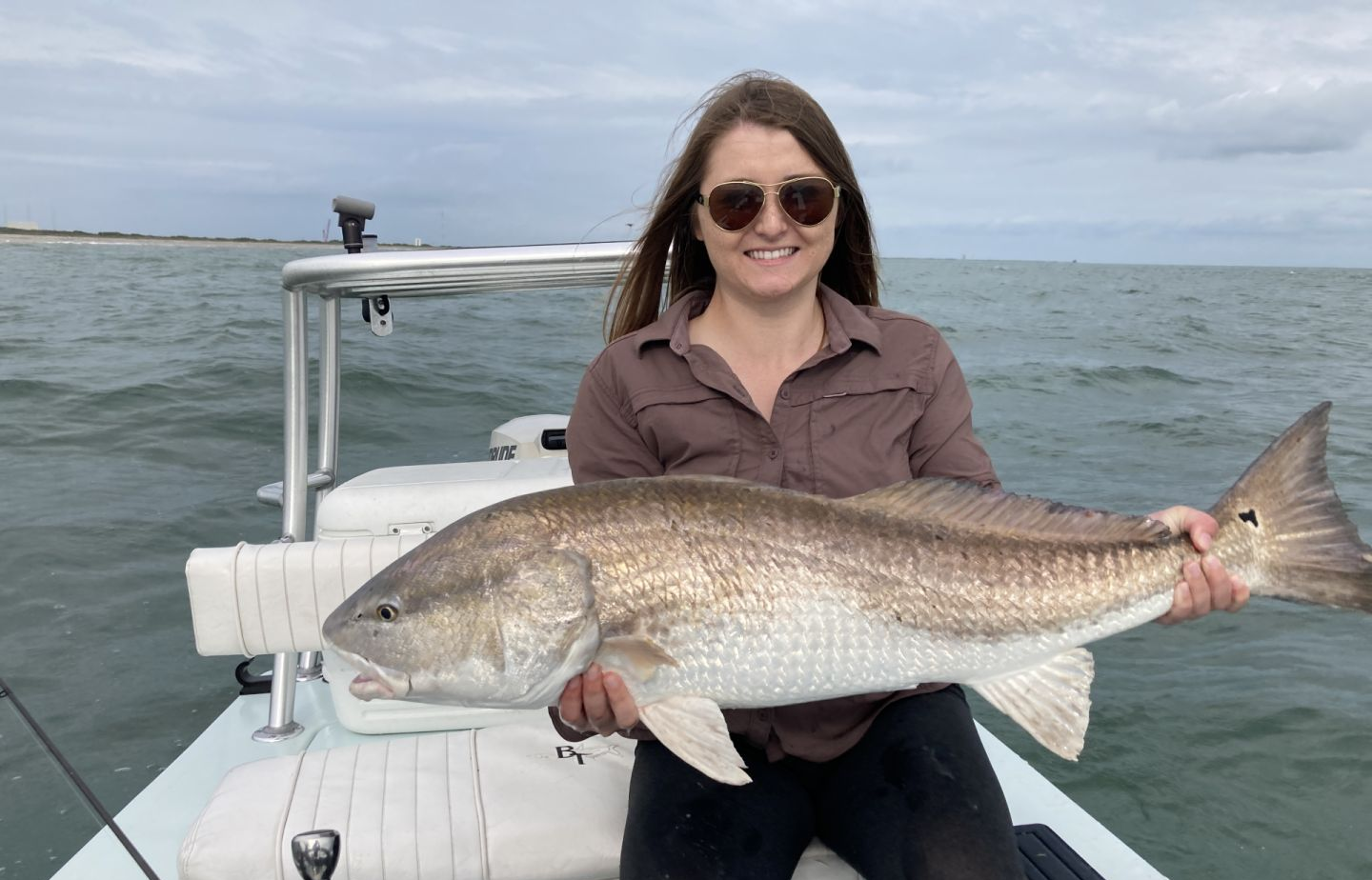
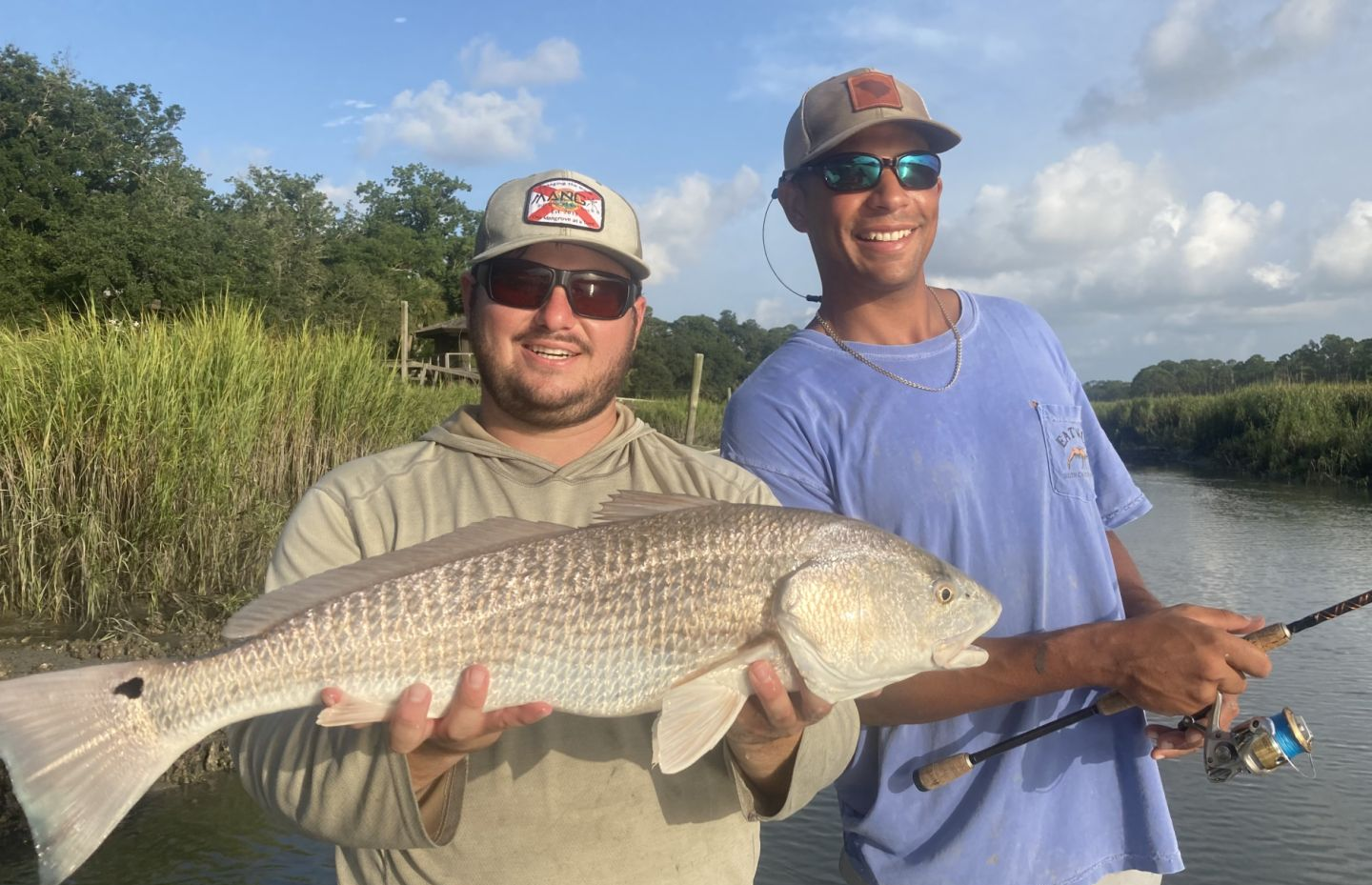
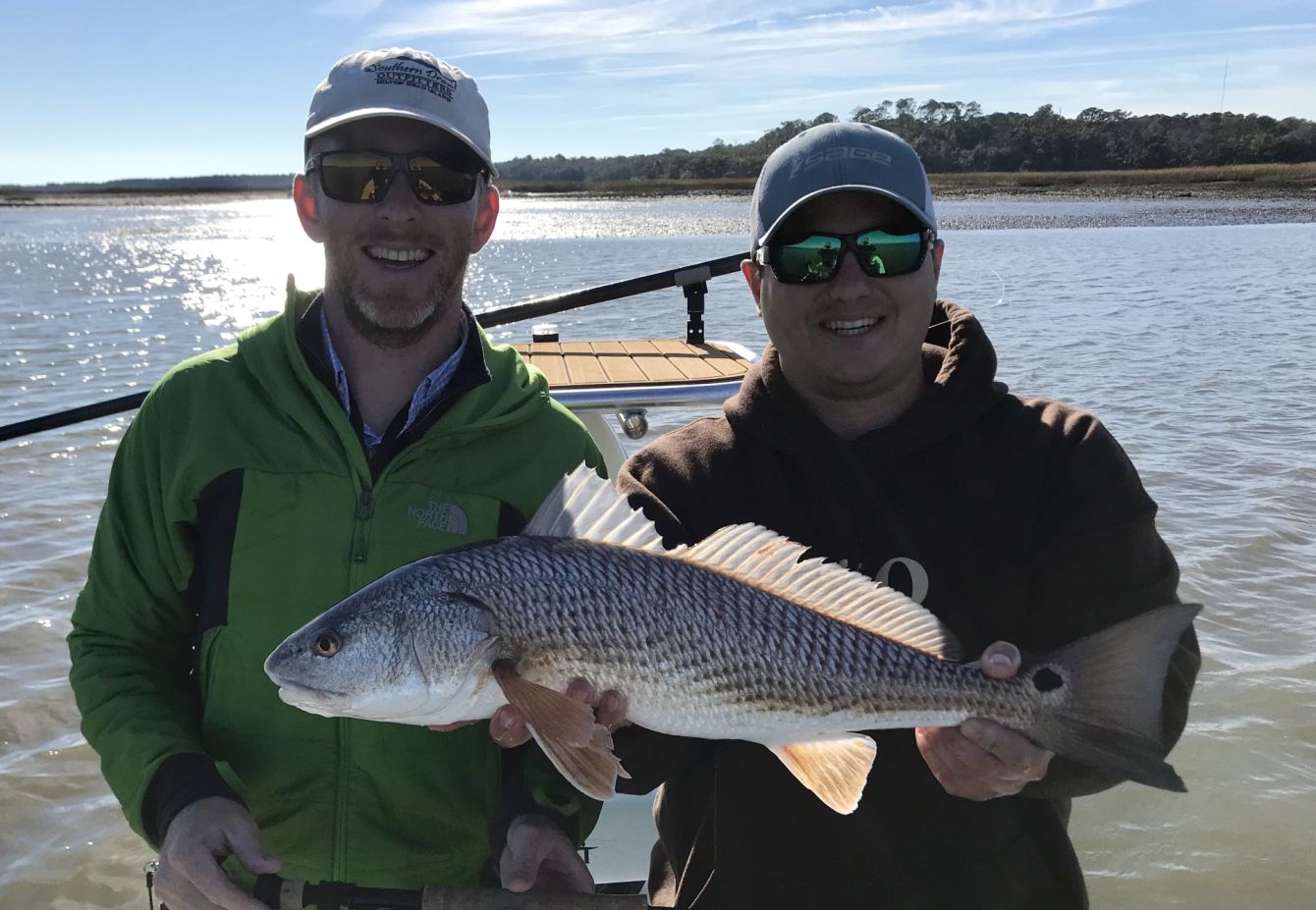
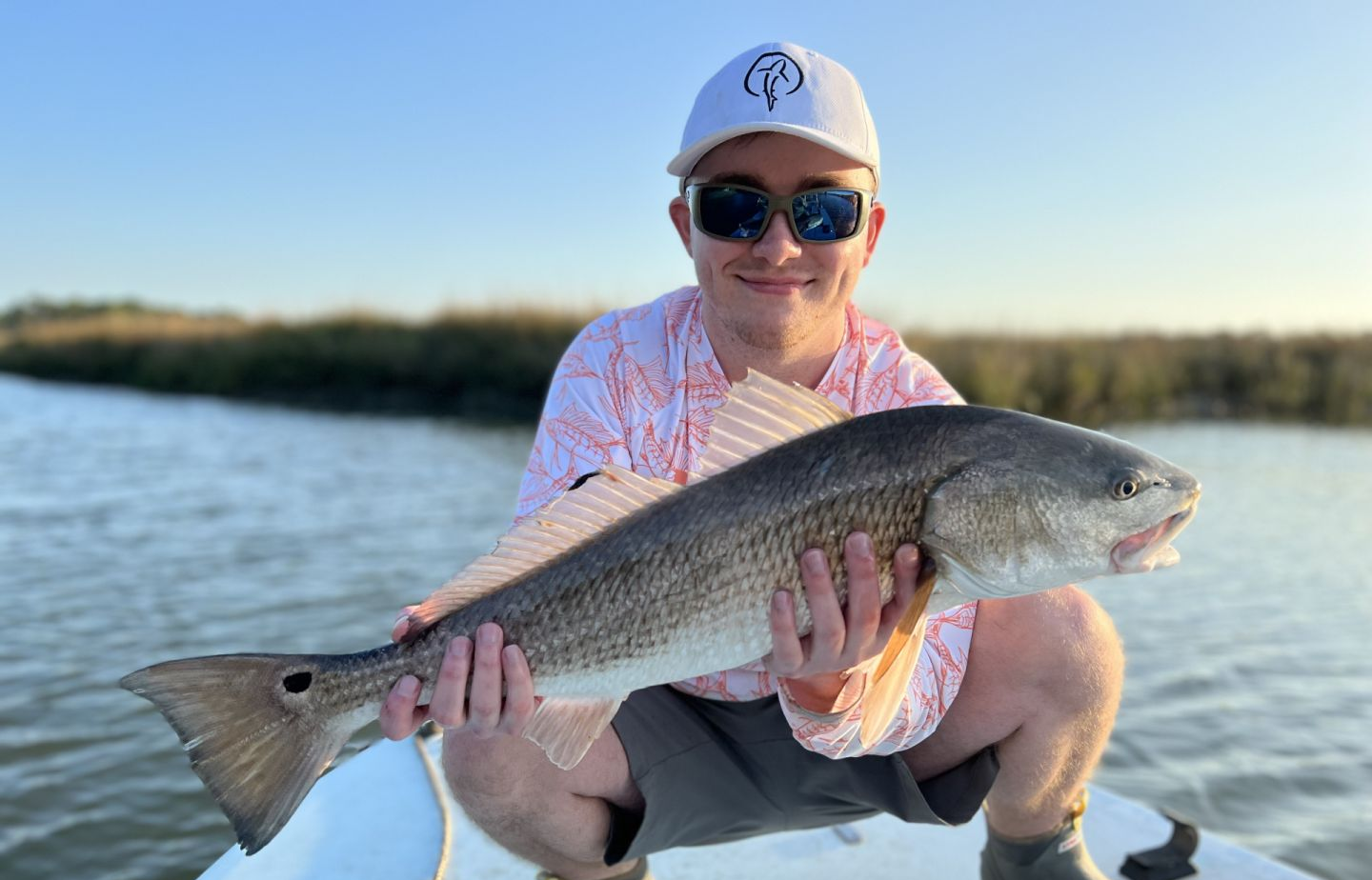
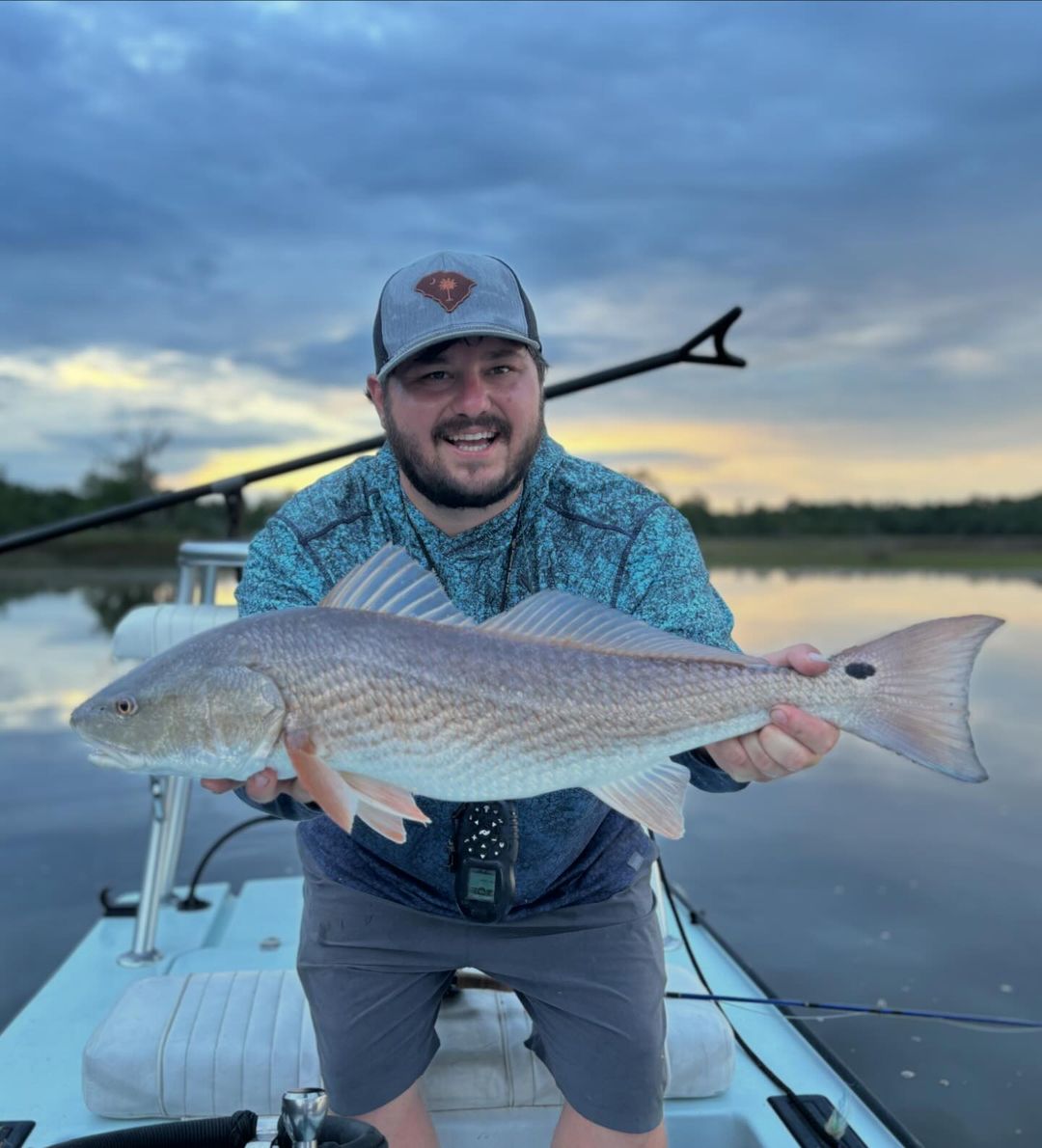
Redfish are the stars of the show for good reason. These copper-colored bruisers can range from schooling rats in the 16-20 inch range up to bull reds that'll peel line like nobody's business. What makes them special is their willingness to feed in skinny water where you can sight cast to individual fish. Nothing beats watching a red cruise through two feet of clear water, dropping your bait right in its path, and feeling that authoritative thump when it commits. They're structure-oriented fish that love oyster bars, creek bends, and grass edges. Fall brings some of the best action as they school up for their spawn.
Crevalle jack might not win any beauty contests, but they'll give you an arm workout like few other fish. These silver torpedoes travel in schools and feed aggressively on baitfish, often creating surface commotion that's visible from hundreds of yards away. When you hook into a good jack - and most run 5-15 pounds - you're in for a freight train run followed by dogged circles around the boat. They're perfect on fly gear because they're not leader shy and they'll eat just about any streamer you throw at them. Summer months bring the best action when they're actively feeding on the flats.
Cobia are the wildcards that can make your whole trip. These brown sharks (they're not actually sharks) are curious fish that'll often approach the boat to check things out. They can range from 20-pound fish up to monsters pushing 40-plus pounds. What makes them exciting is their willingness to eat a variety of baits and their incredible strength once hooked. They're sight fishing opportunities - you'll often see them cruising near the surface or following rays and sharks looking for stirred-up prey. When conditions are right and you spot a cobia, it's all hands on deck because they don't stick around long.
Time to Book Your Spot
This 8-hour charter represents serious value for anglers who want the complete Lowcountry inshore experience. You're getting a full day with experienced guides who know exactly where to find fish and how to put them in the boat. The intimate 2-angler maximum means personalized instruction, prime positioning, an
 Private Trip
 Inshore Fishing
 Hilton Head Island


 Full-day inshore fishing charter targeting redfish and local species