Fly Fishing Hilton Head Island | Fly Fishing Lessons
There's something magical about laying down your first perfect cast with a fly rod, and Hilton Head Island offers one of the best backdrops you'll find anywhere for learning this timeless skill. Our 2-hour introductory fly fishing lessons are designed specifically for folks who've always wanted to try their hand at the fly rod but weren't sure where to start. You'll work one-on-one with an experienced instructor who knows these waters like the back of their hand, learning everything from basic casting mechanics to reading the water for feeding fish. The shallow flats and protected creeks around Hilton Head create the perfect classroom - calm enough for beginners but holding plenty of willing fish to make things interesting. Whether you're looking to pick up a new hobby or you've been thinking about fly fishing for years, this hands-on lesson will give you the foundation and confidence to start casting on your own.
What to Expect on the Water
Your fly fishing lesson starts with a gear rundown on dry land, where you'll get familiar with the rod, reel, and line setup before we even think about getting near the water. We'll cover the basics of fly selection - matching what the fish are eating and understanding why certain patterns work better in different conditions. The casting instruction begins with simple overhead casts, focusing on timing and smooth acceleration rather than brute force. Most folks are surprised how much technique matters compared to other types of fishing they've tried. Once you've got the basic motion down, we'll wade into the shallows where you can practice your presentation while actually targeting fish. The beauty of learning around Hilton Head is that our inshore waters are forgiving - clear enough to see what you're doing, shallow enough to wade comfortably, and productive enough that you'll likely hook up during your lesson. Your instructor will be right there coaching you through each cast, helping you troubleshoot common mistakes, and sharing local knowledge about where fish like to hang out in these particular waters.
Essential Techniques You'll Master
The fundamentals we cover during your lesson form the building blocks of successful fly fishing anywhere you might cast a line. Knot-tying is crucial - you'll learn the improved clinch knot and maybe a loop knot, both essential for connecting your fly to the tippet. Casting technique gets the most attention, starting with the basic overhead cast and working on your timing, loop control, and accuracy. We'll also touch on line management, which is often overlooked but makes a huge difference in your success rate. Reading the water is another key skill - understanding how fish use structure, current, and depth changes to their advantage. You'll learn to spot nervous water, baitfish activity, and other signs that indicate feeding fish nearby. Since we're fishing the flats and creeks around Hilton Head, we'll also cover wading techniques and how to approach fish without spooking them. The goal isn't just to teach you to cast, but to give you the confidence and knowledge to plan your own fishing strategies when you head out solo.
Species You'll Want to Hook
Summer Flounder are one of the most rewarding targets for beginning fly anglers around Hilton Head. These flatfish typically range from 14 to 20 inches in our waters, though bigger ones certainly swim these flats. They're ambush predators that lie buried in sand waiting for baitfish to swim overhead, making them perfect for practicing accurate casts to specific spots. The best time to target flounder on fly is during the warmer months when they're actively feeding in the shallows, particularly around structure like dock pilings or creek mouths. What makes them so appealing for new fly fishers is their willingness to eat a well-presented fly and their spirited fight once hooked - they'll make several strong runs and use their flat body shape to put a serious bend in your rod.
Sea Trout are probably the most consistent fish you'll encounter during your lesson, and they're absolutely perfect for building confidence on the fly rod. These spotted beauties average 15 to 18 inches around Hilton Head, with plenty of larger specimens mixed in during peak season. They're opportunistic feeders that cruise the grass flats looking for shrimp, small crabs, and baitfish - exactly what our fly patterns imitate. Sea trout are active year-round but fish best during the spring and fall transitions when they're feeding heavily. They're known for their distinctive spotted pattern and their habit of making impressive jumps when hooked, which always gets the adrenaline pumping for new anglers. Their forgiving nature means they'll often give you a second chance if your first cast isn't perfect.
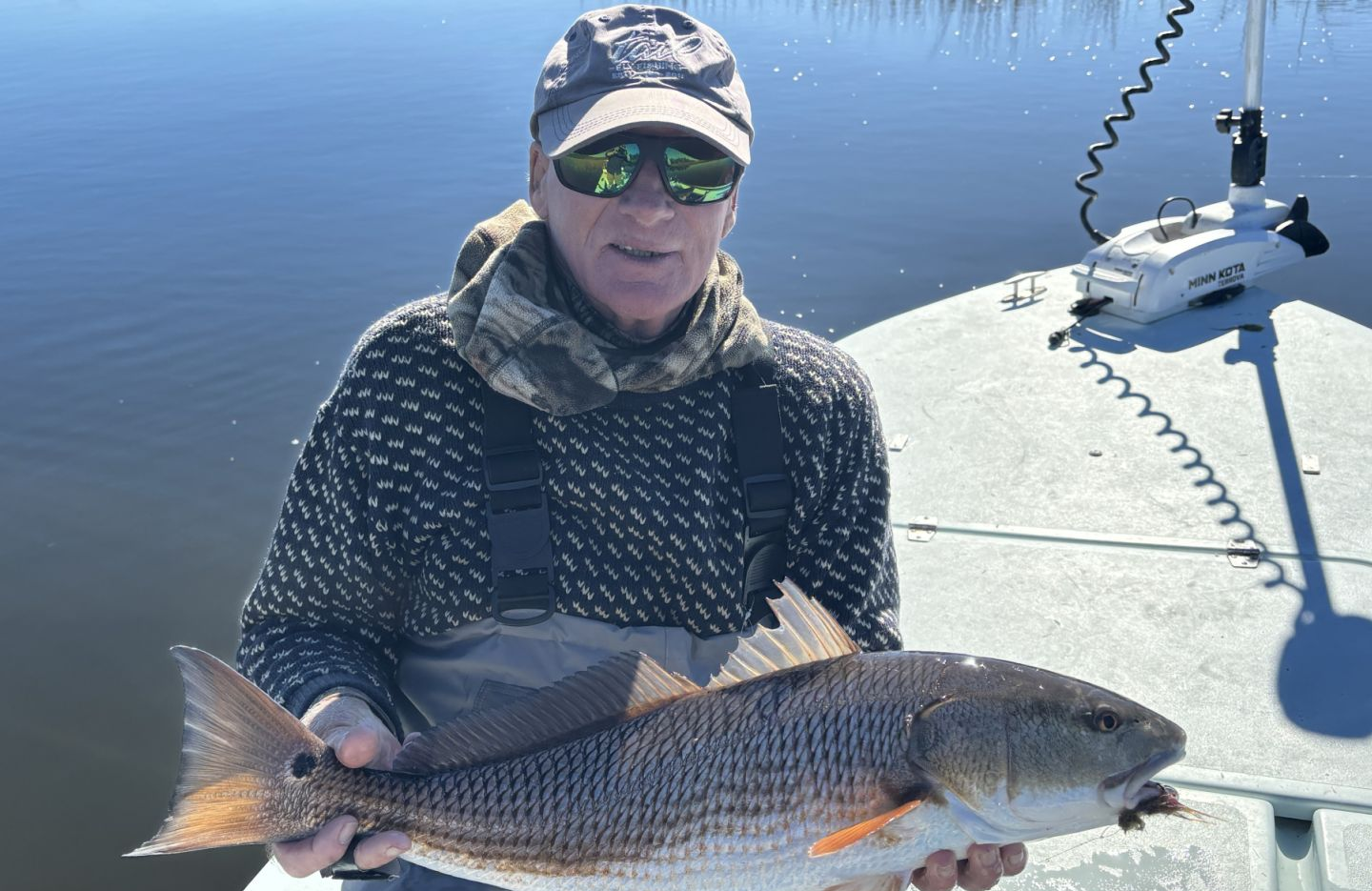
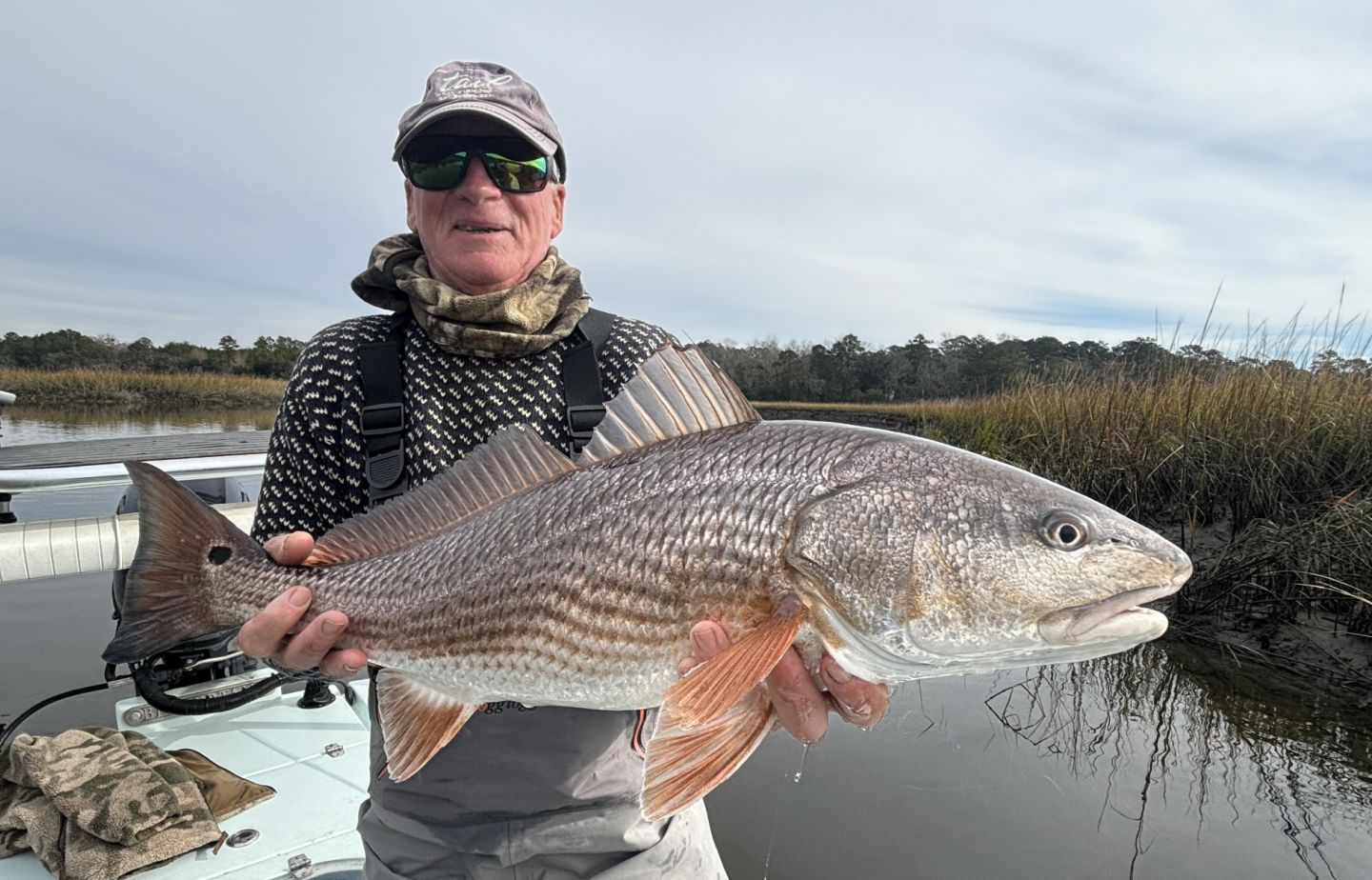
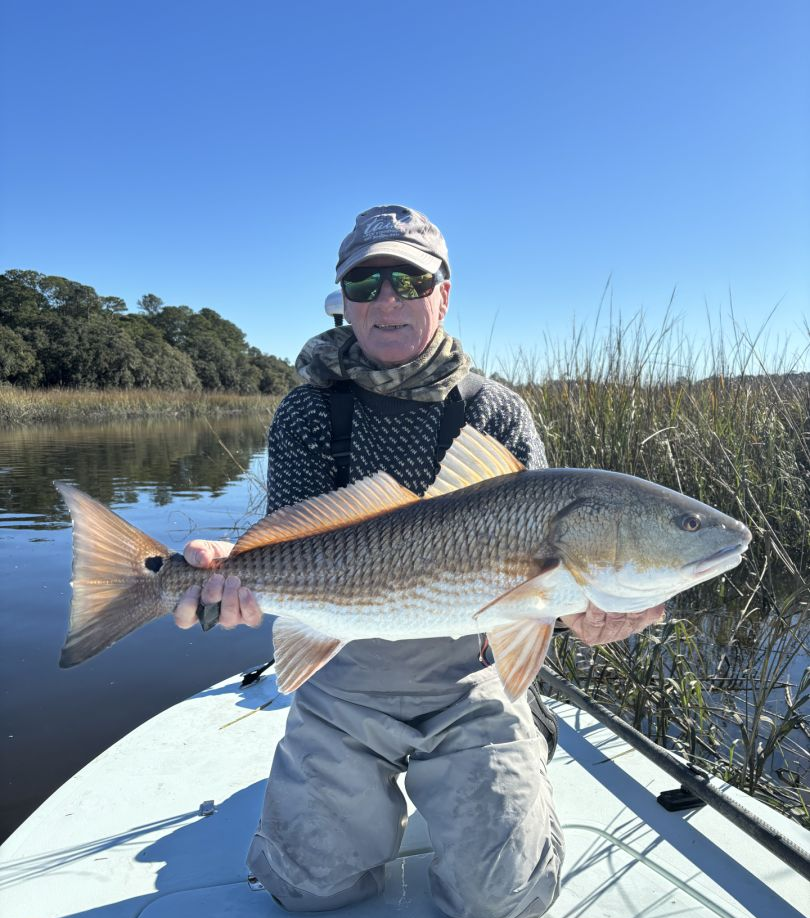
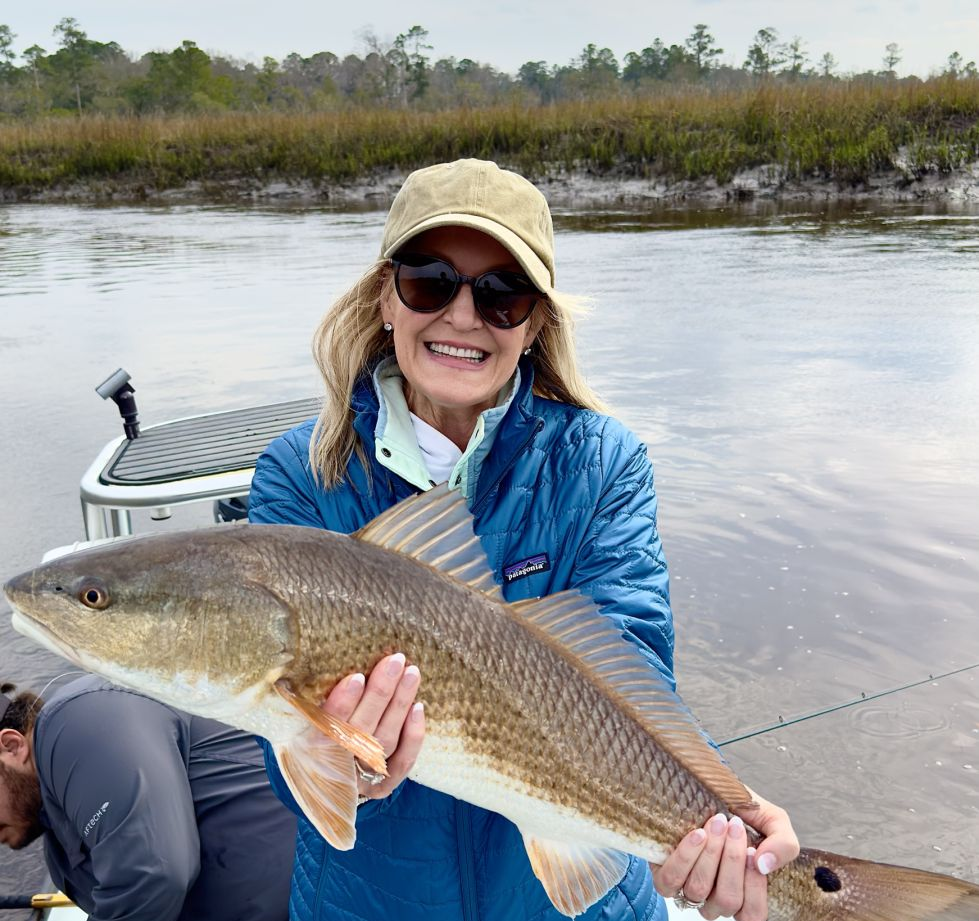
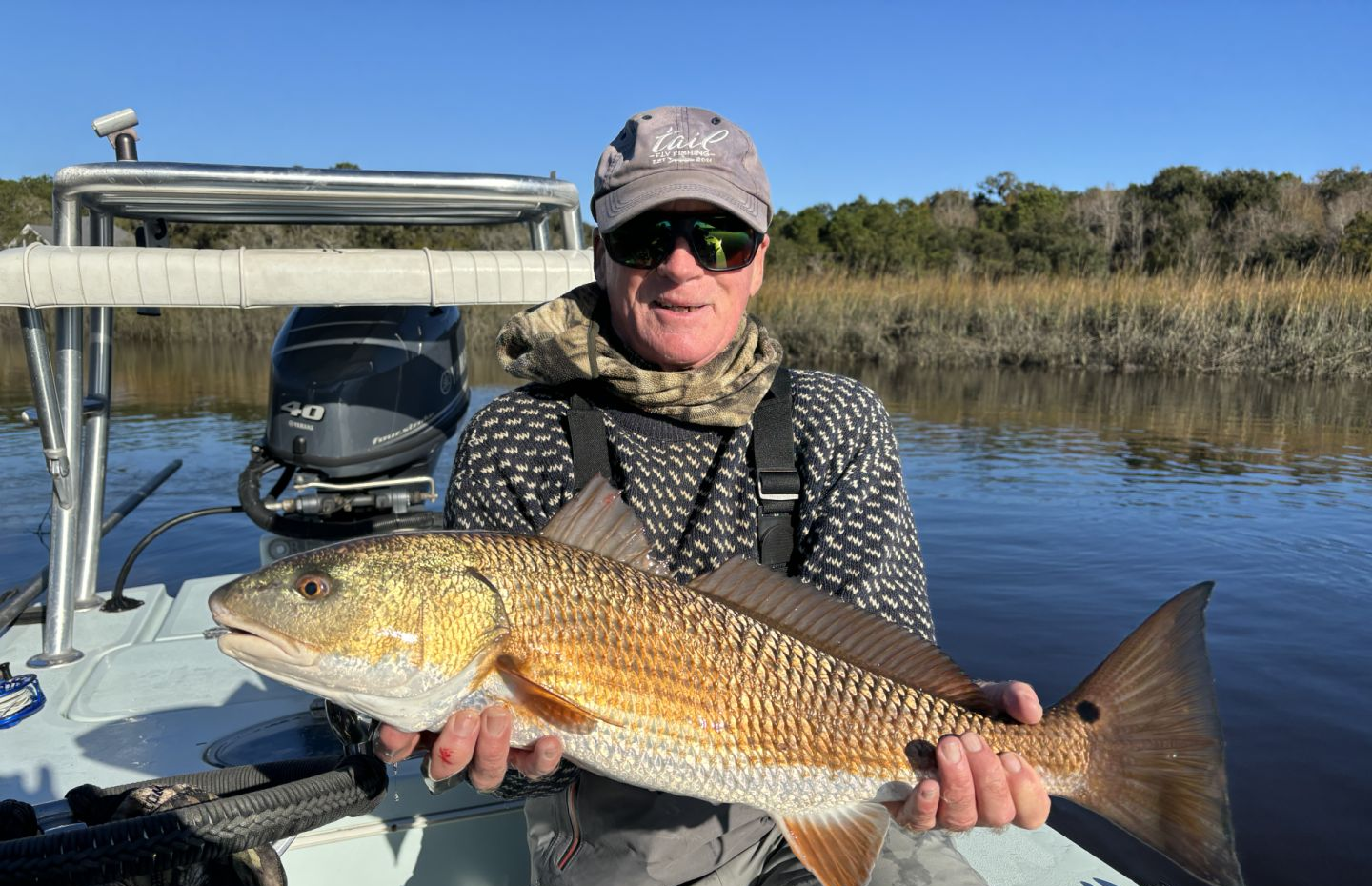
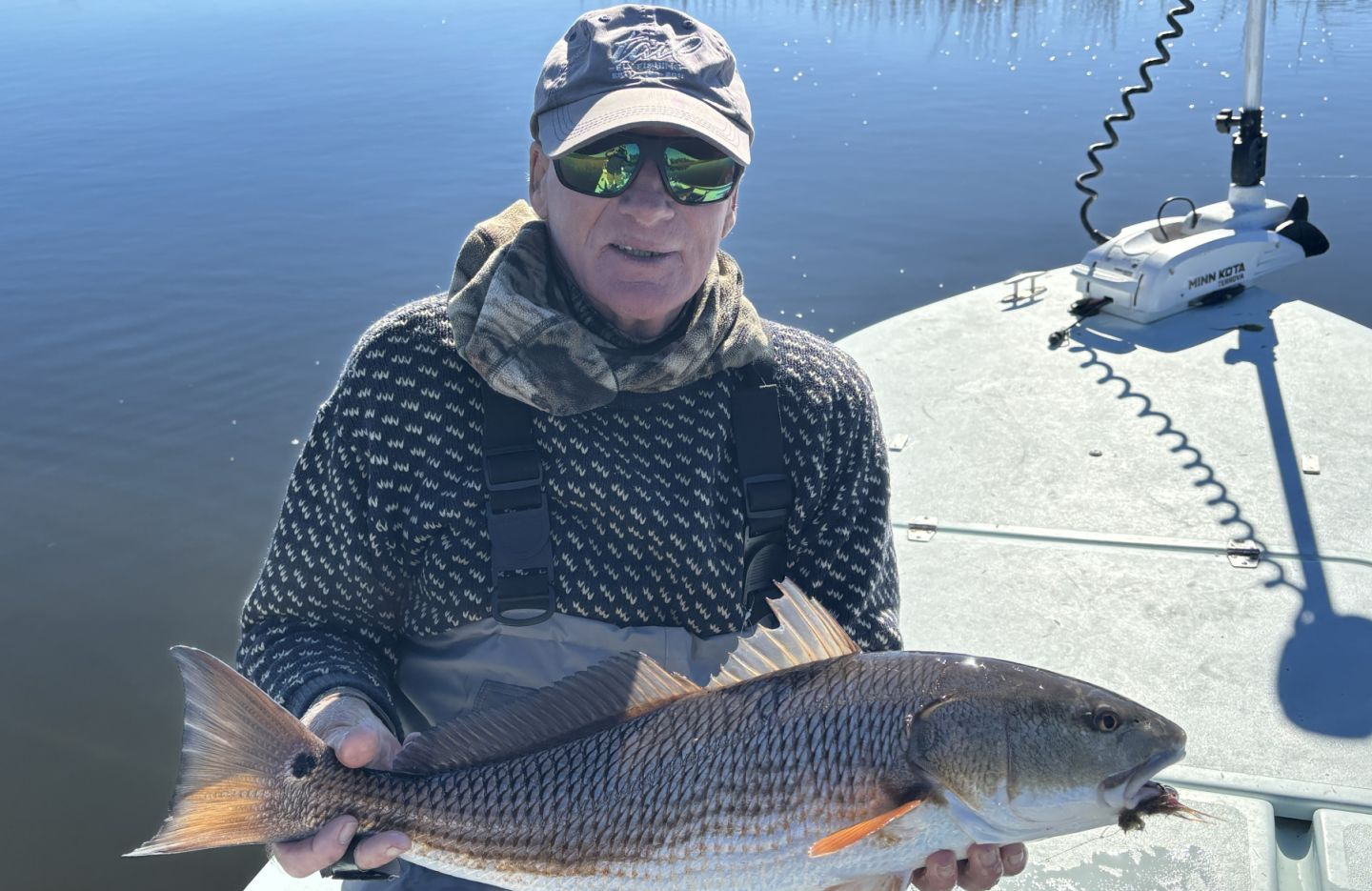
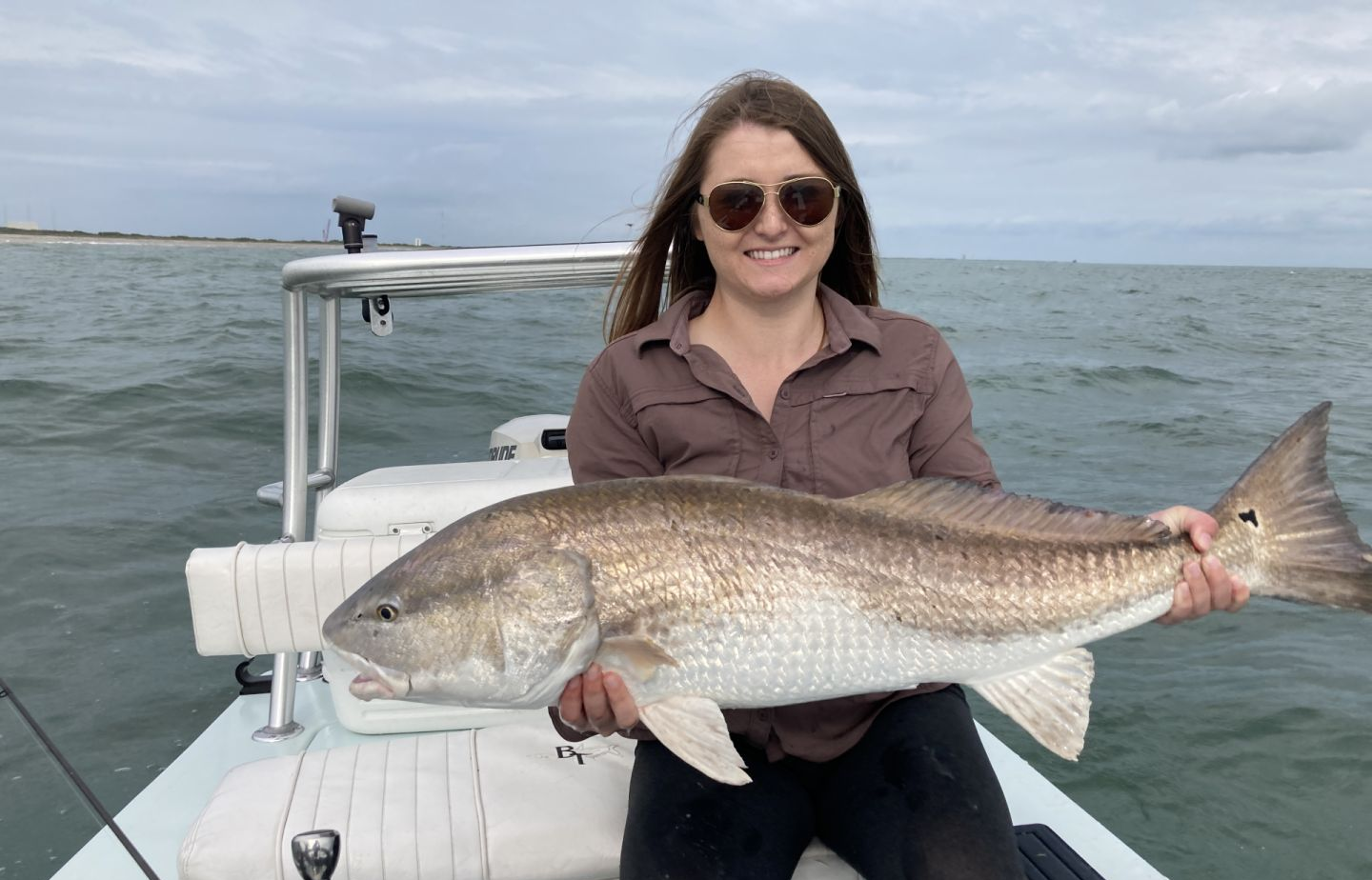
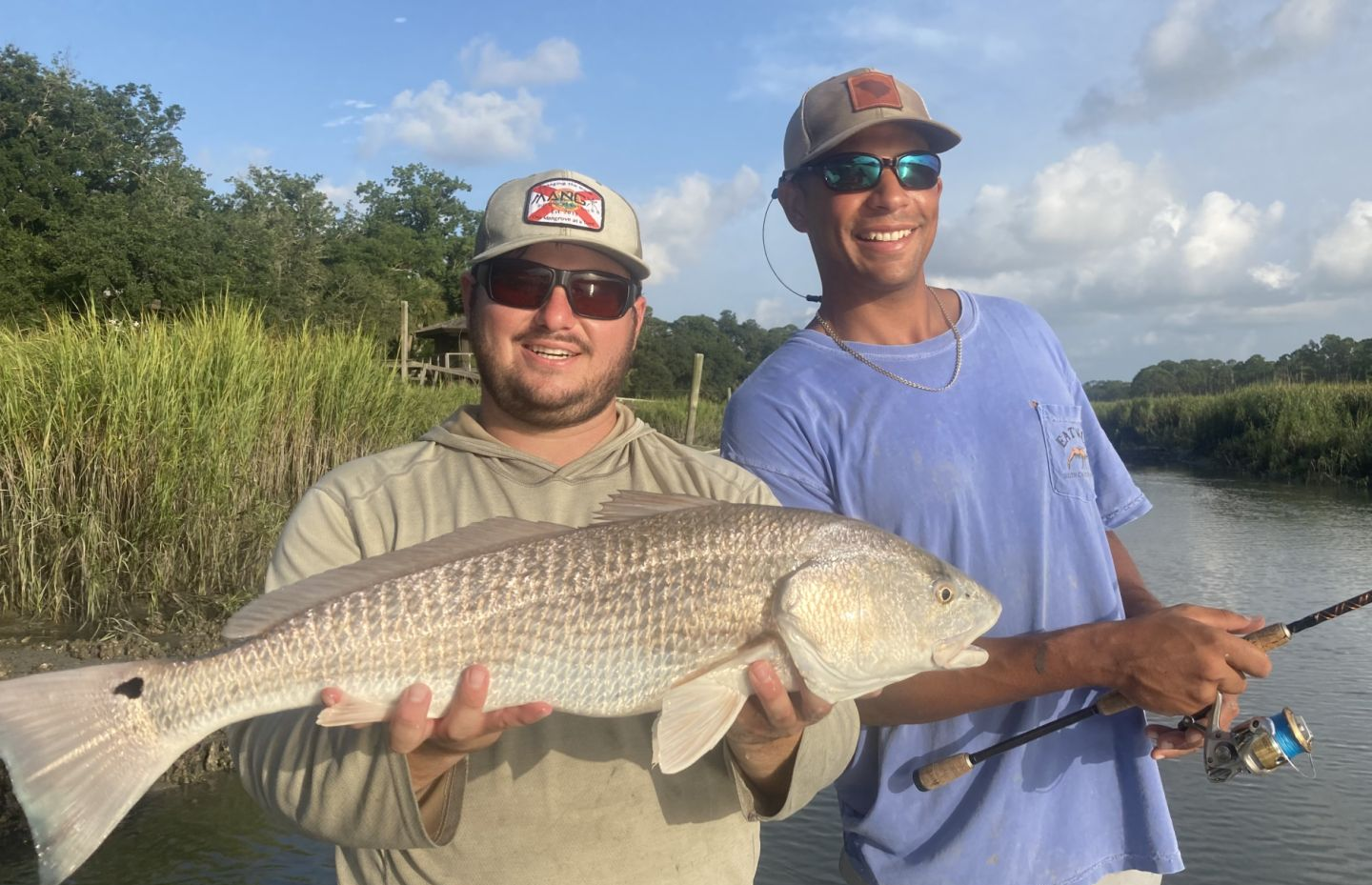
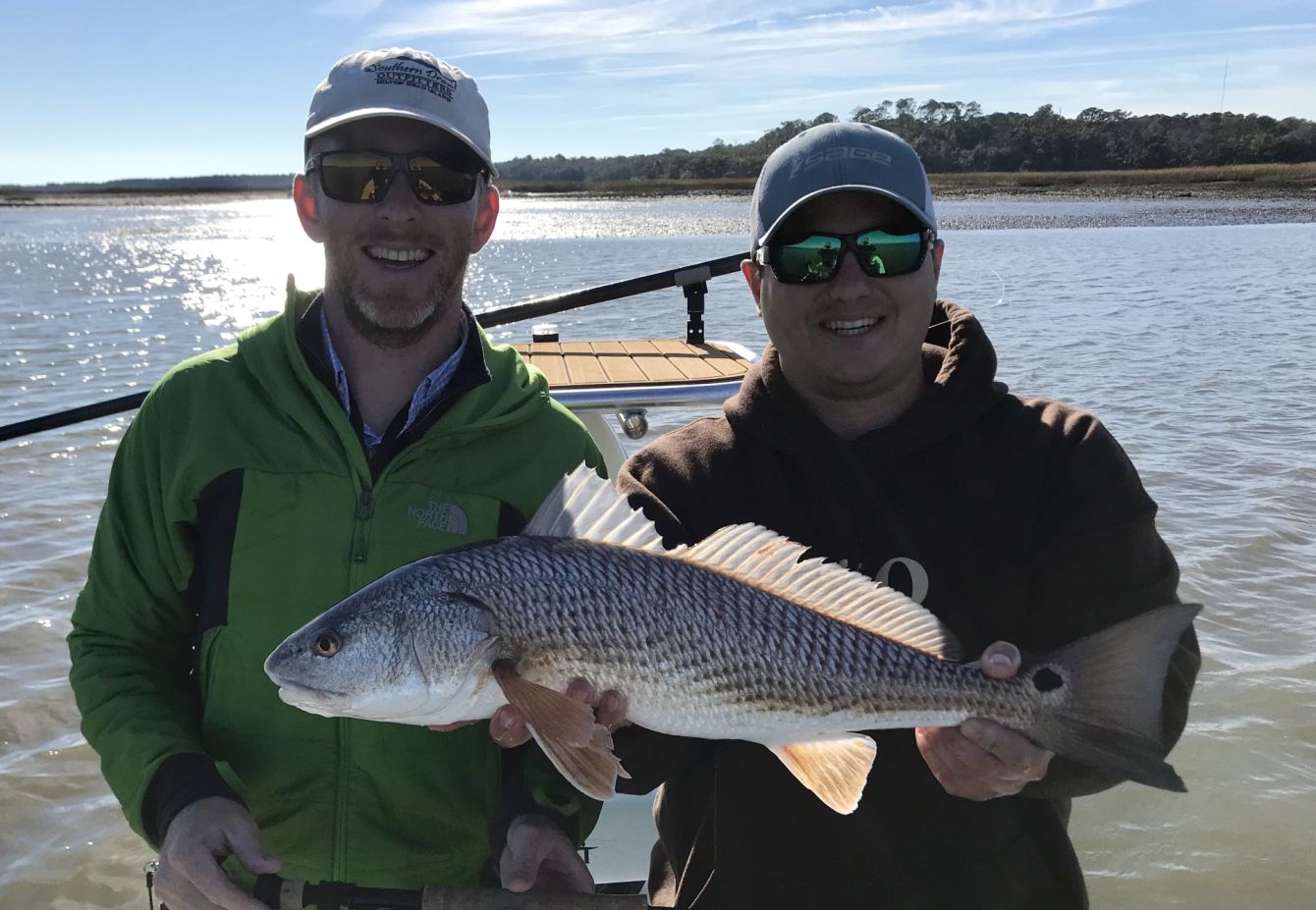
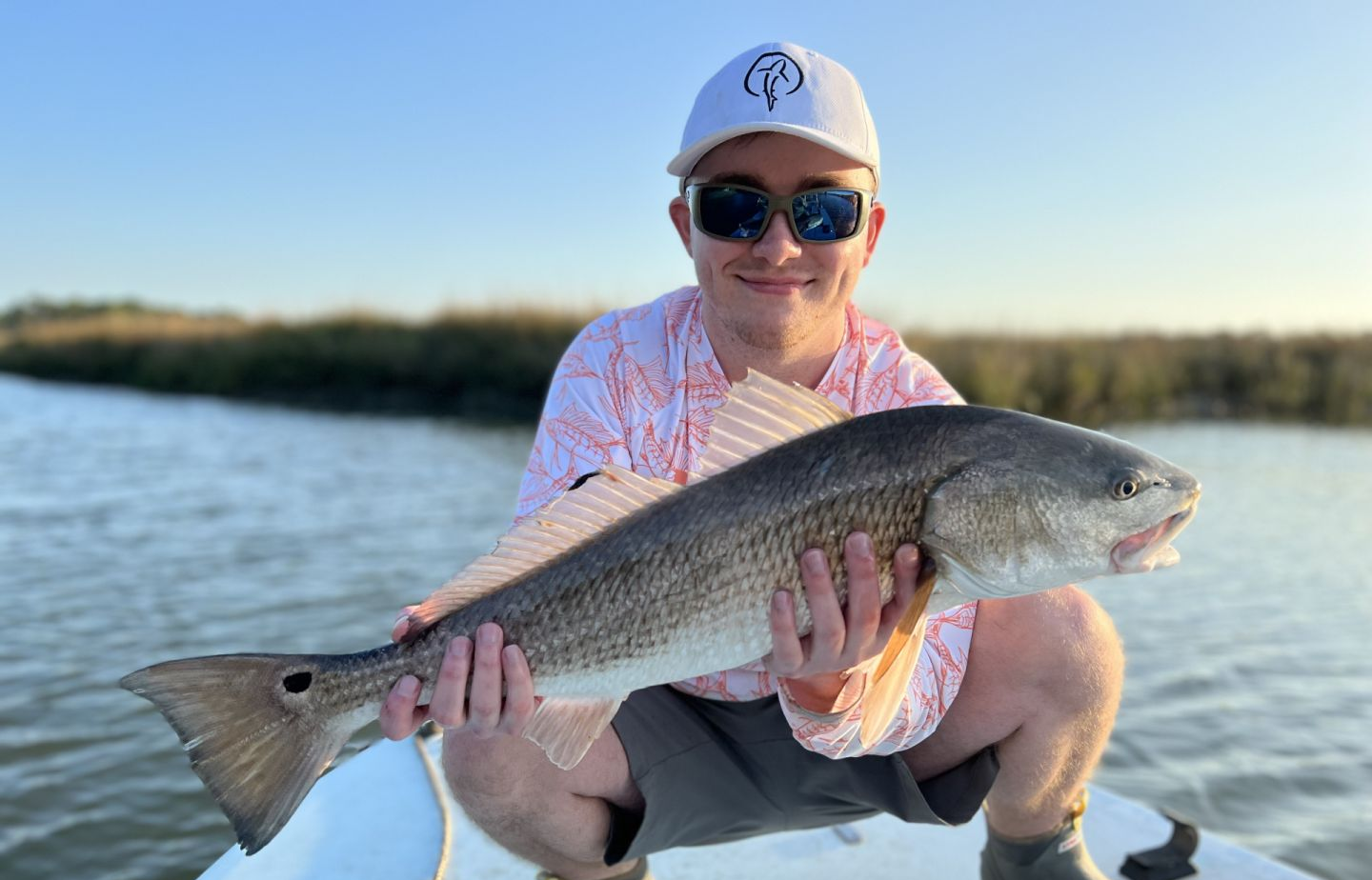
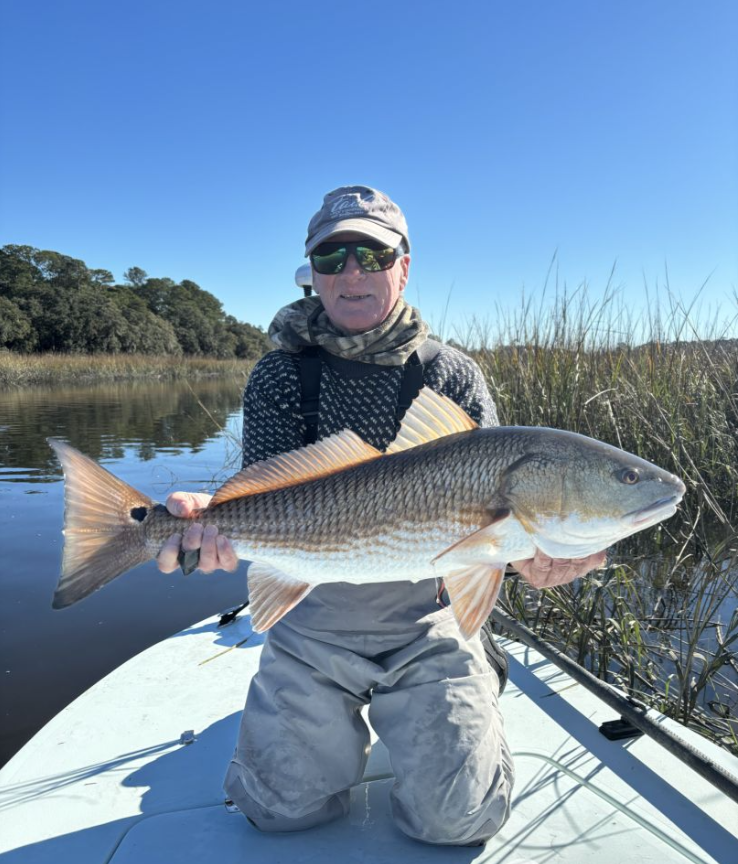
Redfish are the crown jewel of Hilton Head fly fishing, and spotting one cruising the shallows during your lesson would be the perfect way to cap off the experience. These bronze-backed bruisers typically run 20 to 30 inches in our local waters, with their distinctive black spot near the tail making them easy to identify. Redfish are structure-oriented fish that love oyster bars, creek mouths, and shallow grass flats where they root around for crabs and shrimp. They're most active during the warmer months but can be caught year-round by anglers who know where to look. What makes redfish so special for fly fishing is their size, their willingness to eat surface flies, and their bulldogging fight style that will test your drag system. Landing your first red on a fly rod is a milestone that every angler remembers.
Crevalle Jack bring pure excitement to any fly fishing session with their aggressive nature and surprising power. These silver torpedoes typically show up in schools during the summer months, often pushing baitfish to the surface in spectacular fashion. They're not particular about fly selection - if it moves and looks like food, they'll usually eat it. Jacks average 15 to 25 inches around Hilton Head, but their stocky build and non-stop fighting style makes them feel much larger on the end of your line. They're known for their initial blazing run followed by a determined deep fight that will have your
 Private Trip
 Inshore Fishing
 Hilton Head Island


 Two-hour beginner fly fishing lessons on Hilton Head waters