Hilton Head Inshore Fly Fishing Adventures
Picture this: you're standing on the bow of our boat, watching a copper-backed redfish cruise through crystal-clear water with its tail barely breaking the surface. The morning sun cuts through the Lowcountry mist, and your guide whispers "two o'clock, thirty feet" as you strip line and prepare for what could be the cast of a lifetime. This is inshore fishing at its finest, and it's exactly what you'll experience on our 4-hour fly fishing charters around Hilton Head Island and Beaufort.
What to Expect on the Water
Our inshore trips are built around light tackle and fly fishing, designed to put you face-to-face with some of the Southeast's most sought-after gamefish. We keep groups small – just two anglers max – so you get the personal attention that makes all the difference between a good day and a great day. Whether you've been throwing flies for decades or you're still figuring out your double haul, we'll match the fishing to your skill level. The pristine waters around Hilton Head and Beaufort offer endless opportunities, from shallow grass flats where reds tail in knee-deep water to deeper creek mouths where sea trout stack up on moving tides. Every trip is different because we read the conditions – wind, tide, temperature, and season – then put you where the fish are most likely to be feeding.
Fly Fishing the Flats
We specialize in sight fishing with fly rods, which means we're hunting specific fish rather than just casting blind and hoping. Our boats are rigged with shallow draft hulls that let us slip into skinny water where bigger boats can't go. You'll be fishing with 8 or 9-weight rods paired with floating or intermediate lines, depending on conditions. We provide all the tackle, but if you've got a favorite rod setup, bring it along. The flies we use are tied specifically for Lowcountry waters – crab patterns for tailing reds, shrimp imitations for trout, and baitfish streamers when the jacks are busting. Most of our fishing happens in 2-6 feet of water over oyster bars, grass beds, and mud flats. The key is staying quiet and making accurate casts, often to fish you can actually see. When everything comes together – the right fly, perfect presentation, and a hungry fish – there's nothing quite like watching a redfish turn and eat your fly in clear water.
Species You'll Want to Hook
Summer Flounder are the masters of disguise in our local waters. These flatfish bury themselves in sandy bottoms and ambush baitfish swimming overhead. You'll find them around creek mouths and along channel edges, especially during moving tides. They hit flies with surprising aggression for a fish that spends most of its time lying motionless on the bottom. What makes flounder exciting to target is their unpredictability – one cast might produce a 14-inch "keeper," while the next could bring up a 6-pound "doormat" that fights like it's twice that size. Peak season runs from late spring through early fall when they're most active in our inshore waters.
Sea Trout are the bread and butter of Lowcountry fly fishing. These spotted beauties school up in grass beds and around structure, feeding heavily on shrimp and small baitfish. They're perfect for fly fishing because they're aggressive, fight well for their size, and you can often catch multiple fish from the same spot. Sea trout have soft mouths, so you'll learn to fight them with a light drag and steady pressure. They're most active during cooler months and early morning or late evening sessions during summer. A 20-inch trout is a trophy worth celebrating, and the way they jump and shake when hooked makes every hookup exciting.
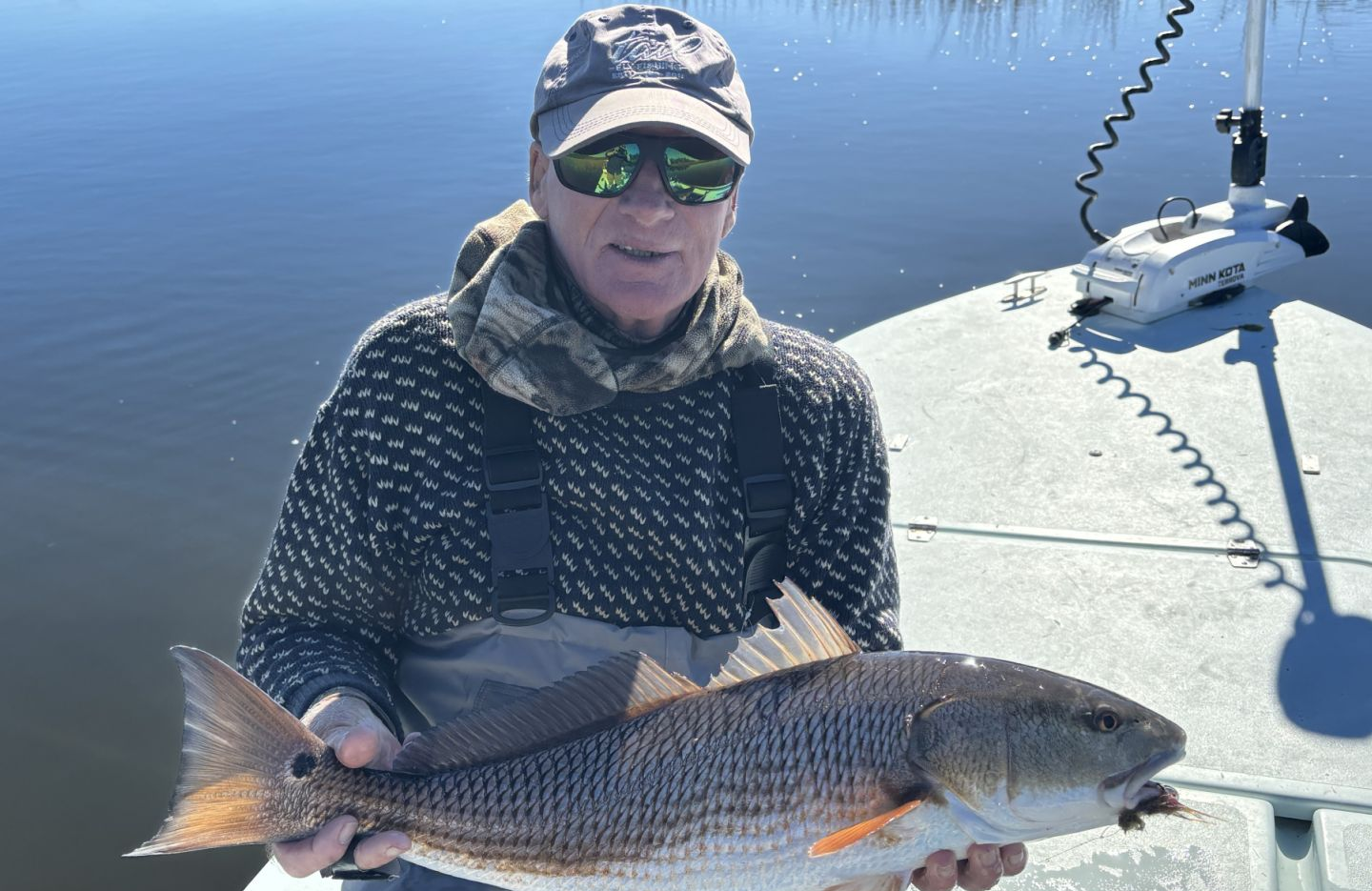
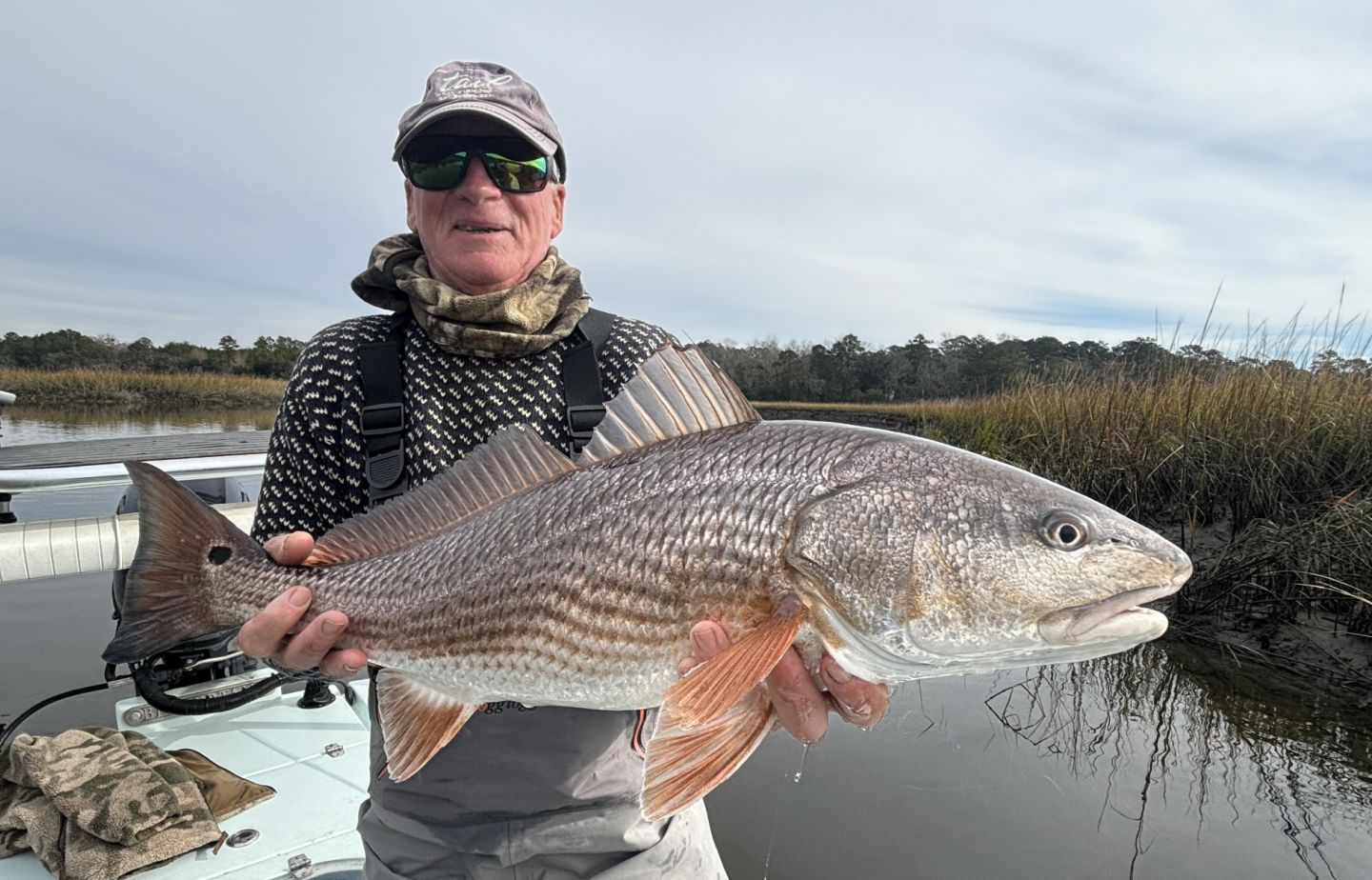
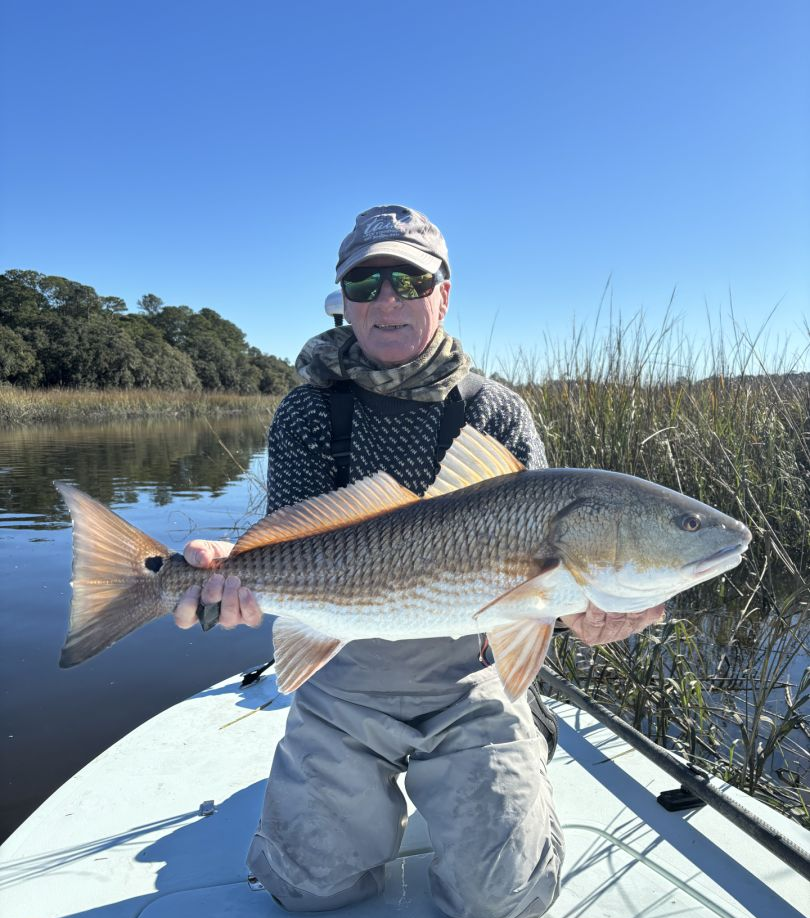
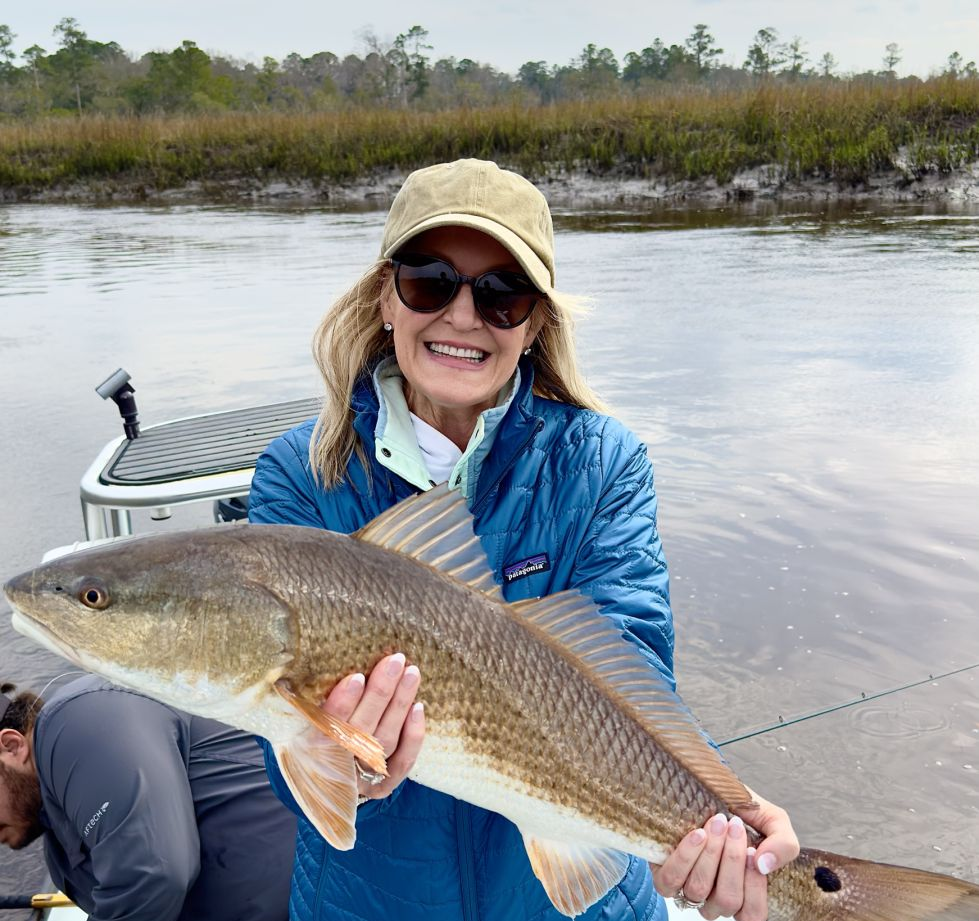
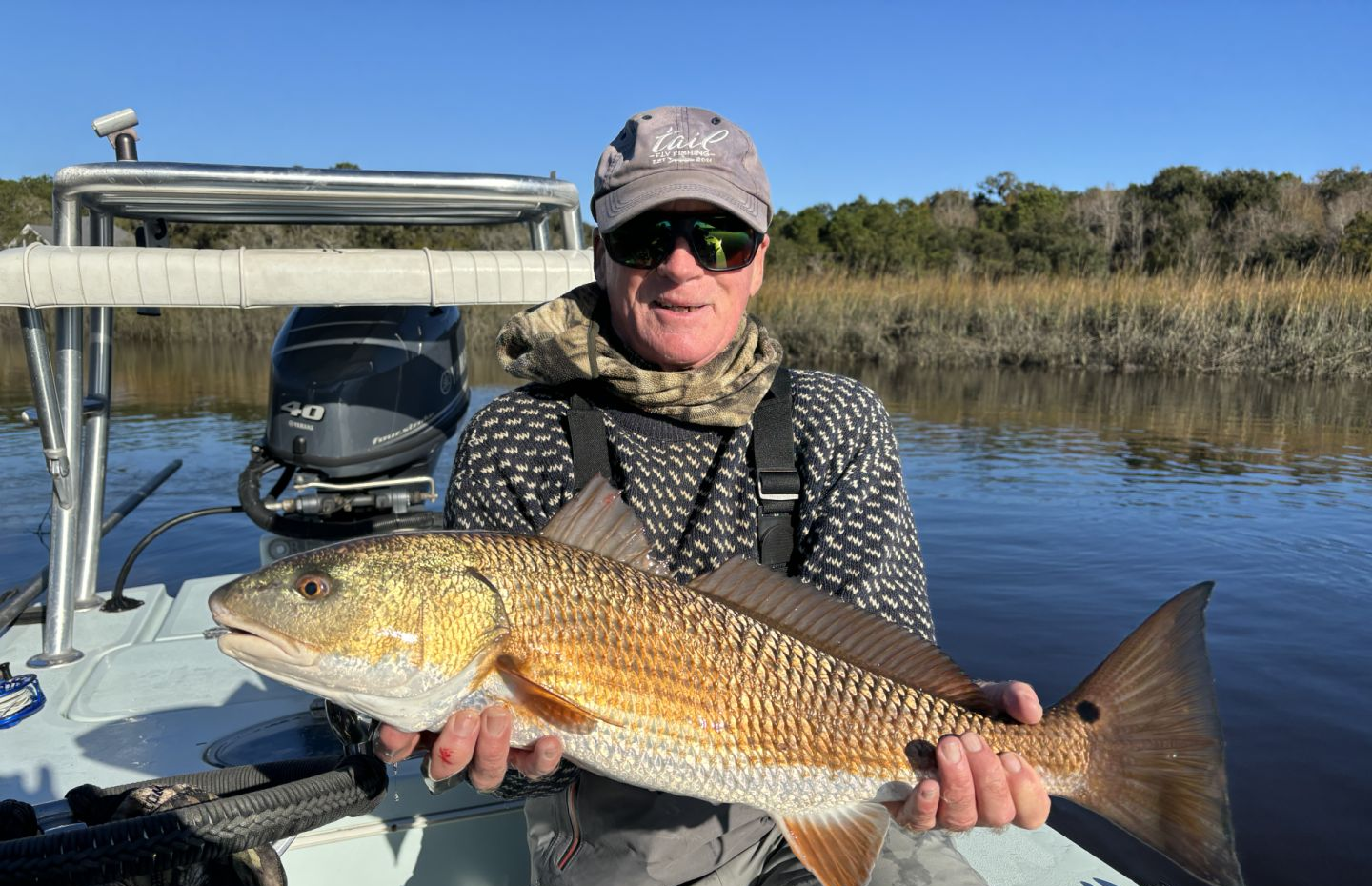
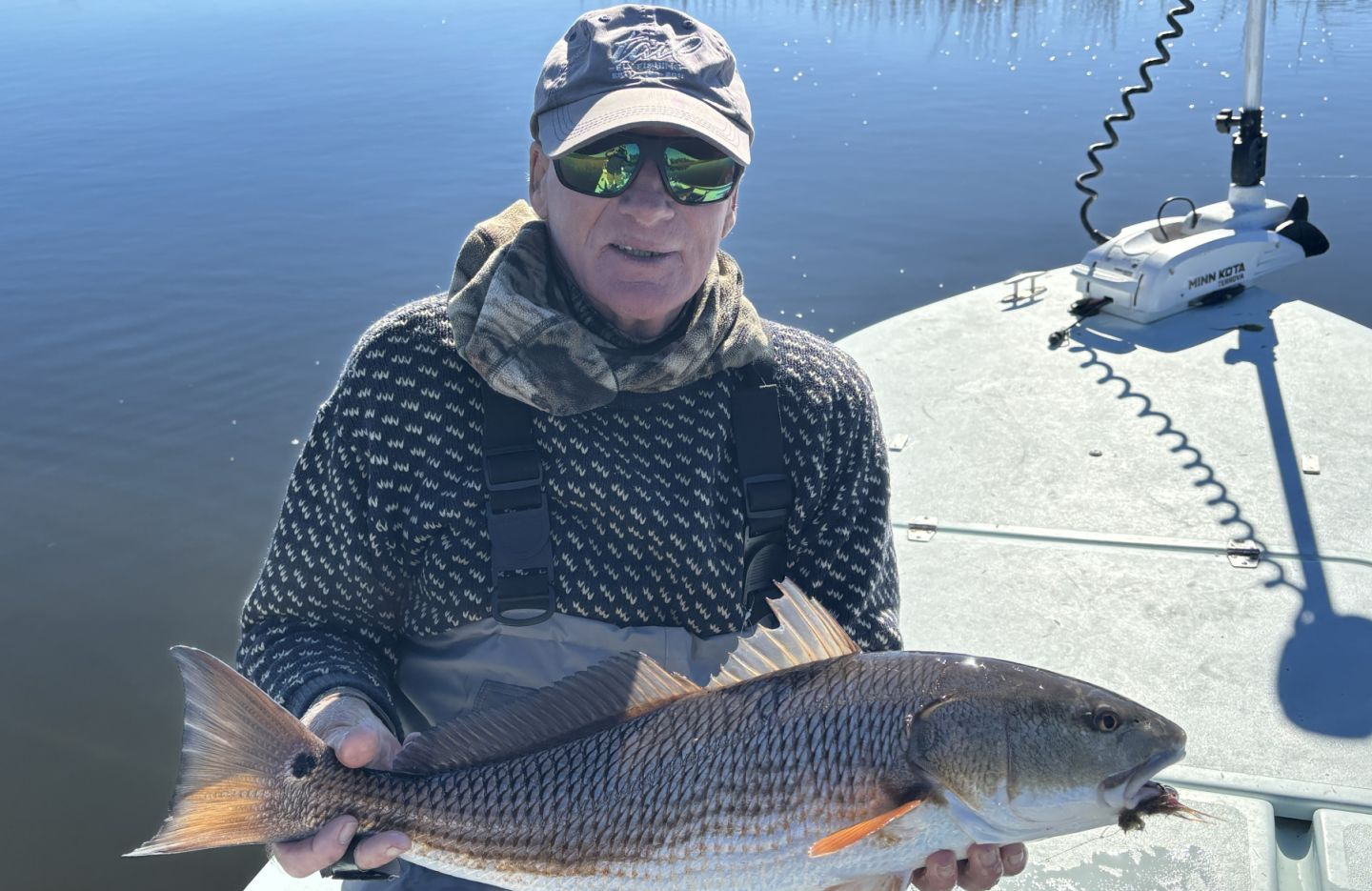
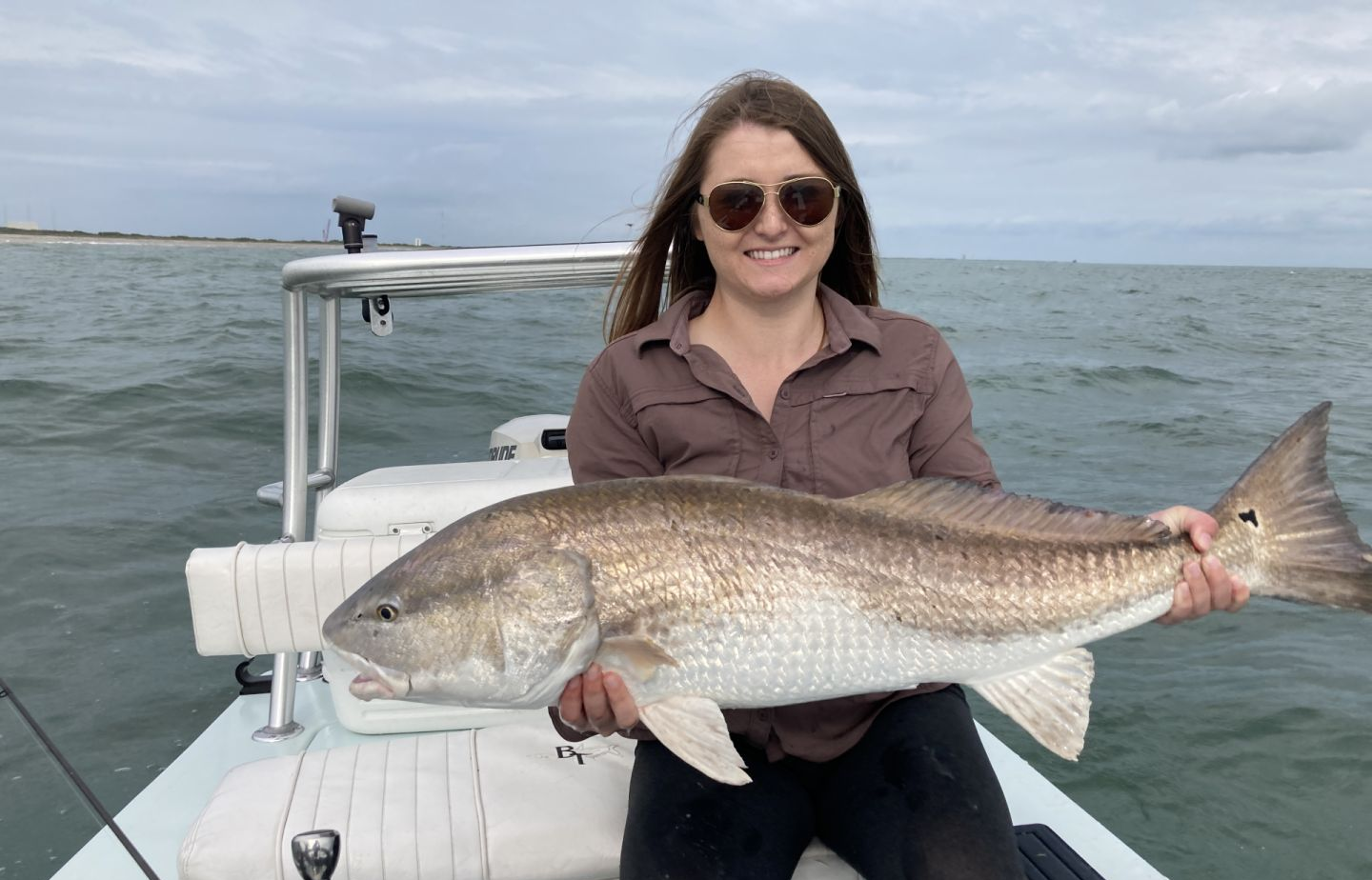
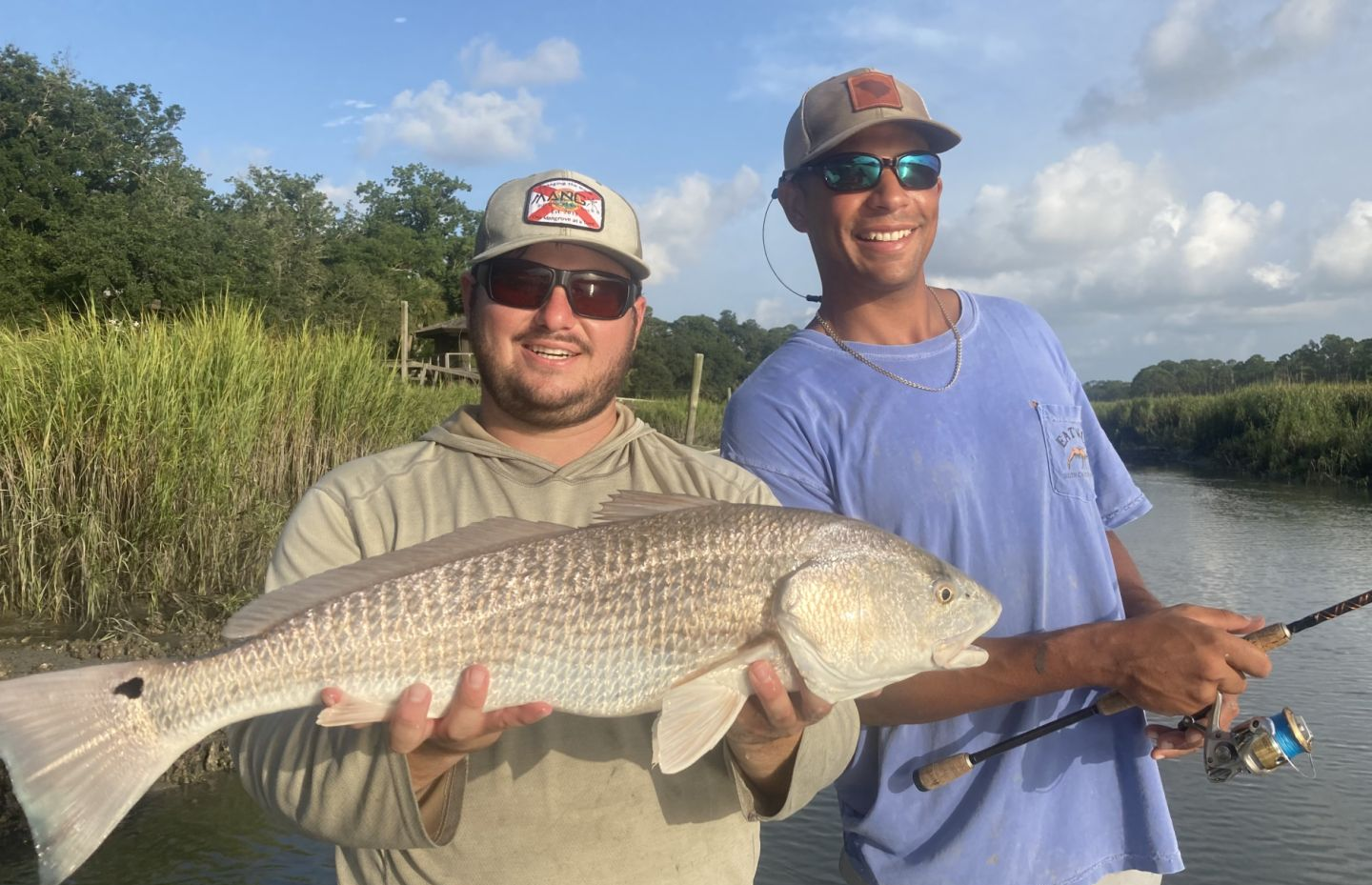
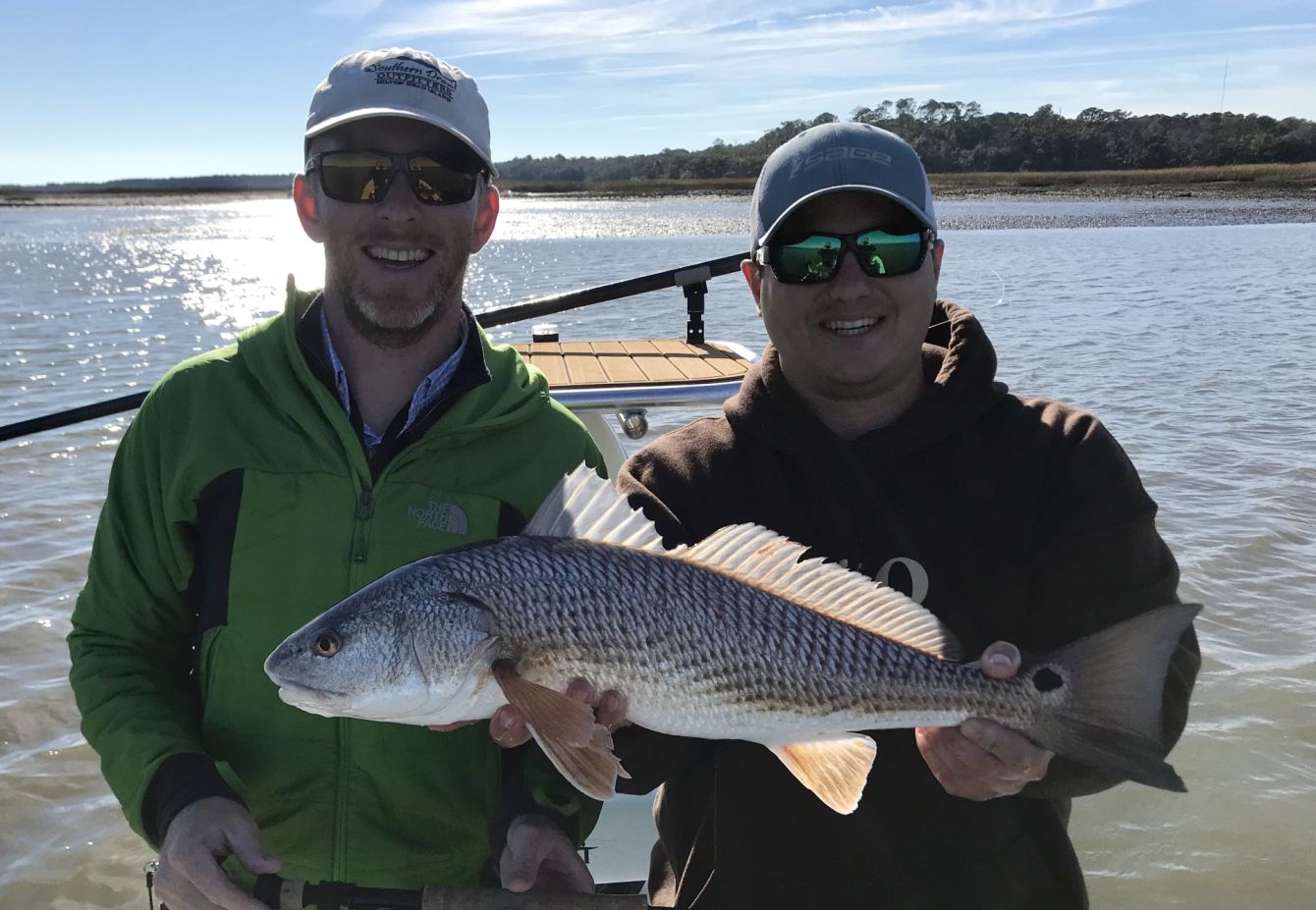
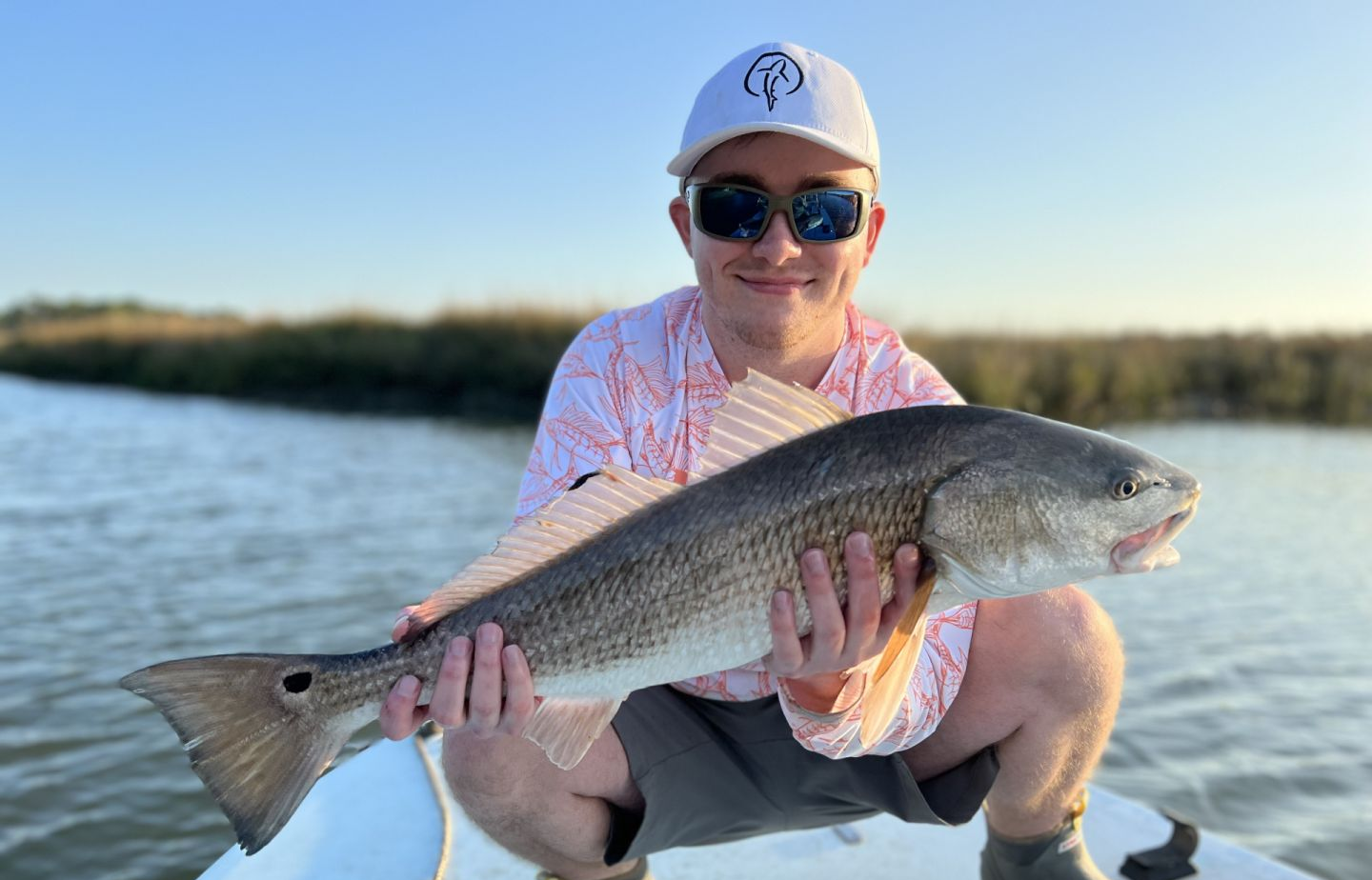
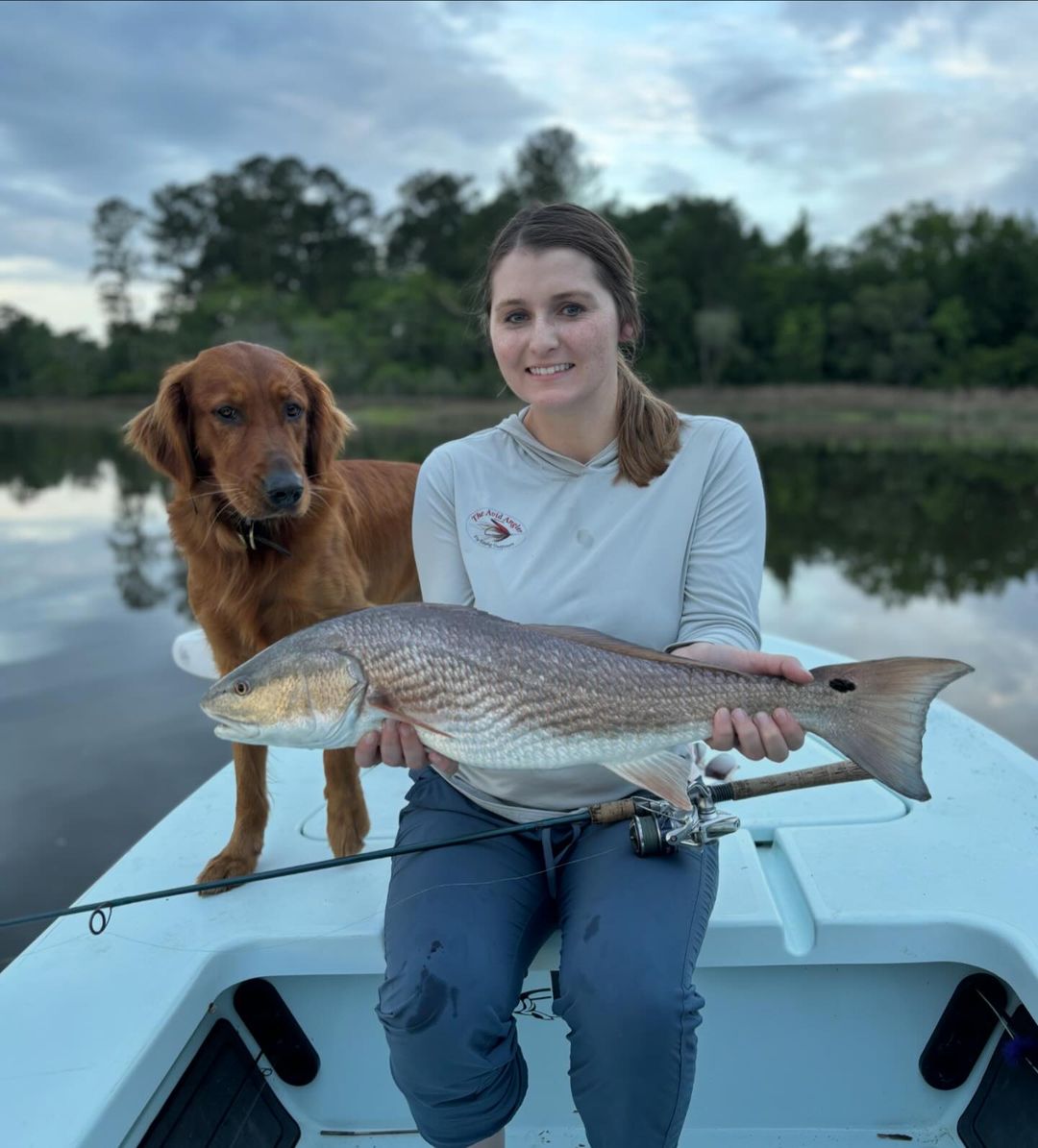
Redfish are the crown jewel of our inshore fishery and the reason many anglers fall in love with fly fishing these waters. These bronze-backed fighters cruise shallow flats, often with their backs and tails visible above the surface. Sight-casting to a tailing red is pure fishing poetry – you need the right approach, perfect presentation, and nerves of steel when that fish turns toward your fly. Reds are available year-round but are most cooperative during spring and fall when they're feeding heavily. They fight with bulldogging power, making long runs and using their broad tails to maximum advantage. Landing a red on fly tackle, especially one you spotted and stalked, is an achievement that'll keep you coming back.
Crevalle Jack bring raw power to the mix when they show up in our waters. These silver torpedoes travel in schools and attack baitfish with reckless abandon. When you find feeding jacks, the action is fast and furious – they'll eat almost any fly you throw at them and immediately head for deep water with blistering runs. They're seasonal visitors, typically showing up in warmer months when bait is thick. A jack on fly tackle will test your backing and your arm strength. They're not pretty fish, but they're absolute bulldozers that provide some of the most exciting fights you'll experience in shallow water.
Cobia are the wildcards of our inshore scene. These brown sharks-lookalikes cruise alone or in small groups, often following rays and other bottom-disturbing fish. They're curious by nature and will often swim right up to the boat to investigate. Sight-casting to cobia is addictive because they're large, powerful, and usually willing to eat a well-presented fly. They show up most frequently in late spring and early summer, often in surprisingly shallow water. A 30-pound cobia on fly tackle is a fish of a lifetime – they have the size to break you off and the attitude to try. When you hook one, hold on tight because they're heading for the bottom with authority.
Time to Book Your Spot
The Lowcountry's inshore waters offer some of the most consistent and exciting
 Private Trip
 Inshore Fishing
 Hilton Head Island


 Four-hour inshore fly fishing trips around Hilton Head Island