Key Largo Inshore Fishing Adventure
Picture this: you're casting lines over Key Largo's legendary reefs and wrecks, where crystal-clear water meets some of Florida's hottest fishing action. Captain Jason knows these waters like the back of his hand, and he's ready to put you on fish that'll have you talking for years. This isn't your typical tourist trip – it's six solid hours of serious angling in one of the most productive inshore zones in the Keys. Whether you're bringing the family or looking to land your personal best, this charter delivers the goods every single time.
What to Expect on the Water
Captain Jay runs a tight ship that maxes out at three anglers, so you're getting personalized attention that bigger boats just can't match. We'll hit the reefs and wrecks where the big boys hang out – think structure fishing at its finest. The gear's top-shelf stuff, your licenses are sorted, and we'll even clean your catch so you can take home fillets instead of whole fish. Bottled water keeps everyone hydrated, but the real refreshment comes from watching your rod bend double when a hefty grouper decides to test your drag. The underwater scenery here is world-class, but trust me, you'll be too busy fighting fish to stare at the bottom.
Techniques & Structure Fishing
Key Largo's inshore game is all about reading structure and matching your presentation to what the fish want. We'll be working live bait around the reef edges where snappers school up, then switching to heavier tackle when we drift over the wrecks where grouper like to hole up. Captain Jason's got the electronics dialed in, so we're not just fishing blind – we're targeting marks and working the spots that consistently produce. You'll learn bottom fishing techniques that work anywhere, but the real education comes from understanding how these fish relate to structure. Some days we'll anchor up and chum, other trips call for drifting and covering water until we find the bite.
Customer Stories
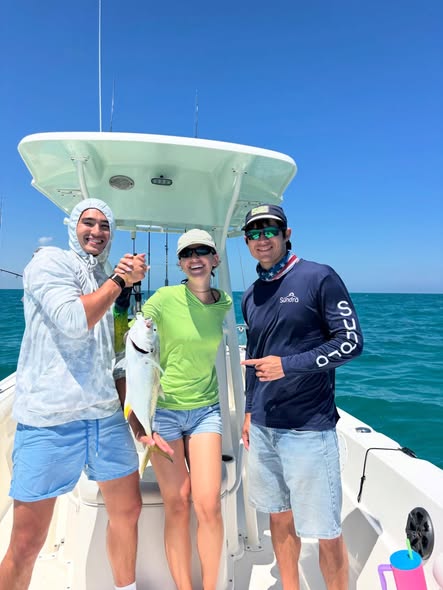
"Myself, my girlfriend, and her 12 yr old son just finished a great trip with Captain Jay! He immediately reached out to me after I booked the trip and I explained I just wanted the 12 yr old to have an awesome experience. Capt. Jay did not disappoint! He was great communicating with us in planning and scheduling our trip. We had some tough conditions, but Capt. Jay still was able to put us on some fish. He was great with my girlfriends son and we had a great time out on the water. Capt. Jay is an awesome guide/fisherman and person! Do not hesitate to book a trip with him - you will have a great day!" - Rob
Target Species Breakdown
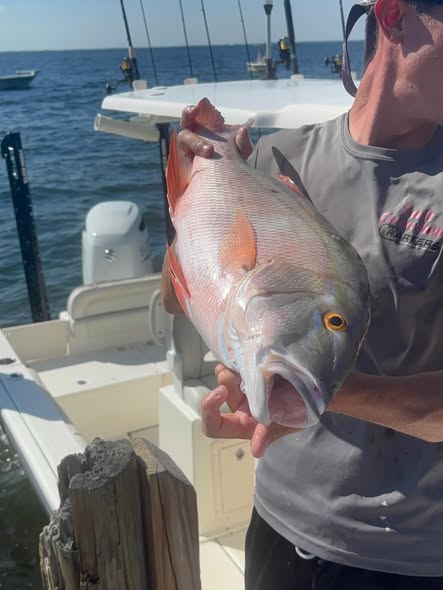
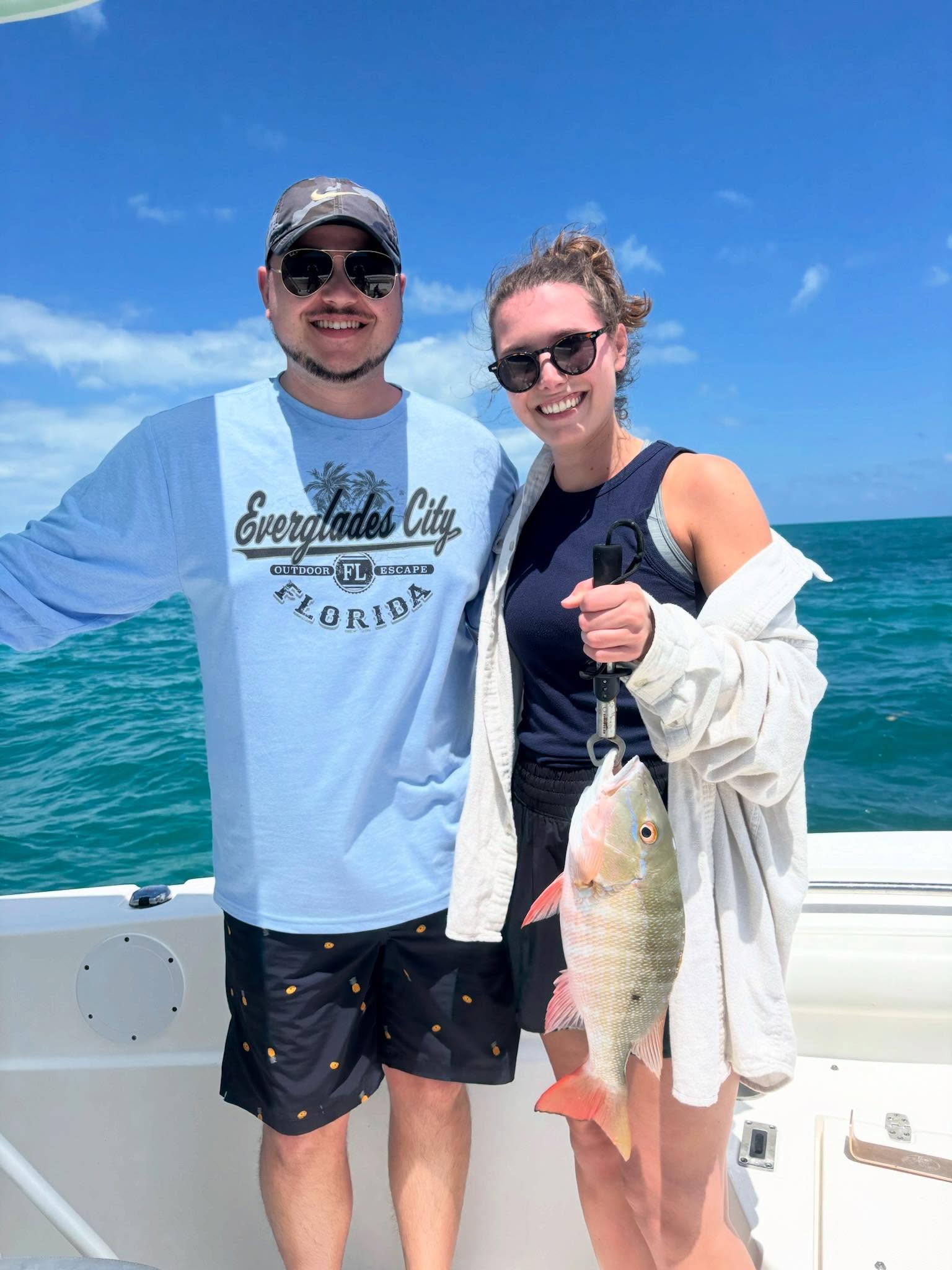
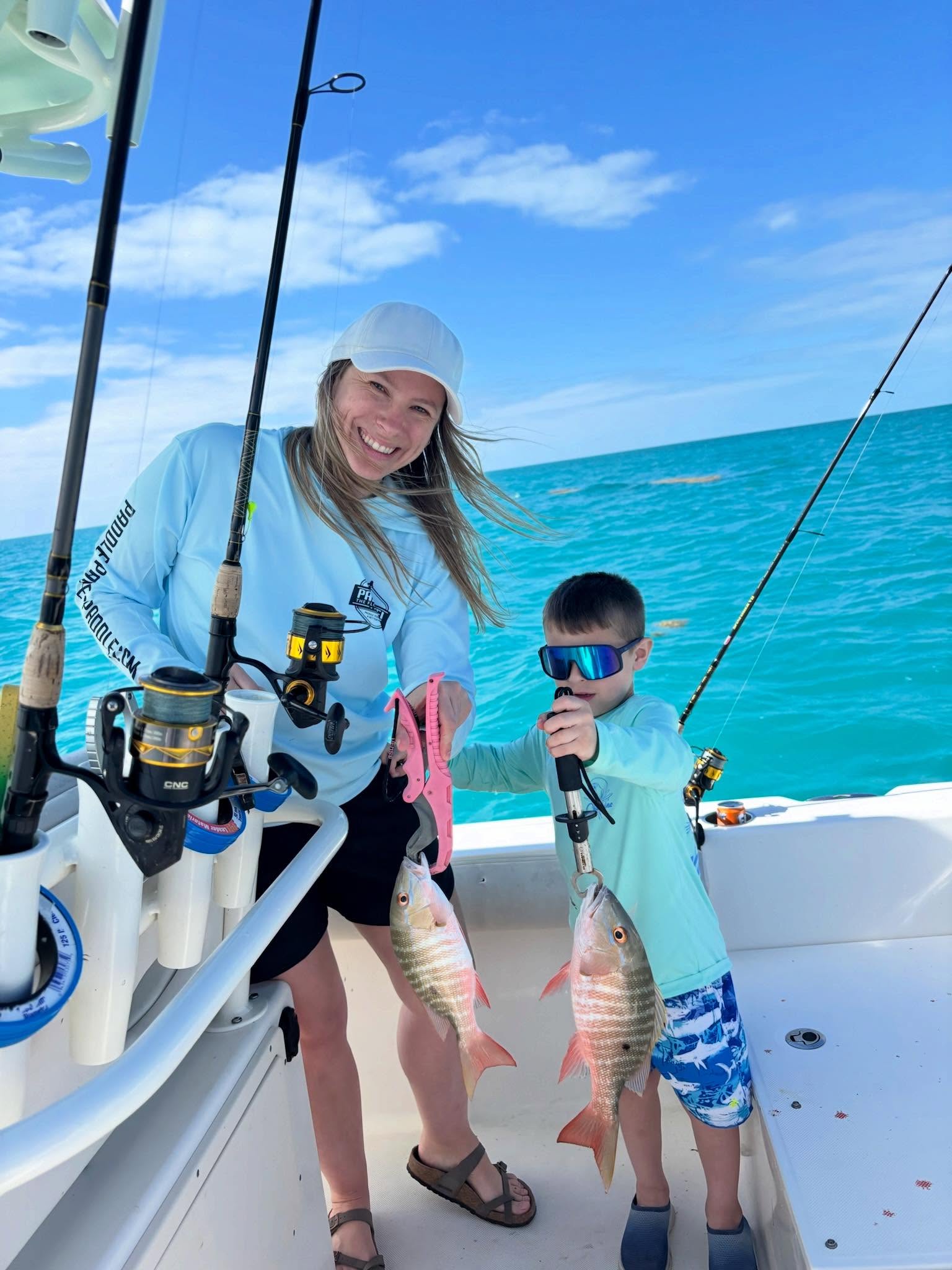
Mutton Snapper are the crown jewel of Key Largo's reef system, and for good reason. These fish fight like freight trains and taste even better on the plate. Muttons typically run 3-8 pounds inshore, but don't let their size fool you – they'll test your drag and your patience. Peak season runs from April through August when they're spawning around the reef edges. What makes them special is their wariness; they're smart fish that require finesse and the right bait presentation. When you hook one, expect multiple runs toward the structure and a fight that'll leave your arms burning.
Snook are the inshore legend that every angler wants to tangle with, and Key Largo's got some bruisers. These ambush predators love structure and moving water, which makes the passes and reef edges perfect hunting grounds. They're most active during dawn and dusk, but Captain Jay knows the spots where they bite all day. Snook hit hard and jump often, making for some of the most exciting fights you'll find in shallow water. The slot limit keeps things interesting – you need that fish between 28 and 33 inches to take it home, but the thrill of the fight is worth it regardless.
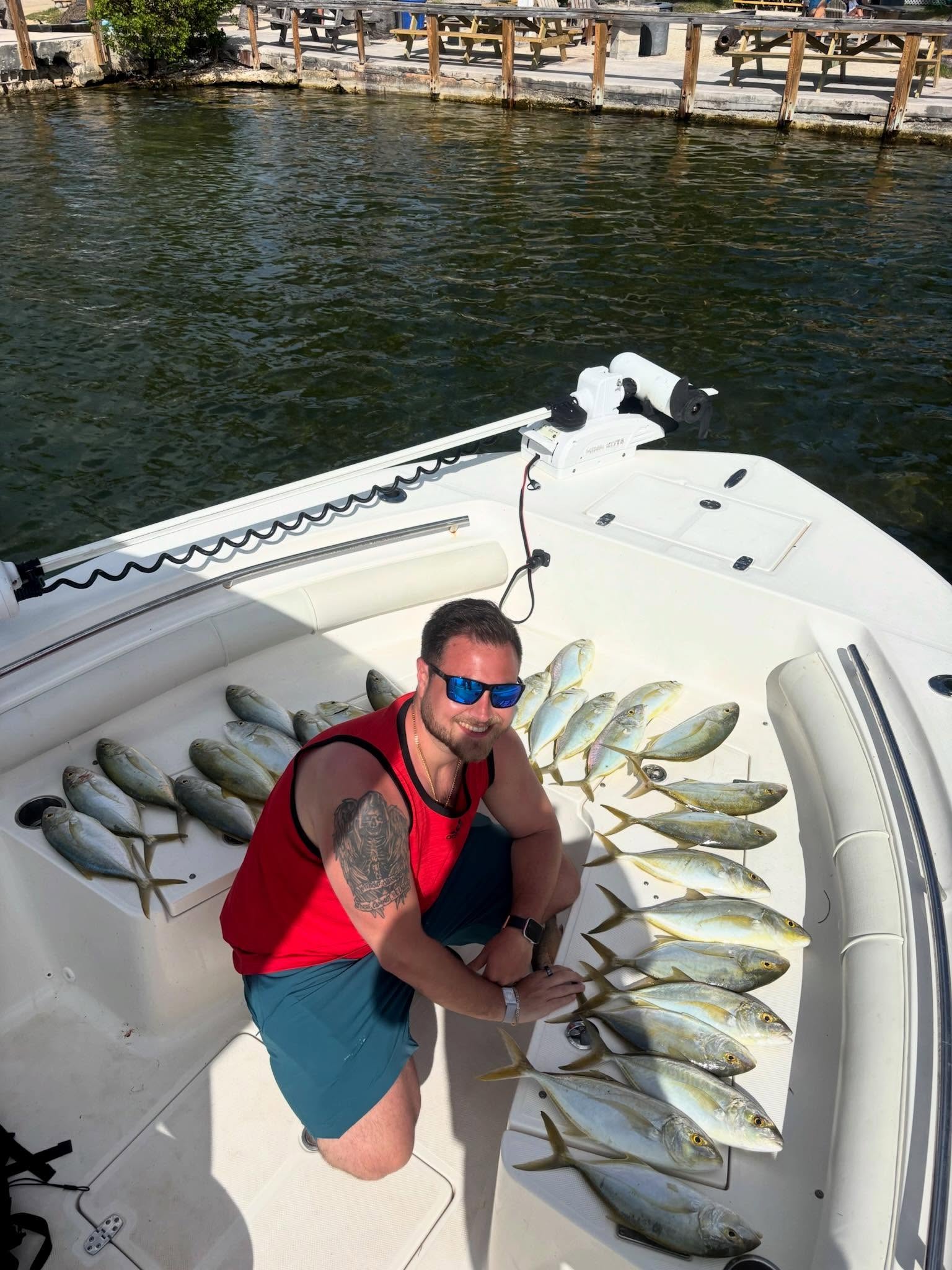
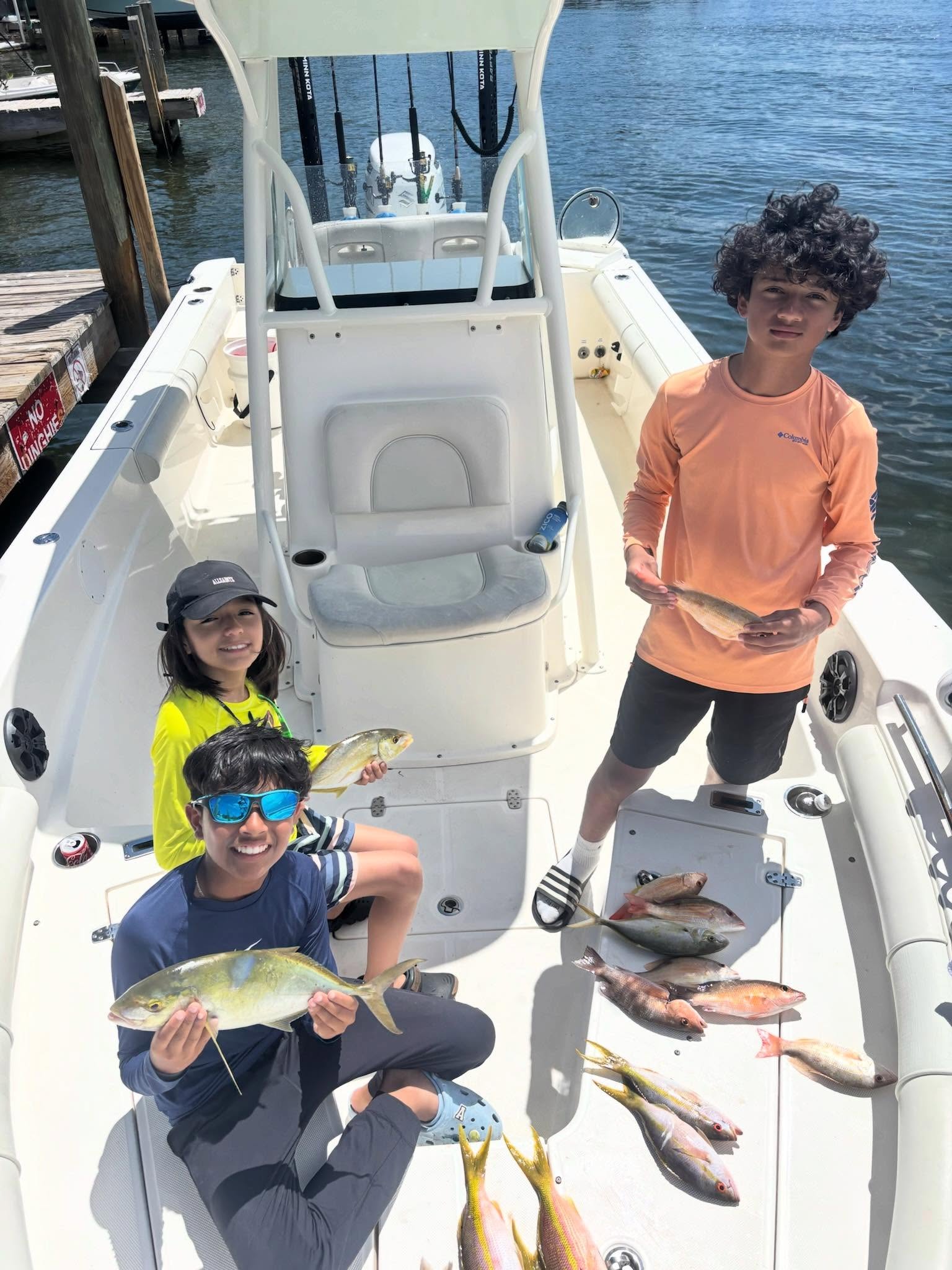
Grey Snapper, or mangrove snapper as locals call them, are the bread and butter of Keys fishing. These guys are everywhere around structure, and they're always hungry. Don't let their smaller size fool you – they're scrappy fighters that punch above their weight class. Greys are perfect for getting kids hooked on fishing because they bite readily and fight hard. They school up heavy around the reefs, so when you find them, you can usually fill the cooler. Peak action happens year-round, but they're most aggressive during warmer months when baitfish are thick.
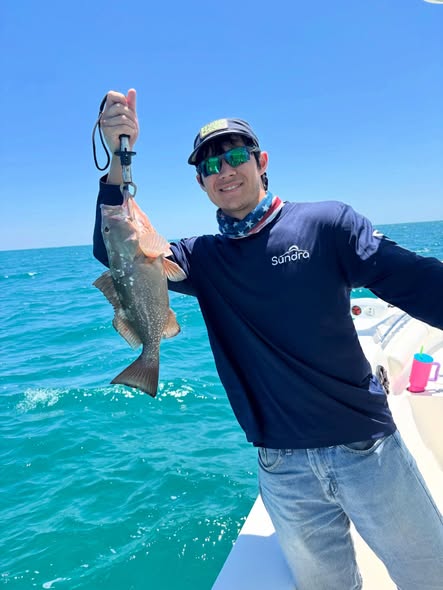
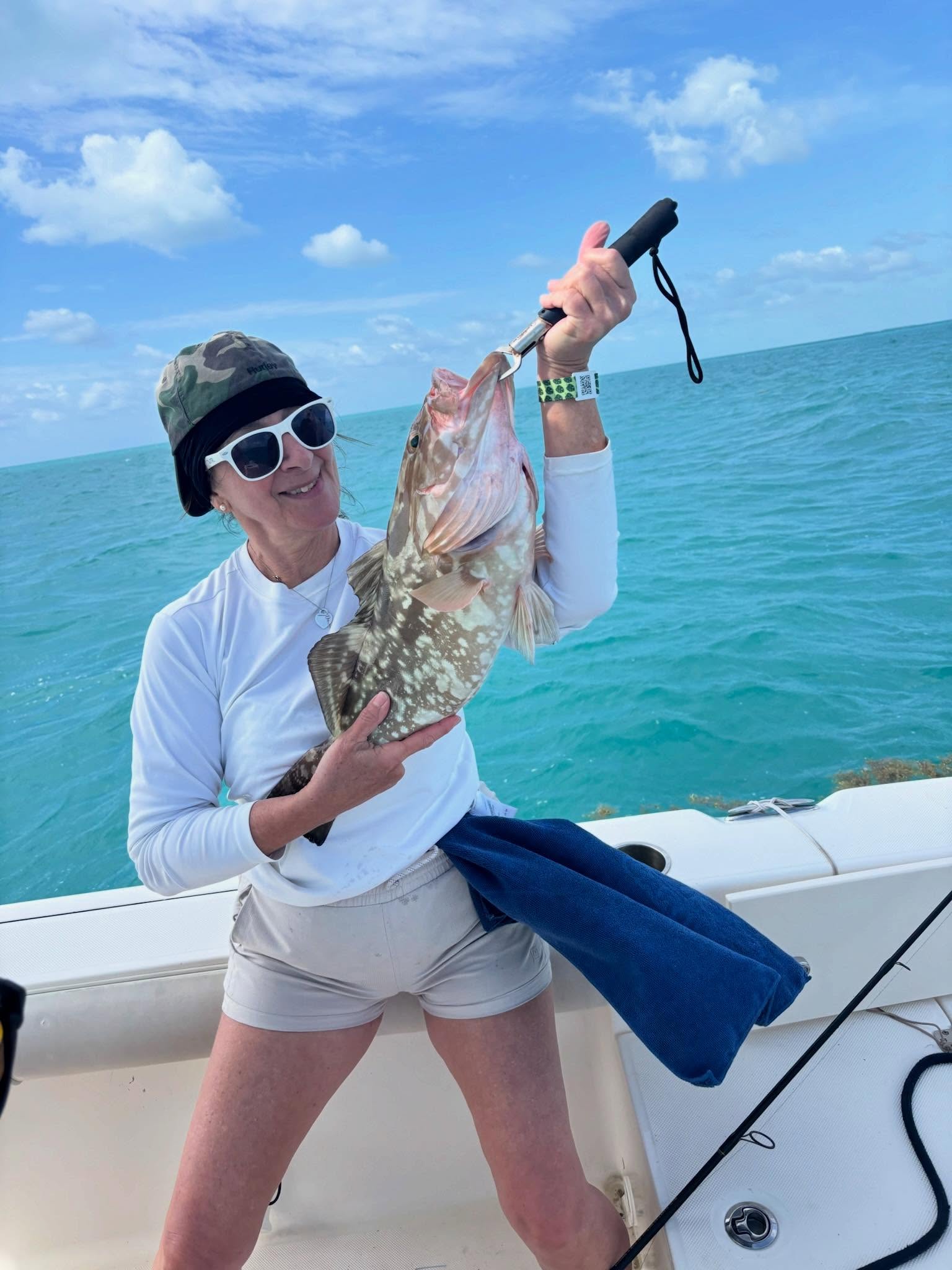
Red Grouper are the heavyweights of the wreck scene, and landing one is like pulling up a chunk of the bottom. These fish live in holes and under ledges, coming out to grab whatever looks tasty swimming by. Reds typically run 5-15 pounds in these waters, with the occasional monster pushing 20-plus. They're not the fastest fish in the ocean, but what they lack in speed they make up for in raw power. Once you hook a grouper, it's a straight-up tug of war – they want to get back to their hole, and you want them in the boat. The meat is firm and white, making them one of the best eating fish in the sea.
Time to Book Your Spot
Key Largo's reefs and wrecks don't fish themselves, and Captain Jay's calendar fills up fast during peak season. This charter delivers everything you need for a successful day – expert local knowledge, quality gear, and access to some of the most productive inshore waters in Florida. Whether you're after that Instagram-worthy mutton snapper or just want to introduce the kids to serious fishing, this trip checks all the boxes. The three-angler limit means you get the personal attention that makes the difference between a good day and a great one. Don't wait until you're down here to book – the best fishing days get reserved weeks in advance, and you don't want to spend your Keys vacation wishing you were on the water.
 5.0(2 Reviews)
 Private Trip
 Inshore Fishing
 Key Largo, FL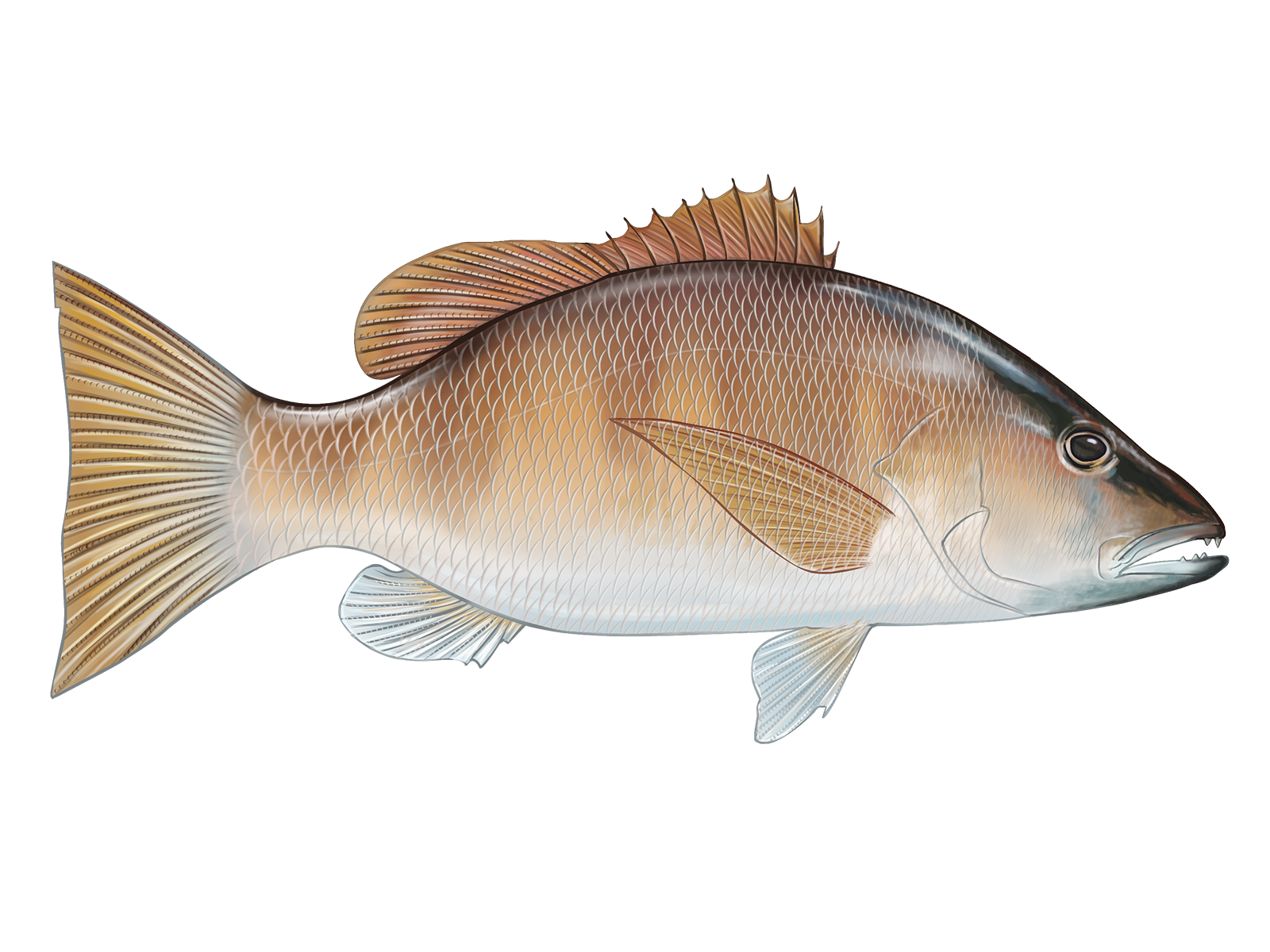


 Six-hour inshore charter targeting Snappers, Snook, and Grouper