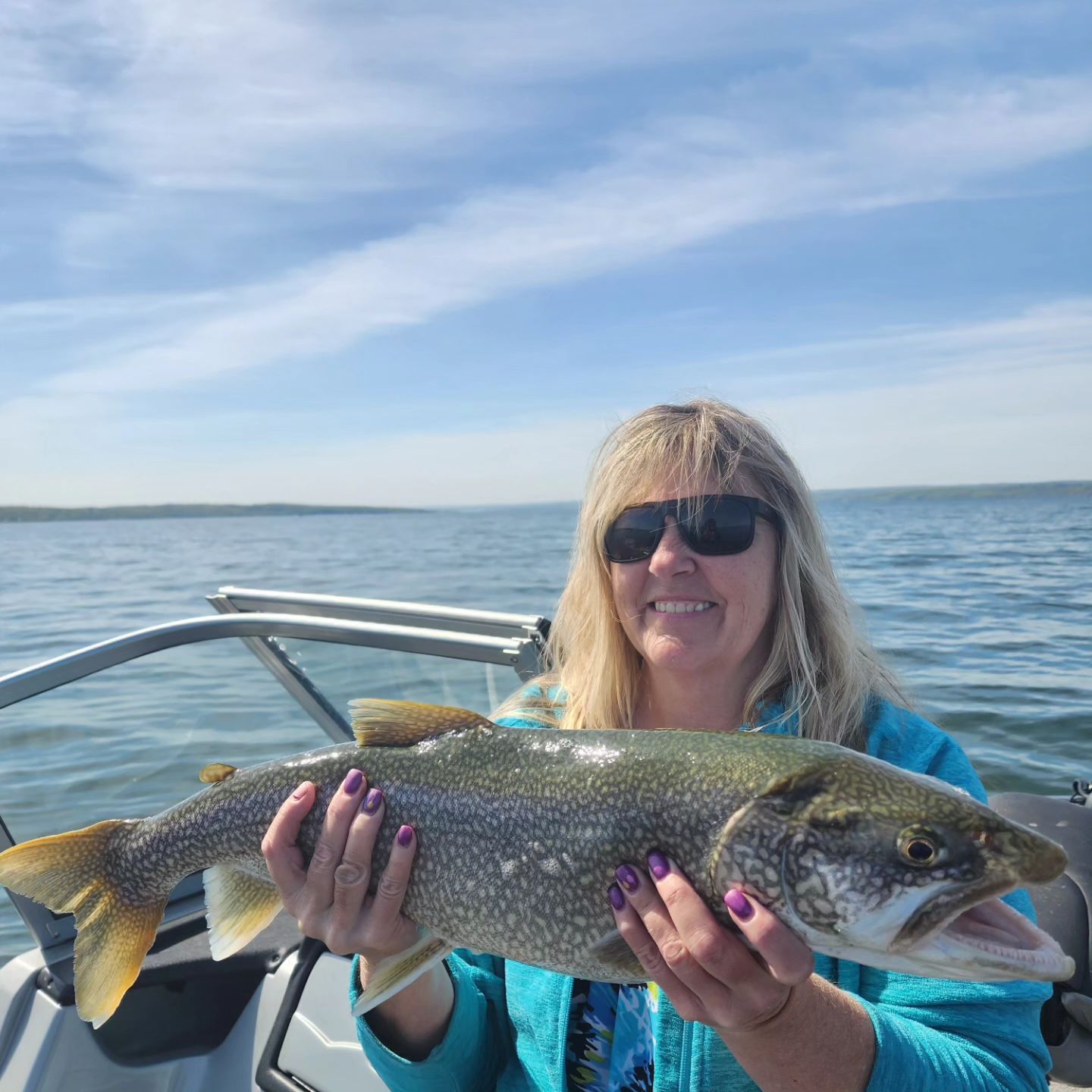
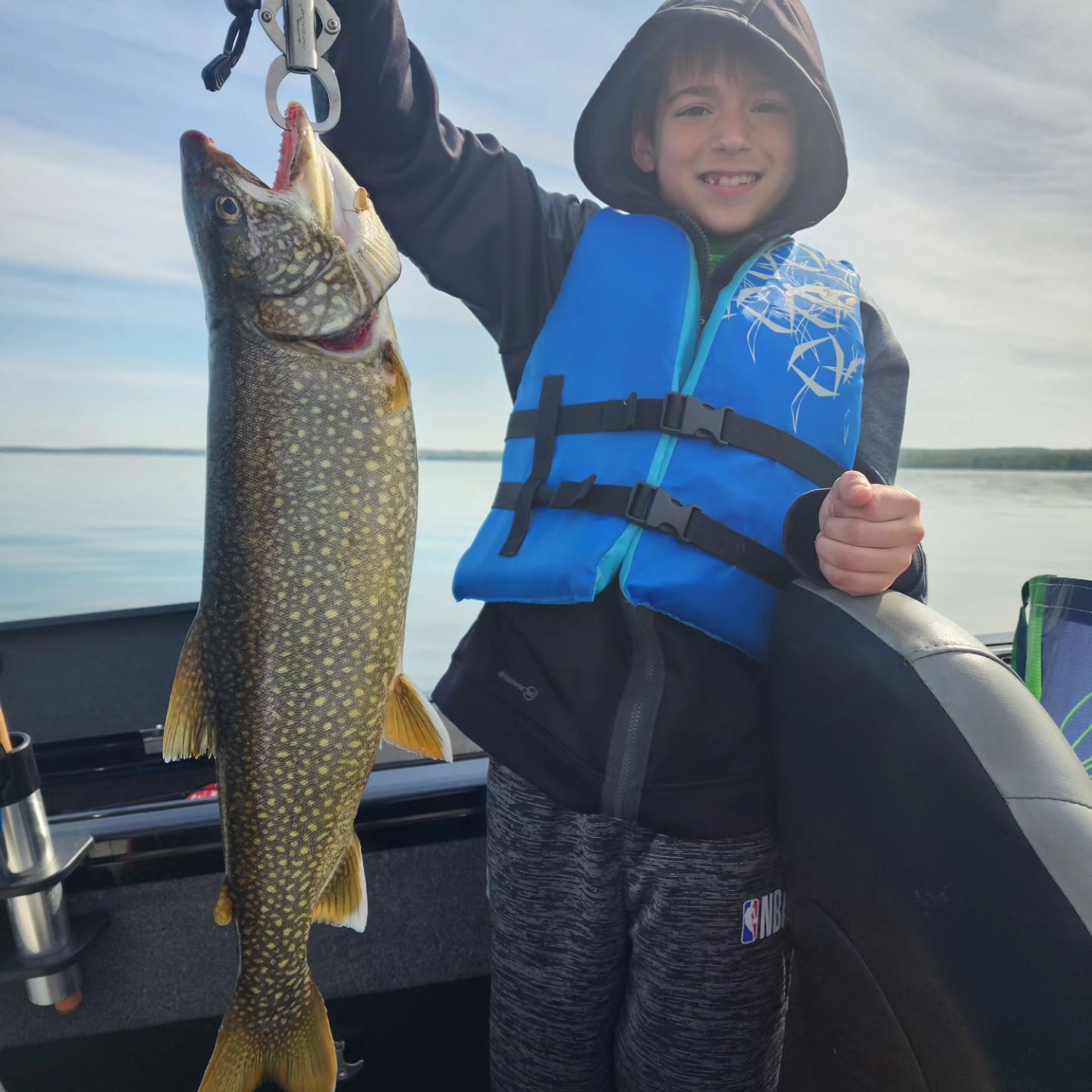
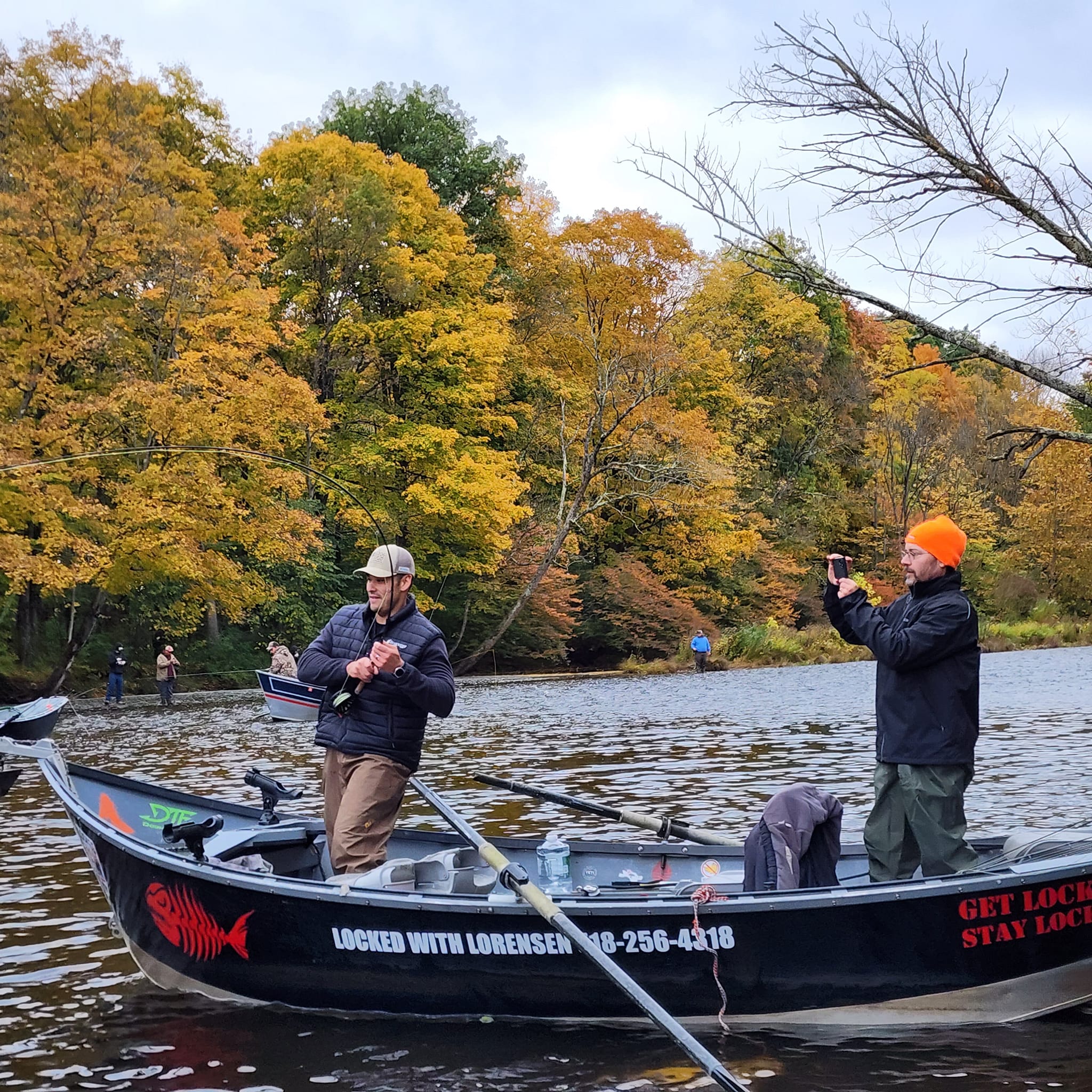
Pulaski Afternoon Fishing Adventure
Looking for some serious action on the water? Our Pulaski fishing trip with Locked with Lorensen puts you right in the sweet spot when fish are firing up for evening feeding time. This isn't your typical dawn patrol – we're hitting the water when pike are prowling, bass are busting bait, and the whole ecosystem comes alive. You'll be working proven spots where trophy fish cruise the shallows and structure, and with just two anglers max, you're getting the personalized attention that makes all the difference between a good day and an epic one.
What to Expect on the Water
We're talking about prime time fishing here – that golden window when the sun starts dropping and predators get aggressive. The Pulaski area serves up some of the most diverse inshore action you'll find, with everything from chunky northern pike lurking in the weeds to feisty bass working the drop-offs. This is hands-on fishing where you'll be casting to visible structure, working the edges, and feeling that electric hit when a fish commits. The intimate group size means you're not fighting for rod time or waiting your turn – it's your show from start to finish. We'll move between productive areas based on what's happening that day, always chasing the bite and putting you on fish that want to play.
Techniques & Tackle
This is all about reading the water and matching your presentation to what's working. We'll be throwing everything from spinnerbaits and crankbaits for bass to bigger presentations for those toothy pike. The beauty of afternoon fishing is you can see the structure you're working – fallen trees, weed lines, rocky points – so you're making precision casts instead of blind fishing. We'll work both shallow cover and deeper edges depending on where fish are staging. The gear is dialed in for the species mix we're targeting, with strong enough tackle to handle a big pike but sensitive enough to feel a perch tap. You'll learn to work different retrieves, feel the difference between a bite and bottom contact, and understand why certain spots hold fish while others don't.
Top Catches This Season
Largemouth bass are the crowd pleasers here, and for good reason. These fish average 2-4 pounds but don't be surprised when something in the 5+ range crushes your bait near cover. They're most active during our afternoon window, especially around structure like downed timber and weed edges. What makes largemouth special is their attitude – they hit hard, jump high, and fight dirty with sudden direction changes that'll test your drag setting.
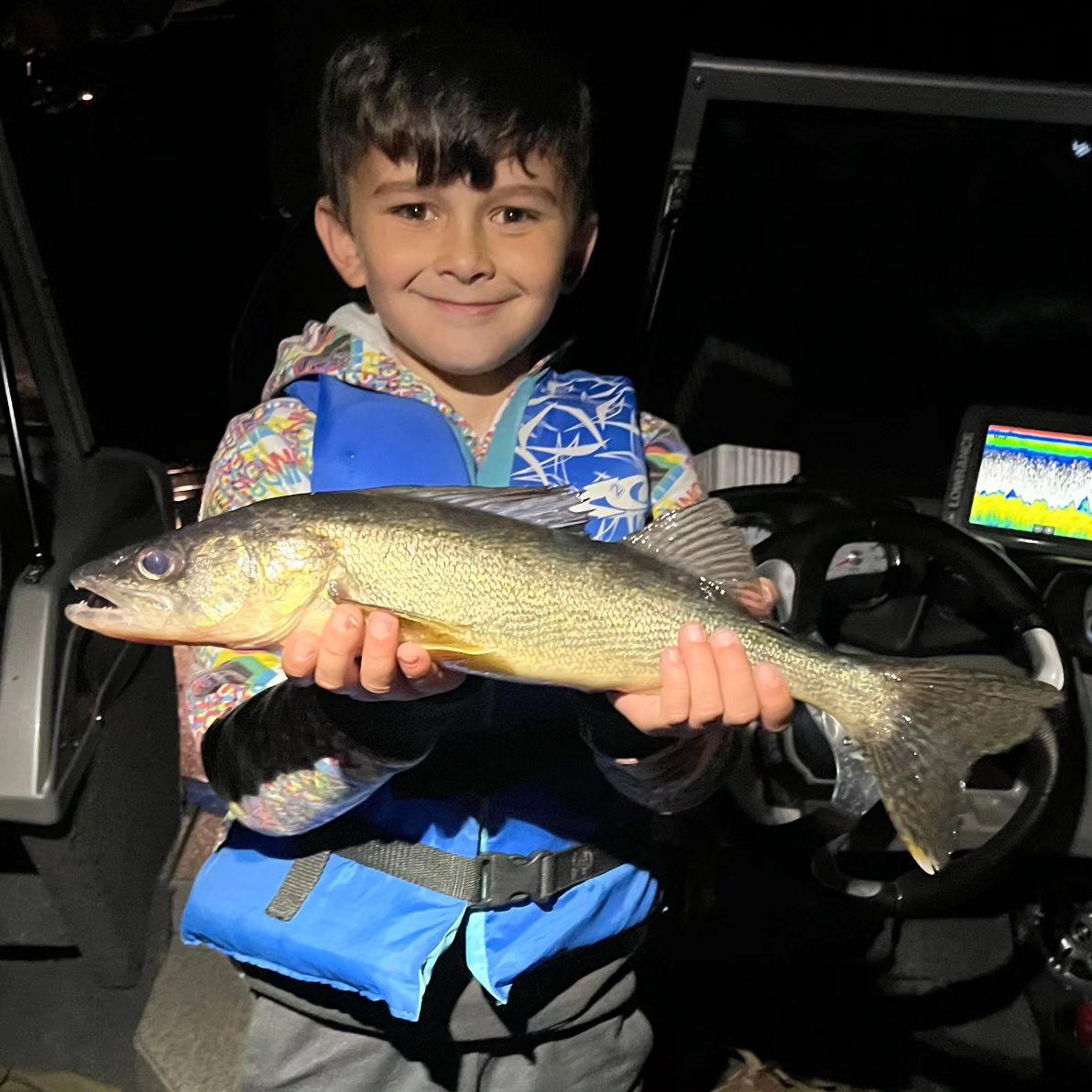
Walleye might not jump like bass, but they're pure gold for eating and surprisingly scrappy fighters. The Pulaski population runs thick with 15-18 inch fish, and the bigger females can push 6-7 pounds. They're masters at hugging bottom structure and require finesse presentations. Late afternoon is prime time as they move up from deeper water to feed, and once you dial in the pattern, you can get into steady action.
Smallmouth bass are pound-for-pound the hardest fighting freshwater fish you'll encounter. These bronze fighters are built like linebackers and fight with the heart of a heavyweight boxer. They love rocky areas and current breaks, and when hooked, they'll go airborne multiple times trying to throw your hook. Even a 2-pound smallie will make your arms tired.
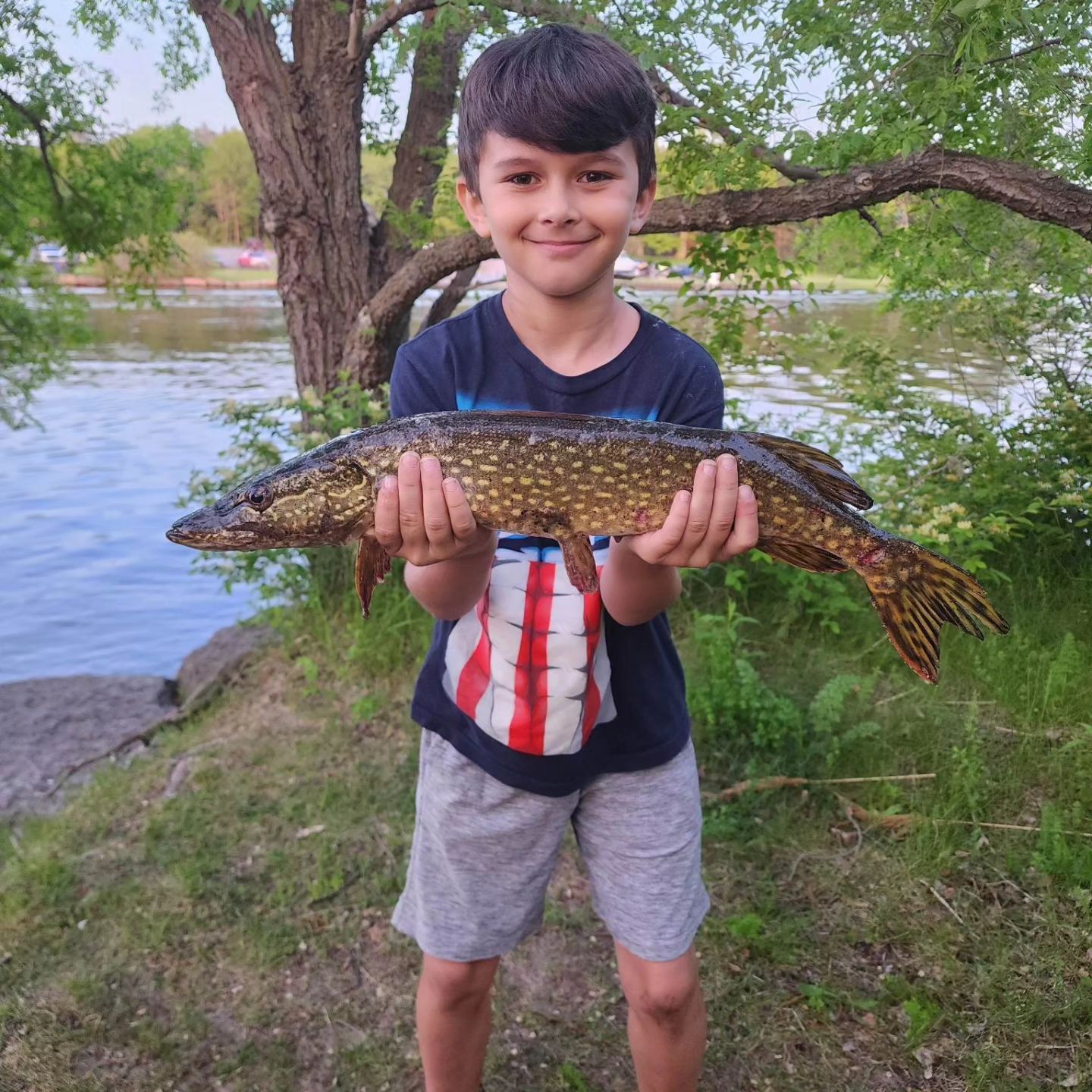
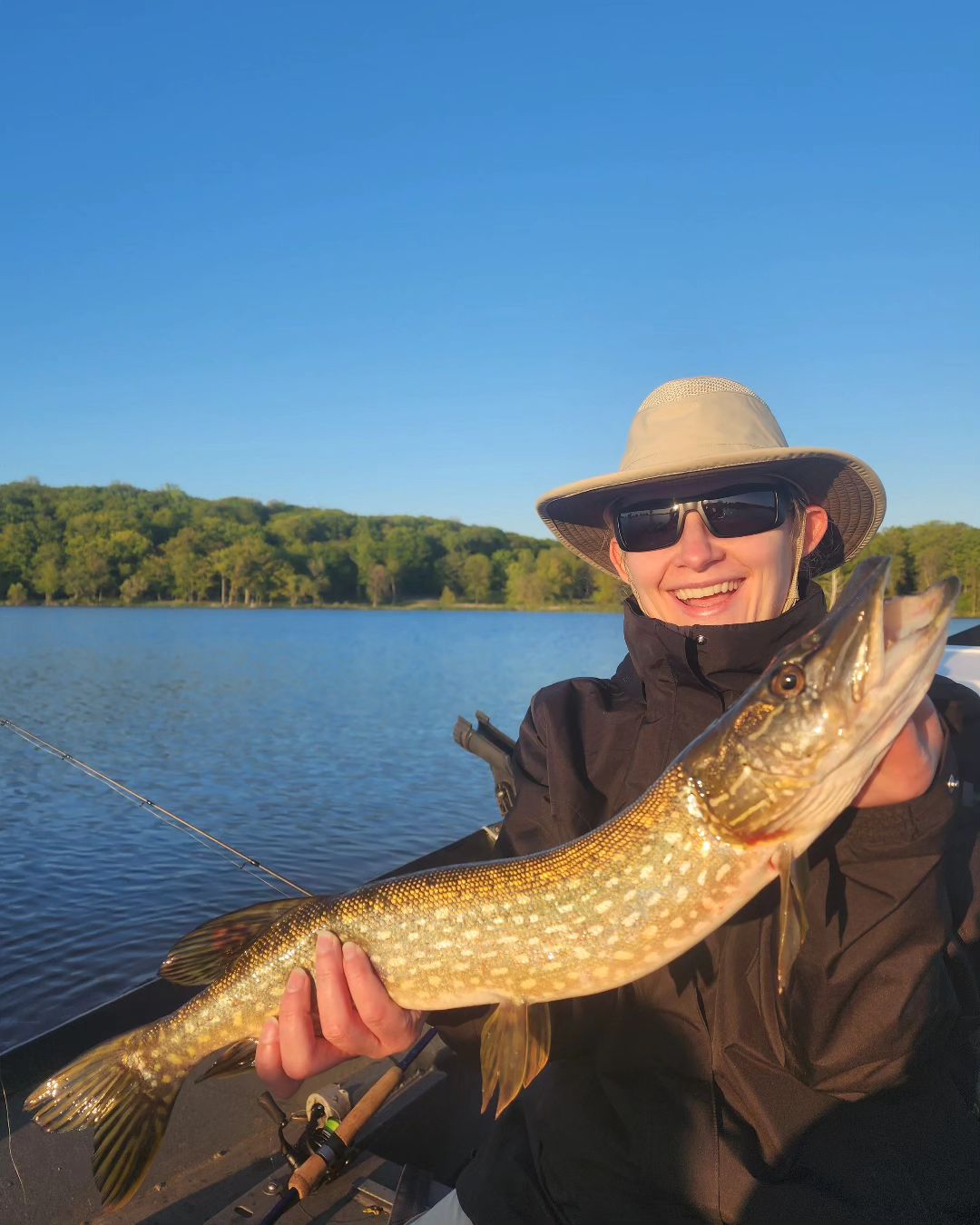
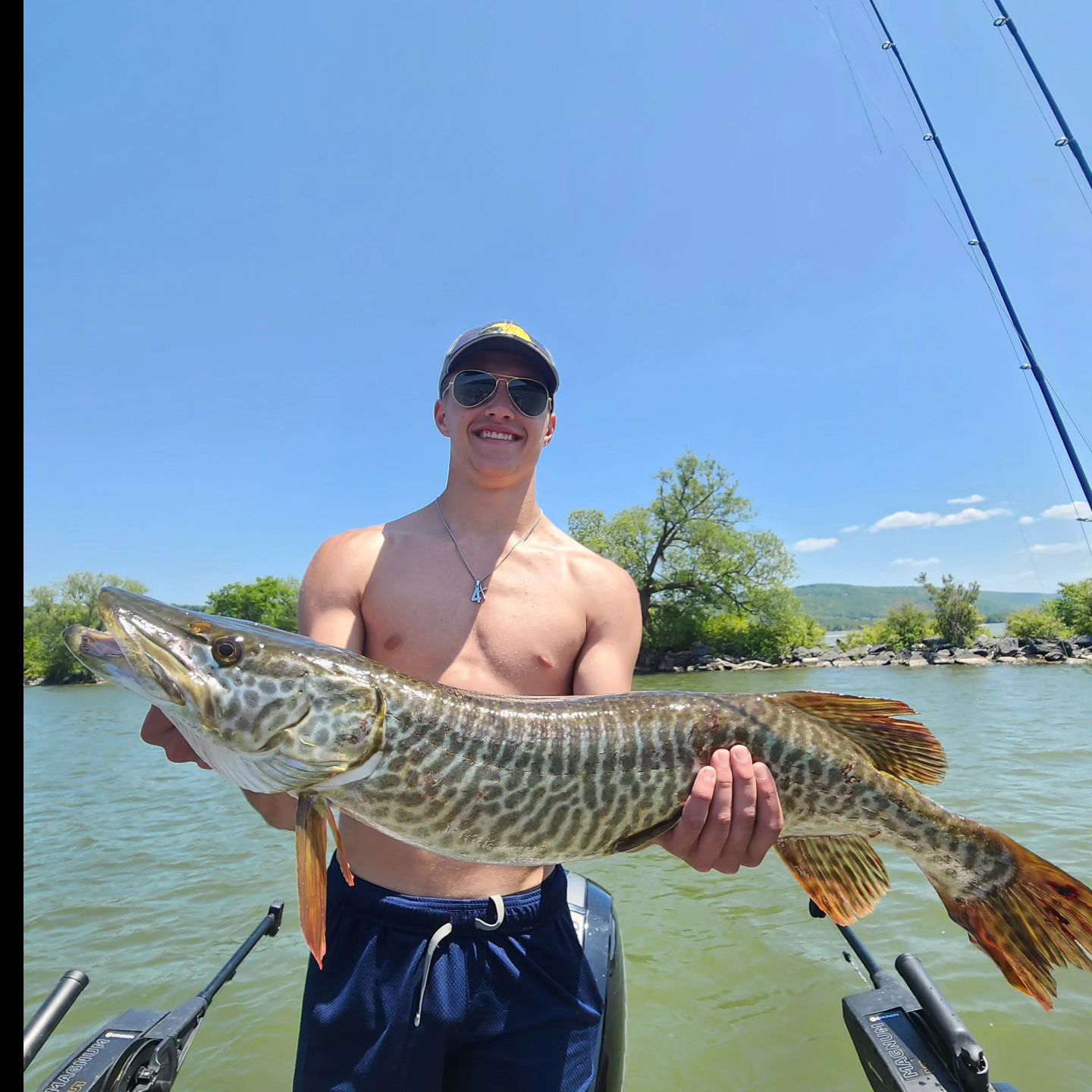
Northern pike are the apex predators that add serious excitement to every cast. These toothy missiles can appear out of nowhere and absolutely destroy your presentation. Pike in this system run anywhere from 24 inches up to legitimate 40+ inch trophies that'll test your equipment and skills. They're ambush feeders that love weed edges and shallow bays, perfect for our afternoon timing when they're actively hunting.
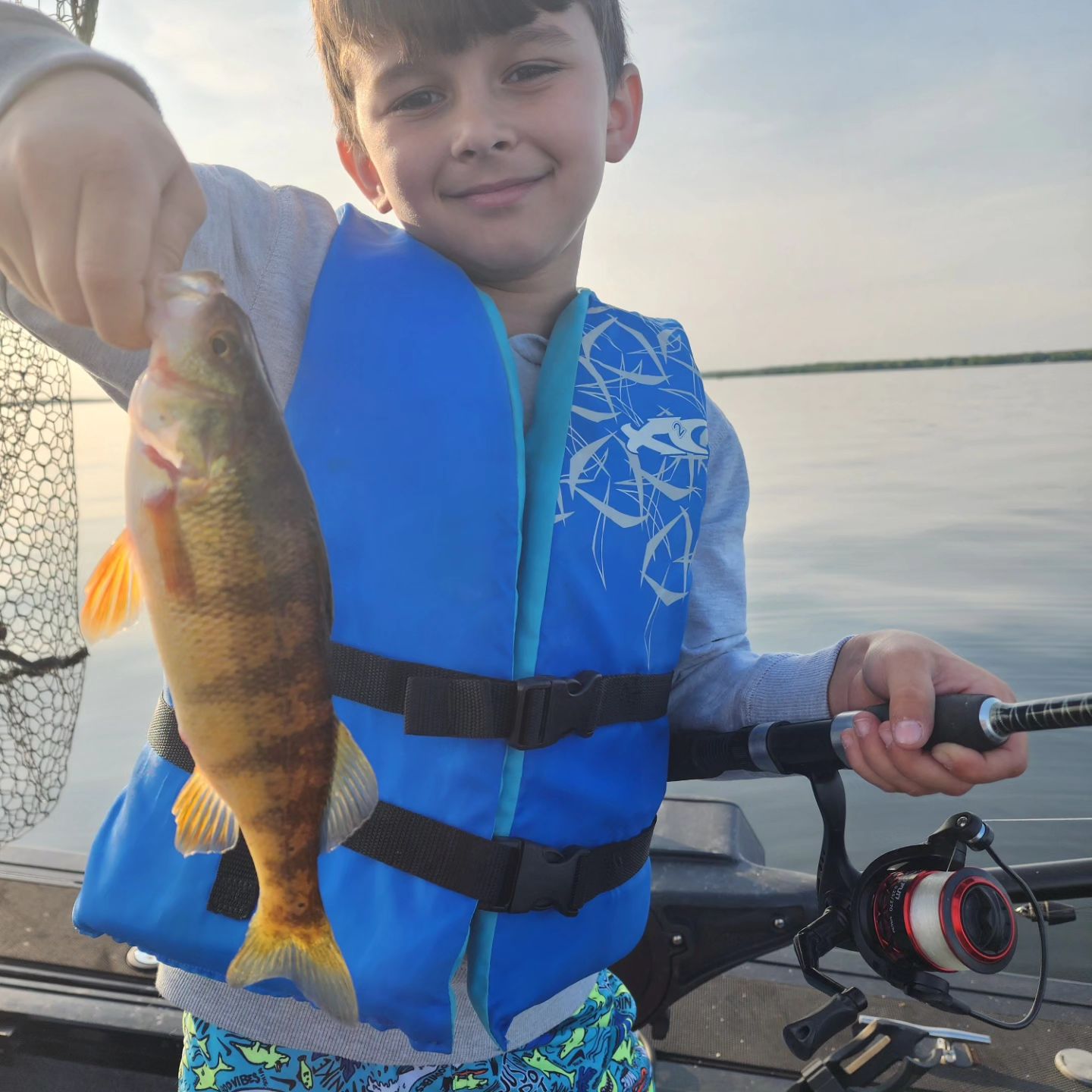
American yellow perch might be the smallest target species, but they're schooling fish that provide non-stop action when you find them. These striped beauties are fantastic table fare and fight harder than their size suggests. They're perfect for keeping the action steady between bigger fish, and kids especially love the constant bending rod that perch provide.
Time to Book Your Spot
This top-rated afternoon fishing adventure gives you the best of Pulaski's diverse fishery with personalized guide service that puts fish in the boat. The low-rate deposit makes it easy to lock in your date, and the intimate group size ensures you're getting maximum water time and individual attention. Whether you're chasing a specific species or just want to bend rods with whatever's biting, this trip delivers the goods. The afternoon timing is perfect for anglers who don't want to get up at dawn but still want prime fishing action. Book now and get ready to experience why Pulaski keeps anglers coming back season after season.
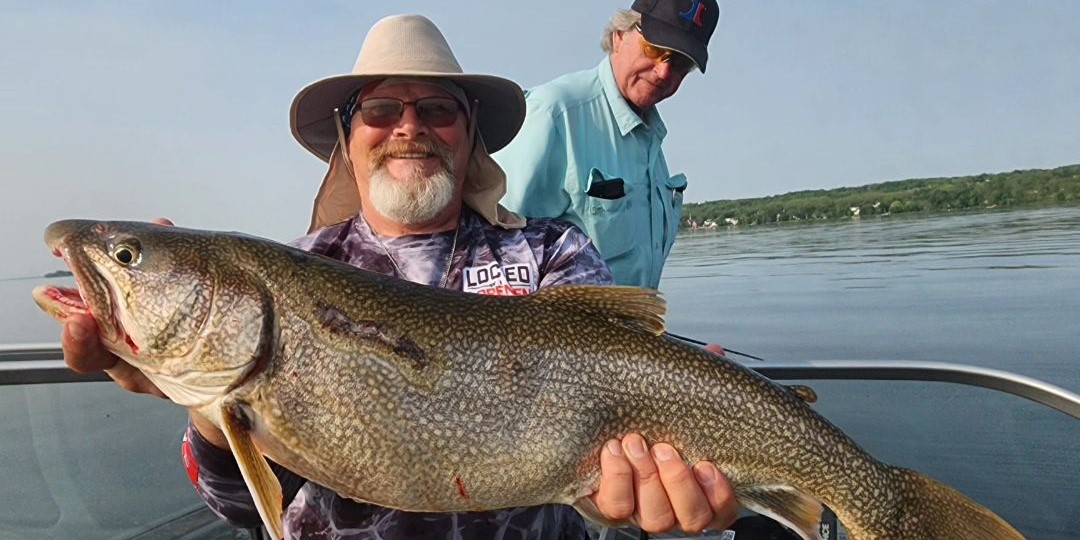
 Private Trip
 Inshore Fishing
 Oswego County
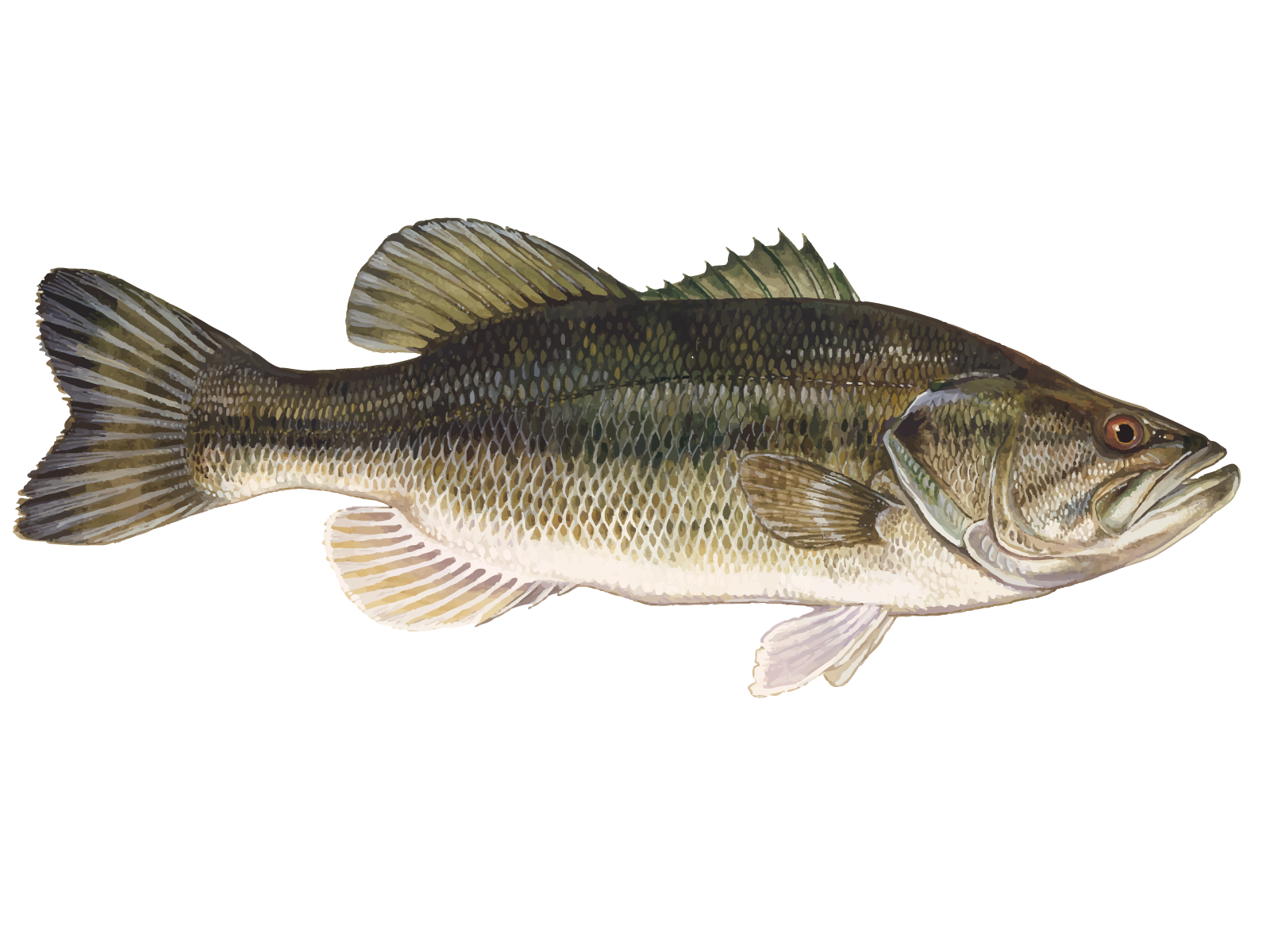


 Target trophy Pike, Bowfin, and Bass in Pulaski waters