Pulaski NY Ice Fishing with Locked with Lorensen
When winter locks up the lakes around Pulaski, that's when the real action starts. Captain Lorensen has been putting anglers onto trophy fish through the ice for years, and his heated huts make what could be a bone-chilling day into something you'll actually want to repeat. You're not just drilling holes and hoping – you're fishing smart with electronics, staying warm, and targeting the species that make this area famous. With just two spots per trip, you get the personal attention that separates a good day from a legendary one.
What to Expect on the Water
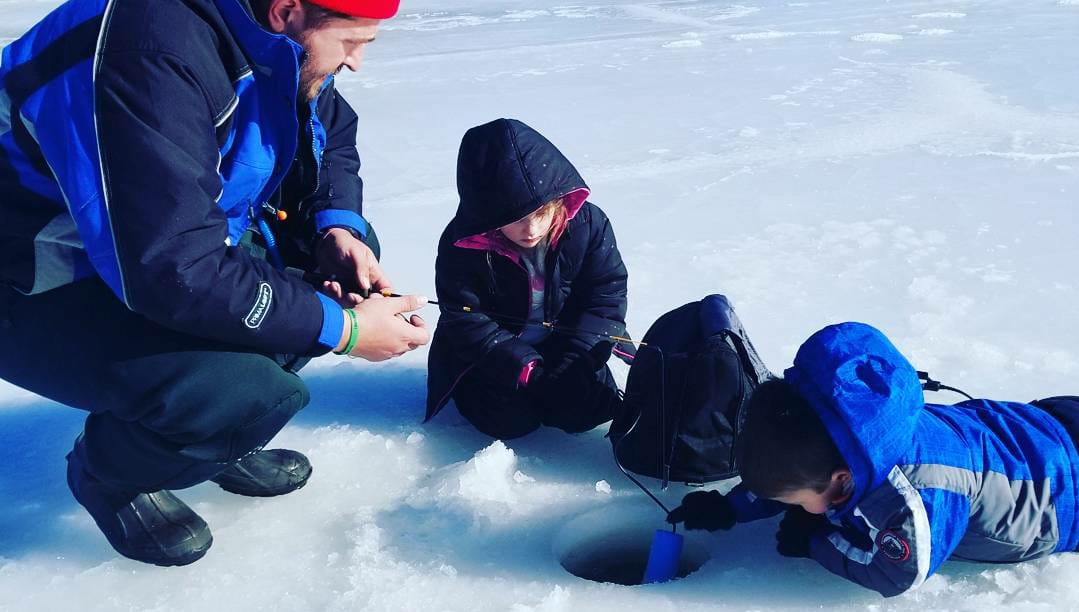
Your day starts with Captain Lorensen scouting the best spots based on current ice conditions and where the fish are actually holding. Safety comes first – ice thickness gets checked, but so does structure and bait movement. Once you're set up in the heated hut, you'll have a fish finder showing you exactly what's happening below. The beauty of this setup is you can jig actively while watching for flags on tip-ups. It's not just sitting and waiting – you're working different depths and presentations while staying comfortable. The hut keeps you warm between fish, but when that flag pops or your rod tip starts dancing, you'll be out there in seconds. Captain Lorensen knows these waters like his backyard and adjusts tactics throughout the day based on what the fish want.
Gear and Ice Techniques
You'll be fishing both actively and passively to maximize your chances. Tip-ups get rigged with live bait and set at various depths to target different species – maybe a sucker for pike up shallow, or a minnow suspended for walleye. Inside the hut, you'll work jigging spoons, blade baits, and soft plastics while watching the sonar. The fish finder takes the guesswork out – you can see fish coming in, watch them react to your presentation, and adjust your jigging cadence accordingly. Ice rods are short and sensitive, designed to feel every tap and head shake through thick ice. When something big grabs your bait, that light rod loads up and the fight is right at your feet. The hole becomes your window into their world, and Captain Lorensen coaches you through landing each fish safely.
Top Catches This Season
Crappie school up tight in winter, and when you find them, you can catch dozens. They suspend over deeper water and relate to structure like submerged timber or drop-offs. These slab crappie in Pulaski waters run bigger than most places – 12 to 14-inch fish are common, with some pushing 15 inches. They hit small jigs tipped with spikes or waxworms, and once you dial in the depth, it's game on. The beauty of crappie fishing through ice is their willingness to bite consistently once located.
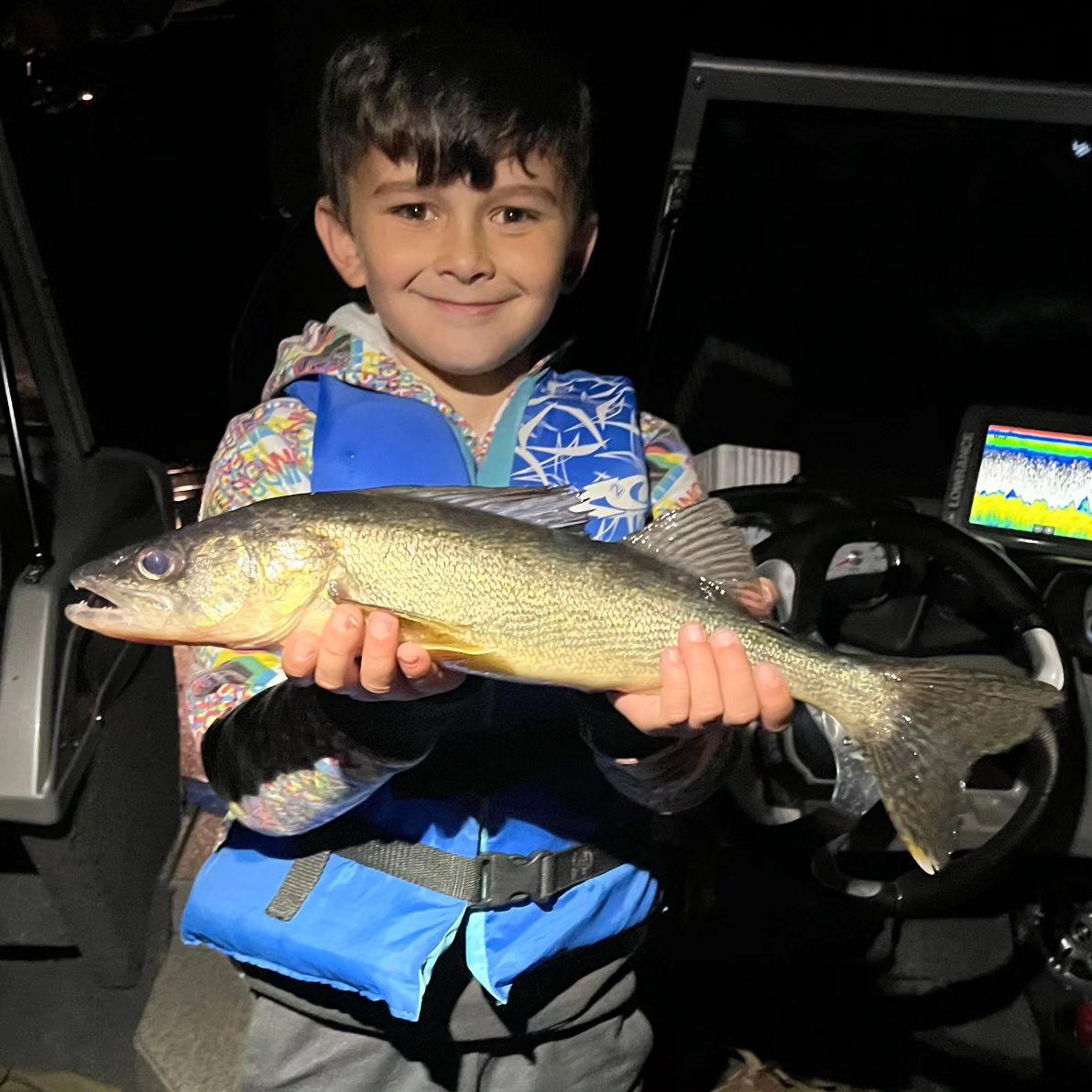
Walleye are the bread and butter of winter fishing here. They move shallow at first and last light, making them perfect targets for both jigging and tip-ups. These fish average 16 to 20 inches, with plenty of bigger ones mixed in. Walleye have that glowing eye that shows up on sonar, and they tend to hug bottom structure. They're not always aggressive, so finesse presentations work best. When you hook a good walleye through the ice, they make strong runs and test your drag system.
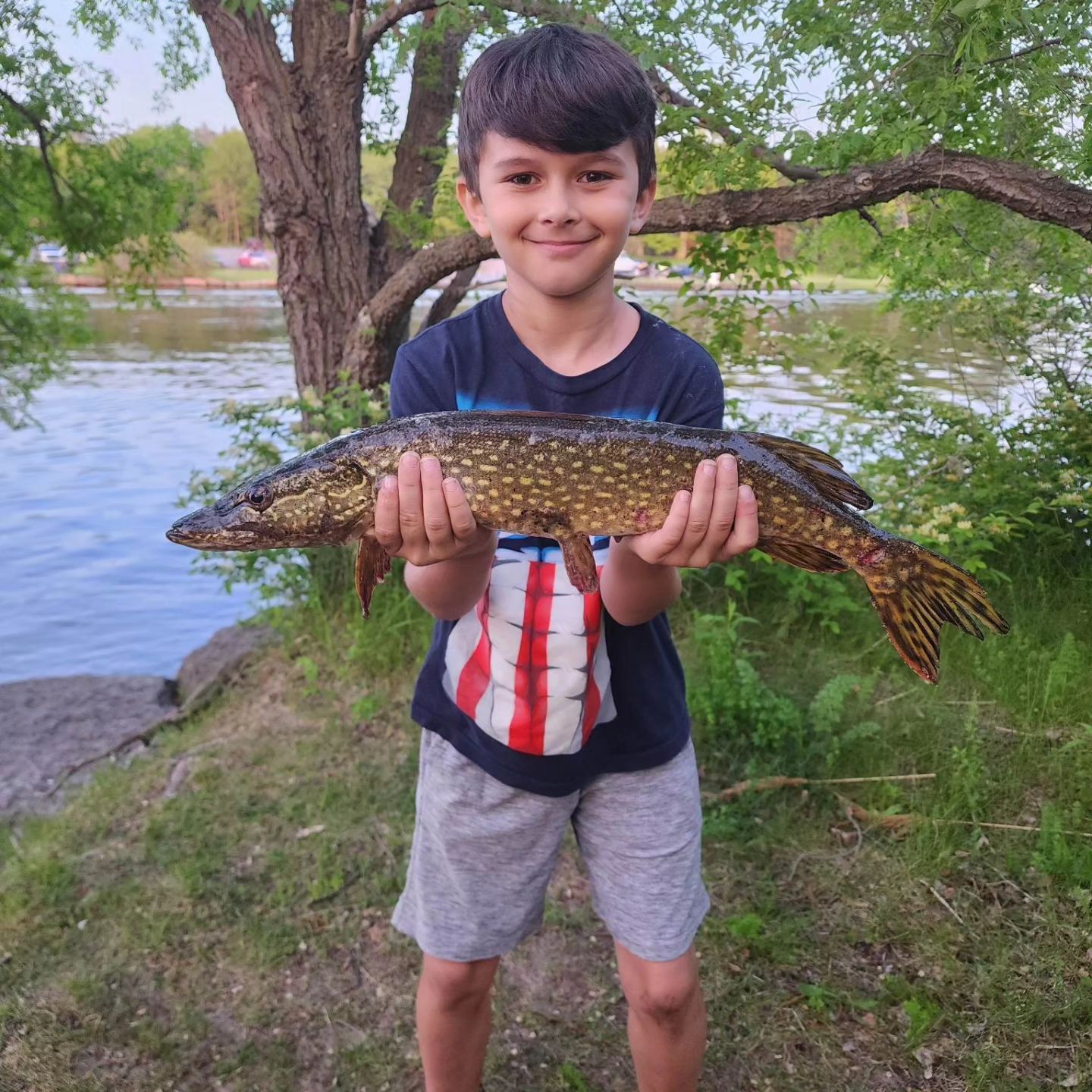
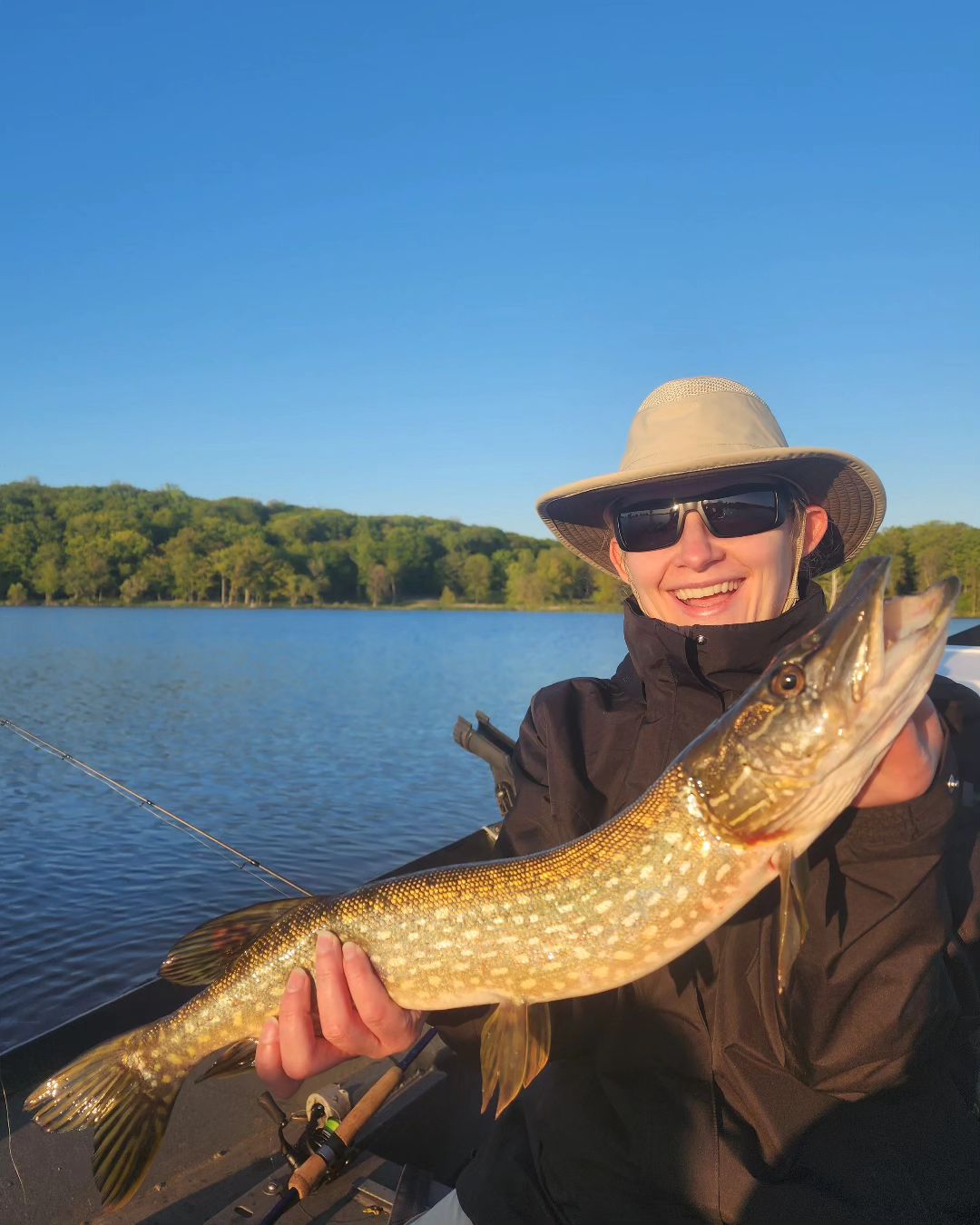
Northern Pike are the wild cards that make every trip exciting. They roam shallow bays and weed edges, ambushing anything that moves. Pike through the ice fight differently than in open water – they can't jump, so all that energy goes into powerful runs and head shakes. A 30-inch pike is a solid fish, but 36 to 40-inch pike show up regularly. They hit big baits hard and don't give up easily. The sound of a screaming drag in the quiet winter air gets everyone's attention fast.
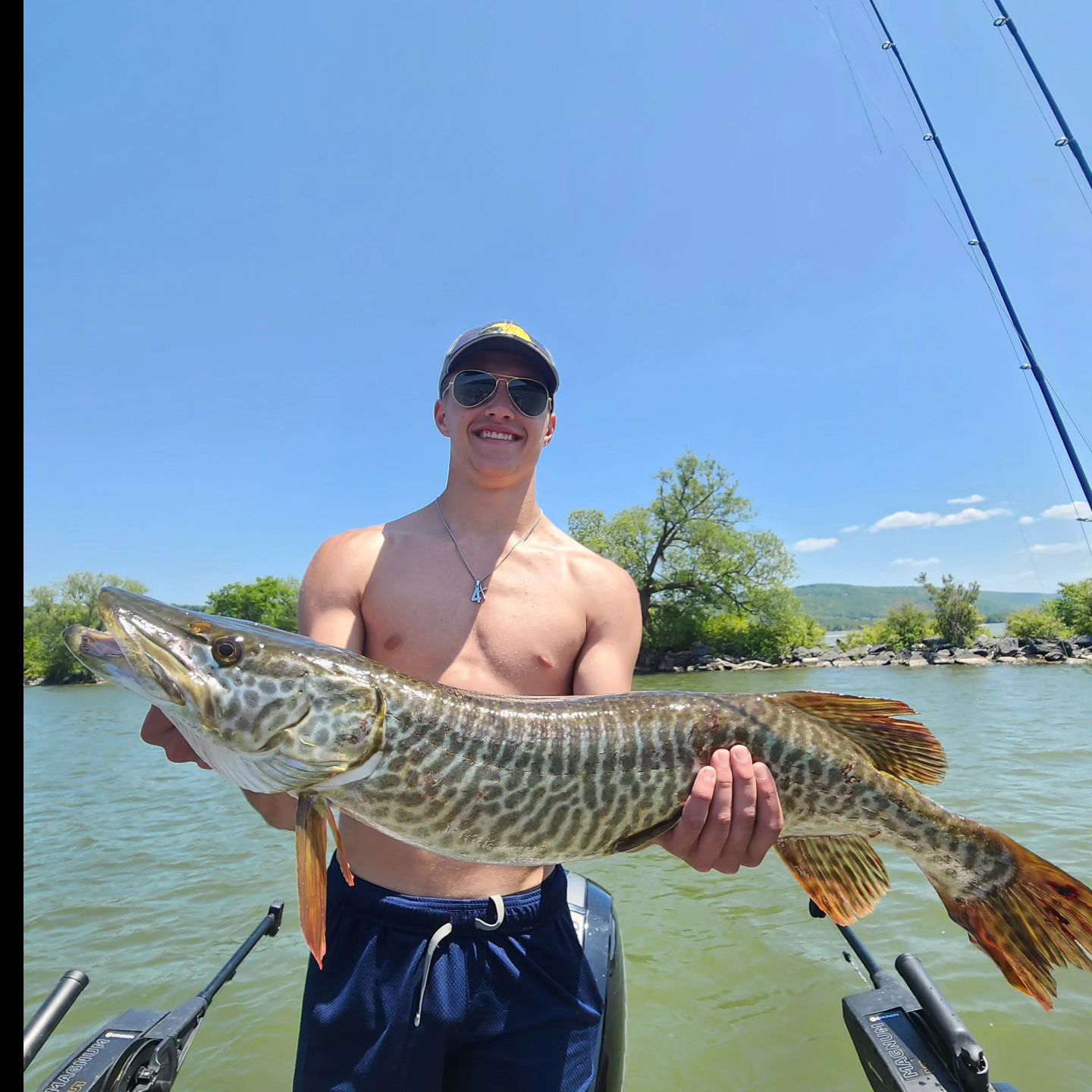
Muskellunge represent the ultimate prize in these waters. They're less active in winter but still catchable for anglers who know where to look. These apex predators follow baitfish into deeper areas adjacent to their summer haunts. A muskie through the ice is a rare treat – they can reach 45 inches or better and provide the kind of fight that tests every component of your tackle. They're notorious followers, often showing up on sonar but not committing until conditions are perfect.
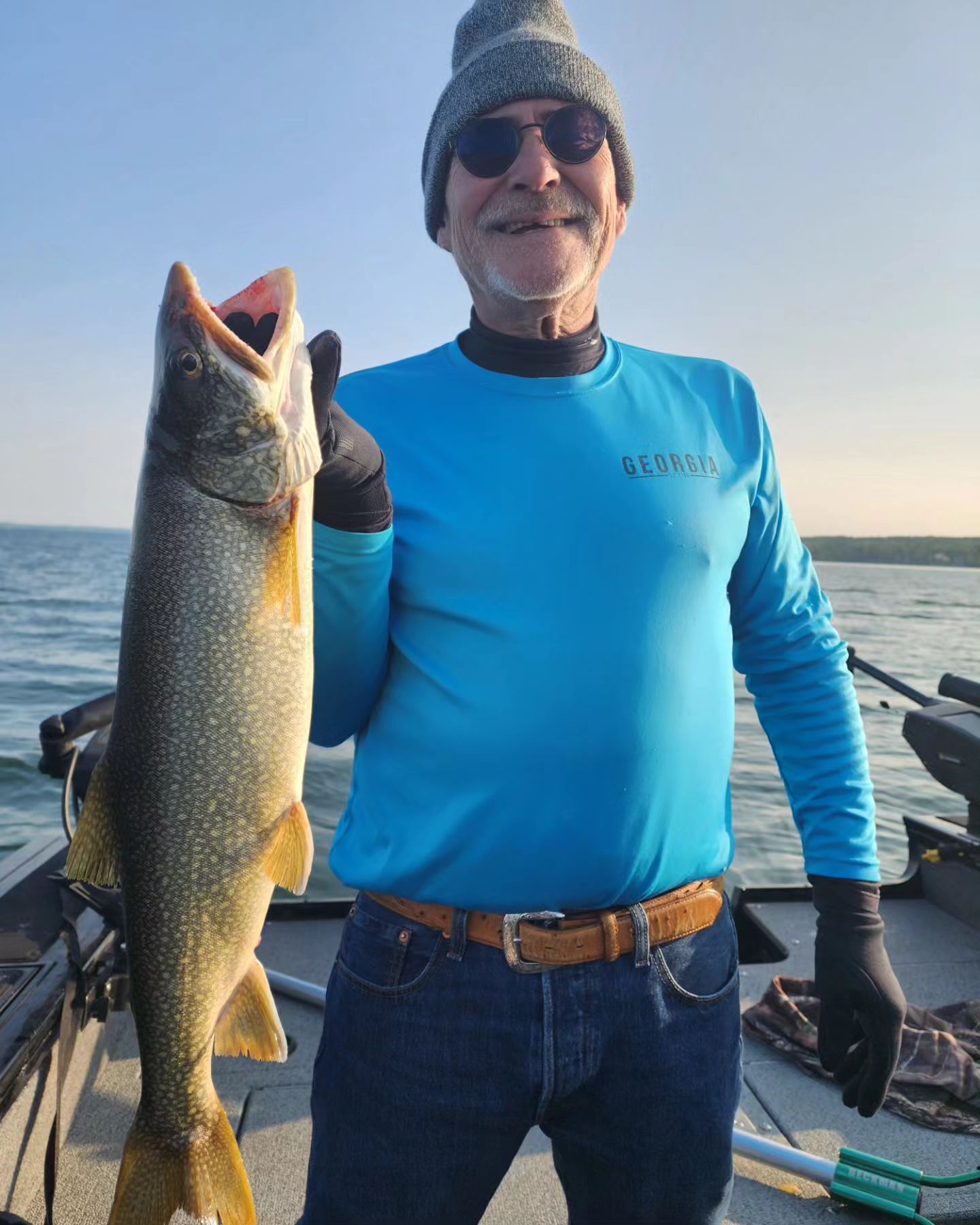
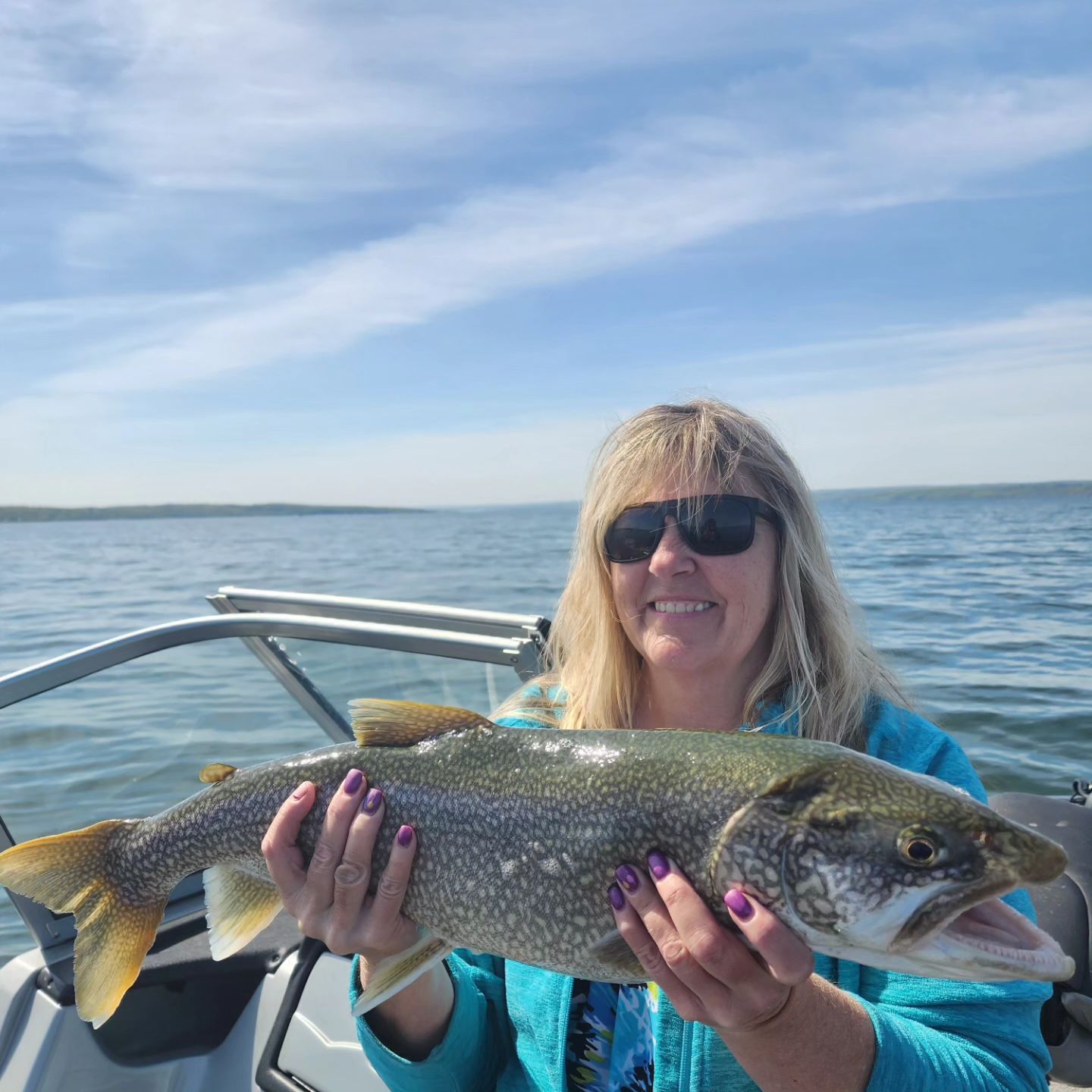
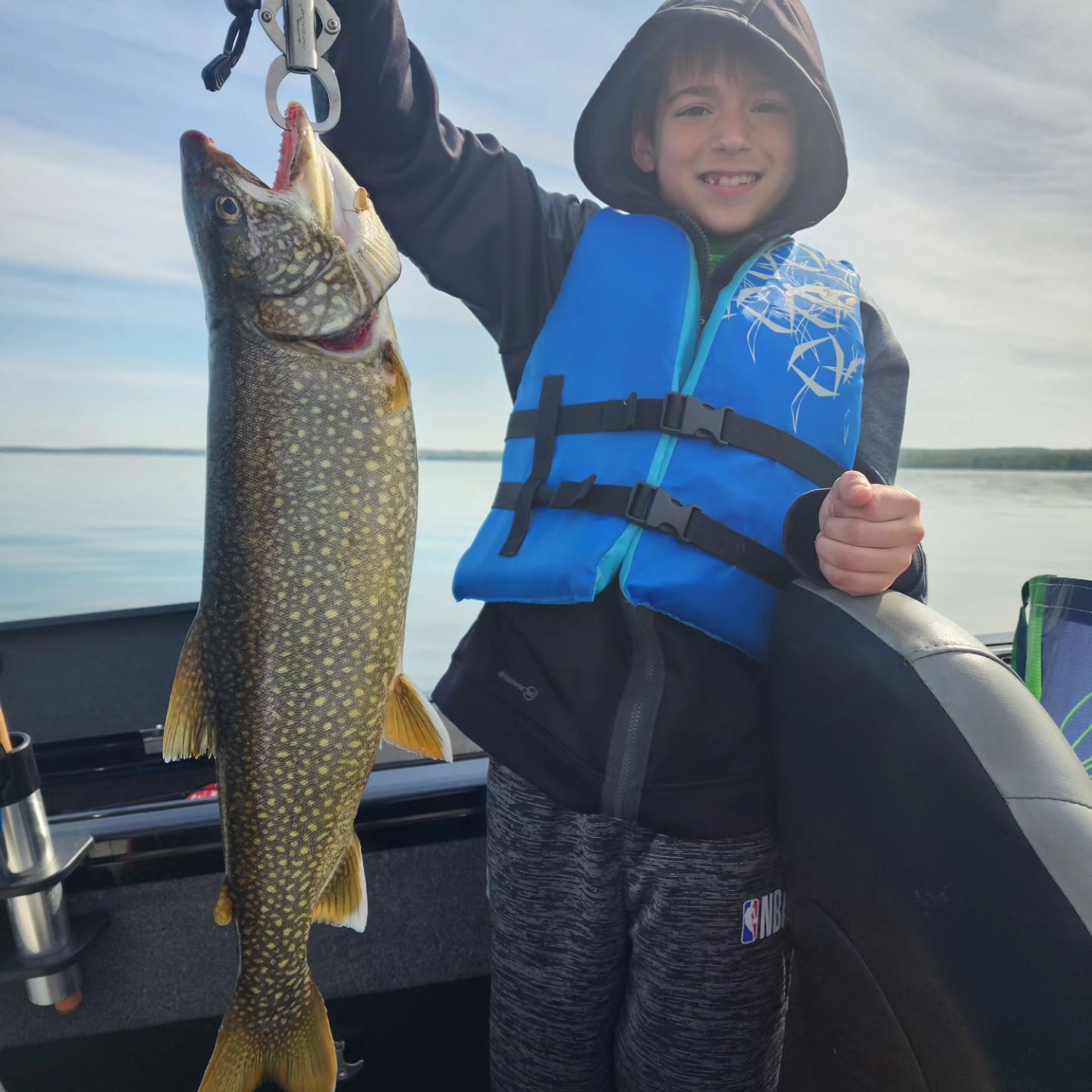
Lake Trout cruise the deeper, colder waters that most other species avoid in winter. They're actively feeding and respond well to vertical presentations. These fish pull hard and steady, using their body weight and the depth to their advantage. Lake trout in the 4 to 8-pound range are typical, with occasional larger specimens pushing double digits. They prefer certain depth ranges and temperature layers, making electronics essential for consistent success.
Time to Book Your Spot
Captain Lorensen's heated hut setup books up fast once word gets around about the bite. With only two anglers per trip, you're getting personalized instruction and prime fishing time without crowds. The combination of his local knowledge, quality equipment, and commitment to putting you on fish makes this a top-rated ice fishing experience in the Pulaski area. Whether you're chasing your first pike through the ice or looking to add a trophy muskie to your winter collection, this is how ice fishing should be done. Secure your spot with the low-rate deposit and get ready for some serious winter action.
 Private Trip
 Inshore Fishing
 Oswego County


 Ice fishing in heated huts with fish finders included