Bluefin Tuna Shark Fishing for Skilled Anglers
Captain Moore's got something special brewing for serious anglers ready to test their skills against the ocean's apex predators. This isn't your typical half-day trip – we're talking 11 hours of hardcore offshore fishing targeting bluefin tuna and sharks in deep water where the big boys roam. You'll be putting serious distance between you and shore, running 60 to 120 minutes out to the productive grounds where these monsters feed. The fishing has been red-hot from 2022 through 2024, and if you're looking to tangle with fish that'll test every ounce of your angling ability, this is your ticket.
What to Expect on the Water
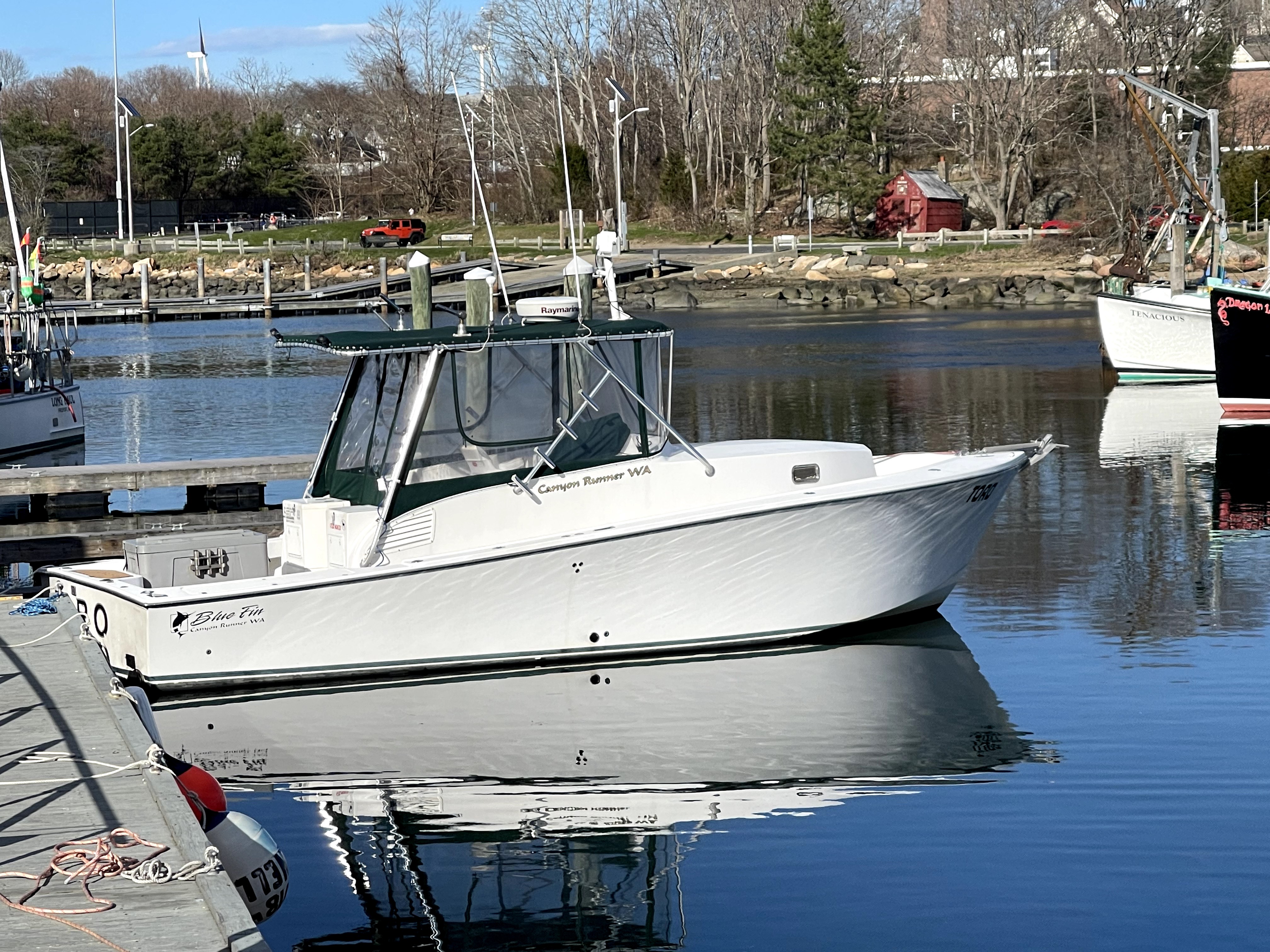
This trip kicks off early – and I mean early – because getting to the prime bluefin and shark grounds takes time, and you want to maximize your fishing hours once you're there. Captain Moore knows these waters like the back of his hand, and he's not messing around when it comes to putting you on fish. The boat handles up to six anglers, so you've got plenty of room to work without stepping on each other's lines. All the heavy tackle you'll need is provided, which is good news because you're going to need serious gear for these fish. The bluefin tuna regulations are straightforward but important – any fish over 73 inches has to be sold or released per federal rules. Here's the kicker though: if Captain Moore sells your fish, he'll knock 50% off your trip cost. That's the kind of deal that shows he's confident in putting you on keeper-sized tuna. Fair warning – deposits are non-refundable, so make sure your calendar is clear before you commit.
Trolling and Heavy Tackle Basics
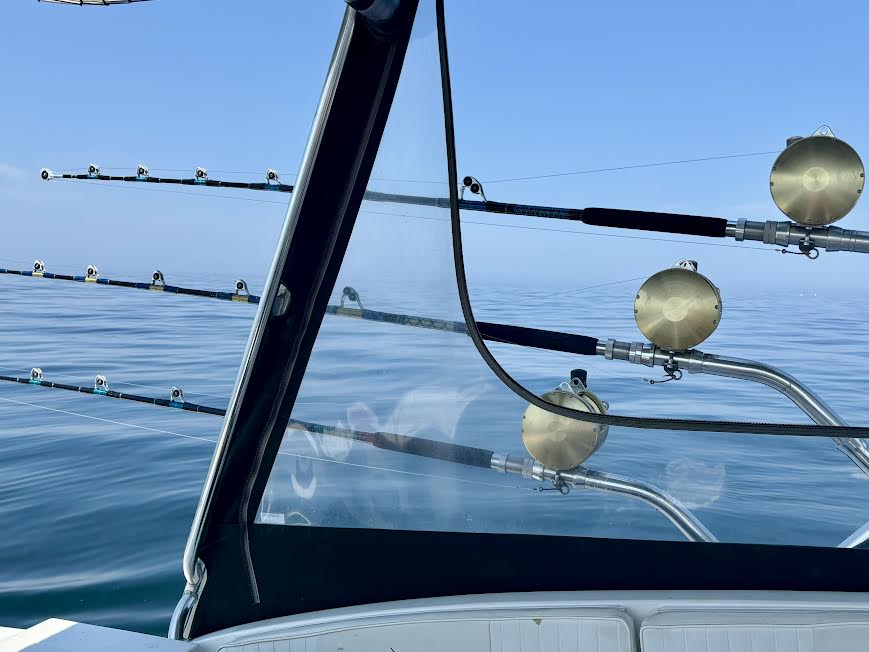
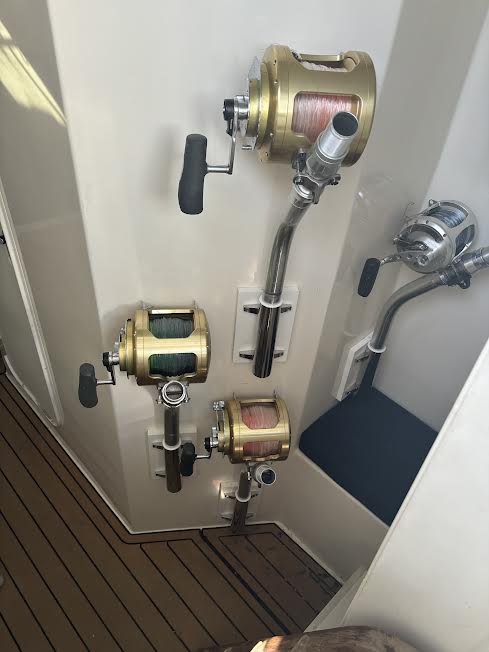
You're dealing with two completely different fishing styles on this trip, and that's what makes it so exciting. For bluefin tuna, we're talking high-speed trolling with spreader bars, cedar plugs, and ballyhoo rigs designed to mimic the baitfish these tuna hammer. The trolling spread will cover different depths and distances from the boat, giving you the best shot at connecting with a school. When it comes to sharks, it's a whole different game – we're talking chunking, live baiting, and putting out a serious chum slick to draw them in. The tackle is heavy duty across the board because both species will absolutely smoke light gear. Expect 50 to 80-pound class rods with quality reels that can handle long, brutal fights. Captain Moore provides all the terminal tackle, from circle hooks to heavy leaders, because having the right connections is everything when you're dealing with fish that can weigh hundreds of pounds and have teeth or bills that'll cut through cheap gear like butter.
Top Catches This Season
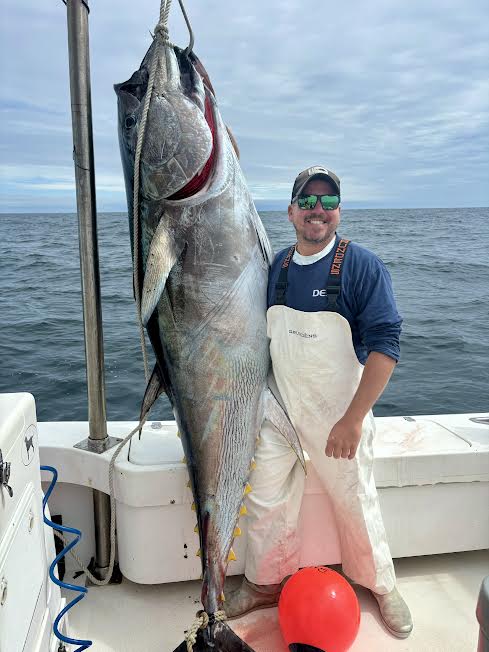
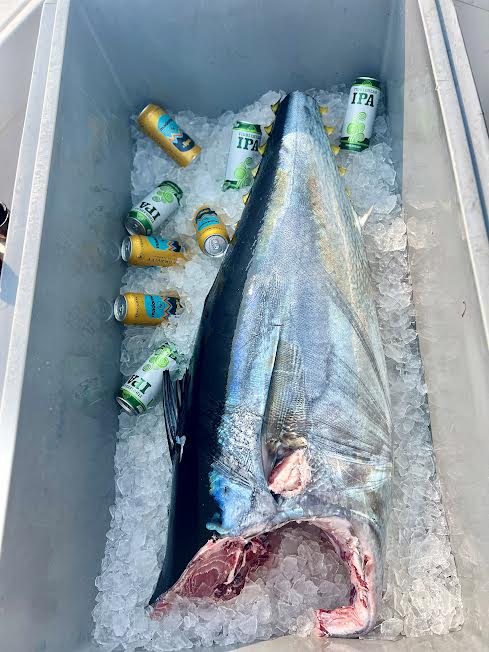
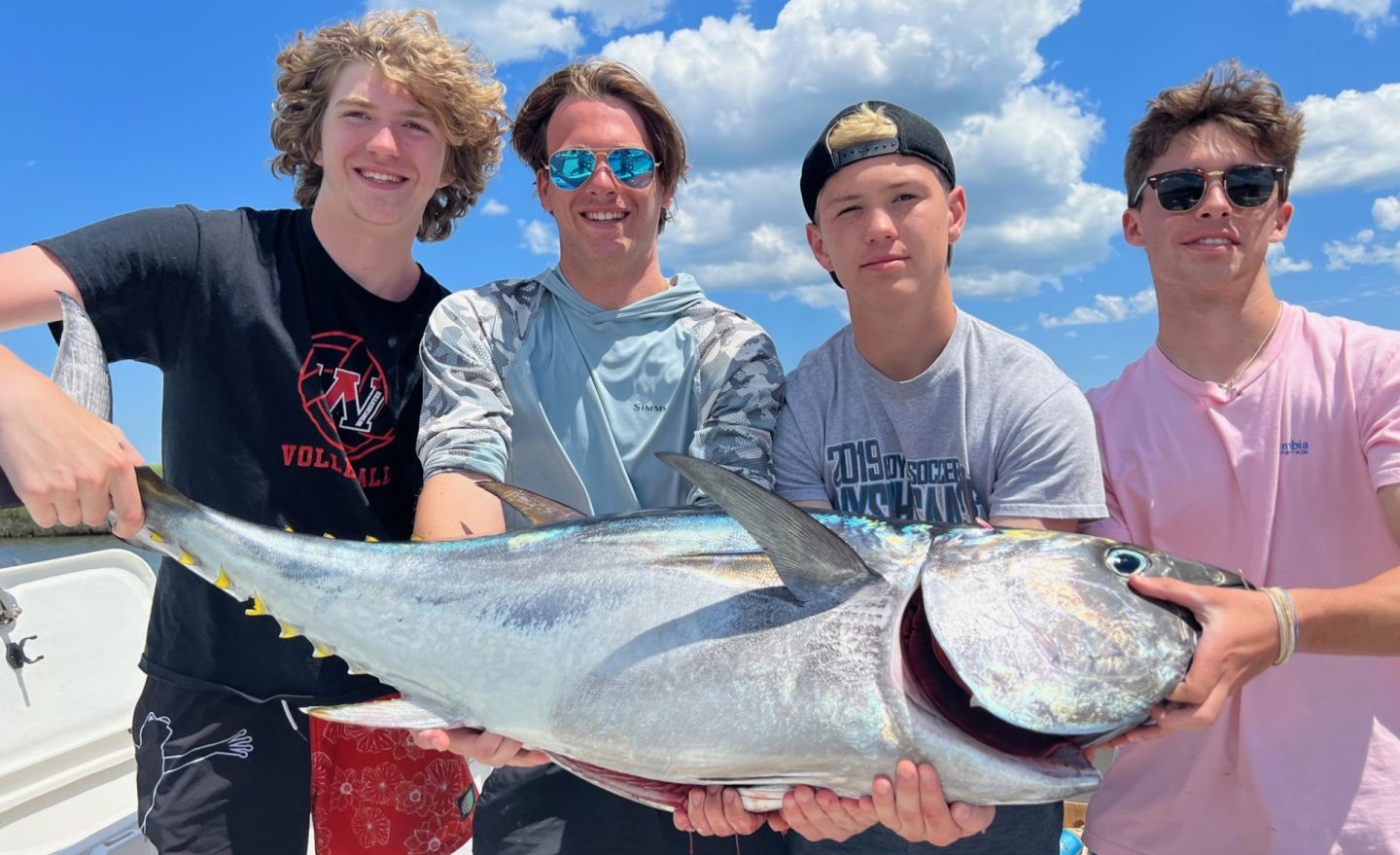
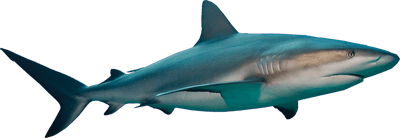
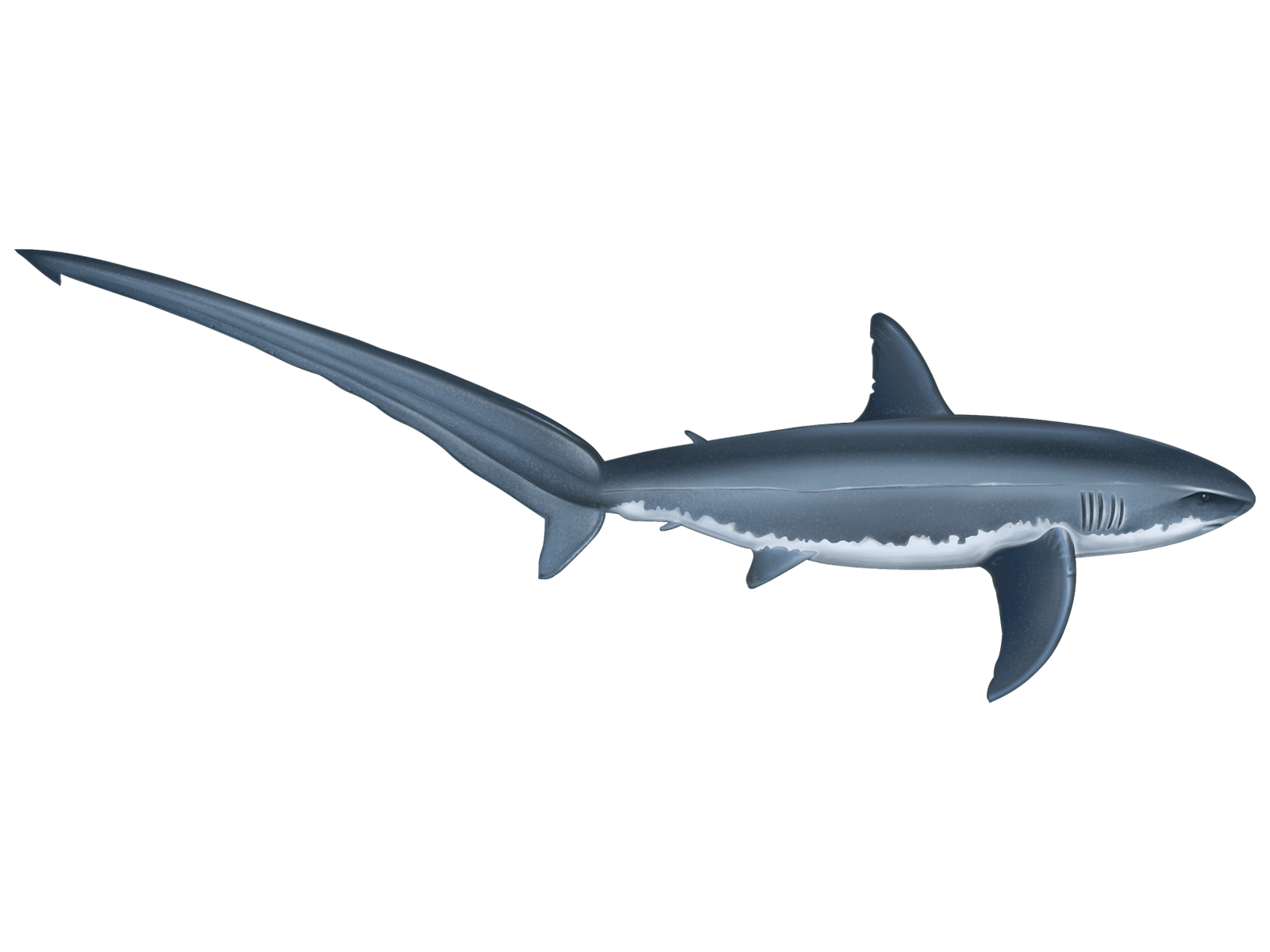
The Shortfin Mako Shark is the speed demon of the bunch – these things hit 45 mph and jump like they're shot out of a cannon when hooked. They're built for pure speed with their torpedo-shaped bodies and crescent tails, typically running 150 to 300 pounds in these waters. Spring through fall gives you the best shot at makos, and they're absolute hell on wheels once they feel the hook. The fight combines blistering runs with spectacular jumps that'll have your heart pounding. Porbeagle Sharks are the cold-water cousins, stockier and more muscular, preferring the cooler months and deeper water. They're known for their stamina and bulldogging power, grinding out long fights that'll test your back and forearms. Bluefin Tuna are the crown jewel – these fish are pure muscle wrapped in a torpedo shape, capable of pulling drag for hours. The giants we're targeting can easily top 200 pounds, with some monsters pushing 400 or more. They're most active when water temperatures hit that sweet spot, and once hooked, they'll sound deep and stay there, testing every knot and connection in your rig. Blue Sharks show up consistently throughout the warmer months, recognizable by their brilliant blue coloration and long pectoral fins. While they're not the biggest sharks you'll encounter, they're scrappy fighters and great for keeping the action going between the bigger fish. Thresher Sharks are the tail-whippers – literally half their body length is that massive tail they use to stun baitfish. They're incredibly acrobatic fighters and provide some of the most visual action you'll see, often launching clear of the water with that distinctive long tail flailing.
Time to Book Your Spot
Look, this trip isn't for everyone, and Captain Moore knows it. You need to come ready for a long day, heavy fish, and the kind of fishing that separates the weekend warriors from the serious anglers. The 11-hour commitment means you're getting maximum time on the water, and with the fishing being as good as it's been the past few seasons, you're looking at legitimate shots at fish of a lifetime. The boat's equipped for the long haul, the tackle's proven, and the captain knows where to find the fish. Whether you're after that wall-hanger bluefin or want to feel the explosive power of a mako shark, this trip delivers the kind of fishing stories you'll be telling for years. Six spots fill up fast when word gets out about hot fishing, so don't sit on this one if you're serious about going after the ocean's apex predators. Captain Moore's discount deal on sold tuna is just icing on the cake – it shows he's so confident in the fishing that he's willing to put his money where his mouth is. Book your spot and get ready for the kind of fishing that reminds you why you started chasing fish in the first place.
 Private Trip
 Offshore Fishing
 Massachusetts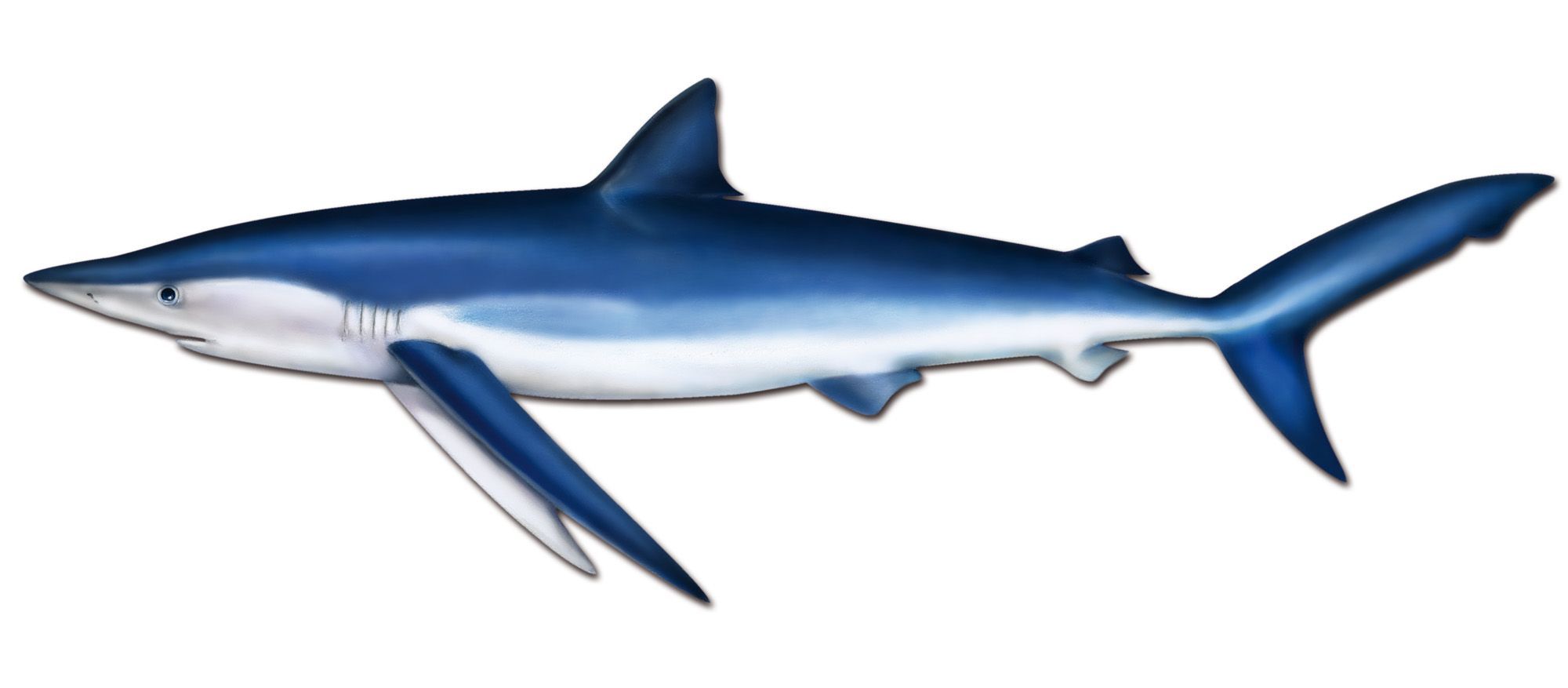


 11-hour private offshore trip targeting Bluefin Tuna and Sharks