6 HR Private Inshore/Nearshore Fishing
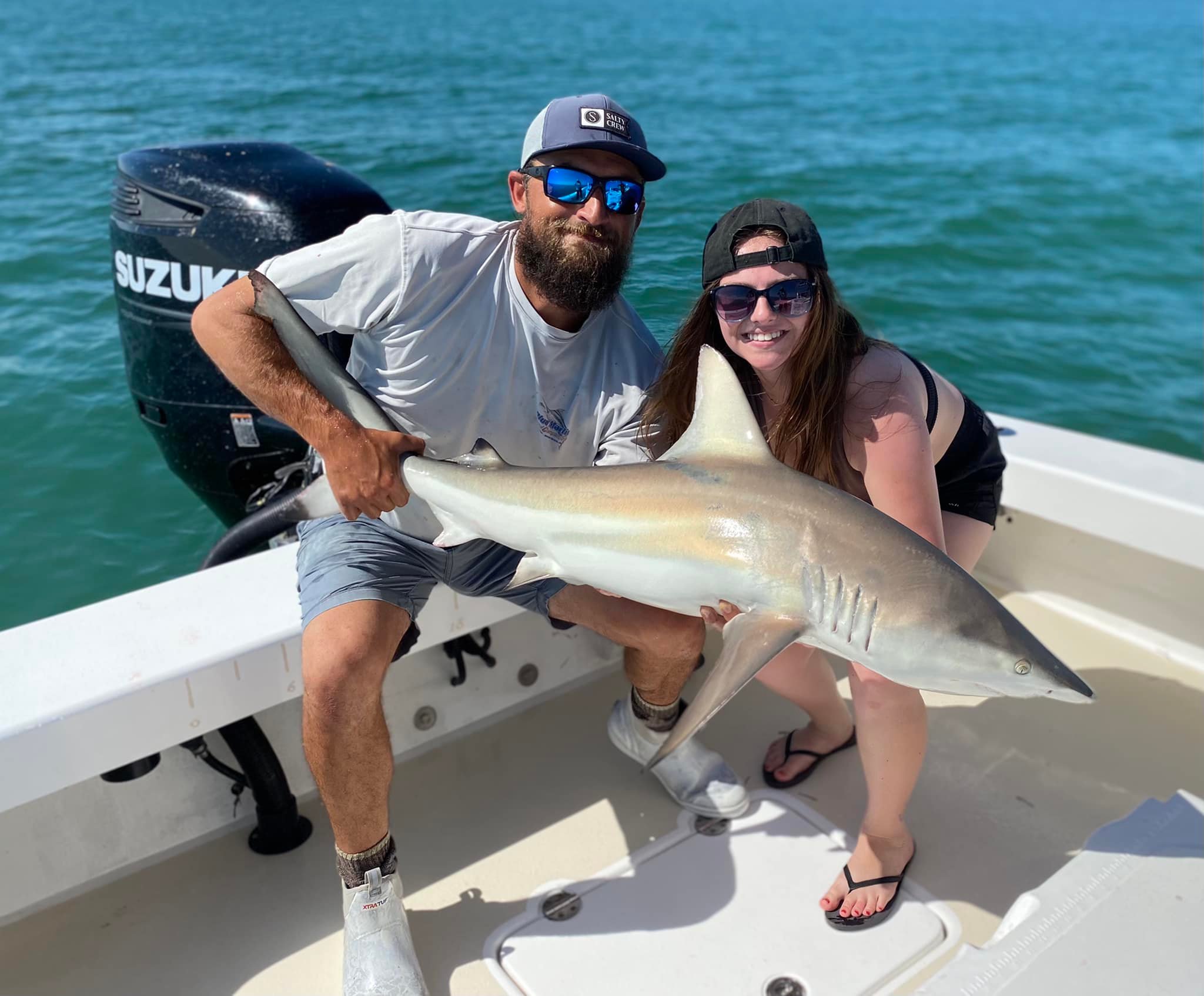
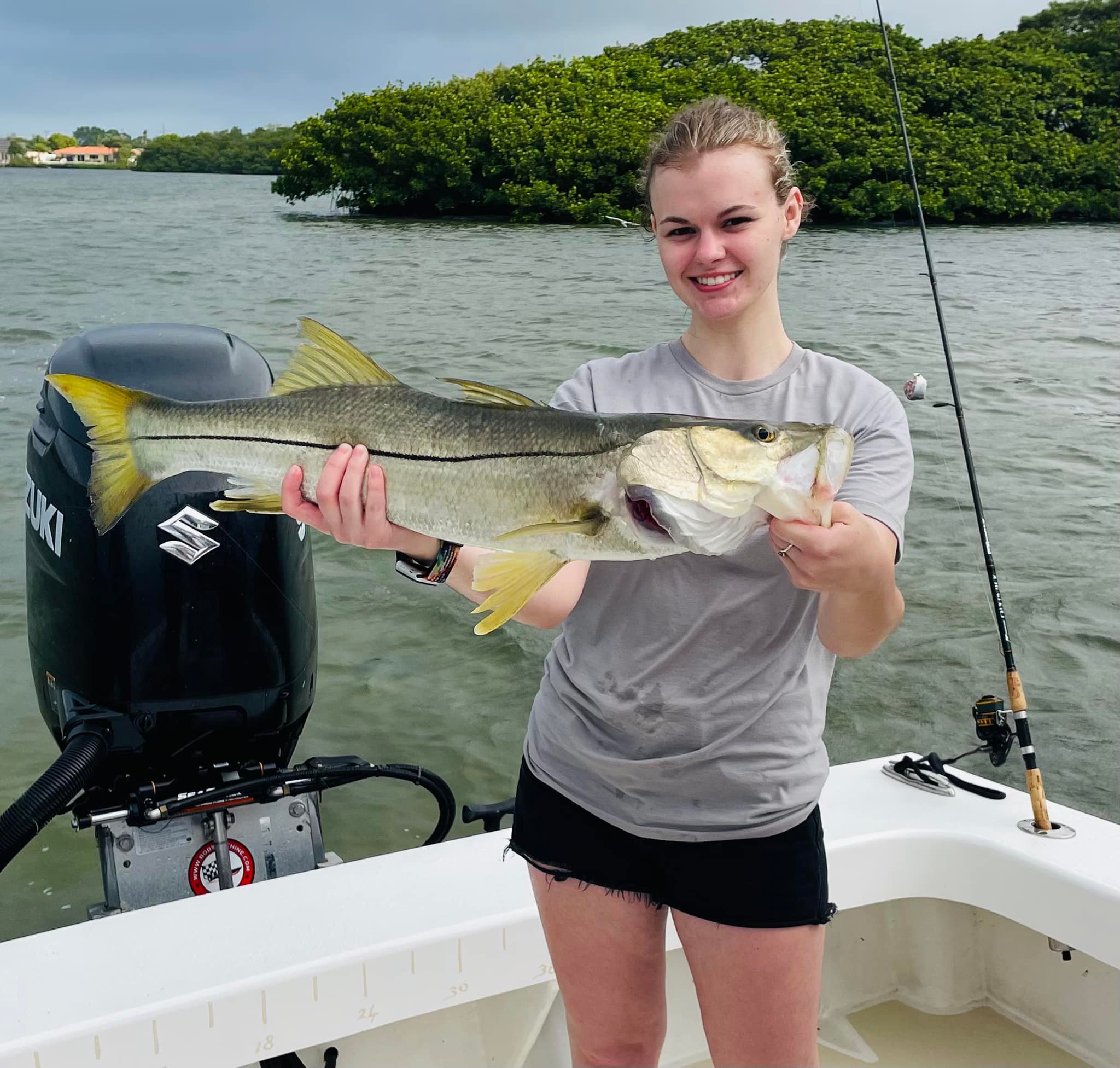
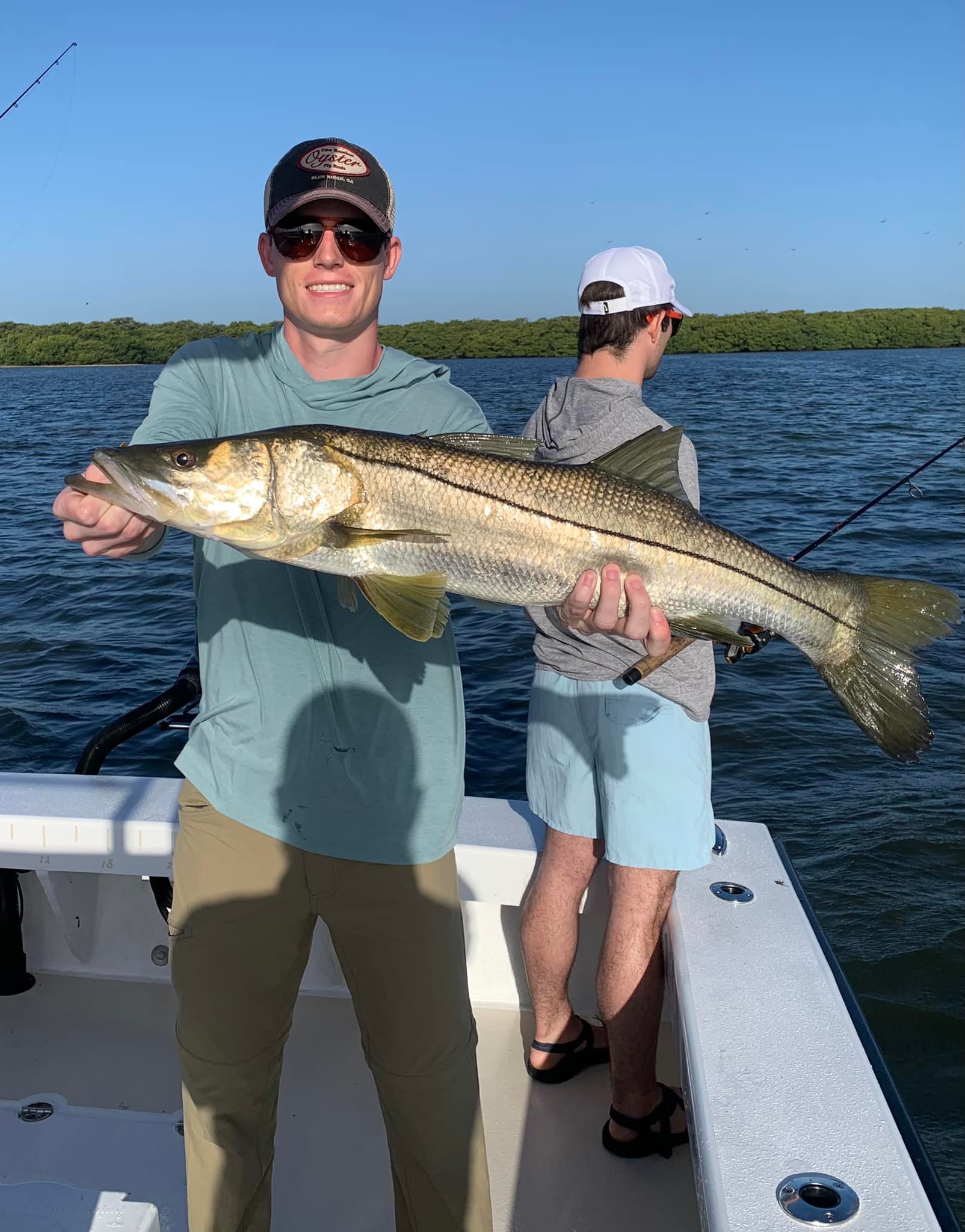
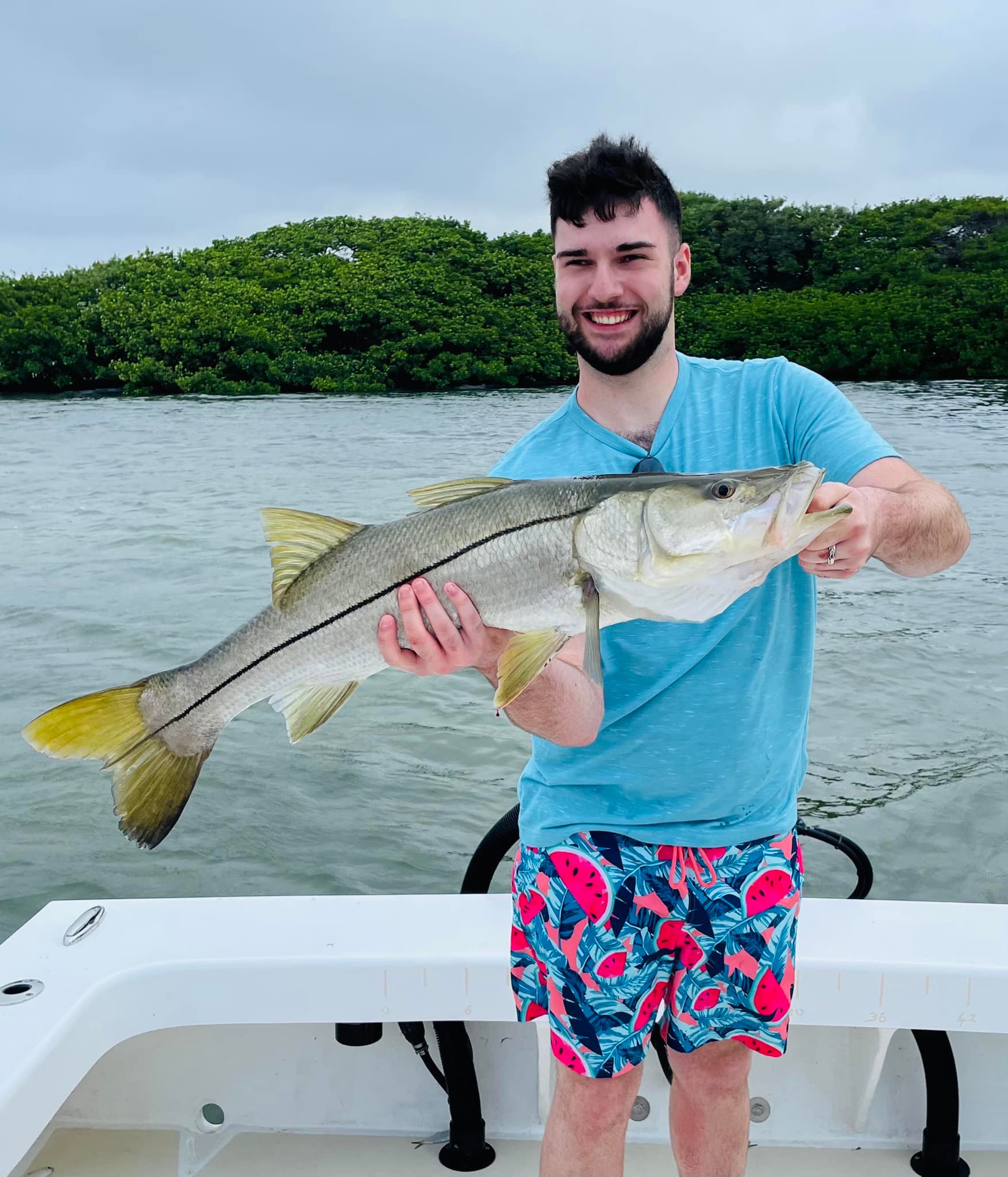
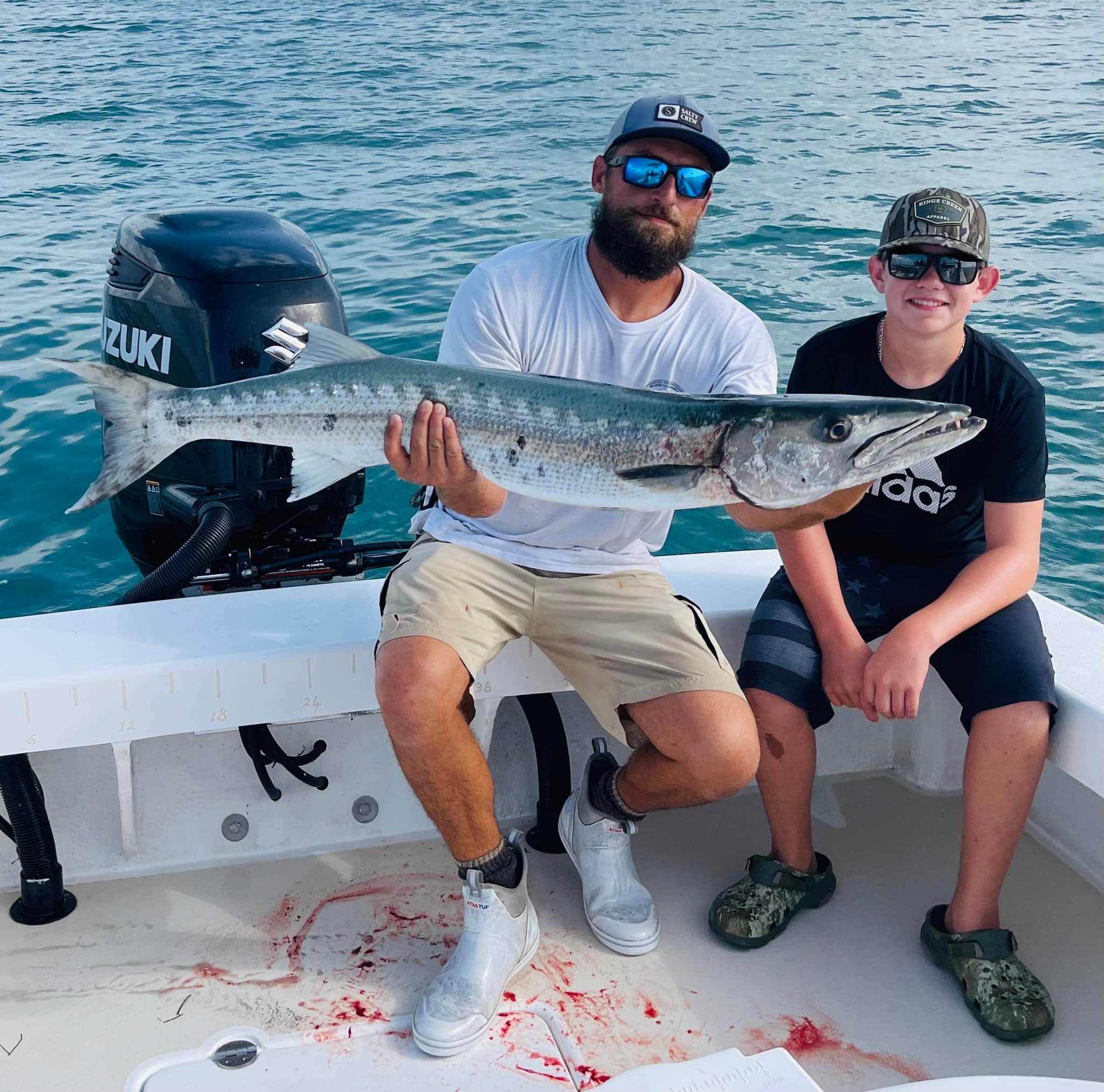
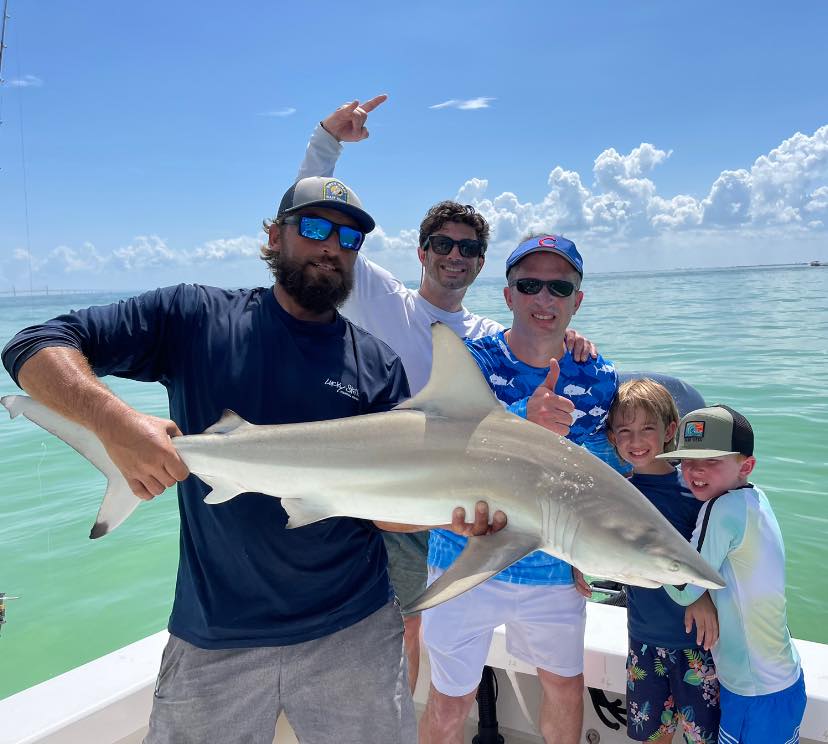
Looking for a serious day of fishing without the crowds? Lucky Strike Fishing Charters puts you on fish with their top-rated 6-hour private inshore and nearshore adventures. You'll have the boat to yourself and up to three buddies, working prime spots where snapper, grouper, and hogfish call home. Captain and crew know these waters like the back of their hand, and they're not just taking you fishing – they're putting you on the good stuff. Pack your appetite for action because these fish fight hard and taste even better.
What to Expect on the Water
This isn't your typical half-day trip where you're rushing from spot to spot. Six hours gives you real time to work the water right, hit multiple structures, and adjust tactics when the bite changes. You'll start early when the fish are hungry and aggressive, working your way through different zones as conditions dictate. The boat's rigged with everything you need – from light spinning gear for those finicky hogfish to heavy tackle when you hook into something that doesn't want to come up easy. Your captain reads the water, watches the electronics, and positions you over productive bottom where fish stack up. Some days you'll be sight fishing in clear water, other times you're dropping baits to structure you can't see but the fish know is there. Either way, you're in for steady action with species that know how to pull drag.
Tackle and Live Bait Setup
The beauty of this fishing style is matching your approach to what's biting. Light tackle spinning setups work perfect for lane snapper and smaller hogfish – you feel every nibble and can finesse those picky eaters. When targeting bigger mutton snapper and red grouper, the crew switches to conventional reels with more backbone to muscle fish away from structure before they cut you off. Live bait is the name of the game out here. Fresh pilchards, pinfish, and grunts get hooked through the lips or behind the dorsal fin, swimming naturally in the current to trigger strikes from wary predators. Circle hooks keep fish pinned solid while reducing deep hooking, especially important for grouper that like to inhale baits whole. The captain positions the boat to drift baits naturally along ledges, over patch reefs, and around isolated structure where fish ambush passing meals. Bottom fishing with knocker rigs and fish finder setups puts baits right in the strike zone, while free lining live baits lets them swim naturally to spook wary fish into eating.
Species You'll Want to Hook
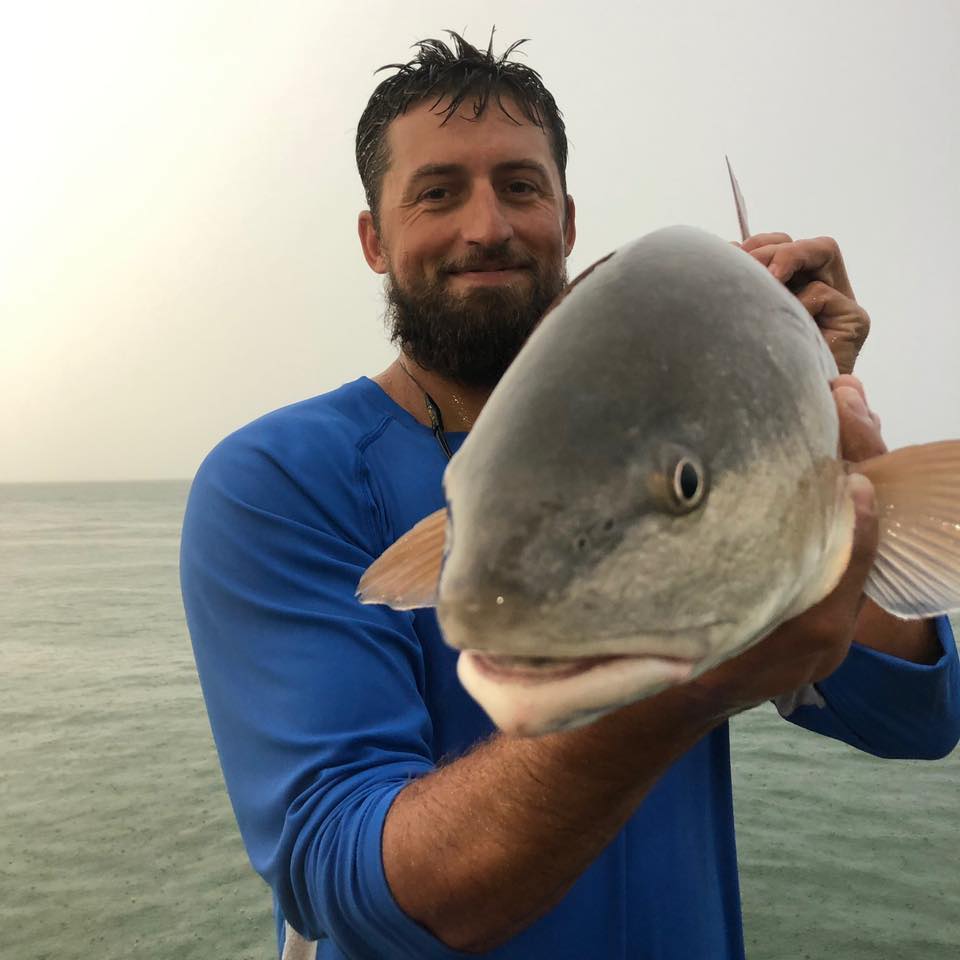
Red grouper are the heavy hitters of this fishery, and for good reason. These chunky bottom dwellers average 5 to 15 pounds but can push 20-plus when you find a real toad. They live around hard bottom, ledges, and isolated rocks in 40 to 100 feet of water, using their powerful jaws to crush crabs and small fish. Red grouper hit live bait hard and immediate – no subtle taps here. Once hooked, they dive straight for the bottom using every ounce of muscle to reach cover and break you off. The fight is all about keeping steady pressure and not letting them get their head down. Best fishing happens during cooler months when they're more active and feeding heavily. What makes red grouper special isn't just the fight – these fish are premier table fare with firm, white meat that's perfect for grilling, blackening, or frying.
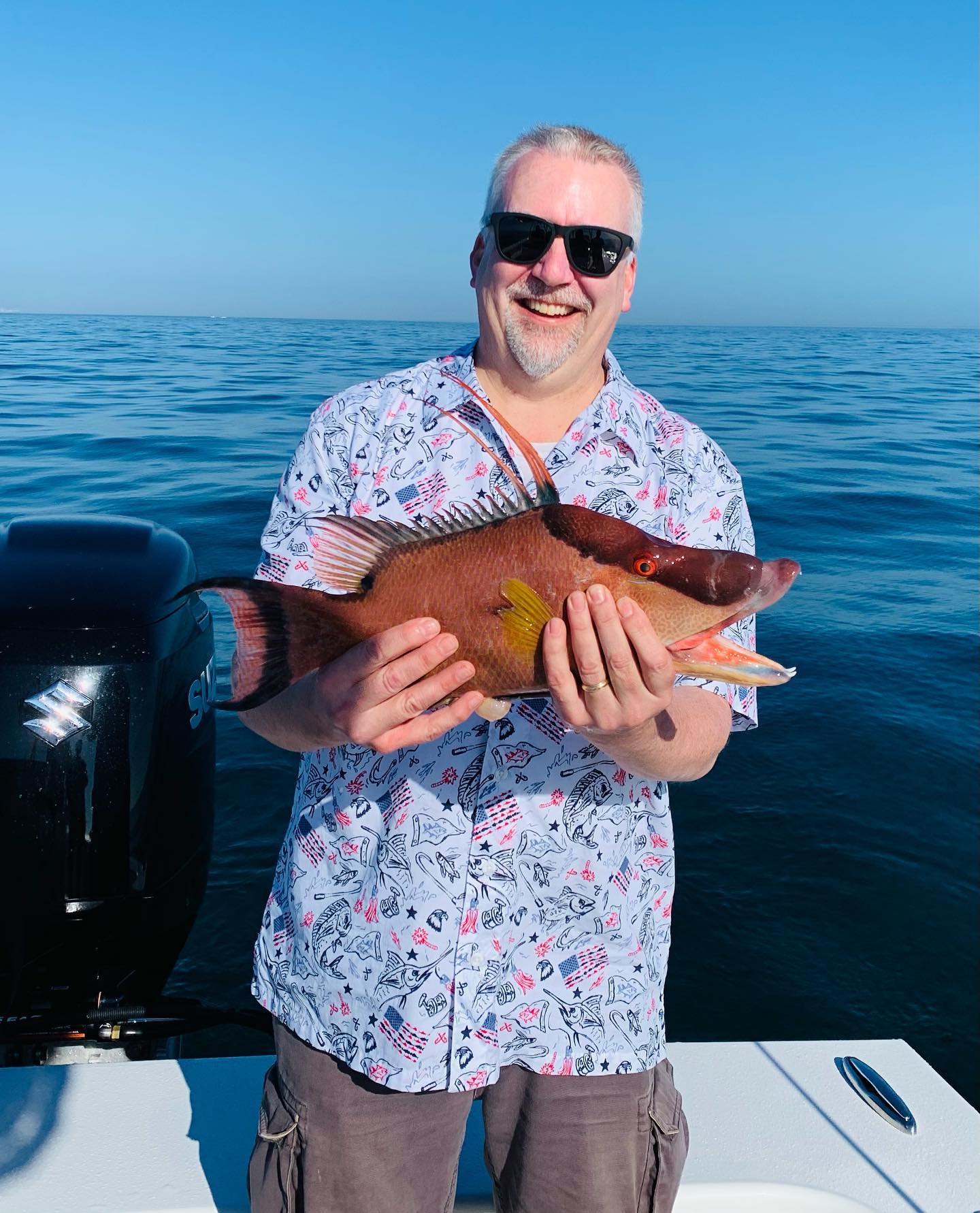
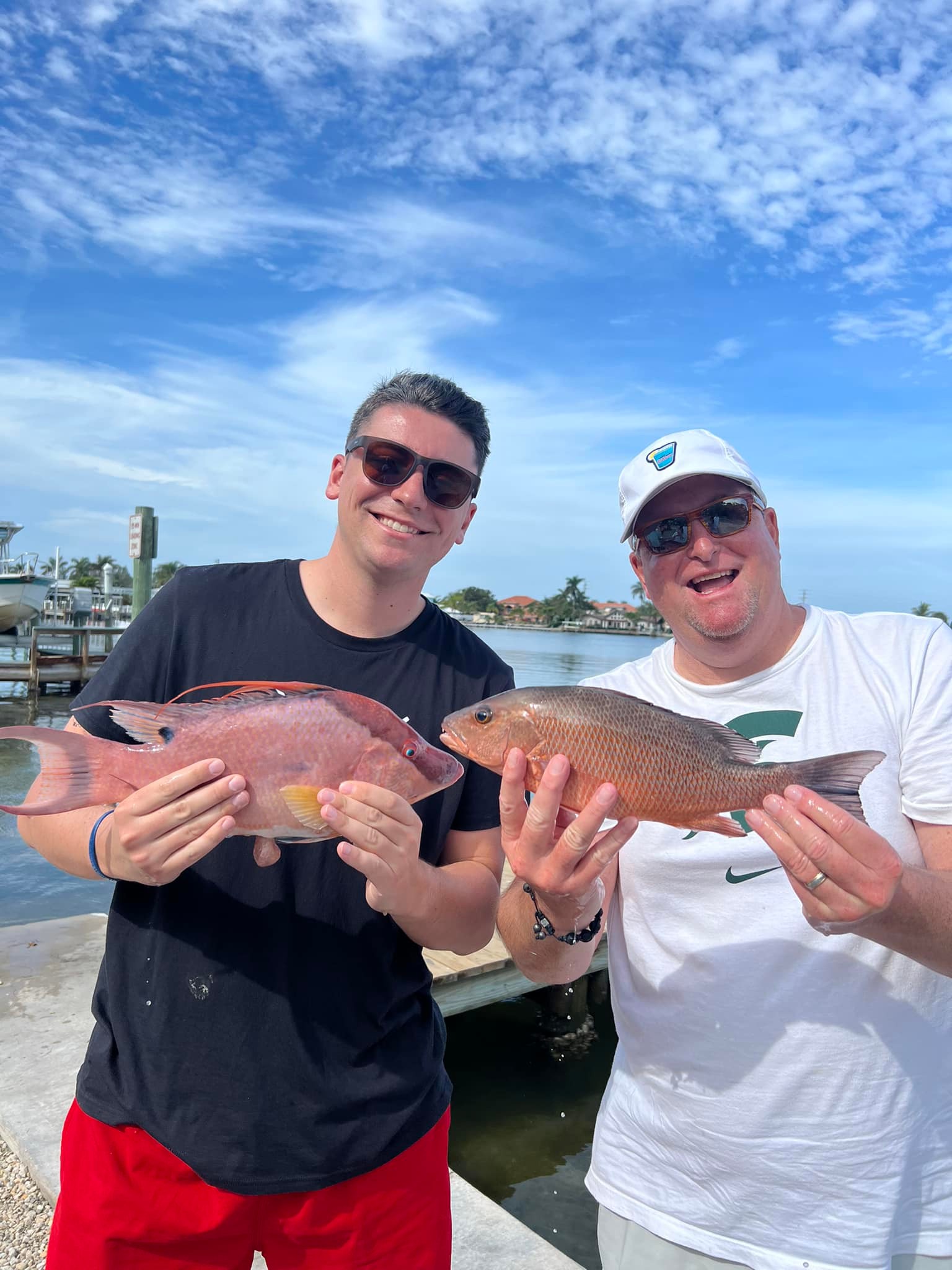
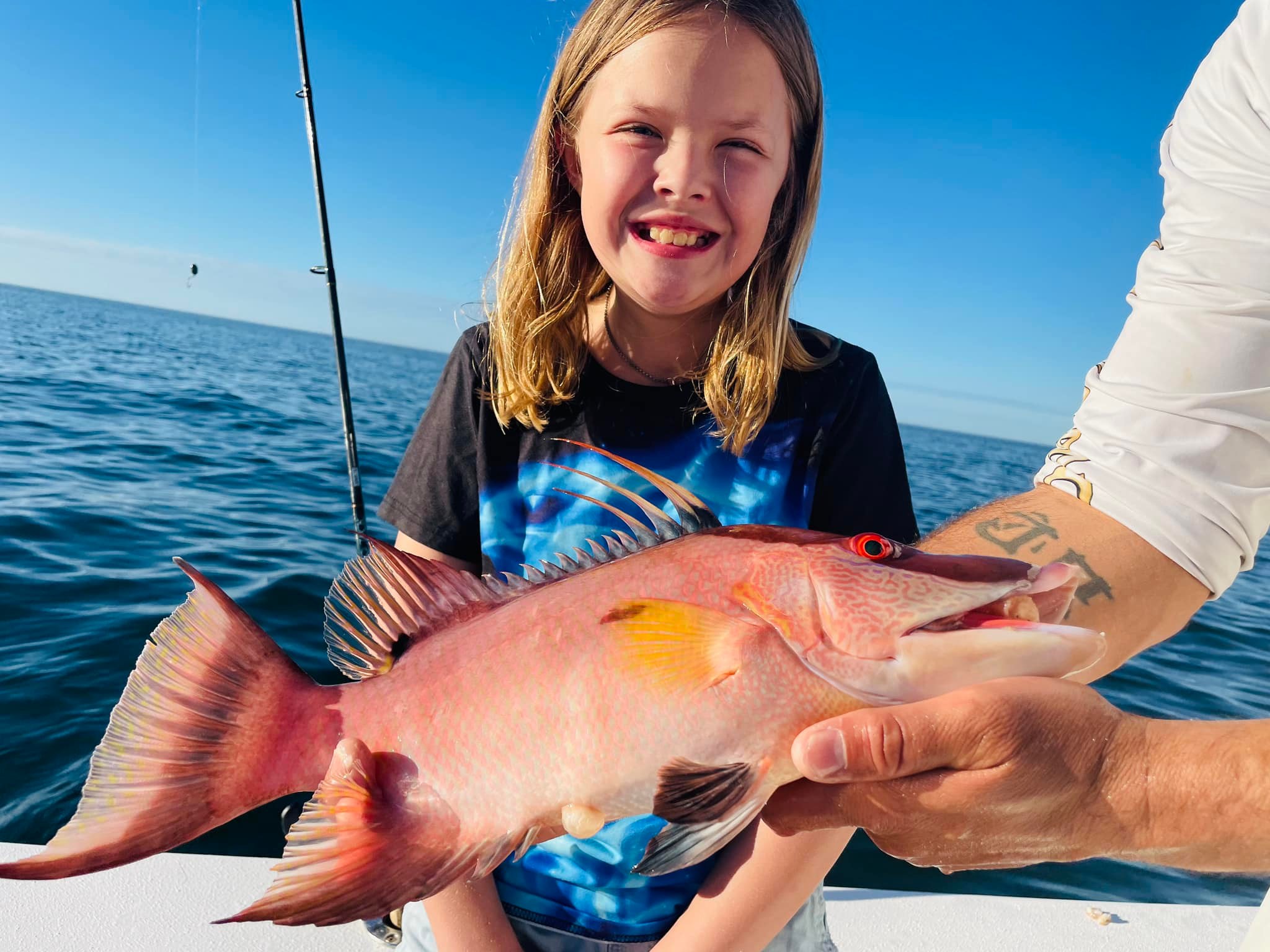
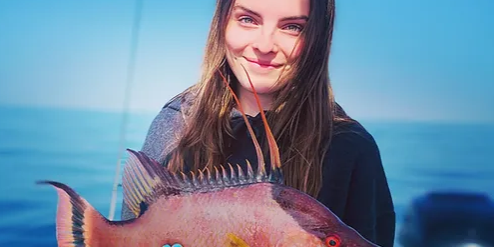
Hogfish might look funny with their pig-like snout, but don't let appearances fool you – these are world-class gamefish and even better eating. They use that specialized snout to root around sandy bottoms and grass beds, digging up crabs, shrimp, and mollusks. Hogfish are visual feeders that spook easily, so light tackle and natural presentations work best. They typically run 2 to 8 pounds with occasional fish pushing double digits. The fight is surprisingly strong for their size, with quick runs and head shaking that tests your drag system. Timing matters with hogfish – they're most active during spring and fall months when water temperatures are moderate. What sets hogfish apart is their reputation as the best-tasting fish in these waters. The meat is sweet, flaky, and mild – so good that many veteran anglers consider them the ultimate prize.
Mutton snapper are the glamour fish of the snapper family, and once you see one you'll understand why. These beautiful fish show bright red coloration with blue and yellow highlights, plus distinctive black spots along their sides. They're structure-oriented fish that hang around reefs, wrecks, and hard bottom in 30 to 80 feet of water. Muttons are notorious for being line-shy and bait-smart, often requiring lighter leaders and smaller hooks to get bit. They average 3 to 8 pounds but can reach 15-plus when you connect with a real bruiser. The fight combines powerful runs with dogged determination – they use every trick to throw the hook or find structure to break you off. Peak season runs from late spring through early fall when they're most aggressive and feeding heavily. Beyond the fight, mutton snapper are outstanding table fare with firm, sweet meat that's perfect for any cooking method.
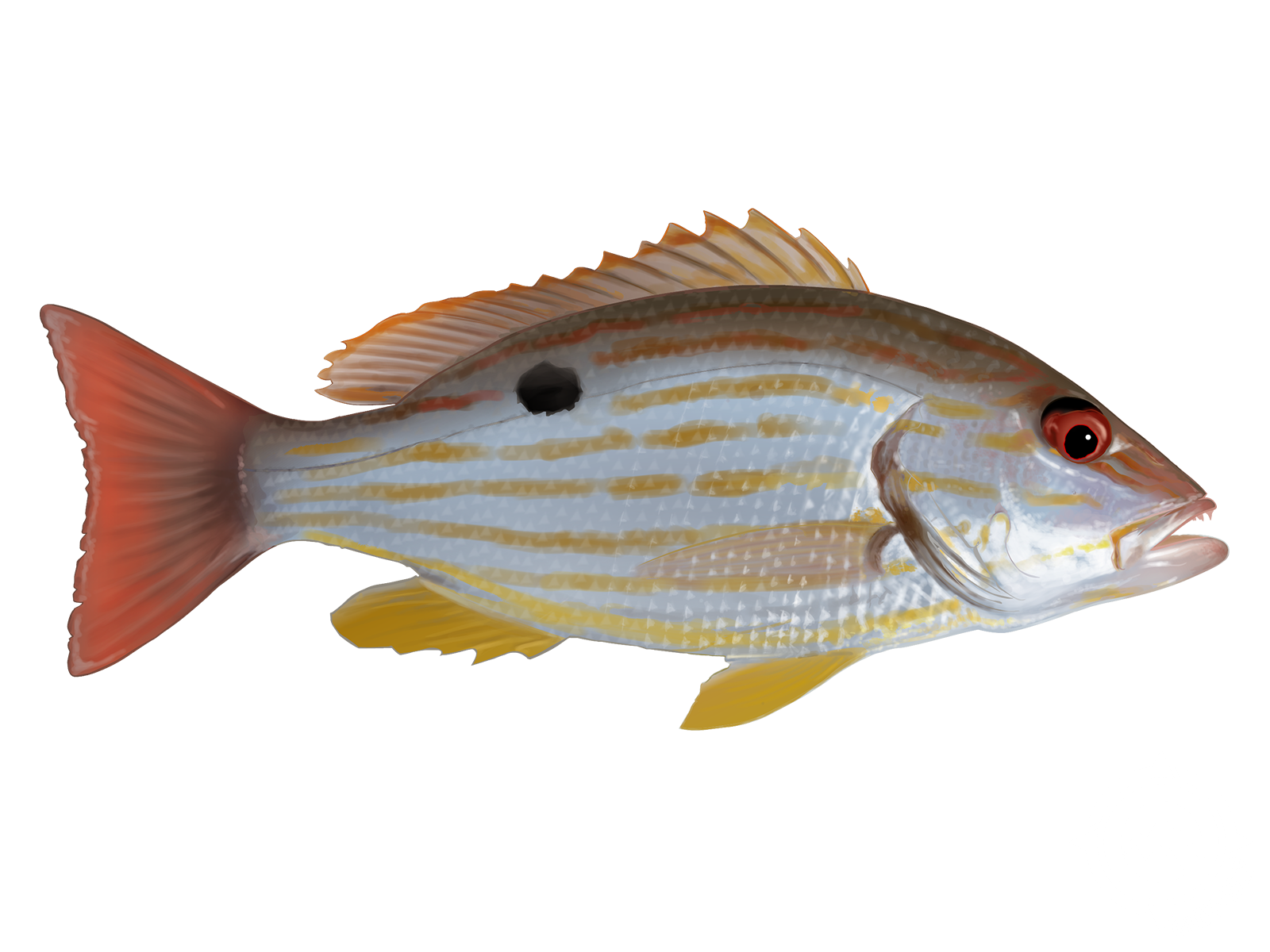
Lane snapper might be the smallest fish you'll target, but they make up for size with numbers and attitude. These scrappy little fighters rarely exceed 2 pounds, but they bite aggressively and fight way above their weight class. Lane snapper school heavily around structure, often in mixed groups with other snapper species. They're opportunistic feeders that hit live bait, cut bait, and small jigs with equal enthusiasm. The key is using light tackle to maximize the fight – these fish are pure fun on spinning gear with light drag. They bite year-round but are most active during warmer months when they move into shallower water to feed. While individually small, lane snapper are fantastic eating fish with sweet, delicate meat that's perfect for whole fish preparations or filleting for fish tacos.
Time to Book Your Spot
 Private Trip
 Inshore Fishing
 Tampa
Tampa


 6-hour private charter targeting snapper, hogfish, and grouper