Delaware 10 Hour Inshore Tuna Fishing Charter
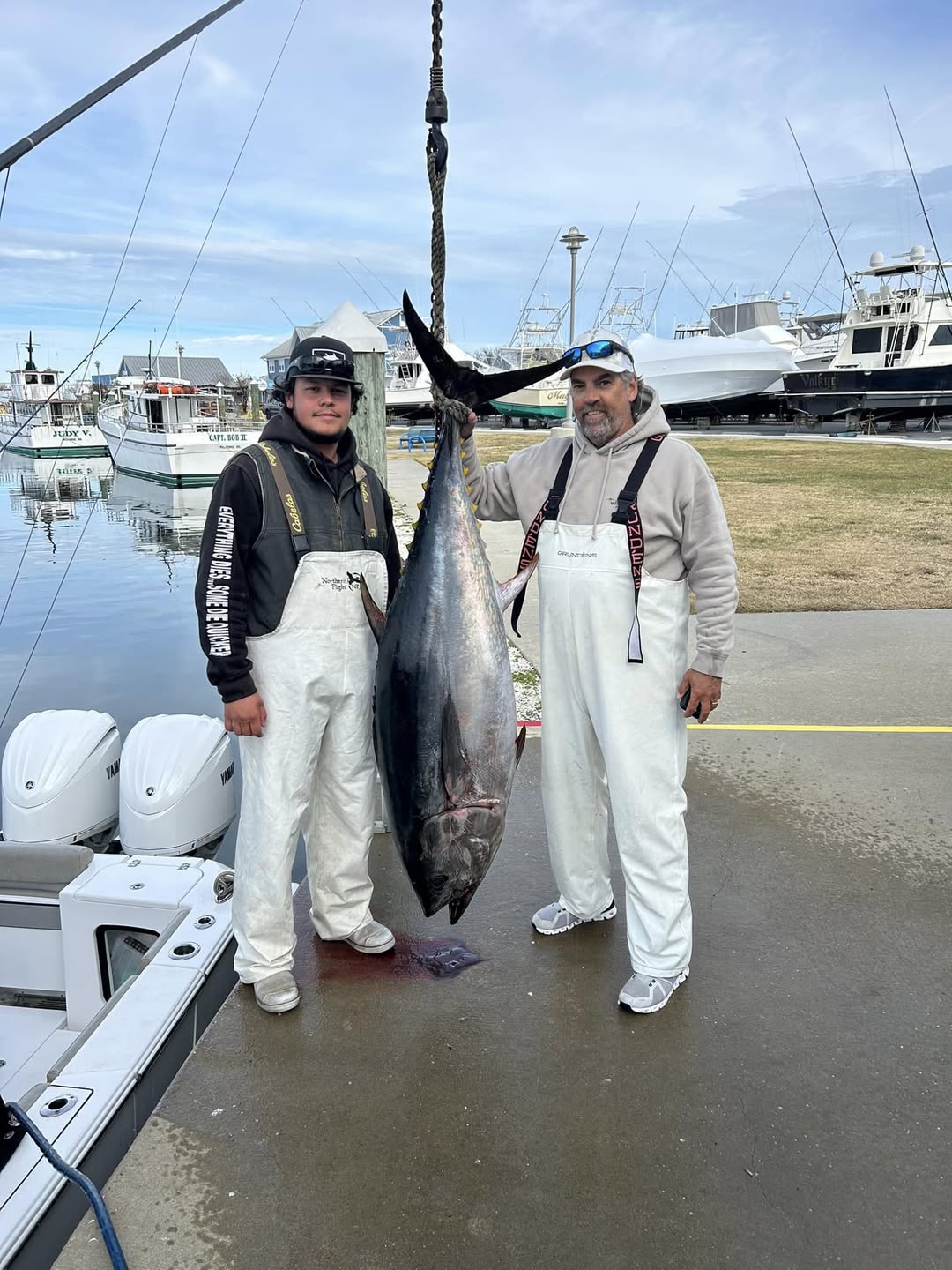
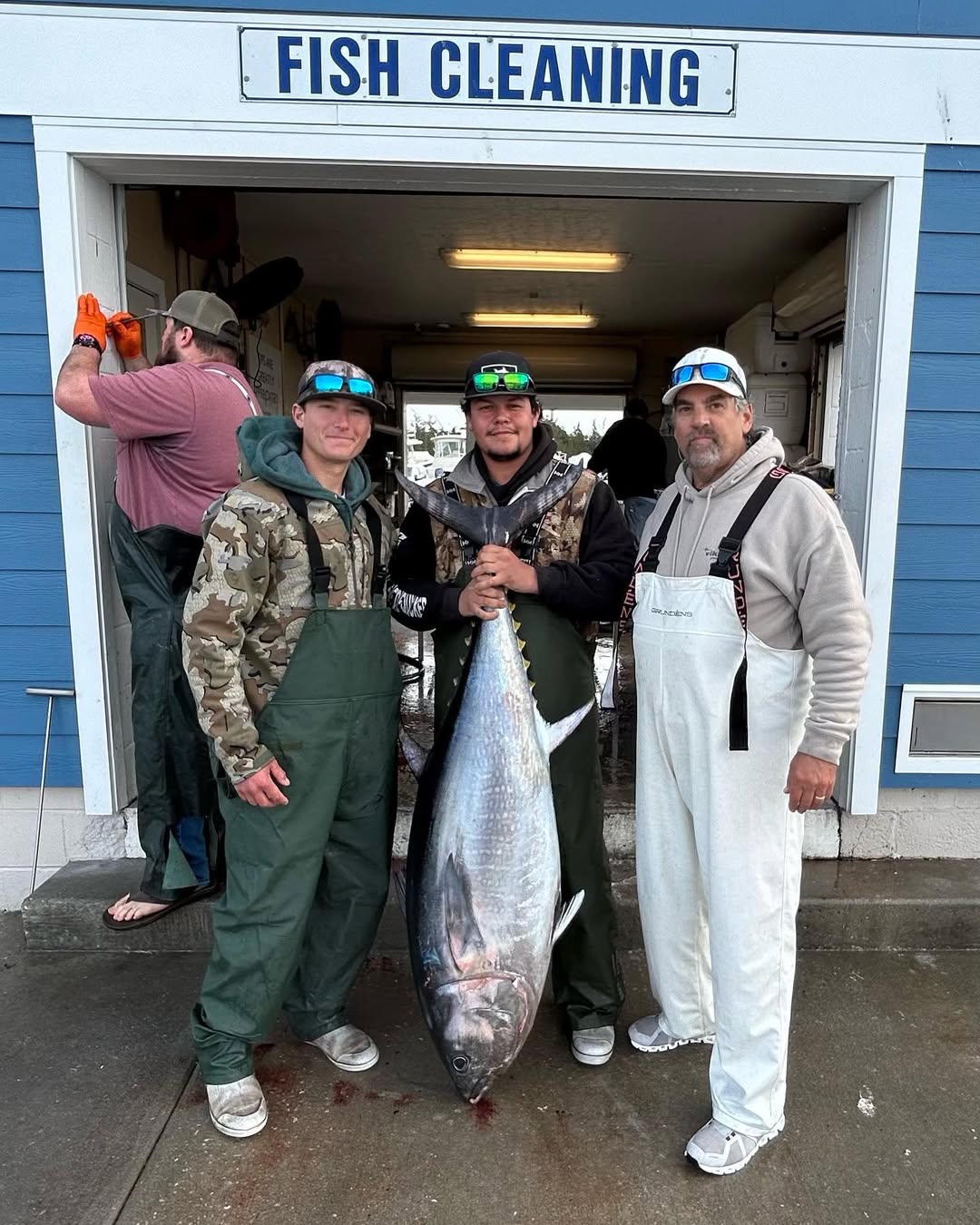
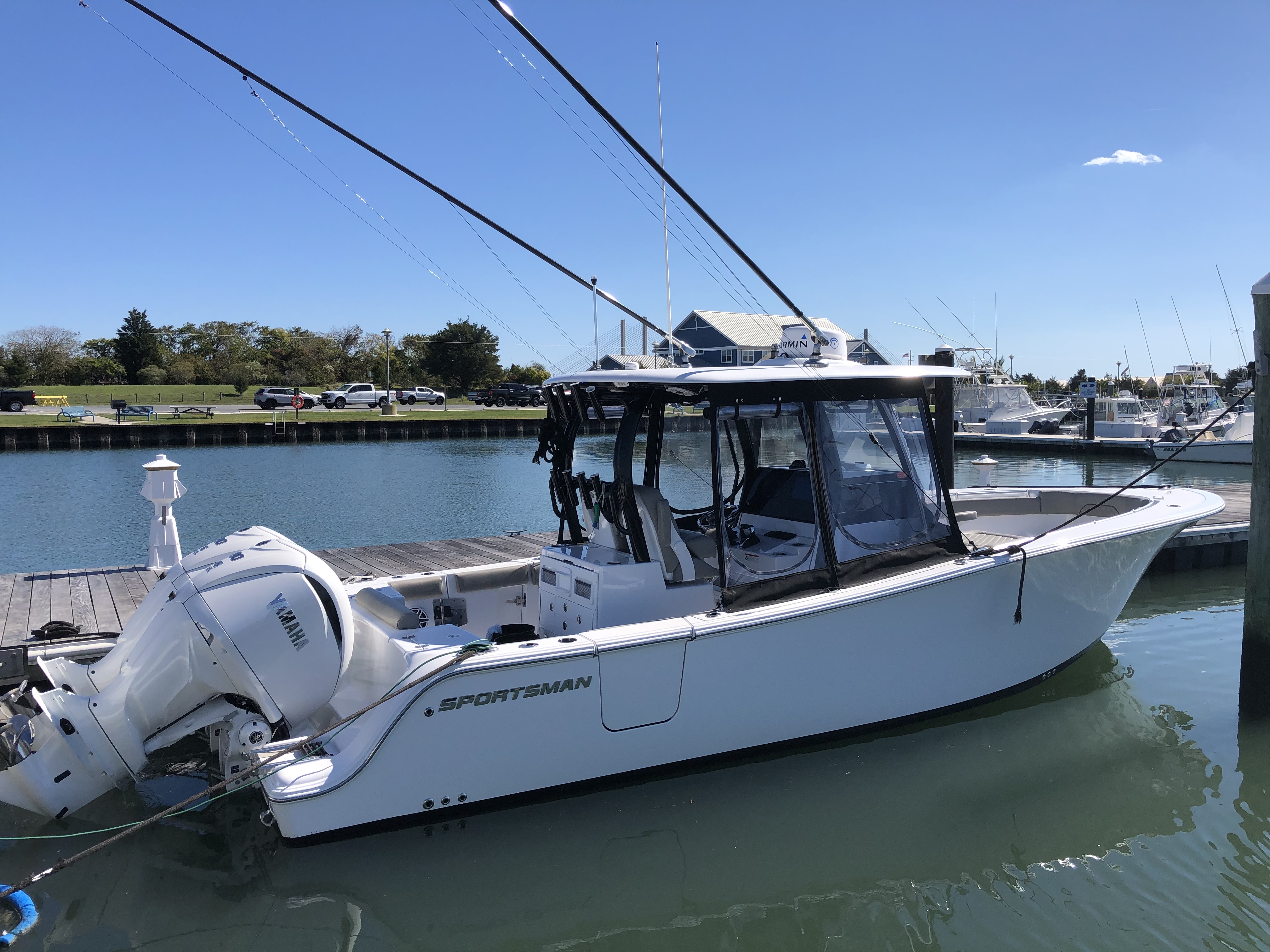
If you're looking for a serious day of fishing in Delaware waters, this 10-hour inshore tuna charter out of Rehoboth Beach is going to deliver. Starting at 5:00 AM, you'll head out with Captain and crew from Makai Charters to target tuna species in the productive Mid-Atlantic waters just off the coast. This isn't your typical half-day trip – we're talking about a full commitment to putting you on fish, with plenty of time to work the water and find where the tuna are feeding. The boat accommodates up to 4 anglers, so you'll have room to fish without bumping elbows, and the crew provides all the tackle and gear you'll need to handle these hard-fighting fish.
What to Expect on the Water
This charter kicks off early for good reason – tuna are most active during the cooler morning hours, and getting out there at first light gives you the best shot at finding active schools. The captain knows the local structure and current breaks where yellowfin and false albacore like to hunt, typically within 10-15 miles of shore where the water starts to show that deep blue color tuna prefer. You'll spend the day working areas with good bait concentrations, watching for bird activity, and looking for those telltale signs that tuna are in the area. The crew will have you rigged up with the right tackle – think medium to heavy spinning gear and conventional reels loaded with enough line to handle long runs. Don't worry about bringing your own setup unless you want to; these guys have quality gear that's perfectly suited for the type of fishing you'll be doing.
Trolling Tactics & Gear Setup
Most of your day will be spent trolling, which is the most effective way to cover water and locate feeding tuna. The crew will set up a spread of lures and baits designed to mimic the small fish that tuna feed on – typically a mix of cedar plugs, spoons, and ballyhoo rigs. You'll learn how different lure positions work in the spread, from the short rigger baits that create commotion to the long corner rods that ride clean water behind the boat. When fish are located, the captain might switch to chunking or live bait fishing, especially if you mark a good concentration on the fish finder. The tackle is matched to the target species – strong enough to handle a 30-pound yellowfin but still sporting enough to feel every head shake and run. Expect to use 30-50 pound test line on reels with smooth drags, because tuna will test both your equipment and your endurance.
Species You'll Want to Hook
Mahi Mahi, or common dolphinfish as they're sometimes called, are absolute favorites among Delaware anglers for good reason. These bright gold and green fish are incredibly acrobatic, jumping repeatedly when hooked and putting on a show that never gets old. They typically run 10-25 pounds in these waters, with the occasional bull dolphin pushing 40 pounds or more. Mahi are often found around floating debris or weed lines, and they're aggressive feeders that will hit both lures and live bait. What makes them special is their willingness to stay near the boat once you hook one – often the whole school will hang around, giving everyone a chance to get in on the action.
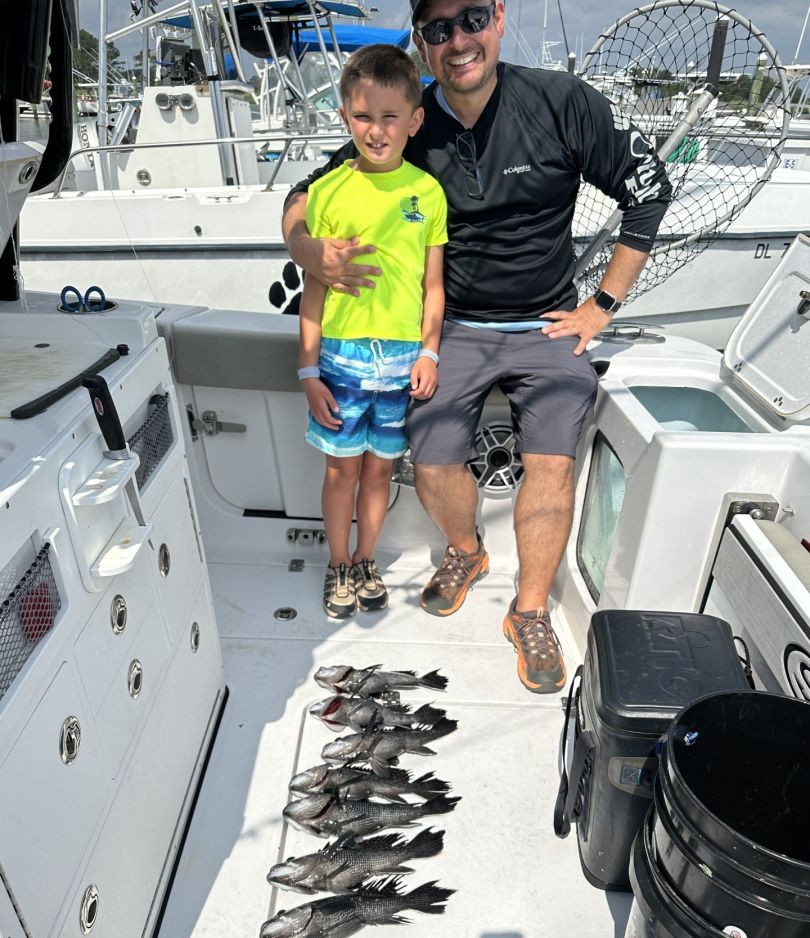
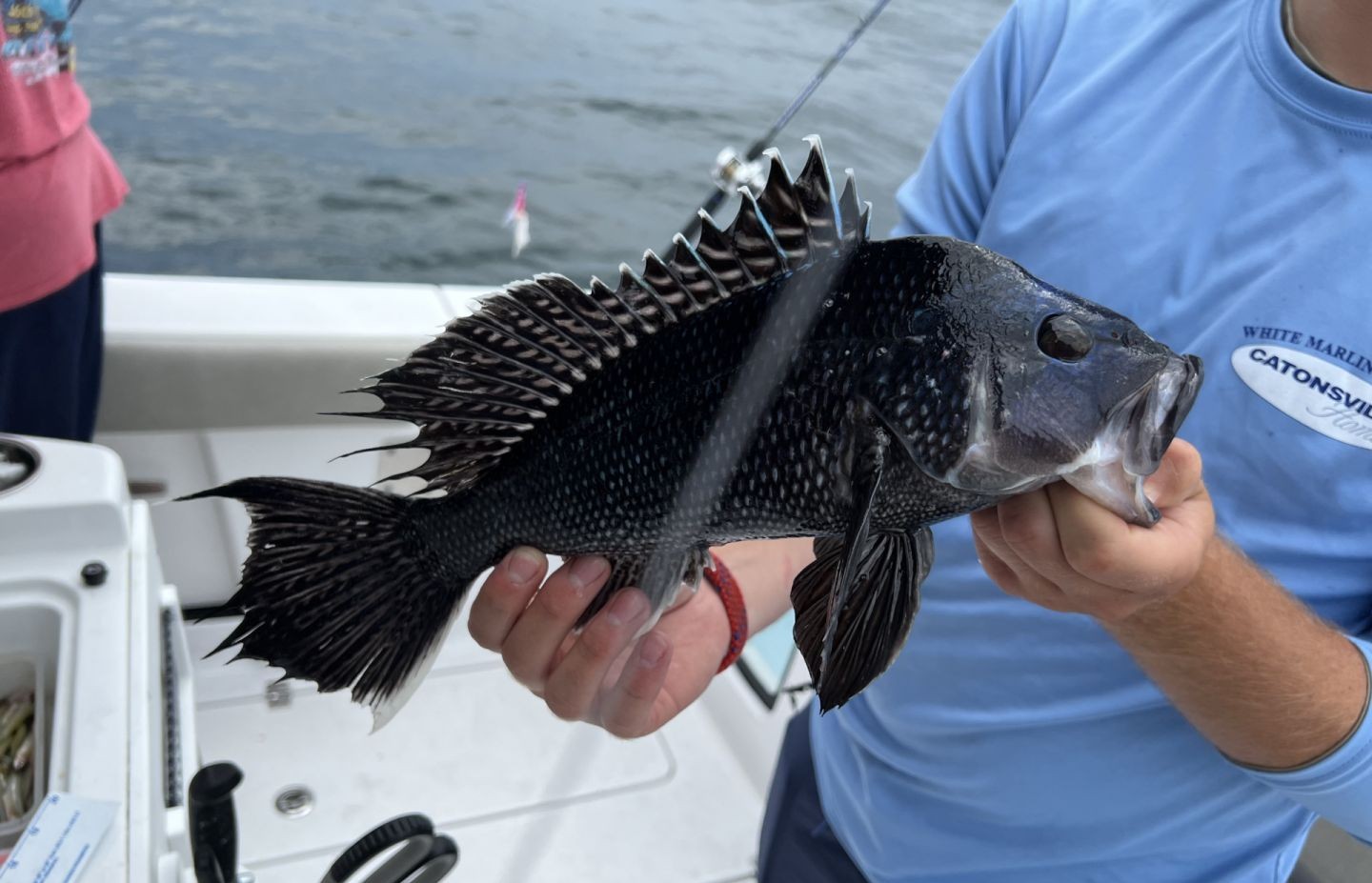
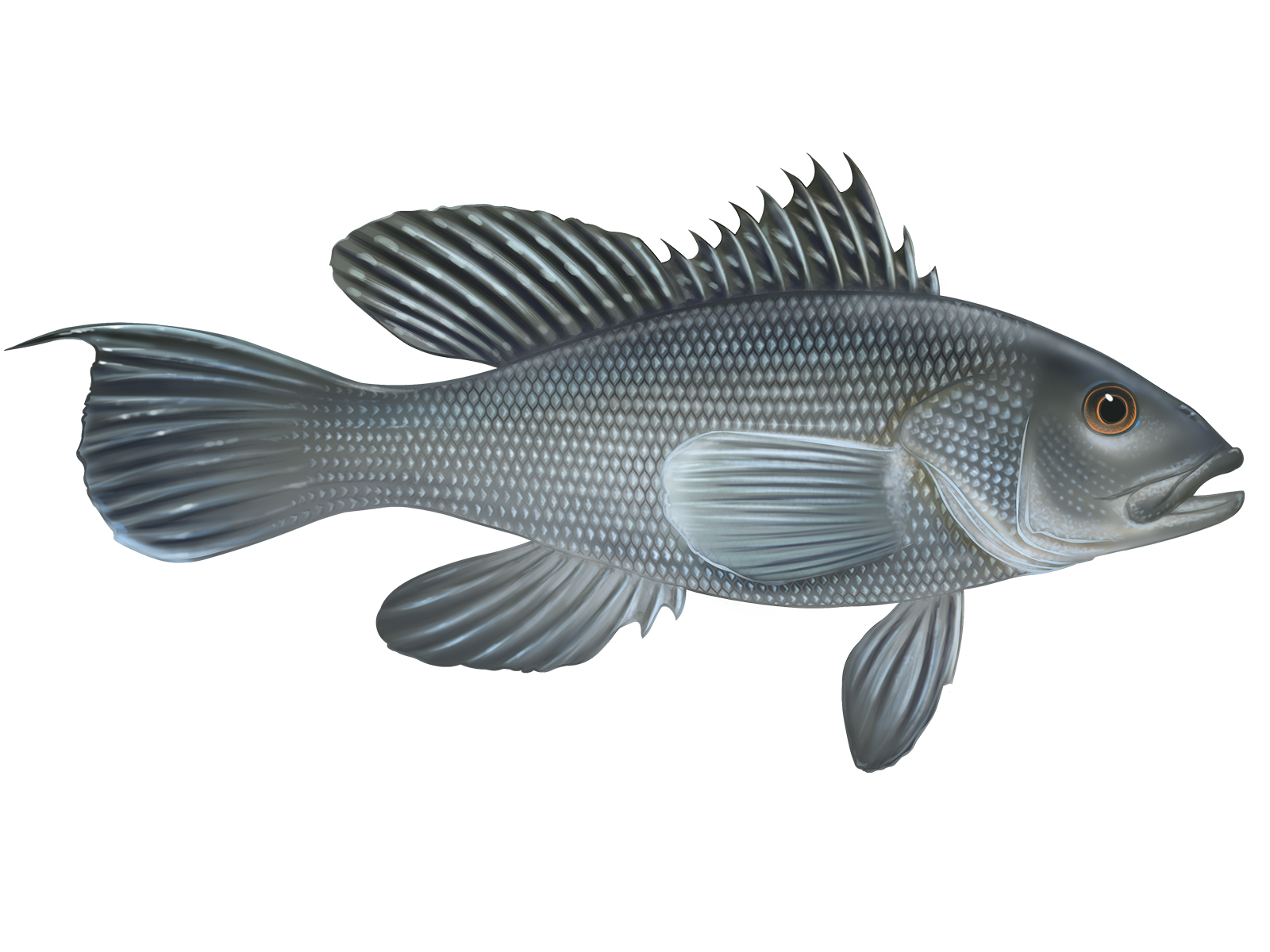
Sea bass might not be the most glamorous fish, but they're reliable fighters and excellent eating. Delaware's offshore waters hold good populations of these bottom dwellers, especially around structure and wrecks. They typically range from 2-8 pounds, with larger fish becoming more common as you move into deeper water. Sea bass are curious fish that will investigate anything that looks like food, making them perfect targets when the tuna bite slows down. They're also one of the most cooperative species for photos, often staying calm once brought to the boat.
Spanish mackerel are speed demons that provide non-stop action when you find them. These smaller members of the mackerel family rarely exceed 3-4 pounds, but they make up for size with pure aggression and lightning-fast strikes. They're particularly active during the warmer months and often travel in large schools that will keep your rod bent all day. Spanish mackerel have razor-sharp teeth, so wire leaders are essential, and their soft mouths mean you need to keep steady pressure without horsing them to the boat.
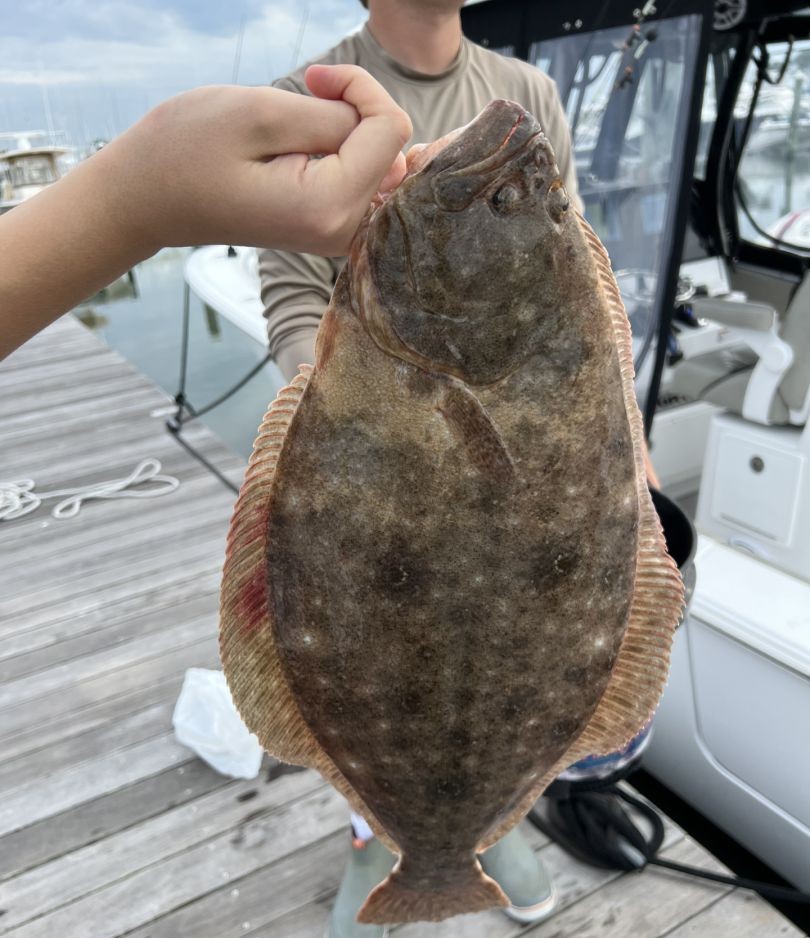
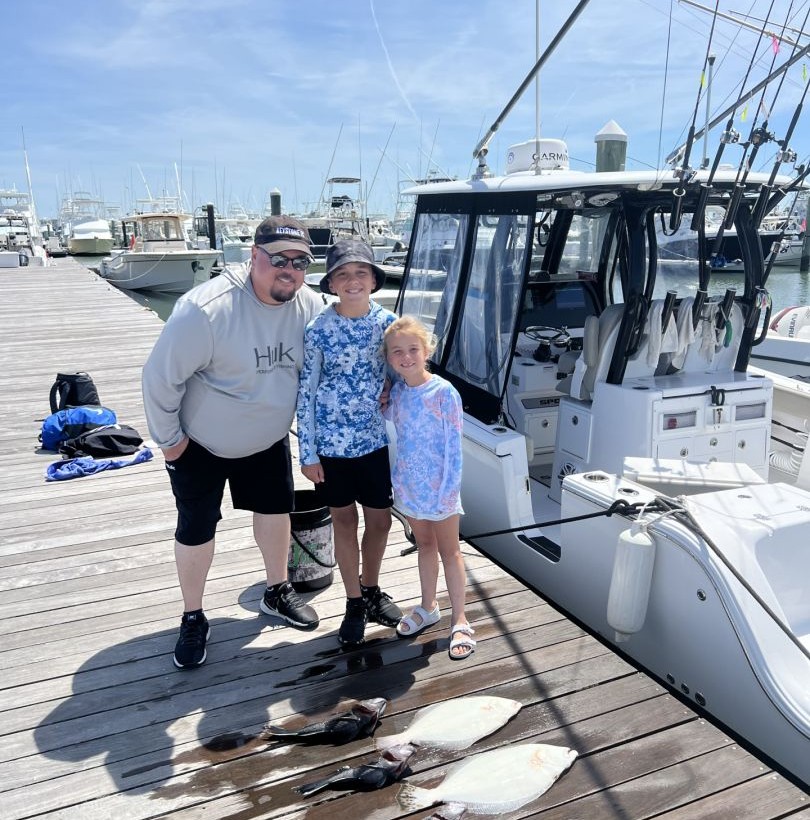
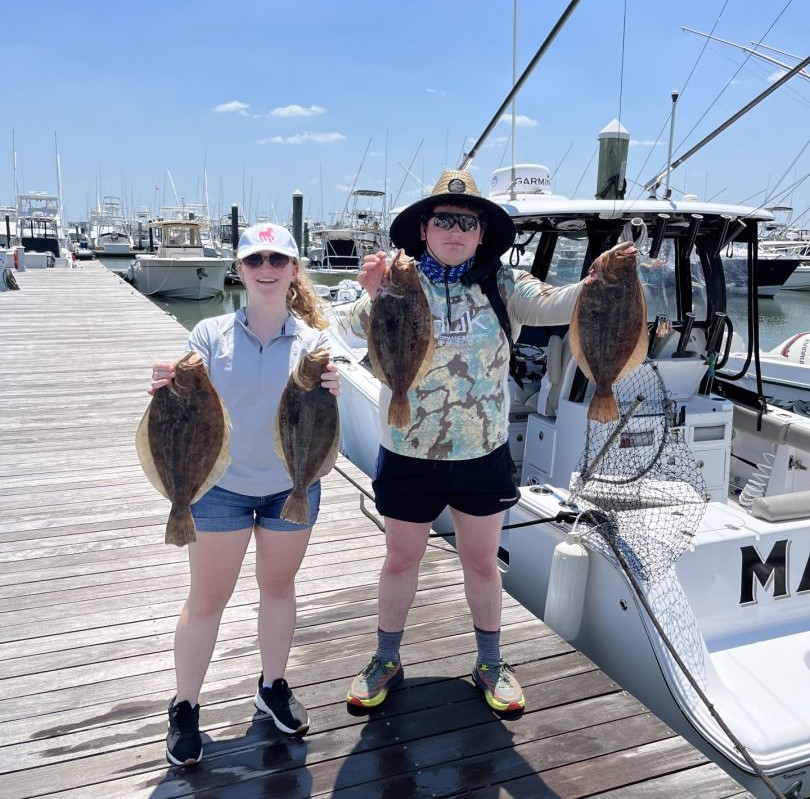
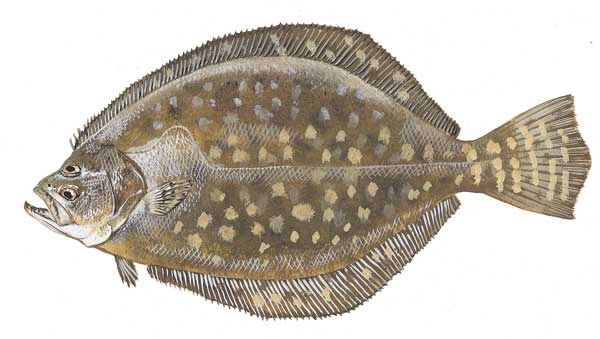
Southern flounder are the ultimate inshore predators, lying in wait on sandy bottoms before ambushing unsuspecting baitfish. These flatfish can be tricky to locate, but once you dial in their preferred habitat – typically near structure transitions or current edges – they provide steady action. Delaware fluke can reach impressive sizes, with fish over 5 pounds considered trophies. They're also among the best eating fish you'll encounter, with firm white meat that's perfect for the dinner table.
Bluefish are the bulldogs of the Mid-Atlantic, known for their aggressive strikes and powerful runs. These fish travel in schools and feed voraciously, often creating feeding frenzies that attract other species. Blues in Delaware waters typically range from 3-12 pounds, with larger "chopper blues" providing serious battles on appropriate tackle. They're excellent on both lures and bait, and their oily flesh makes them perfect for smoking or grilling with strong seasonings.
Time to Book Your Spot
A 10-hour charter represents serious value for anglers who want to maximize their time on productive water. With departure at 5:00 AM, you'll be back at the dock by mid-afternoon with a full day of fishing behind you and hopefully a cooler full of quality fish. Remember to bring your Delaware fishing license, plenty of sunscreen, snacks and drinks for the day, and layers since early morning temperatures can be cool even in summer. The deposit is non-refundable, so make sure you're committed to the date before booking. This trip consistently produces fish for both experienced anglers and newcomers
 Private Trip
 Inshore Fishing
 Delaware


 Full-day 10-hour inshore tuna fishing charter in Delaware waters