North Carolina Gulf Stream Fishing Trip
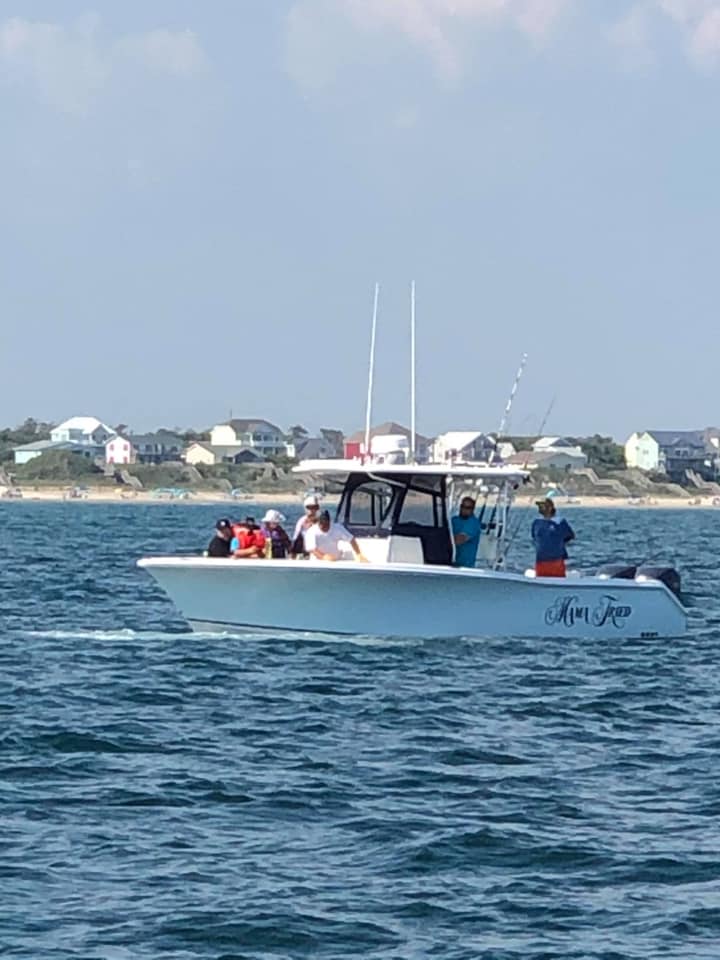
This is the big kahuna of fishing trips in North Carolina waters. When you book with Mama Tried Sportfishing for our Gulf Stream adventure, you're signing up for the furthest offshore experience we offer. We're talking about heading out to where the continental shelf drops off into the deep blue, where the Gulf Stream's warm waters create one of the most productive fishing grounds on the East Coast. You'll be targeting some of the ocean's most prized gamefish while potentially spotting marine life that most folks only see in magazines. With space for up to six anglers, this top-rated charter gives you the chance to battle mahi mahi, wahoo, bluefin tuna, and even Atlantic sailfish in waters that have made North Carolina famous among serious offshore anglers.
What to Expect on the Water
The Gulf Stream isn't your typical inshore fishing trip. We're running 20-40 miles offshore, depending on where the fish are showing up and where that beautiful blue water is breaking. The ride out takes some time, but once you see that transition from green coastal water to the deep cobalt blue of the Stream, you'll know you're in fish territory. The water temperature can jump 10-15 degrees as we cross into the current, and that's where the magic happens. You'll be fishing in 100-600 feet of water over structure, drop-offs, and temperature breaks that hold everything from bottom fish to pelagic predators. The boat rocks a bit more out here than closer to shore, so if you're prone to seasickness, come prepared with whatever works for you. But once you hook into a 50-pound mahi or feel the screaming run of a wahoo, any discomfort disappears real quick.
Trolling the Stream
Out in the Gulf Stream, we're primarily trolling for the big boys. We'll have a spread of baits and lures working behind the boat, covering different depths and presenting various profiles to whatever's swimming below. Ballyhoo rigged on circle hooks, skirted lures, diving plugs, and sometimes live bait when we can find it. The key to Gulf Stream fishing is reading the water - looking for color changes, temperature breaks, floating debris, and bird activity. Weed lines are gold mines for mahi mahi, while the clean blue water often holds wahoo and tuna. We'll also drop down for some bottom fishing when the opportunity presents itself, especially around structure where grouper, snapper, and other tasty species hang out. The tackle we use is stepped up from inshore gear - 30 to 80-pound class rods and reels that can handle the size and speed of these offshore warriors. Don't worry if you've never fished offshore before; we'll get you sorted with the right technique for whatever grabs your bait.
Species You'll Want to Hook
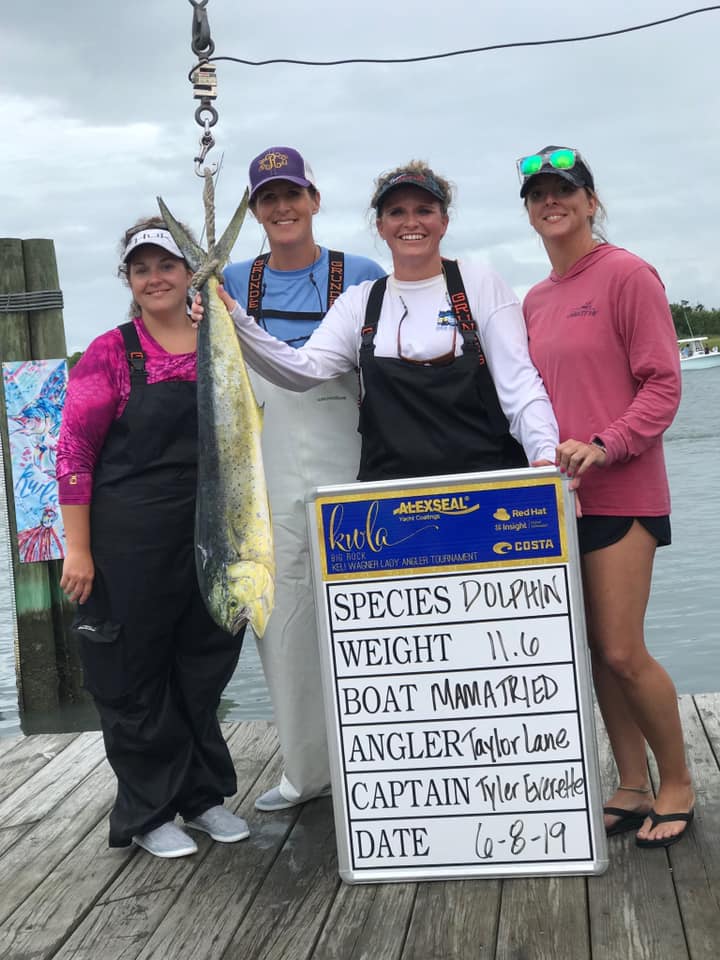
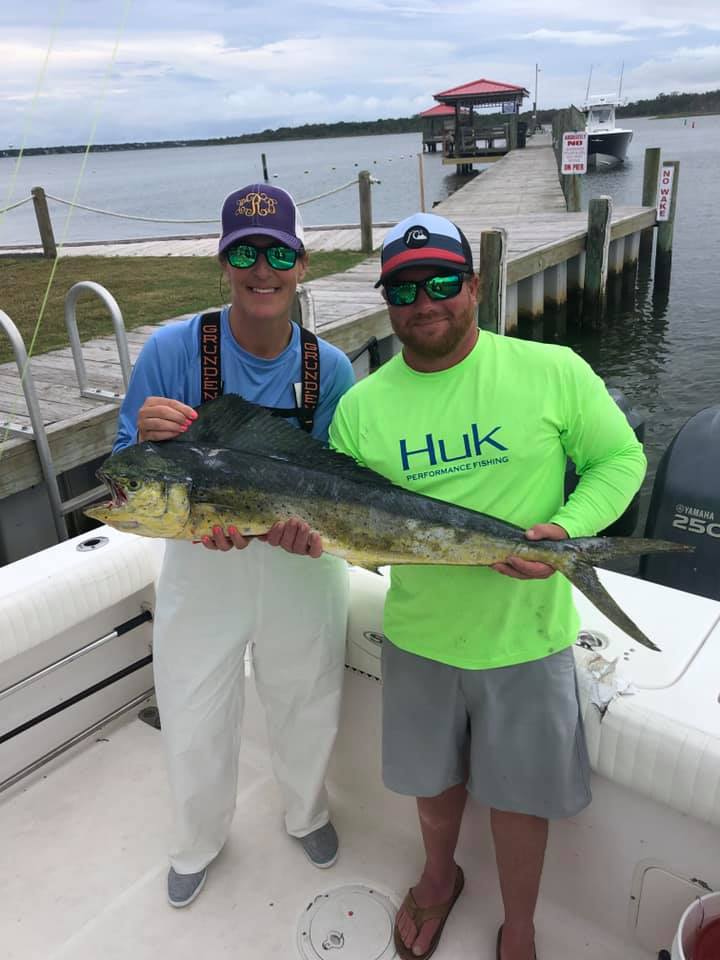
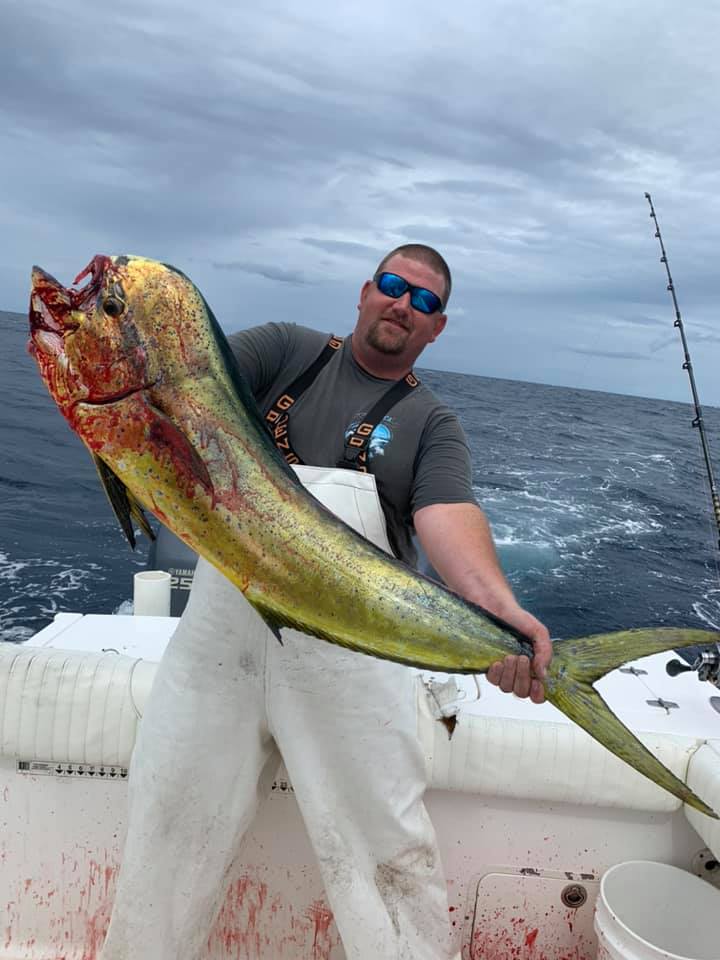
Mahi mahi, or common dolphinfish, are the poster child of Gulf Stream fishing, and for good reason. These fish are absolutely gorgeous with their electric blue, green, and yellow colors that light up when they're fighting. They're also some of the most acrobatic fish in the ocean, jumping and tail-walking when hooked. Mahi are typically found around floating debris, weed lines, and temperature breaks in the Stream. They travel in schools, so when you find one, there are usually more around. Peak season runs from late spring through fall, with summer being prime time. A good-sized mahi runs 15-30 pounds, though bulls can push 50 pounds or more. They're also fantastic table fare, making them a customer favorite for both the fight and the fish fry afterward.
Wahoo are the speed demons of the Gulf Stream, capable of hitting 60+ mph when they grab your bait. These fish are built for speed with their torpedo-shaped bodies and razor-sharp teeth. They typically cruise the clean blue water and are notorious for making blistering runs that can empty your reel in seconds if your drag isn't set right. Wahoo are most active during the cooler months, from late fall through early spring, though we see them year-round. They average 20-40 pounds in these waters, with fish over 50 pounds being real trophies. The meat is white, flaky, and mild - some say it's the best eating fish in the ocean. Just be ready for that initial run because wahoo don't mess around when they're hooked.
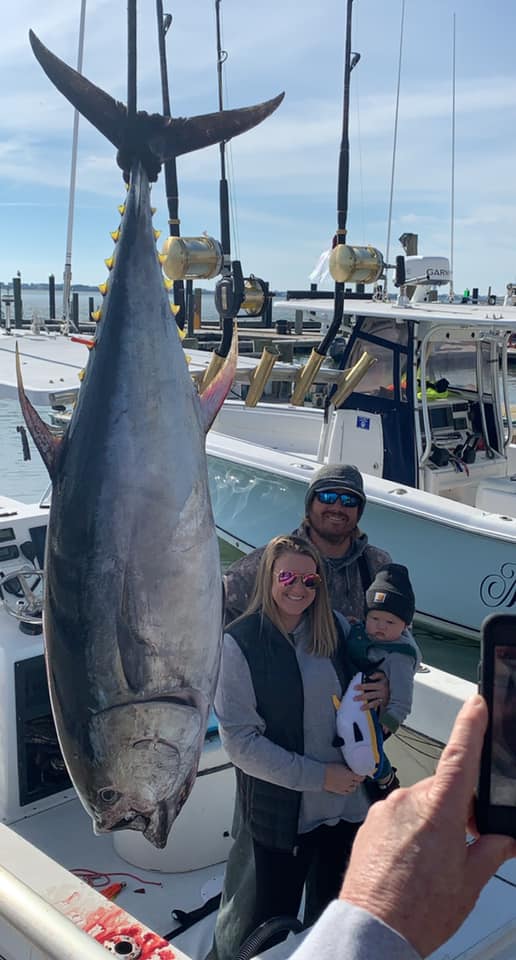
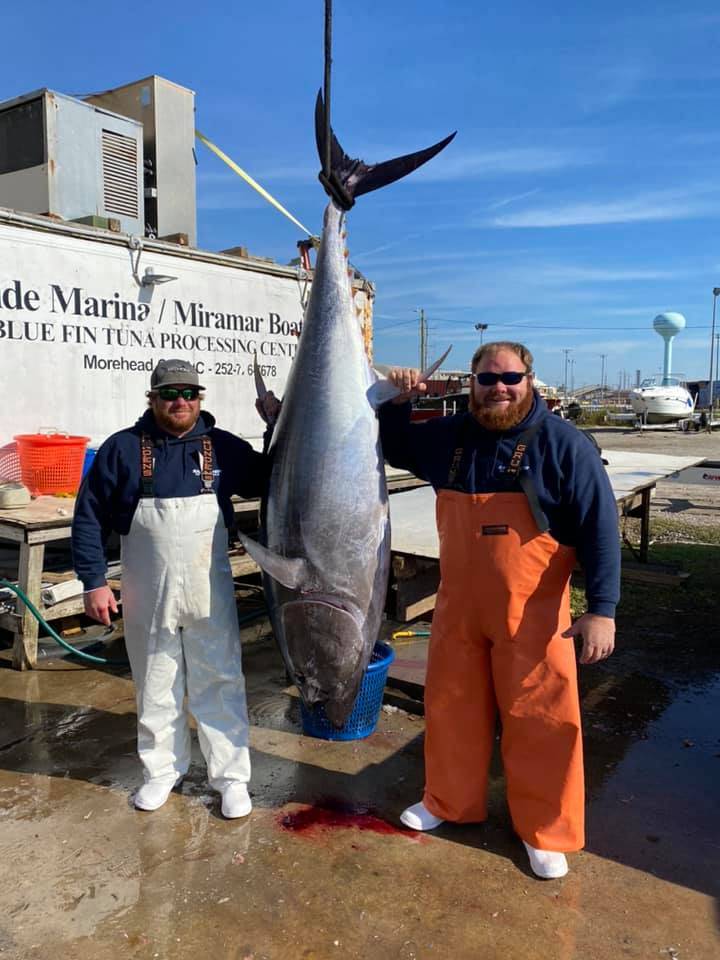
Bluefin tuna are the ultimate prize for many offshore anglers. These fish are pure muscle and endurance, capable of fighting for hours and diving deep when hooked. In North Carolina waters, we see bluefin during their migrations, primarily in winter and early spring. The fish we encounter range from school-sized fish around 30-60 pounds up to giants that can exceed 200 pounds. Bluefin are incredibly intelligent and can be finicky feeders, making them a challenging but rewarding target. They're found in the cooler, deeper waters of the Stream and often require specific techniques like chunking or live bait fishing. The fight is legendary - these fish will test your endurance and the boat's tackle to the limit.
Atlantic sailfish bring the wow factor with their spectacular jumps and that iconic sail-like dorsal fin. While they're more commonly associated with Florida waters, North Carolina's Gulf Stream sees sailfish, especially during warmer months. These fish are relatively smaller than other billfish, typically ranging from 30-60 pounds, but what they lack in size they make up for in aerial displays. Sailfish are often found in the same areas as mahi mahi and wahoo, cruising the blue water and feeding on baitfish. They're usually caught and released, as they're not great table fare, but the experience of battling a billfish is something every offshore angler should have on their bucket list.
Time to Book Your Spot
The North Carolina Gulf Stream is world-class fishing territory, and this trip gives you access to some of the best offshore fishing on the East Coast. Whether you're a seas
 Private Trip
 Offshore Fishing
 Morehead City, NC


 Furthest offshore trip targeting dolphin, wahoo, tuna, and billfish