Marco Island Inshore Fishing | Prime Backwaters
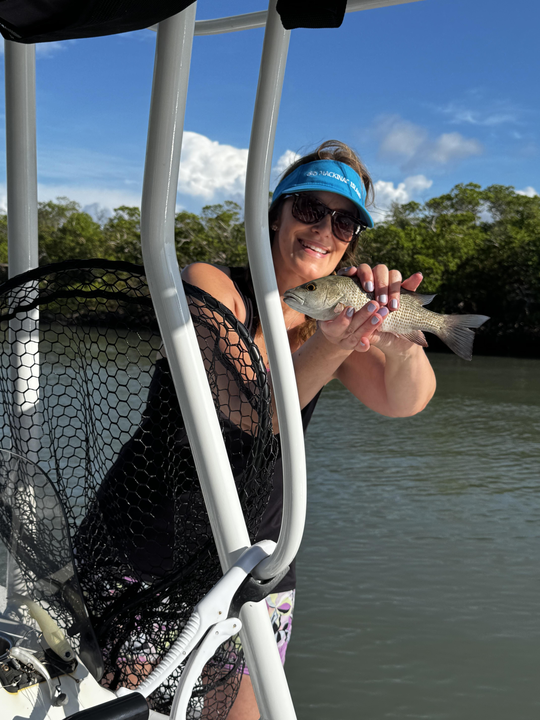
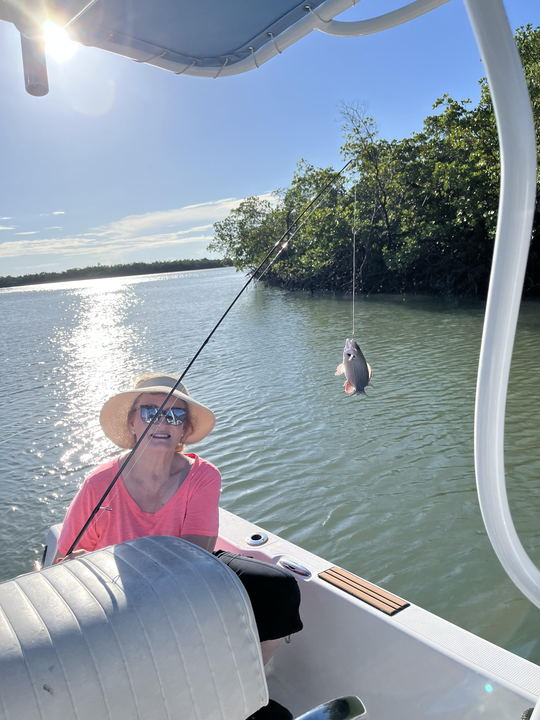
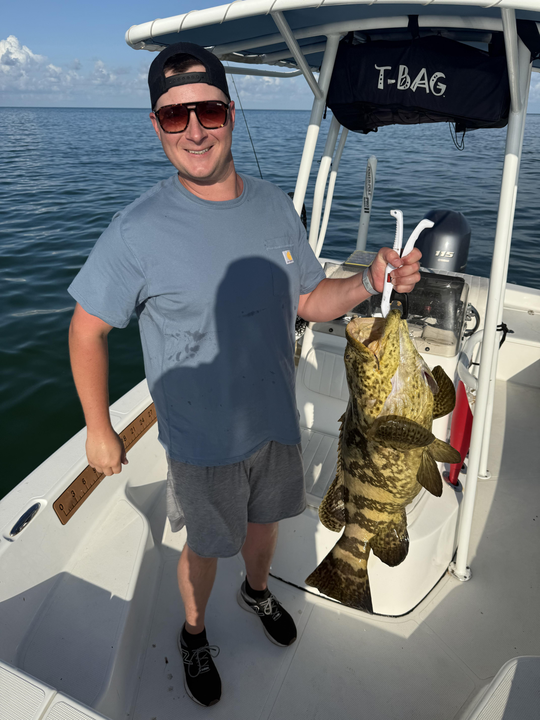
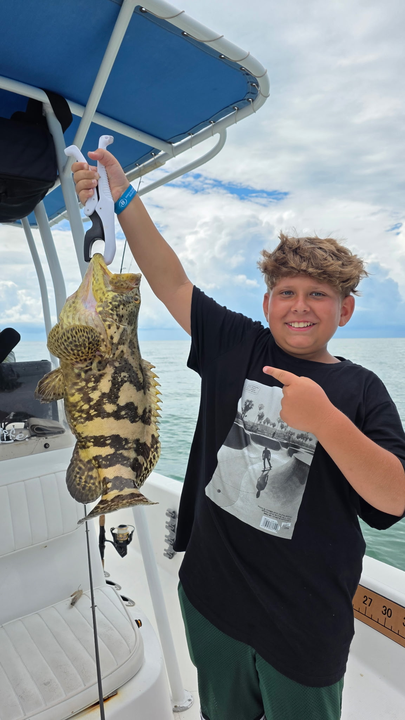
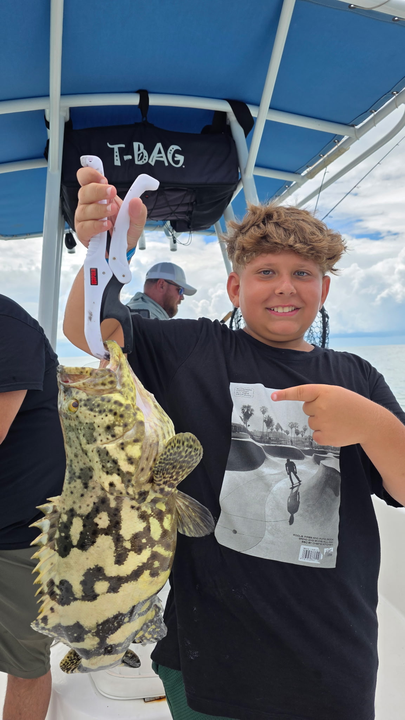
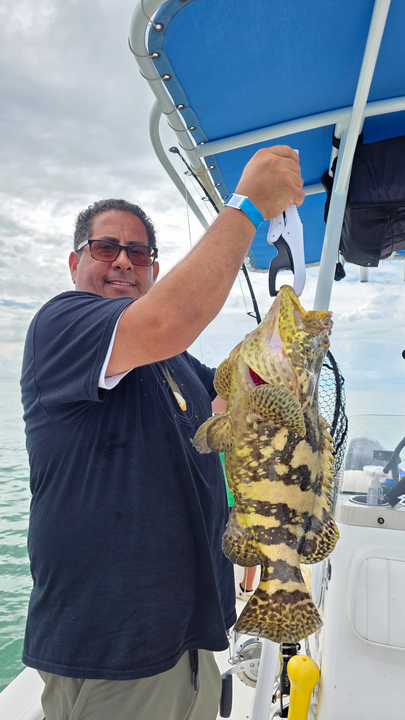
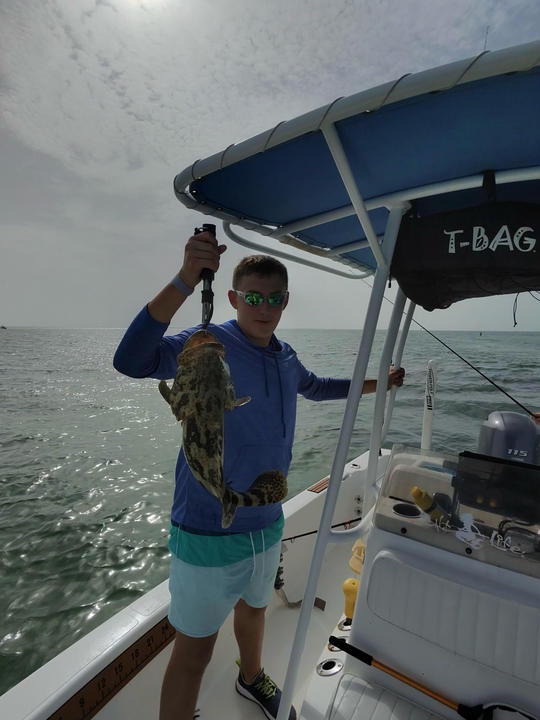
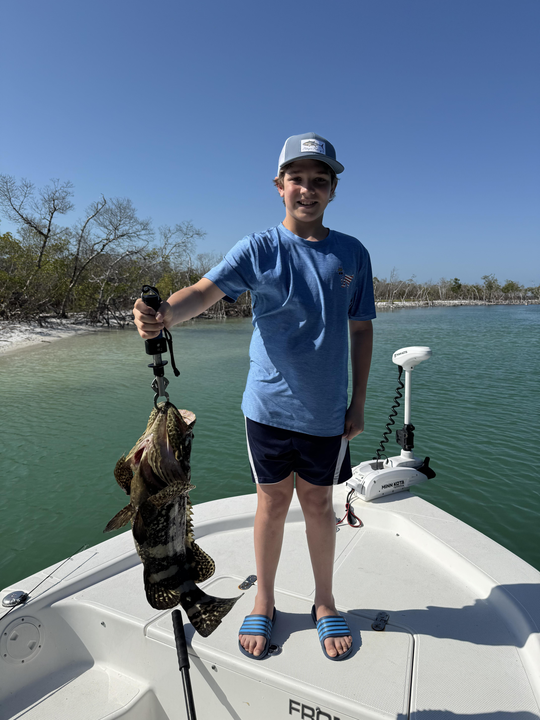
Step away from the crowded boat ramps and tourist traps—this Marco Island inshore fishing trip takes you where the real action lives. We're talking about sneaking through mangrove tunnels, working the oyster bars, and hitting those sweet spots where snook ambush baitfish and redfish cruise the shallows like they own the place. Captain Jamie knows these backwaters like his own backyard, and he's ready to put you on fish whether you're throwing your first cast or you've been working lures for decades. Morning or afternoon, we'll find the bite and make sure you've got stories worth telling when you get back to the dock.
What to Expect on the Water
This isn't your typical offshore grind—we're all about finesse and reading the water on this Marco Island inshore adventure. You'll be working the calm side of paradise, where crystal-clear flats meet twisted mangrove roots and every cast feels like it could produce something special. The boat rides smooth through these protected waters, giving you time to soak up the scenery between hookups. Early morning trips catch that magic hour when the water's glassy, the air's crisp, and fish are actively feeding before the sun climbs too high. Afternoon sessions bring different energy—golden light filtering through the mangroves, rising tides pushing baitfish into the shallows, and predators sliding out of their hiding spots ready to hunt. Whether you're bringing the kids for their first real fishing experience or you're a seasoned angler looking to dial in your inshore game, this trip delivers the kind of consistent action that keeps people coming back season after season.
Tackle and Techniques
We keep it simple but effective out here—light spinning tackle that lets you feel every head shake and line peel, paired with the kind of local knowledge that puts lures in front of fish instead of just in the water. Live bait is king in these backwaters, and we'll have fresh shrimp, pinfish, and whatever else the fish are keying on that day. When the bite's hot, nothing beats a live shrimp under a popping cork, drifted along a mangrove edge or bounced across an oyster bar. Artificial lures have their moments too—soft plastics rigged weedless for working heavy cover, topwater plugs for those explosive morning strikes, and spoons for covering water when fish are scattered. Captain Jamie handles all the rigging and re-baiting, so you can focus on the fun part—setting hooks and fighting fish. The shallow water means you'll see a lot of the action happen, watching redfish tails wave in two feet of water or seeing that snook streak out from under a dock to crush your bait.
Customer Stories
"Jamie is flat out the best. We had ourselves an unpredictable weather day with a tropical storm blowing through. He stuck it out, moved with the weather & someway, somehow got us on some fish. Takes a real guide to make that magic happen! Appreciate you to no end, Jamie. Looking forward to next time." - David
"First class guide service. Captain Jamie knows the area and put us on some fish! Great day on the water for our 15th Anniversary, great conversation and shared lots of fishing knowledge with us. Dolphins came to visit while we were out too!" - Briton
Species You'll Want to Hook
Redfish are the bread and butter of Marco Island inshore fishing, and these copper-colored bruisers know how to put on a show. They're most active during moving tides, especially in the cooler months from October through April when they school up in the shallows. Reds average 18 to 28 inches around here, with plenty of slot fish that fight like they're twice their size. What makes them special is how they feed—you'll watch them cruise the flats with their backs out of water, tails waving like flags as they root around oyster bars for crabs and shrimp. The strike is usually aggressive, and once hooked, they'll make long runs and try every trick to wrap you around mangrove roots.
Snook are the inshore glamour species, and Marco's backwaters hold some serious fish year-round. These ambush predators love structure—docks, mangrove overhangs, creek mouths, anywhere they can sit in the shadows and wait for an easy meal. Spring and fall are prime time when they're most active, but summer nights can produce some monster fish under the lights. Snook are smart, moody, and absolutely explosive when they decide to eat. They'll slam a topwater plug at dawn, suck down a live shrimp like it's nothing, then completely ignore the same bait an hour later. Land one over 30 inches and you've got yourself a fish worth bragging about.
Sea trout might not have the glamour of snook or the power of redfish, but they're scrappy fighters that'll keep your rod bent all day. These spotted beauties love grass flats and deeper potholes, especially during the warmer months when they move shallow to feed. Trout are aggressive biters that respond well to both live bait and artificials, making them perfect for anglers still dialing in their technique. The bigger gator trout—those 20-plus inchers—are genuine trophies that'll test your drag and your patience.
Cobia are the wildcards of the inshore world, showing up when you least expect them and disappearing just as quickly. These brown sharks with attitude cruise the flats looking for rays and crabs, and they're absolutely fearless when it comes to boat-side action. Spring migration brings the best cobia fishing as they move through Southwest Florida waters, and landing one is always cause for celebration. They're curious fish that'll often follow your bait right to the boat, giving you multiple chances if you stay calm and keep working them.
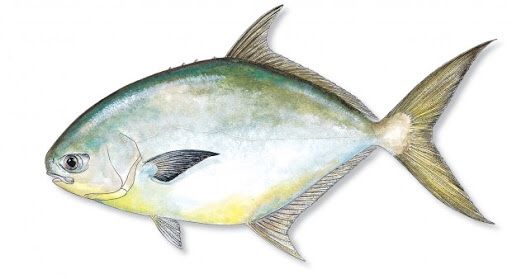
Florida Pompano and Black Drum
 5.0(4 Reviews)
 Private Trip
 Inshore Fishing
 Marco Island



 Inshore fishing targeting snook, redfish, and sea trout in mangroves