Marco Island Nearshore Reefs & Wrecks Fishing
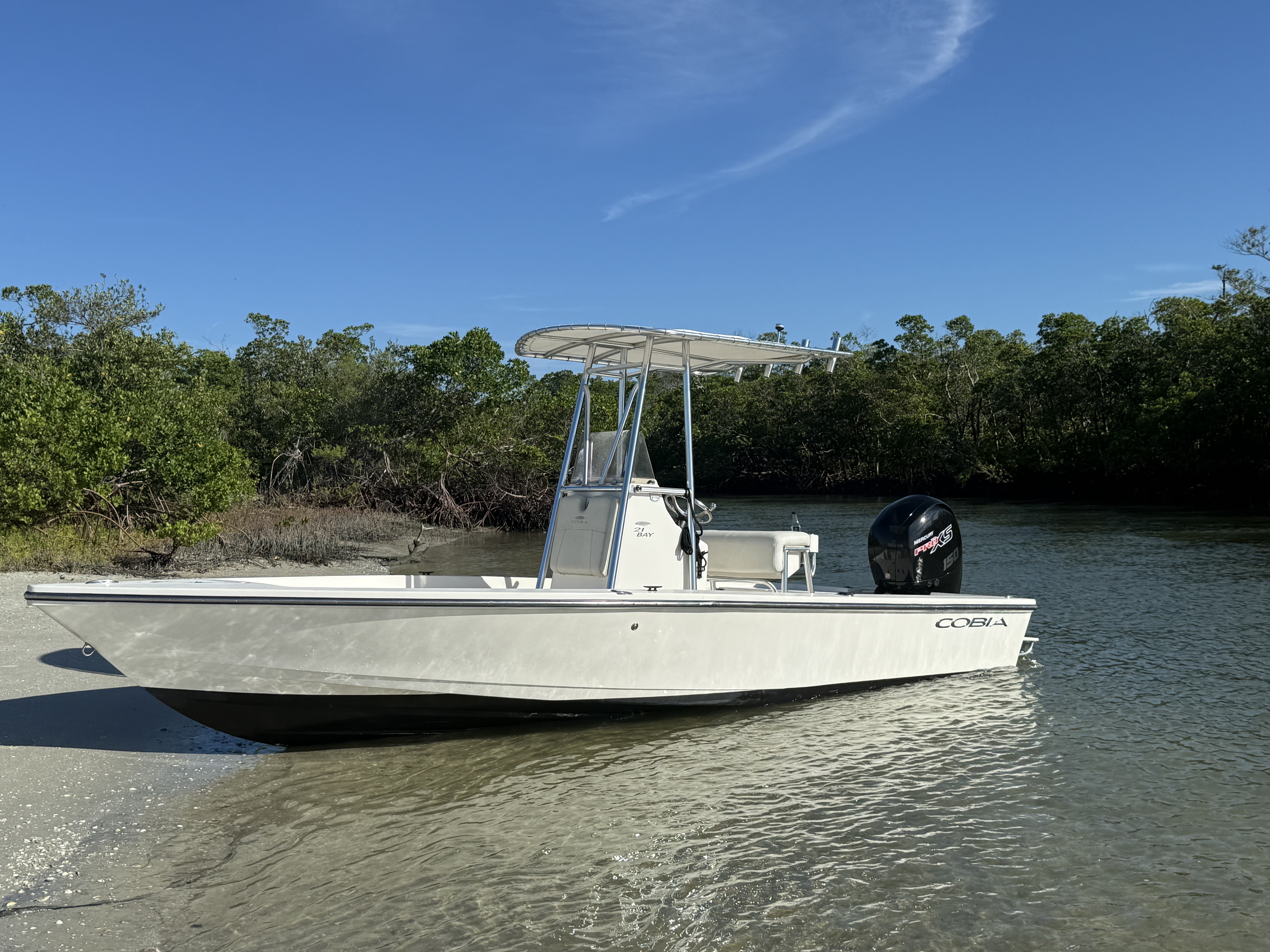
Picture this: you're 2-5 miles off Marco Island with a hot cup of coffee in one hand and a bent rod in the other. That's the magic of our nearshore reefs and wrecks charter — close enough to smell the shore breeze, far enough to get into the real deal. We're talking about productive waters where natural reefs and sunken structures create underwater cities packed with hungry fish. Captain Jamie and the Marco Fishing Company crew know every bump, ledge, and piece of structure that holds fish, and we're ready to put you right on top of them.
What to Expect on the Water
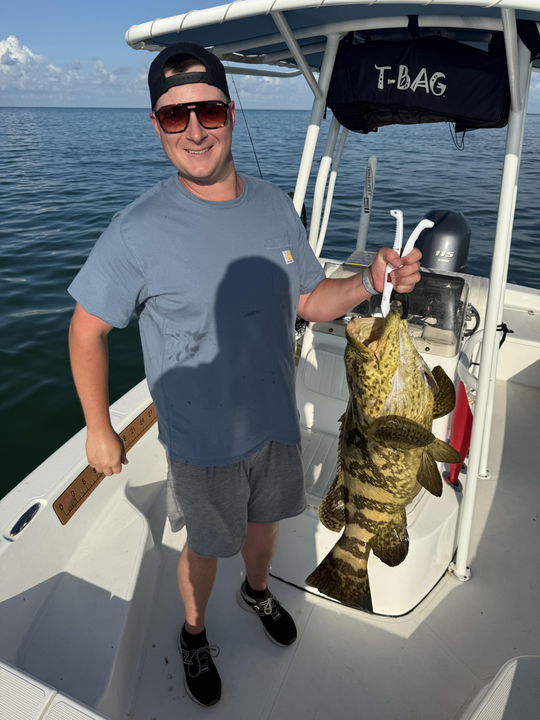
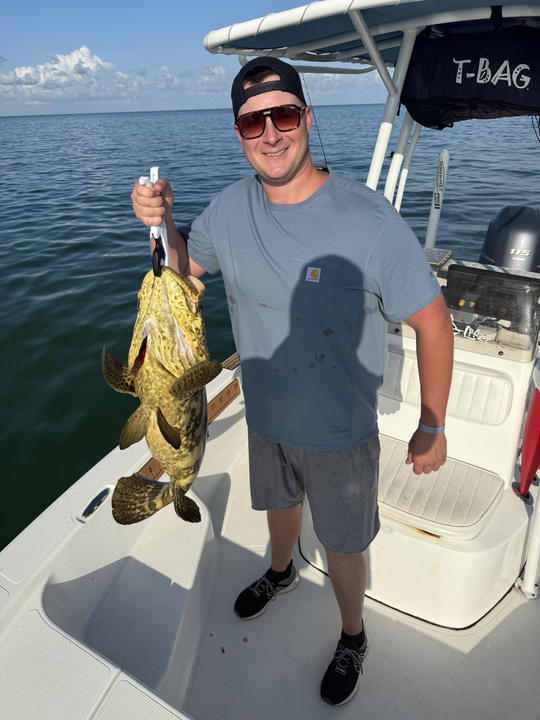
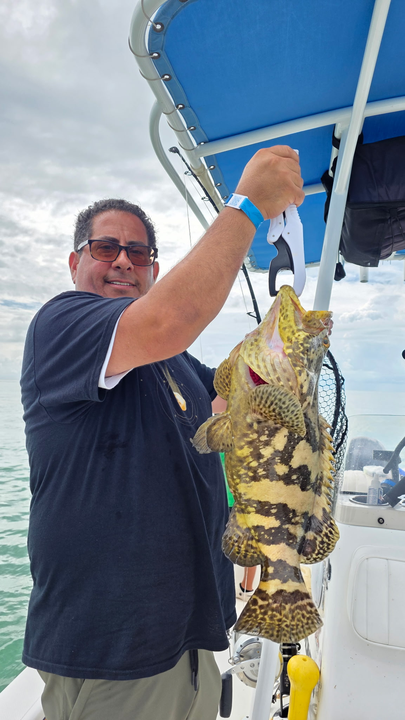
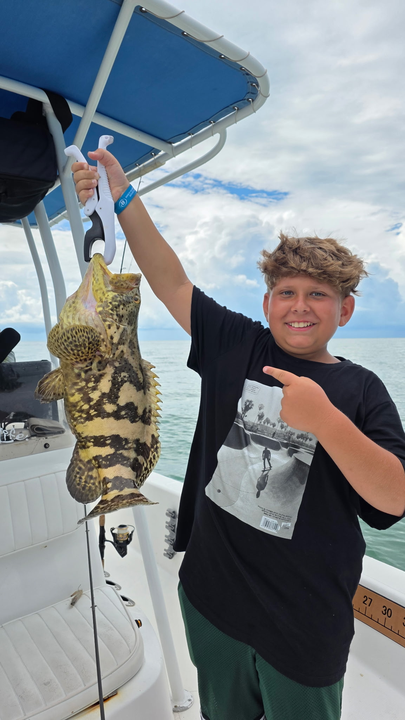
This isn't your typical bay fishing trip where you're hoping for a keeper or two. Out here on the nearshore reefs and wrecks, it's game time from the moment we drop anchor. We'll work a variety of spots depending on conditions, tides, and where the fish are stacked up. Some days we'll hit three different wrecks, other days we'll camp on one productive reef and work it hard. The beauty of this fishery is the variety — you never know if that next drop is going to be a bull red, a hefty grouper, or a screaming cobia. We keep multiple rods rigged and ready because when the bite's on, you want to capitalize fast. The structure here creates current breaks and ambush points that predators love, and we'll teach you how to read the signs and work your baits effectively.
Bottom-Droppin' and Jig-Poppin'
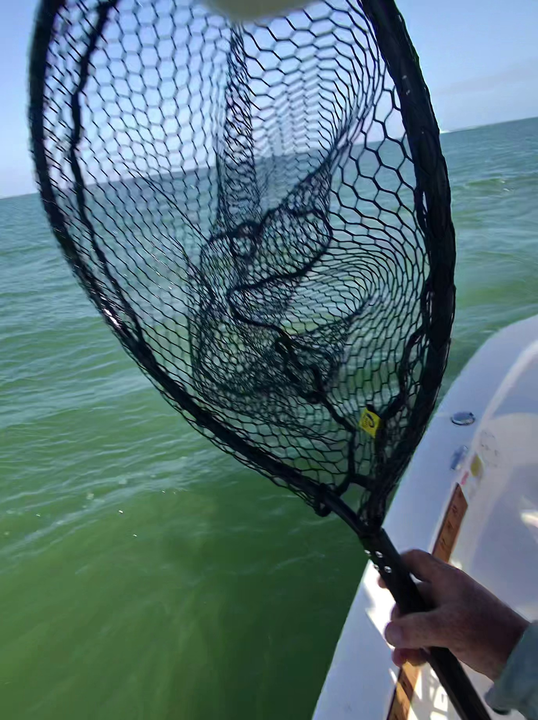
We fish these reefs and wrecks with a variety of techniques that match the conditions and target species. Bottom fishing with cut bait and live bait is our bread and butter — we'll have you dropping chunks of bonito, sardines, or whatever's fresh down to the structure where the big boys live. Jig fishing is absolutely deadly here, especially when the current's moving and the fish are aggressive. We'll teach you how to work a bucktail or vertical jig through the water column, feeling for that telltale thump that means business. Light trolling comes into play when we're covering water or when the Spanish mackerel and cobia are cruising the area. The key is staying versatile and reading what the fish want on any given day. Our tackle is top-notch conventional gear that can handle everything from finicky sheepshead to bruiser grouper trying to dive back into the structure.
Customer Stories
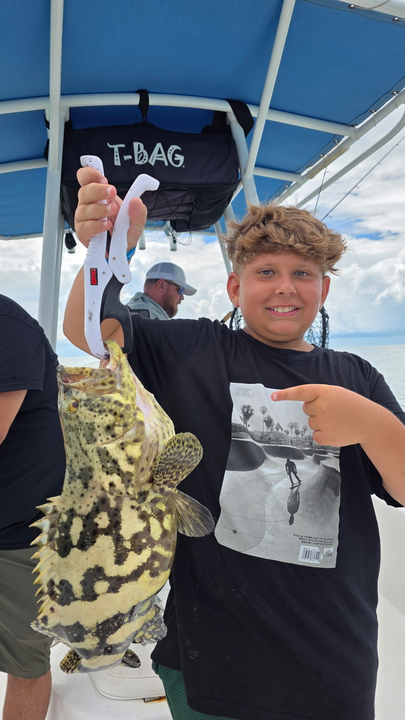
"My son and I did the four hour reefs and wrecks charter. Captain Jamie was a hustler and kept us and fish the entire time. We will definitely book again with him." - Jason
Species You'll Want to Hook
Cobia are the crown jewel of nearshore fishing around Marco Island, and these chocolate-brown bruisers are pure adrenaline when they show up. These fish cruise the reefs and wrecks looking for an easy meal, often following rays or hanging around structure in 20-40 feet of water. Spring through fall is prime time, with May and June being absolutely lights-out for big cobia. They're curious fish that will often come up to investigate the boat, giving you heart-stopping visual opportunities. When hooked, cobia make powerful runs and have an attitude that'll test your drag and your patience. A 30-pound cobia will give you a workout you won't forget, and the eating quality is restaurant-grade delicious.
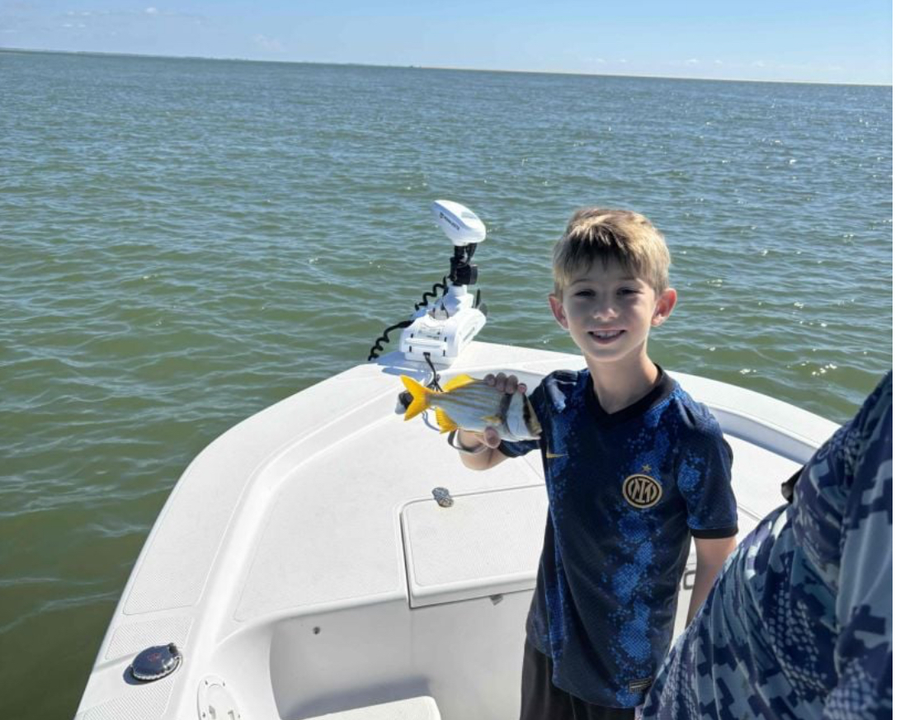
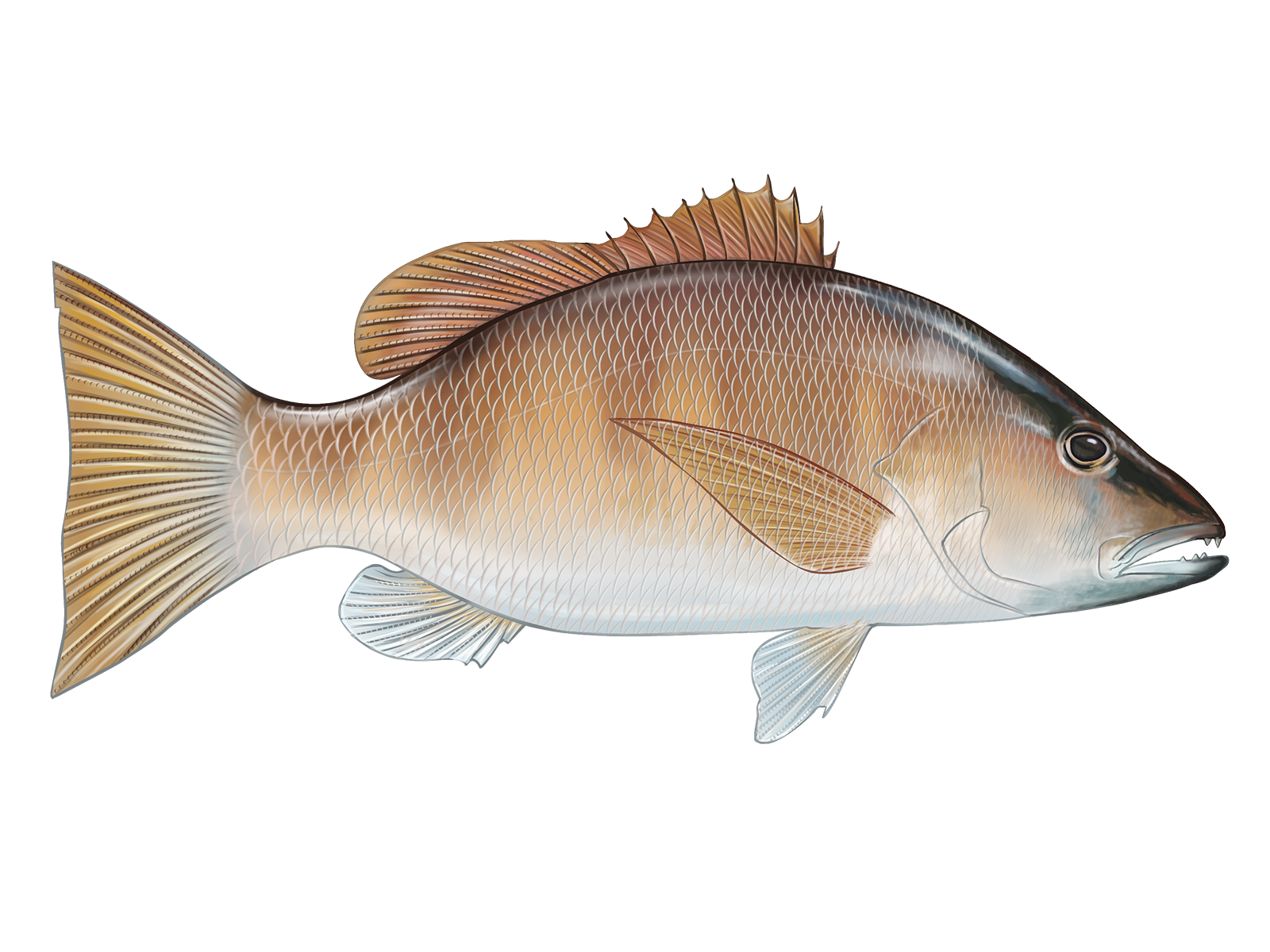
Mutton snapper are the smart guys of the reef, with those distinctive black spots and yellow fins that make them easy to identify. These fish are structure-oriented and love hanging around the deeper edges of reefs and wrecks in 30-50 feet of water. They're notorious for being finicky eaters, often requiring lighter leaders and more finesse than their red snapper cousins. Peak season runs from late spring through early fall, with the full moon periods producing exceptional fishing. Muttons are strong fighters that will test your drag system with long, steady runs toward the bottom. They're also fantastic table fare, with firm white meat that's perfect for grilling or making into fish tacos.
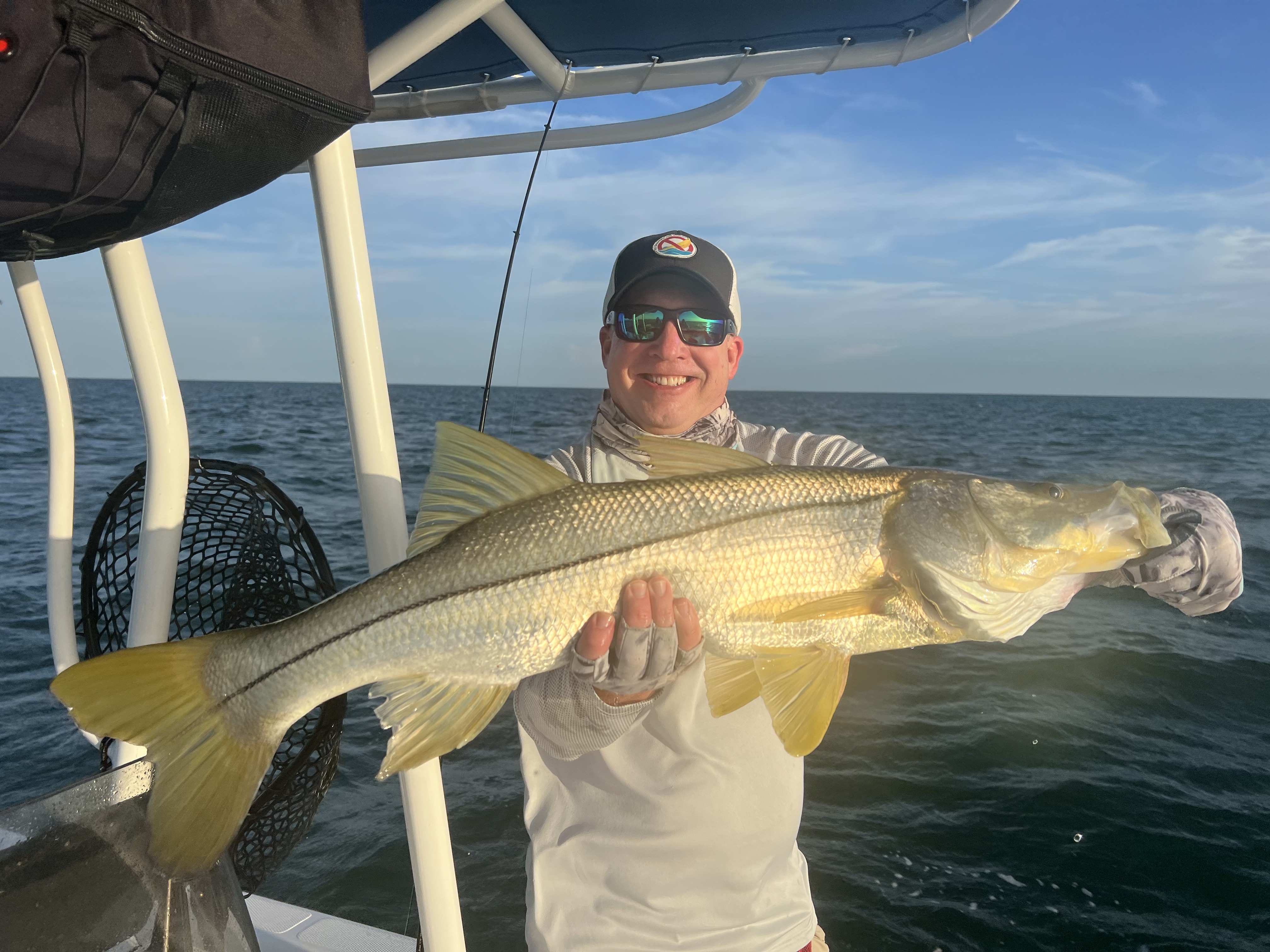
Snook are the inshore legends that occasionally venture out to the nearshore reefs, especially during their spawning migrations in summer and fall. These silver-sided rockets with the distinctive black lateral line are ambush predators that love structure and current. They're notorious for their explosive strikes and acrobatic fights, often jumping multiple times and making blistering runs toward cover. The slot limit keeps things interesting — you need to know your measurements because these fish are heavily regulated. When you hook into a good snook around structure, it's a chess match between you and a fish that knows every hole and ledge to wrap you up on.
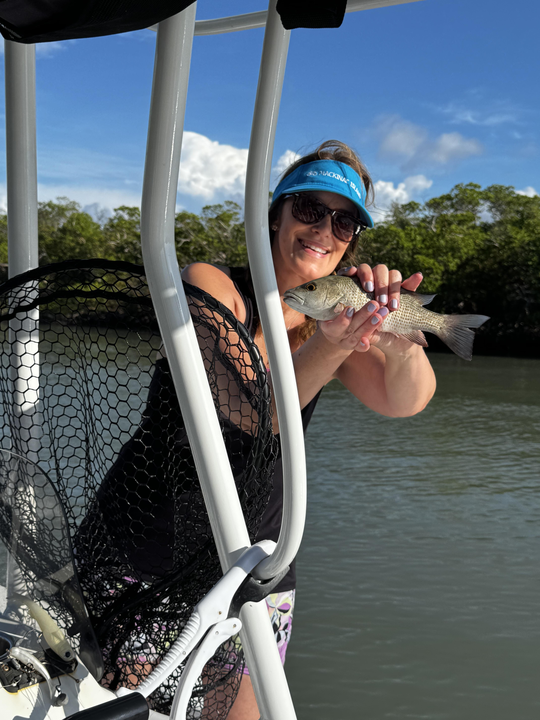
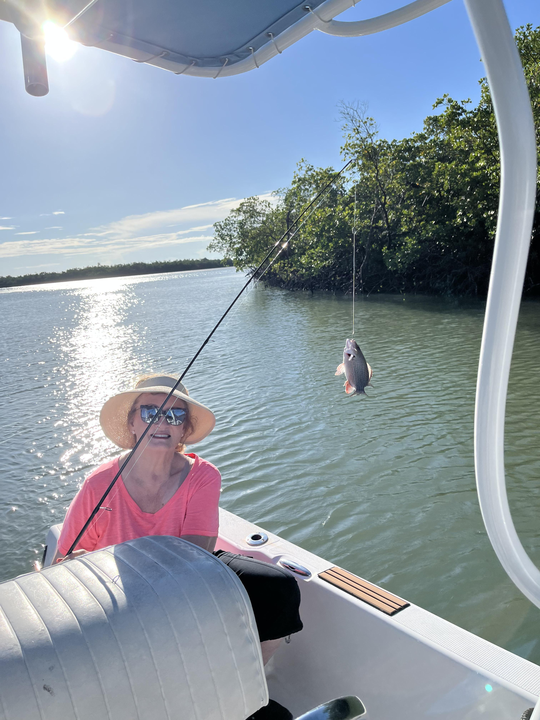
Grey snapper, also known as mangrove snapper, are the workhorses of the reef system and probably the most consistent fish you'll encounter. These bronze-colored fighters are year-round residents that school up around structure and provide steady action when other species are being finicky. They're not huge fish typically, running 1-3 pounds on average, but they make up for size with attitude and numbers. Grey snapper are excellent eating and perfect for anglers who want consistent action and a cooler full of fillets. They respond well to both live and cut bait, and once you find a school, you can often pick away at them for hours.
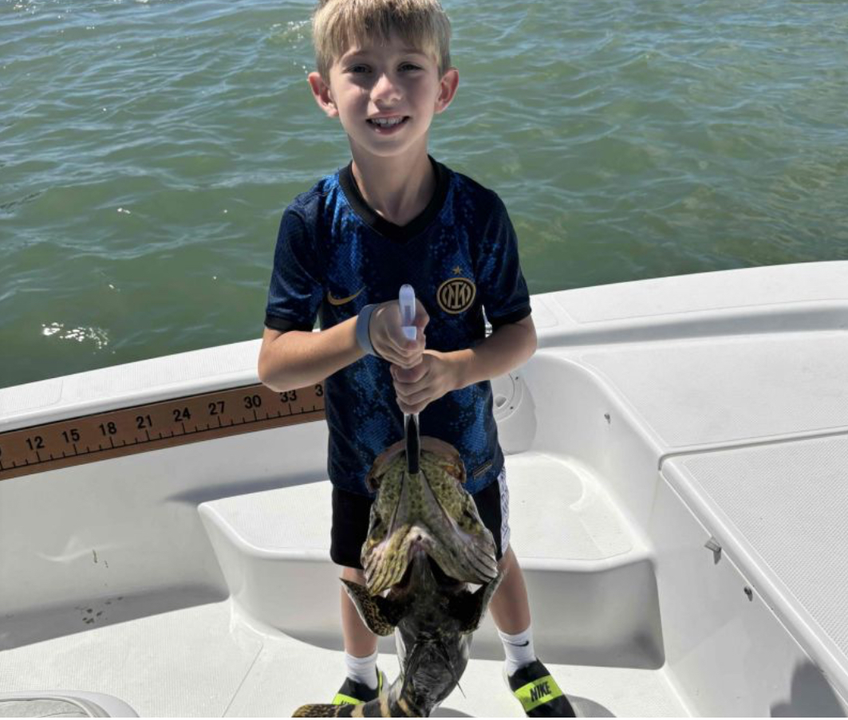
Goliath grouper are the giants of the reef system, and while they're catch-and-release only, hooking into one of these 200-400 pound monsters is a bucket list experience. These prehistoric-looking fish hang around the biggest wrecks and reef structures, where they use their massive mouths to inhale anything that looks like food. The fight isn't about speed or jumping — it's pure power and stubbornness as they try to get back to their hole in the structure. You'll know immediately when you've hooked a goliath because nothing else fights like them. They're protected for good reason, so we handle
 5.0(1 Reviews)
 Private Trip
 Wrecks/Reefs Fishing
 Marco Island



 Target reefs and wrecks 2-5 miles offshore from Marco Island