St Augustine Flats Fishing for Beginners
Picture yourself poling across crystal-clear shallow waters where you can actually see fish cruising the grass beds below. That's what St Augustine flats fishing is all about, and this 4-hour trip with Marsh Dweller Fishing puts you right in the middle of some of Florida's best inshore action. Whether you've never held a rod or just want to try something different from deep-sea fishing, this beginner-friendly adventure gives you everything you need to start catching fish like a pro. Your private guide handles all the details – licenses, bait, gear, and most importantly, the local knowledge that puts you on fish when other boats are struggling.
What to Expect on the Water
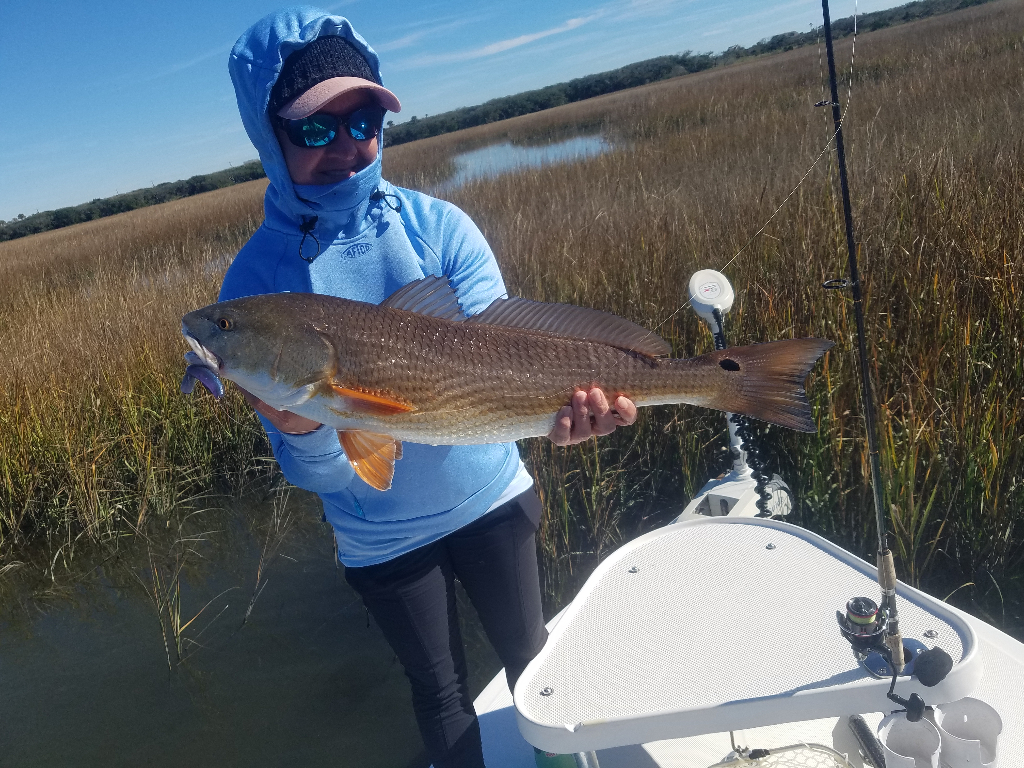
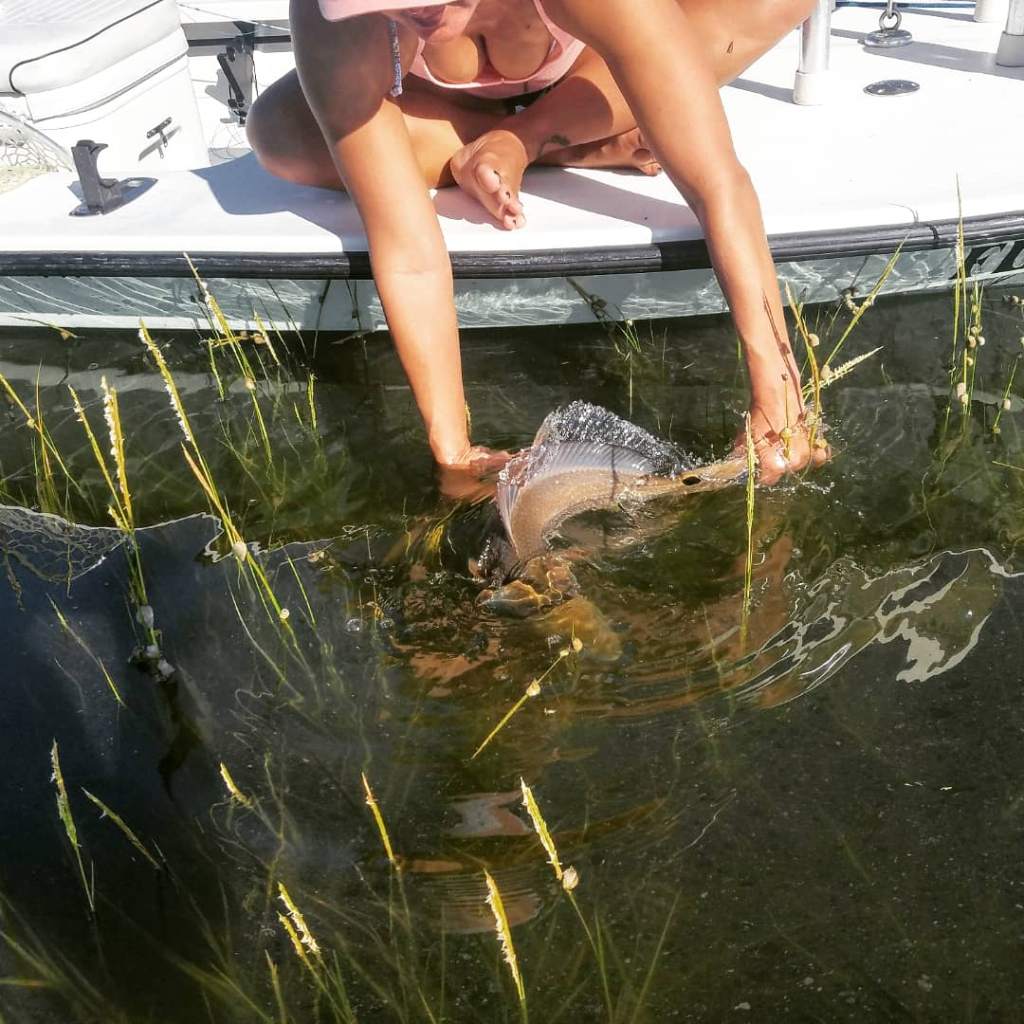
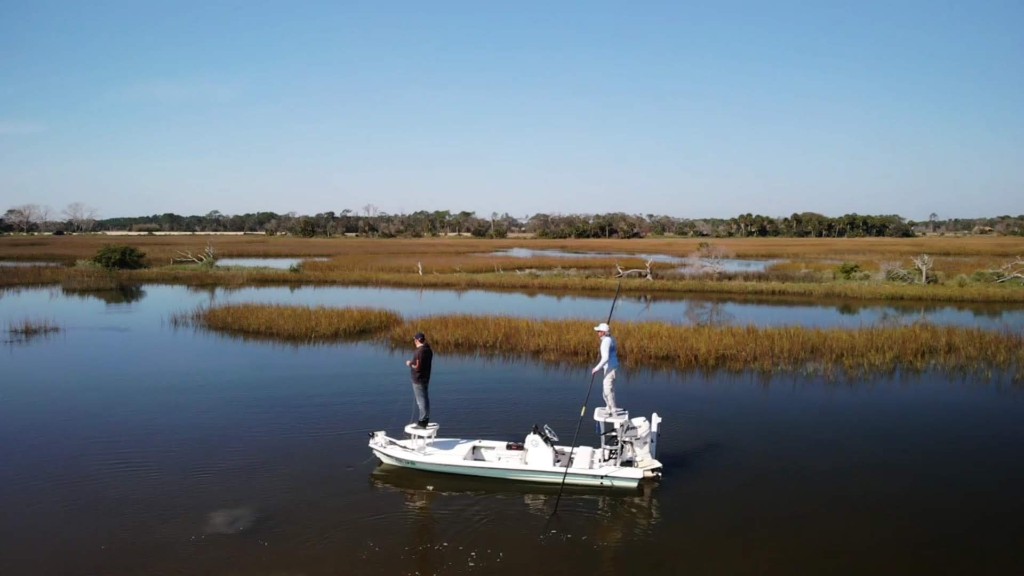
St Augustine's flats are like nature's aquarium – shallow, gin-clear waters where redfish, trout, and other species feed in water that's often less than three feet deep. Your guide will pole or drift the boat quietly through these productive areas, teaching you to spot fish before you cast. This isn't about throwing lines overboard and waiting; it's active fishing where you're constantly scanning the water and making precise casts to specific targets. The scenery alone is worth the trip – pristine grass beds, oyster bars, and mangrove shorelines that have been producing fish for generations. Since it's a private charter for up to two guests, you get personalized instruction without feeling rushed or competing for the guide's attention. Every question gets answered, every cast gets coached, and by the end of the day, you'll understand why so many anglers become obsessed with sight-fishing these flats.
Sight-Fishing Techniques
Sight-fishing is the name of the game on St Augustine's flats, and your guide will teach you this top-rated technique that separates inshore fishing from everything else. You'll learn to read the water – spotting nervous bait, identifying different bottom types, and recognizing the subtle signs that fish are nearby. When you do see a redfish tailing or cruising, the approach is everything. Your guide will position the boat for the perfect cast angle while coaching you on leader length, lure selection, and presentation. The gear provided includes quality spinning rods matched with reels that can handle hard-fighting fish, plus a selection of artificial lures and live bait depending on conditions. Polarized sunglasses are essential (bring your own or ask about borrowing a pair), as they cut through surface glare and let you see into the water column. The poling platform gives your guide the elevated view needed to spot fish and guide your casts, while the quiet approach keeps from spooking wary fish in these shallow waters.
Top Catches This Season
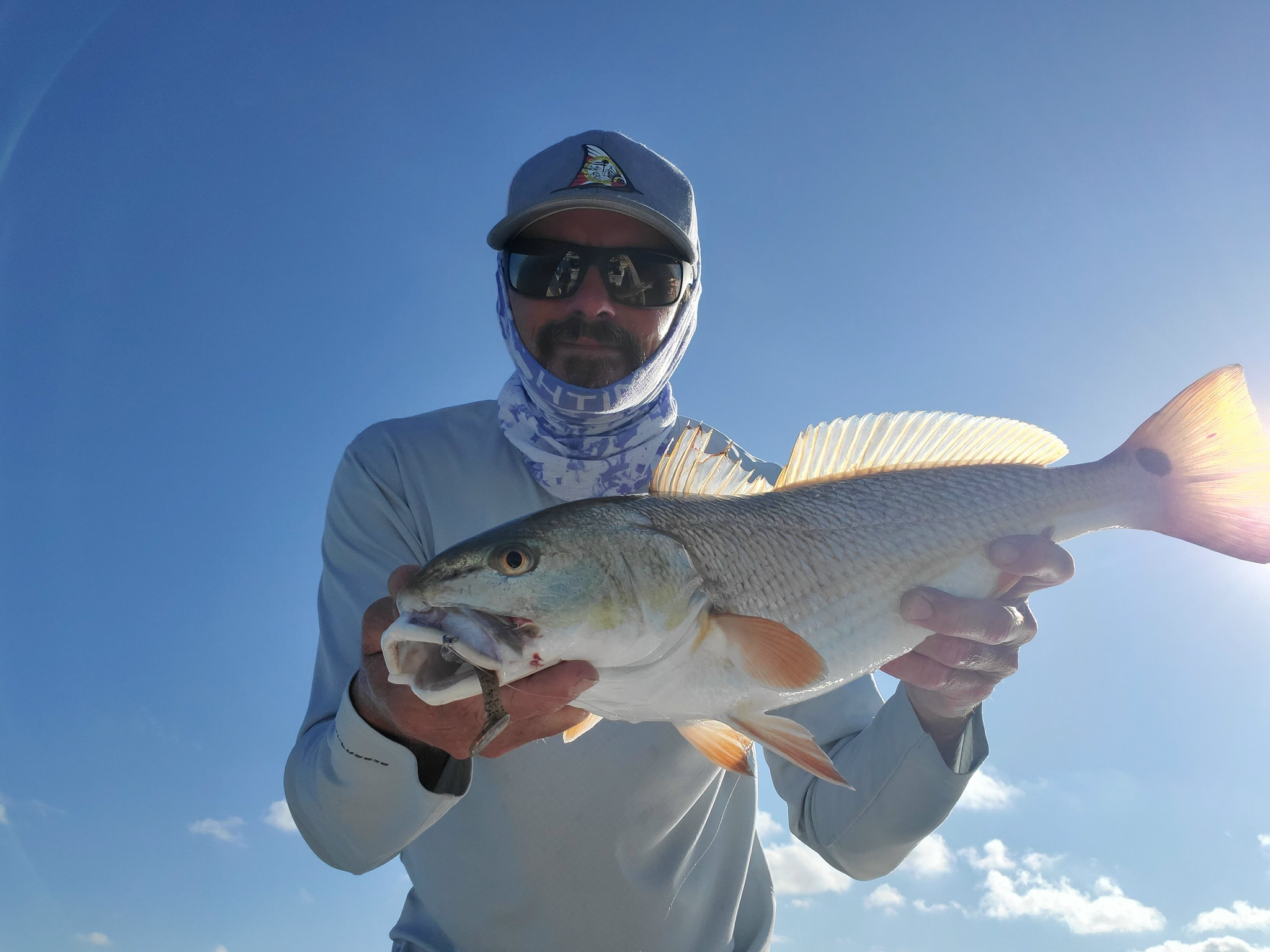
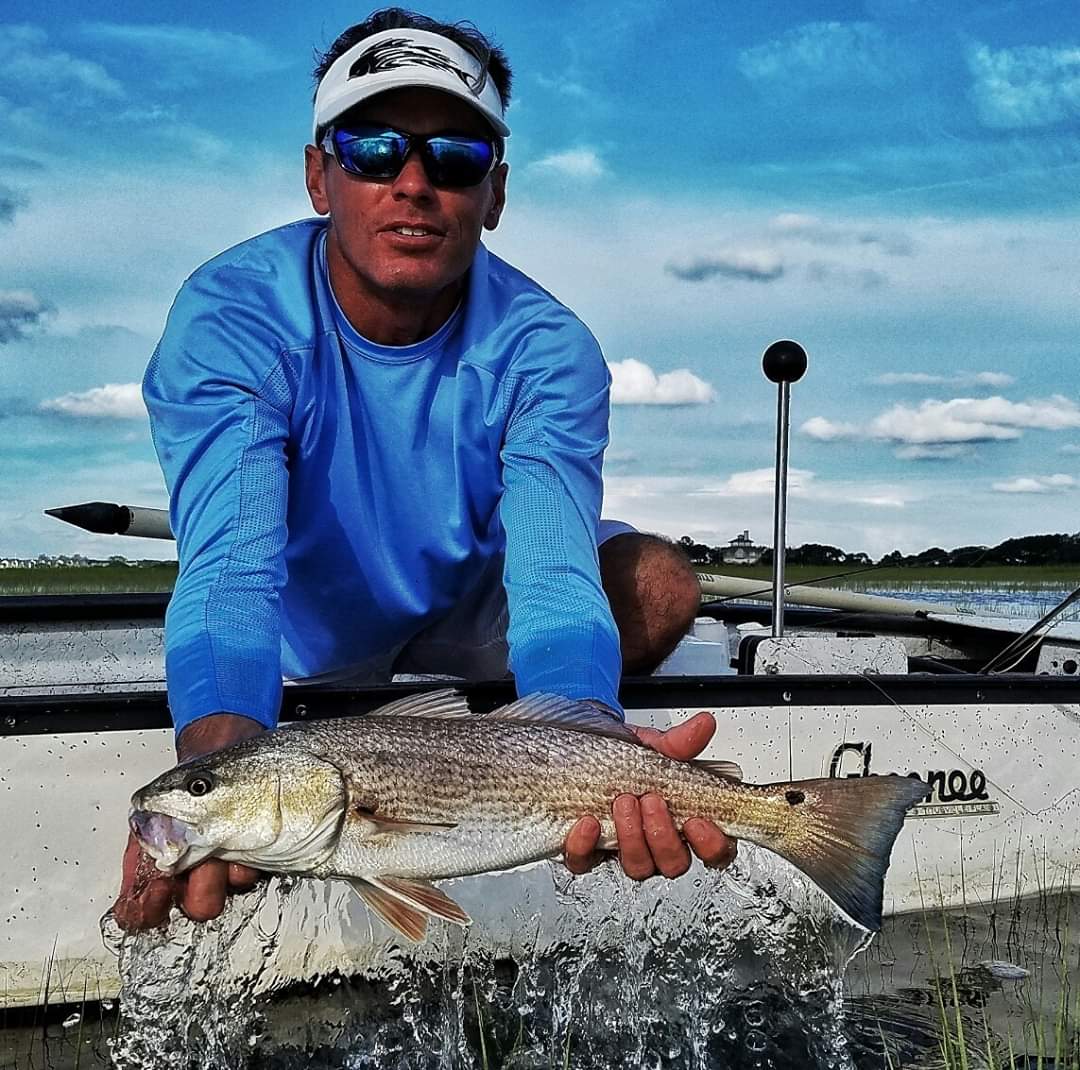
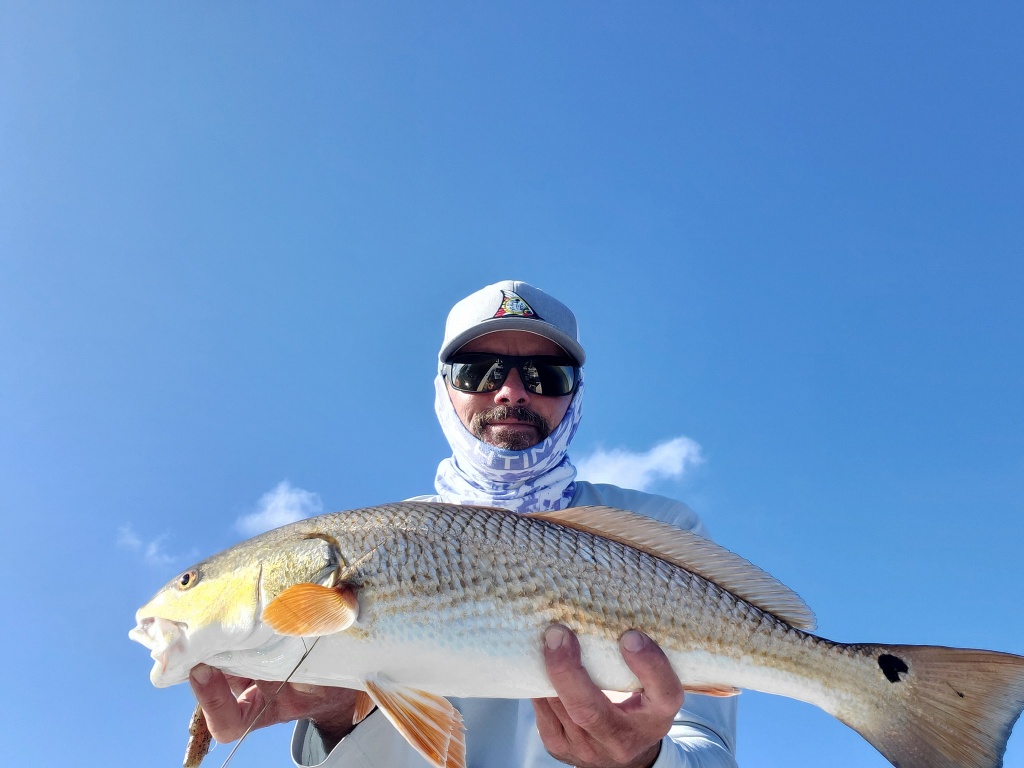
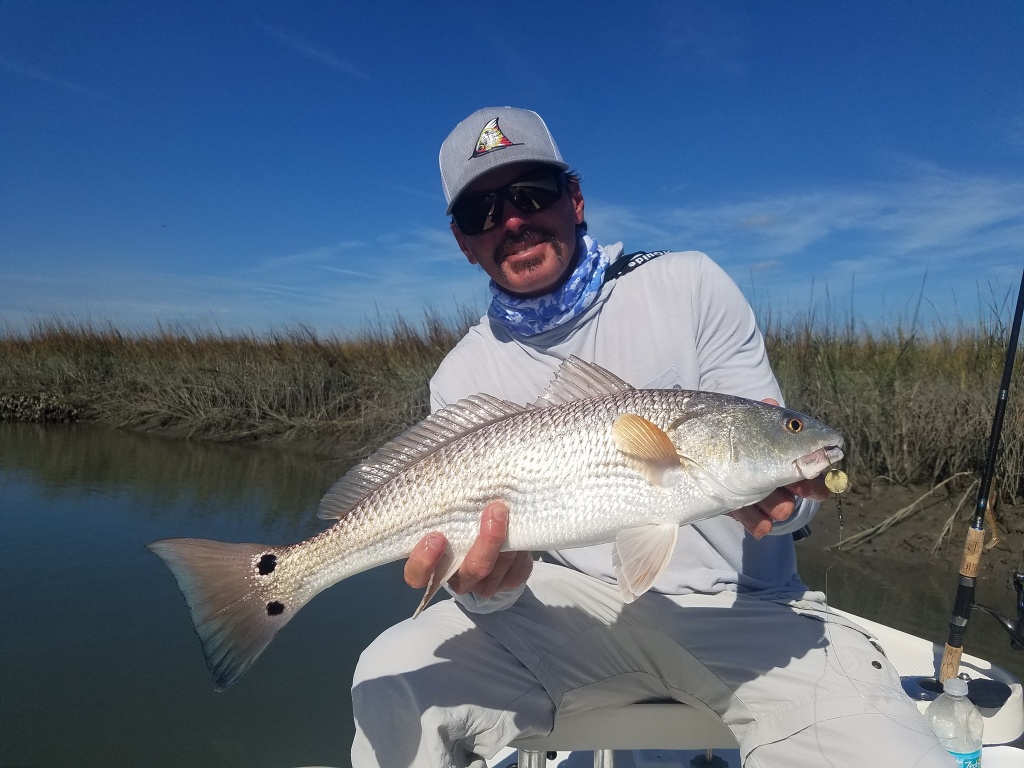
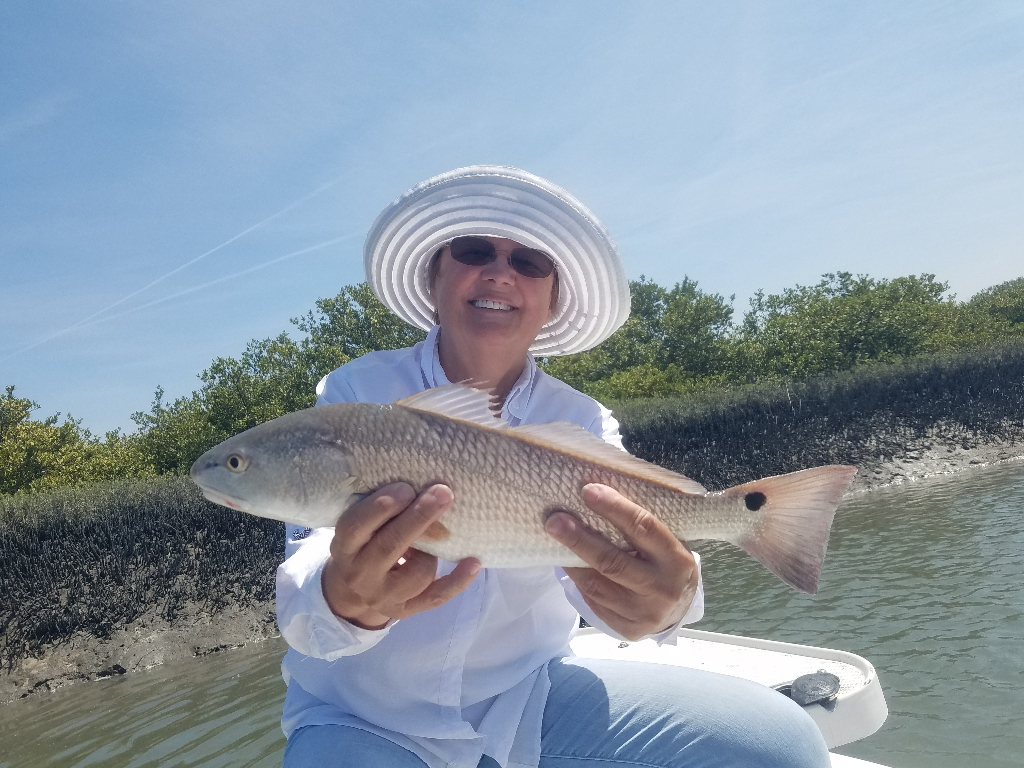
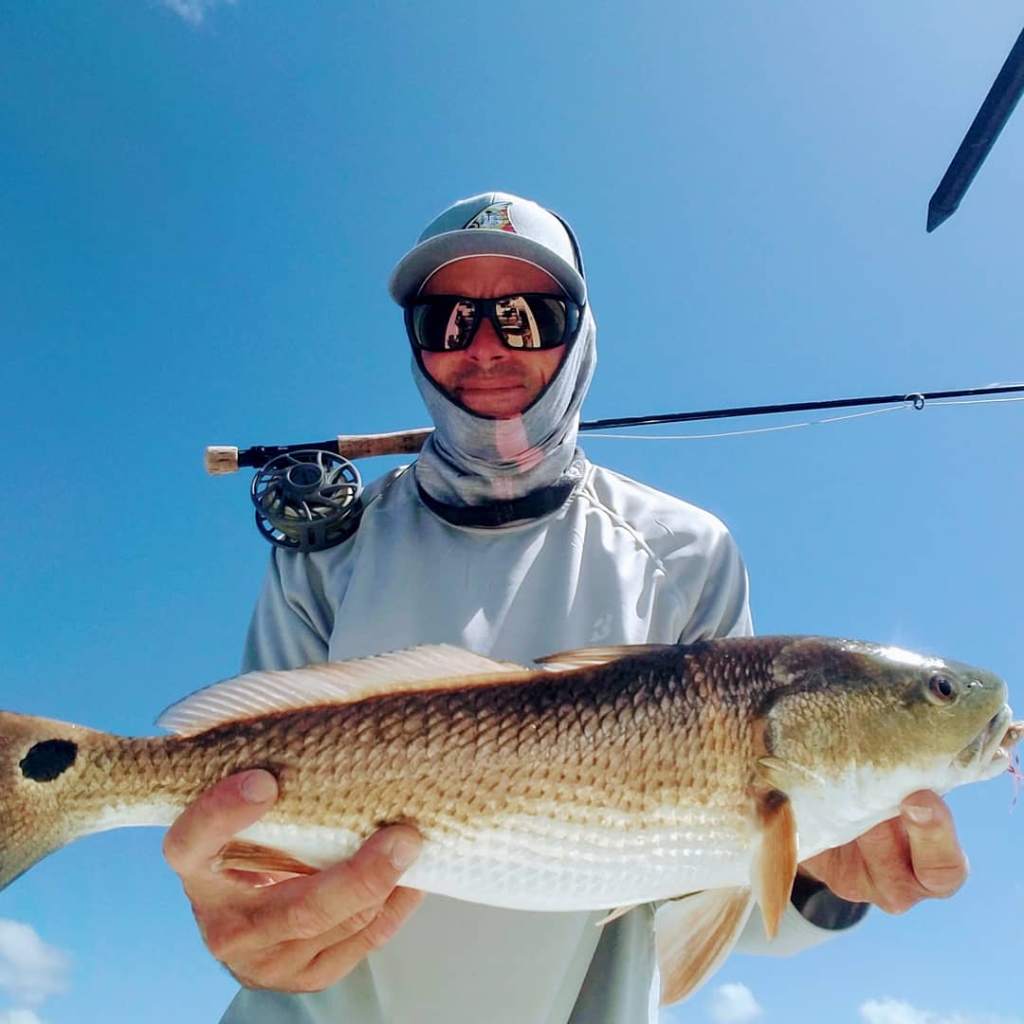
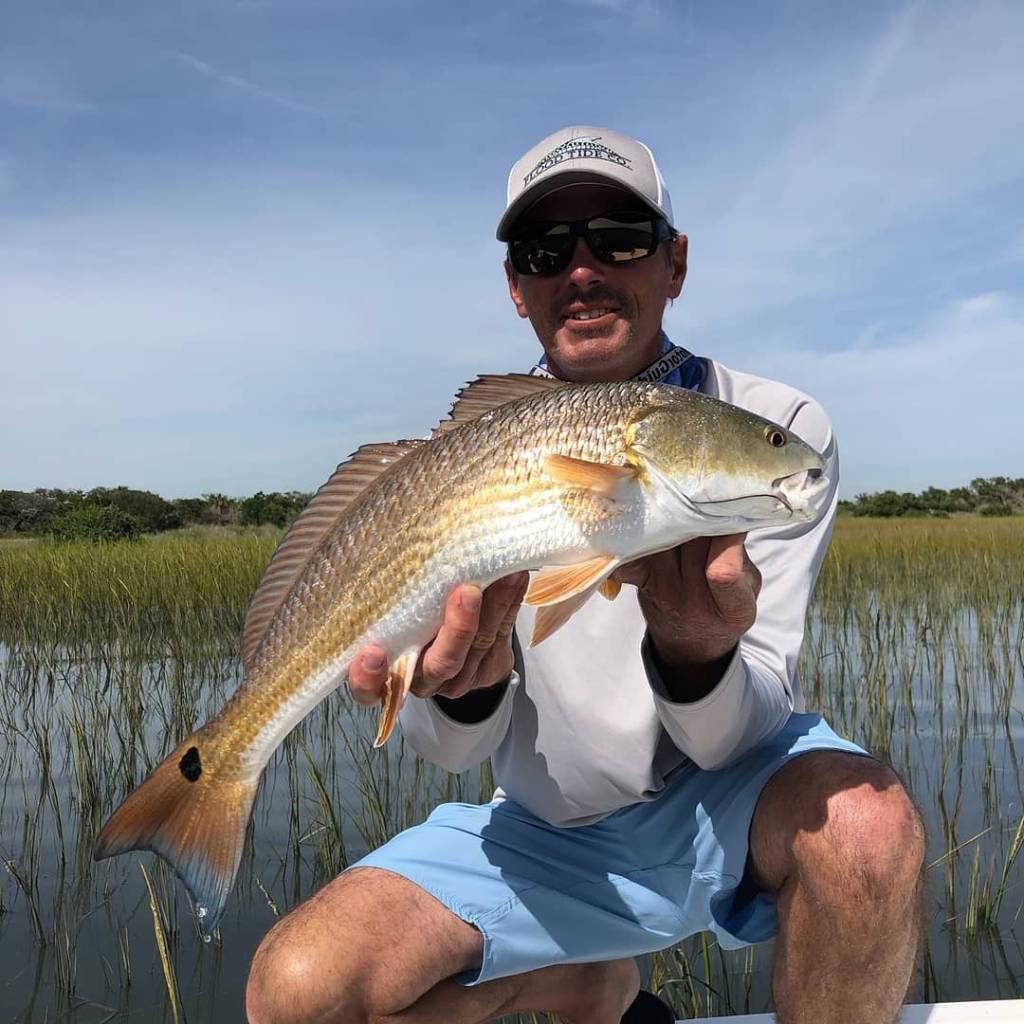
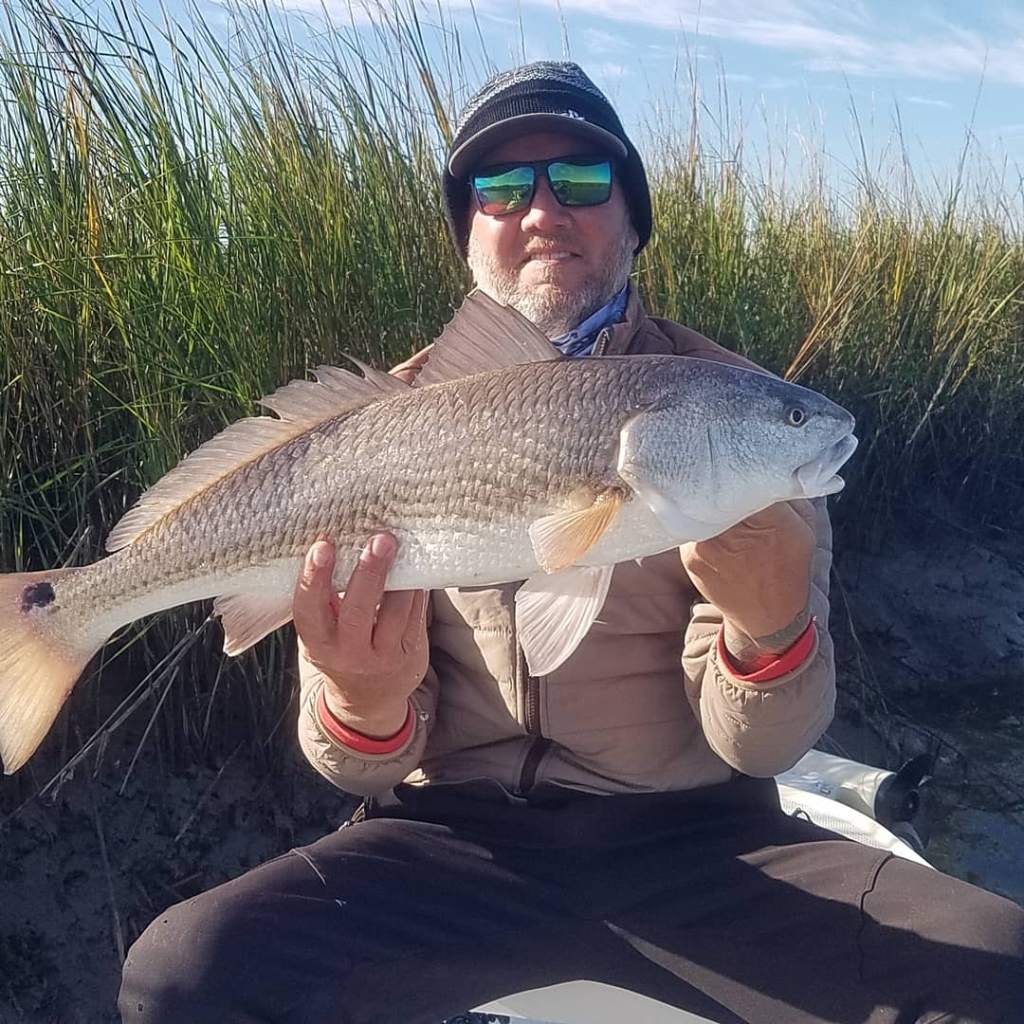
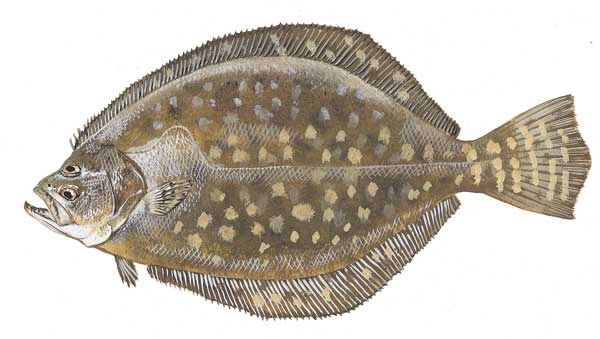
Redfish are the main attraction here, and for good reason – these copper-colored bruisers average 18-27 inches and fight like fish twice their size. They're year-round residents that love cruising the grass flats, especially during moving tides when baitfish get pushed around. What makes redfish so exciting is how they feed; you'll often see their tails sticking up as they root around oyster bars, or watch them cruise just under the surface with their backs out of the water. Sea trout are another customer favorite, particularly in cooler months when they school up in deeper pockets of the flats. These spotted beauties are excellent eating and provide steady action when the bite is on. Southern flounder might be the most challenging target species – they're masters of camouflage that bury in sandy areas, but when hooked, they make powerful runs that test your drag settings. Black drum are the heavyweights of this fishery, with bigger specimens pushing 20+ pounds and providing arm-burning fights in shallow water. Sheepshead round out the mix as the technical challenge; these black-and-white striped fish have incredible eyesight and require perfect presentations, but their fight and table quality make them worth the effort.
Time to Book Your Spot
This St Augustine flats experience delivers everything you want from a world-class fishing trip – expert instruction, quality gear, productive waters, and the kind of personalized attention that creates lasting memories. Your catch gets cleaned and filleted at the end of the trip, so you can take home fresh fillets for dinner. The 4-hour format gives you enough time to really learn the techniques without feeling rushed, and the private charter means the day revolves around your group's interests and skill level. St Augustine's flats have been producing fish for decades, and with Marsh Dweller Fishing's local expertise, you'll be connected to this renowned fishery in the best possible way. The shallow water environment is perfect for beginners – no seasickness worries, plenty of action, and the visual element that makes every fish memorable. Book your trip today and discover why sight-fishing Florida's flats turns casual anglers into lifelong enthusiasts.
 Private Trip
 Flats/Shallows Fishing
 St. Augustine, FL


 4-hour beginner-friendly flats fishing targeting redfish and trout