Full Day Inshore Fishing with Marsh Head Charters
Captain Jason knows these inshore waters like the back of his hand, and he's ready to put you on some serious fish. This isn't your average half-day trip – we're talking about a full day of targeting the Gulf Coast's most sought-after species. With all your tackle provided and lunch included, you just need to grab your fishing license, pack some snacks and drinks, and get ready for what could be your best fishing day of the year. Our boat handles three anglers comfortably, so you'll have plenty of room to fight fish without getting tangled up.
What to Expect on the Water
You'll meet Captain Jason at first light, when the water's still calm and the fish are actively feeding. The morning bite is usually when we see the most action, especially for redfish cruising the shallow flats. We'll spend the day working different spots – from grass flats where trout love to ambush bait, to deeper channels where flounder sit waiting for an easy meal. The boat's equipped with everything you need, from light tackle for finesse fishing to heavier setups when we need to pull fish out of structure. Don't worry if you're new to saltwater fishing – Captain Jason will have you casting like a pro and reading the water in no time. The pace stays relaxed but productive, with plenty of opportunities to learn new techniques while putting fish in the boat.
Techniques and Tackle
We fish with a mix of live bait and artificials depending on what the fish are telling us. Soft plastics rigged on jig heads are money for redfish, especially when we're sight fishing the flats. For trout, we'll often throw topwater plugs early in the morning – nothing beats watching a big speckled trout blow up on a surface bait. When we're targeting flounder, we'll slow down and work gulp baits or live shrimp along the bottom structure. Captain Jason keeps the boat positioned perfectly with his trolling motor, so you can focus on your presentation instead of fighting the wind. All rods and reels are top-shelf gear that's maintained and spooled with fresh line. We use circle hooks for better fish survival, and Captain Jason will show you the proper hookset technique if you haven't used them before.
Customer Stories
"What a wonderful time!! I take alot of clients out on guided trips all over the US. This was one of the best experiences! Even if I was looking for something to pick on, I couldn't. Communication pre and post was fantastic. Easy pay service that included allowing tip. Capt. put us on all kinds of fish. Multiple species of trout, red and even a bull shark! Amazing day and great riding boat. Highly recommended! Jon" - Jonathan
Species You'll Want to Hook
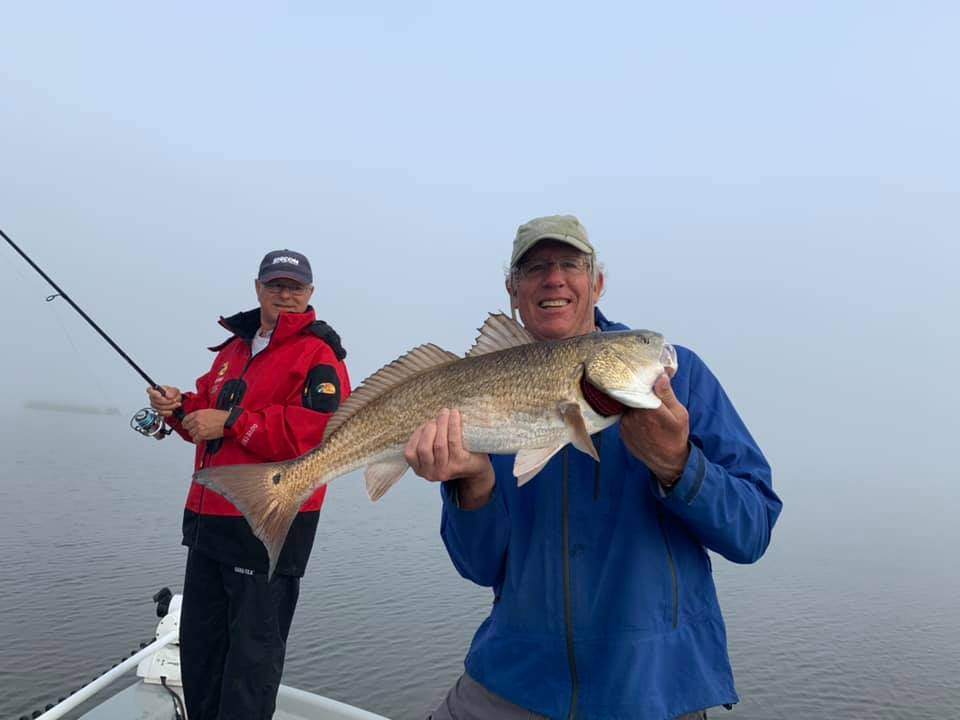
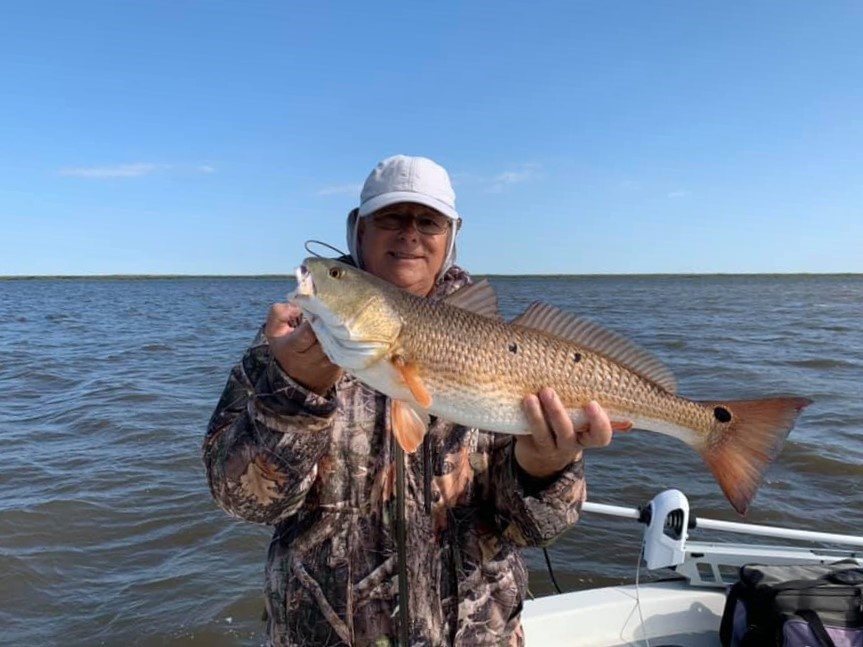
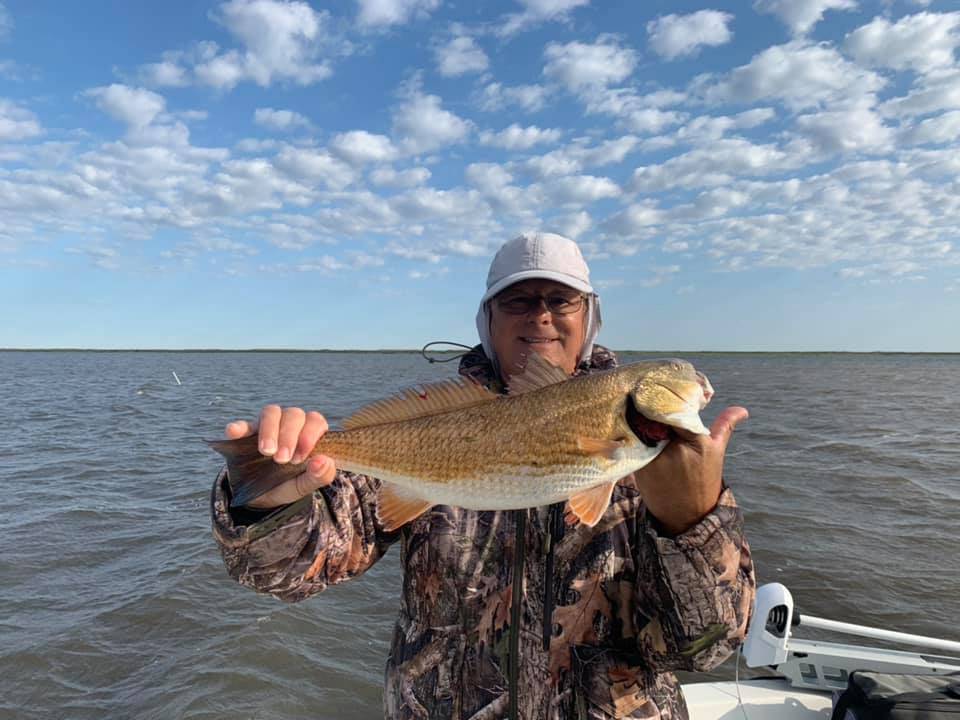
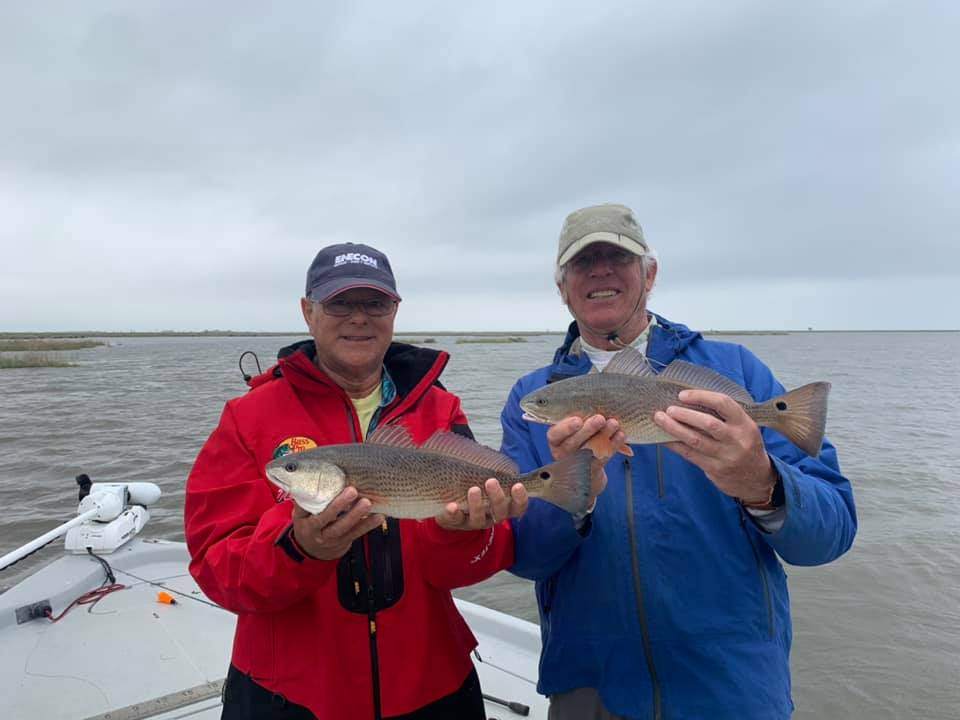
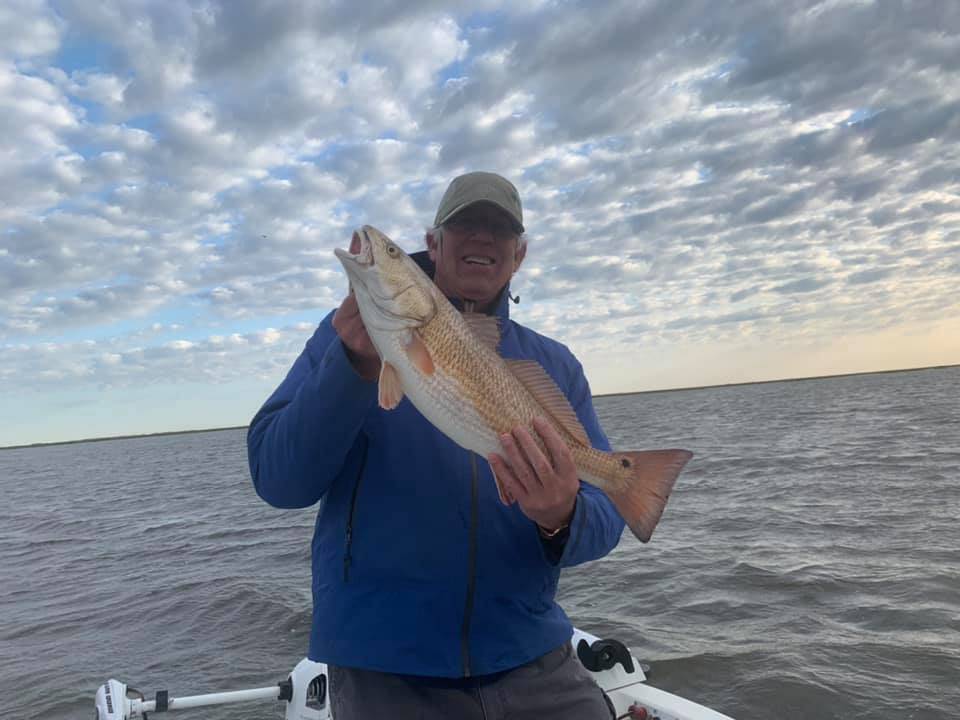
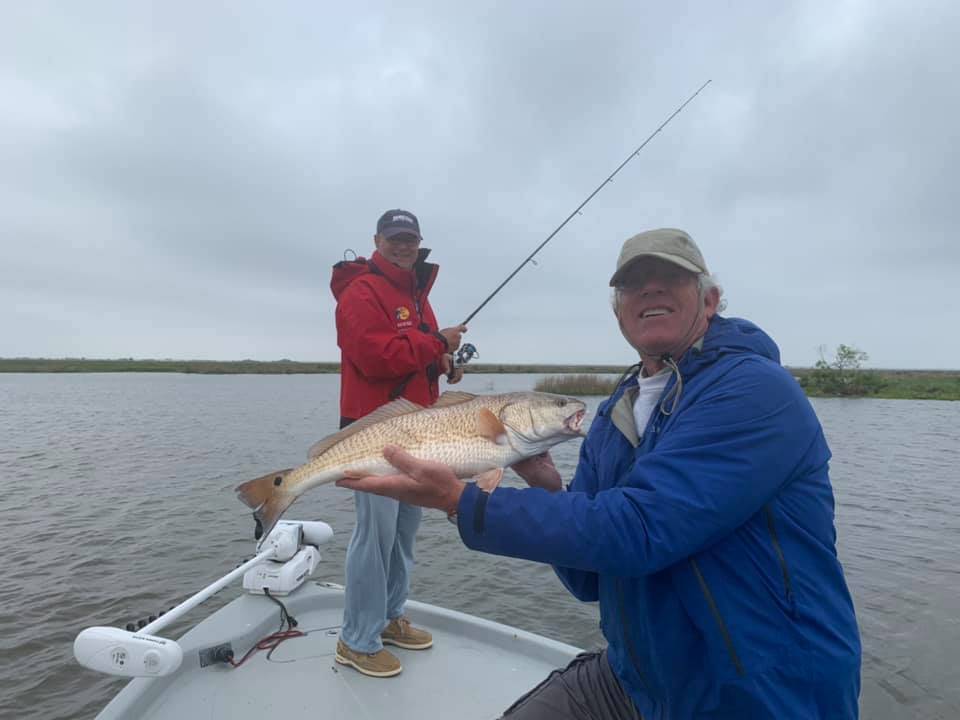
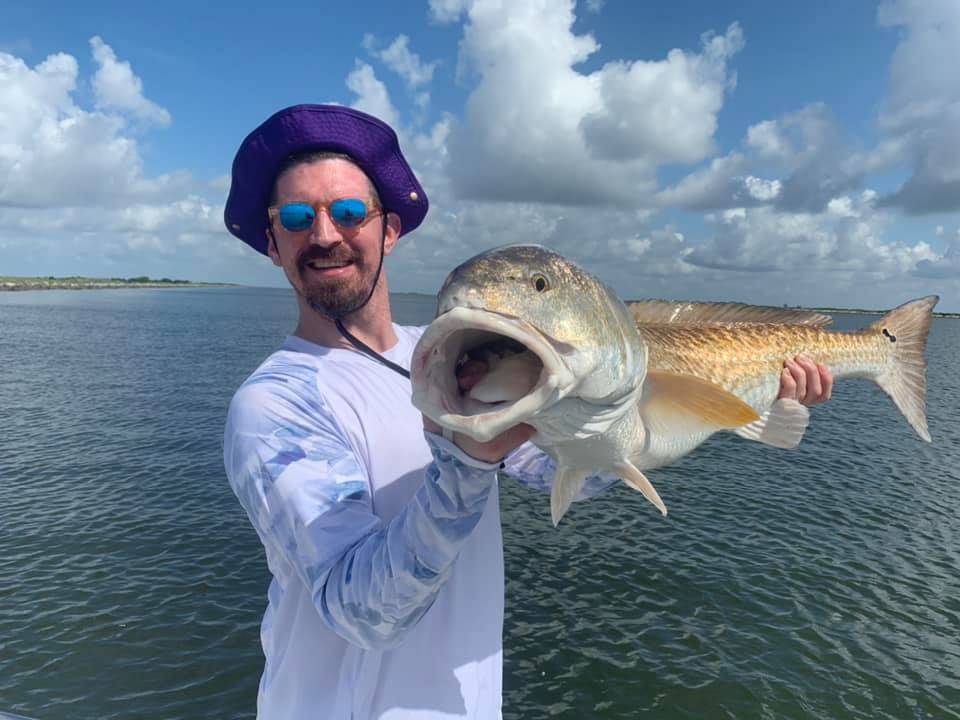
Redfish are the crown jewel of our inshore waters, and for good reason. These copper-colored bruisers average 20-30 inches and fight like fish twice their size. Spring through fall gives you the best shot at reds, when they're schooled up and feeding aggressively on the flats. What makes them special is their willingness to eat just about anything – from live shrimp to soft plastics – and their habit of tailing in shallow water where you can sight cast to them. There's nothing quite like watching a red's back fin cutting through two feet of water as it roots around for crabs.
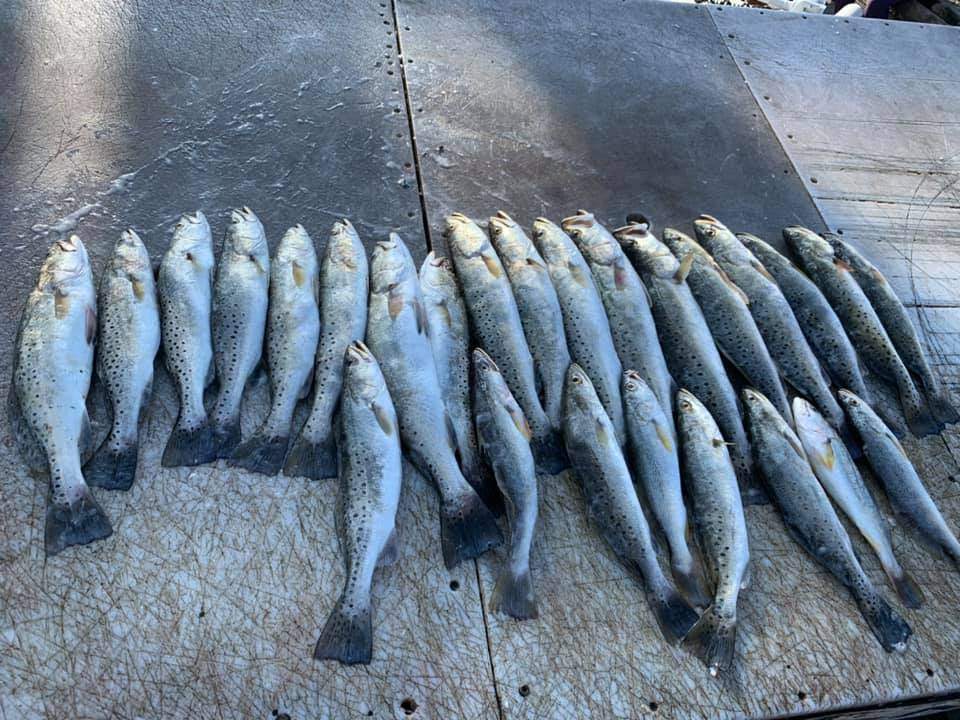
Sea Trout, or speckled trout as locals call them, are the bread and butter of inshore fishing. These spotted beauties typically run 14-20 inches, with the occasional "gator trout" pushing 24 inches or better. They're most active during cooler months, from October through March, when they school up in deeper grass beds. Trout have soft mouths, so the fight is more about finesse than raw power. They're also some of the best eating fish in the Gulf, with white, flaky meat that's perfect for the dinner table. Captain Jason knows exactly where they hold based on tide, temperature, and bait movement.
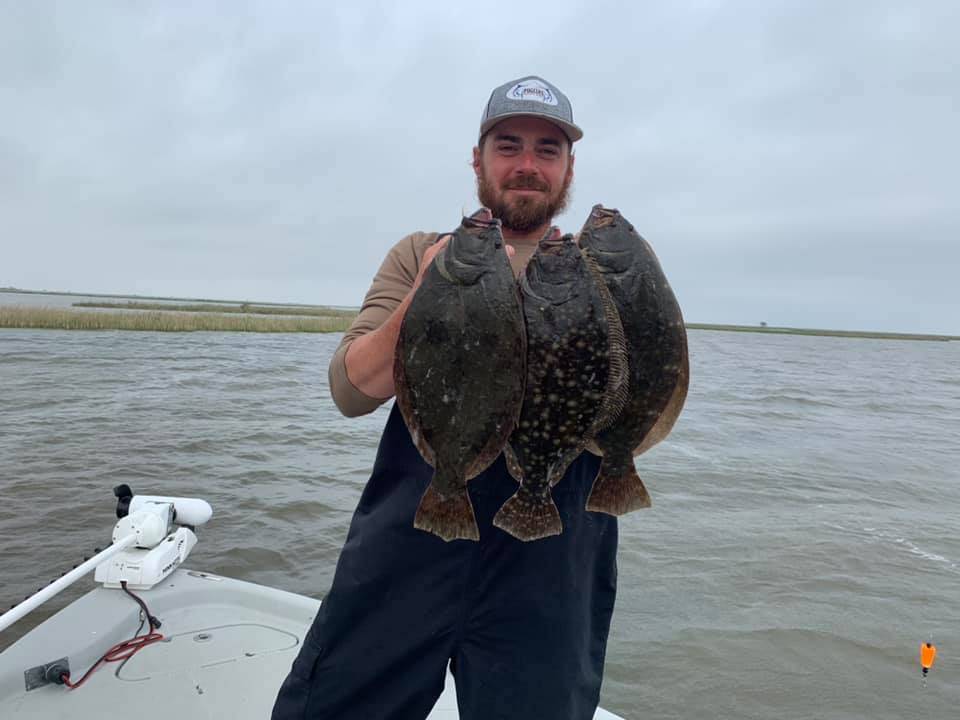
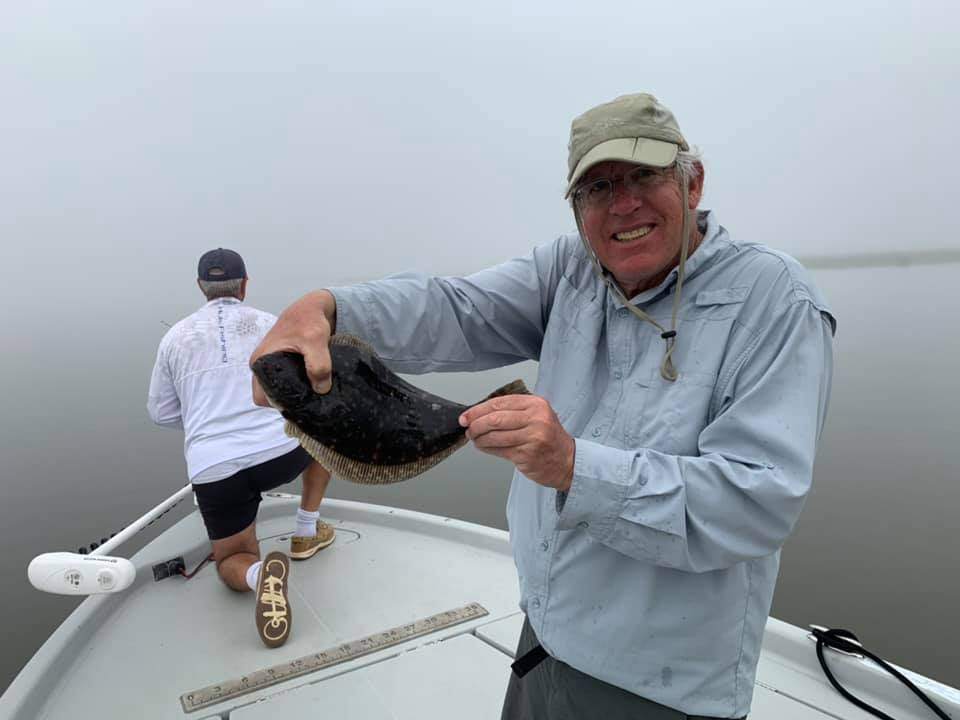
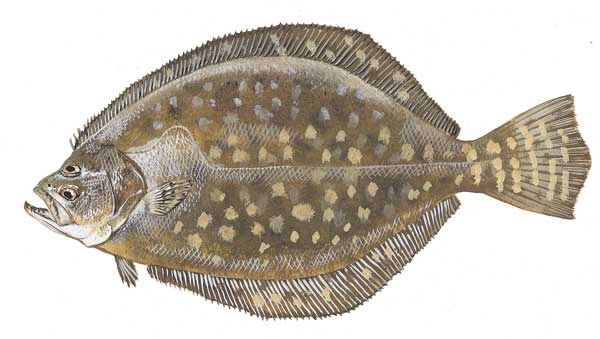
Southern Flounder are the masters of camouflage and ambush attacks. These flatfish hide in sandy bottoms and strike with lightning speed when prey swims overhead. Most of our flounder run 16-22 inches, though we occasionally hook into true doormat fish that stretch the tape to 26 inches or more. Fall is prime time for flounder fishing, especially September through November when they're feeding heavily before their offshore spawn. They're tricky to hook since they often grab bait from the side, but once you get the hang of the bite, they're a blast to target. Plus, flounder are incredible on the plate – sweet, white meat with a delicate flavor.
Black Drum might not win any beauty contests, but they'll test your tackle and your patience. These bottom dwellers can range from smaller "puppy drum" around 14-16 inches up to massive bull drum that can exceed 40 pounds. They're year-round residents that love structure – bridge pilings, oyster reefs, and channel edges. Black drum have a unique feeding style, using their pharyngeal teeth to crush crabs and oysters. The fight is all about power and endurance, with bigger fish making long, steady runs that'll have your drag singing. They're most active during moving tides when the water stirs up their preferred food sources.
Sheepshead are the ultimate test of an angler's skill and patience. These black-and-white striped fish have human-like teeth designed for crushing barnacles and crabs off structure. They're notorious bait thieves, often stealing your offering without ever getting hooked. But when you do connect with a good sheepshead, usually in the 12-16 inch range, they put up a surprisingly good scrap for their size. Winter months are prime time for sheepshead fishing, when they move inshore to spawn around docks, bridges, and jetties. They're also fantastic table fare, with firm white meat that
 5.0(1 Reviews)
 Private Trip
 Inshore Fishing
 Saint Bernard, LA


 Full day inshore fishing targeting redfish, sea trout, and flounder