Gulf Stream Adventure: Deep Water Big Game
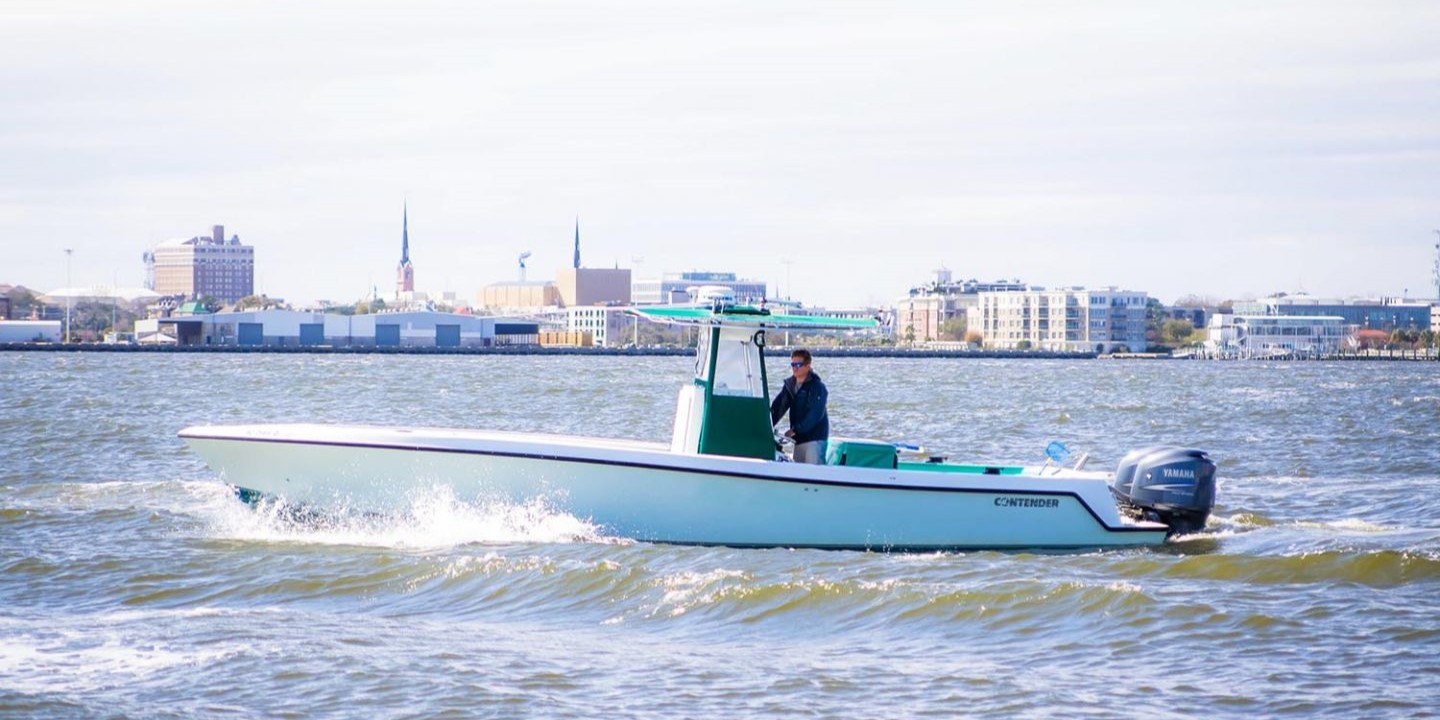
When you're ready to leave the inshore crowd behind and chase real trophies, this 12-hour Gulf Stream charter is what separates weekend warriors from serious anglers. We're talking about pushing 50-60 miles offshore in our 32' Contender, where the Continental Shelf drops off and the big boys live. Captain and crew from Marsh View Fishing Charters know these waters like their own backyard, and they'll put you on fish that'll make your drag scream. Just you and three buddies against some of the Atlantic's most prized gamefish – no crowds, no compromises, just world-class fishing in the legendary Gulf Stream.
What to Expect on the Water
Your day starts before sunrise at the Charleston marina, coffee in hand and anticipation building as we load the boat with everything needed for a top-rated Gulf Stream adventure. The 32' Contender is built for these long hauls – stable, fast, and equipped with all the electronics to find fish in the deep blue. The ride out takes about 90 minutes, giving you time to rig baits, talk strategy with the captain, and watch the water change from green inshore shallows to that distinctive cobalt blue of the Stream. Once we hit the temperature breaks and current edges, it's game on. This isn't your typical half-day trip where you're rushing back to the dock – we've got 12 solid hours to work different spots, follow the bite, and give every angler a real shot at their fish of a lifetime. Keep in mind there's a 5-10% fuel surcharge that might apply due to current fuel costs, but when you're 60 miles offshore watching a marlin light up behind your teaser, you'll understand why this trip is worth every penny.
Trolling the Blue Water
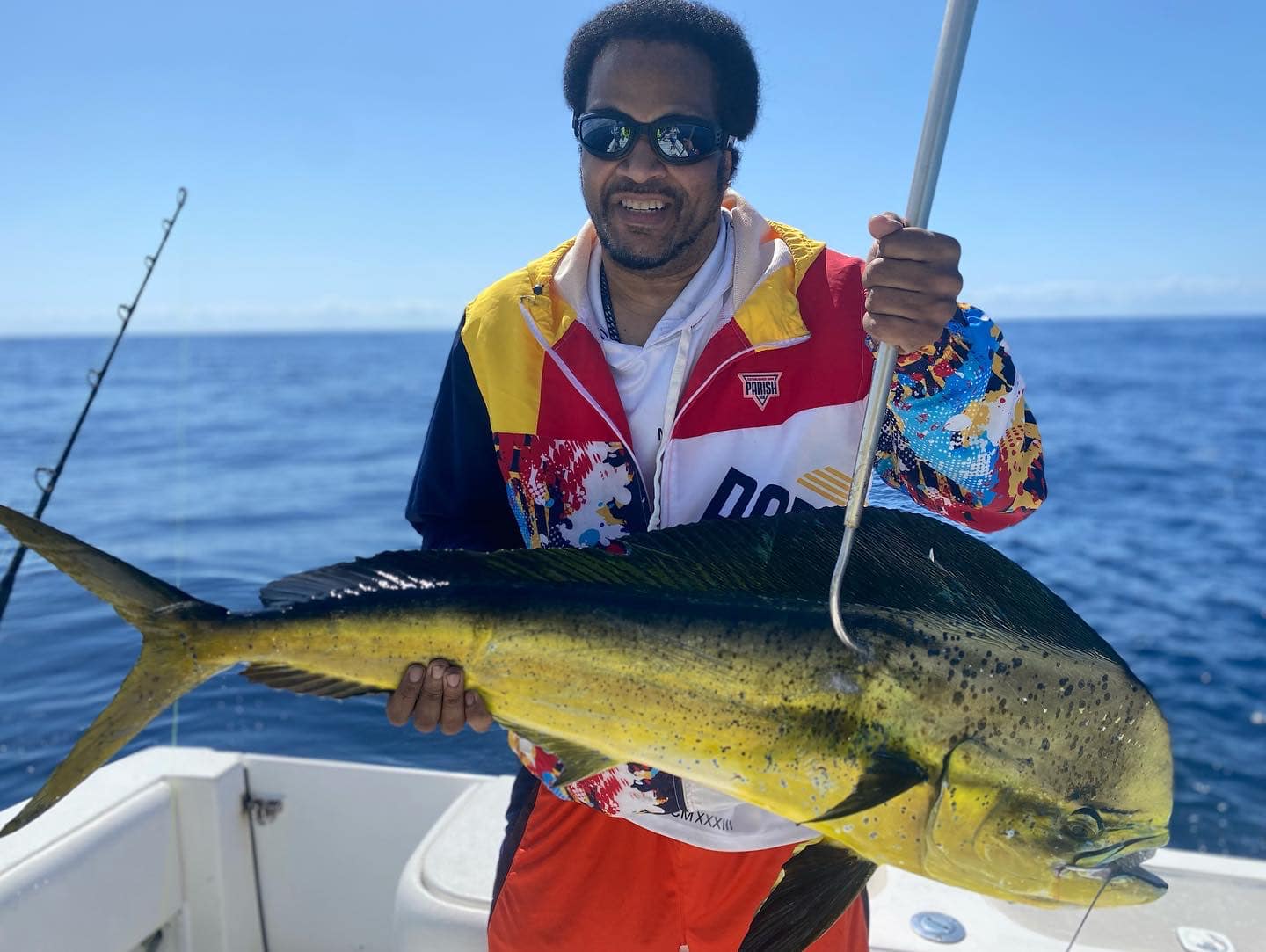
Gulf Stream fishing is all about covering water and reading the signs – temperature breaks, color changes, weed lines, and bird activity all tell a story. We'll be pulling a spread of baits designed to attract everything from fast-moving wahoo to cruising mahi schools. The captain sets up a pattern with different lures running at various distances: ballyhoo rigged on circle hooks for the billfish, high-speed lures for wahoo, and colorful skirted baits that drive mahi crazy. When something hits, you'll know it immediately – these fish don't nibble, they absolutely crush the bait. The boat's outfitted with quality tackle suitable for everything we might encounter, from 30-pound class for the mahi and blackfin tuna up to heavy gear when we're seriously targeting marlin. The crew handles all the details like clearing other lines when you're fighting a fish, gaffing, and keeping everything organized so you can focus on the fight. With 12 hours on the water, we can afford to be patient, move around, and really dial in on what's biting that day.
Top Catches This Season
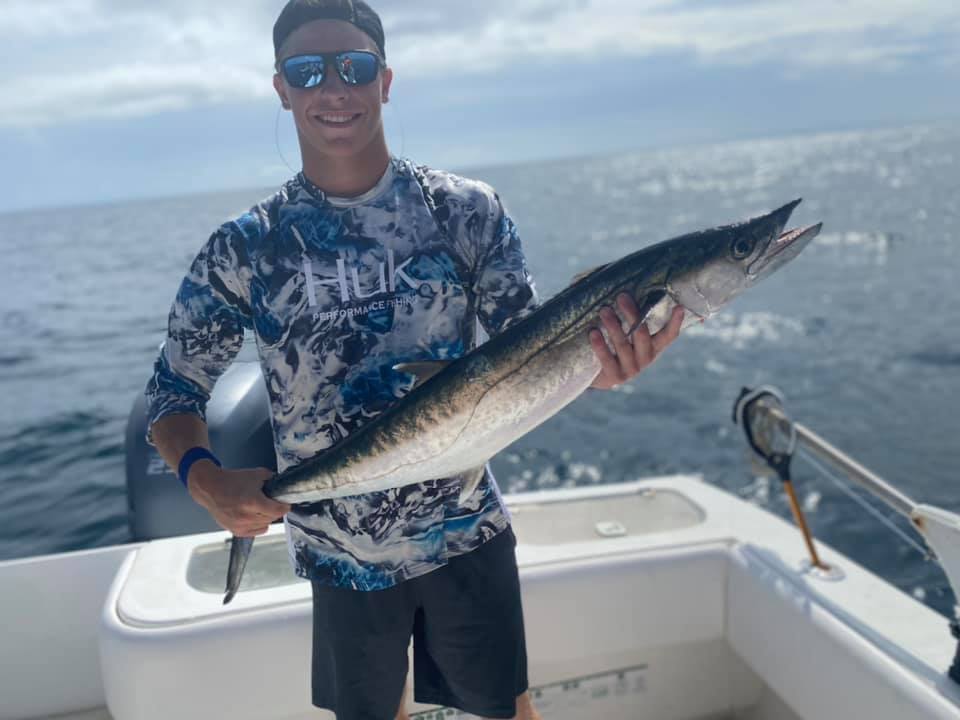
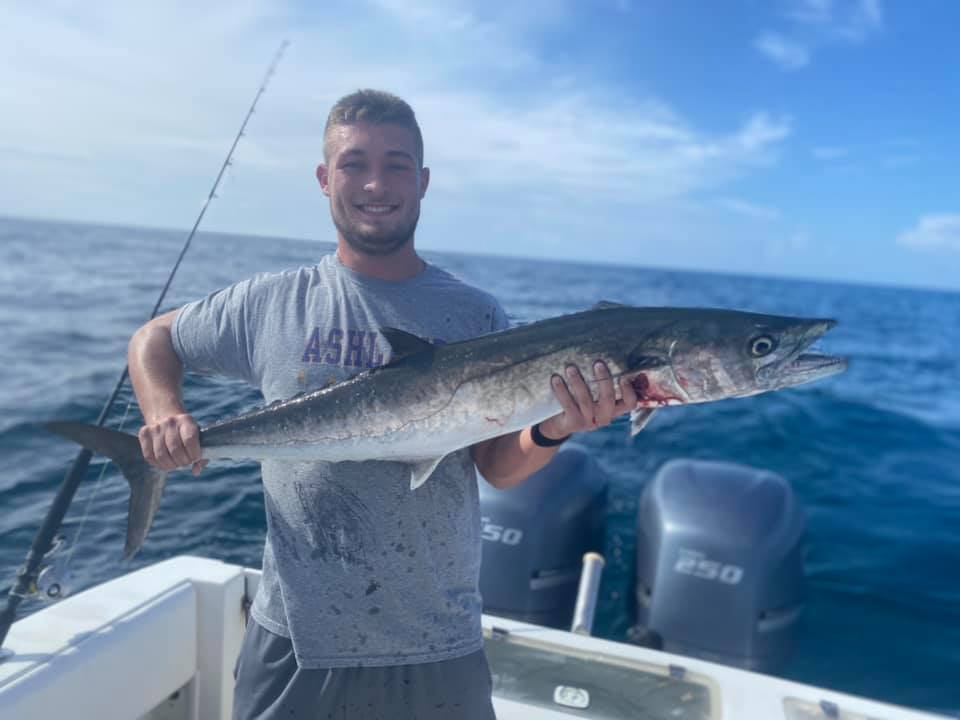
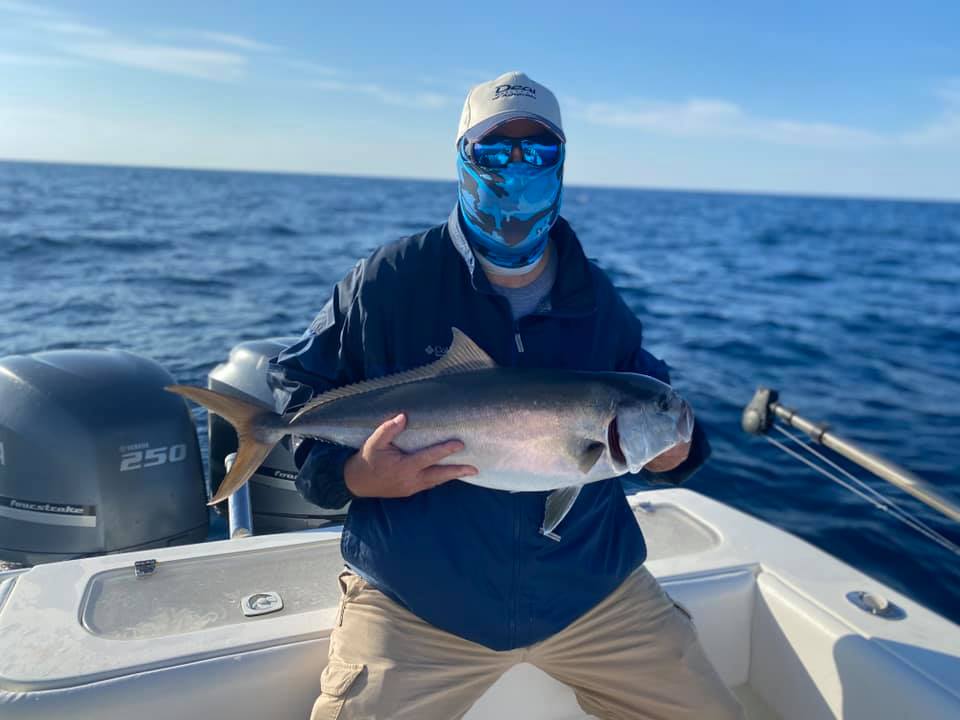
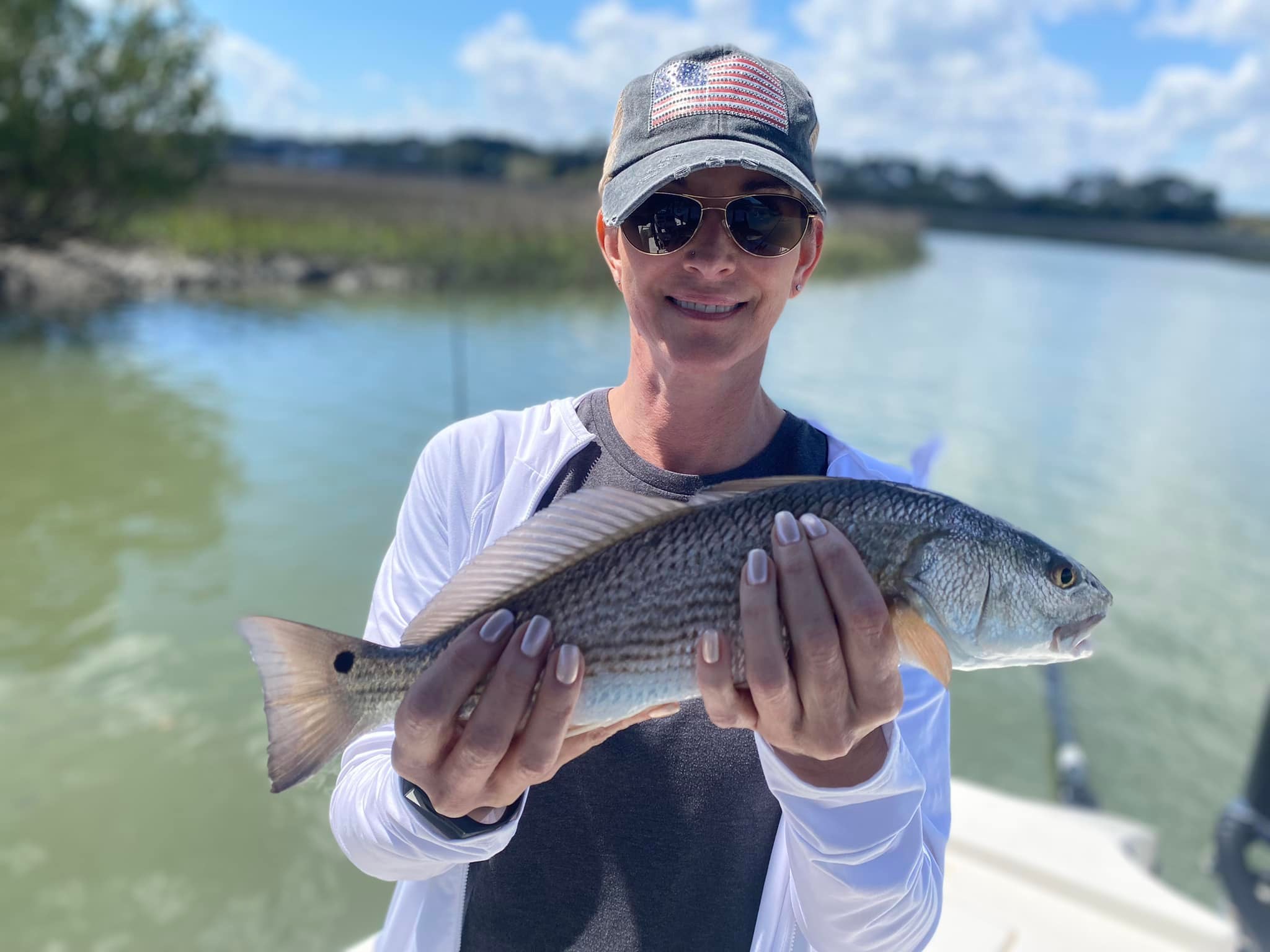
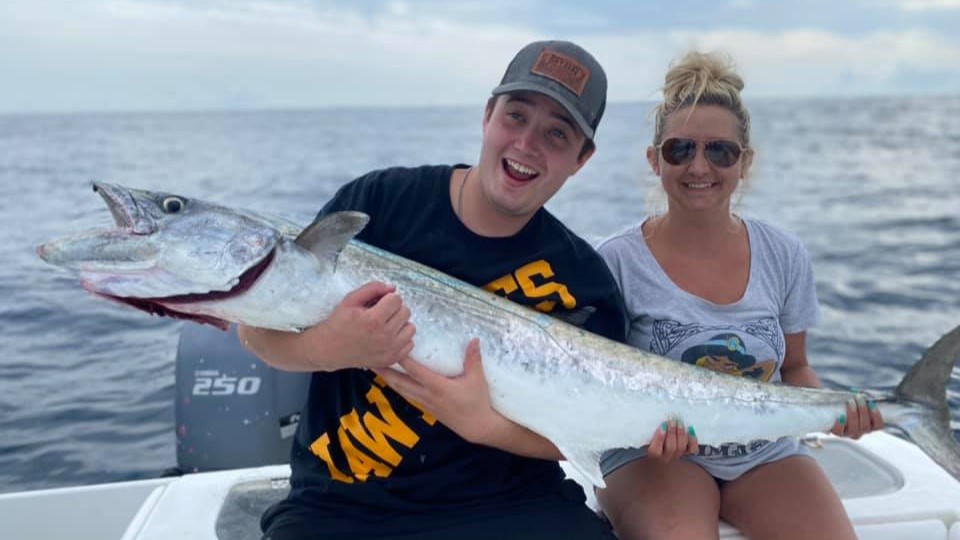
Red Snapper are the bread and butter of deep water fishing here, and these aren't the small inshore variety. Gulf Stream snappers grow fat and strong in 200+ feet of water, often hitting 15-20 pounds with shoulders like linebackers. They're most active during the warmer months from May through October, and they'll absolutely smoke your drag on the initial run. What makes snapper fishing so addictive is their willingness to bite – when you find a school, you can often load the boat. Atlantic Sailfish are the acrobats of the bunch, and Charleston's Gulf Stream waters hold some of the most consistent sailfish action on the East Coast. These fish average 40-60 pounds and put on an aerial show that'll have you fumbling for your camera while trying to fight the fish. Peak season runs from April through July, though we see them almost year-round. King Mackerel patrol these offshore waters in serious numbers, especially during their fall migration when 20-30 pounders are common and 40+ pound smokers are always possible. Kings are pure speed and power – they'll take 100 yards of line before you can blink and test every knot on your rig. Blue Marlin are the ultimate prize, the fish that turns a great day into a legendary one. Charleston's Gulf Stream produces marlin from June through October, with fish ranging from 200-pound teenagers up to true giants pushing 500+ pounds. Even a smaller marlin will give you a 30-minute battle you'll replay in your head for years. Wahoo are the speed demons of the deep, hitting lures at 40+ mph and capable of cutting through wire leaders with their razor teeth. These streamlined missiles average 30-50 pounds and make sashimi-quality fillets that are worth their weight in gold.
Time to Book Your Spot
This isn't the kind of trip you book on a whim – 12-hour Gulf Stream charters fill up fast, especially during prime season. With only four anglers per trip, you're getting the personal attention and elbow room that makes the difference between a good day and an epic one. Whether you're chasing your first sailfish, looking to upgrade your personal best king mackerel, or dreaming about that blue marlin photo, this charter puts you in the right place with the right crew to make it happen. The memories you'll create 60 miles offshore, fighting fish in 1,000 feet of crystal-clear water, are the stories you'll tell for decades. Don't let another season slip by – grab your crew, book your dates, and get ready for some of the best big game fishing the Atlantic has to offer.
 Private Trip
 Offshore Fishing
 Myrtle Beach


 12-hour Gulf Stream charter targeting big game species offshore