Small River Fishing for Salmon and Steelhead
Picture yourself drifting down some of Oregon's most productive salmon and steelhead waters, rod in hand, waiting for that telltale tug that gets your heart racing. That's exactly what you'll get on this small river fishing adventure with Matt Halseth Guide Service. We're talking about world-class fishing on the Willamette, North and South Santiam, McKenzie, and Nestucca rivers – waters that have been producing trophy fish for generations of anglers. This isn't some crowded boat launch experience either. With just you and your guide, you'll have the flexibility to chase the best bite and really dial in on productive water without fighting crowds or dealing with other boats cutting through your drift.
What to Expect on the Water
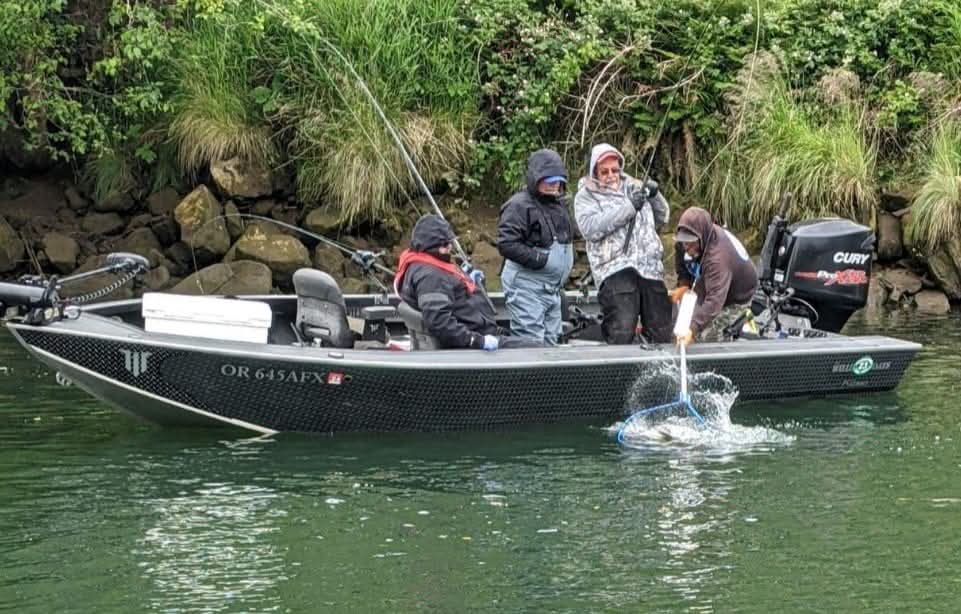
Every trip starts with reading the water conditions because that's what separates the good days from the great ones. Depending on what the river's giving us, we'll either fire up the jet boat for covering water quickly or slip into the classic driftboat for that perfect, silent approach that steelhead love. The jet boat's your ticket when we need to punch through some current or get to those back-channel spots that hold fish, while the driftboat lets us work every pocket and seam like a surgical strike. You'll be fishing proven techniques that have been putting fish in the boat for decades – bobber dogging for those visual strikes that'll make your knees shake, back trolling to cover water systematically, and back-bouncing bait right into their feeding lanes. The beauty of small river fishing is you're always in the action. No long runs between spots, no waiting around – just pure, focused fishing from the moment we push off.
Techniques That Get Results
Let's talk about what actually catches fish out here because technique makes all the difference between going home with stories and going home with fish. Bobber dogging is pure visual excitement – you're watching that float like a hawk, and when it disappears or starts dancing sideways, you know you've got a player. We'll set you up with the right leader length and weight to keep your bait riding just off the bottom where these fish are cruising. Back trolling is all about precision boat control, letting us work upstream while your bait sweeps down through the strike zone naturally. It's deadly effective because we can hold position in current and work every inch of productive water. Back-bouncing takes a bit of feel to master, but once you get it, you'll understand why it's such a go-to method. Your sinker ticks along bottom while your bait trails behind, looking completely natural to any fish holding in the deeper holes. All your tackle, bait, and safety gear comes with the trip, so you don't need to stress about having the right setup – we've got you covered with proven rigs that match the current conditions.
Customer Stories
"Fished with Matt on the Siletz. Had a great time, caught fish, very patient and knowledgeable. I highly recommend booking a trip with him. 👍" - Mark
Species You'll Want to Hook
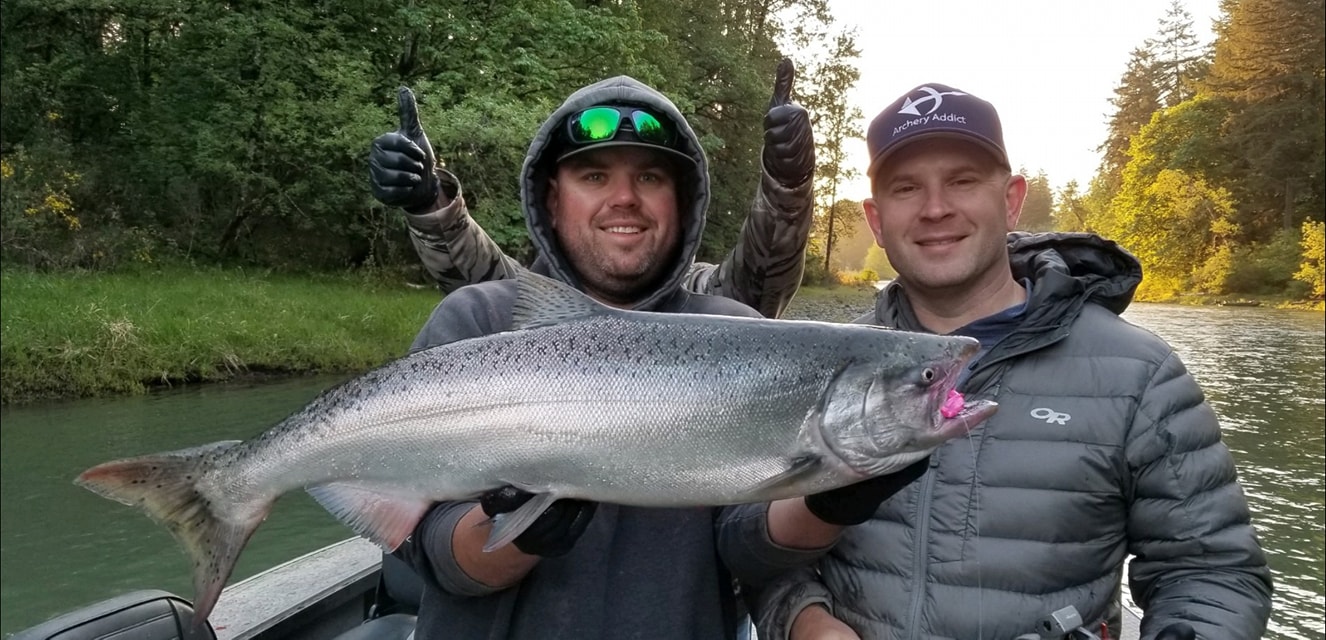
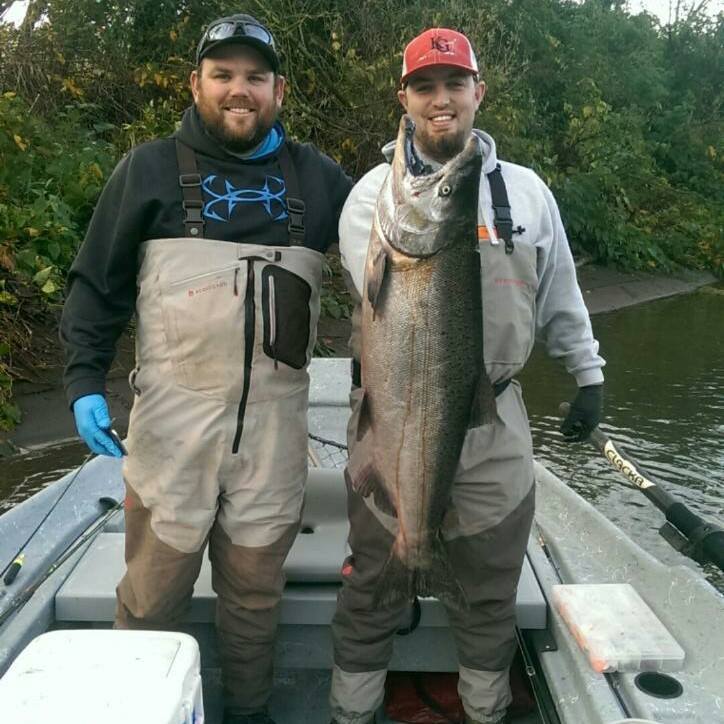
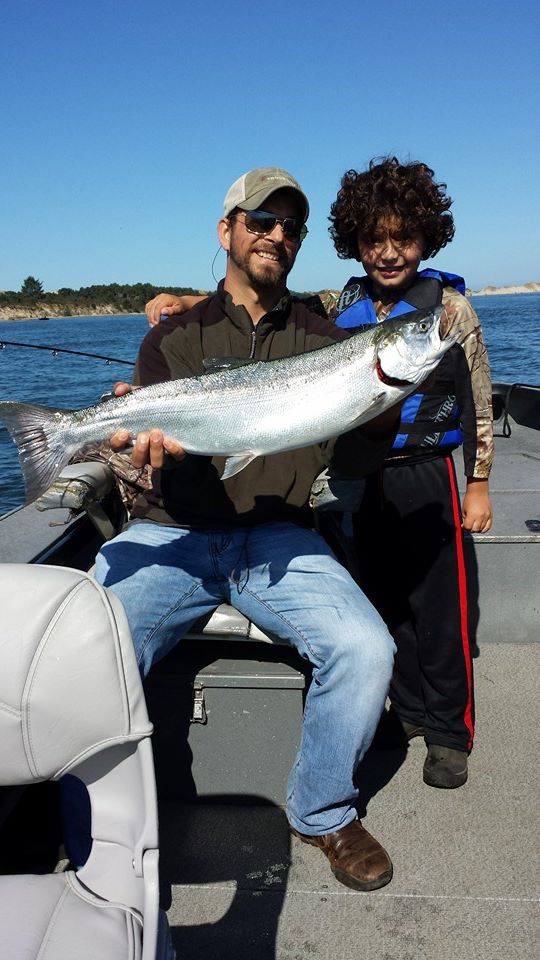
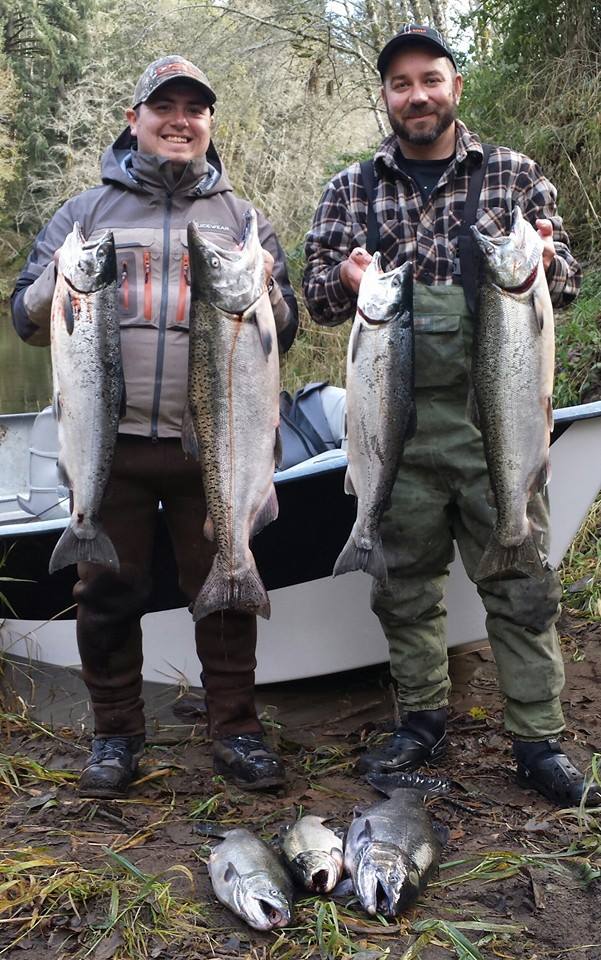
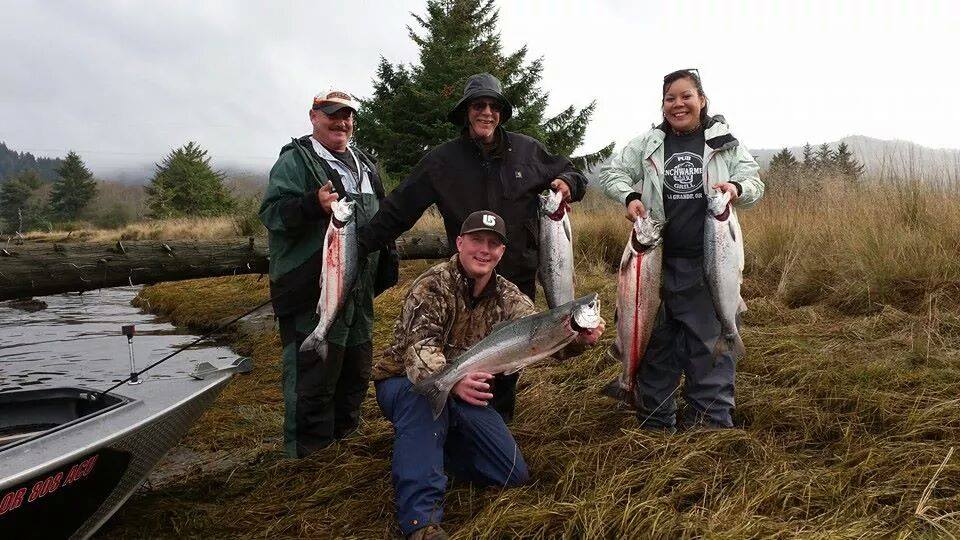
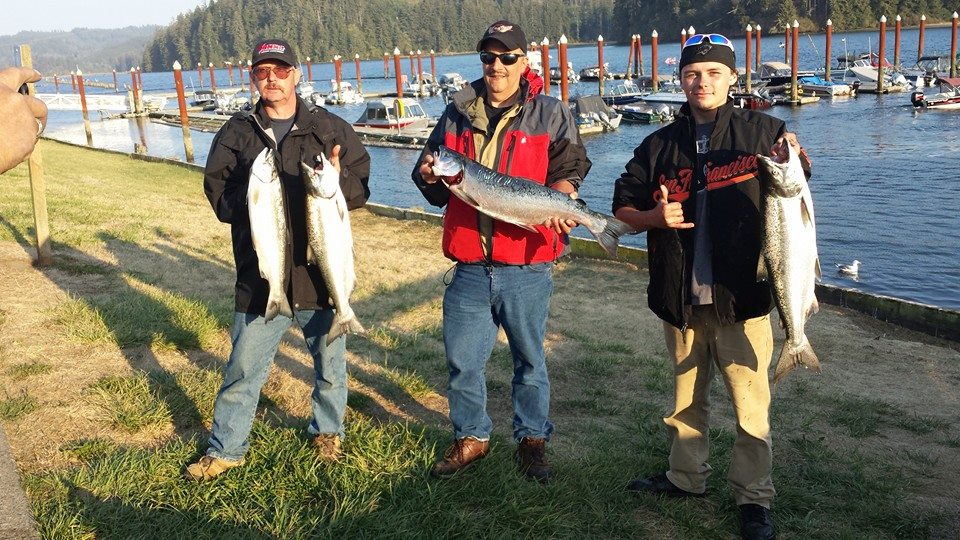
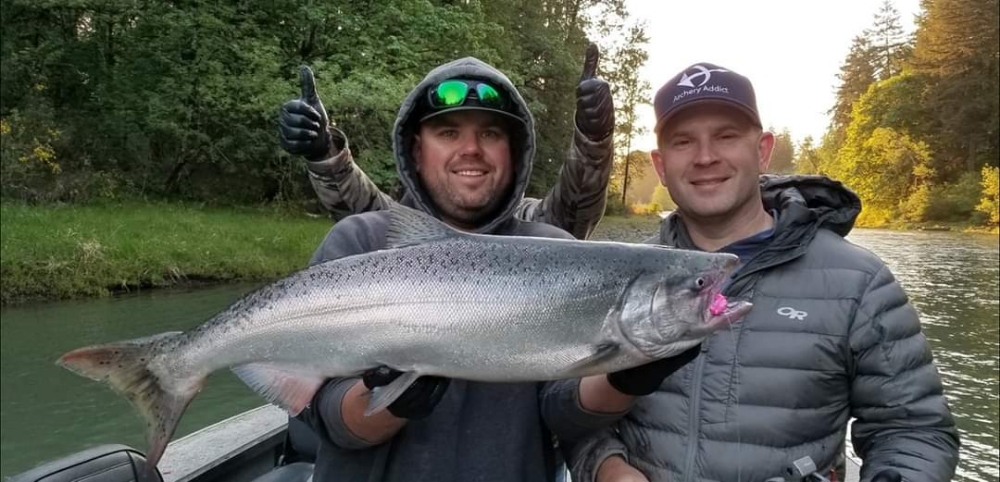
Spring Chinook are the crown jewel of Oregon river fishing, typically showing up from March through June when the snowmelt gets these rivers pumping. These fish are fresh from the ocean, chrome bright, and absolutely explosive when they hit your bait. We're talking 15 to 40-pound fish that will test every knot and connection you've got. What makes spring Chinook so special is their incredible strength combined with their acrobatic ability – they'll jump, run, and do everything possible to throw your hook. The best part about targeting them on smaller rivers is you're often fishing in 8 to 15 feet of water, so you can actually see these monsters when they're following your bait.
Fall Chinook bring a different kind of excitement from August through October, often running larger than their spring cousins but with a bit more attitude. These fish have been in the river system longer, so they've developed that territorial aggression that makes them absolutely crush your presentation. You'll find them holding in the deeper pools and runs, and they're notorious for those bone-jarring strikes that come out of nowhere. Fall Chinook fishing is all about persistence and covering water because when you find them, you've often found a whole school.
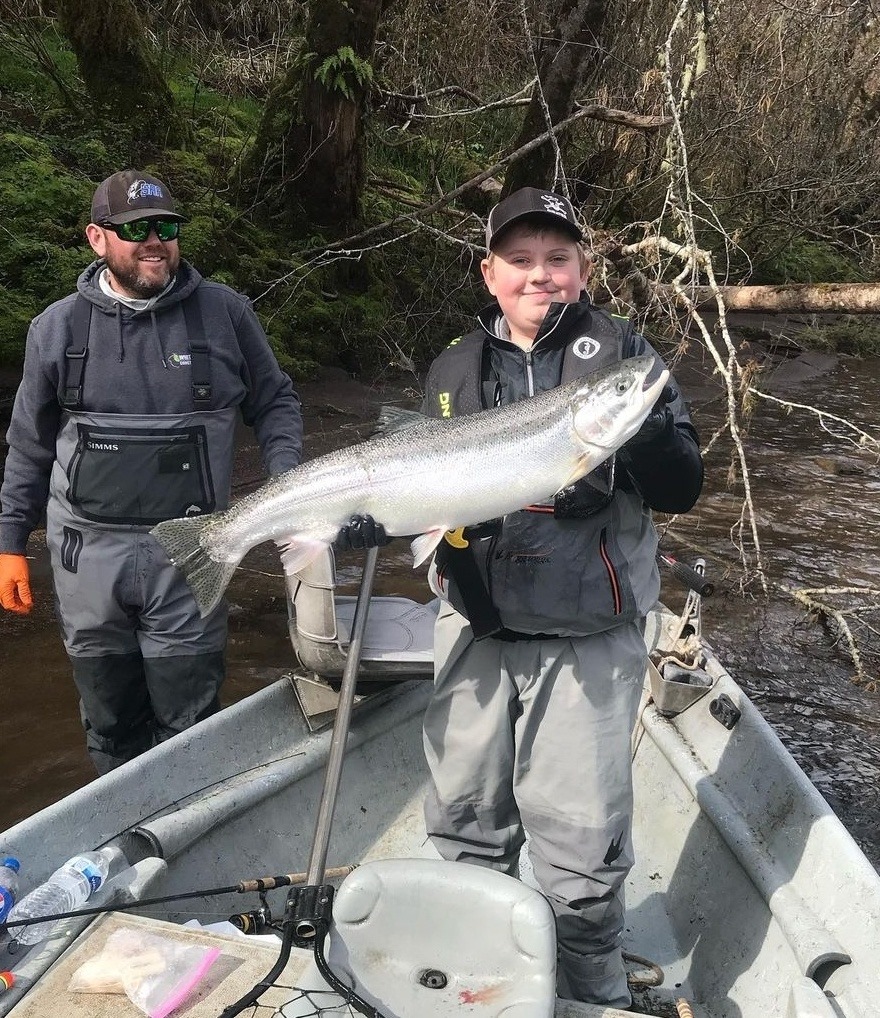
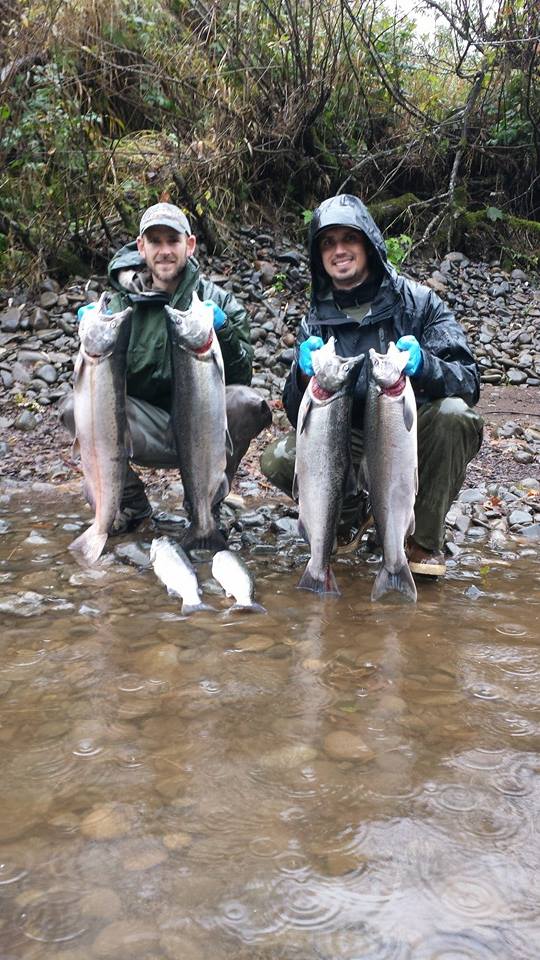
Summer Steelhead are the athletes of the river, showing up from May through September with energy that's just off the charts. These 6 to 12-pound fish fight like they're twice their size, making runs that'll have your drag screaming and your arms burning. What's amazing about summer steelhead is their unpredictability – they might take your bait aggressively or just mouth it gently, so you've got to stay connected and ready to set the hook at any sign of a take. They're also notorious for their jumping ability, often clearing the water multiple times during the fight.
Winter Steelhead bring their own unique challenge from November through March, when the rivers are higher and these fish are using the extra water to push into their spawning areas. These tend to be larger fish, often 8 to 15 pounds, and they're incredibly strong from fighting the heavy current. Winter steelhead fishing requires more patience and precision because the fish are often holding tight to structure, but when you connect with one, it's pure magic. The takes are often more subtle in cold water, so you'll really develop your feel for what's happening at the end of your line.
Rainbow Trout are your consistent action fish throughout the season, typically ranging from 12 to 18 inches but occasionally surprising you with fish pushing 20 inches or better. These native rainbows are incredibly beautiful with their vibrant colors and perfect proportions, and they're excellent fighters for their size. They're also great teachers – working smaller rainbows helps you develop the light touch and sensitivity that'll make you a better angler for the bigger species. Plus, on slower days for salmon and steelhead, rainbows keep your rod bent and your confidence up.
 5.0(1 Reviews)
 Private Trip
 River Fishing
 Portland, OR


 Target spring Chinook, fall Chinook, and steelhead on Oregon rivers