3/4 Day Fishing In Okatie, South Carolina
Six hours on the water around Okatie gives you serious time to dial in on some of the Lowcountry's best inshore action. This isn't a quick trip where you're checking your watch – you've got the whole day to work different spots, switch up techniques, and really get into the rhythm of these productive waters. Merrikohl Outfitters has this dialed in perfectly, covering all your gear so you can focus on what matters: putting fish in the boat. The marshes and creeks around Okatie hold some impressive fish, and with this much time on the water, you're going to see why locals consider this area a top-rated fishing destination.
What to Expect on the Water
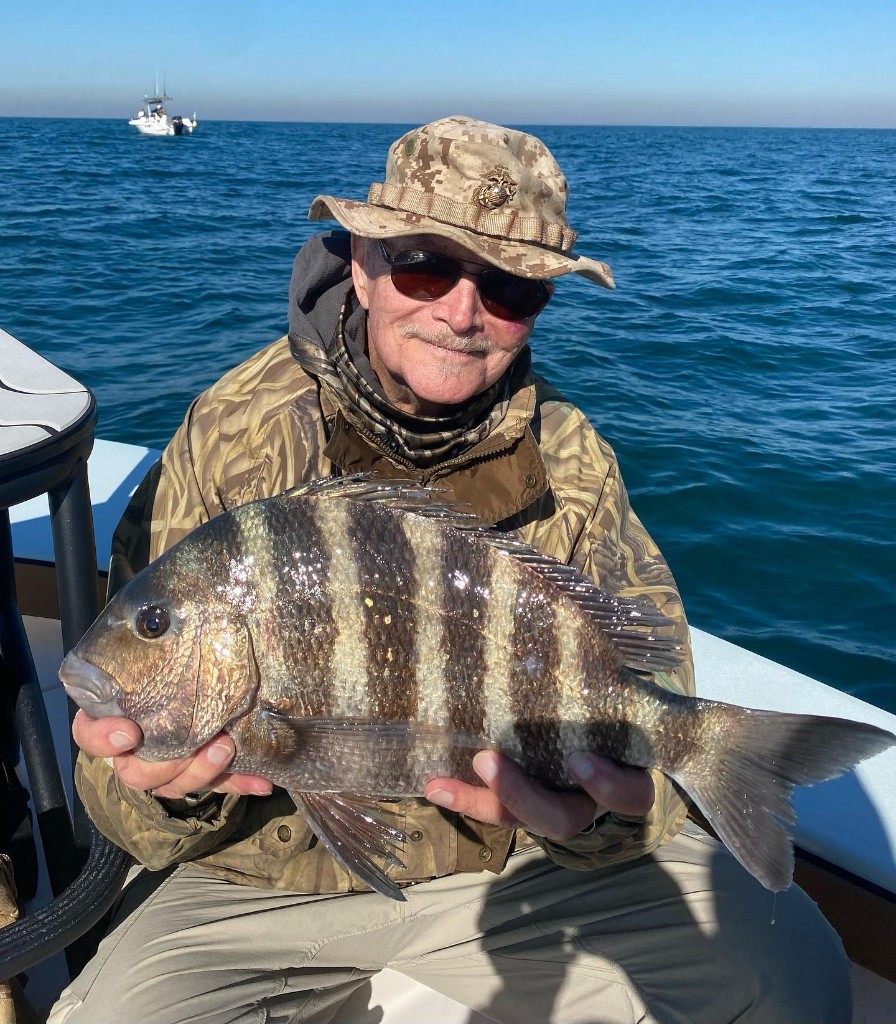
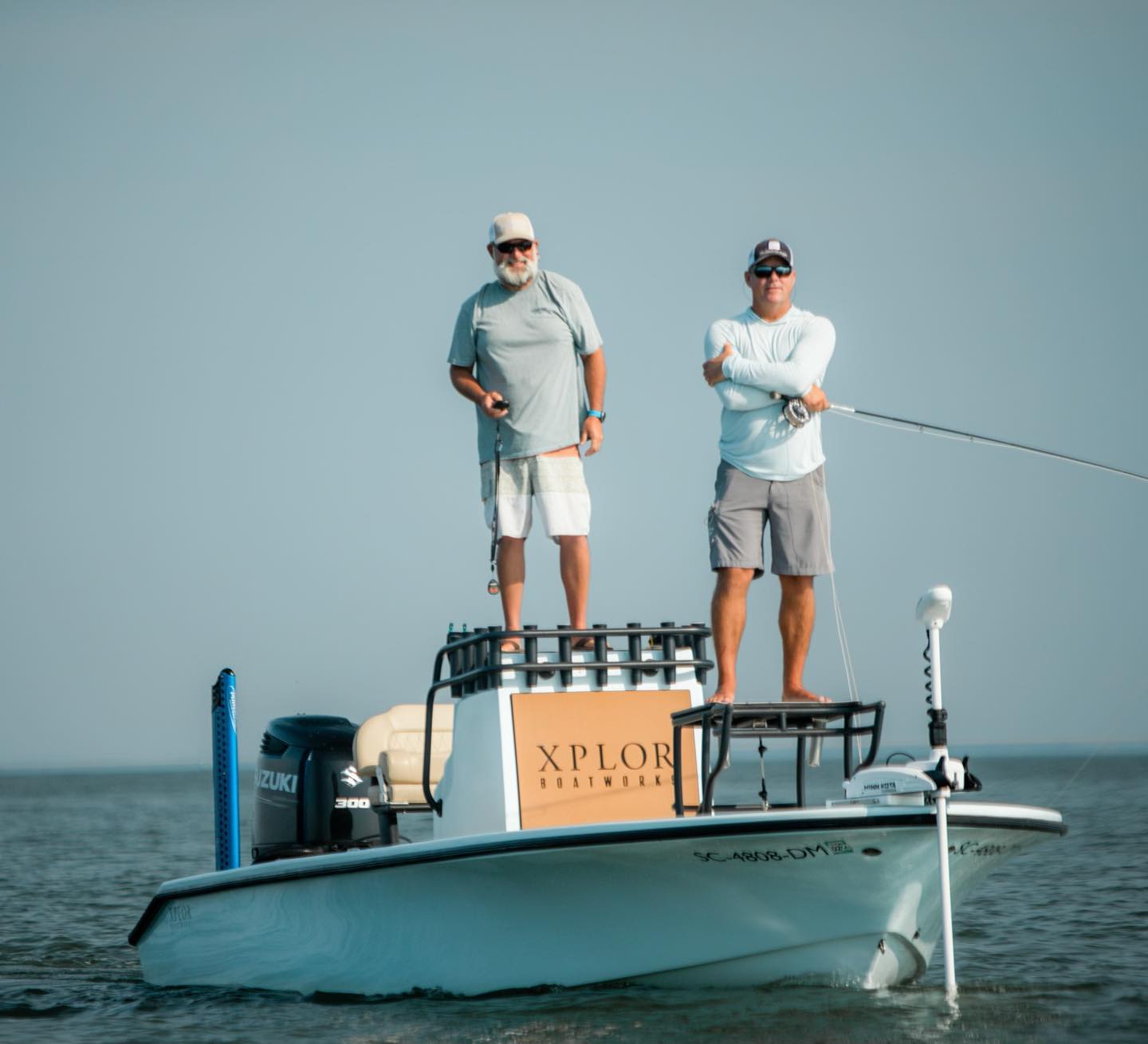
You're looking at a solid six-hour window to work the prime inshore spots around Okatie. The beauty of this trip is the variety – one minute you're sight fishing redfish in skinny water, the next you're working structure for black drum or dropping lines for cobia when they show up. Your captain knows these waters inside and out, reading tides and conditions to put you on fish throughout the day. The boat handles up to four anglers comfortably, so whether you're bringing the family or a few fishing buddies, everyone gets plenty of room to work. All your rods, reels, tackle, and licenses are handled, which means you can travel light. Just bring your snacks, drinks, and maybe a cooler if you want to take some fish home. The Okatie River system and surrounding creeks offer perfect inshore conditions – protected waters with plenty of structure, grass flats, and oyster bars that hold fish year-round.
Gear and Techniques
The setup here is dialed for inshore success. You're working with quality spinning gear that can handle everything from finesse presentations to larger fish that might surprise you. Techniques vary based on what's biting and where the fish are holding. Expect to throw soft plastics on jig heads around structure, work topwater when conditions are right, and maybe throw some live or cut bait when the bigger fish are being picky. The captain switches things up based on tides – flood tides mean working the grass flats and marsh edges, while falling water concentrates fish around creek mouths and deeper holes. You might find yourself sight fishing in clear water one hour, then working deeper channels the next. The variety keeps things interesting and gives everyone on board a chance to learn different approaches. Live bait works great here when available, but artificials consistently produce, especially when you're working them around the abundant oyster bars and creek bends that define this fishery.
Species You'll Want to Hook
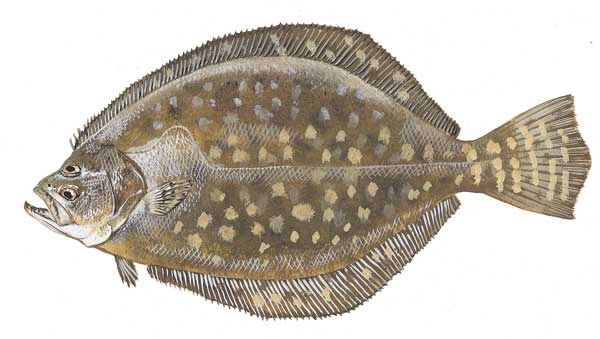
Southern Flounder are the masters of disguise around Okatie's sandy bottoms and creek mouths. These flatfish typically run 14-20 inches, with doormat-sized fish pushing 4-5 pounds showing up regularly in fall months. They love ambush points where current meets structure, and watching one materialize from what looked like empty bottom never gets old. Fall through early winter is prime time, when they're feeding heavily before heading to deeper water. The fight isn't flashy, but that headshaking, bulldogging pull combined with excellent table fare makes them a customer favorite.
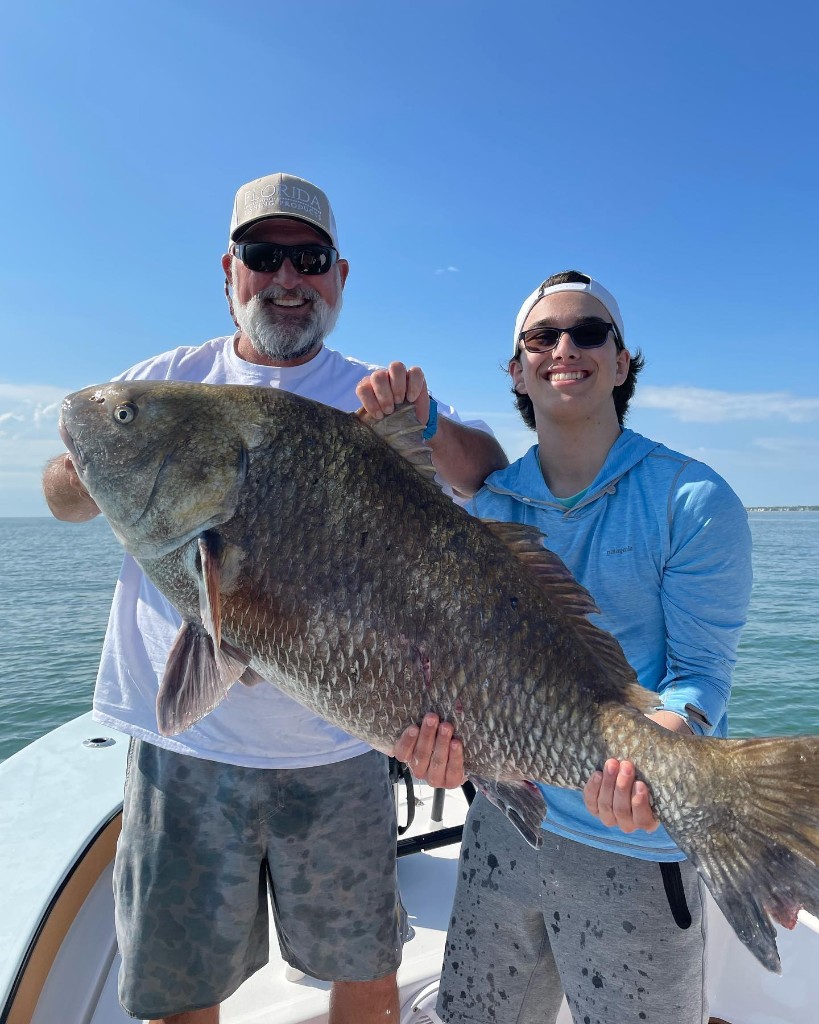
Black Drum around here are the workhorses of the marsh system. You'll find them ranging from schoolie-sized fish around 2-3 pounds up to bull drum that can push 20-30 pounds or more. They're structure-oriented fish, hanging around oyster bars, bridge pilings, and creek bends where they root around for crabs and shellfish. Spring and fall see the best action, though they're catchable year-round. These fish pull hard and steady – no flashy jumps, just pure power that tests your drag and makes you appreciate quality gear.
Sea Trout are the bread and butter of Okatie's grass flats. These speckled beauties typically run 12-16 inches, with keeper-sized fish over 15 inches being the goal. They're active feeders, hitting both artificials and live bait with enthusiasm. Summer months see them scattered across grass flats in the early morning and evening, while cooler months concentrate them in deeper holes and creek channels. That first run when you hook a good trout is pure excitement, and they're excellent eating when handled properly.
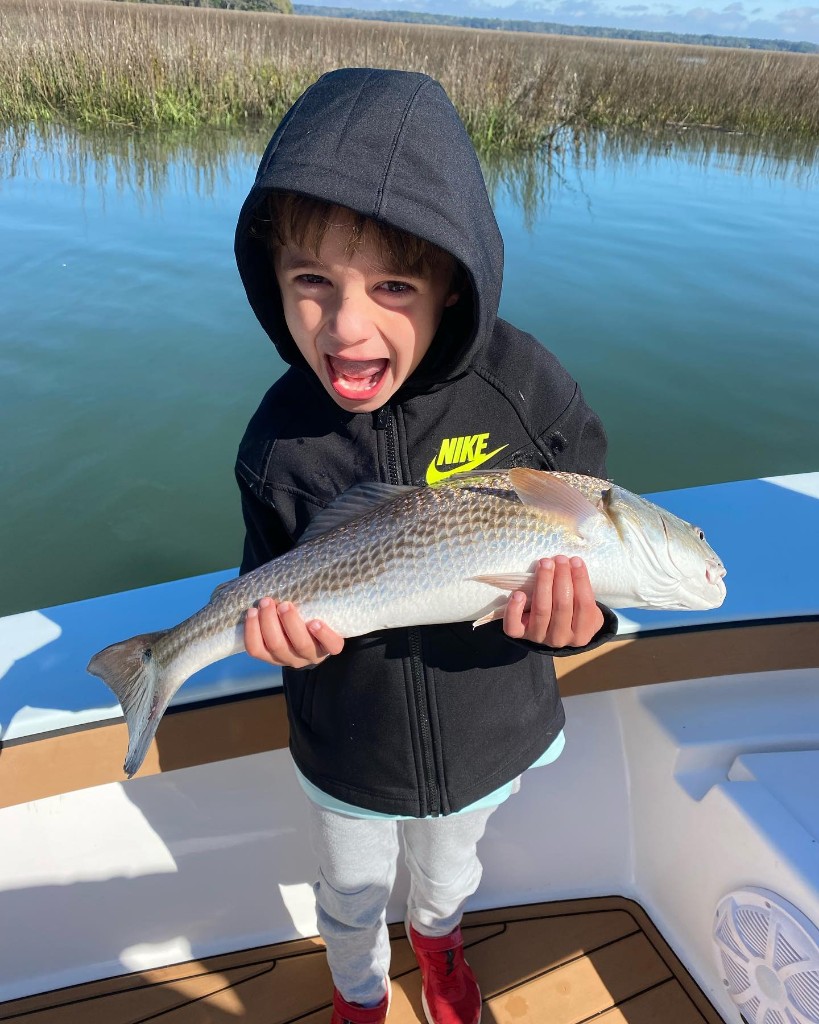
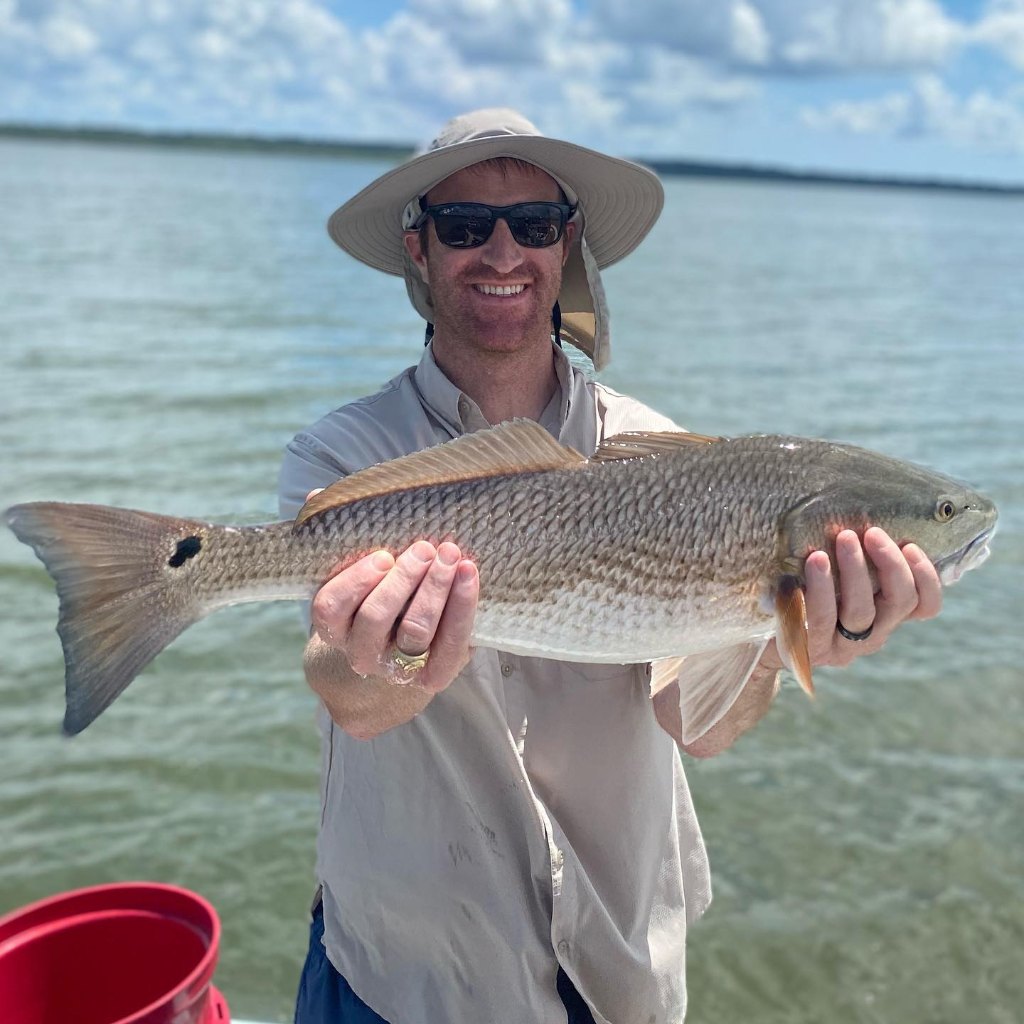
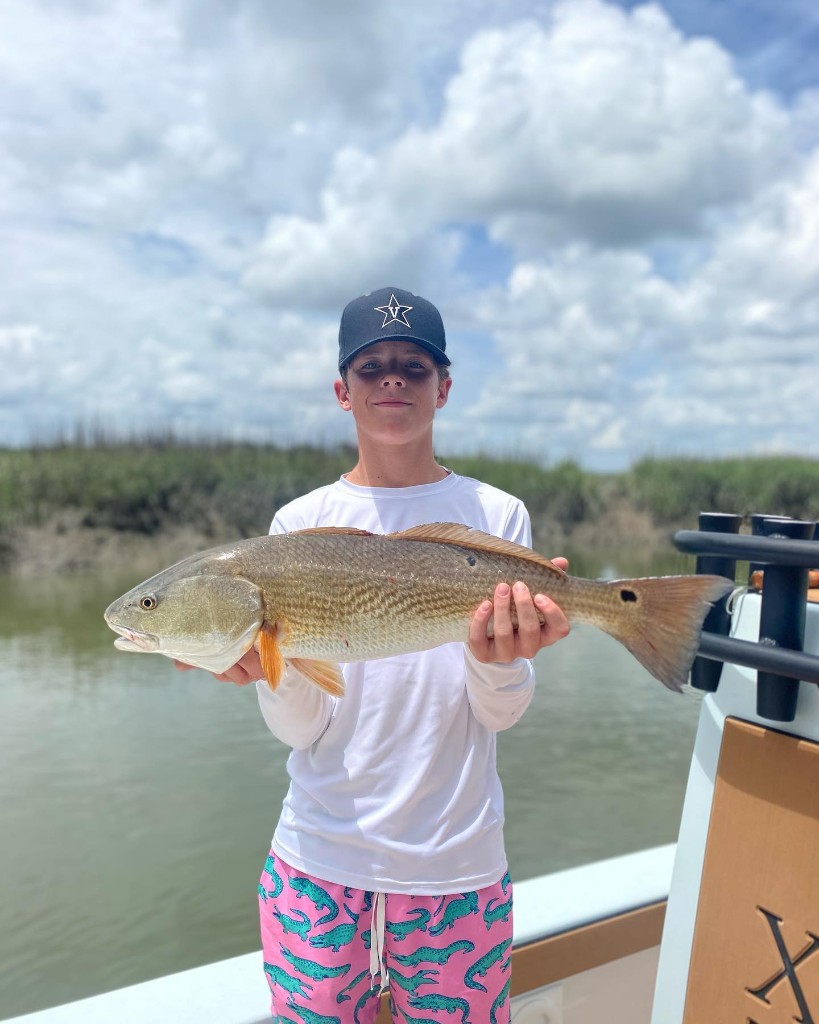
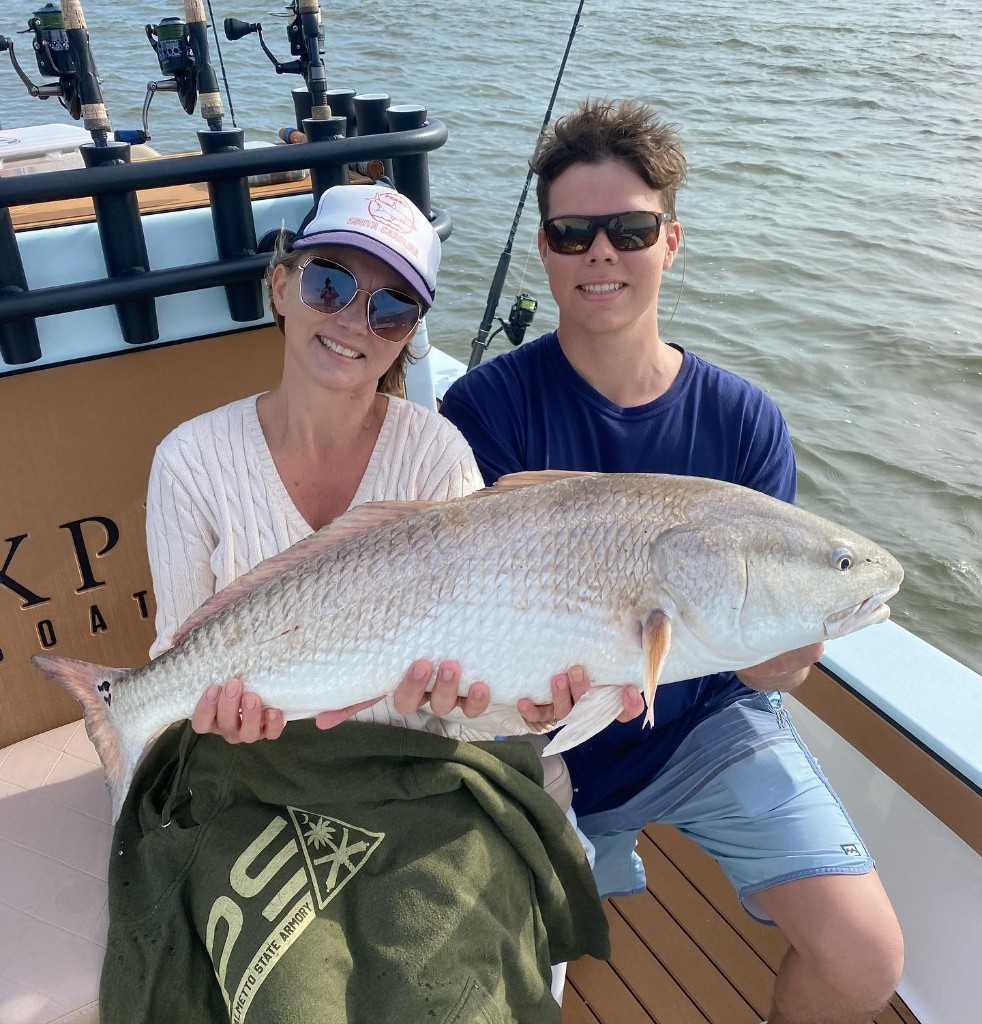
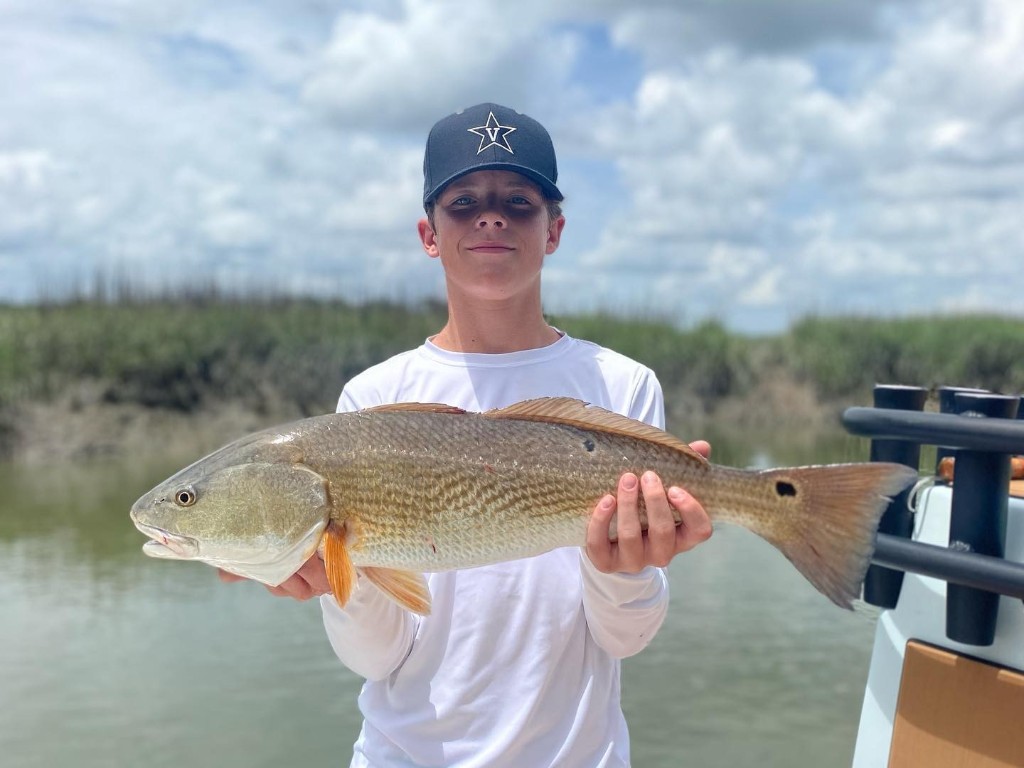
Redfish are the superstars of the Lowcountry marsh, and Okatie delivers consistently. Slot-sized fish between 15-23 inches are common, with over-slot bull reds making appearances throughout the year. These copper-colored fighters love shallow water, oyster bars, and marsh edges where they cruise looking for crabs and baitfish. The visual aspect of redfish – seeing them tailing in skinny water or cruising just under the surface – adds a whole different element to the fishing. When they eat, they pull hard and fight dirty, using every oyster bar and piece of structure to try to break you off.
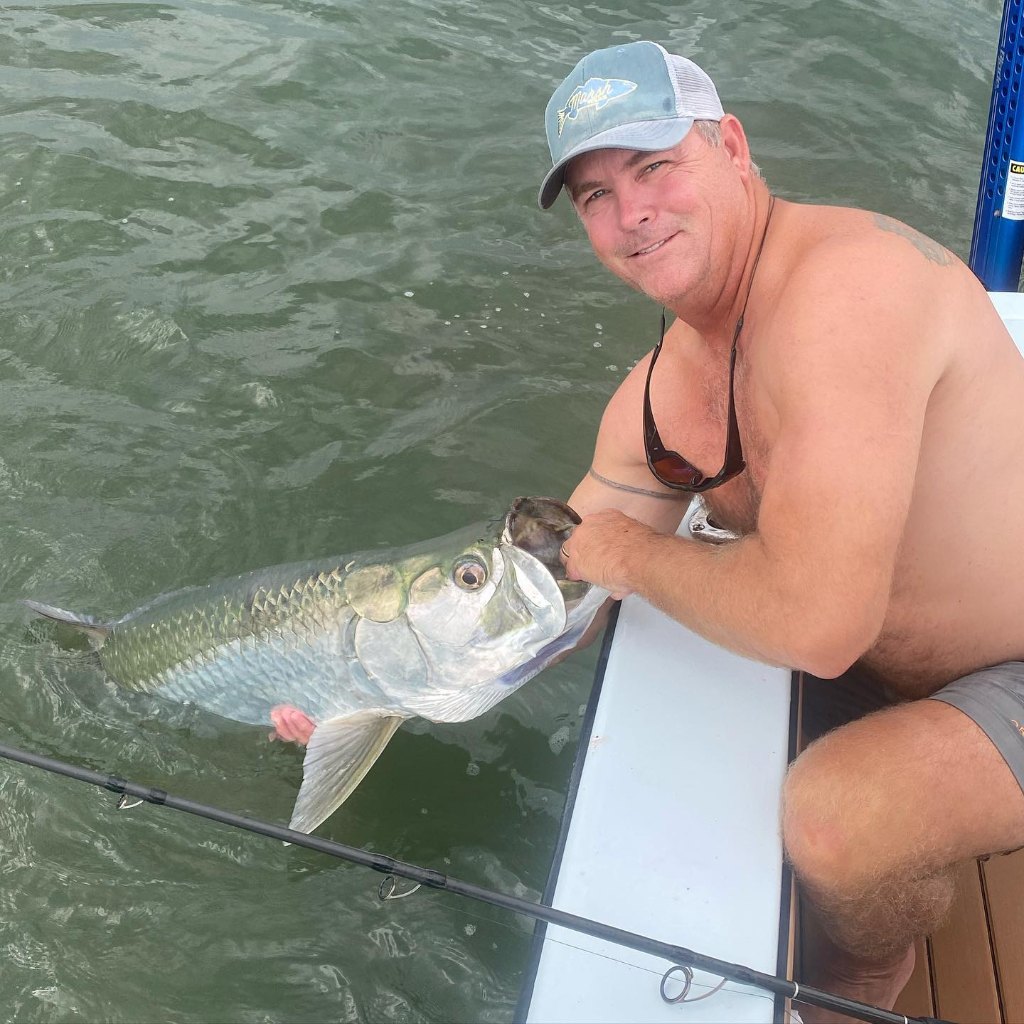
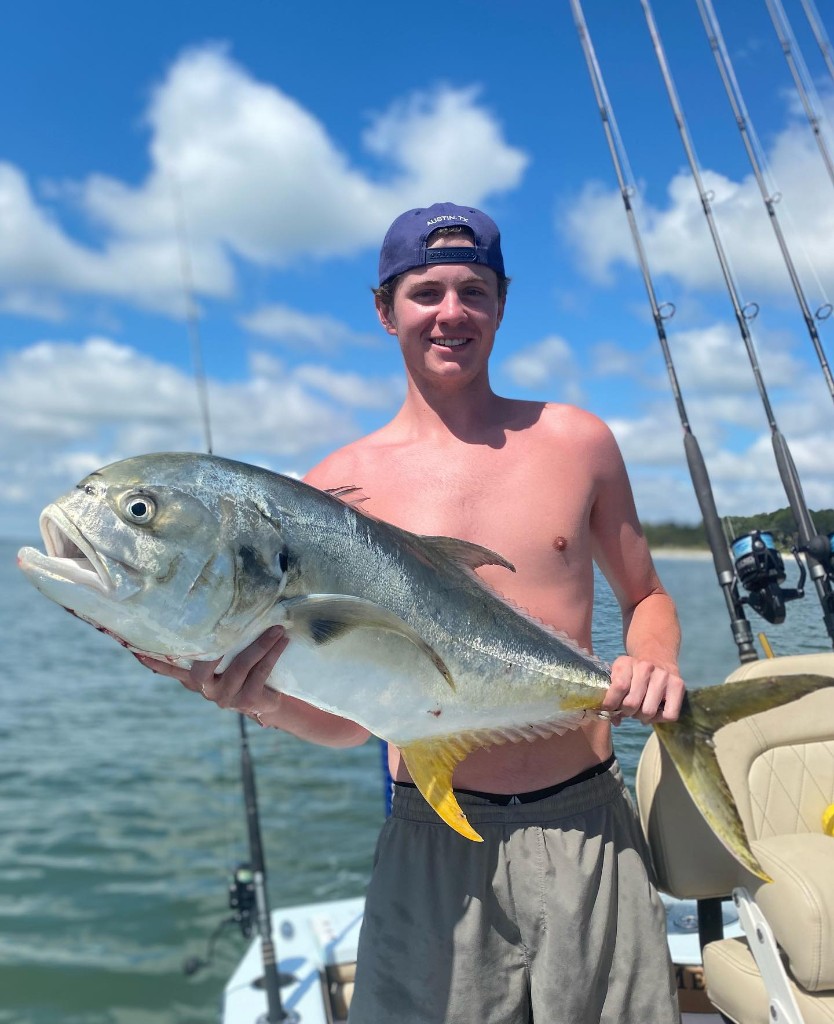
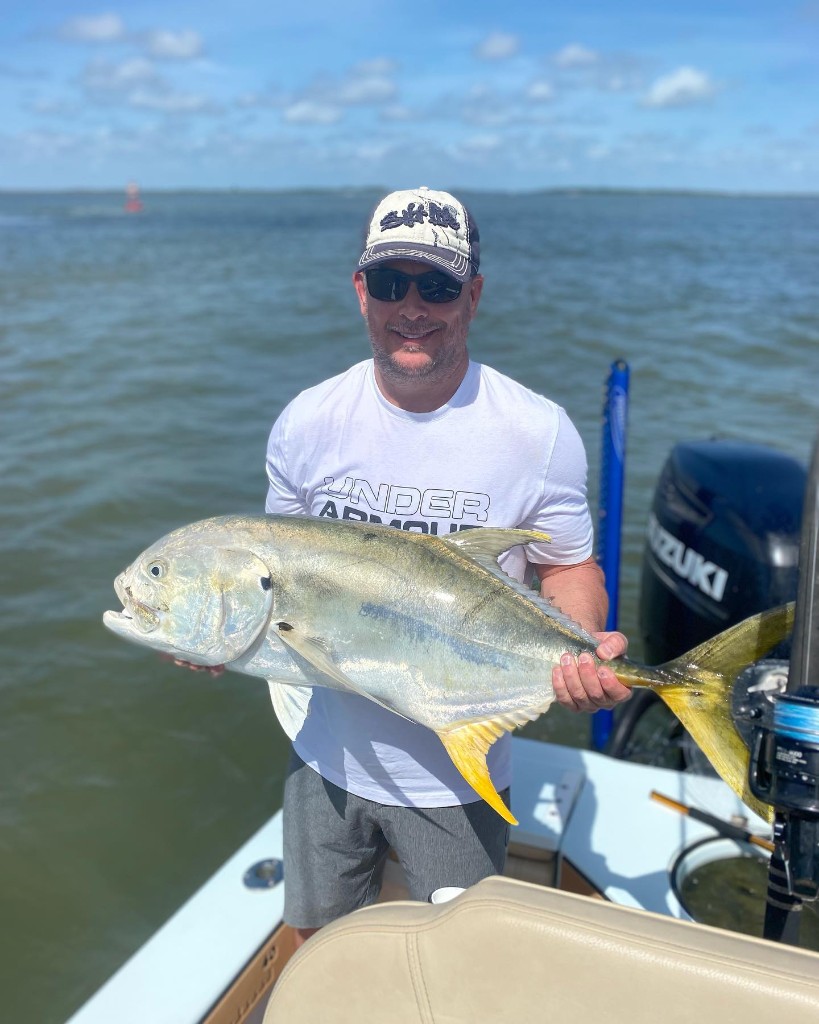
Crevalle Jack bring the power when they show up in schools around Okatie's waters. These silver torpedoes typically range from 3-8 pounds but fight like fish twice their size. They're opportunistic feeders, often showing up when you least expect them and turning a quiet moment into chaos. Summer months see the best jack action, and when you find a school, every angler on the boat can hook up simultaneously. They're pure adrenaline – fast runs, powerful pulls, and that stubborn refusal to give up that makes them a world-class light-tackle opponent.
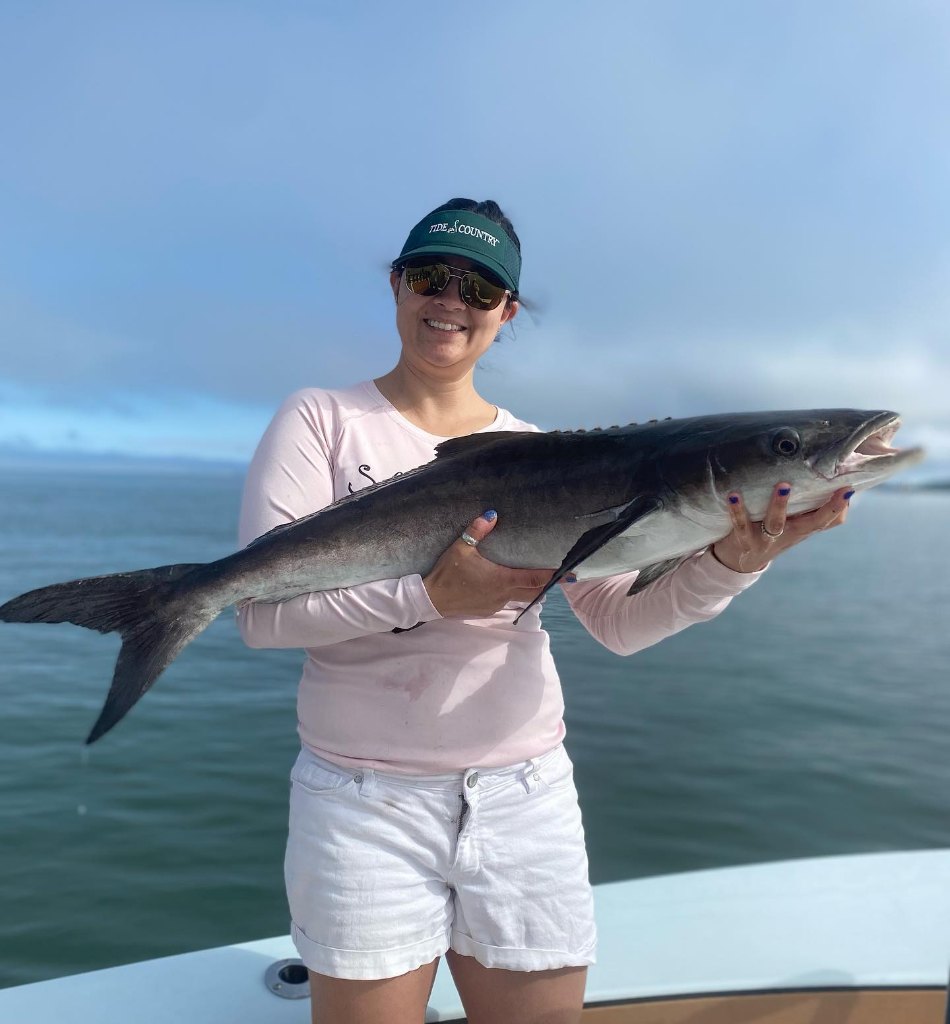
Cobia are the wild cards that can make any trip memorable. These brown sharks of the flats typically show up as singles or small groups, often following rays or cruising structure. When one appears, everything else stops – these fish can push 20-40 pounds and fight with incredible power. They're visual hunters, often eating with authority when presented with the right bait. Spring and fall migrations bring the best opportunities, though resident fish are possible year-round. Landing a c
 Private Trip
 Inshore Fishing
 Charleton


 Six-hour inshore fishing adventure targeting multiple species