Half Day Fishing Charter in Atlantic City, NJ
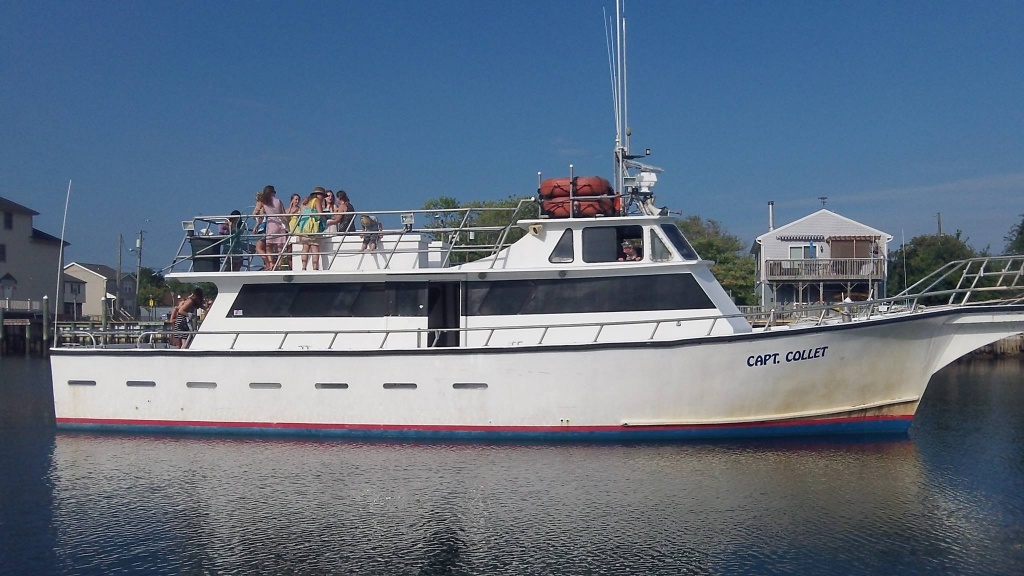
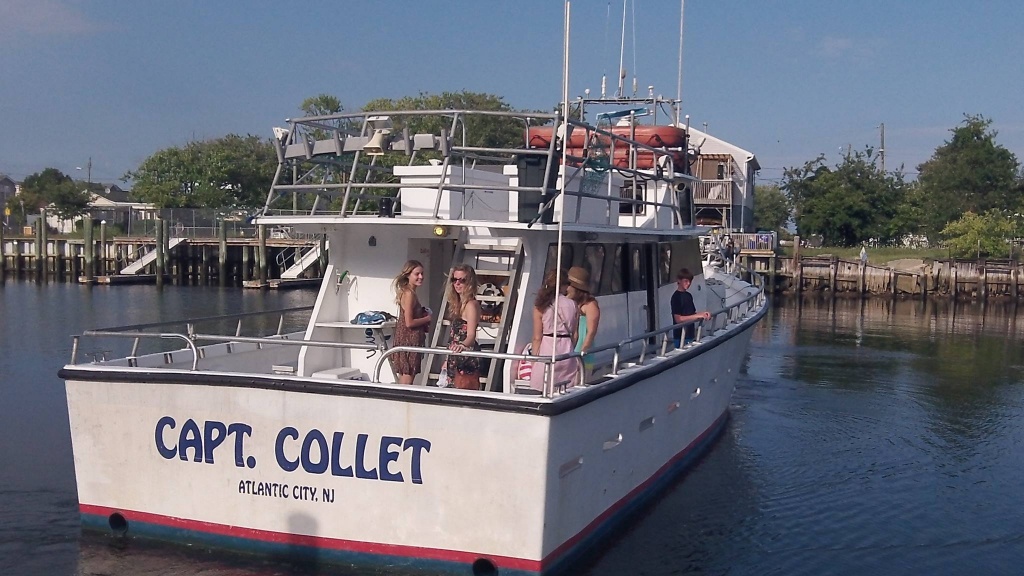
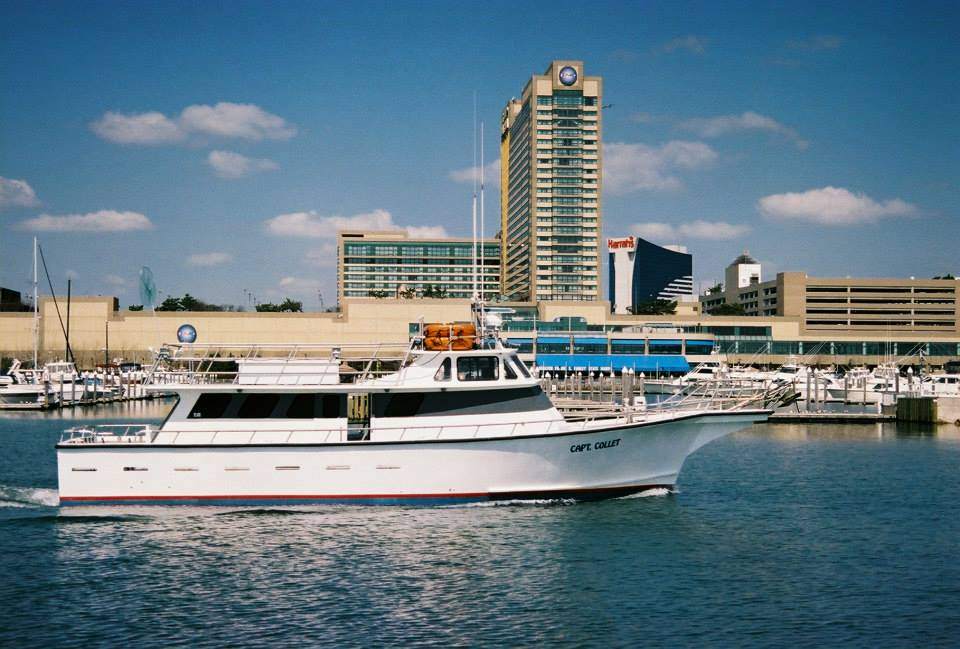
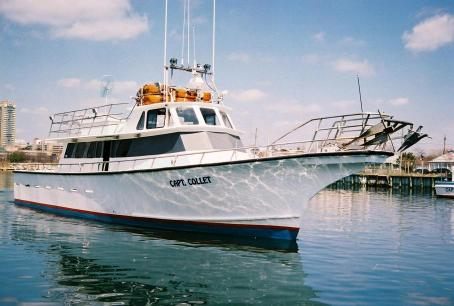
Looking for a solid half-day charter that won't eat up your whole weekend? Miss Atlantic City has you covered with a 4-hour fishing trip that packs serious action into a quick turnaround. Whether you're visiting the Jersey Shore or you're a local angler wanting to wet a line without committing to a full day, this charter hits the sweet spot. The boat takes up to 10 anglers, making it perfect for bringing your crew or joining other fishing enthusiasts who know these waters produce year-round. Captain and crew know exactly where the fish are biting, and they'll put you on the productive spots that keep regulars coming back season after season.
What to Expect on the Water
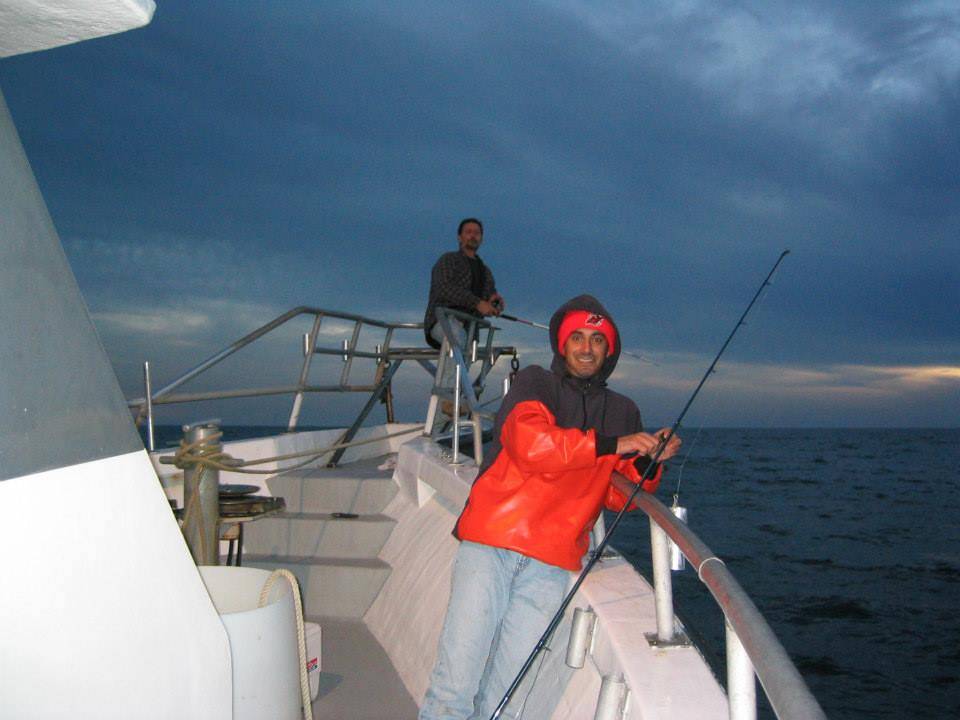
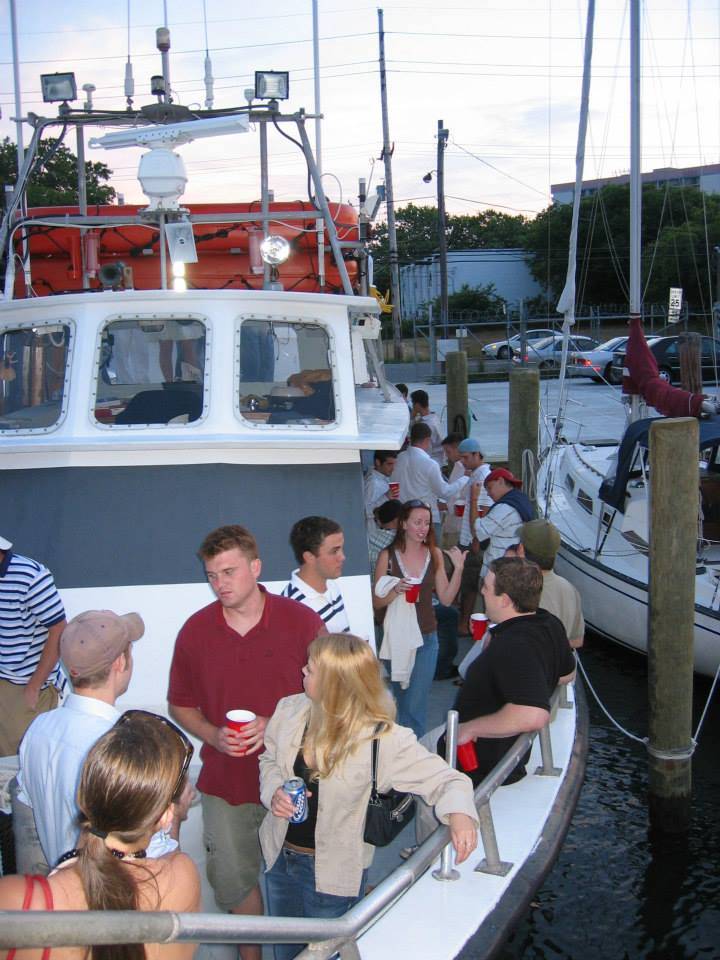
This isn't your typical party boat experience – Miss Atlantic City runs a tight ship focused on putting fish in the cooler. You'll head out from Atlantic City's marina and cruise to proven fishing grounds where the bottom structure and current create perfect conditions for multiple species. The 4-hour window gives you plenty of time to work different spots without feeling rushed, and the crew keeps things moving efficiently so everyone gets their shots at the fish. Expect to anchor up on productive structure, drift over sandy bottoms, and maybe even get some vertical jigging action depending on what's biting. The boat provides all the tackle you need, but feel free to bring your own gear if you've got favorites. With only 10 spots available, you're not fighting crowds for rail space, and the crew can give you more personal attention when you need it.
Techniques & Tackle Setup
The fishing style varies with the season and what's running, but you'll primarily be bottom fishing with conventional tackle rigged for the target species. The crew sets you up with appropriate weights to hold bottom in the current – usually anywhere from 6 to 12 ounces depending on conditions. For flounder, they'll have you working bucktails tipped with strip baits or squid, bouncing along the sandy bottom where these flatfish ambush prey. When targeting sea bass and tautog around structure, expect heavier tackle with clams, crabs, or cut bait on high-low rigs. The captain reads the fish finder and GPS to position the boat over productive bottom, and the crew knows how to adjust your rig when the bite changes. They'll coach you through the techniques if you're new to offshore bottom fishing, but experienced anglers will appreciate the quality gear and professional setup that gets results.
Top Catches This Season
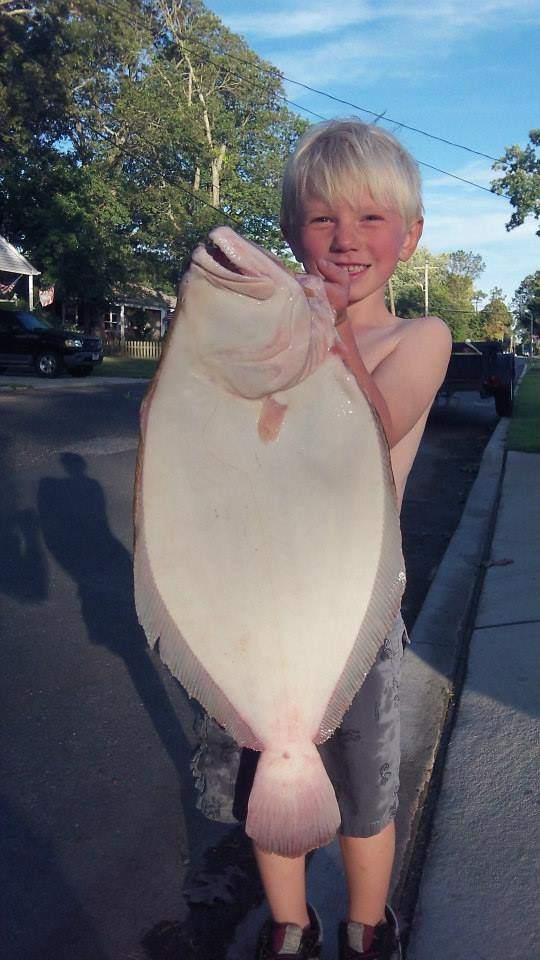
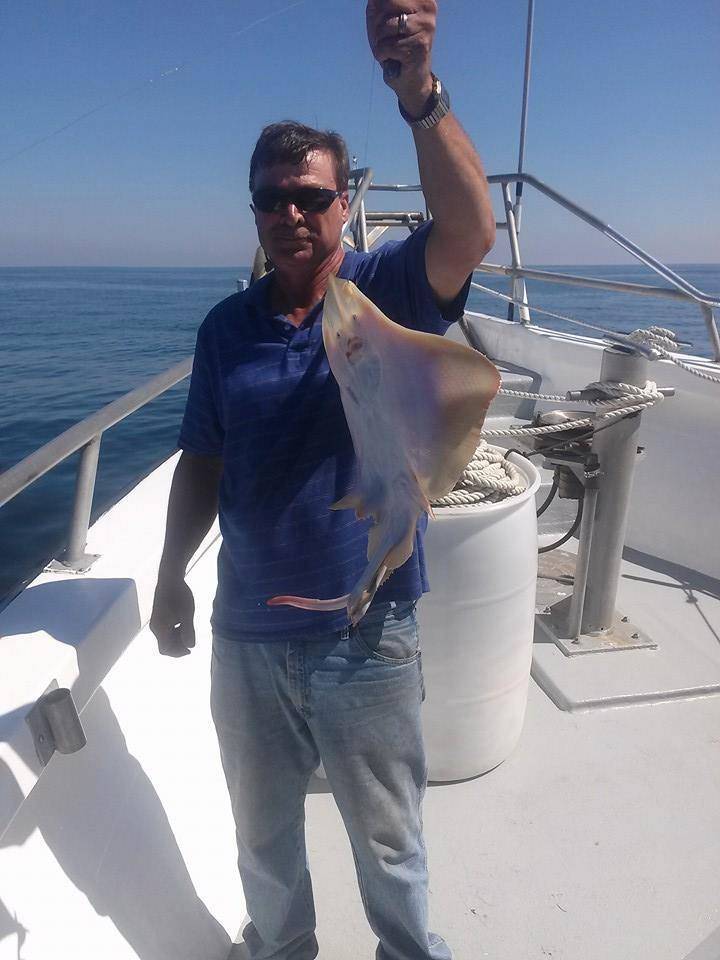
Summer Flounder are the bread and butter of this fishery, and Atlantic City's waters consistently produce quality doormat fluke from late spring through fall. These flatfish can reach impressive sizes – anything over 5 pounds is considered a nice fish, and 8+ pounders make for great photos and even better eating. They're ambush predators that bury in sandy bottom, so you'll be working your baits along the seafloor where they lie in wait. The key is feeling that subtle tap when they mouth the bait, then setting the hook before they spit it out.
Black Sea Bass are another charter favorite that fight hard for their size and taste fantastic on the table. These chunky bottom dwellers love structure and cover, hanging around wrecks, rocks, and artificial reefs where they feed on crabs, worms, and small fish. They're aggressive biters that will slam your bait, making them perfect for anglers who like immediate action. Most sea bass you'll catch run 1-3 pounds, but bigger specimens over 5 pounds show up regularly and provide surprising pulling power on medium tackle.
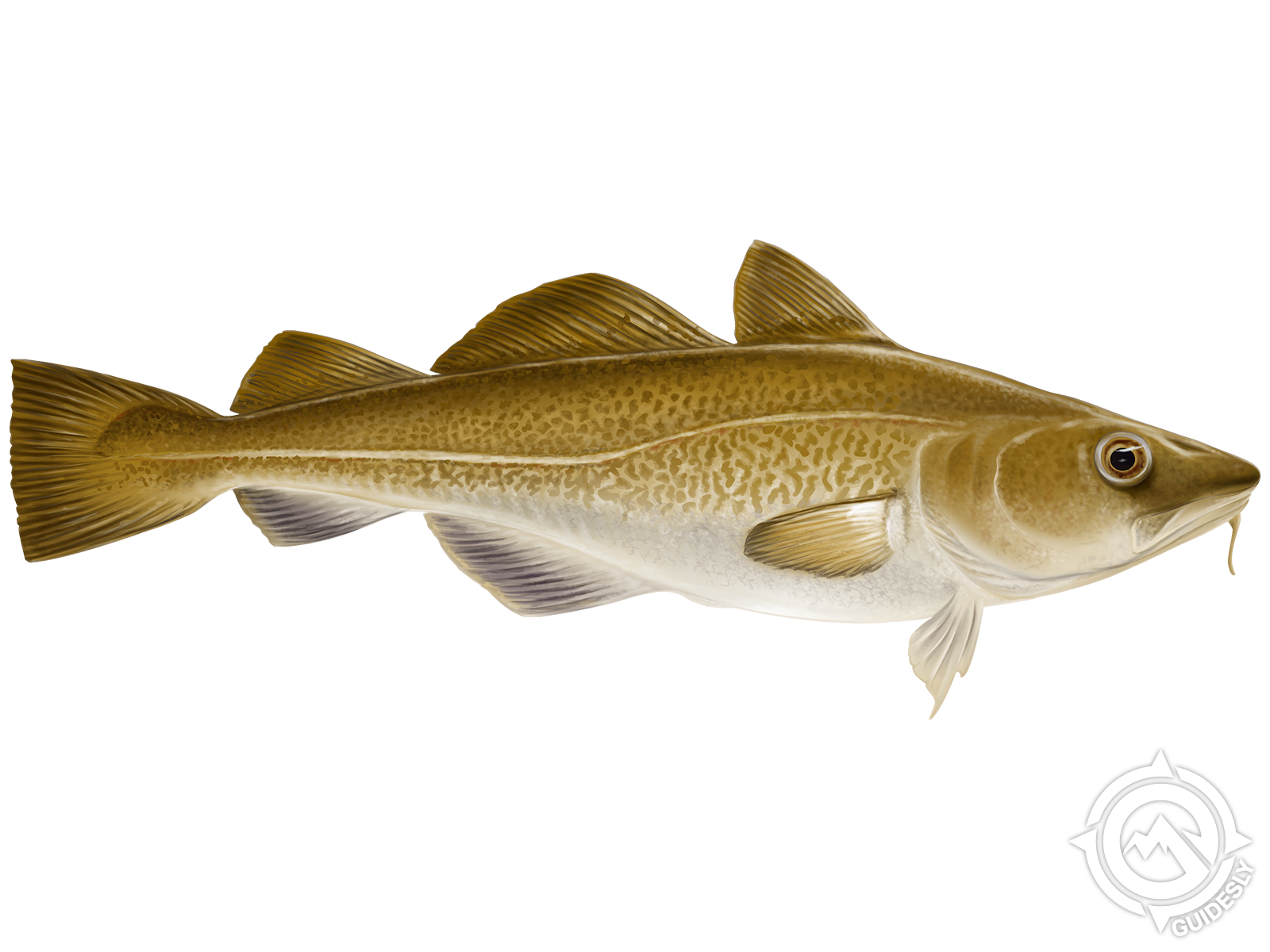
Atlantic Cod make appearances during cooler months and represent some of the best eating fish in these waters. They're curious feeders that respond well to fresh bait, and when you hook into a good cod, you'll feel that heavy, bulldogging fight that makes them so popular with charter anglers. Cod fishing requires patience since they can be finicky, but when they're feeding, you might boat several in quick succession.
Bluefish bring the excitement factor with their aggressive strikes and powerful runs. These toothy predators travel in schools and when you find them feeding, the action can be non-stop. They'll hit everything from cut bait to jigs, and their hard fighting style keeps your drag screaming. Just watch your fingers around those razor-sharp teeth when bringing them aboard.
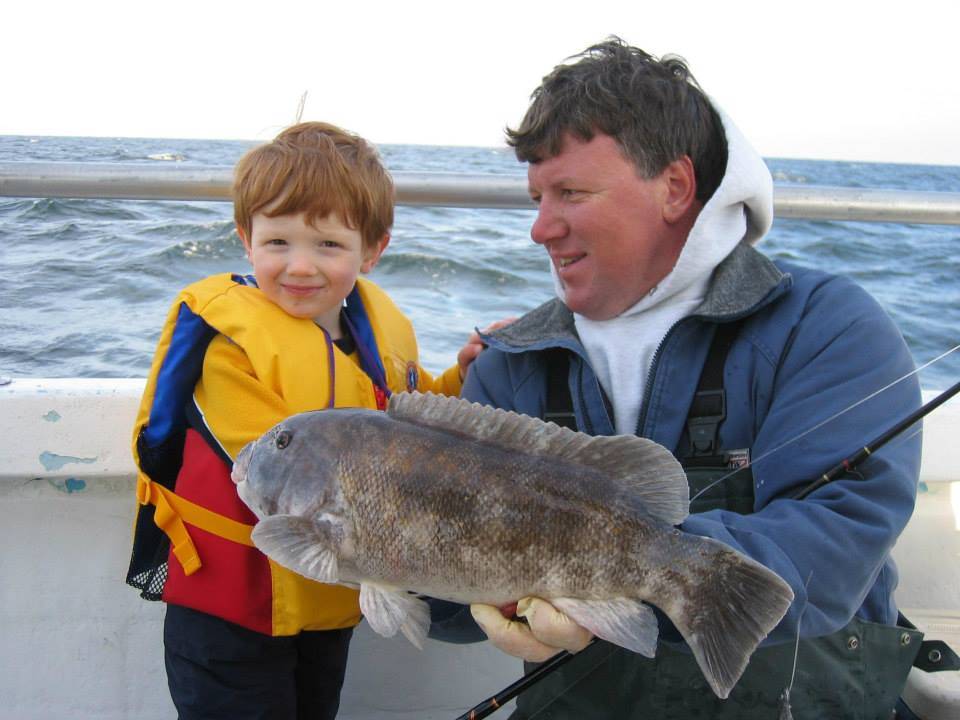
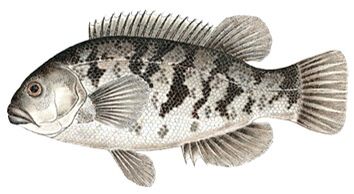
Tautog, or blackfish, are the ultimate challenge for bottom fishermen. These structure-loving fish have crushing jaws designed for eating crabs and mussels, so they require finesse and quick hook sets. They're notorious bait stealers, but when you connect with a good-sized tog, you'll appreciate why they're considered one of the best table fish in the Atlantic. Their strong, steady fight and excellent eating quality make them a prized catch among serious anglers.
Time to Book Your Spot
Miss Atlantic City's half-day charter delivers exactly what weekend warriors and visiting anglers want – quality fishing action without the full-day commitment. The 4-hour timeframe keeps things exciting while fitting into busy schedules, and the 10-angler limit ensures you get proper attention from the crew. These waters produce fish year-round, but each season brings different opportunities and techniques that keep the fishing interesting. The boat's reputation for finding fish and the crew's knowledge of local waters make this a top-rated option for anyone wanting to experience Atlantic City's fishing scene. Don't wait until you're standing on the dock wishing you'd booked – call Miss Atlantic City and secure your spot for some serious fishing action off the Jersey coast.
 Private Trip
 Offshore Fishing
 Atlantic City


 Four-hour offshore charter targeting Black Sea Bass, Flounder, and Cod