Full Day Fishing in Fort Atkinson Waters
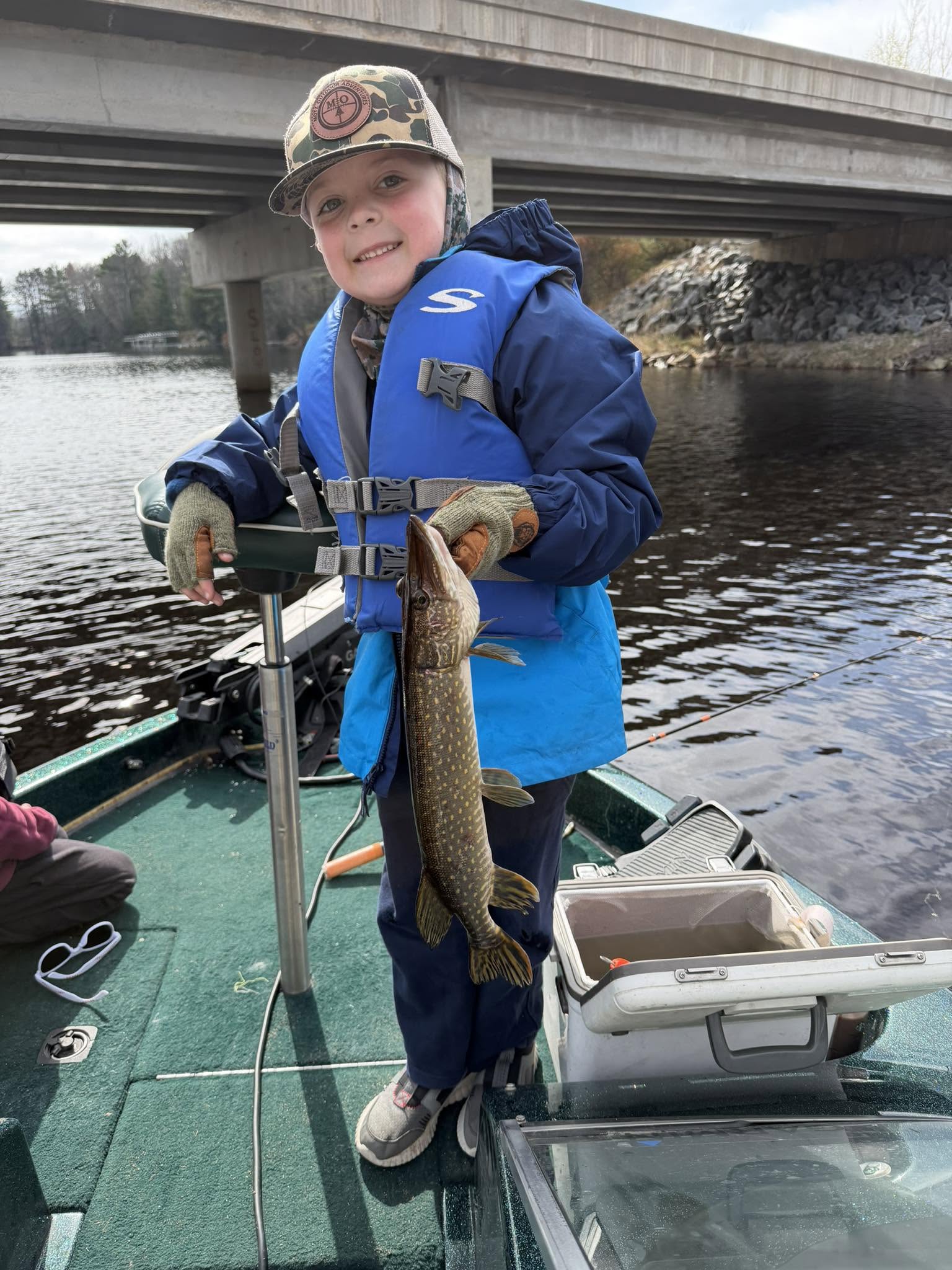
Fort Atkinson sits right in the sweet spot of Wisconsin's fishing country, where southern charm meets central waters that hold some of the state's best gamefish. This full-day trip with Motz Outdoor Adventures puts you on premium waters for eight solid hours of fishing action. We're talking about hitting spots on the Wisconsin River system, Rock River, and even Lake Geneva or Lake Delavan depending on conditions and what's biting. You'll be targeting a mixed bag that keeps things exciting all day long - crappie, walleye, northern pike, musky, yellow perch, and smallmouth bass. Whether you're a weekend warrior or someone who lives for the bite, this trip delivers variety and opportunity in spades.
What to Expect on the Water
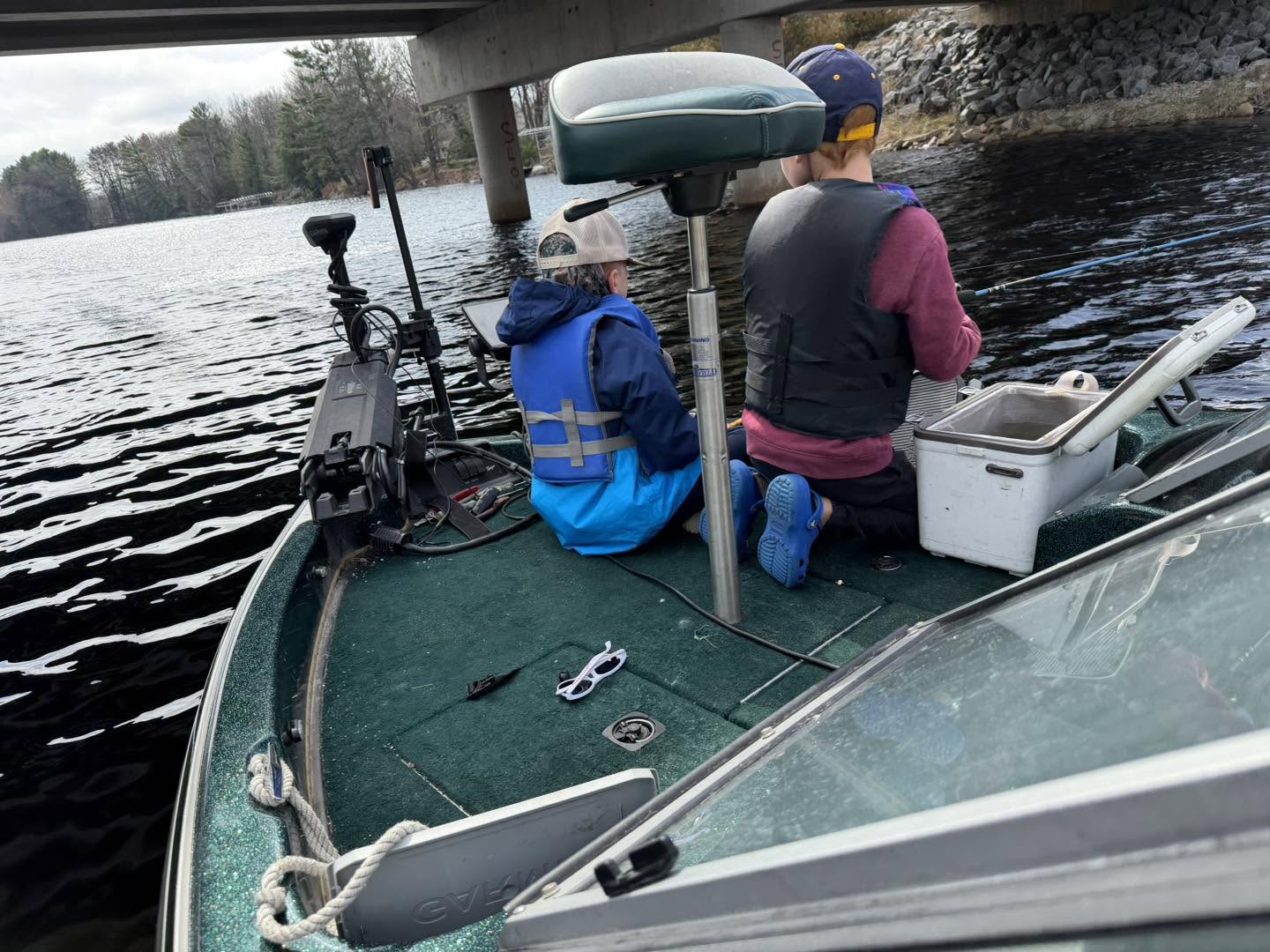
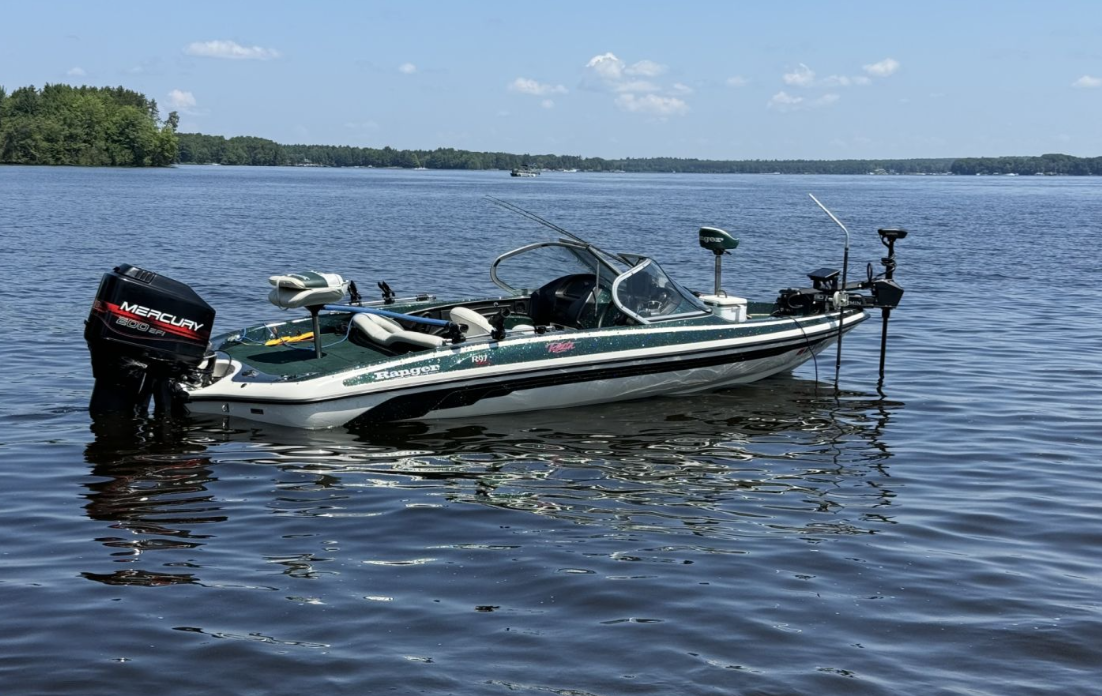
Your day starts early because the best fishing happens when most folks are still hitting snooze. We launch from prime access points that give us the best shot at multiple species throughout the day. The beauty of this trip is flexibility - if the crappie are schooled up in shallow bays, we're on them. If walleye are relating to structure in deeper water, that's where we head. The Rock River system has some killer smallmouth habitat, while the Wisconsin River stretches from the Dells down to Prairie Du Sac offer everything from backwater sloughs to main channel structure. Lake Geneva and Lake Delavan bring their own game with clear water fishing that demands finesse. You're looking at a maximum of two anglers, so there's plenty of room to work and no fighting over the best spots on the boat. This isn't a cattle boat operation - it's personalized fishing at its best.
Techniques & Tackle Setup
We run a variety of presentations because different species call for different approaches. Light tackle gets the nod when we're working crappie in timber or targeting perch over structure. Spinning gear covers most of our bases - it's versatile enough for finesse walleye work but has the backbone for when a musky decides to crash the party. Trolling comes into play on the bigger water, especially when we're covering water looking for suspended walleye or working the thermocline for multiple species. Jigs and plastics are always rigged and ready, but we'll also run live bait rigs, crankbaits, and spinnerbaits depending on conditions. The key is reading the water and the fish's mood. Some days they want it slow and subtle, other days they'll hammer anything that moves. That's why we carry a full arsenal and adjust tactics as the day unfolds. All gear is provided, but if you've got favorite rods or lucky lures, bring them along.
Top Catches This Season
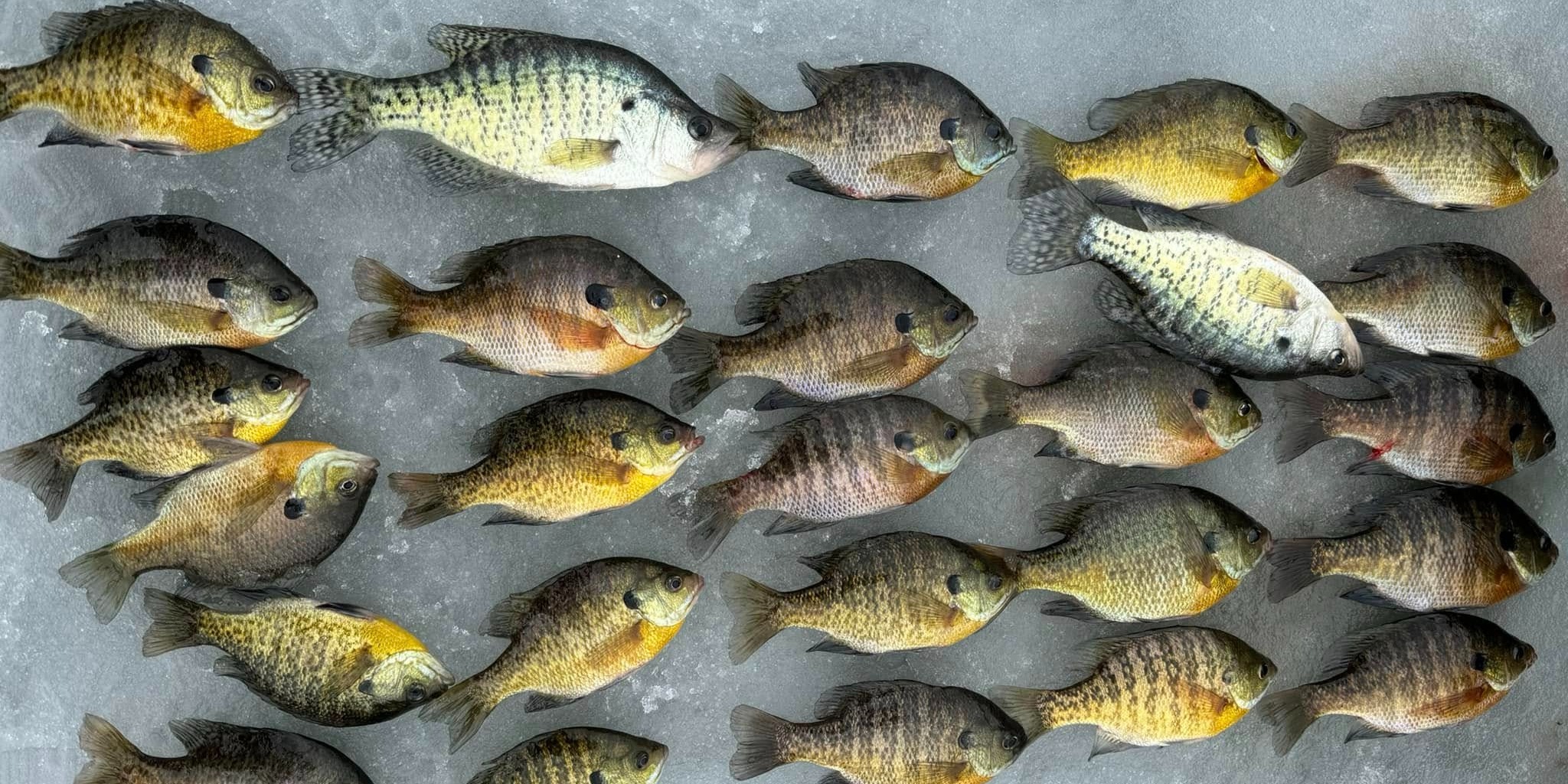
Crappie fishing in Wisconsin's central and southern waters is legendary for good reason. These slab-sided panfish school up tight, especially during their spring spawn when they move shallow into protected bays and creek arms. Spring crappie run from late April through May, and they're aggressive feeders that'll stack up in numbers that seem almost unfair. We target them around fallen trees, brush piles, and dock pilings using small jigs tipped with plastics or live minnows. What makes crappie special is the combination of great table fare and the potential for numbers - a good day can easily produce 30 to 50 fish per angler. They average 10 to 12 inches in these waters, with plenty of 13 and 14-inch slabs mixed in.
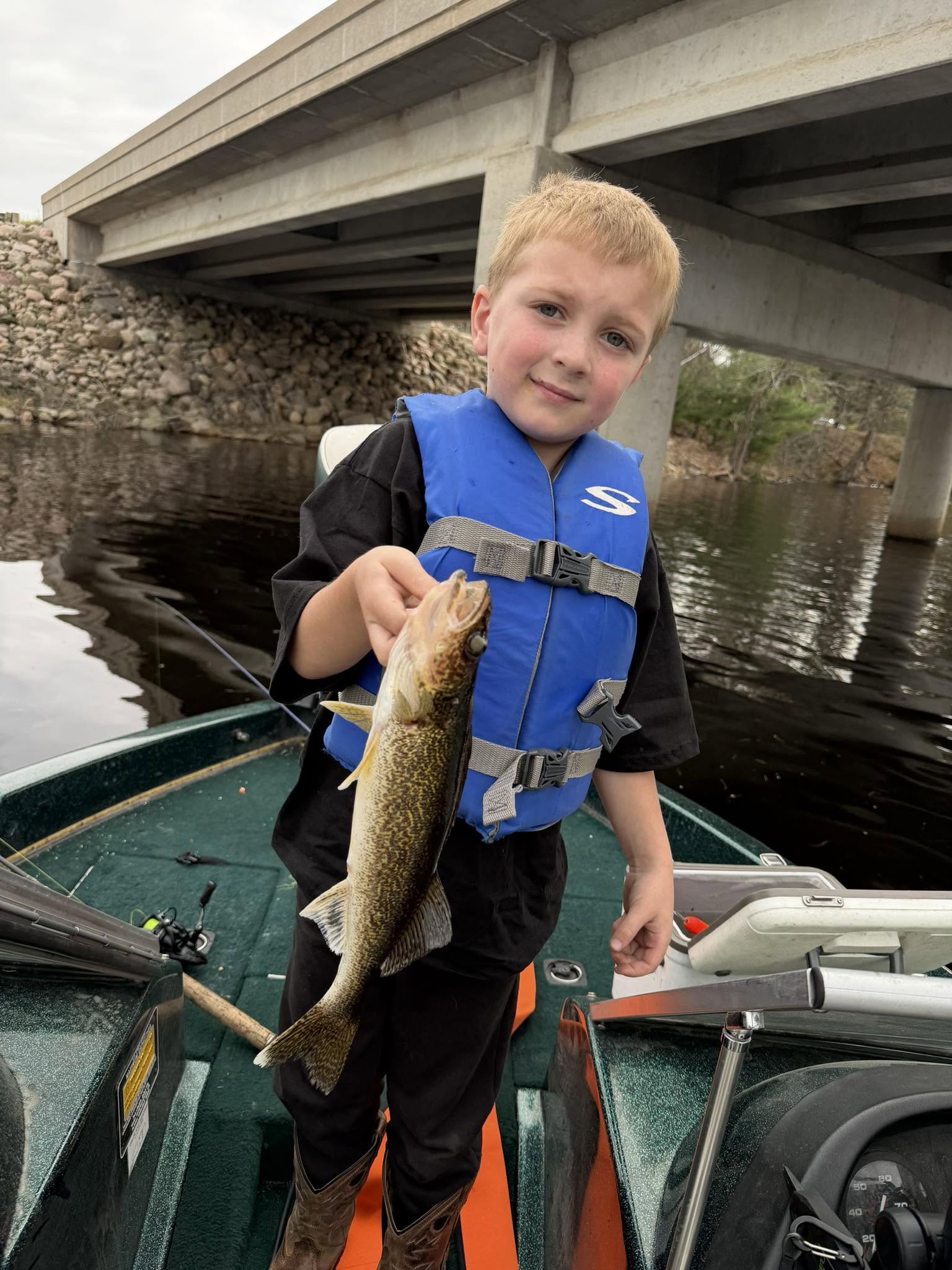
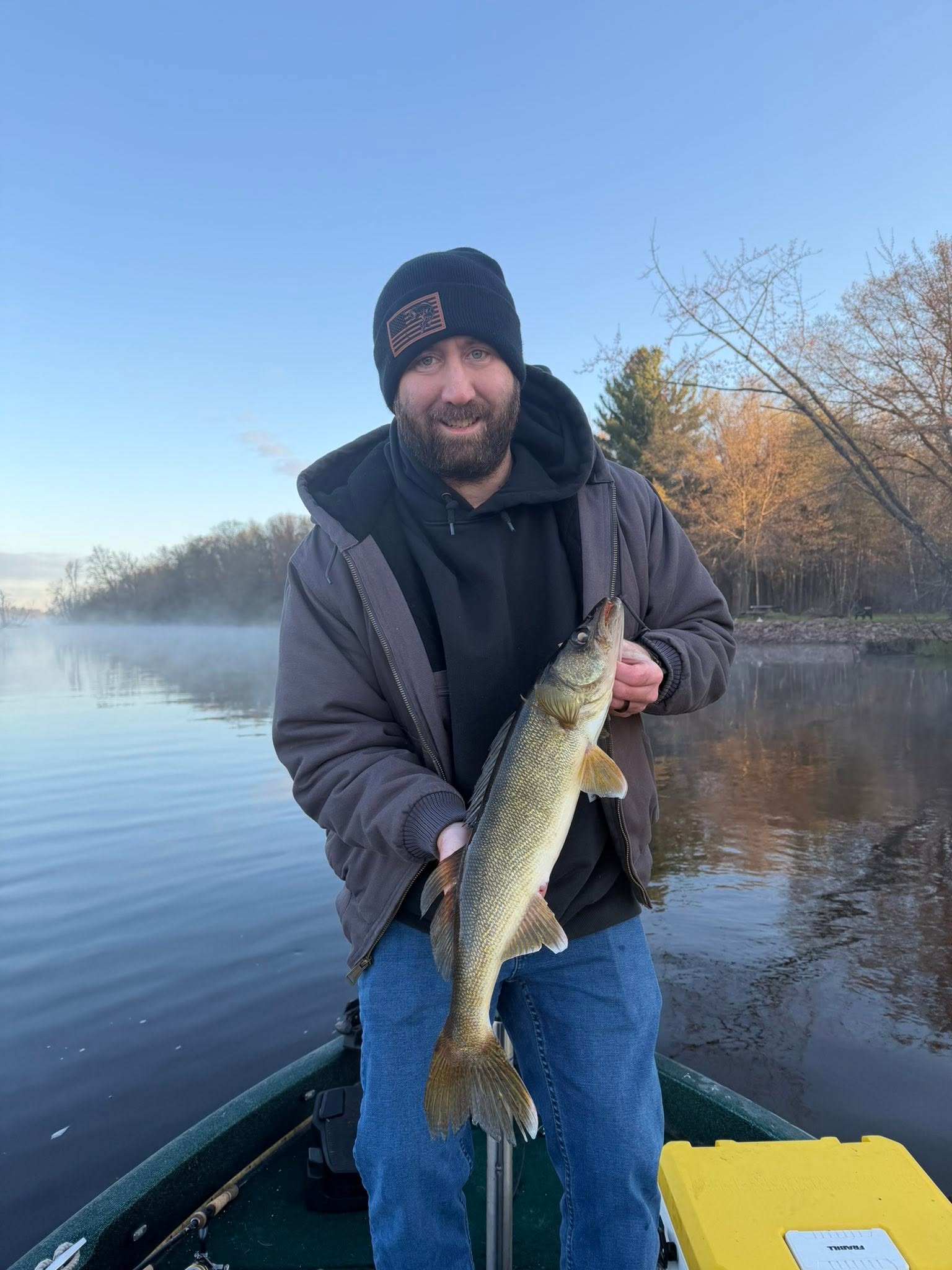
Walleye represent the premier gamefish in Wisconsin waters, and for good reason. These golden-sided predators are both challenging to catch and excellent eating. They relate heavily to structure - rocky points, underwater humps, and drop-offs where they ambush baitfish. Peak walleye fishing runs from late spring through fall, with the best action often happening during low-light periods at dawn and dusk. We work them with jigs and plastics, live bait rigs, and trolling presentations. Wisconsin River walleye average 15 to 18 inches, with plenty of 20-inch-plus fish in the mix. What anglers love about walleye fishing is the technical aspect - reading structure, understanding seasonal patterns, and fine-tuning presentations to trigger bites from fish that can be downright finicky.
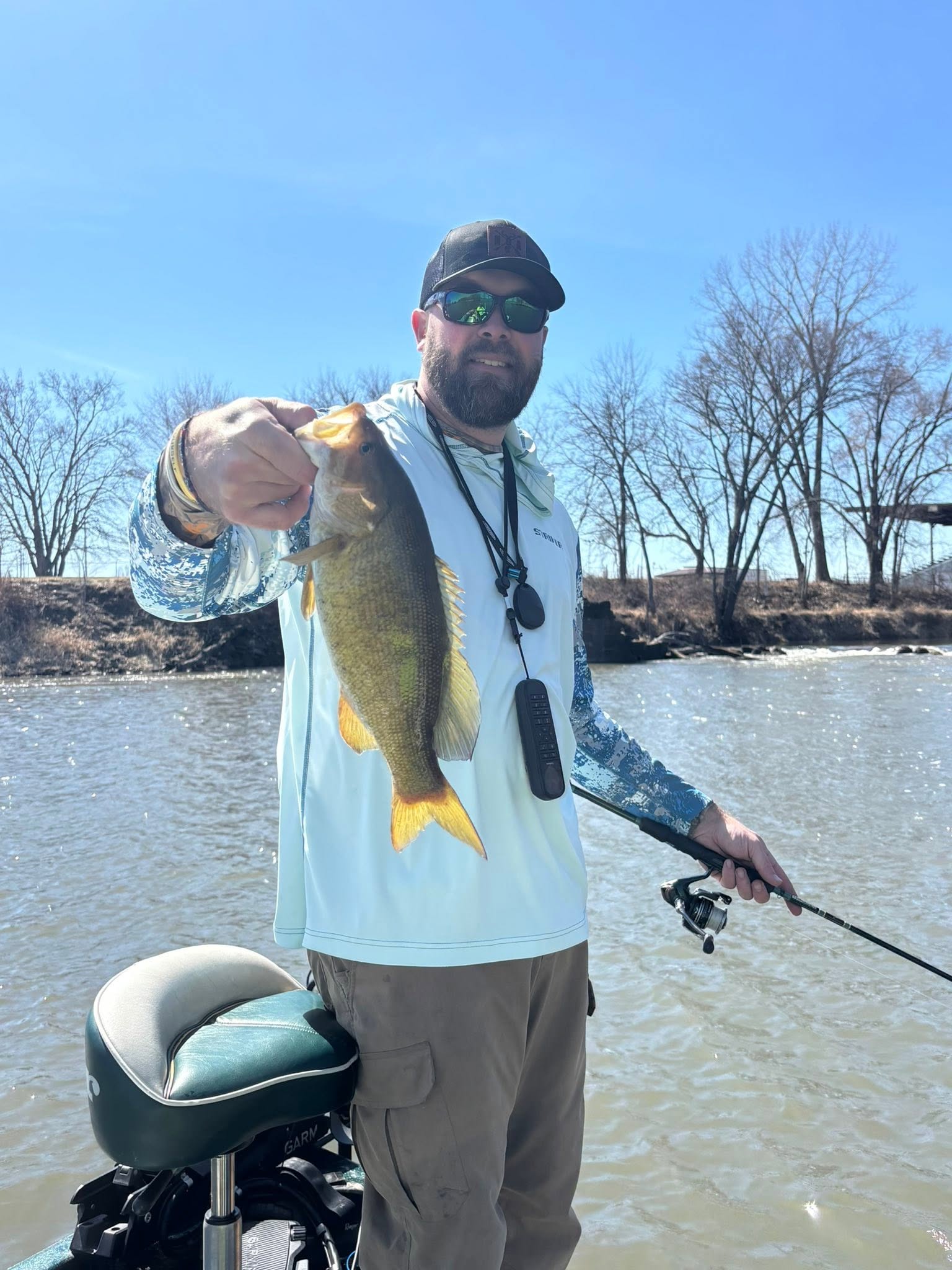
Smallmouth bass fishing in Wisconsin rivers is world-class, and the Rock River system produces some absolute bronzebacks. These fish are pound-for-pound the hardest fighting freshwater species, known for their aerial displays and bulldogging runs. Smallmouth prefer rocky structure, current breaks, and areas with good water clarity. They're most active during warmer months, from late spring through early fall, and they'll hit a variety of presentations from topwater plugs to deep-diving crankbaits. River smallmouth typically run 12 to 16 inches, but 18-inch-plus fish are definitely in the cards. What makes smallmouth special is their attitude - they hit hard, fight harder, and never give up until they're in the net.
American Yellow Perch might not get the respect they deserve, but they're fantastic fish that provide consistent action and great eating. These striped beauties school up over structure and are particularly active during fall months when they're feeding heavily before winter. We find them over rock piles, humps, and weed edges in 15 to 25 feet of water. Perch fishing is often a numbers game - when you find them, you can usually catch plenty. They average 8 to 10 inches in these waters, with jumbo perch pushing 12 inches showing up regularly. What anglers love about perch is the steady action and the fact that they're cooperative biters that make great confidence builders for newer anglers.
Muskellunge fishing represents the pinnacle of freshwater angling challenge. These apex predators are the fish of 10,000 casts, but when one hits, it's a moment you'll never forget. Wisconsin waters hold some of the best musky fishing in the Midwest, with fish averaging 36
 Private Trip
 River Fishing
 Madison


 Eight-hour fishing adventure targeting multiple Wisconsin waterways