6 Hour Combo: Inshore & Nearshore Gulf Fishing
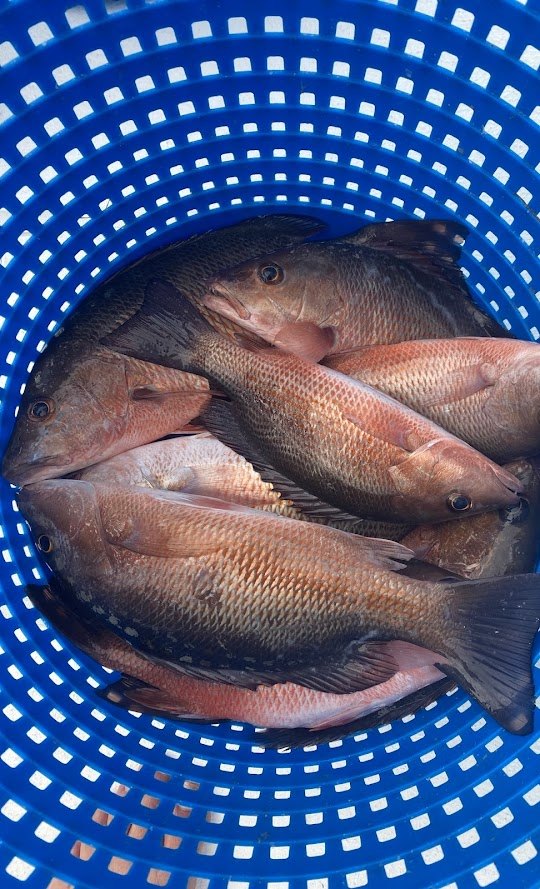
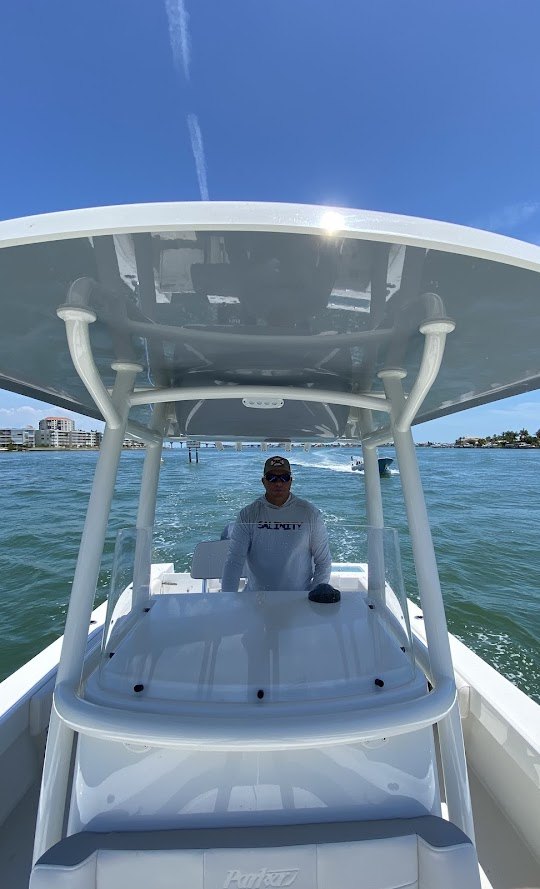
This trip gives you the best of both worlds in the Gulf of Mexico. We're talking about a full day that combines the excitement of nearshore bottom fishing with the finesse of inshore sight casting. You'll start the morning working structure in 30-80 feet of water targeting snapper, grouper, and whatever pelagics are running, then finish strong in the backcountry chasing trophy snook, trout, and reds. With just 2 anglers max, you get personalized attention and plenty of room to work. Captain knows these waters like the back of his hand, and he'll put you on fish using techniques that locals have perfected over decades.
What to Expect on the Water
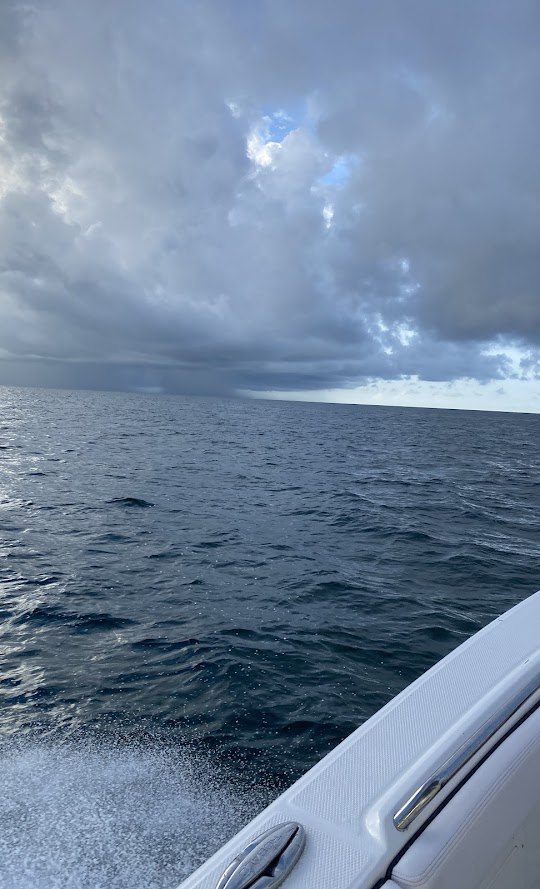
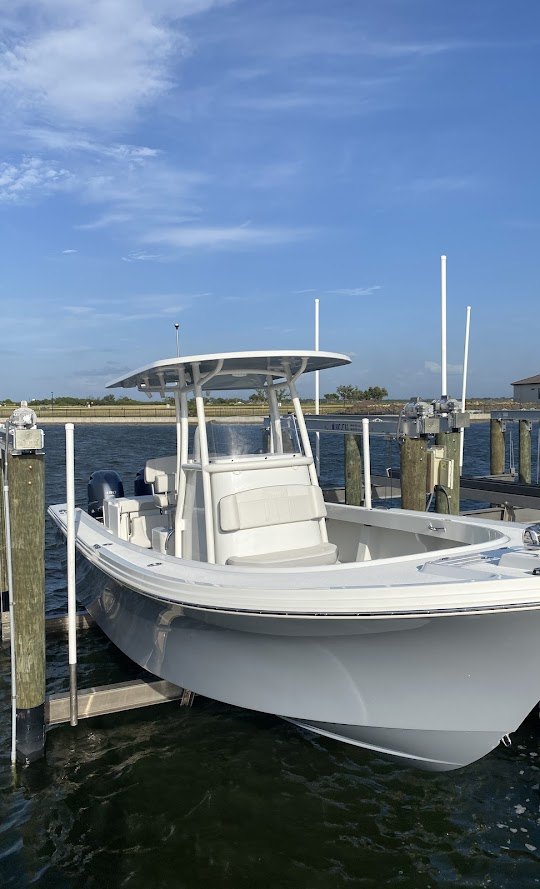
Your day kicks off before sunrise at the marina where we'll load up the boat with fresh bait, ice, and all the tackle you need. The first half of the trip takes us out to productive nearshore spots where we'll drop baits on natural and artificial reefs. This time of year, the Spanish mackerel and kings are moving through in good numbers, and you never know when a cobia might cruise by. We'll work the bottom with cut bait and live offerings for snapper and grouper, then switch gears mid-day for the inshore portion. The transition from deep water to shallow flats is where this trip really shines - you get to experience completely different fishing styles and target species that require totally different approaches. The inshore leg focuses on grass flats, oyster bars, and mangrove shorelines where snook, trout, and redfish patrol for baitfish.
Techniques & Tackle
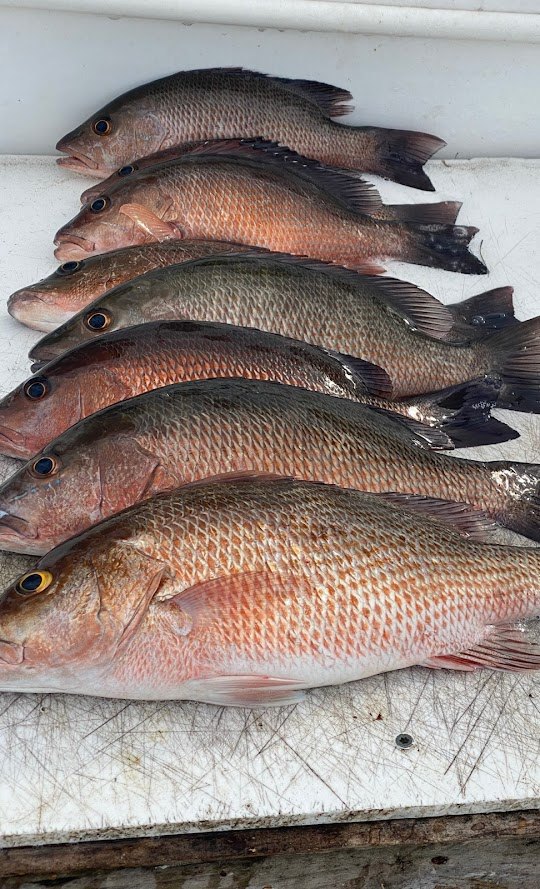
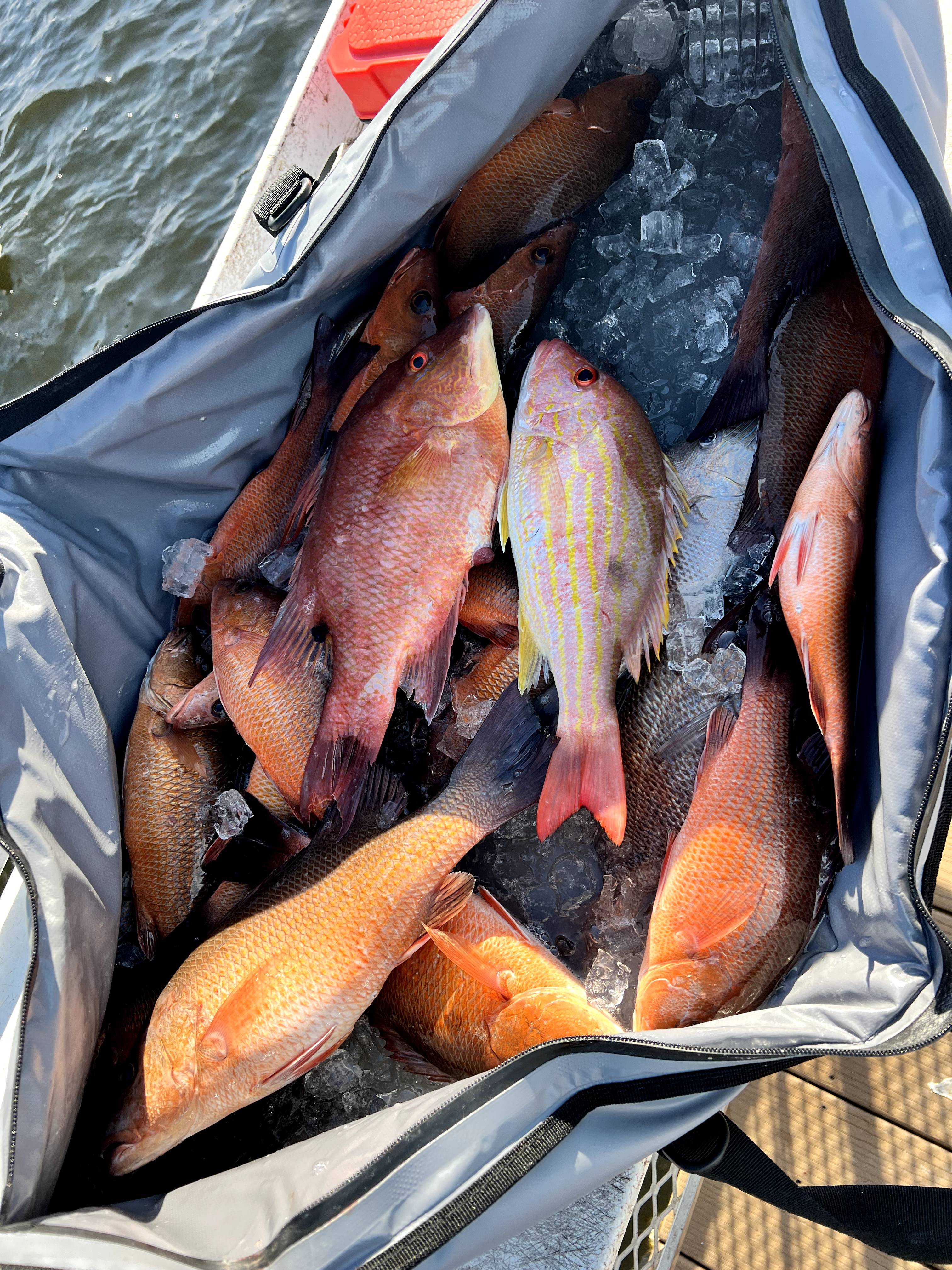
On the nearshore portion, we're using medium-heavy conventional gear with circle hooks and 30-40 pound fluorocarbon leaders. Bottom rigs with 4-6 ounce sinkers keep baits in the strike zone while we drift or anchor depending on conditions. Live pinfish, grunts, and cut threadfins are go-to baits for grouper and snapper, while we'll pull small spoons and diving plugs for mackerel and kings when they're busting bait on the surface. Once we head inshore, the game changes completely. We switch to spinning gear with 15-20 pound braid and lighter leaders. Topwater plugs, soft plastics, and live shrimp become the weapons of choice. Sight fishing with polarized glasses lets you spot cruising fish before they see you, and the captain will position the boat for perfect casting angles on feeding fish.
Top Catches This Season
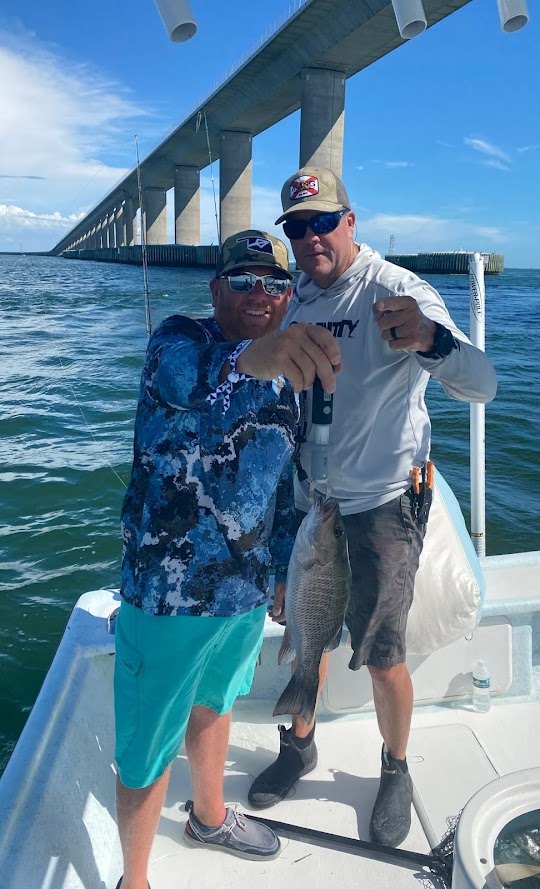
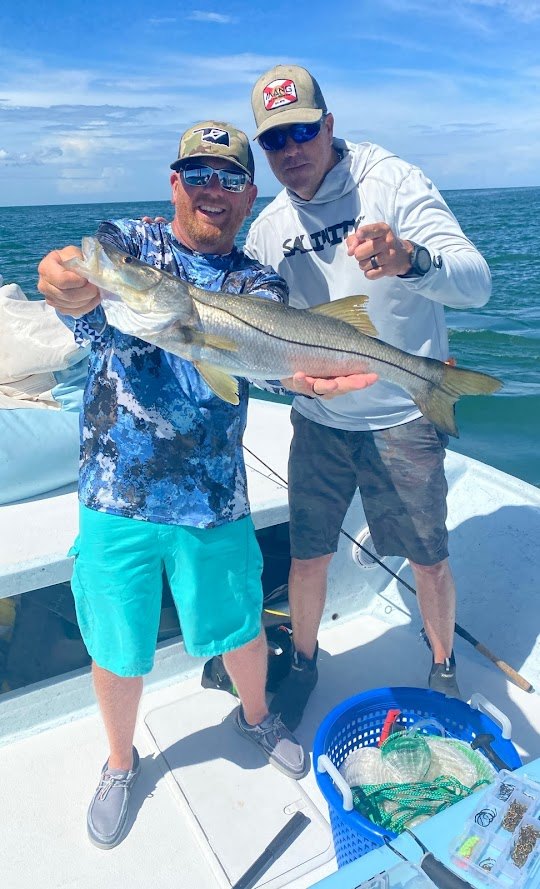
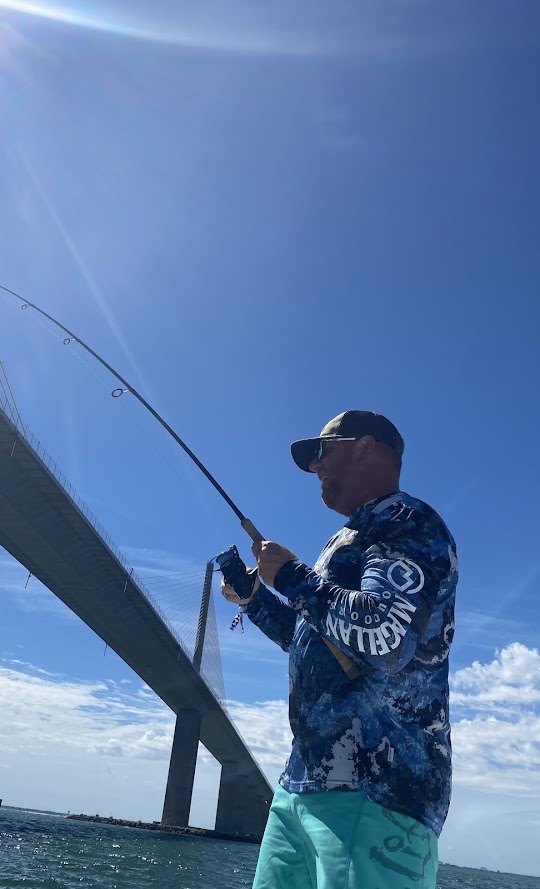
Snook are the crown jewel of inshore fishing here, and these ambush predators love hanging around docks, mangroves, and bridge pilings. They're incredibly strong fighters that will test your drag and jump multiple times during the fight. Look for them in 2-6 feet of water, especially around structure during moving tides. Peak bite times are early morning and late afternoon when they're actively feeding. What makes snook special is their unpredictable nature - they might slam a topwater plug one minute and refuse everything the next. King mackerel are speed demons that patrol the nearshore waters looking for schools of baitfish. These torpedo-shaped fish can reach 30+ pounds and will scream line off your reel faster than almost any other Gulf species. They're most active when bait schools are thick, usually from late spring through fall. The key is finding temperature breaks and current edges where kings set up to ambush prey. Sea trout are abundant on grass flats and offer consistent action throughout the day. They're excellent table fare and willing biters that respond well to soft plastics, live shrimp, and topwater lures. Trout fishing is perfect for anglers who enjoy sight casting since you can often see them tailing or cruising in shallow water. Sheepshead are the ultimate challenge for light tackle enthusiasts, with mouths full of human-like teeth designed for crushing barnacles and crabs. They're notorious bait stealers that require perfect timing on the hookset. Found around any hard structure, these black-and-white striped fish are excellent eating and provide a technical fishing challenge. Cobia are the wildcards of this trip - these curious, shark-like fish often approach the boat and can be sight-casted to with live bait or large jigs. They're incredibly strong fighters that can reach 40+ pounds, and their inquisitive nature makes for exciting visual fishing opportunities.
Time to Book Your Spot
This combo trip offers something you won't find on single-focus charters - the variety to keep every angler engaged regardless of skill level or preferences. Whether you're a bottom fishing enthusiast who loves the steady action of nearshore reefs or a sight fishing fanatic who gets fired up stalking reds on shallow flats, this 6-hour adventure delivers both experiences. The small group size means you get hands-on instruction and plenty of fishing time without crowded boat conditions. Captain provides all tackle, bait, and local knowledge while you focus on what matters most - putting fish in the boat. Don't miss your chance to experience the best inshore and nearshore fishing the Gulf of Mexico has to offer.
 Private Trip
 Inshore Fishing
 Bradenton, FL


 Six-hour combo targeting nearshore and inshore species