2-Hour Gulf Shores Inshore Fishing Charter
Looking for the perfect way to get your feet wet in Gulf Shores fishing? This 2-hour inshore trip with Off The Hook Charters is exactly what you need. We're talking about fishing in some of the most productive shallow waters along Alabama's coast, where the action stays hot and the fish bite year-round. Whether you're bringing the kids for their first real fishing adventure or you're new to saltwater angling yourself, this trip sets you up for success without the commitment of a full-day charter. The best part? We keep groups small at just 2 guests, so you get personalized attention and plenty of room to cast without bumping elbows.
What to Expect on the Water
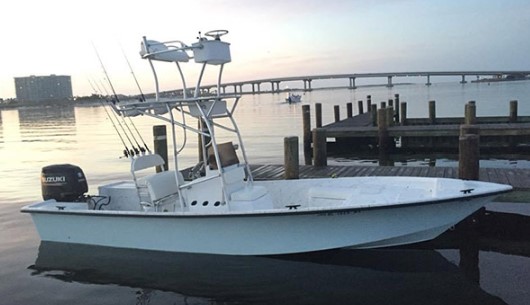
Your Gulf Shores inshore adventure kicks off in the protected waters behind the barrier islands, where grass flats, oyster bars, and shallow channels create the perfect hunting grounds. These aren't the rough offshore waters - we're fishing in 2 to 8 feet of crystal-clear shallows where you can actually see the fish you're targeting. The boat stays comfortable and stable, making this trip ideal for first-timers and kids who might get seasick in deeper water. You'll spend your time casting around structure like dock pilings, grass beds, and shell bars where redfish, trout, and flounder love to hang out. Don't worry about bringing anything - we've got all the rods, reels, tackle, and bait covered. Just show up ready to learn and have some fun on one of Alabama's top-rated fishing experiences.
Techniques & Tackle Setup
Inshore fishing is all about finesse and reading the water, which makes it perfect for learning proper technique. We'll have you working with light to medium spinning gear - think 7-foot rods paired with 3000-series reels spooled with 15-20 pound braided line. The tackle box stays simple but effective: soft plastic baits like paddle tails and shrimp imitations, live shrimp when available, and some topwater plugs for those heart-stopping surface strikes. You'll learn how to work a jig head through the grass without getting hung up, how to read water color and movement, and when to switch from artificial lures to live bait. The key to Gulf Coast inshore success is staying quiet, making accurate casts, and letting the bait do the work. We'll teach you how to feel the difference between a fish bite and bottom contact - a skill that'll serve you well no matter where you fish in the future.
Species You'll Want to Hook
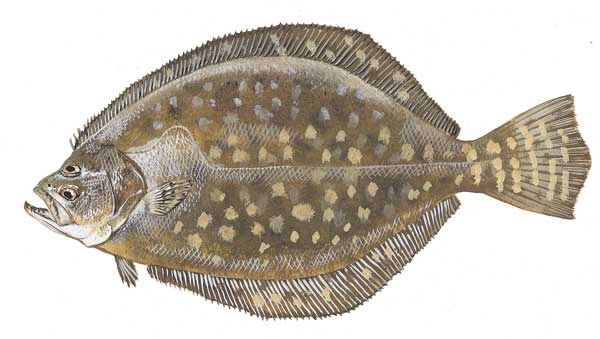
Southern Flounder are the masters of disguise in these Gulf waters, lying perfectly camouflaged on sandy bottoms waiting to ambush prey. These flatfish typically run 14 to 20 inches in our area, with the occasional doormat pushing 4 to 5 pounds. Fall months from September through November offer the best flounder action as they move toward deeper water for winter. What makes them exciting to catch is that initial thump - you'll think you're snagged on bottom until that fish starts pulling drag. Kids love the way flounder look with both eyes on one side, and they're excellent eating if you decide to keep a few within regulations.
Black Drum are the heavyweights of the inshore scene, and Gulf Shores waters hold some real bruisers. Juvenile black drum in the 2 to 8 pound range are common around oyster bars and grass flats, while the big bull drum can push 20 to 40 pounds or more. These fish are bottom feeders with powerful crushers for teeth, perfect for eating crabs and shellfish. Spring and fall see the best black drum fishing as they move through our area in schools. When you hook into a good black drum, you'll know it - they pull hard and steady, making that drag sing. The smaller ones are great for the dinner table, while the big bulls make for amazing photos before release.
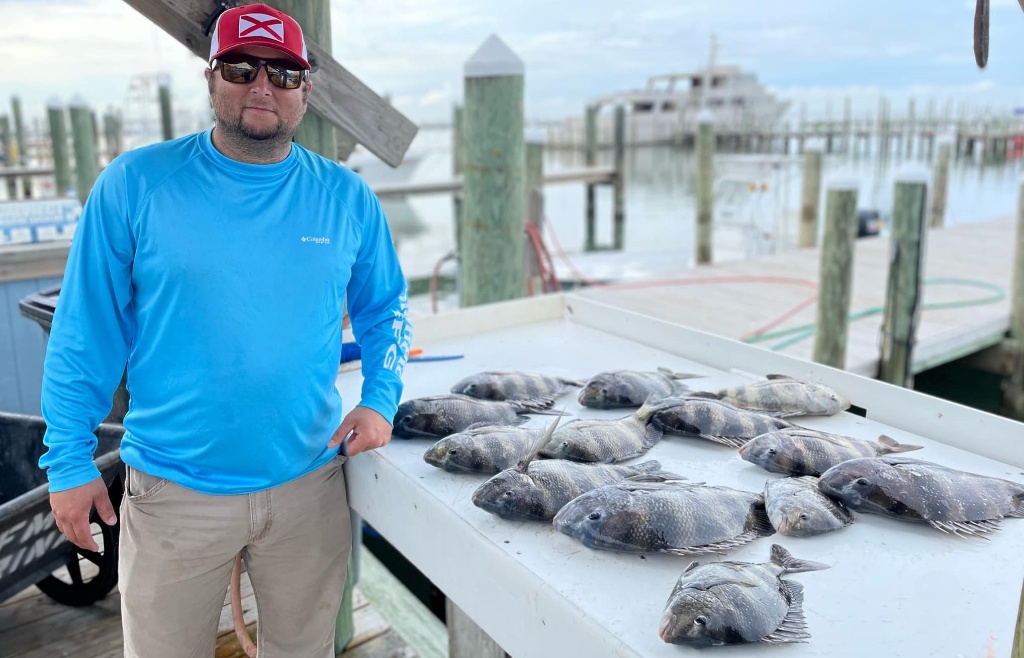
Sheepshead are the pickpockets of the inshore world, famous for stealing bait right off your hook. These black and white striped fish hang around any hard structure - bridge pilings, oyster bars, dock posts, and rock jetties. They typically run 2 to 5 pounds in our waters, with the occasional slab reaching 8 pounds or better. Winter months from December through March offer the best sheepshead action when they school up for spawning. What makes them challenging and fun is their incredible ability to mouth bait without getting hooked. You'll learn to set the hook at the slightest tick or weight change. Once hooked, they fight harder than their size suggests and make excellent table fare.
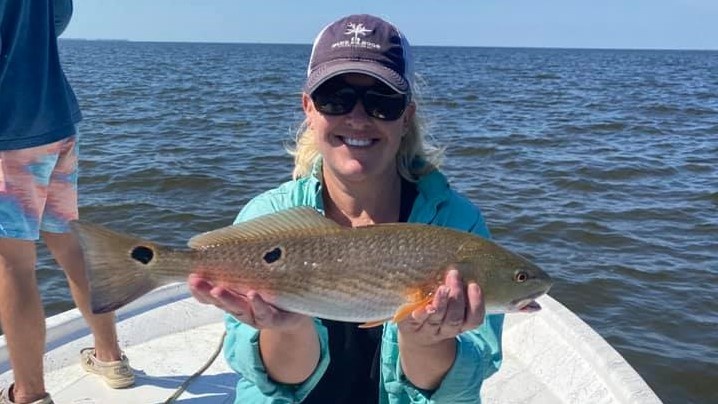
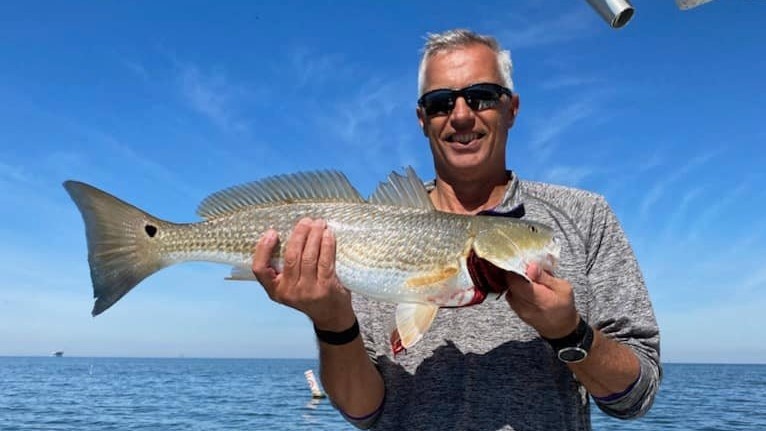
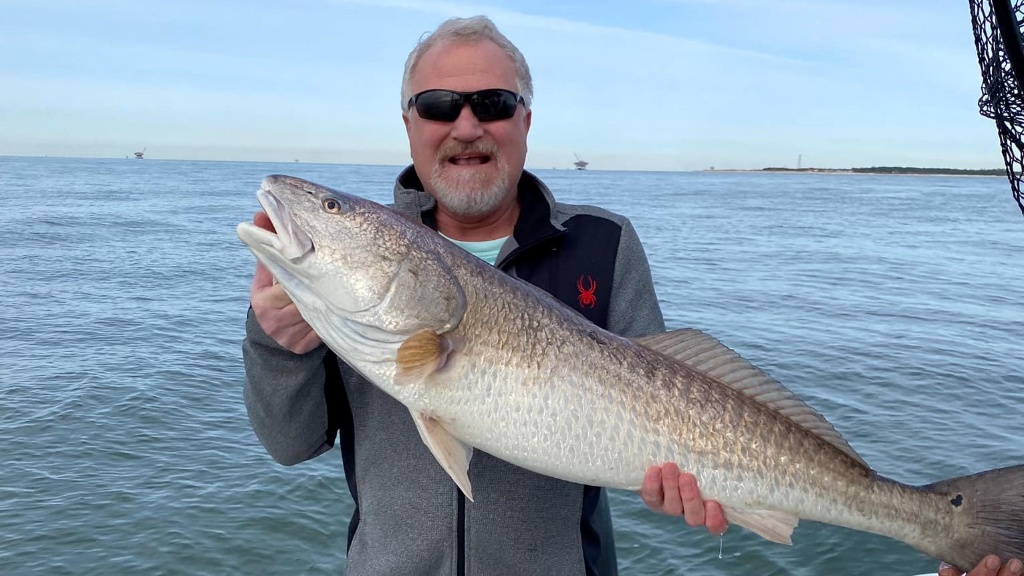
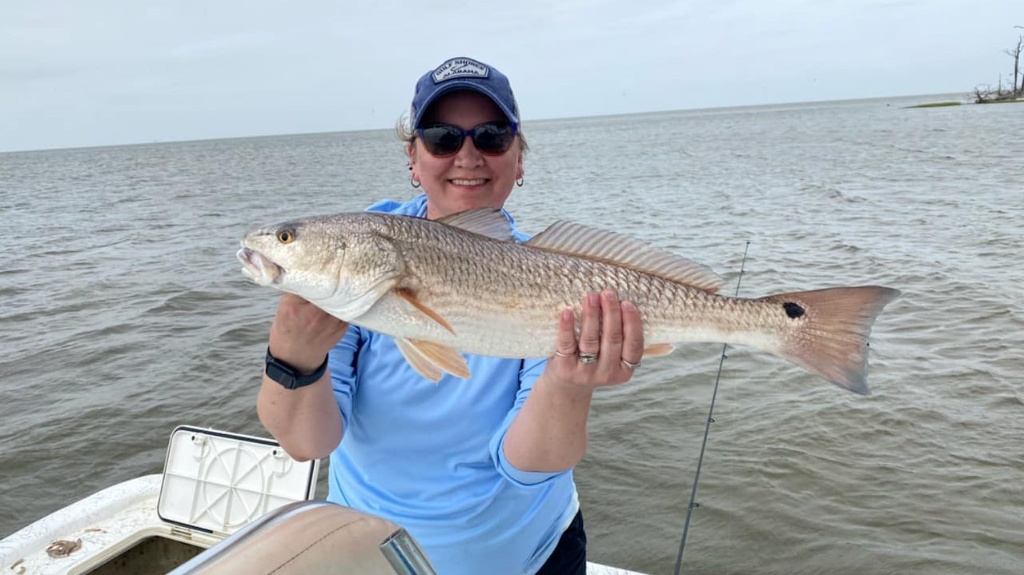
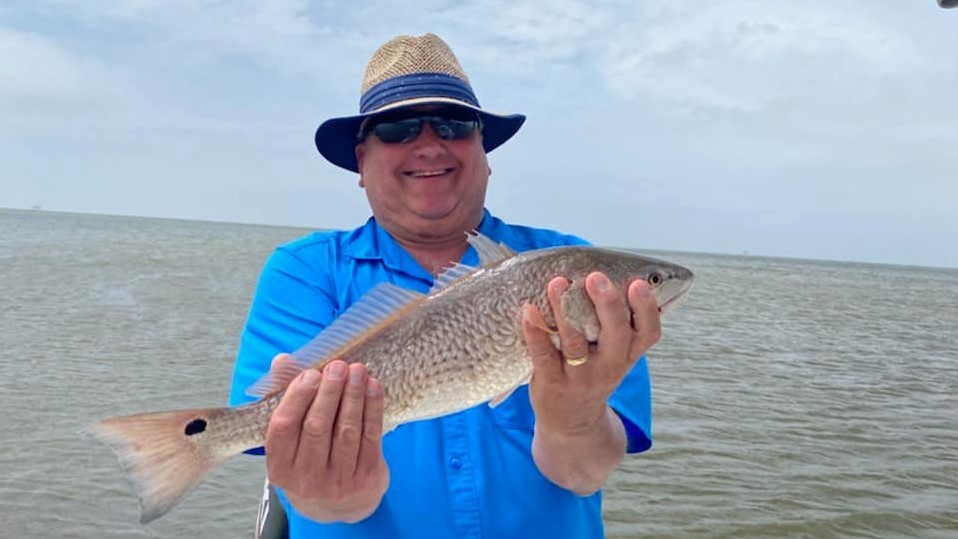
Redfish are absolutely the crown jewel of Gulf Shores inshore fishing, and for good reason. These copper-colored fighters cruise the shallow flats in schools, especially during cooler months. Slot-size reds typically range from 18 to 27 inches, with bull reds over 27 inches providing serious arm-burning fights. You can target them year-round in our waters, but fall and winter offer the most consistent action. Redfish eat everything from live shrimp to cut bait to artificial lures, making them perfect for beginners. When you hook a red, get ready for runs, head shakes, and that distinctive bronze flash as they roll near the boat. They're beautiful fish with distinctive black spots, and the slot-size ones are hard to beat on the dinner table.
Cobia are the wildcards of this trip - when they show up, everything else takes a backseat. These brown sharks with attitude typically run 20 to 40 pounds in our area, though smaller ones around 10 to 15 pounds aren't uncommon. Spring through early fall offers the best cobia opportunities as they cruise the shallows looking for crabs and baitfish. What makes cobia exciting is their aggressive nature and incredible strength. They'll eat live bait
 Private Trip
 Inshore Fishing
 Gulf Shores, AL


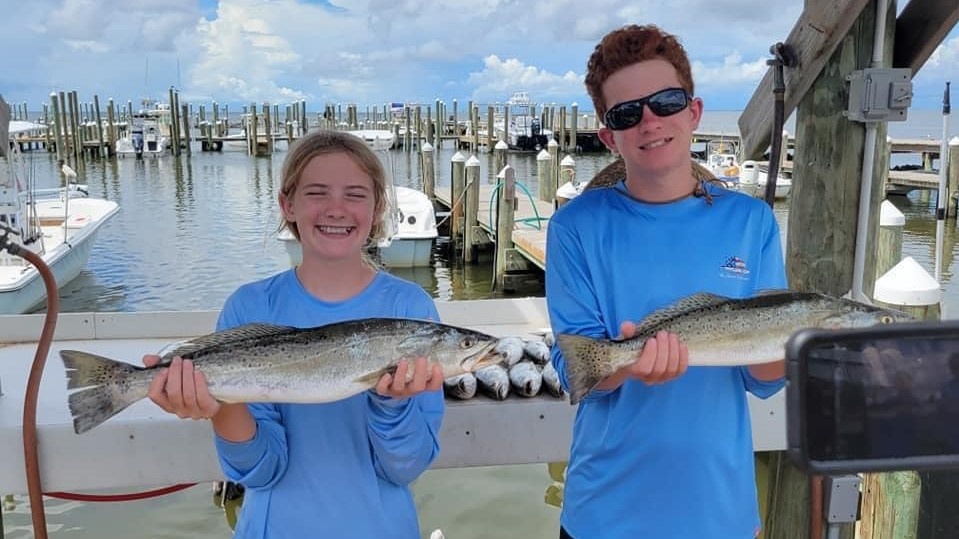
 Perfect beginner-friendly inshore fishing experience for families with kids