Full Day Advanced Fishing on Lake Minnetonka
Captain Dave Gausman's full-day advanced trip on Lake Minnetonka is where serious anglers come to dial in their skills and chase trophy fish. This isn't your typical guided fishing trip – we're talking about a comprehensive day focused on strategy, presentation, and targeting the lake's most sought-after species. You'll be working prime locations for crappie, walleye, muskie, bass, and pike using proven local techniques that have been refined over decades on these waters. The 19-foot Lund comes equipped with precision electronics that'll give you the edge you need to locate and land quality fish.
What to Expect on the Water
This top-rated full-day experience starts early at Grays Bay, where you'll meet Captain Dave and get oriented to the game plan. Lake Minnetonka spans over 14,000 acres with countless bays, points, and structural elements that hold fish throughout the season. Dave's approach focuses on reading the water, understanding seasonal patterns, and adapting techniques based on real-time conditions. You'll spend the day exploring diverse lake structures – from shallow weed edges where pike ambush prey to deeper drop-offs where walleye suspend during midday hours. The boat's electronics play a crucial role here, helping identify baitfish schools, thermoclines, and bottom composition changes that attract gamefish. This isn't about sitting in one spot all day – you'll be moving, learning, and constantly adjusting your approach based on what the fish are telling you.
Advanced Techniques & Gear
Captain Dave specializes in teaching precision techniques that separate weekend anglers from those who consistently put fish in the boat. You'll work with a variety of presentations throughout the day, from vertical jigging for suspended crappie to trolling crankbaits along breaklines for walleye. The guide provides all tackle and bait, but experienced anglers often appreciate bringing their own rods to feel more connected to the fight. Techniques covered typically include slip-bobber fishing for crappie in timber, casting spinnerbaits and soft plastics for bass around cover, and live bait presentations for walleye and pike. The 19-foot Lund platform gives you plenty of room to work while staying stable in rough conditions. GPS and sonar technology help pinpoint productive areas, but Dave's local knowledge of seasonal movements and feeding patterns is what really makes the difference between a good day and a great day on Minnetonka.
Species You'll Want to Hook
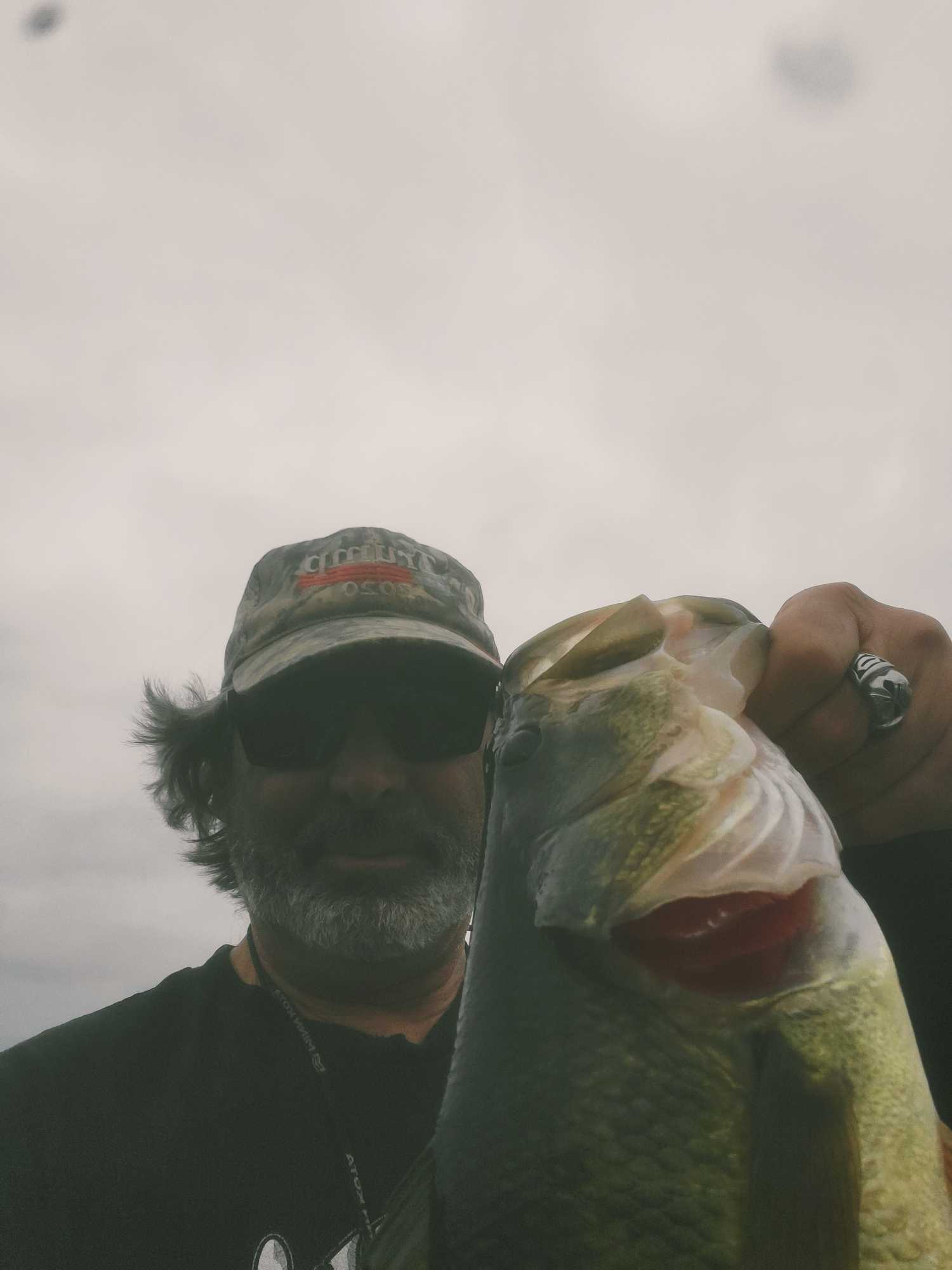
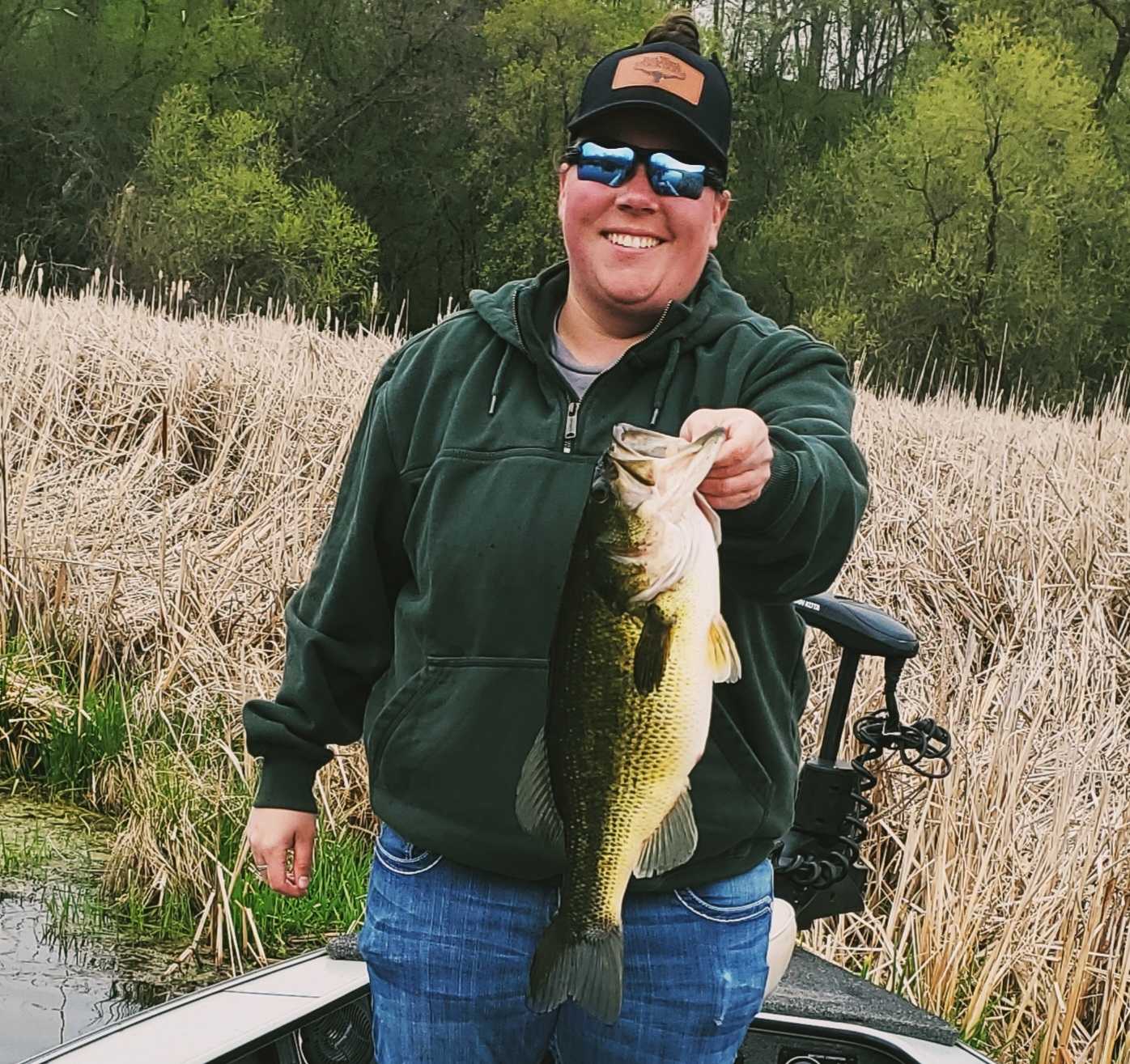
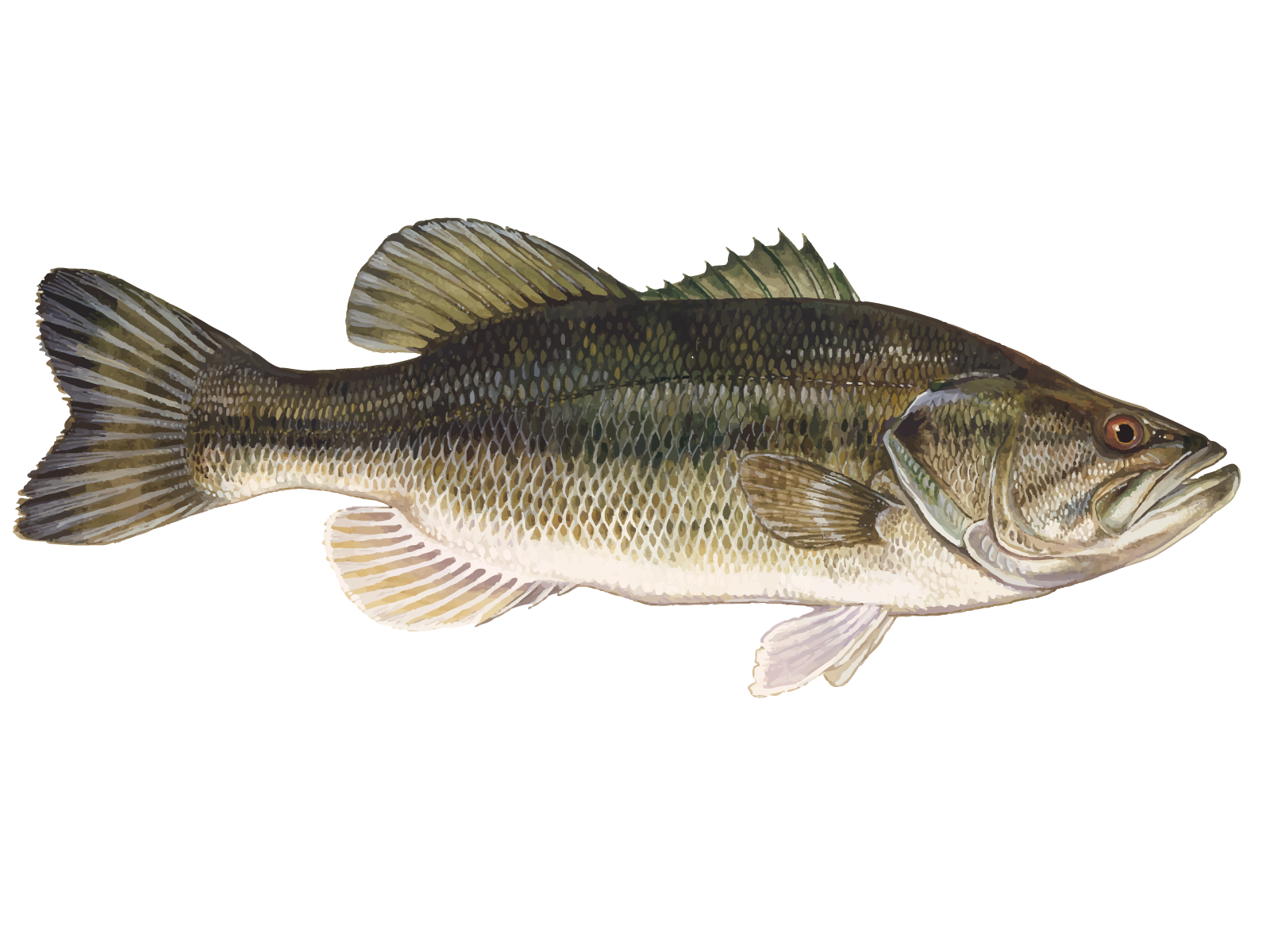
Largemouth Bass on Lake Minnetonka are known for their aggressive strikes and acrobatic fights, especially around the lake's extensive weed beds and downed timber. These fish typically range from 2 to 5 pounds, with occasional giants pushing 6 pounds or more. Spring and early summer offer the best action as bass move shallow to spawn and feed aggressively. What makes targeting them here so rewarding is the variety of structure – you might catch one on a topwater bait over shallow cabbage in the morning, then switch to a Texas-rigged worm in deeper timber by afternoon. The clarity of Minnetonka's water means these bass are often spooky, making proper presentation and stealth approach crucial for consistent success.
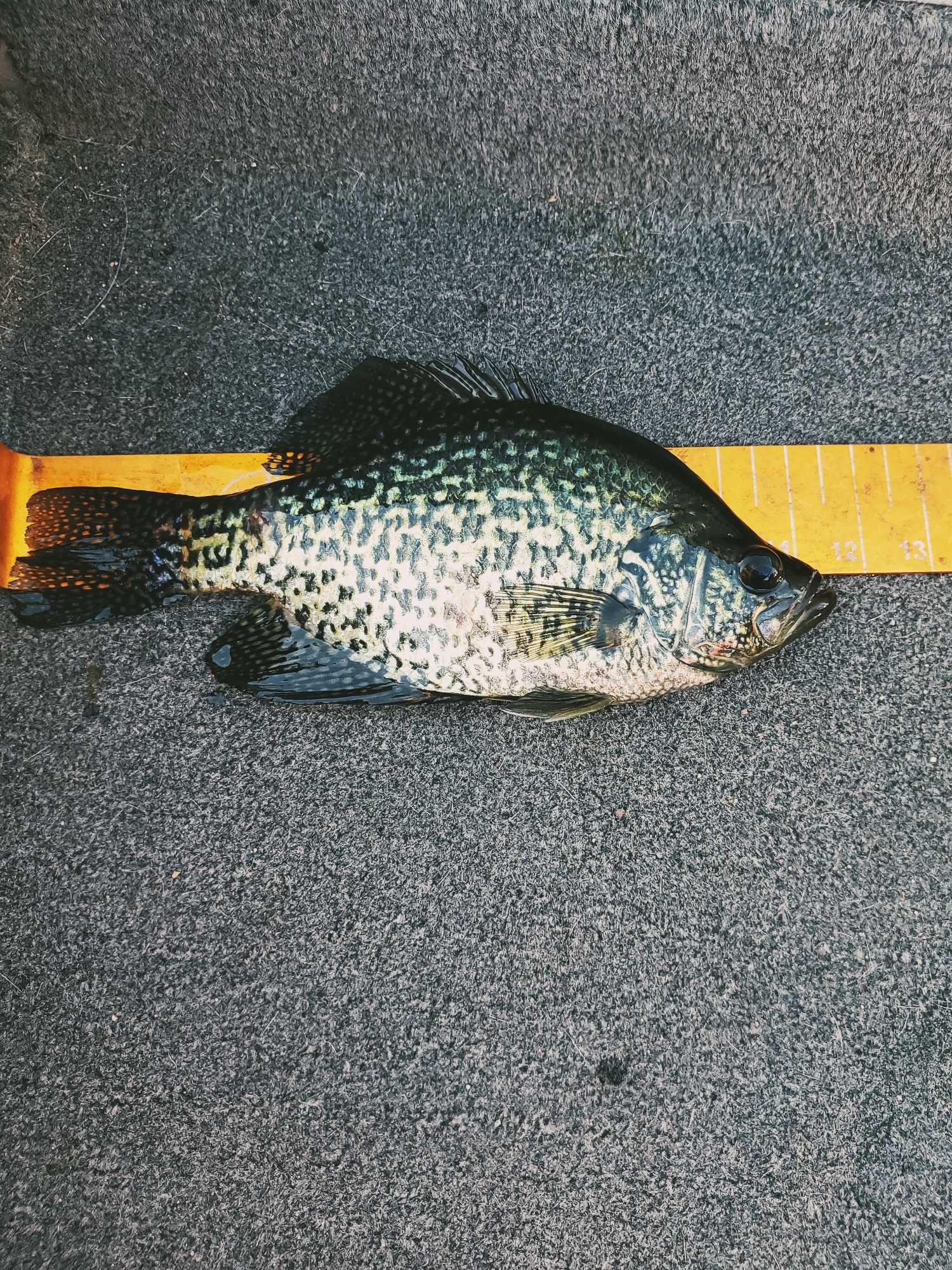
Crappie fishing on this renowned lake system can be absolutely phenomenal when you dial in the right depth and structure. These slab-sided fighters typically run 10 to 14 inches, with plenty of eating-size fish in the 12-inch range. Peak seasons are spring during the spawn and again in late fall when they school up in deeper water. Captain Dave knows exactly where to find the schools, often relating to specific depth ranges along drop-offs or suspended in open water near creek channels. The key is matching your presentation to their mood – sometimes they want a slow, subtle approach with small jigs, other times they'll attack a more aggressive presentation. The fight might not be as dramatic as a bass, but the steady pull and the satisfaction of putting together a limit of quality crappie makes them a customer favorite.
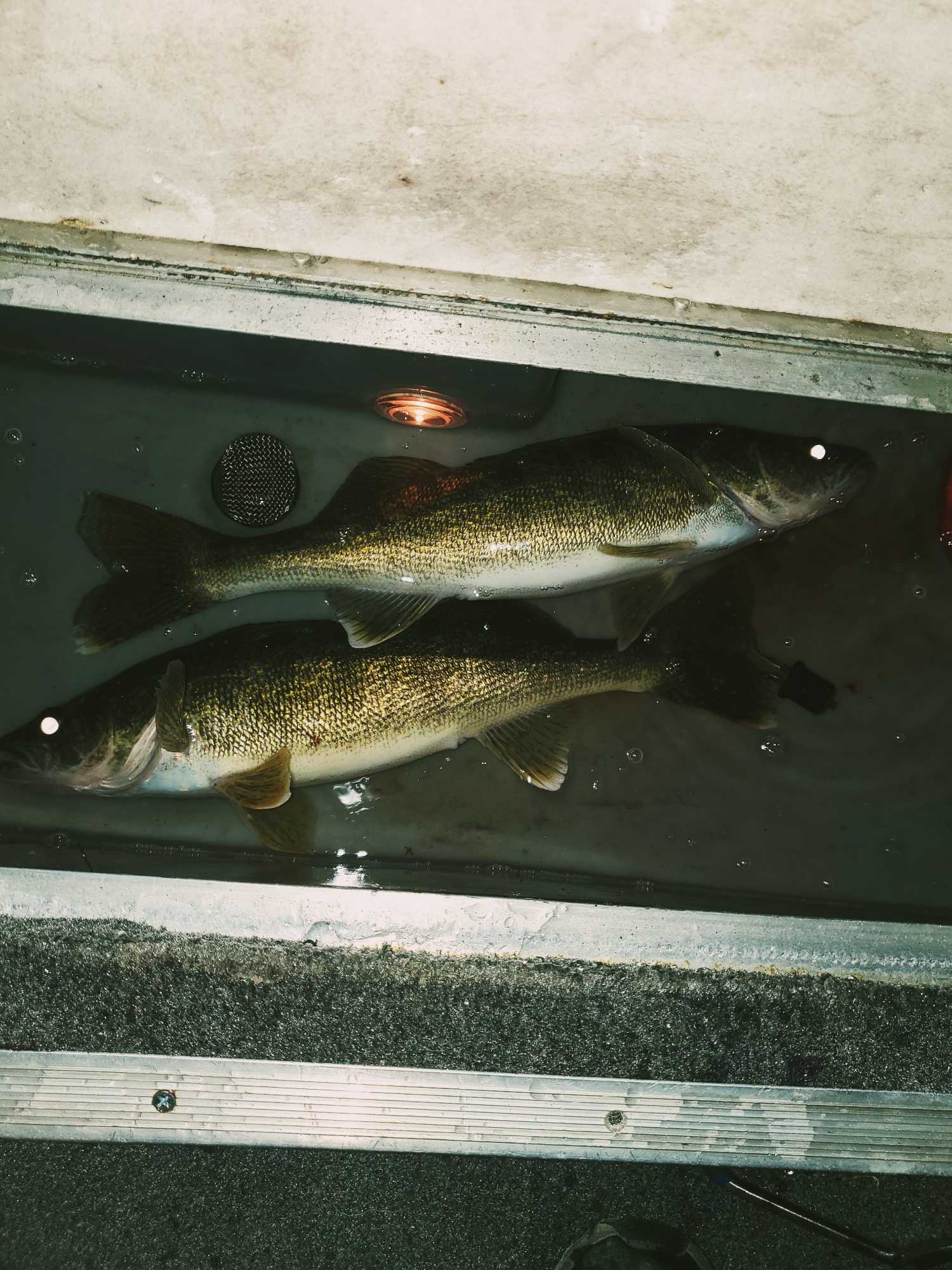
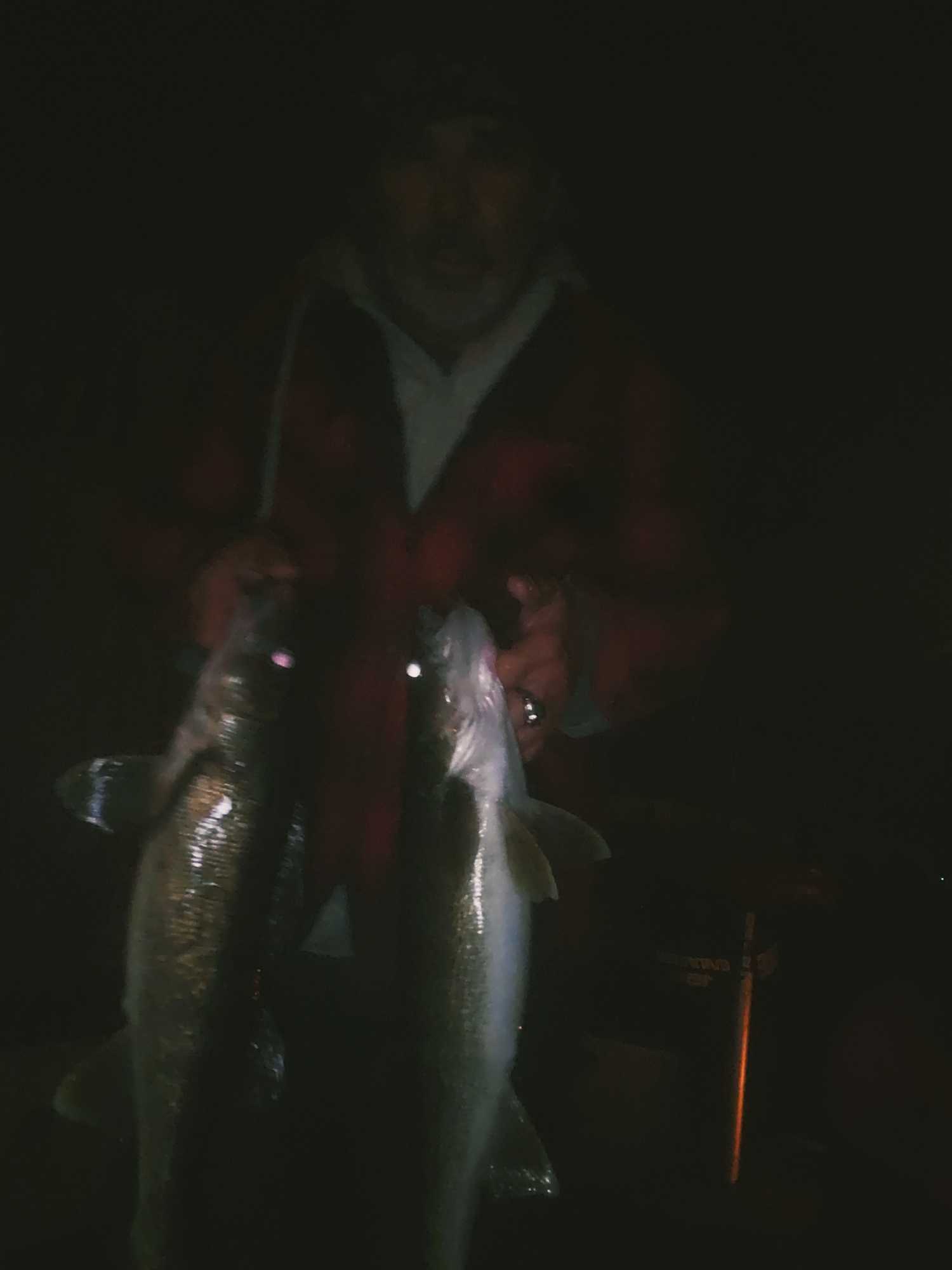
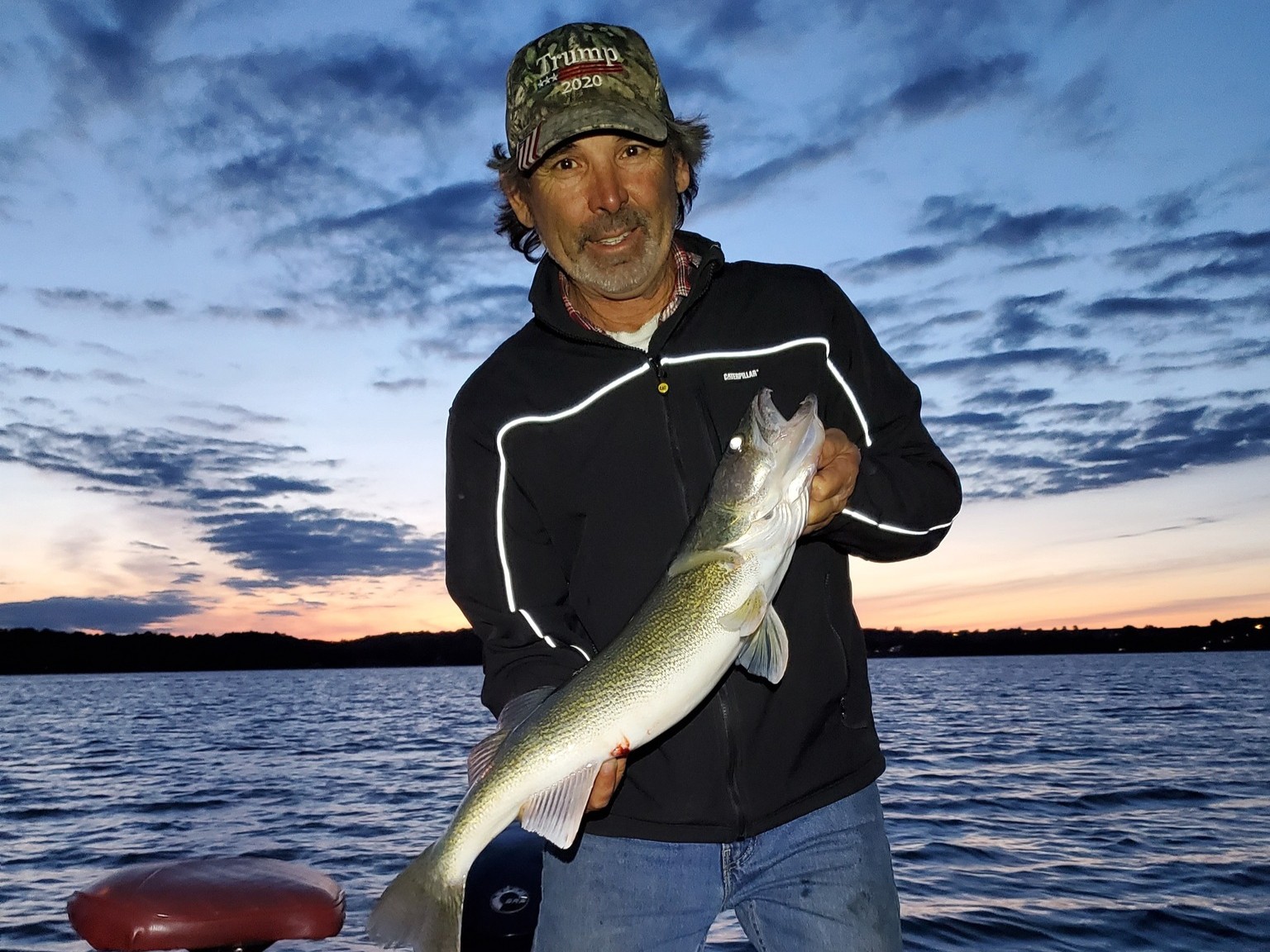
Walleye represent the ultimate challenge for many anglers visiting Lake Minnetonka, and for good reason – they're picky, structure-oriented, and absolutely delicious. These golden-sided predators typically range from 15 to 24 inches, with occasional trophies pushing 28 inches or more. Best fishing occurs during low-light periods and overcast conditions when walleye move up from deeper water to feed. Dave's approach often involves working specific depth ranges along breaklines, using live bait rigs, jigs tipped with minnows, or trolling with crankbaits. The electronics become crucial here, as walleye often show up as faint marks on sonar, requiring precise boat positioning and presentation. When you hook into a quality walleye, expect a strong initial run followed by a bulldogging fight that tests your drag system.
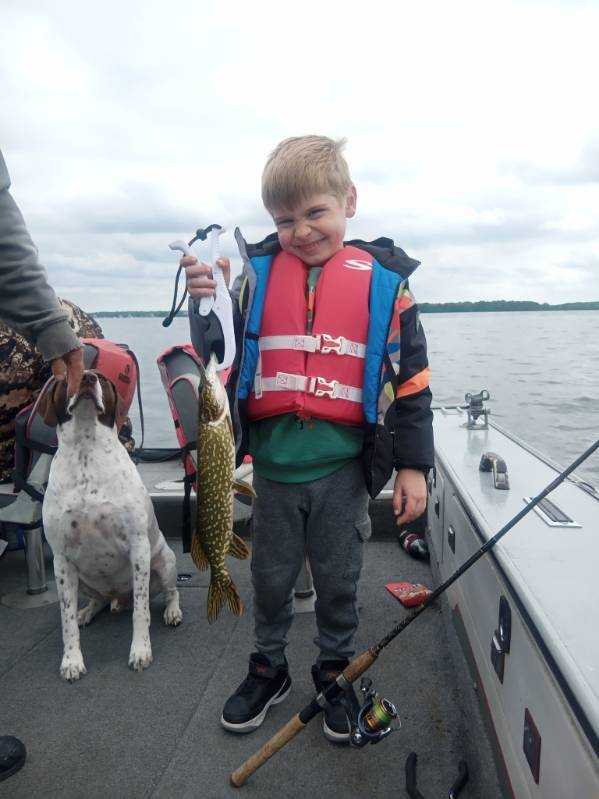
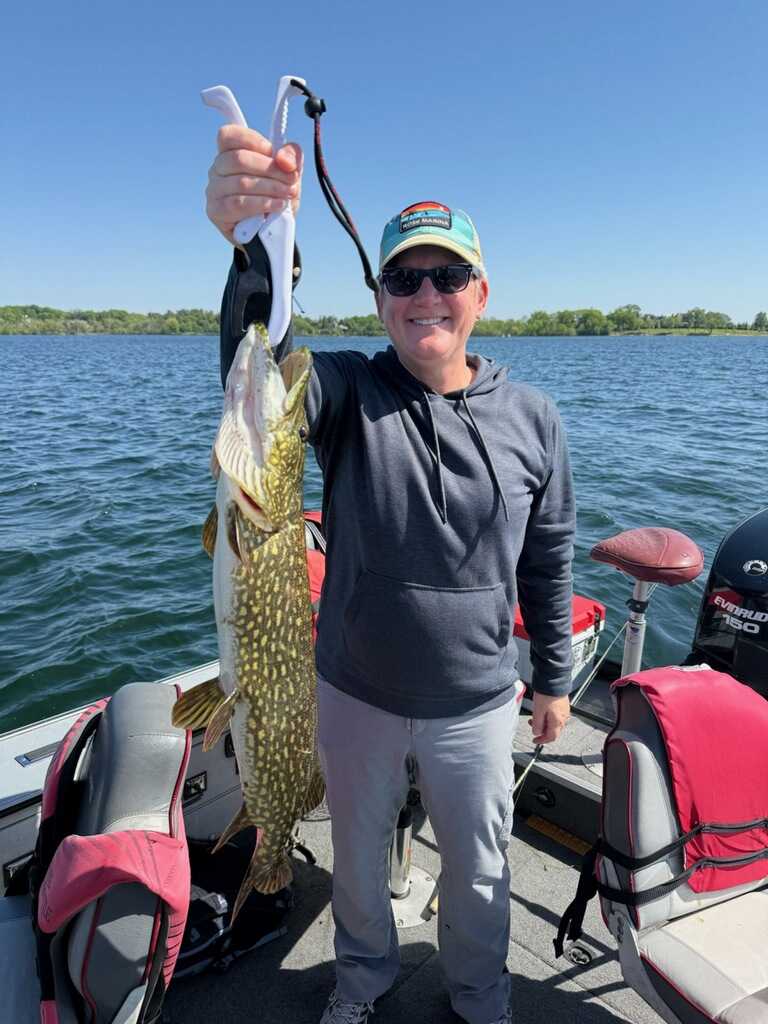
Northern Pike in Minnetonka are the lake's ultimate predators, lurking in weed edges and ambush points waiting for an easy meal. These toothy fighters range from 24 to 40 inches, with the occasional trophy exceeding 44 inches. Pike fishing peaks during cooler months when they're more active, but they can be caught year-round if you know where to look. What makes pike fishing so exciting is the explosive strike – there's nothing subtle about a 35-inch pike attacking a spinnerbait or live sucker. Dave typically targets them around vegetation edges, points, and shallow bays where they can use cover to their advantage. The key is using heavy enough tackle to turn them away from weeds while having a good net ready for the boat-side battle that always follows.
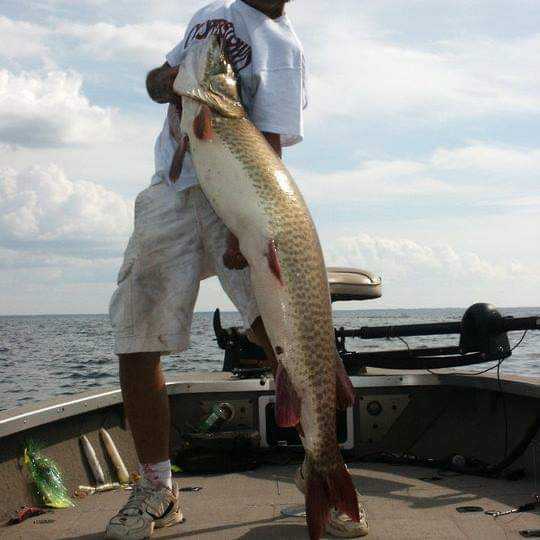
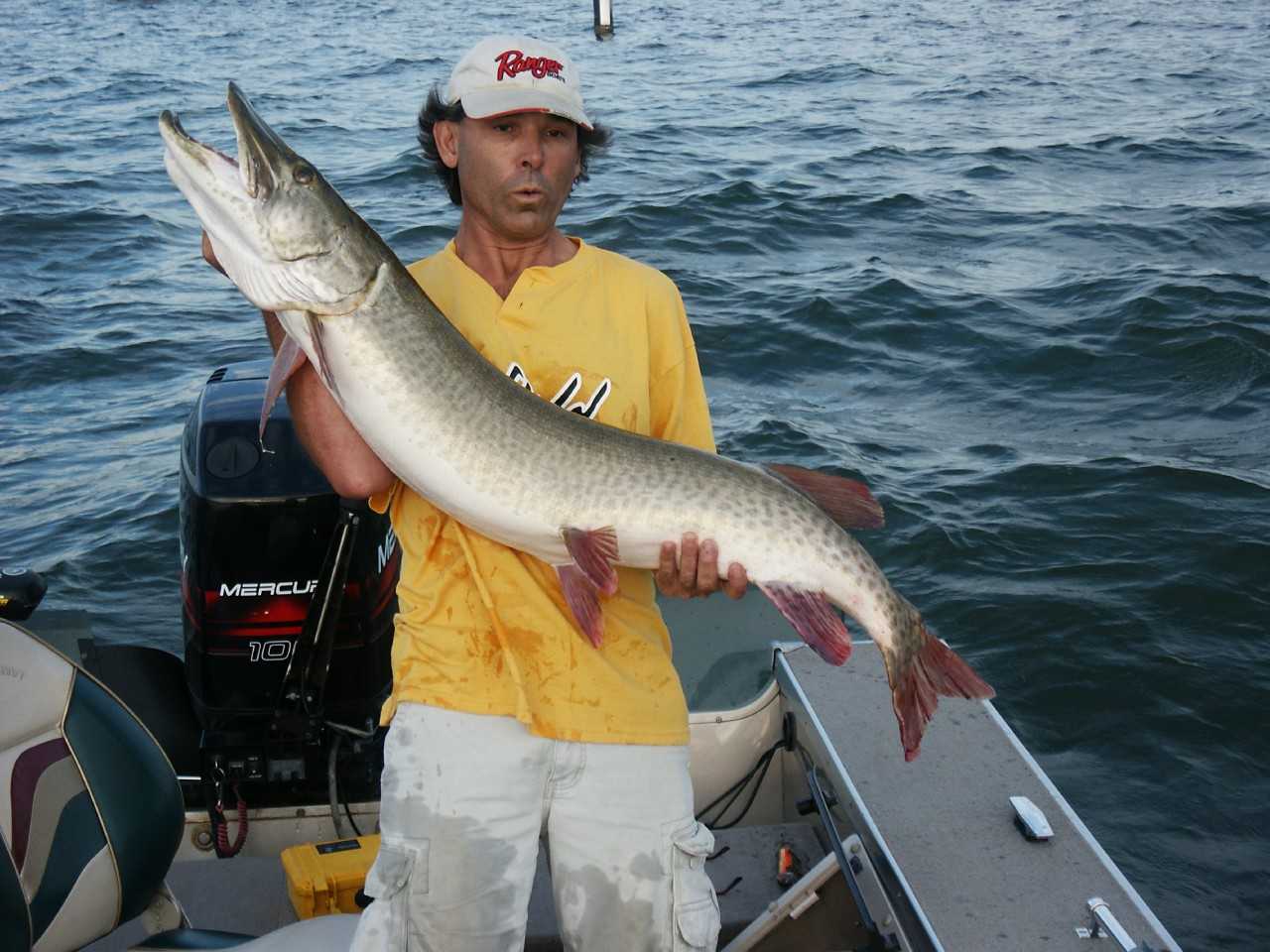
Muskellunge fishing represents the pinnacle of freshwater angling challenge, and Lake Minnetonka holds some true giants. These apex predators can exceed 50 inches and provide fights that'll test every aspect of your tackle and technique. Muskie are notorious for following lures without striking, requiring patience, persistence, and precise figure-eight boat-side techniques. Best action typically occurs during fall months when water temperatures drop an
 Private Trip
 Lakes/Reservoirs/Ponds Fishing
 Lake Minnetonka


 Full-day advanced fishing targeting crappie, walleye, muskie, bass, and pike