Full Day Monster Door Mat Fluke Charter Trip
If you're looking to land some serious flatfish in Montauk waters, Captain Joseph Podchaiski's 12-hour door mat fluke charter is exactly what you need. This isn't your typical half-day trip – we're talking about a full commitment to finding those trophy summer flounder that make Montauk famous. Captain Joseph has been working these waters for years, and he knows exactly where the big girls hang out. Whether you're a seasoned angler or someone who's never held a fishing rod, this charter welcomes everyone ready to put in the work for some world-class fluke fishing.
What to Expect on the Water
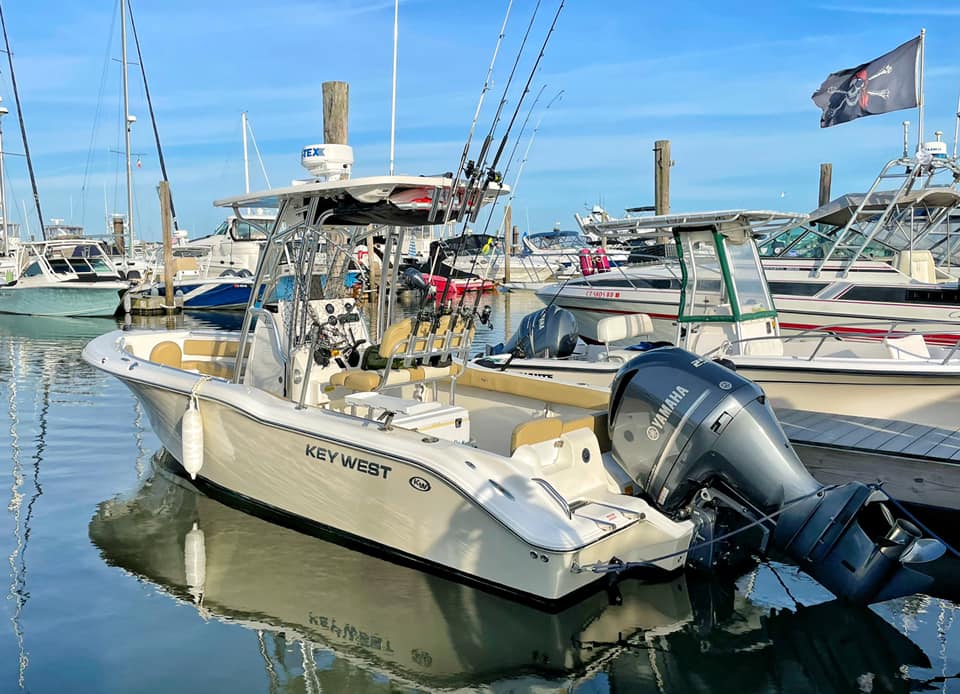
Your day starts early – and I mean early. We're talking before sunrise because that's when the magic happens with fluke fishing. Captain Joseph runs a tight ship with space for just four anglers, which means you get personal attention and plenty of room to work your lines without bumping elbows. The boat heads out to his top-rated fluke spots around Montauk Point, where the current, structure, and depth come together perfectly for holding big fish. You'll spend 12 hours working different areas, from shallow sandy bottoms to deeper drop-offs where the monster door mats like to ambush baitfish. Don't expect to sit around – this is active fishing that keeps you engaged all day long.
Drift Fishing Techniques
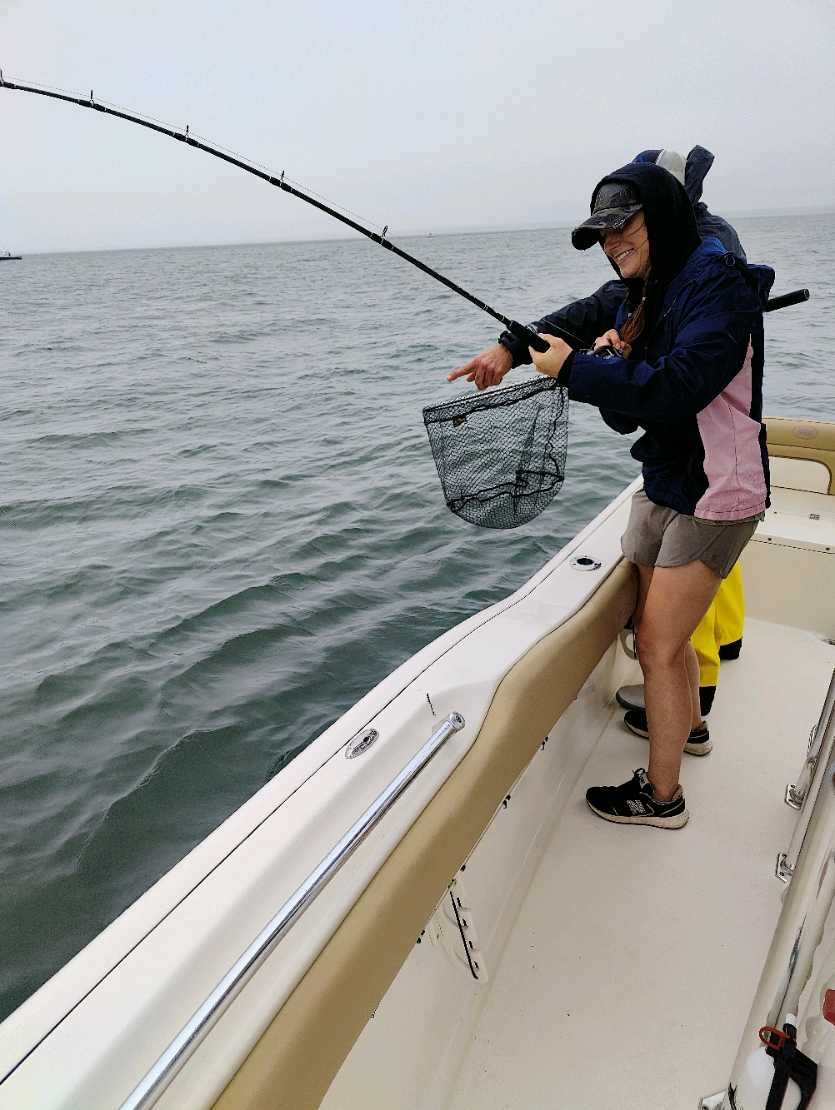
Fluke fishing is all about the drift, and Captain Joseph has this technique dialed in. We're using traditional fluke rigs with bucktails, squid strips, and various soft plastics that mimic the baitfish these flatfish can't resist. The boat drifts naturally with the current while you work your jig along the bottom – it's a rhythm you'll pick up quickly. The captain provides all the gear you need, including rods matched perfectly for fluke fishing, reels with smooth drags, and a tackle box full of proven producers. You'll learn to feel the difference between a fluke pickup and bottom contact, and trust me, when a big door mat grabs your bait, there's no mistaking it. The key is keeping your bait moving just off the bottom where these fish are actively hunting.
Top Catches This Season
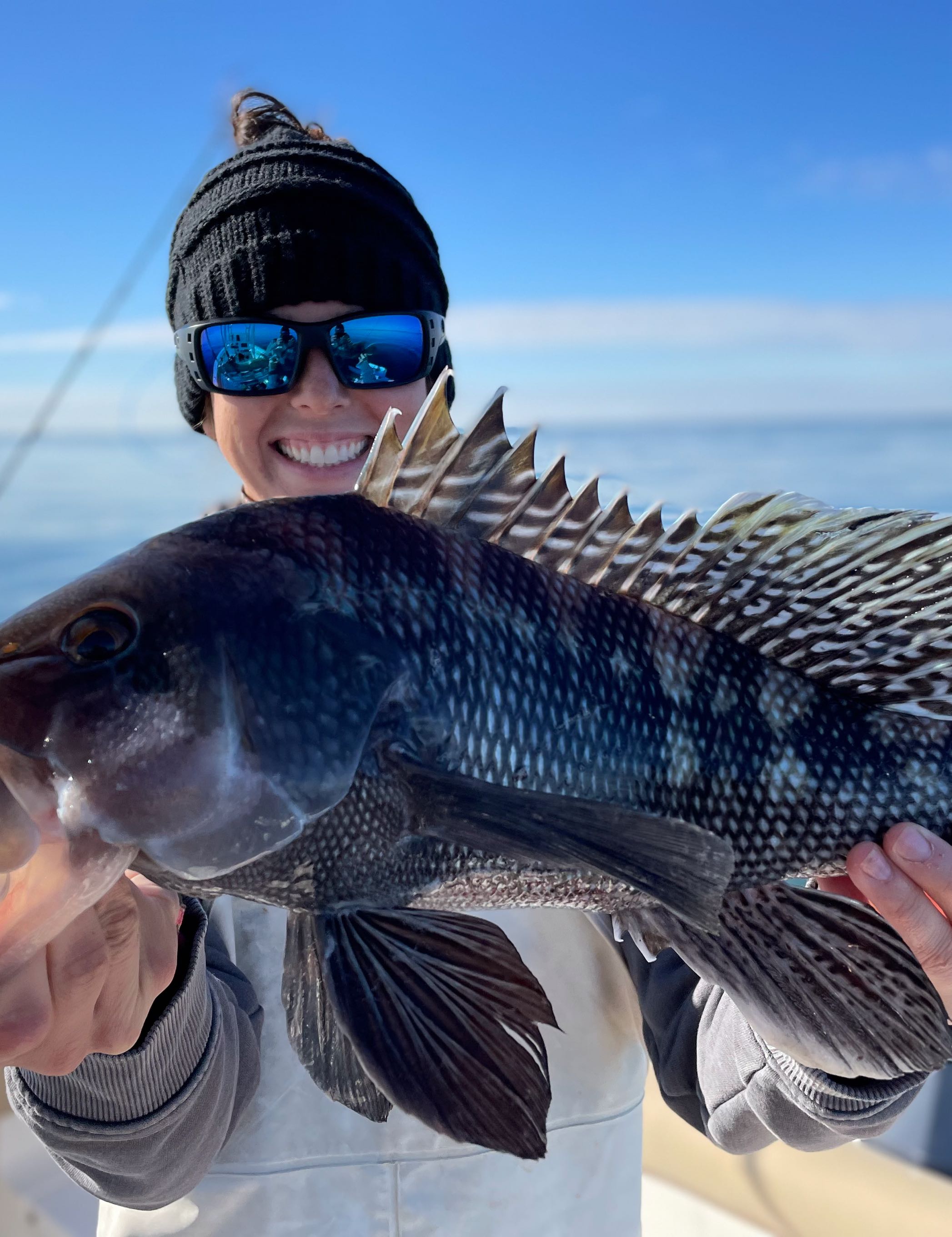
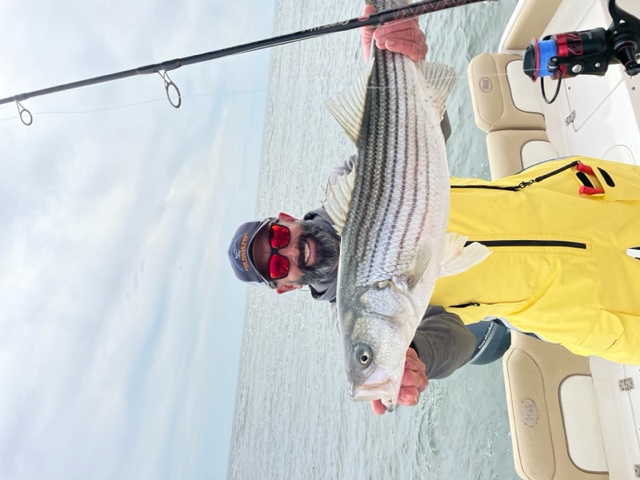
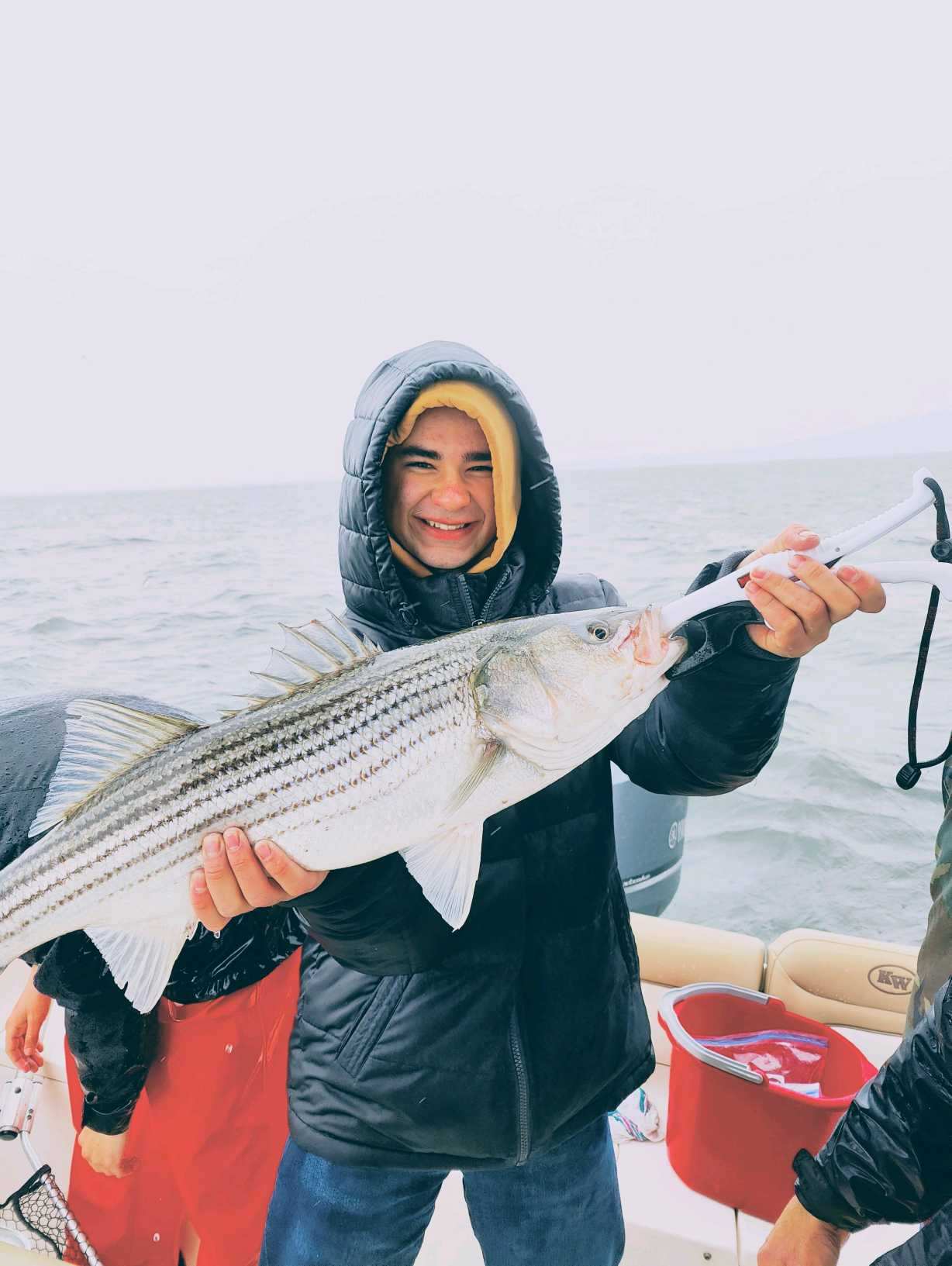
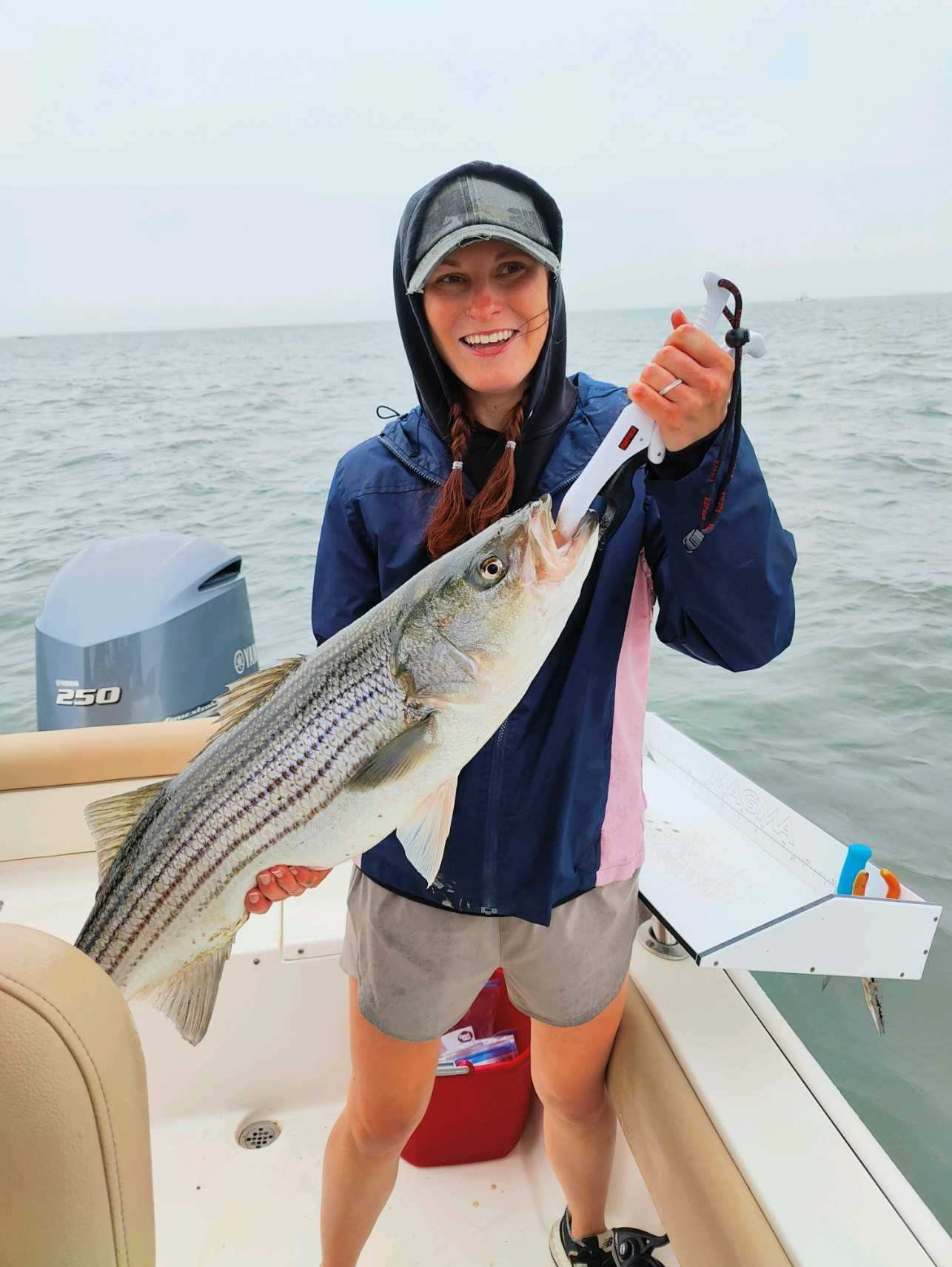
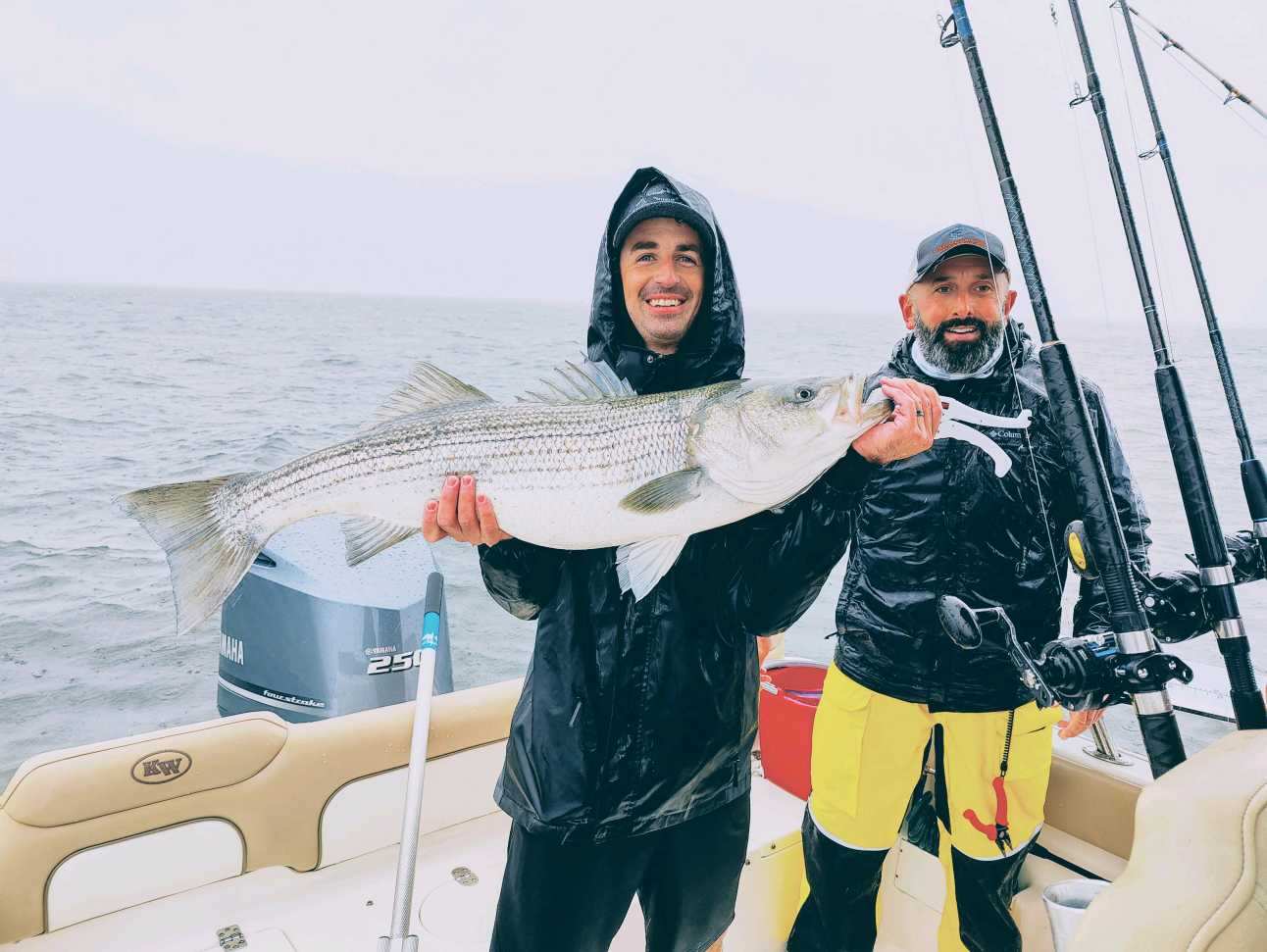
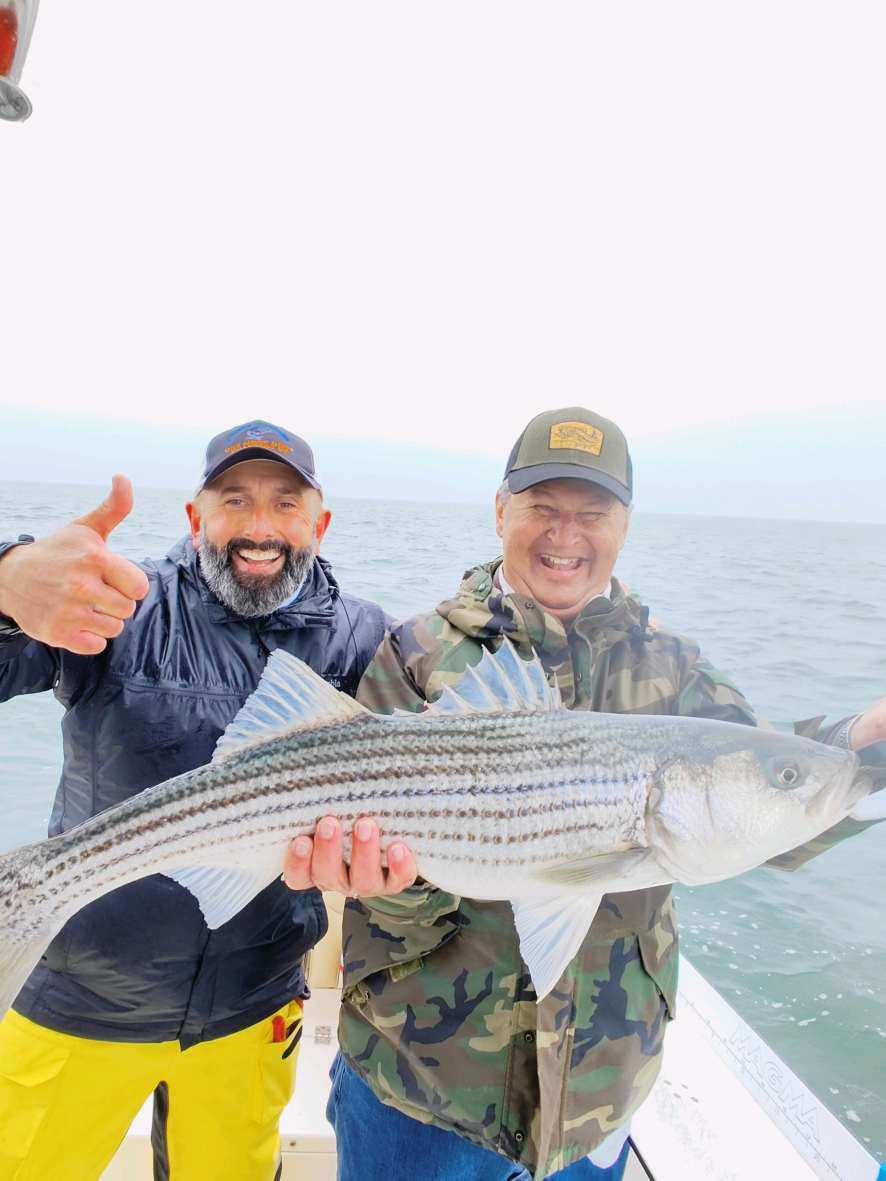
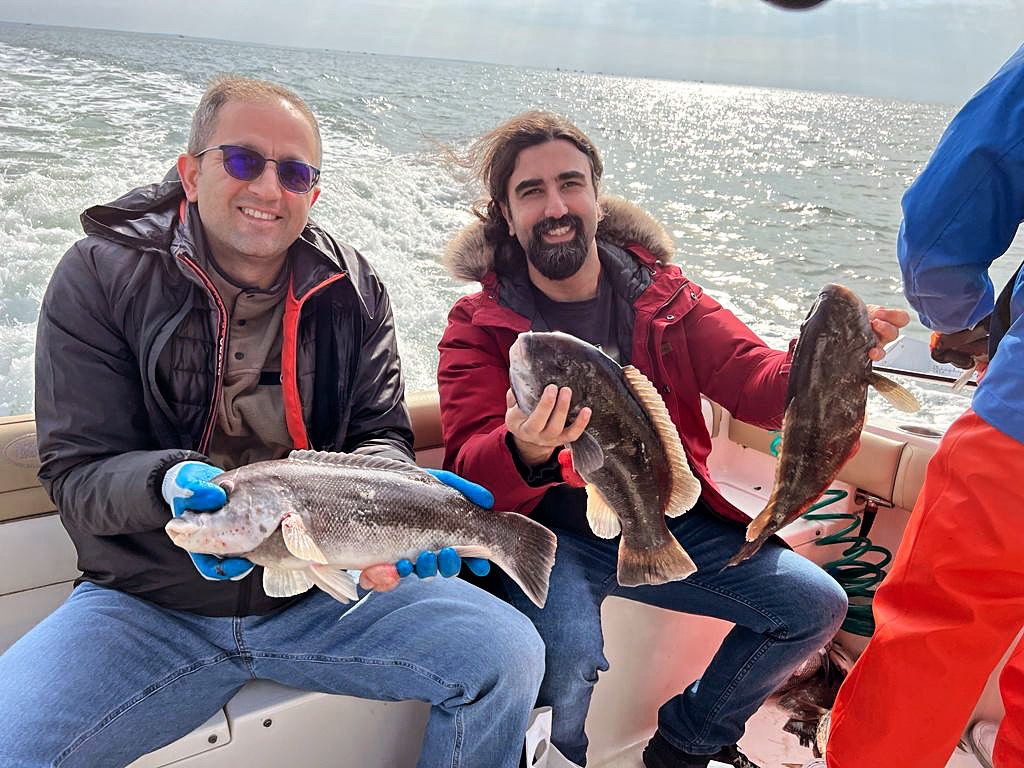
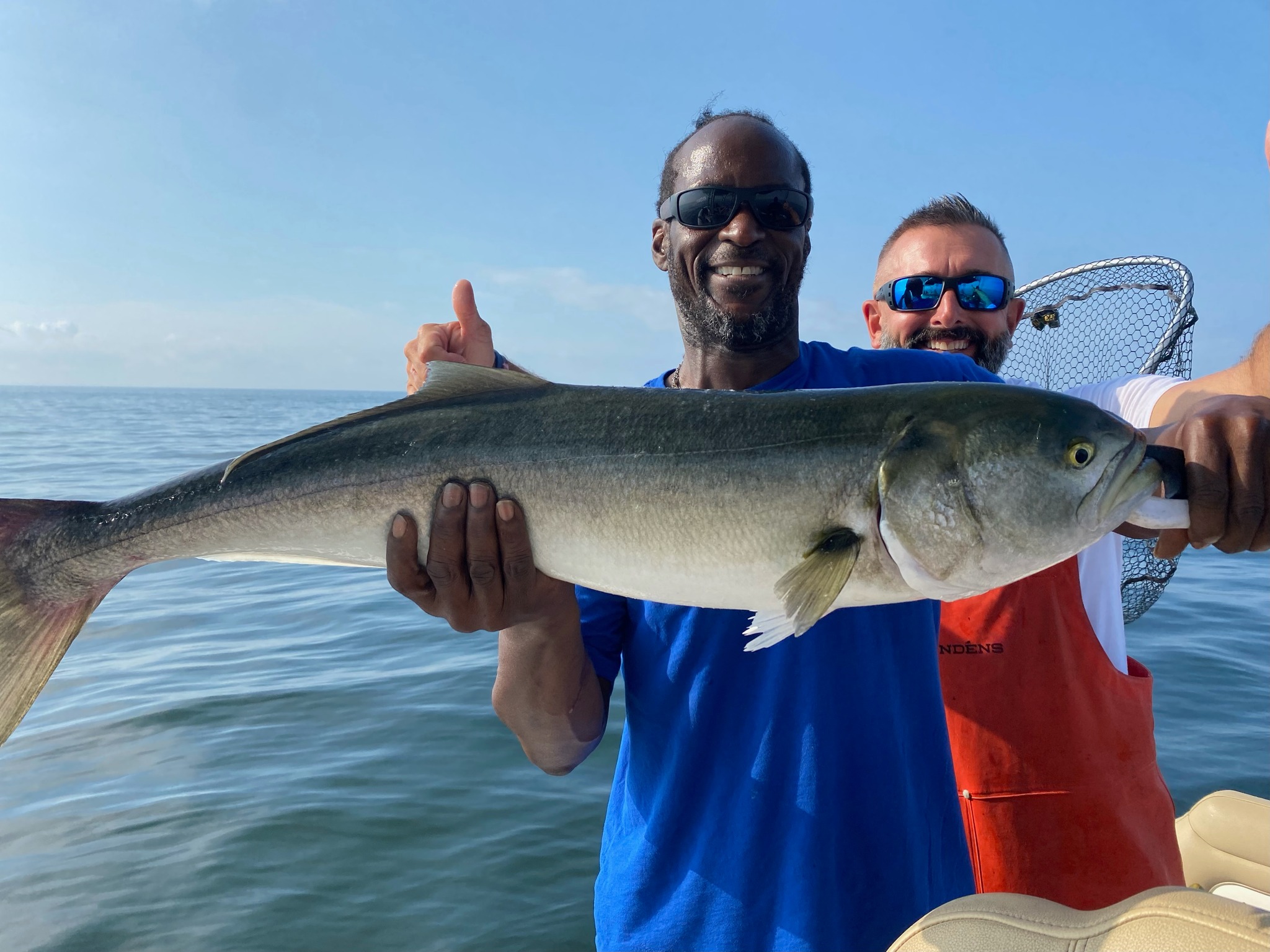
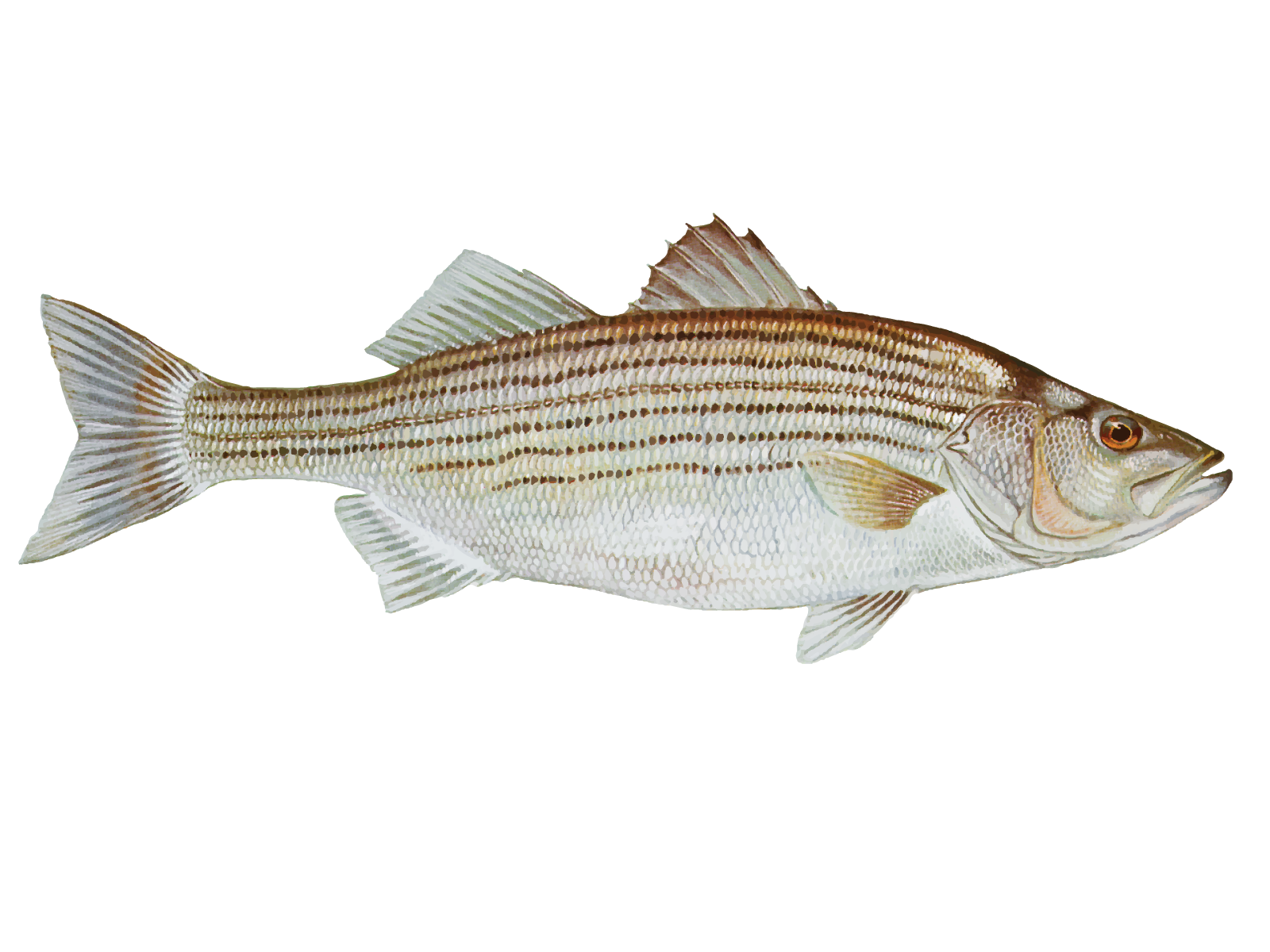
While this trip focuses on fluke, Montauk's waters are never predictable, and that's part of what makes it special. Striped bass are the crown jewel of Northeast fishing, and they're always a possibility when you're working the waters around Montauk Point. These fish can show up anywhere from 20 to 50 pounds, especially during their spring and fall migrations. They're aggressive fighters that will test your drag and make your arms burn. Black sea bass are another customer favorite that often show up while fluke fishing. These chunky bottom dwellers are excellent table fare and put up a surprising fight for their size. They love the same rocky structure and current breaks that hold big fluke, so it's common to have mixed bags throughout the day.
Species You'll Want to Hook
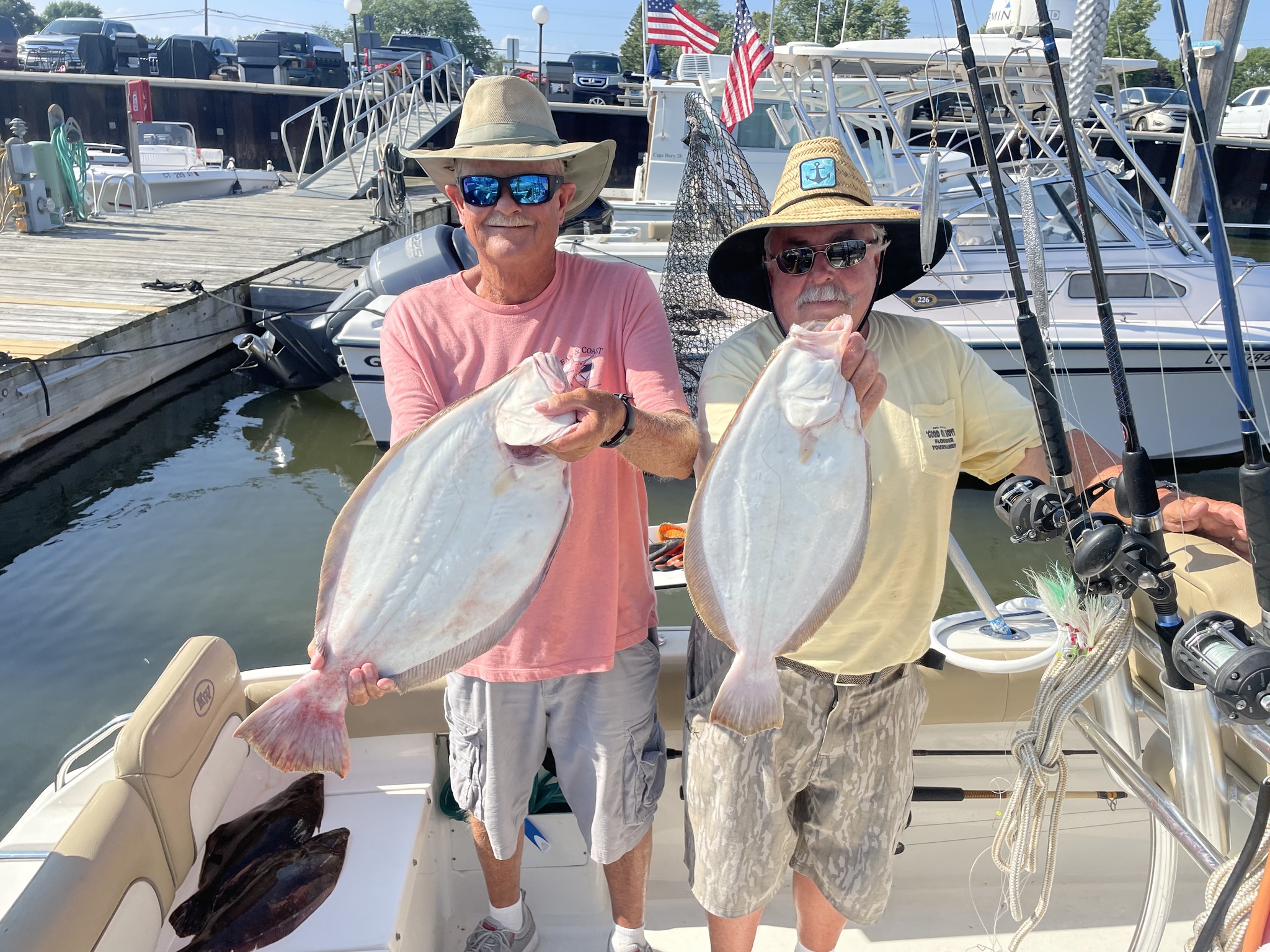
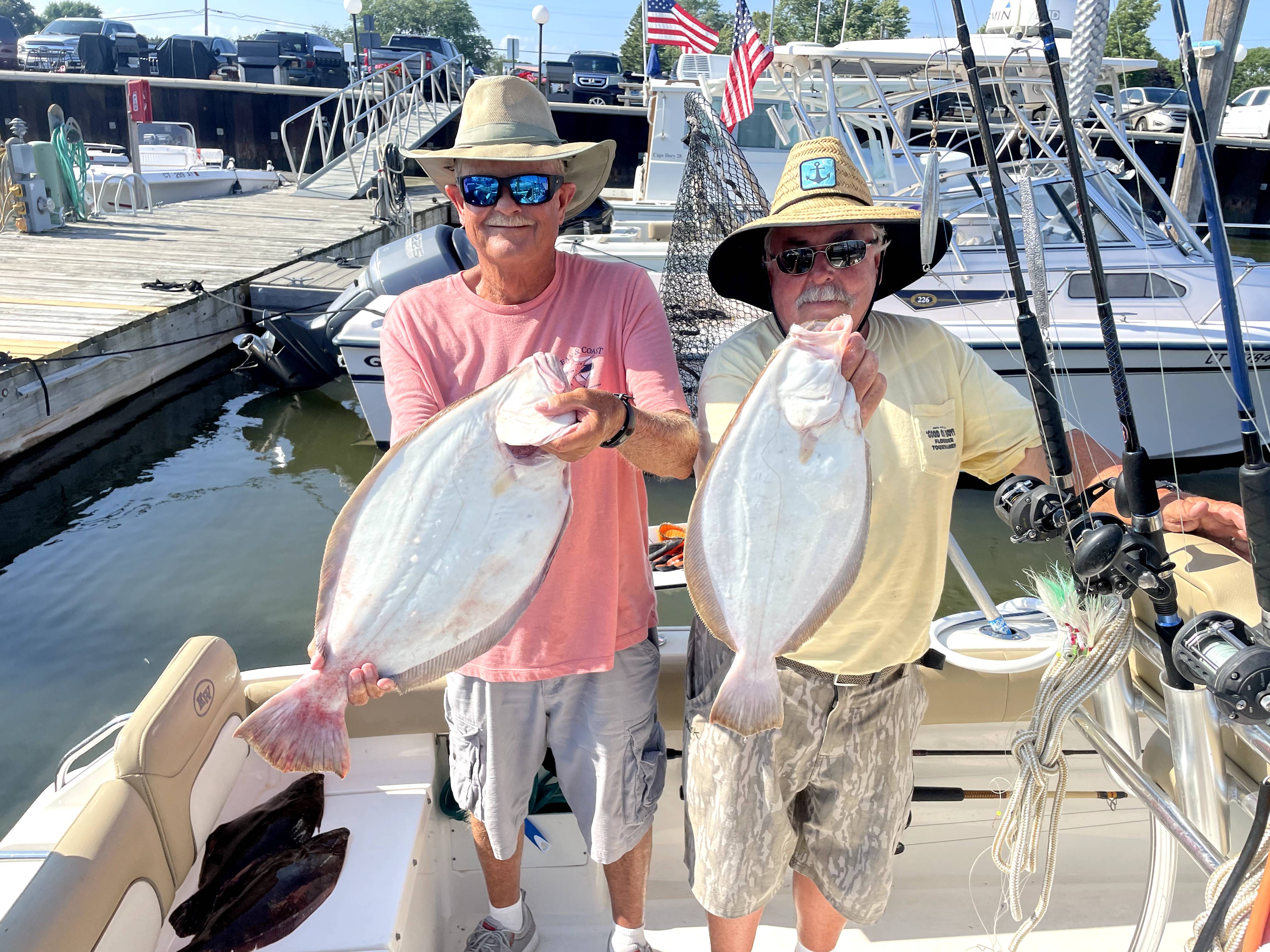
Summer flounder, or fluke as every local calls them, are the star of this show. These flatfish are masters of disguise, burying themselves in sand and mud waiting to ambush passing prey. The best fluke fishing in Montauk runs from late spring through early fall, with July and August producing the biggest door mats. What makes them so exciting to catch isn't just their size – though 5 to 10-pound fish are common with occasional giants pushing 15 pounds or more – it's their fighting style. A big fluke will make long runs and use its flat body to plane through the water like a kite, creating steady pressure that tests your technique.
Striped bass around Montauk are legendary for good reason. These fish migrate through these waters twice a year, and when they're here, the fishing can be absolutely phenomenal. Spring fish are often the biggest, with bass in the 40 to 50-pound range not uncommon. They're smart fish that have seen every lure and bait, making them a real challenge even for experienced anglers. The fight is what keeps people coming back – long runs, head shakes, and pure power that makes your reel sing.
Black sea bass might be smaller than the other species, but don't underestimate these fish. They're incredibly abundant around Montauk's rocky bottom and structure, and they're some of the best eating fish in the ocean. Most fish run 2 to 5 pounds, but the occasional jumbo can hit 7 or 8 pounds. They're also one of the most reliable species – when the fluke bite slows down, you can usually count on sea bass to keep the action going.
Time to Book Your Spot
Captain Joseph's full day fluke charters book up fast, especially during peak summer season when the door mat fluke fishing is at its best. With only four spots available, this trip offers the personal attention and fish-finding expertise that makes the difference between a good day and a great day on the water. You're not just paying for boat time – you're getting access to years of local knowledge, top-notch equipment, and a captain who's as committed to your success as you are. The 12-hour format gives you the best shot at finding active fish and puts you on the water during prime feeding times that shorter trips often miss. Book today and get ready for some serious fluke fishing that'll have you planning your next trip before this one's even over.
 Private Trip
 Inshore Fishing
 Clinton, CT

 12-hour inshore fluke fishing charter targeting monster door mat catches