Half Day Light Tackle Fishing in Galveston
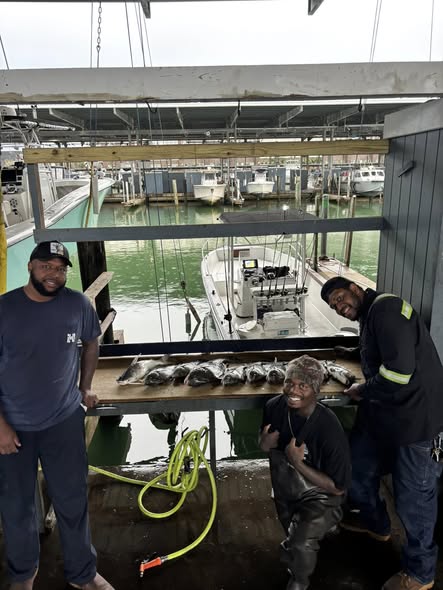
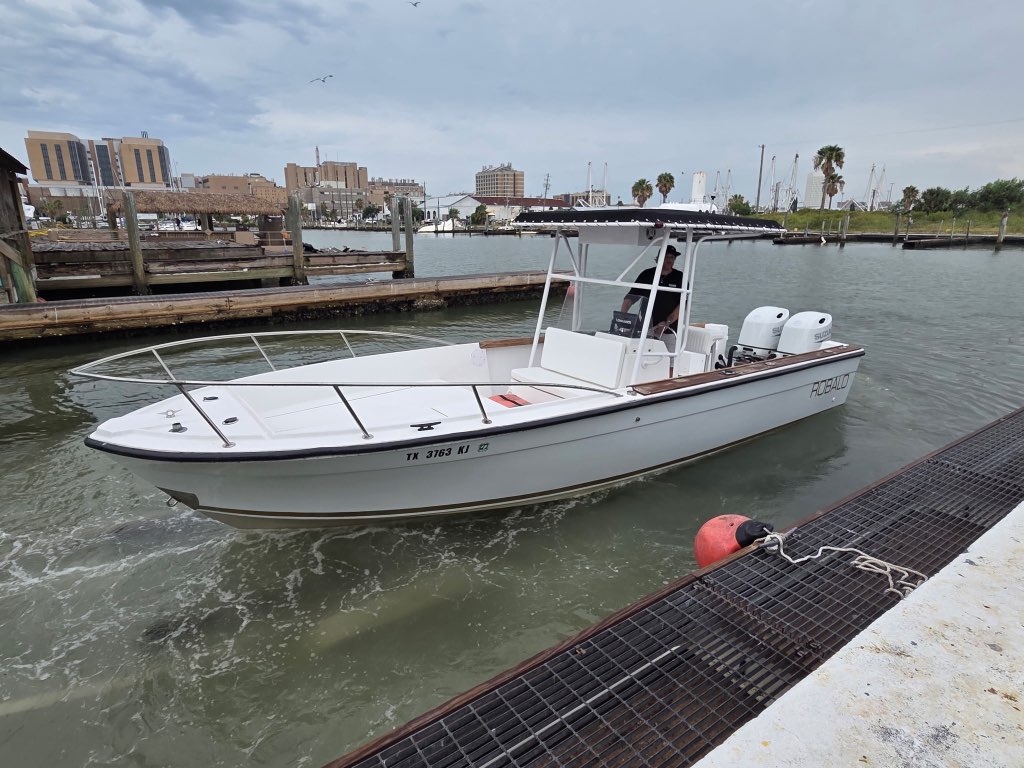
Captain John's afternoon fishing trips offer exactly what Galveston Bay anglers are looking for – productive waters, reliable techniques, and a captain who knows where the fish are biting. This 4-hour adventure takes you out on a well-equipped 26ft Robalo Bay Boat powered by twin 200HP Suzuki engines, giving you the speed and stability needed to hit multiple fishing spots during your trip. Whether you're new to saltwater fishing or you've been working these waters for years, Captain John tailors each outing to match your crew's experience level while keeping everyone engaged with steady action.
What to Expect on the Water
Your afternoon starts with a quick rundown of the day's game plan as Captain John fires up those twin Suzukis and heads toward his current hot spots. The beauty of Galveston Bay fishing lies in its variety – you're not stuck fishing one technique or targeting just one species all day. The captain reads the conditions and adjusts accordingly, maybe starting with some cork fishing over grass beds where redfish are cruising, then moving to structure for sheepshead, or hitting deeper channels where black drum are holding. The boat's layout gives everyone plenty of room to fish comfortably, and with only 3 anglers max, you're not fighting for elbow room or waiting forever for your turn at the best spots. All fishing gear is provided, so you just need to bring your Texas fishing license and be ready to learn some new tricks.
Techniques That Get Results
Captain John rotates between proven methods that consistently produce fish in Galveston's diverse waters. Cork fishing involves suspending live or cut bait under a popping cork, letting you work shallow flats and grass beds where redfish and trout feed. When the bite calls for it, you'll switch to bottom fishing with heavier weights to get down to structure-loving species like sheepshead and black drum. Drift fishing lets the boat move naturally with wind and current while you cover more water, perfect for finding scattered schools of trout or flounder. Trolling comes into play when fish are spread out or when you need to locate active schools quickly. Each technique requires different rod setups and bait presentations, but the captain handles all the technical stuff while teaching you the basics. Live shrimp, cut bait, and artificial lures all have their place depending on what's working that day.
Customer Stories
"We had a great time with Caption John. He was able to find us multiple places to catch a variety of fish. A wonderful afternoon." - Ashley
Species You'll Want to Hook
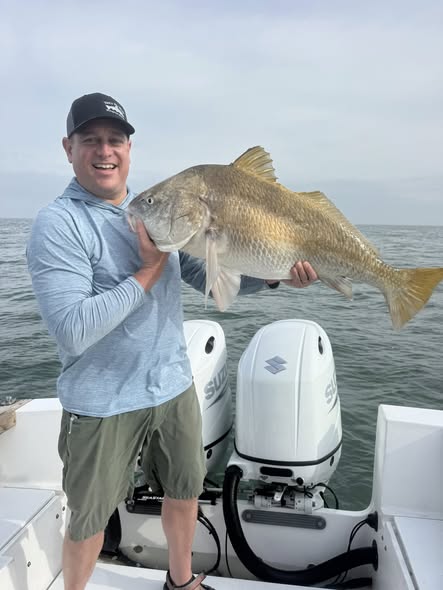
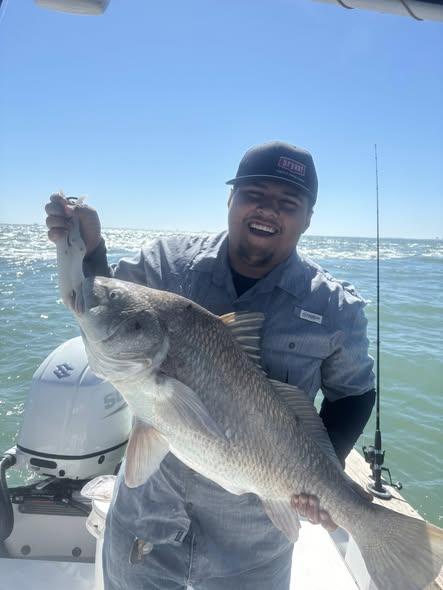
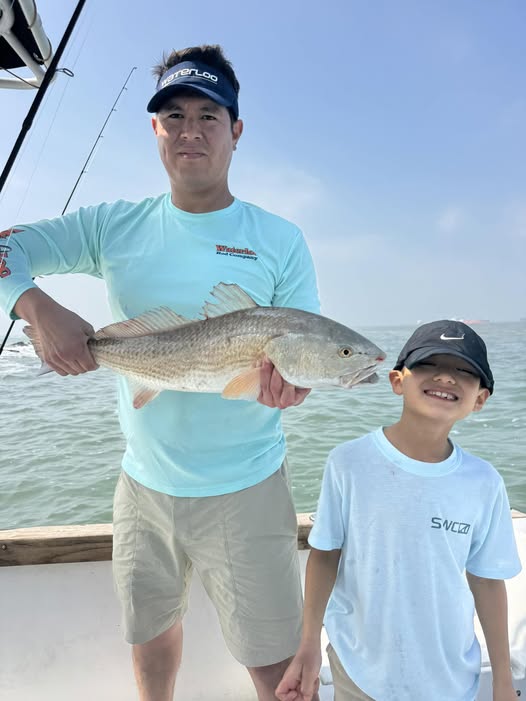
Redfish are the crown jewel of Galveston Bay fishing, and these copper-colored fighters give you everything you want in a gamefish. They hit hard, make long runs, and fight right to the boat. Reds in these waters typically range from 20 to 30 inches, with some oversized bulls pushing the 40-inch mark. They feed aggressively in shallow water, especially around oyster reefs and grass flats during moving tides. What makes them special is their willingness to eat just about anything – live shrimp, cut mullet, or artificial lures all work when presented properly. The satisfaction of watching a big red crush a topwater lure in 2 feet of water never gets old.
Sea Trout provide consistent action and excellent table fare, making them a favorite target for both serious anglers and families. These spotted beauties average 14 to 18 inches in Galveston Bay, with occasional "gator trout" exceeding 20 inches. They're structure-oriented fish that hold around drop-offs, shell beds, and channel edges. Trout bite best during low-light periods, making afternoon trips perfect as the sun starts to drop. They're also one of the most cooperative species for beginners – they don't require perfect presentations and will often give you a second chance if you miss the initial hookset.
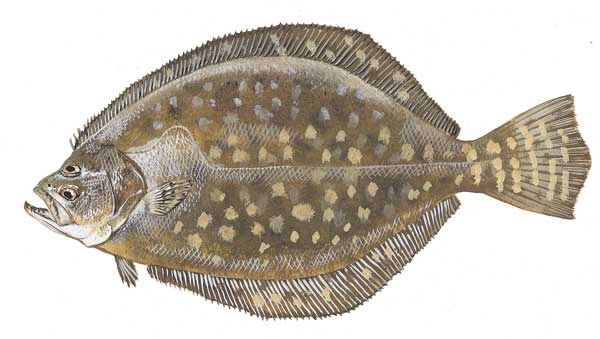
Southern Flounder are the ultimate ambush predators, lying camouflaged on sandy bottoms waiting for unsuspecting prey to swim by. These flatfish can grow surprisingly large in Galveston waters, with keeper-sized fish running 15 to 20 inches and occasional doormat flounder reaching 24 inches or more. They're prized for their mild, flaky white meat that's considered among the best eating fish in the Gulf. Flounder fishing requires patience and technique – you need to keep your bait on or near the bottom and be ready for their subtle bite. When hooked, they put up a bulldogging fight that's different from other species.
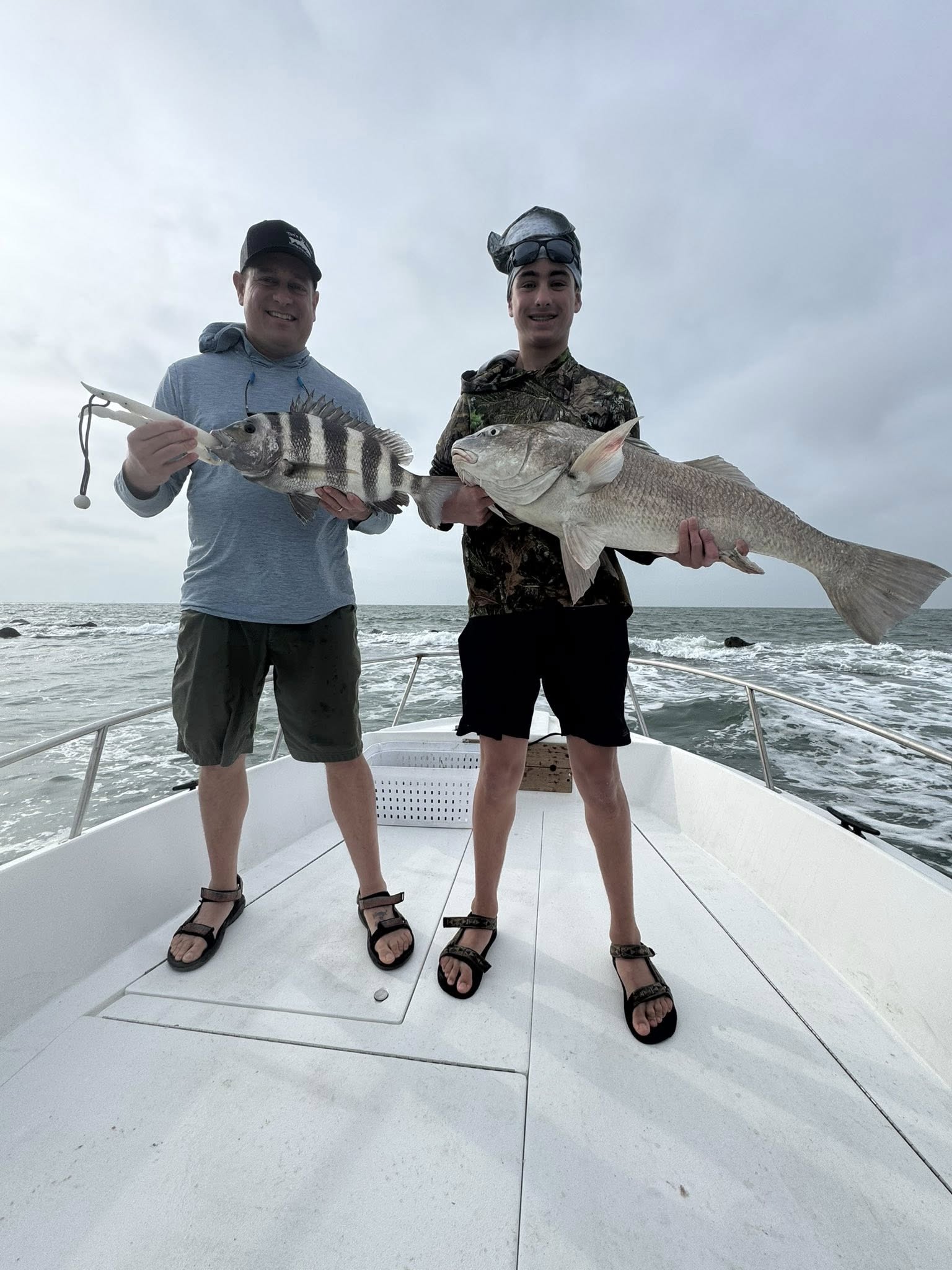
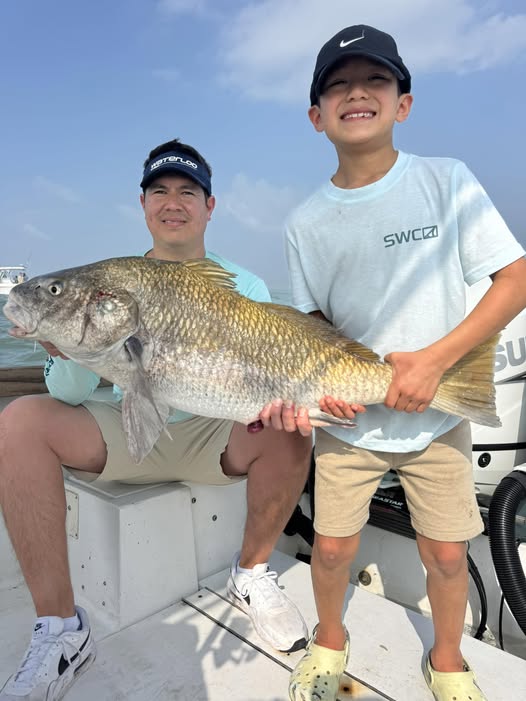
Black Drum are the heavyweights of the bay, with mature fish capable of reaching 30 to 50 pounds, though most caught during these trips run 5 to 15 pounds. They're bottom feeders with powerful jaws designed for crushing oysters and crabs, so when one grabs your bait, you'll know it immediately. These fish are incredibly strong and will test your drag system with long, steady runs. They're most active around structure like jetties, bridge pilings, and oyster reefs. Black drum provide excellent eating in the smaller sizes and offer a legitimate chance at landing the biggest fish of your trip.
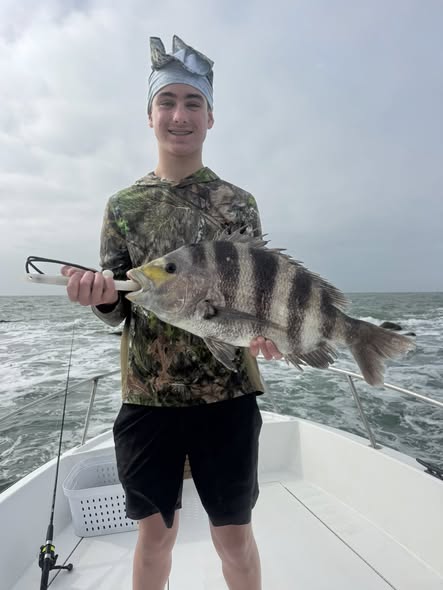
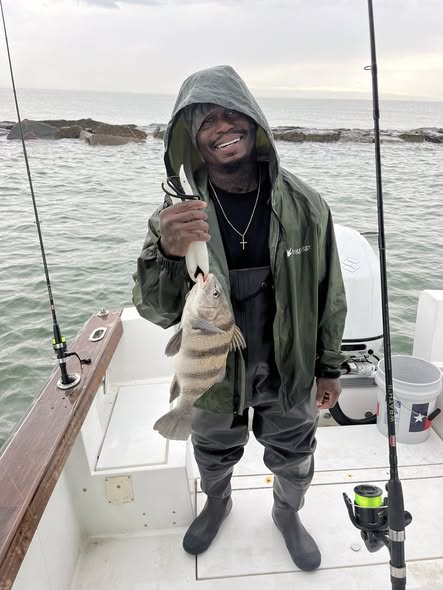
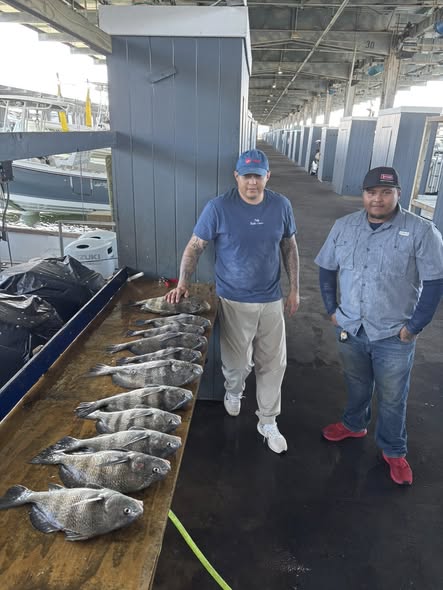
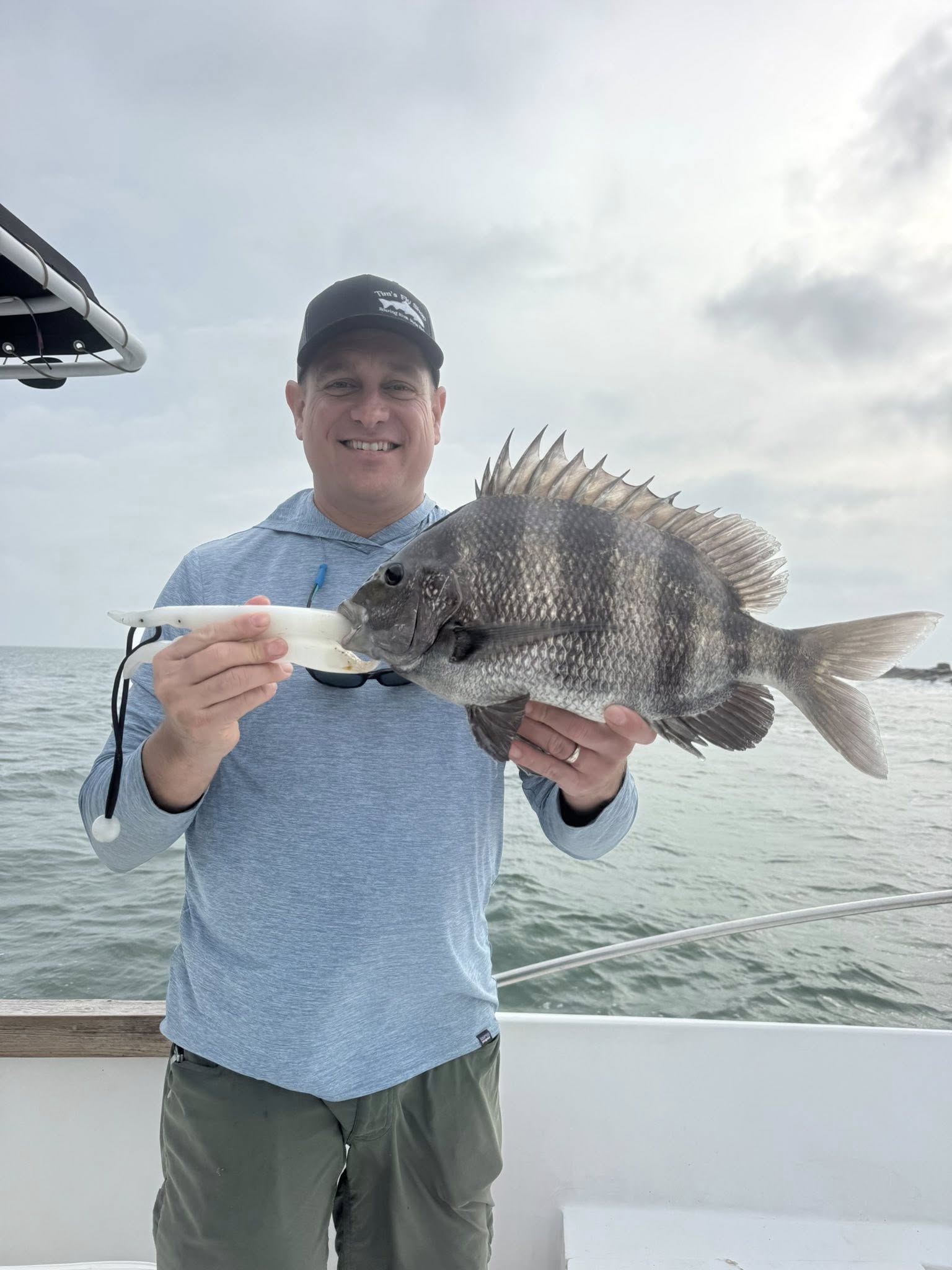
Sheepshead are often called the "convict fish" due to their distinctive black and white stripes, and they're notorious for being bait thieves with their small mouths and quick reflexes. But that's exactly what makes catching them so satisfying – they require skill and patience to hook consistently. These fish live around any hard structure in the bay, especially bridge pilings, jetties, and oyster reefs. They average 12 to 16 inches in these waters, with occasional slabs pushing 18 inches. Sheepshead are excellent table fare with firm, white meat, and they're available year-round in Galveston Bay, making them a reliable target when other species are less cooperative.
Time to Book Your Spot
 5.0(1 Reviews)
 Private Trip
 Inshore Fishing
 Galveston


 Four-hour afternoon trip targeting redfish, trout, and sheepshead