Night Walleye Fishing on Otter Tail Lake
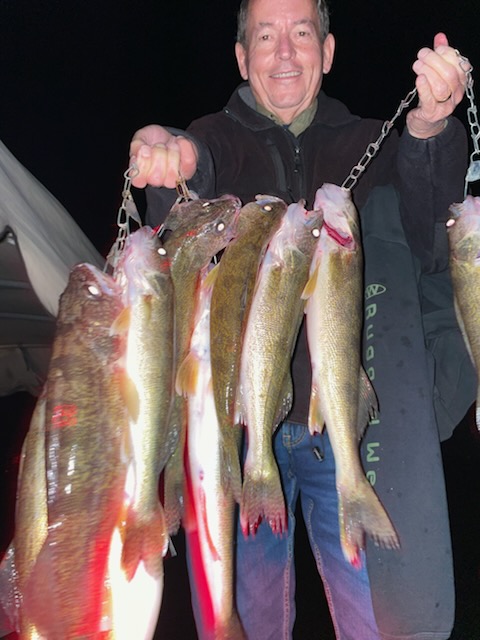
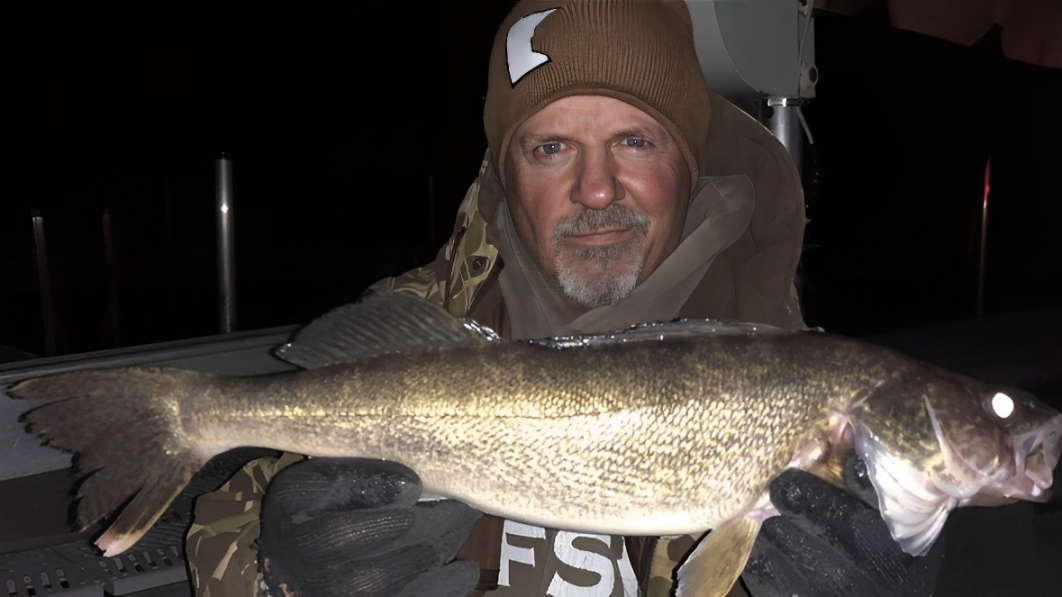
Picture this: the sun's gone down, the lake's gone quiet, and that's when Otter Tail's walleye really wake up. I'm talking about prime-time fishing when these fish move shallow and start feeding heavy. This isn't your typical daytime charter – we're hitting the water at 9 PM when most folks are heading home, because that's exactly when the action heats up. Living right on Otter Tail Lake and guiding here full-time means I know every drop-off, every weed edge, and every spot where these walleye like to hunt after dark. From the Minnesota opener in May straight through October, I'll put you on fish that have made this lake famous among serious anglers.
What to Expect on the Water
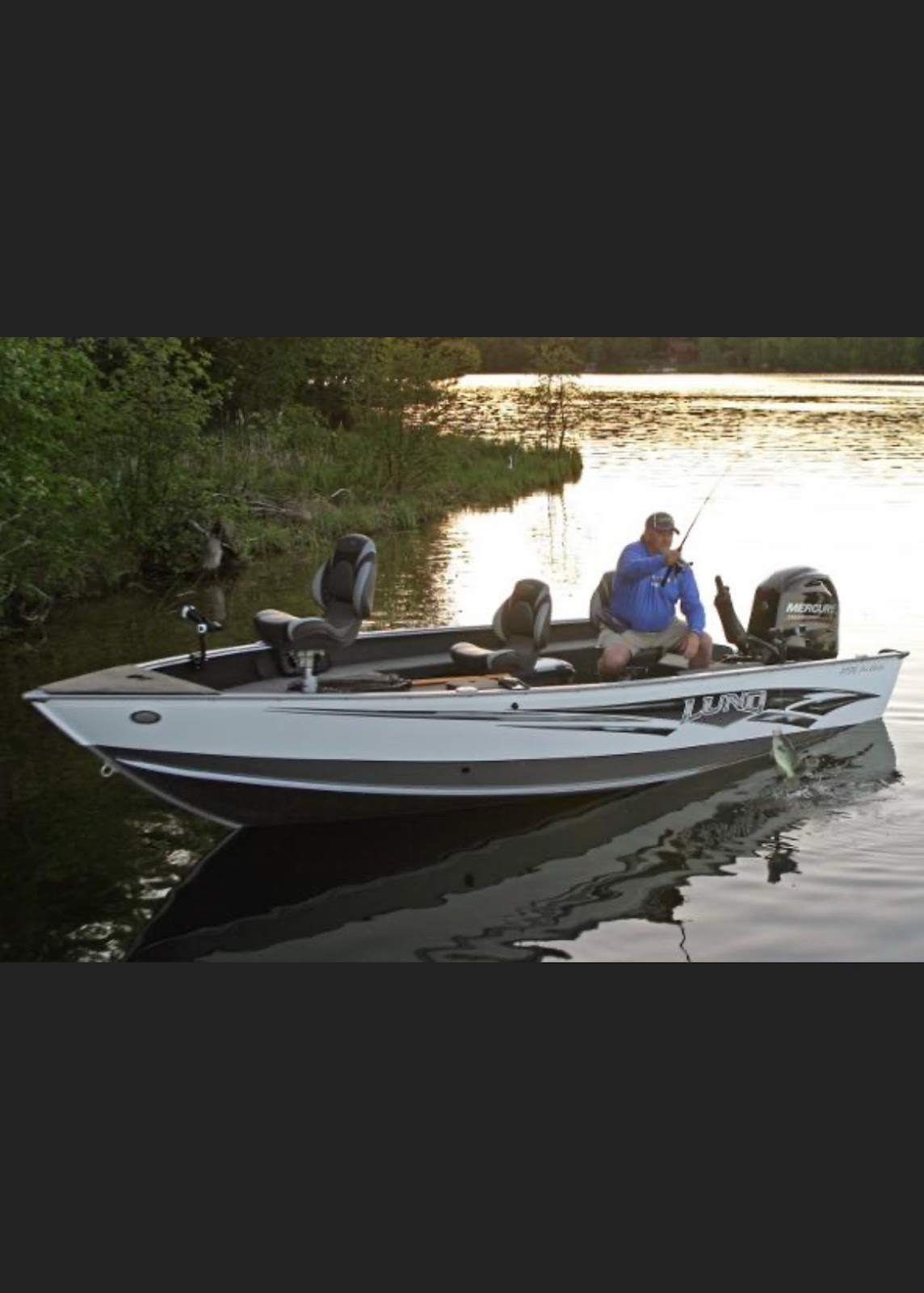
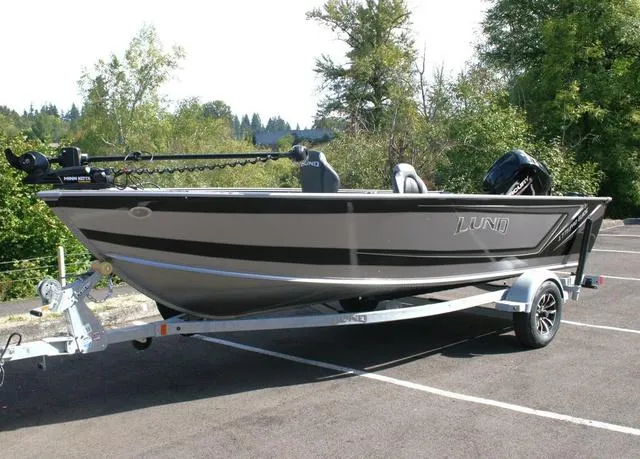
We're talking four solid hours of prime walleye time, from 9 PM to 1 AM when these fish are most active. Otter Tail Lake transforms after sunset – the boat traffic dies down, the water calms, and suddenly you're in a completely different world. The fish that were spooked or sitting deep all day start moving up into fishable water, cruising the edges and flats where we can actually get at them. I provide all the rods, reels, tackle, and bait you'll need, so you can focus on fishing instead of wondering if you brought the right setup. The boat's equipped with everything we need to stay safe and comfortable during night fishing, including proper lighting that won't spook the fish but keeps us fishing effectively. Just bring your valid Minnesota fishing license, dress for the weather (nights can get cool even in summer), and pack whatever snacks or drinks you want for the trip.
Techniques & Night Tactics
Night walleye fishing is a whole different game than daytime techniques, and that's what makes it so productive. We'll be working jigs and live bait along structure, using bottom bouncers with crawler harnesses, and sometimes pulling cranks over the flats when fish are scattered. The key is reading the electronics and understanding how walleye behave in low light – they're ambush predators that use darkness to their advantage, moving into areas they'd never touch during the day. I'm constantly adjusting our approach based on water temperature, wind direction, and what the fish are telling us through the rod tips. Some nights they want a slow, methodical presentation along the bottom, other times they're aggressive and chase moving baits. The beauty of fishing Otter Tail exclusively is knowing exactly where to start and having multiple backup spots when we need to make moves.
Top Catches This Season
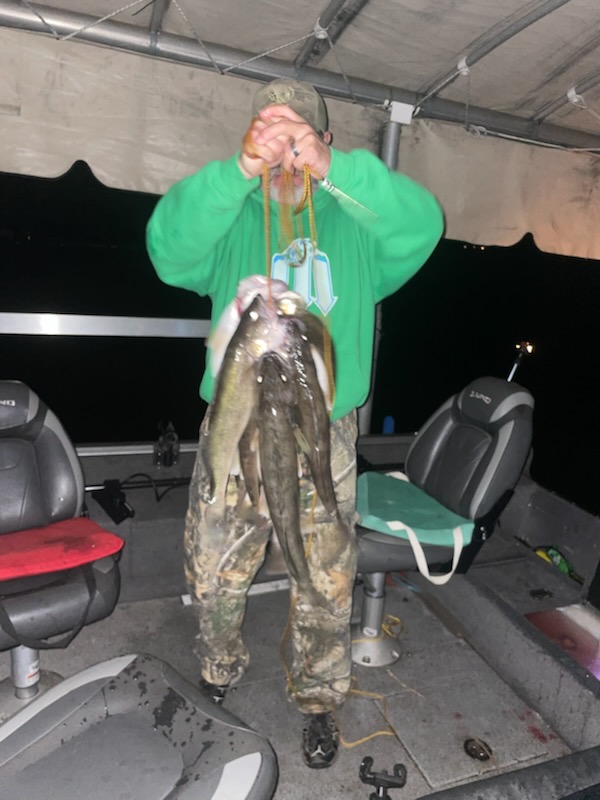
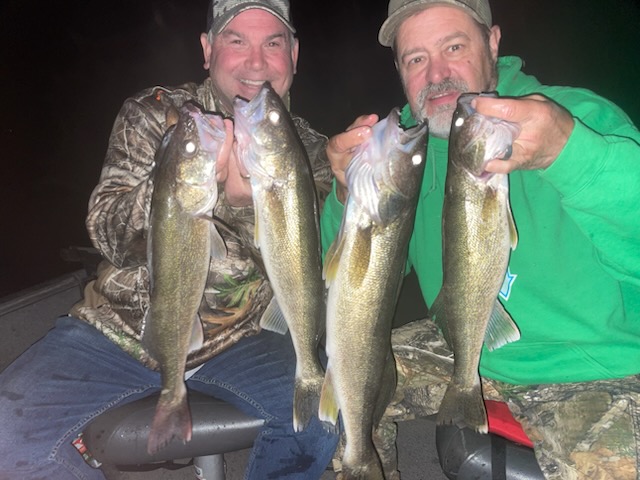
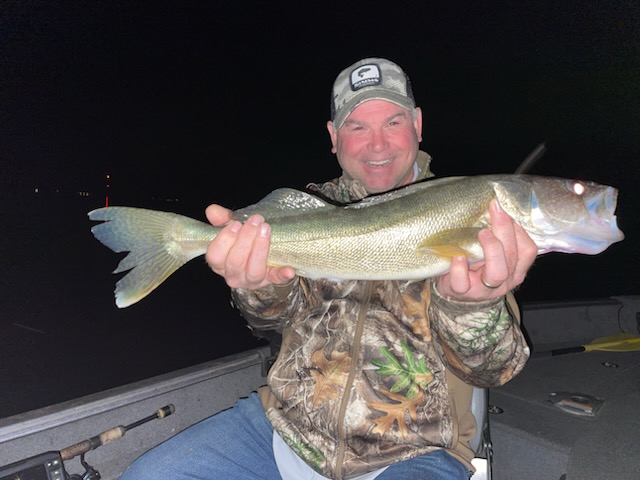
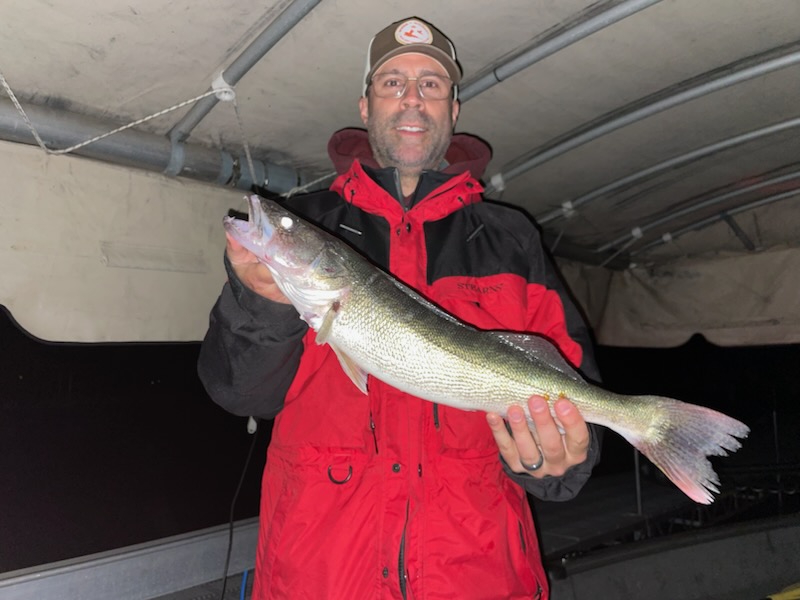
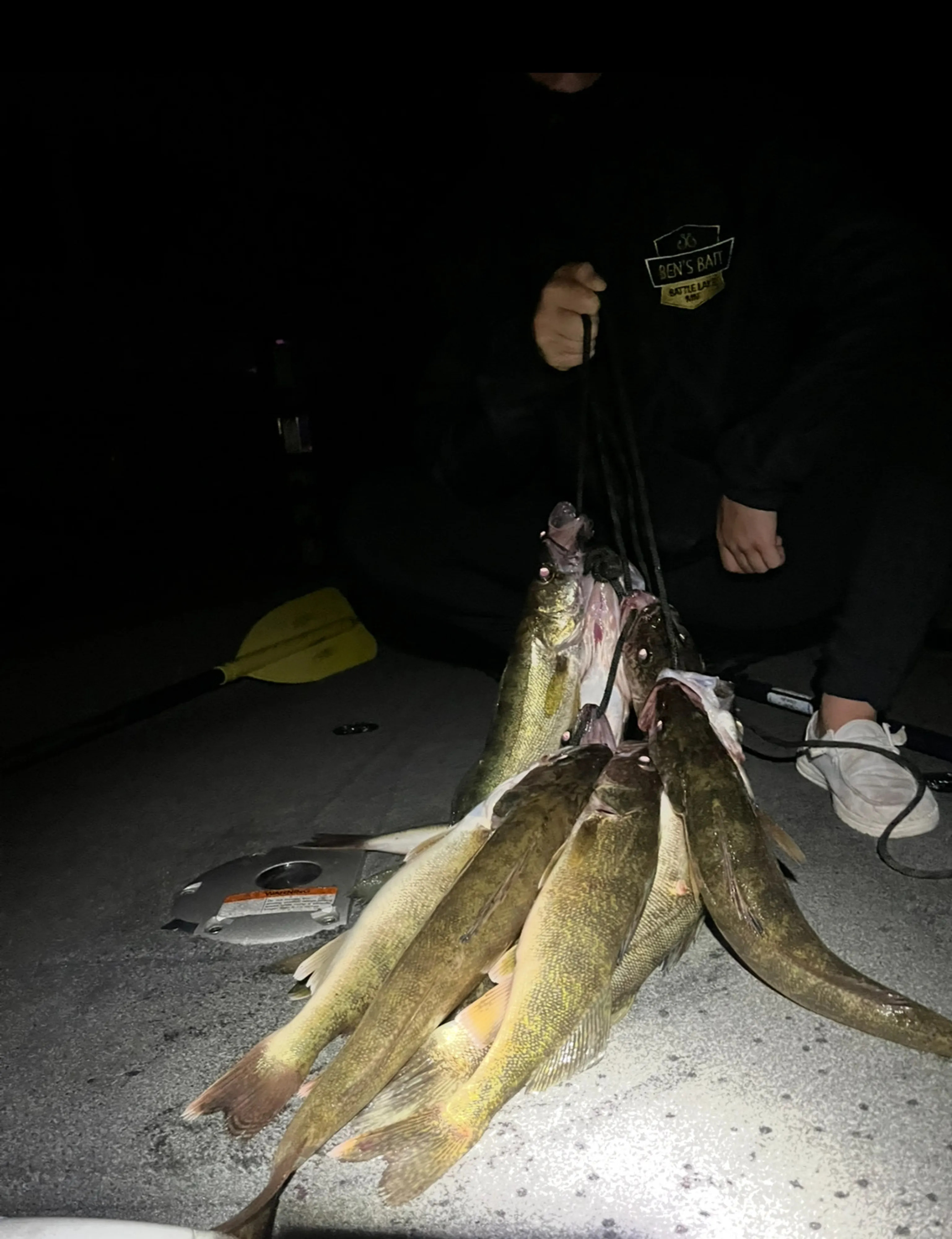
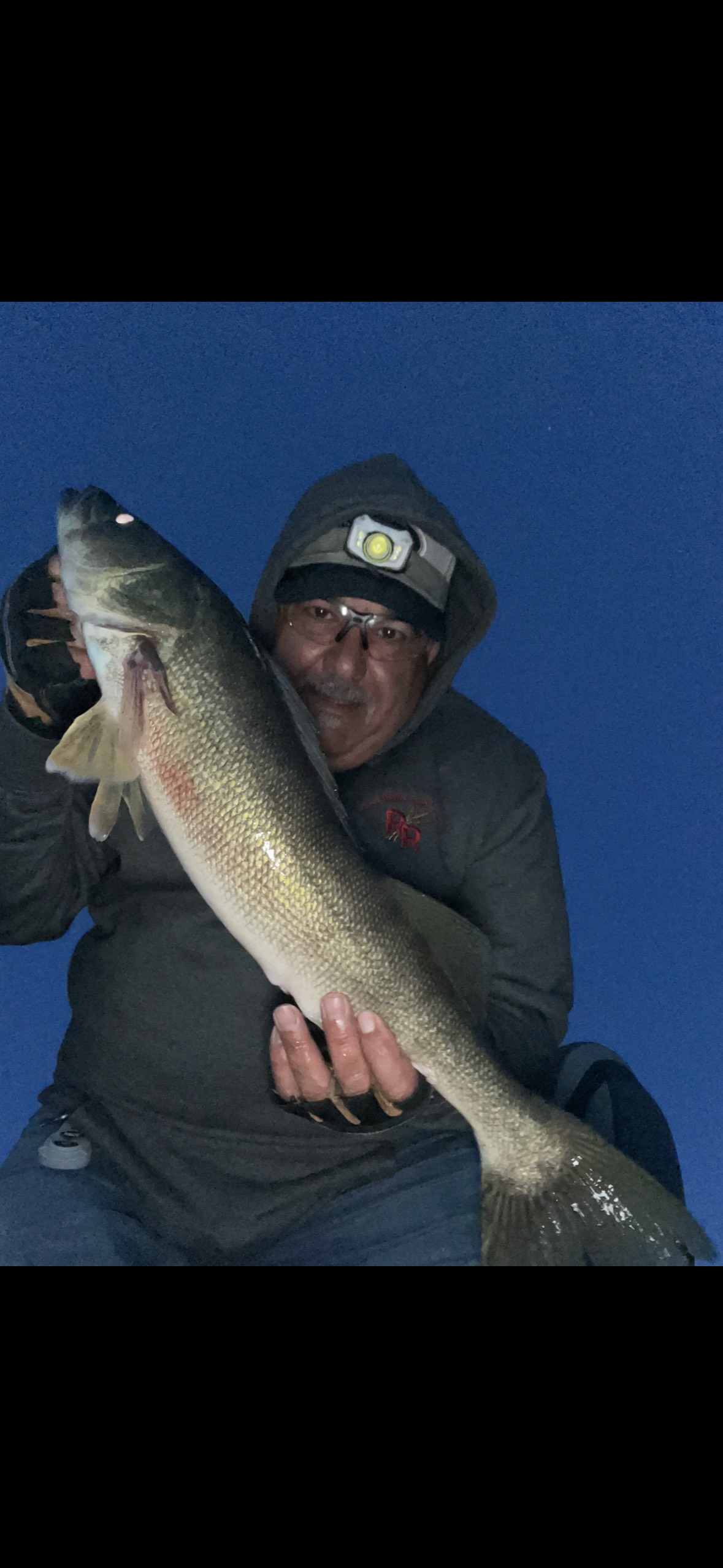
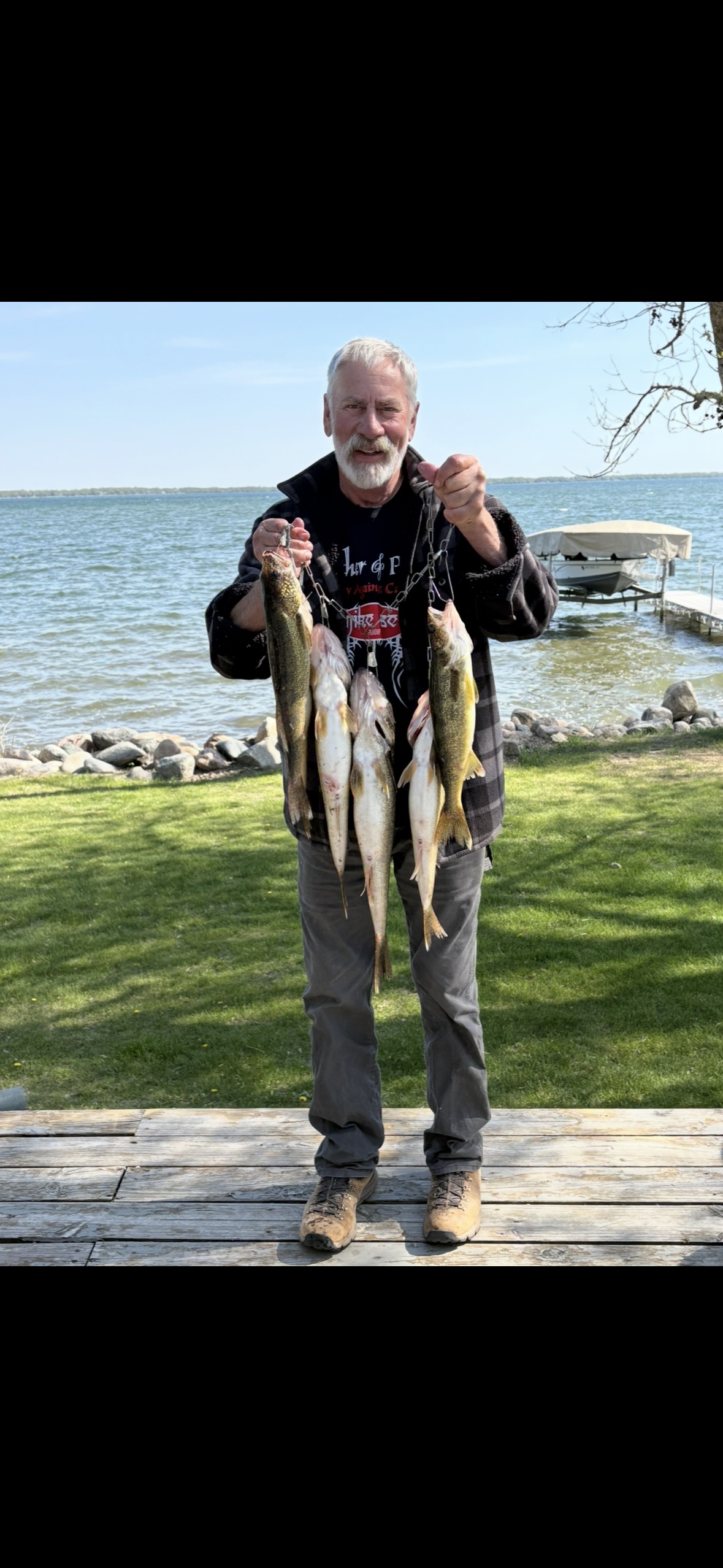
Otter Tail Lake consistently produces walleye that keep anglers coming back year after year. The lake's diverse structure – from shallow gravel bars to deep basins – creates perfect habitat for different year classes of fish. We regularly boat walleye in the 14 to 18-inch range, with plenty of keepers for the frying pan, but it's those bigger fish that really get hearts pumping. The lake holds some serious females, and night fishing gives us the best shot at connecting with fish in the 20-plus-inch category. What makes these trips special is the consistency – this isn't a lake where you might get skunked or struggle for a bite. Otter Tail's walleye population is healthy and stable, meaning we can count on action throughout the season.
Species You'll Want to Hook
Walleye are the star of the show here, and for good reason. These fish are perfectly adapted to Otter Tail's clear water and varied structure, making them both challenging and rewarding to catch. Peak season runs from the opener through early summer when post-spawn fish are feeding heavily, then picks back up in fall when they're packing on weight for winter. Walleye in Otter Tail average 15 to 17 inches, with fish over 20 inches common enough to keep things interesting. They're notorious for their light bite – sometimes you'll swear you're just ticking bottom until you go to lift and there's weight on the other end. The fight isn't spectacular, but the anticipation and the eating quality make walleye the most sought-after fish in Minnesota waters.
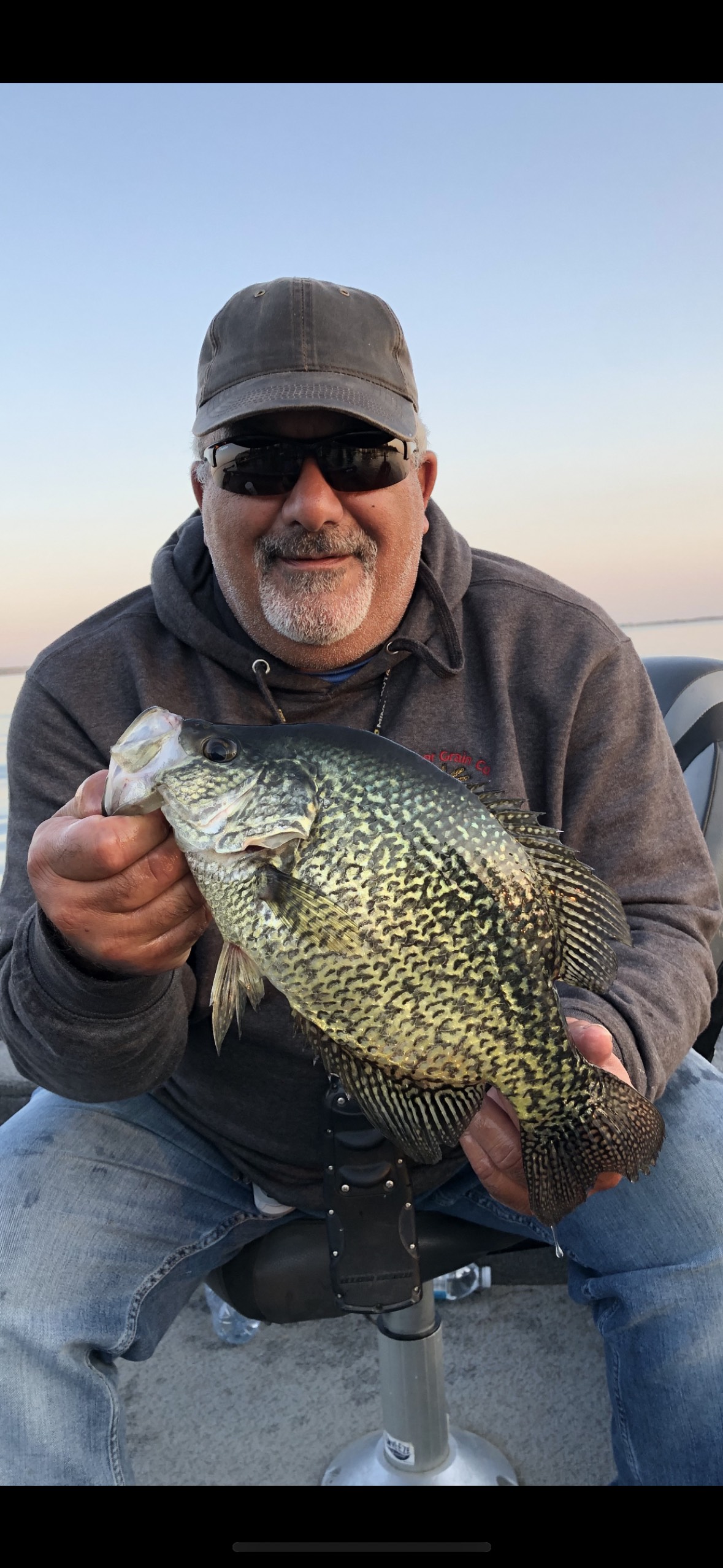
Crappie fishing takes center stage before and after walleye season, when I target these panfish on nearby lakes. Spring crappie fishing can be absolutely lights-out when fish move shallow to spawn, often in water so clear you can see them before they bite. These fish school heavily, so when you find one, you've usually found a bunch. Crappie in our area run 10 to 12 inches on average, with some slabs pushing 14 inches and beyond. They're aggressive when conditions are right, but can also be finicky enough to drive you crazy – that's what makes them so addictive to target.
Smallmouth bass round out the action, particularly during summer months when they're holding on rocky structure and drop-offs. Otter Tail's smallies are scrappy fighters that'll test your drag and keep you honest. They're opportunistic feeders that'll hit everything from jigs to cranks, and they're often mixed in with walleye on the same spots. A good smallmouth in the 16 to 18-inch range will fight twice as hard as a walleye the same size, making them a welcome surprise when you're expecting something else on the other end.
Time to Book Your Spot
This is hands-down the most productive walleye fishing you'll find on Otter Tail Lake, and spots fill up fast once word gets around about how the bite's going. Living on the water and fishing it every day means I'm not guessing about conditions – I know exactly what's working and where the fish are setting up. Whether you're an experienced angler looking to dial in your night fishing game or someone who's never caught a walleye after dark, this trip delivers the kind of action that keeps people talking all winter. The
 Private Trip
 Lakes/Reservoirs/Ponds Fishing
 Otter Tail Lake, MN


 Night walleye fishing trips run 9 PM to 1 AM nightly