Night Walleye Fishing for Beginners on Otter Tail
There's something magical about being out on Otter Tail Lake when the sun goes down and the walleyes start moving. If you've never tried night fishing or you're just getting into walleye angling, this 4-hour trip from 9 PM to 1 AM is designed specifically for folks like you. I live right on the lake, so I know exactly where these fish hang out after dark and how to help you connect with them. We'll keep things relaxed and educational—no pressure, just good fishing and solid instruction to get you comfortable with the basics.
What to Expect on the Water
This isn't your typical rush-around-and-cast-everywhere kind of trip. We're taking our time to make sure you understand what's happening below the surface. Night walleye fishing is all about patience and reading the water, and I'll walk you through every step. We'll start by going over your equipment—all provided, so don't worry about bringing anything except your Minnesota fishing license and some layers to stay warm. The lake can get chilly after midnight, even in summer. I'll show you how to feel for structure with your rod tip, recognize when a walleye is mouthing your bait versus when a bass or crappie grabs it, and how to set the hook properly. Most beginners think they need to yank hard, but walleyes have soft mouths and a firm lift usually does the trick. We'll spend plenty of time on casting accuracy too—night fishing means you can't always see your target, so learning to cast by feel and memory is crucial.
Techniques and Tackle Setup
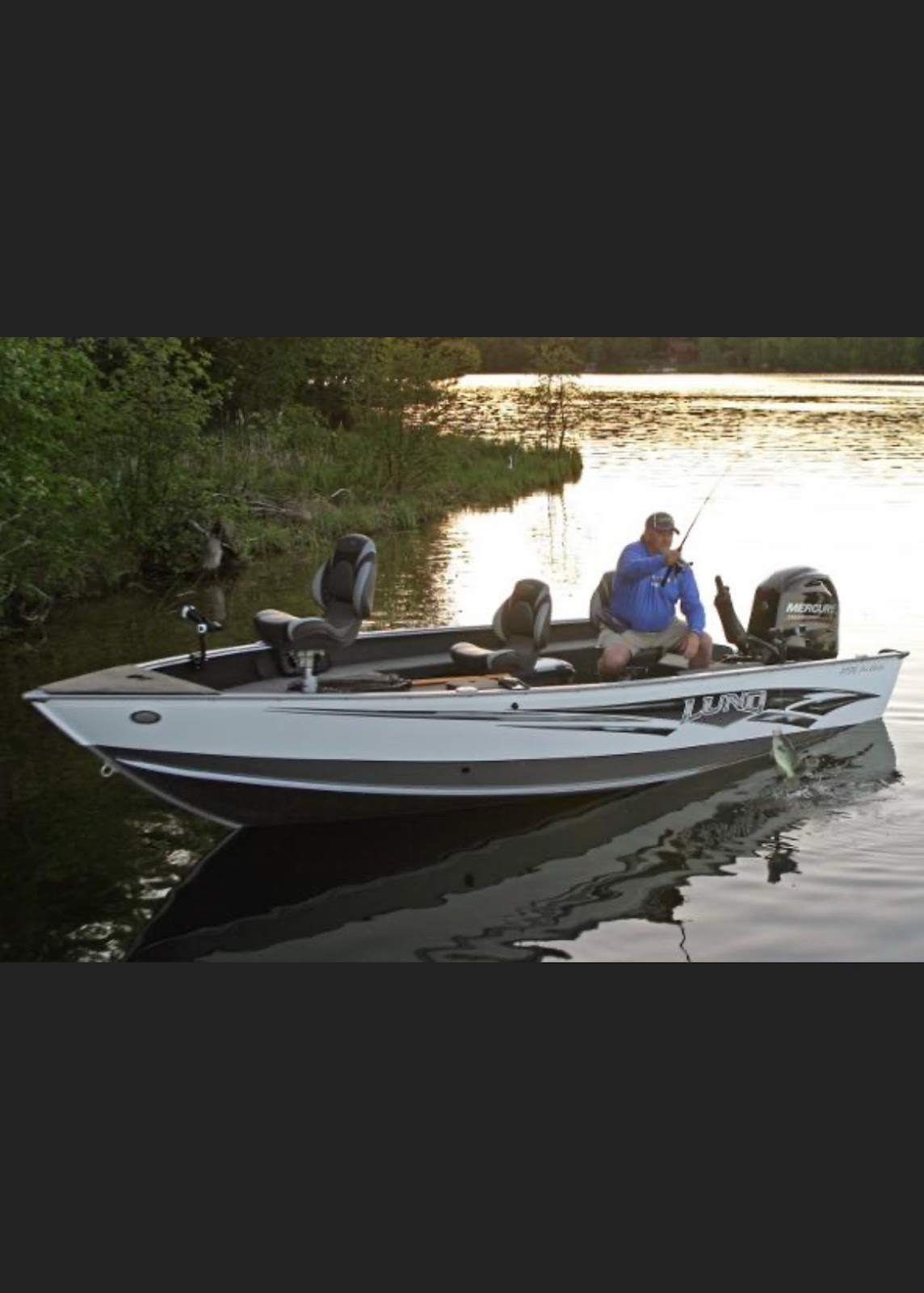
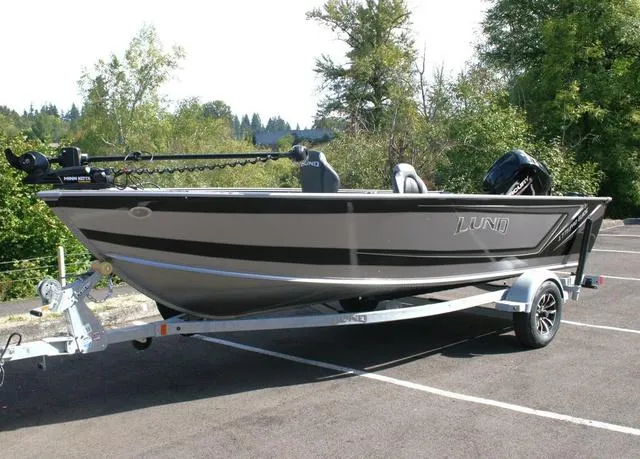
We'll be using a mix of live bait rigs and some soft plastics, depending on what the fish are telling us. Otter Tail has excellent structure—rocky points, weed edges, and drop-offs that walleyes love to patrol at night. I typically start with a simple jig and minnow combo, usually 1/8 to 1/4 ounce depending on wind and depth. The key is keeping contact with the bottom while still giving that jig some action. I'll teach you the lift-drop-pause rhythm that triggers strikes, and how to distinguish between your jig hitting a rock versus a fish picking it up. We might also try some slip bobber setups if the fish are suspended, which happens more often than people think on this lake. The boat has electronics to help us find fish and structure, but I'll also show you how to read the water without gadgets—looking for current breaks, temperature changes, and signs of baitfish activity. Rod positioning matters too, especially at night when you're fishing more by feel than sight.
Species You'll Want to Hook
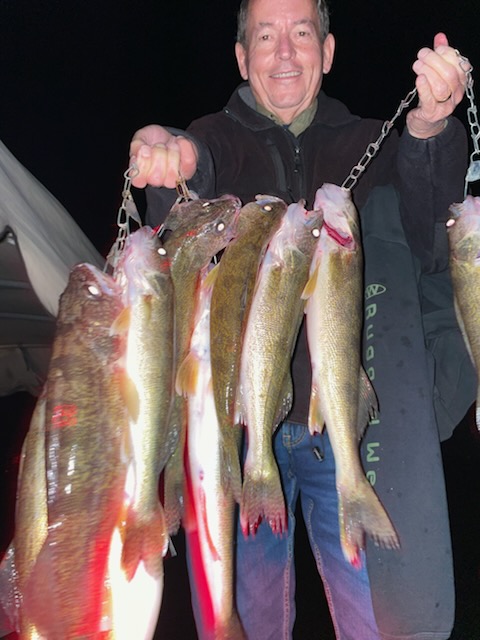
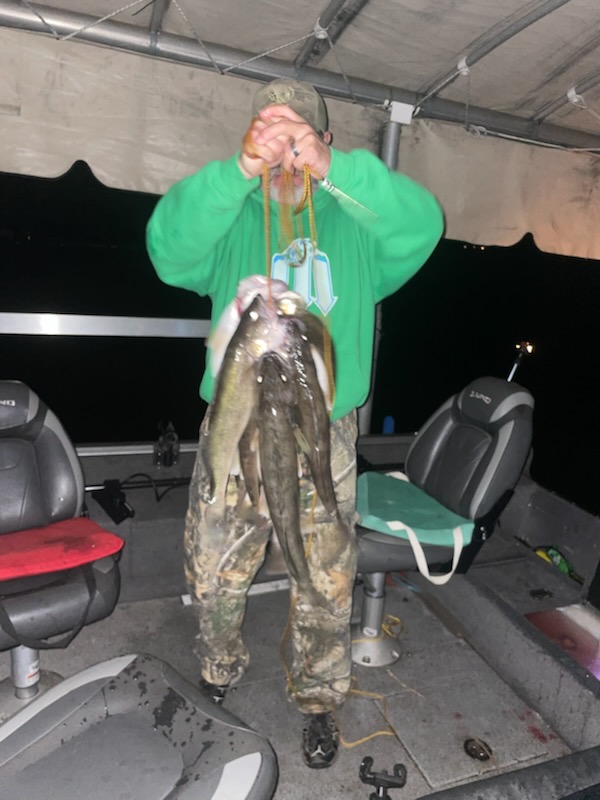
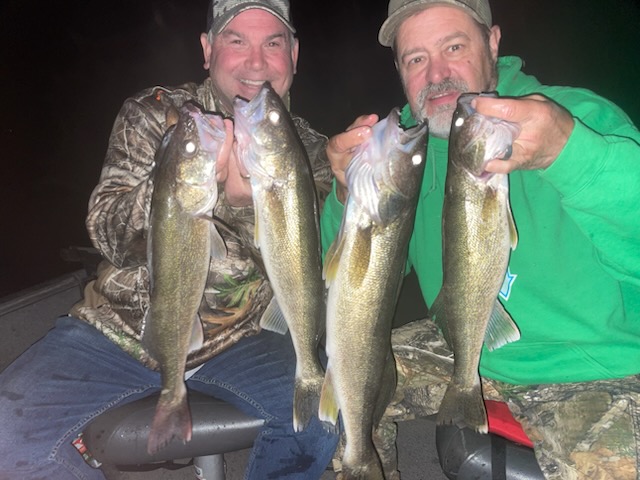
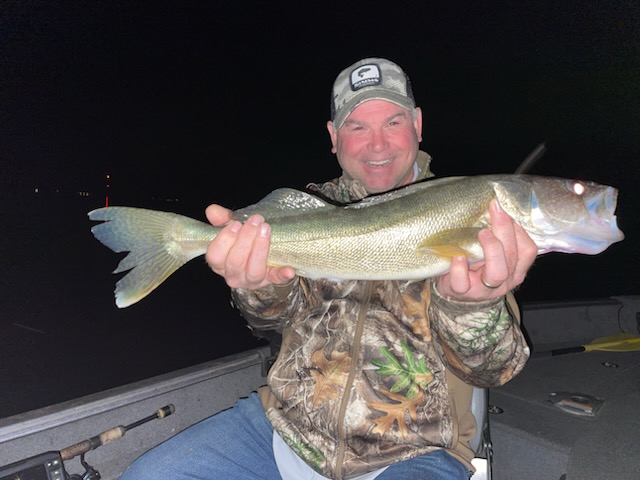
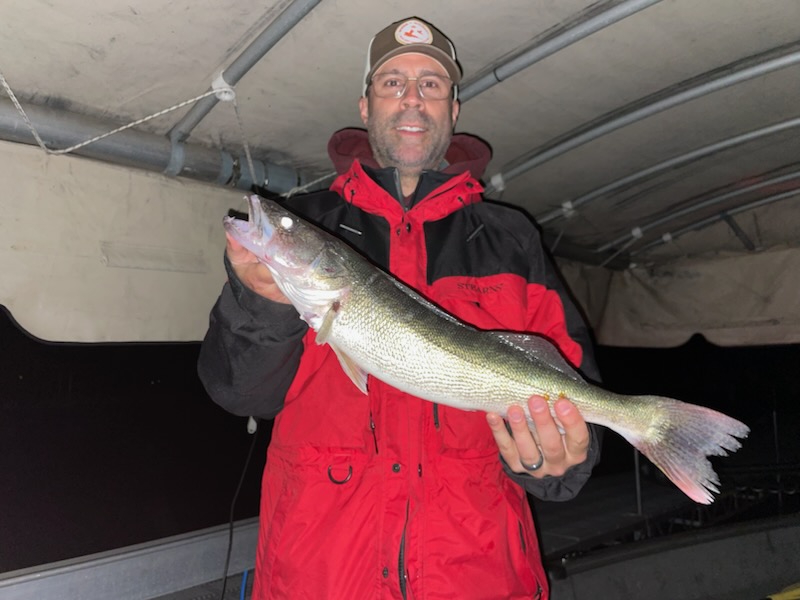
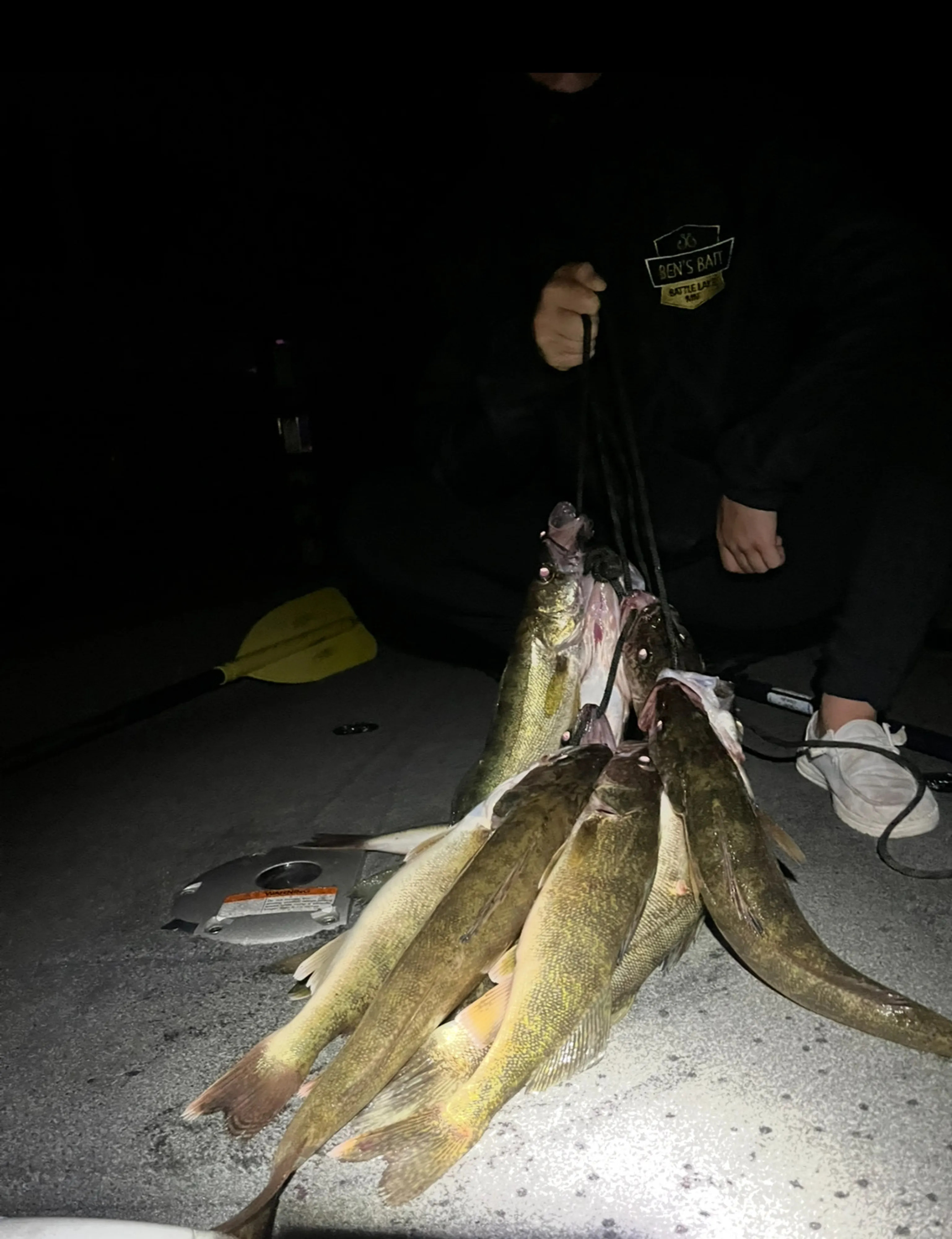
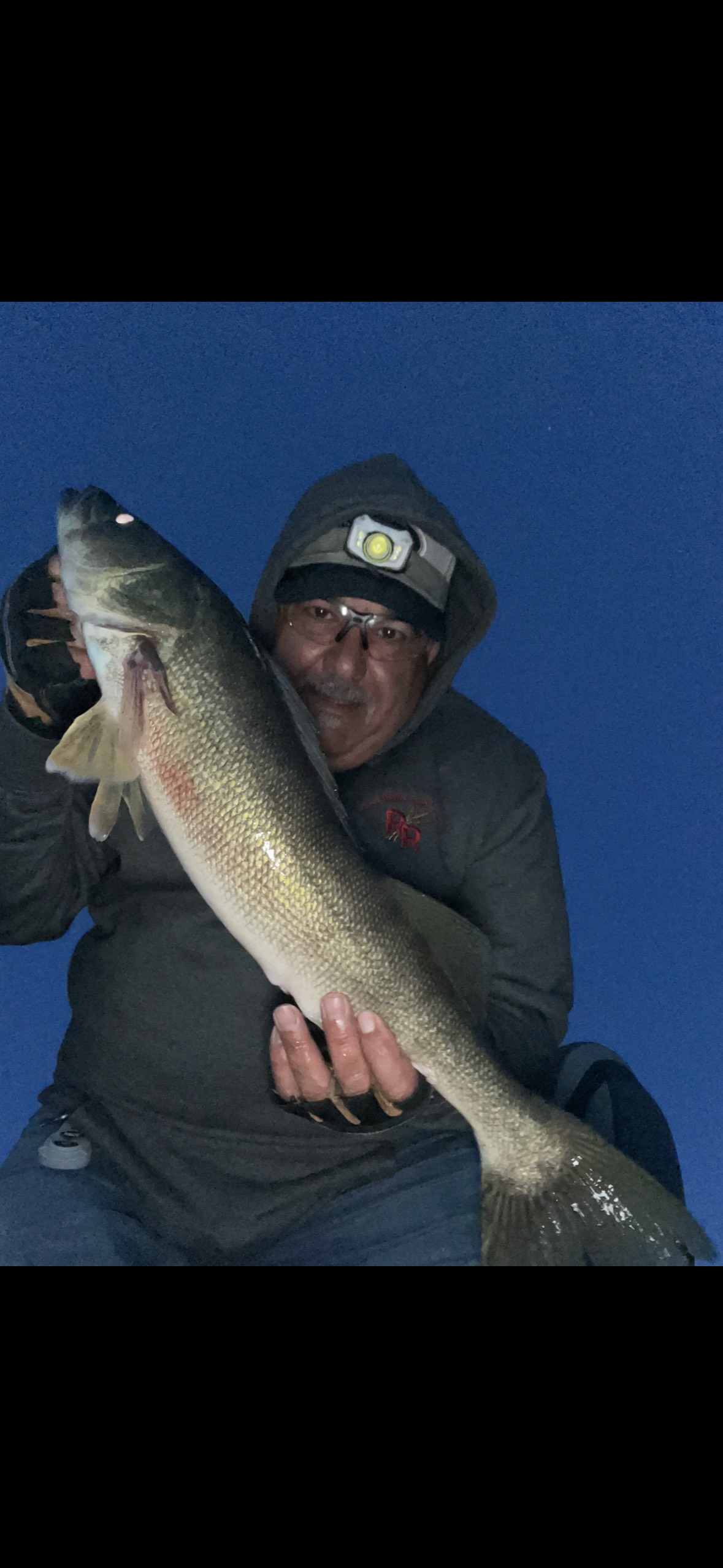
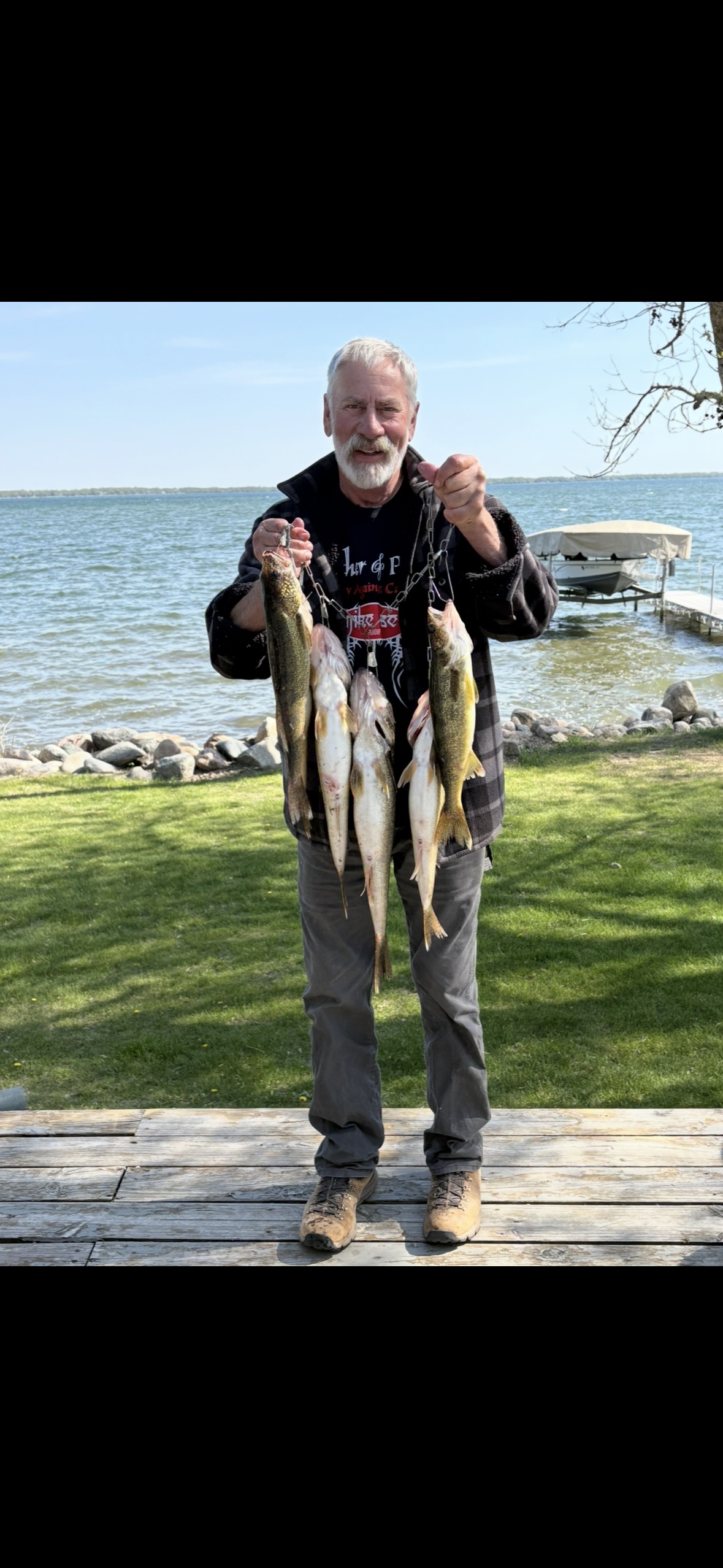
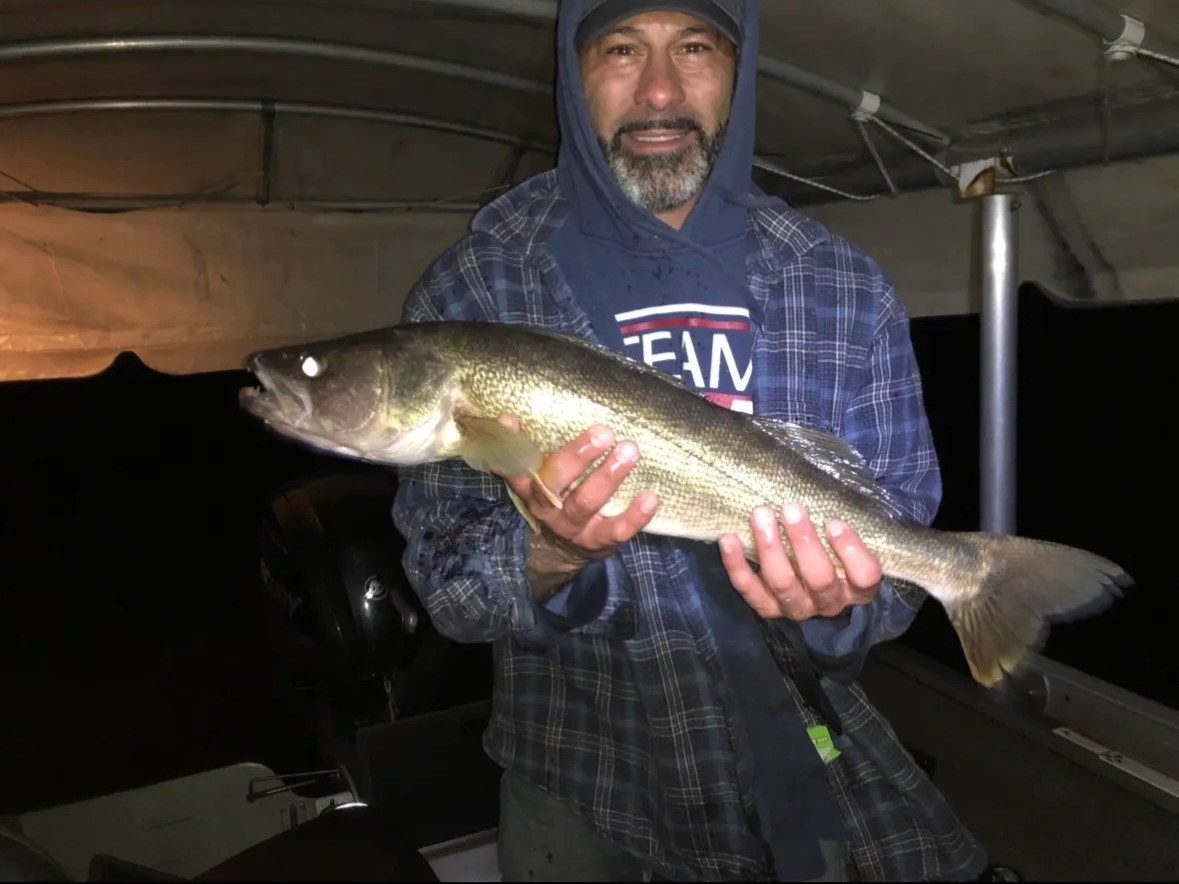
Walleyes are the main event here, and Otter Tail produces some really nice ones. These fish typically range from 14 to 22 inches, with the occasional bigger fish pushing 26 or 27 inches. What makes walleye fishing so addictive is their subtlety—they don't usually slam your bait like a bass. Instead, you'll feel a slight tick or your line will just feel heavy. They're most active in low light conditions, which is why this evening trip works so well. Peak feeding times are usually right around sunset and again just before sunrise, but we catch them steadily throughout the night. Walleyes relate heavily to structure and are often found along rocky shorelines, over gravel bars, or near the edges of weed beds in 8 to 20 feet of water.
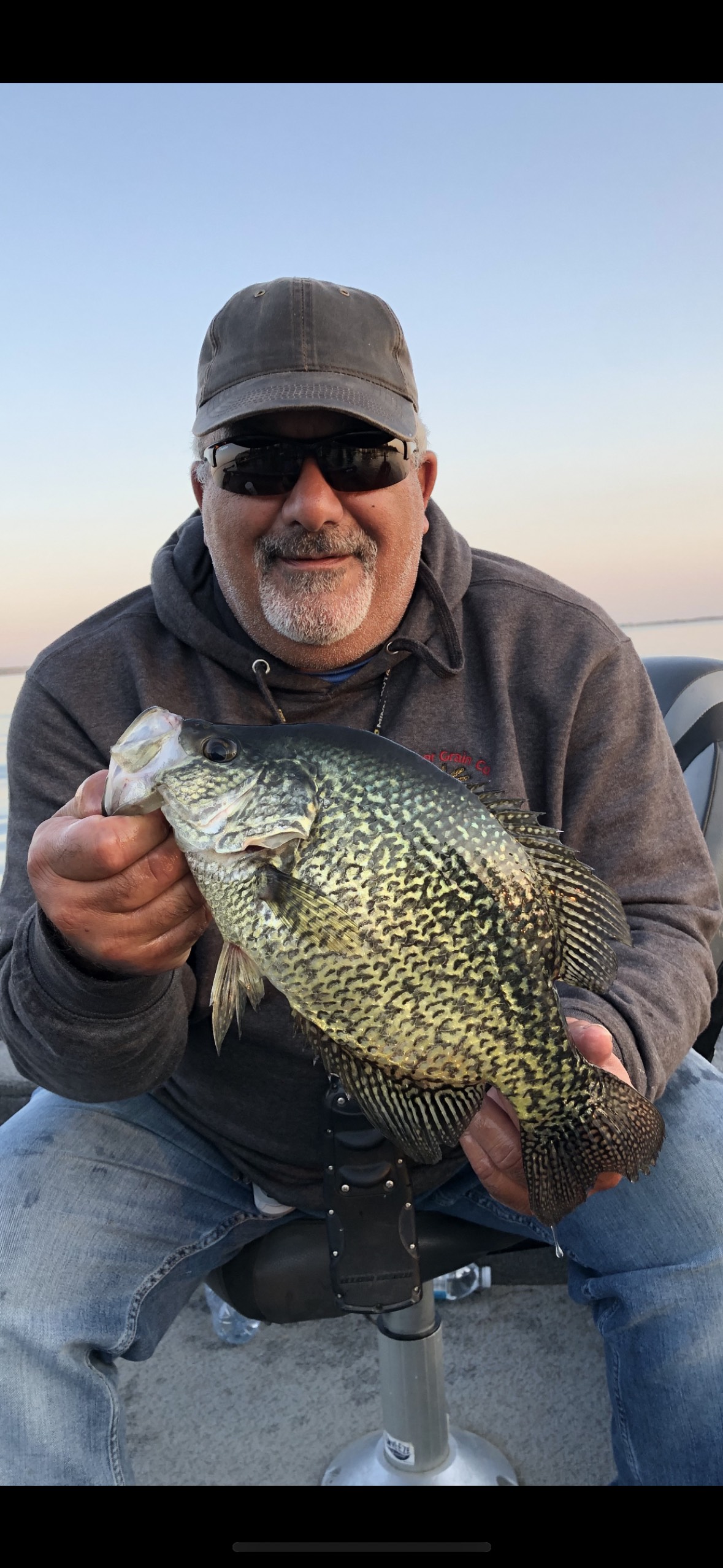
Crappies are a fun bonus species that often show up during our night trips, especially in spring and early summer. Otter Tail's crappies run bigger than average—12 to 14 inchers are common, with some real slabs pushing 15 inches. They school up tight, so when you find one, there are usually more nearby. Crappies bite more aggressively than walleyes and are great confidence builders for new anglers. They tend to suspend over deeper water at night, often 10 to 15 feet down over 25 feet of water. Small jigs tipped with minnows or soft plastics work perfectly, and they're excellent table fare.
Smallmouth bass add some excitement to the mix, especially during warmer months. Otter Tail's smallies are scrappy fighters that love rocky areas and can really bend a rod. They typically range from 12 to 17 inches, with the occasional 18 or 19-inch bruiser. Unlike walleyes, smallmouth will often hit your bait hard and immediately start jumping or diving for cover. They're more active in the first part of our trip when there's still some light, but they'll feed throughout the night near rocky points and boulder piles. What's cool about smallmouth is they'll eat the same baits we're using for walleyes, so you never know what's going to grab your jig.
Time to Book Your Spot
This top-rated beginner trip runs from May through October, and each month offers something different. Early season means aggressive post-spawn walleyes, summer brings consistent action and comfortable weather, while fall fishing can be absolutely phenomenal as fish feed heavily before winter. With space for just two anglers, you'll get personalized attention and plenty of hands-on instruction. I provide all the gear, bait, and know-how—you just need to bring your license, some snacks if you get hungry, and layers to stay comfortable. This customer-favorite trip books up quickly, especially during peak summer months, so don't wait too long to secure your dates. Whether you're looking to learn night fishing basics, improve your walleye techniques, or just enjoy a peaceful evening on one of Minnesota's best fishing lakes, this trip delivers the goods.
 Private Trip
 Lakes/Reservoirs/Ponds Fishing
 Otter Tail Lake, MN


 Beginner-focused night walleye fishing with local guide instruction