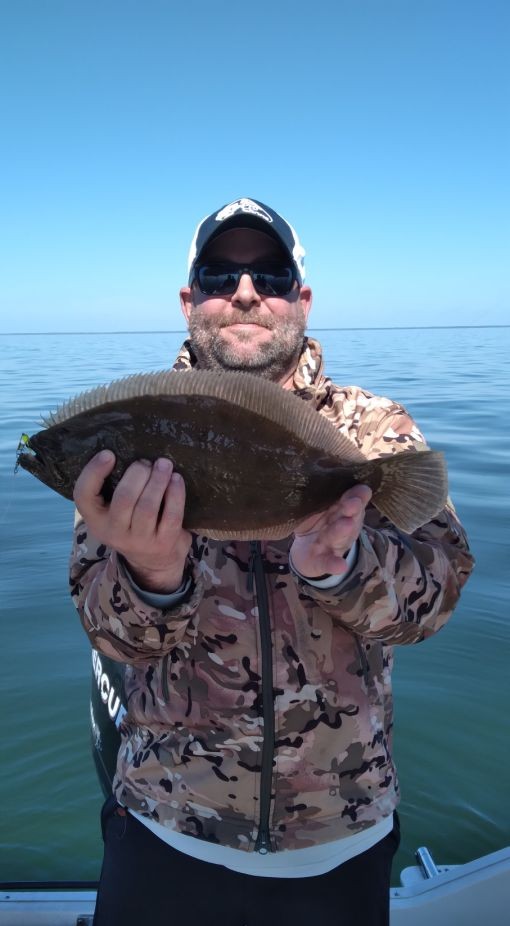
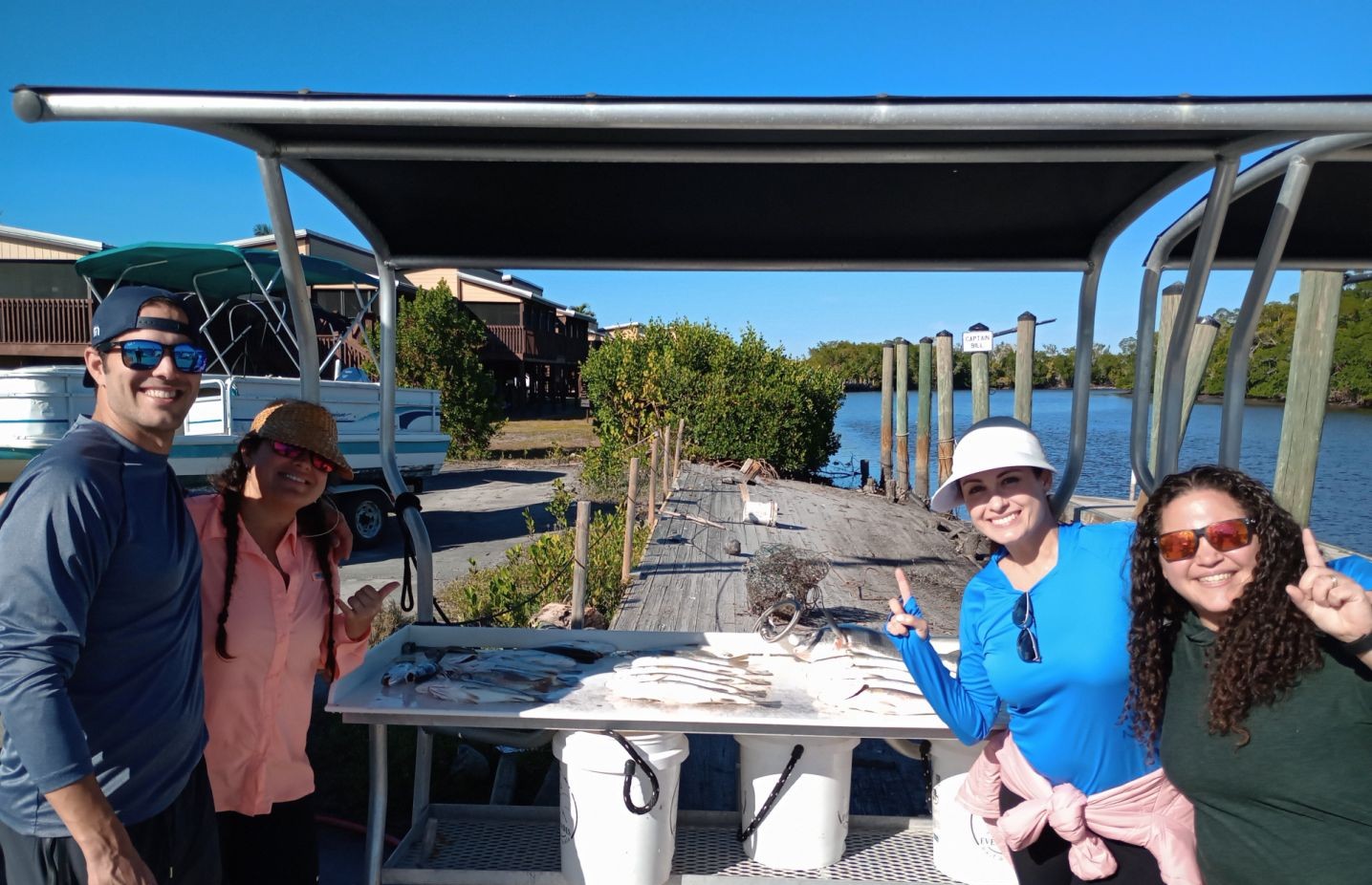
Half Day Afternoon Fishing in St. Marks
Captain Leigh Wills knows these waters like the back of his hand, and he's ready to show you why Florida's Forgotten Coast is a top-rated destination for inshore fishing. This 4-hour afternoon trip puts you right in the heart of some of the best redfish and sea trout action you'll find anywhere along the Gulf. We're talking about crystal-clear grass flats, protected bays, and the kind of fishing that keeps anglers coming back year after year. Whether you're a seasoned angler or just getting your feet wet, this private charter accommodates up to four guests and provides everything you need except your Florida fishing license.
What to Expect on the Water
Your afternoon starts at the St. Marks boat ramp, where Captain Leigh will have the boat rigged and ready to roll. The beauty of fishing Florida's Forgotten Coast is the variety – one minute you're sight-casting to tailing redfish in knee-deep grass flats, the next you're working structure for black drum or hunting cobia along the drop-offs. The water clarity here is phenomenal, especially during the cooler months, giving you that visual element that makes inshore fishing so addictive. Captain Leigh runs a clean, well-maintained vessel equipped with quality tackle, and he's genuinely passionate about putting his guests on fish while teaching proper techniques. The pace is relaxed but productive – perfect for families wanting to introduce kids to saltwater fishing or groups of friends looking to escape the crowds of more popular fishing destinations.
Techniques and Tackle
We'll be using a mix of live bait and artificial lures depending on conditions and what the fish are telling us. Captain Leigh typically has live shrimp, pinfish, and mud minnows on board, plus a full selection of soft plastics, spoons, and topwater plugs that work magic on these flats. You'll learn how to read the water – spotting nervous baitfish, finding the right depth transitions, and understanding how tide movement affects fish behavior. The grass flats around St. Marks are perfect for wade fishing when conditions allow, giving you that up-close-and-personal experience with your target species. All rods, reels, tackle, and bait are included in your trip, though you're welcome to bring your own gear if you prefer. Captain Leigh uses medium-action spinning rods spooled with braided line – perfect for the structure and cover you'll be fishing around.
Target Species You'll Want to Hook
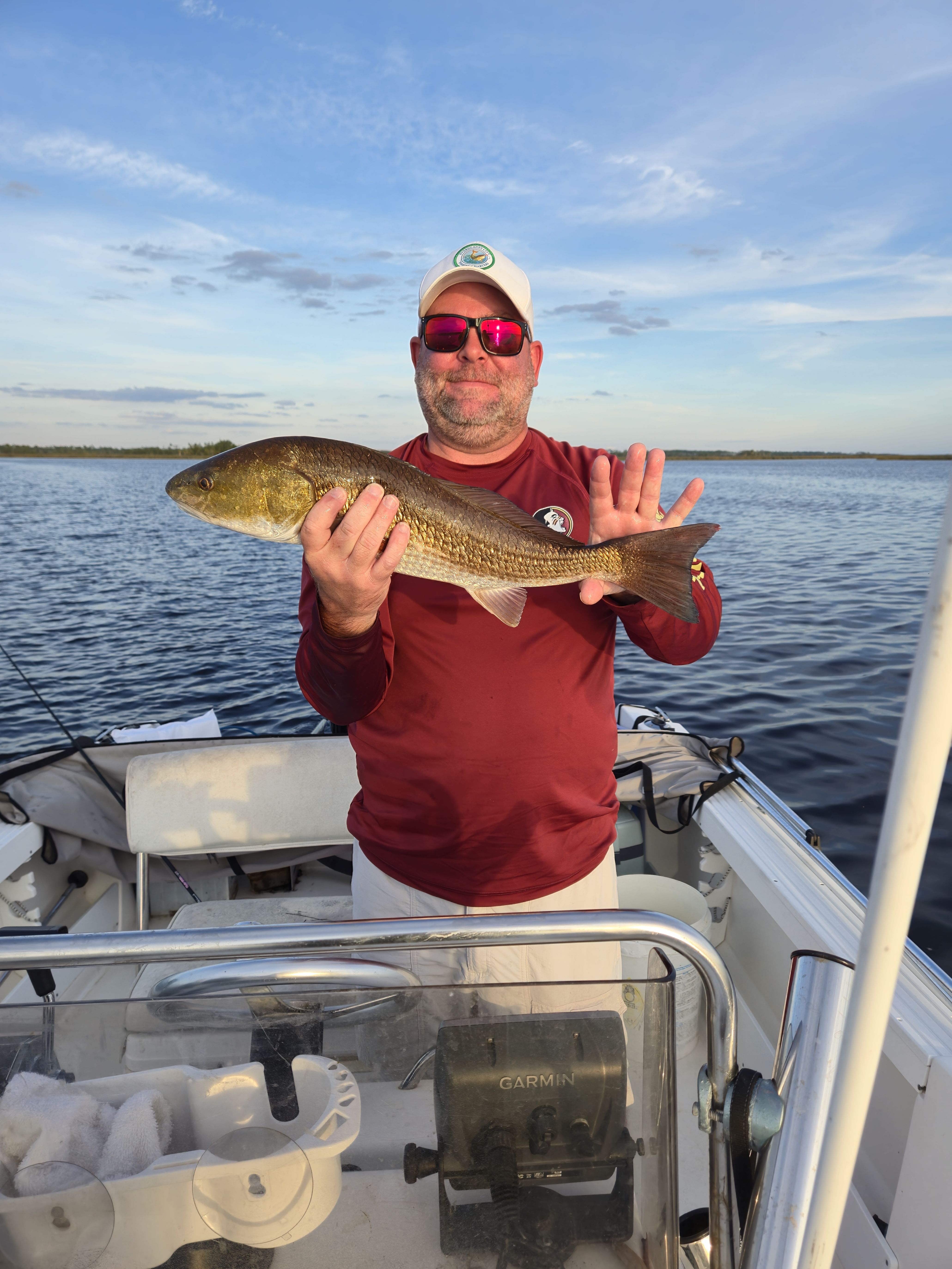
Redfish are the bread and butter of St. Marks inshore fishing, and for good reason. These copper-colored bruisers love the shallow grass flats and oyster bars scattered throughout the area. Fall and winter months are prime time when reds school up in large numbers, but you'll find quality fish year-round. What makes redfish so special is their aggressive strike and bulldogging fight – they'll test your drag and give you that arm-burning battle that saltwater anglers crave. Most of the reds here run between 20-28 inches, with plenty of slot-sized fish perfect for the dinner table.
Sea trout, or speckled trout as the locals call them, are another customer favorite that thrives in these waters. These beautiful fish with their distinctive spots and sharp teeth prefer slightly deeper grass beds and drop-offs. Spring and fall offer the best trout action, but summer evenings can be phenomenal when they move shallow to feed. Trout are known for their delicate mouths and acrobatic jumps, making them a joy to catch on light tackle. The average trout here runs 14-18 inches, with gator trout over 20 inches always a possibility.
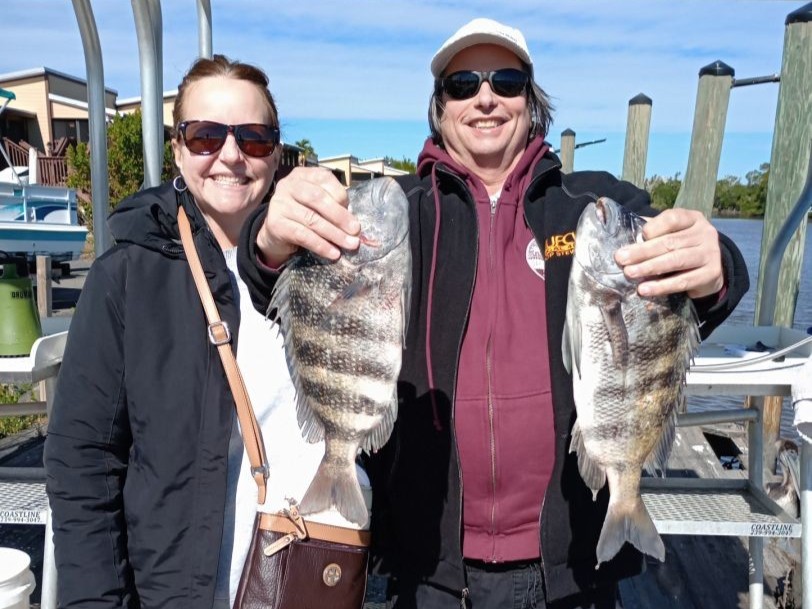
Black drum might not win any beauty contests, but they'll definitely test your tackle and technique. These bottom-dwellers love oyster bars and structure, using their powerful pharyngeal teeth to crush shellfish and crabs. Winter months bring schools of juvenile black drum into the shallows, while larger bulls patrol deeper waters year-round. The fight of a big black drum is something every angler should experience – it's pure power and endurance that'll have you questioning your knot-tying skills.
Cobia are the wild cards that can turn a good day into a legendary one. These brown sharks (as they're often mistaken for) cruise the flats looking for rays and crabs to follow. Spring migration brings the best cobia action, but resident fish are possible any time of year. Cobia are curious fish that will often approach the boat, giving you that sight-fishing opportunity that gets your heart racing. When hooked, they make powerful runs and aren't afraid to use their broad tail to test your equipment.
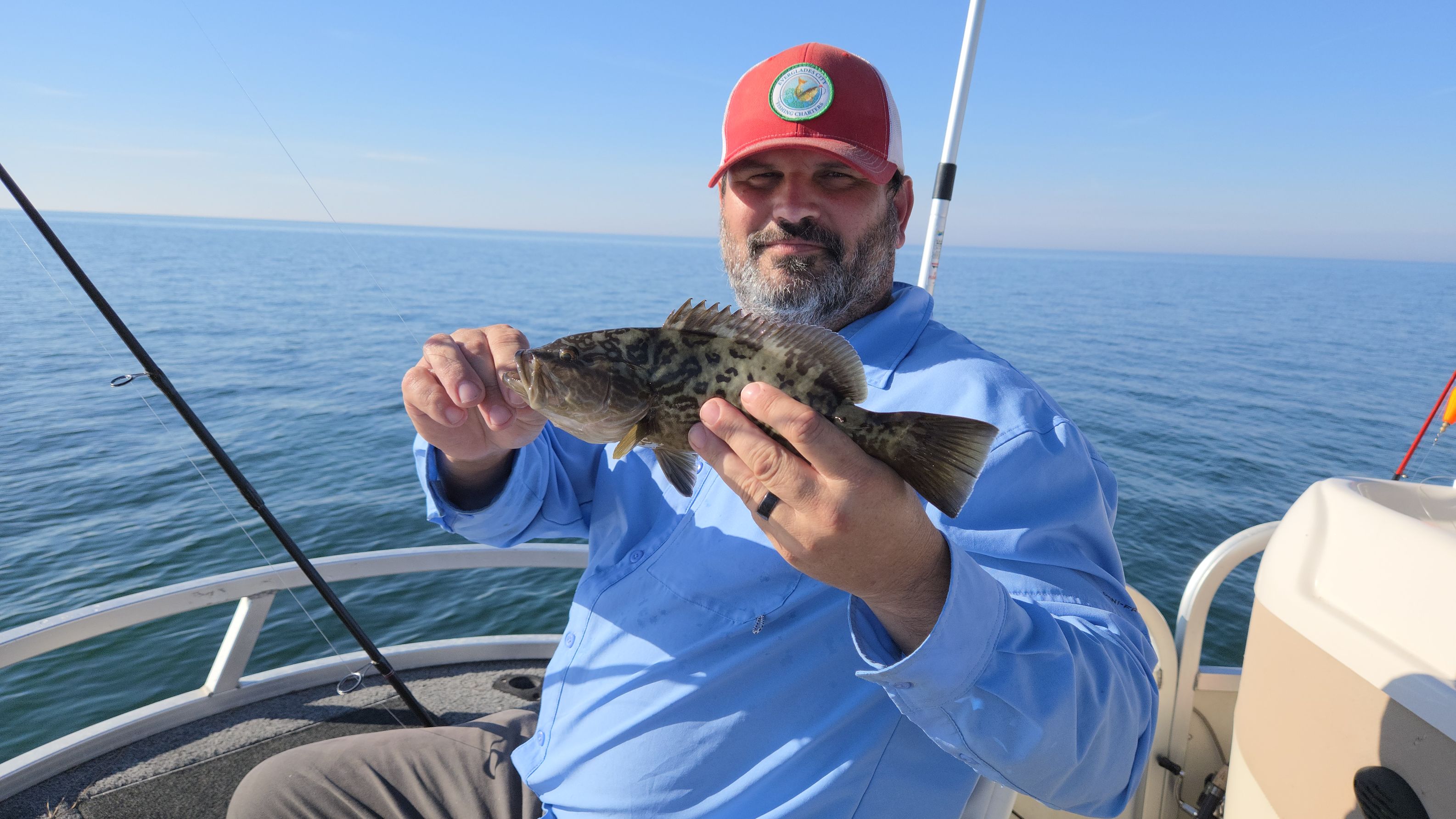
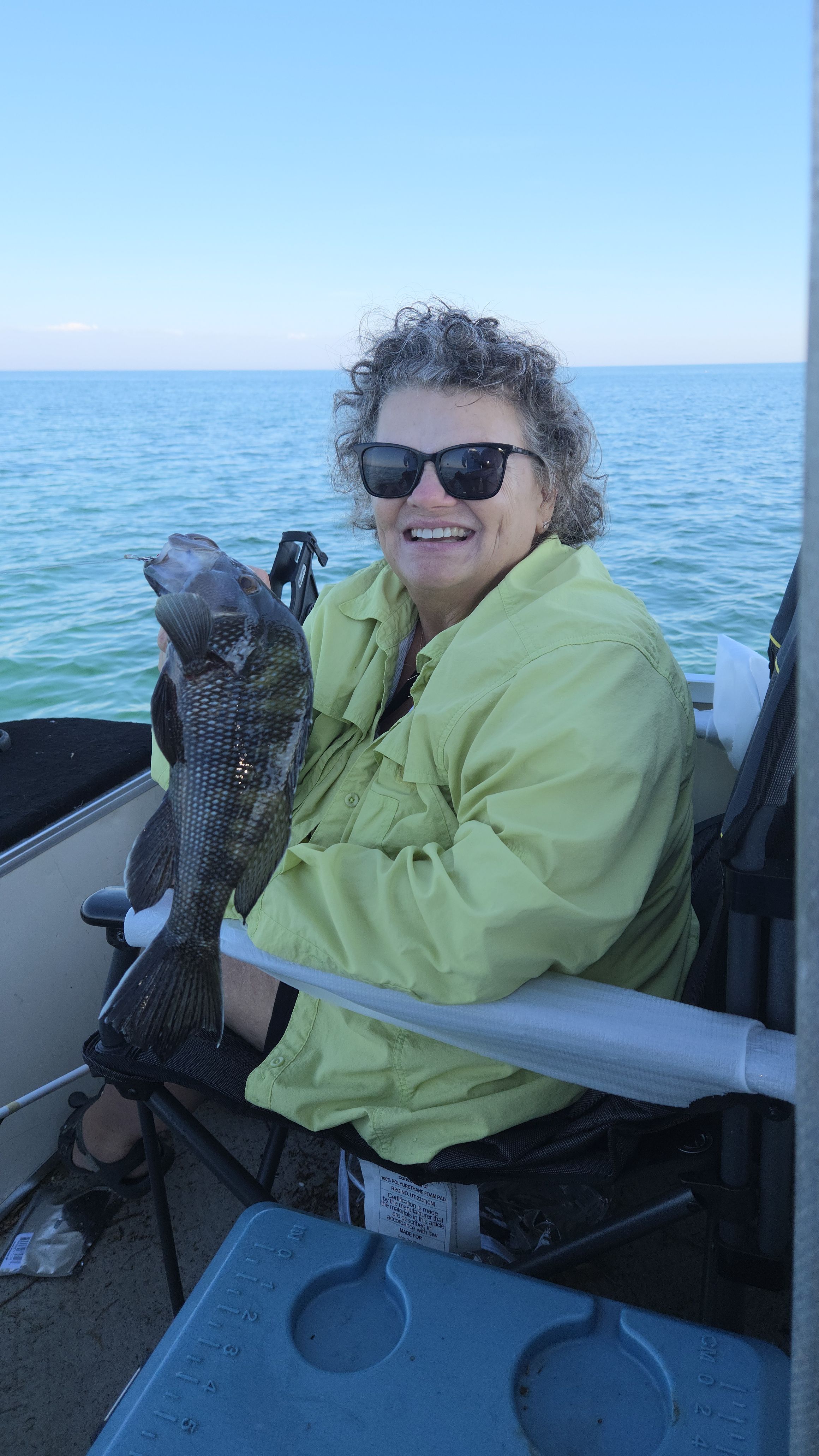
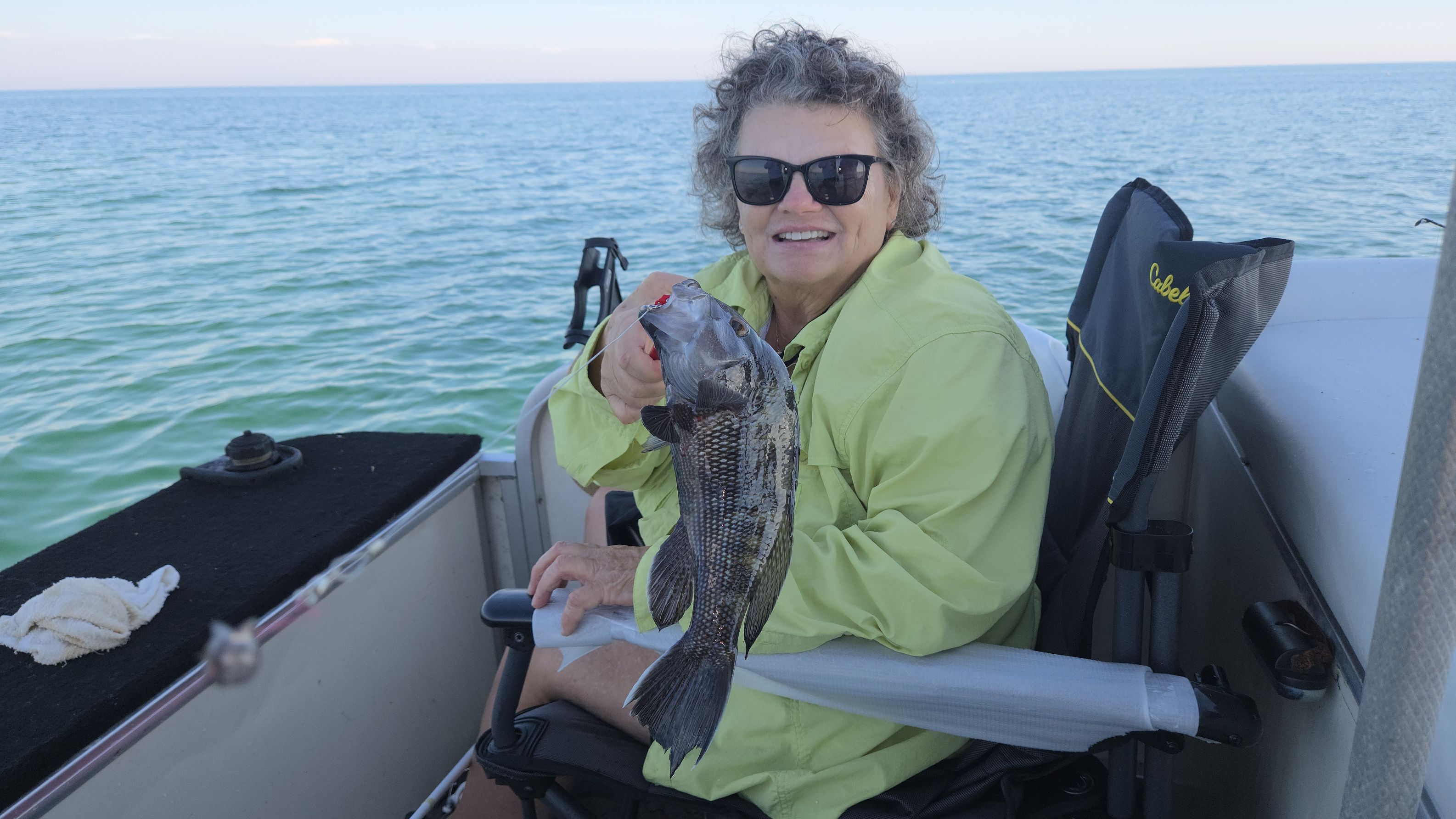
Black sea bass round out the species list and provide consistent action when other fish are finicky. These smaller but scrappy fighters love structure and will readily take both live bait and artificials. They're excellent table fare and perfect for keeping kids engaged when the action slows on other species. While they might not reach the size of their deeper-water cousins, the black sea bass in these inshore waters are plentiful and always willing to play.
Time to Book Your Spot
This world-class inshore fishing experience offers everything you want in a guided trip – knowledgeable local expertise, quality equipment, productive waters, and the kind of personal attention you only get on a private charter. Captain Leigh's passion for these waters shines through in every trip, and his track record speaks for itself. The afternoon timing is perfect for those who want to sleep in or have morning commitments, plus the lighting conditions are ideal for photography and sight-fishing opportunities. With only four spots available per trip, this intimate setting ensures everyone gets hands-on instruction and plenty of fishing time. Don't forget to grab your Florida fishing license before heading out – everything else is covered. Book your half-day adventure today and discover why St. Marks is quickly becoming a must-fish destination for serious inshore anglers.
 Shared Trip
 Inshore Fishing
 undefined, undefined


 Four-hour afternoon inshore fishing trip targeting redfish and sea trout.