8 Hour Snoqualmie River Trout Fishing
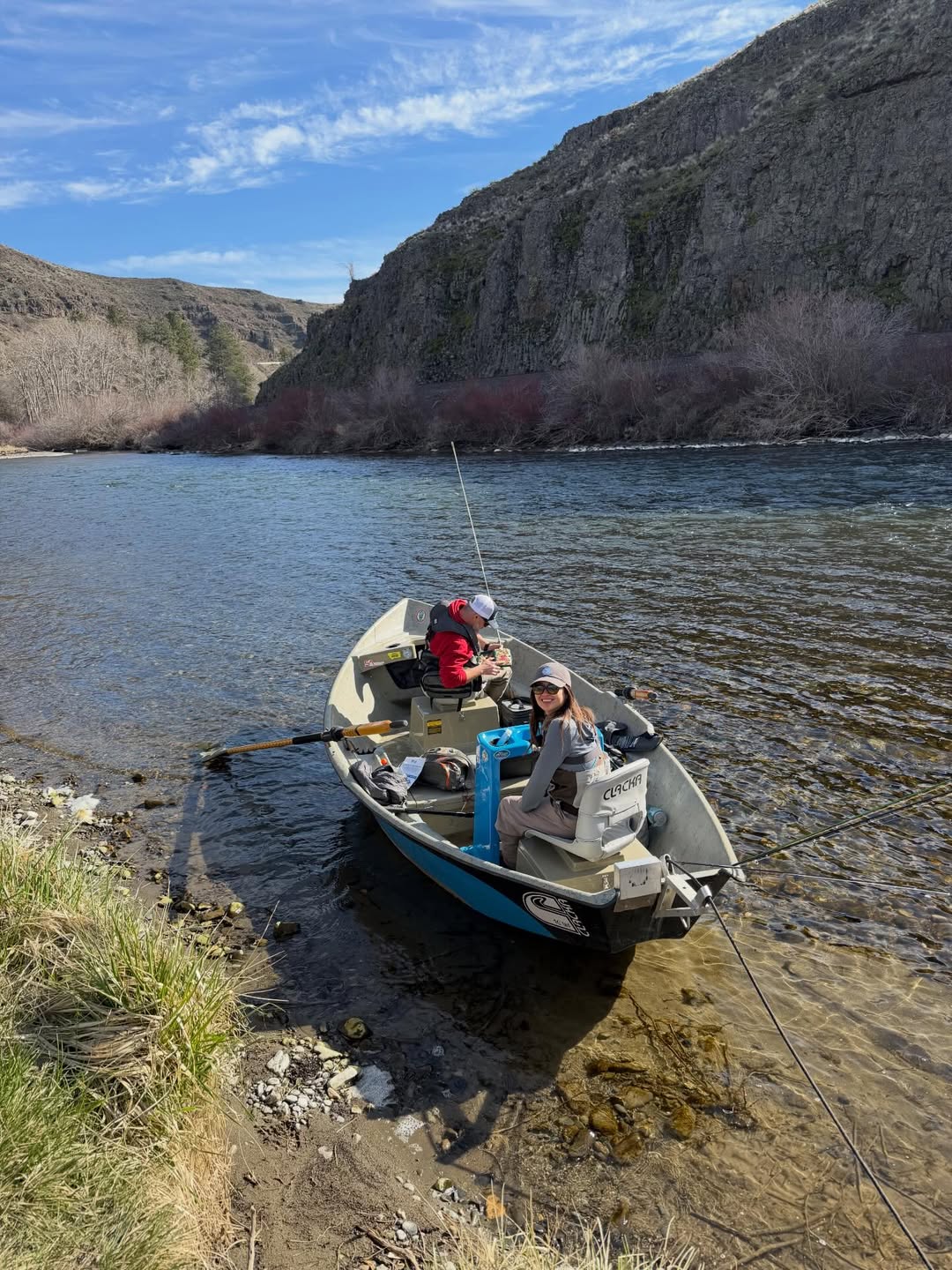
If you're looking for a proper day on the water chasing trout in some of Washington's most productive mountain streams, this 8-hour private walk and wade trip on the Snoqualmie River system is exactly what you need. Pacific Rover LLC has been guiding anglers through these Western Cascade waters for years, and we know where the fish hold and what they're eating. This isn't some rushed half-day deal – you get a full 8 hours to really dial in your technique and work through multiple runs and pools. Whether you're just picking up a fly rod for the first time or you've been at this for decades, we'll meet you where you're at and help you get better. The Snoqualmie drainage offers some of the most consistent trout fishing in the state, especially from June through October when water levels drop and fish start keying in on surface activity.
What to Expect on the Water
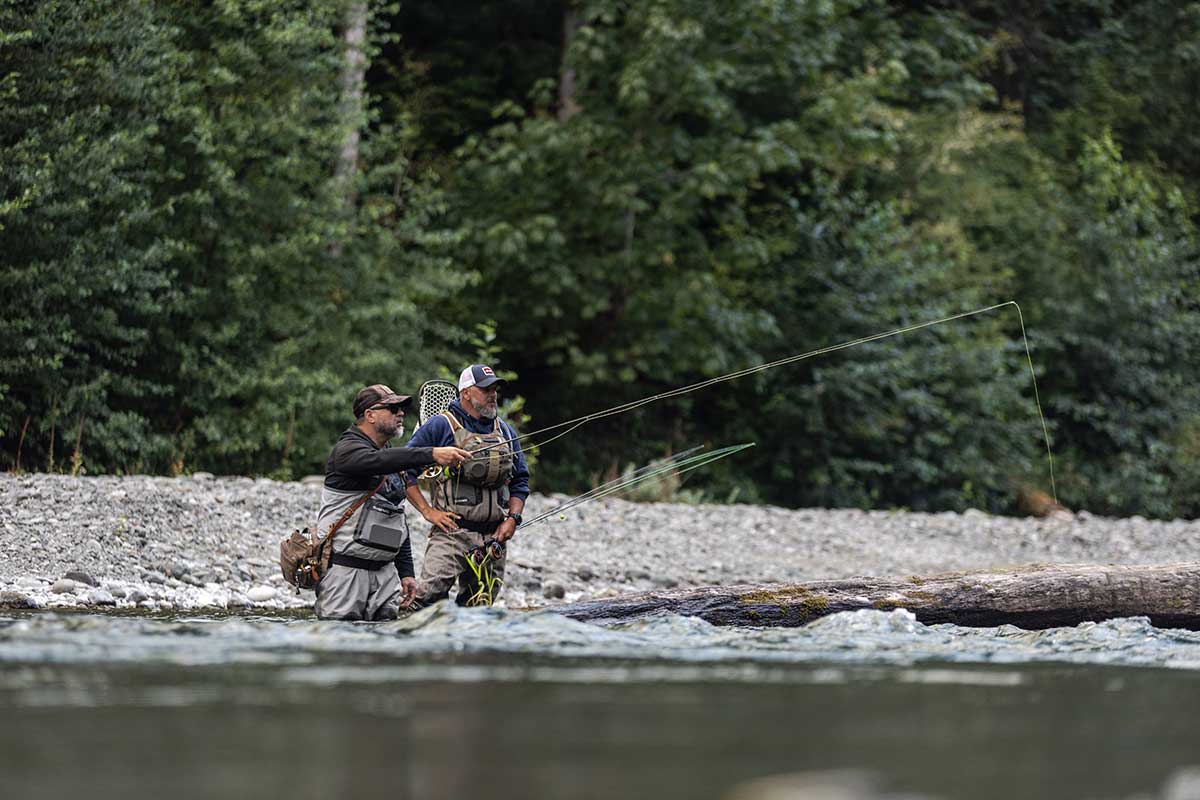
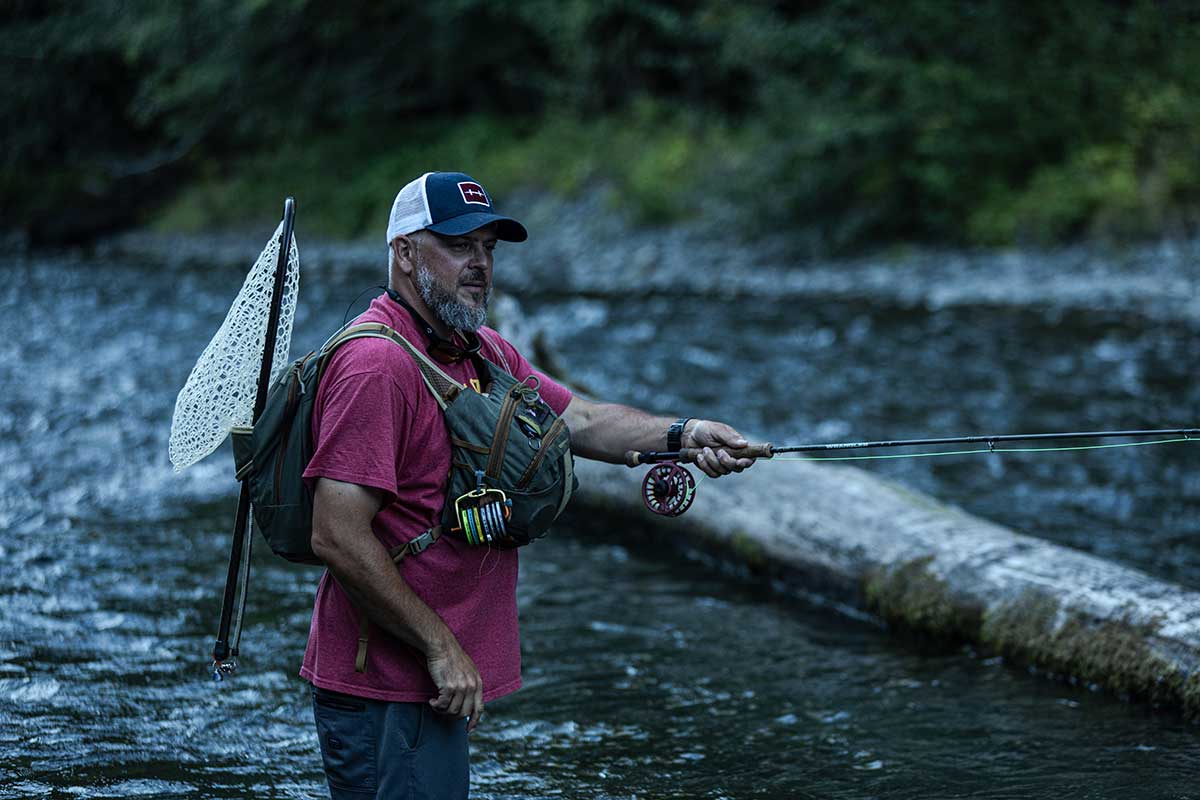
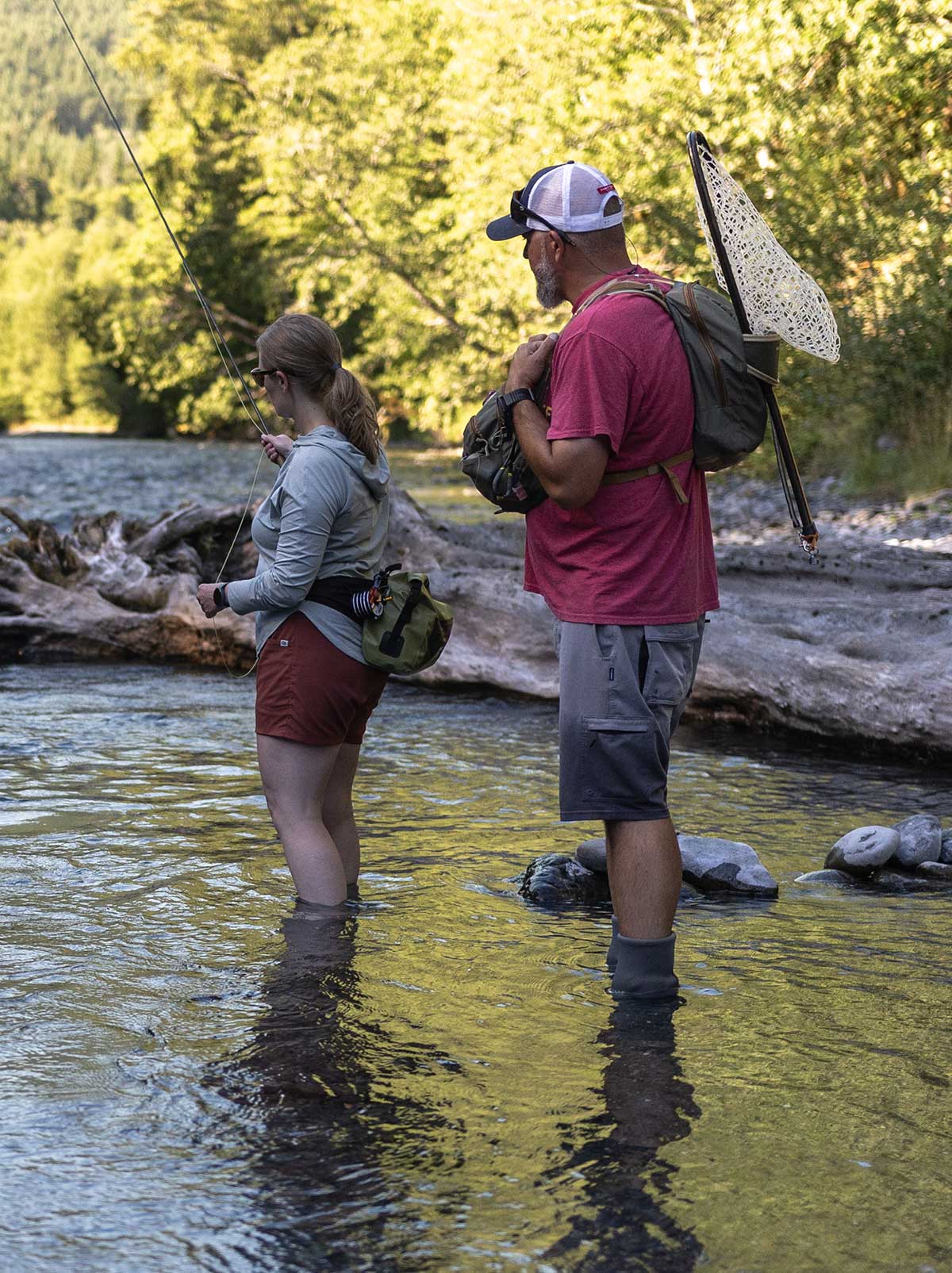
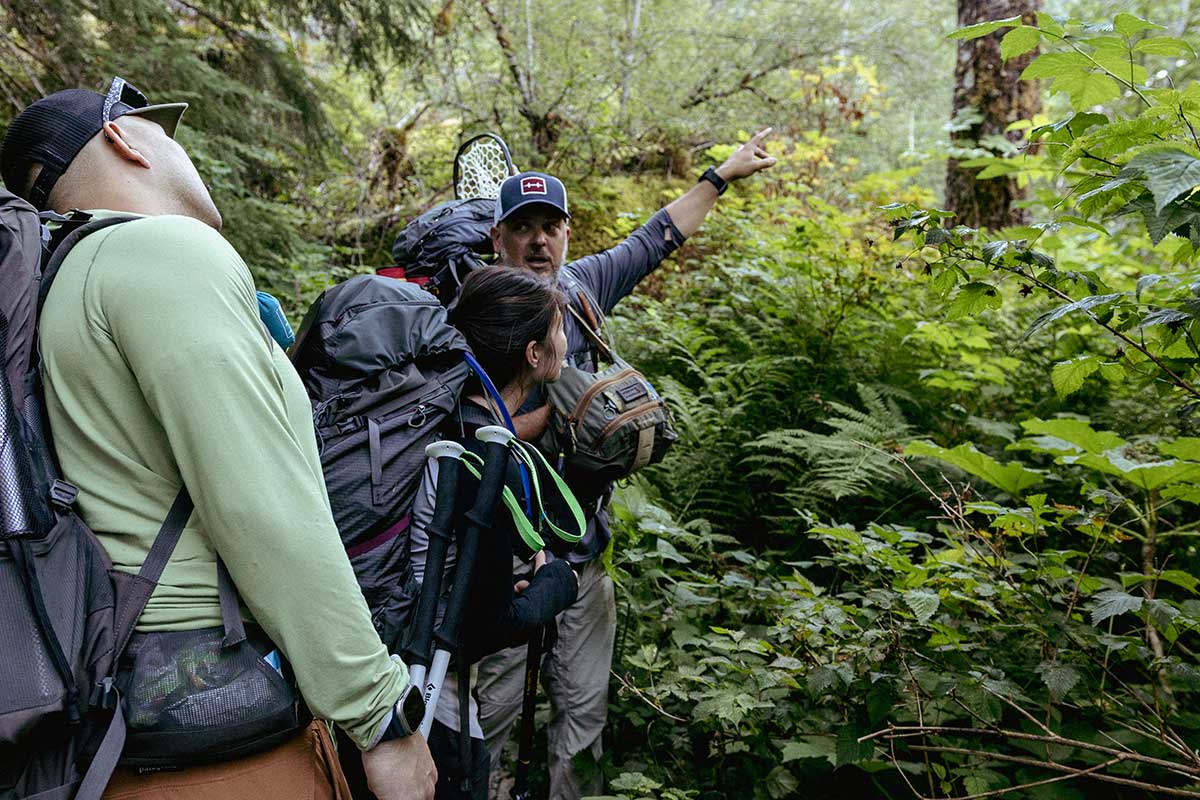
This trip is all about reading water and adapting to what the river gives you. The Snoqualmie system and its tributary streams flow through classic Pacific Northwest terrain – think boulder gardens, undercut banks, and deep pools that hold surprising numbers of trout. We'll start early to beat the heat and catch the morning bite, then work our way through different water types as the day progresses. You'll learn to spot the subtle differences between a holding lie and dead water, how to approach spooky fish without putting them down, and why presentation matters more than having the perfect fly. The beauty of an 8-hour trip is that we're not rushing – if we find active fish, we can work them properly. If one spot isn't producing, we've got time to move and find better water. The Western Cascade streams we fish are classic freestone waters with good gradient and plenty of structure. Expect to do some walking between spots, but nothing too strenuous. The wading is straightforward if you take your time and use good judgment.
Gear and Techniques
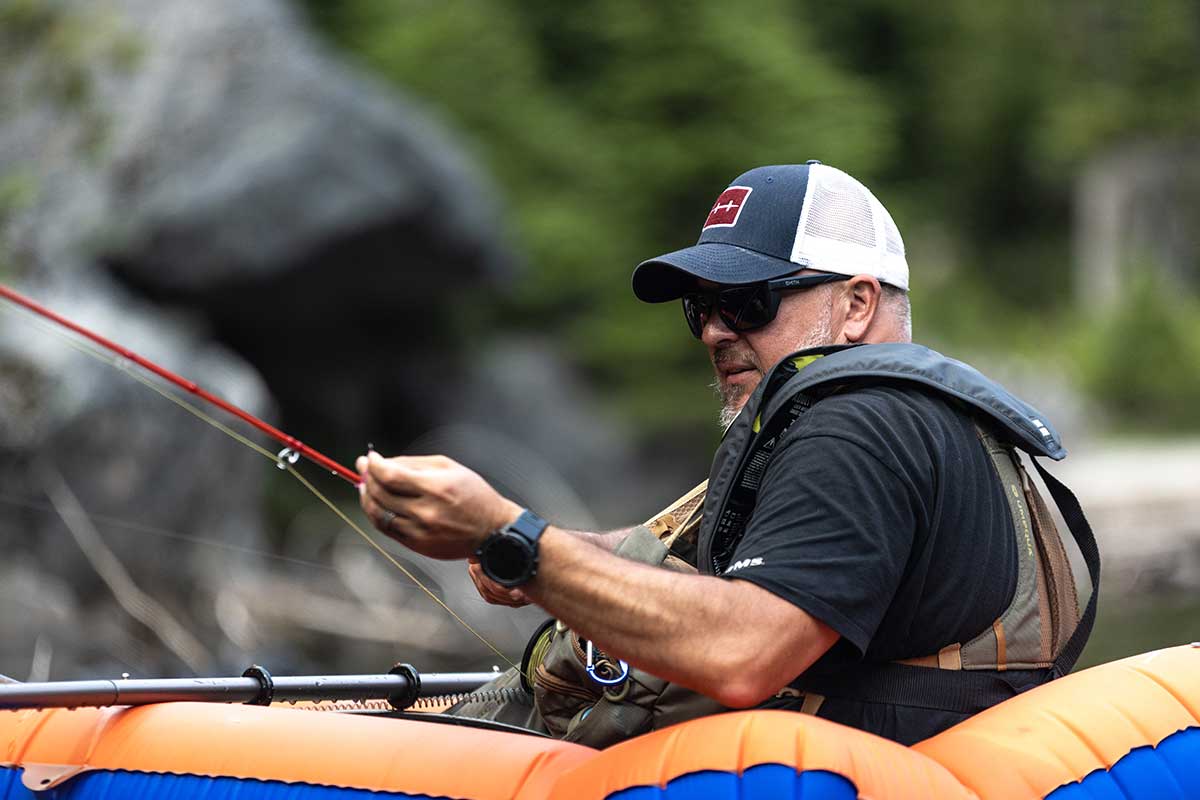
We provide everything you need to fish effectively – premium rods, reels, waders, and a full selection of flies tied specifically for these waters. The rod setups we use are 9-foot 5-weights, perfect for the size of water we're fishing and the trout you'll be targeting. You'll work with both dry flies and subsurface presentations depending on conditions and what the fish are showing us. Early in the season, we're often throwing attractor patterns like stimulators and elk hair caddis. As summer progresses and hatches become more predictable, we'll match what's coming off – maybe pale morning duns in the mornings or caddis in the evenings. When fish aren't looking up, we'll drop down to nymphs and soft hackles, working them through the deeper runs where trout stage between feeding periods. The key is staying versatile and reading the water. Your guide will show you how to adjust your leader length, tippet size, and fly weight based on what we're seeing. Casting instruction is a big part of the day – you'll work on accuracy over distance, learning to place flies in tight spots without spooking fish downstream.
Species You'll Want to Hook
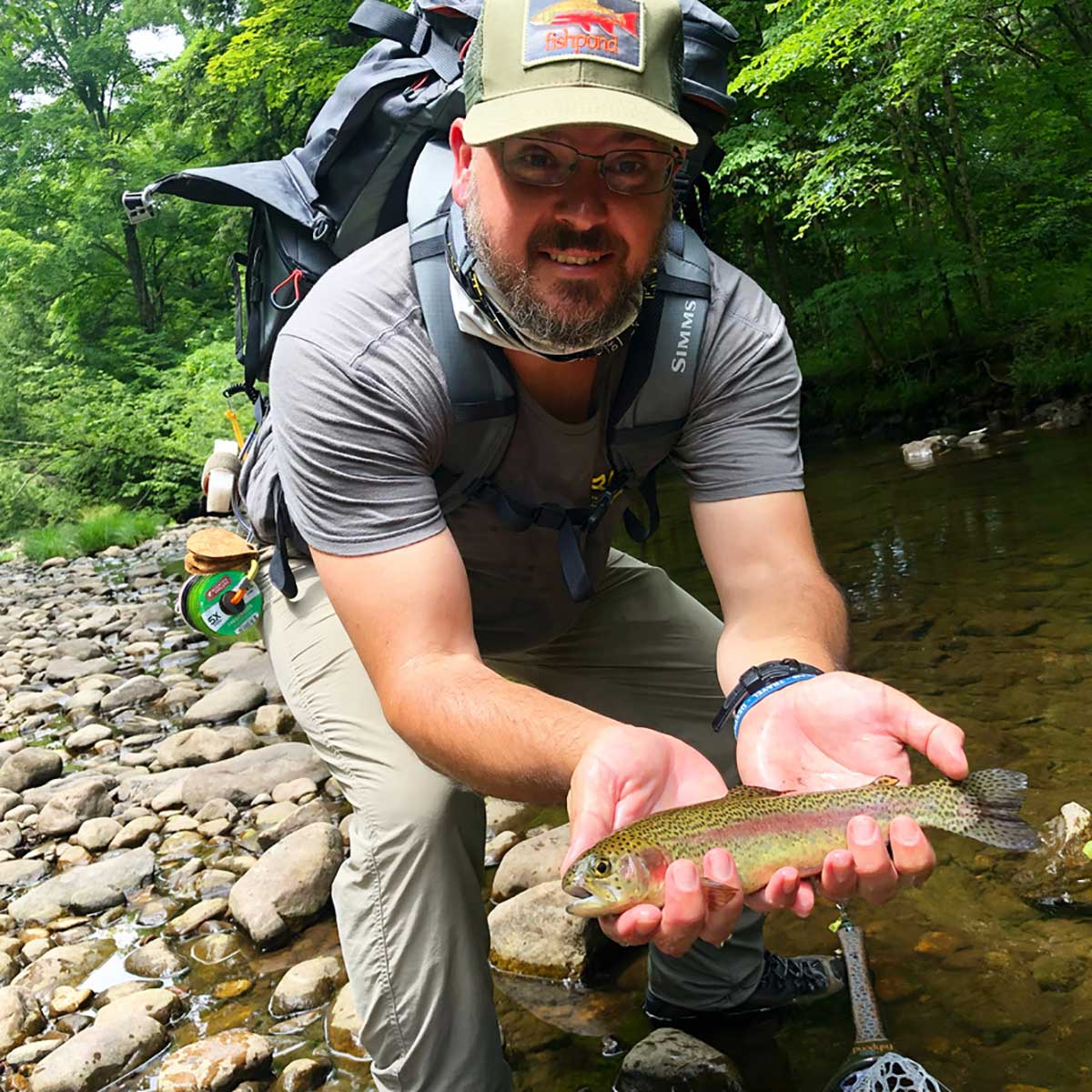
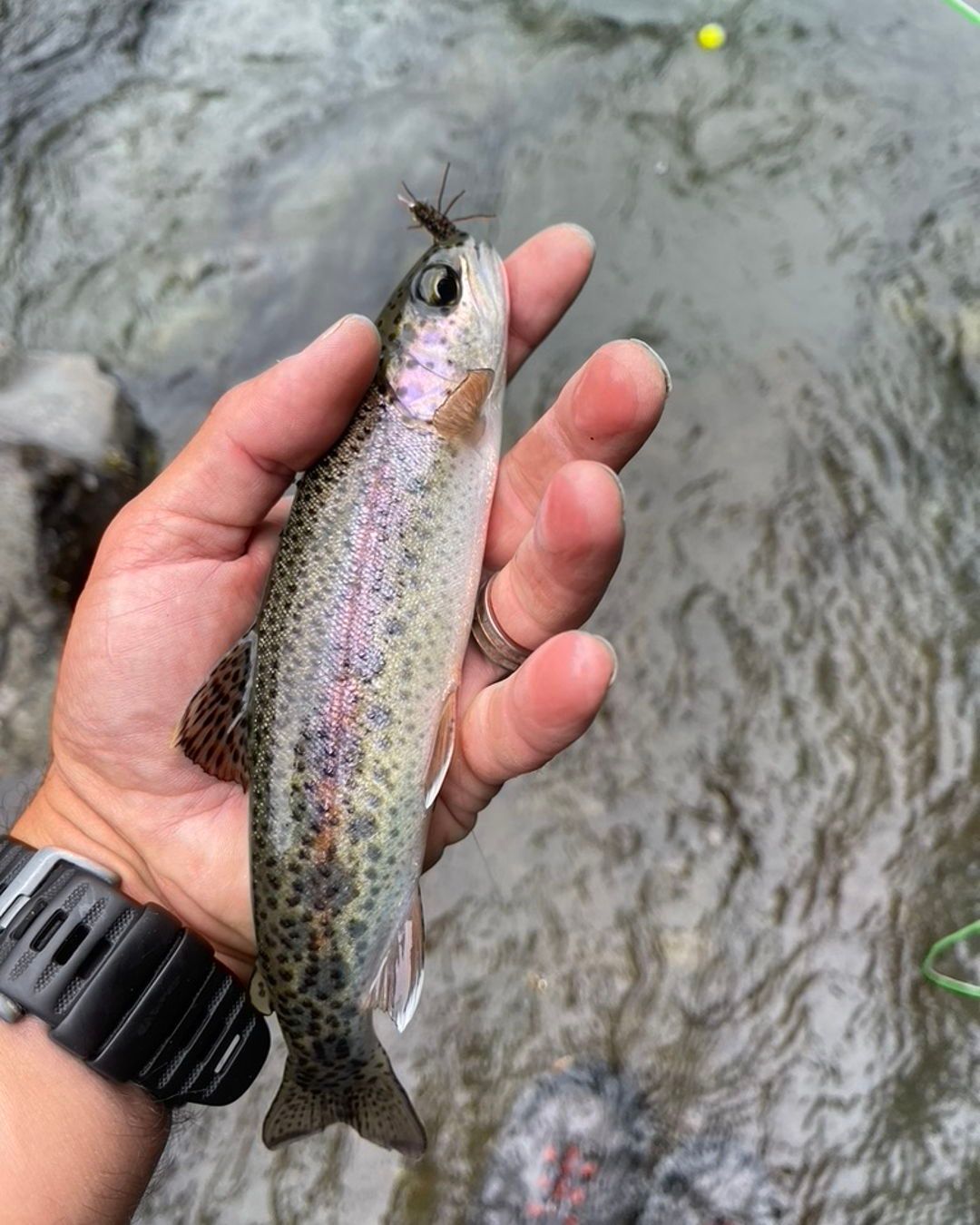
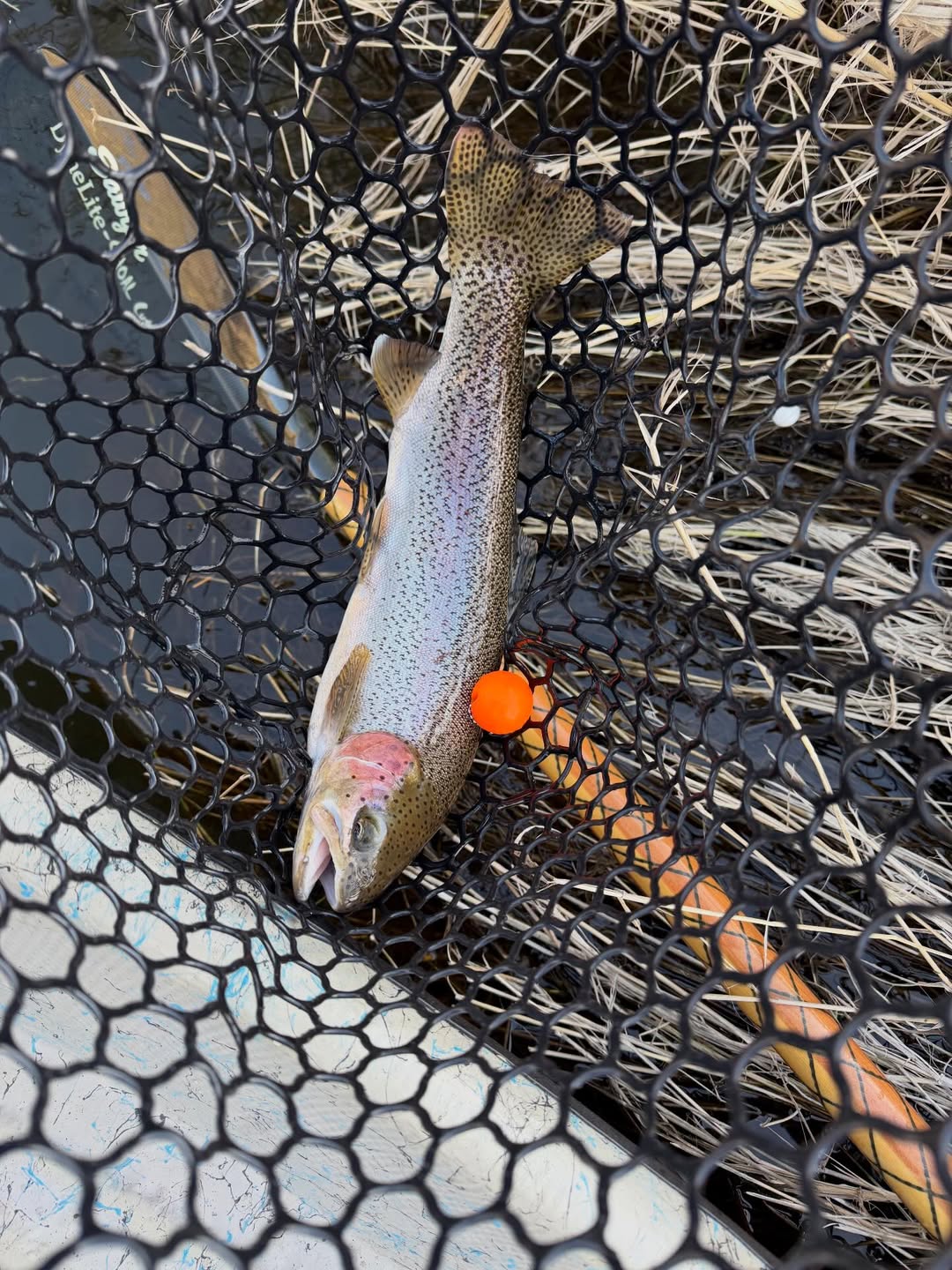
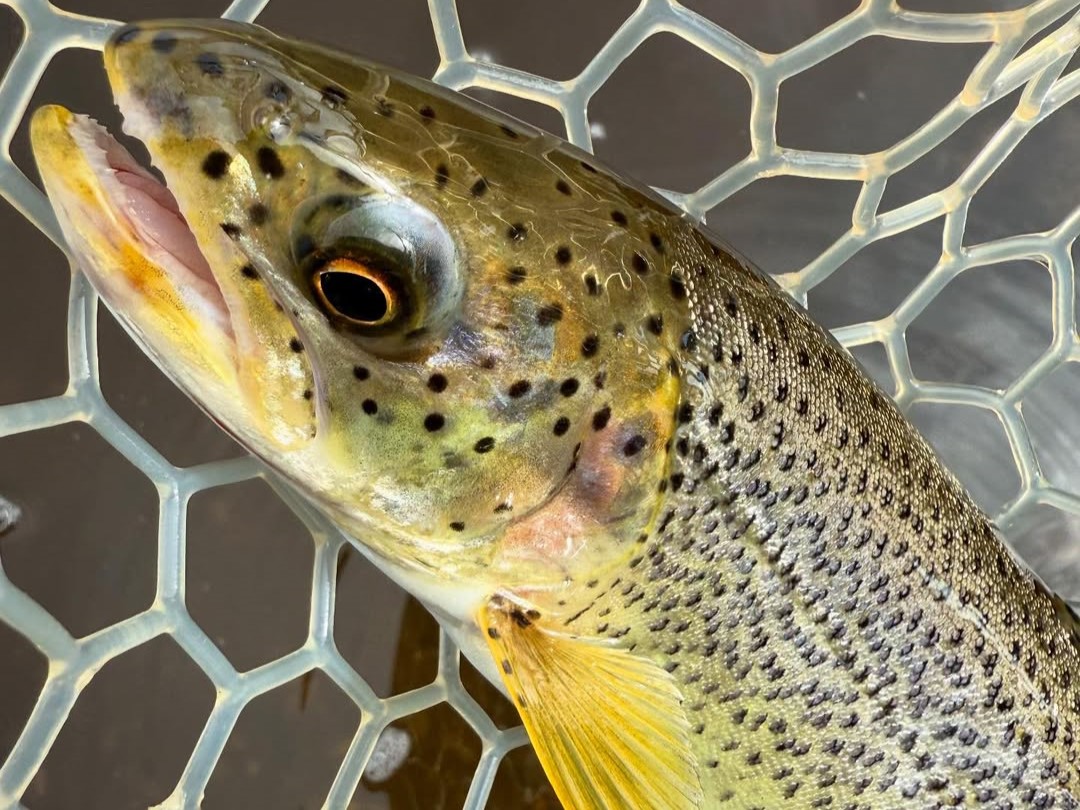
Rainbow trout are the bread and butter of the Snoqualmie system, and these aren't your typical hatchery fish. The rainbows here are wild, stream-bred fish that know how to use the current and structure to their advantage. They typically run 8 to 14 inches, with the occasional surprise fish pushing 16 or 17 inches. Rainbows in these waters are opportunistic feeders, especially during the summer months when terrestrial insects start falling into the water. They're also incredibly acrobatic – expect multiple jumps and strong runs toward cover when you hook one. The best rainbow fishing happens from July through September when water temperatures are ideal and insect activity peaks. What makes these fish special is their wariness – they've seen plenty of flies, so your presentation needs to be clean. When you do everything right and watch a selective rainbow rise confidently to your dry fly, that's what keeps anglers coming back to these waters year after year.
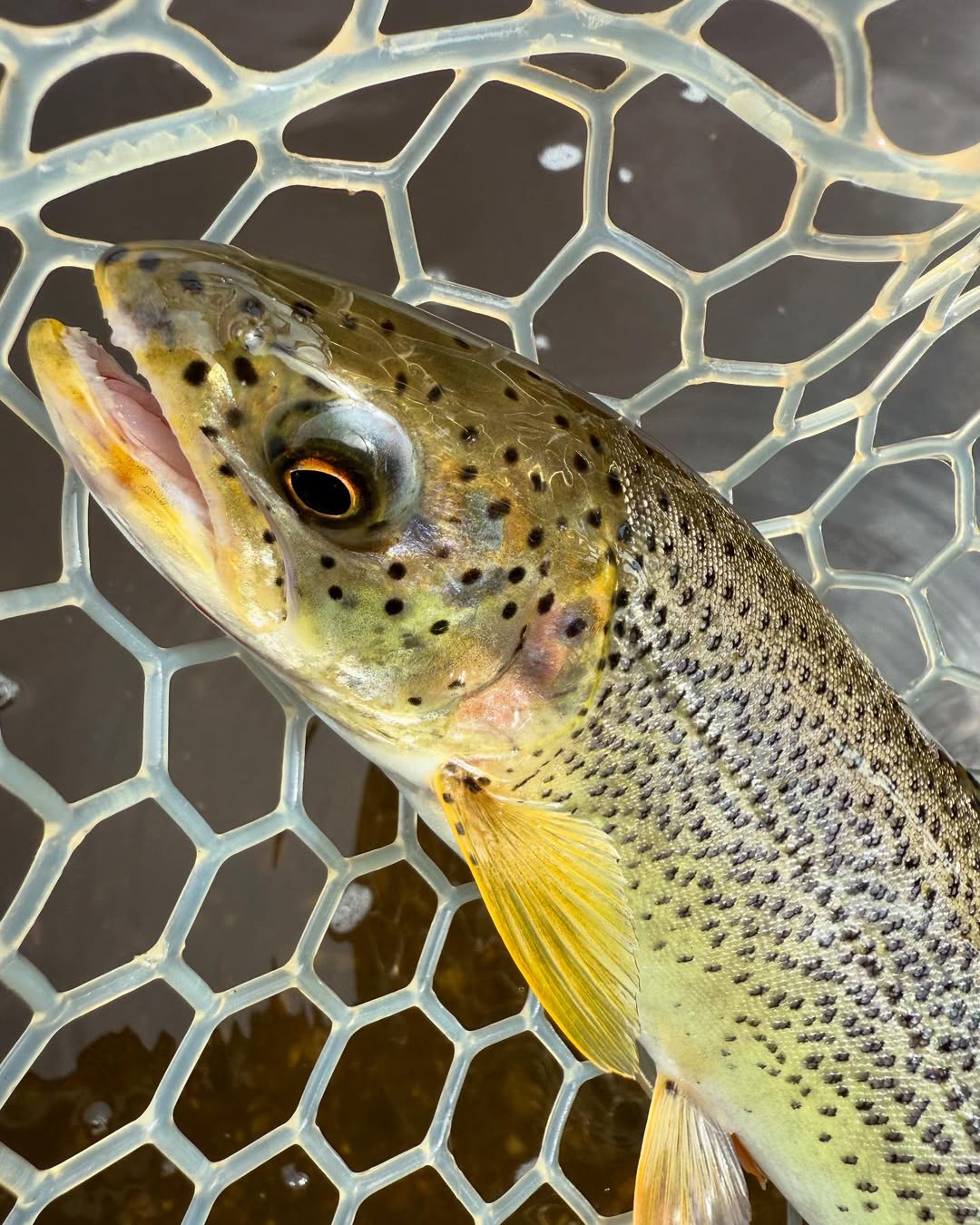
Cutthroat trout add a different dimension to the fishing, and the Snoqualmie drainage holds some beautiful coastal cutts that move between the river system and Puget Sound. These fish are typically larger than the resident rainbows, often running 12 to 18 inches with their distinctive red slash marks clearly visible. Cutthroats are aggressive feeders and less selective than rainbows, making them perfect targets for anglers still working on their presentation. They love undercut banks and deeper pools, especially during the warmer parts of the day. Peak cutthroat fishing occurs in June and early July when they're actively feeding before water temperatures climb too high. What's exciting about hooking a cutthroat is their initial run – they use their size and the current to test your drag system immediately. Unlike rainbows that jump and shake, cutthroats tend to stay deep and use bulldogging tactics to throw the hook. The coastal genetics in these fish make them incredibly strong, and landing a quality cutthroat in fast water is something you'll remember long after the trip ends.
Time to Book Your Spot
The Snoqualmie River system offers some of the most consistent and rewarding trout fishing in western Washington, and an 8-hour trip gives you the time to really experience what these waters have to offer. You'll come away with improved skills, a better understanding of how to read mountain water, and hopefully some great memories of quality fish brought to the net. The season runs from June through October, but prime time is July through September when conditions are most stable and fish are most active. Remember to pick up your Washington fishing license before the trip – you can get one online or at most sporting goods stores. This is a top-rated experience for good reason: the combination of productive water, quality fish, and personalized instruction creates the kind of day that turns casual anglers into serious fly fishermen. Don't wait too long to book, especially for weekend dates
 Private Trip
 Fishing
 undefined, undefined

 Full-day private trout fishing on Snoqualmie River and mountain streams