Virginia Beach Full Day Midshore Fishing
Picture this: you're heading out for a full day on the water with Patriotic Excursions, targeting some of the most productive fishing grounds off Virginia Beach. We're talking about the Wind Farms and Triangle Wrecks – spots that have been producing consistent action for years. This isn't your typical nearshore trip. We're going where the big fish live, and with only 4 anglers max, you'll have plenty of room to work and all the personalized attention you need to make it count.
What to Expect on the Water
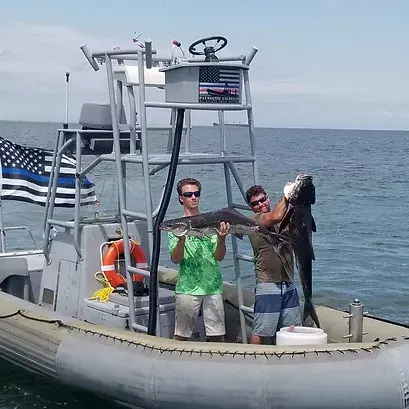
When you step aboard with Patriotic Excursions, you're signing up for a legitimate full-day adventure. We're not talking about a quick half-day run – this is the real deal. The plan is to hit the Wind Farms first, where those massive offshore structures create perfect habitat for sea bass and tautog. These artificial reefs are fish magnets, plain and simple. The Triangle Wrecks are our backup plan, but honestly, they're just as productive. Both spots sit in that sweet midshore zone where the water's deep enough to hold quality fish but close enough that we can maximize our fishing time. Depending on conditions and what's biting, we might even swing by Chesapeake Bay. That's where things get interesting – we're talking cobia, spadefish, and if we're really lucky and the water's right, some king mackerel action. The beauty of this trip is the flexibility. Your captain knows these waters like the back of his hand and will adjust the game plan based on what's working that day.
Techniques and Tackle
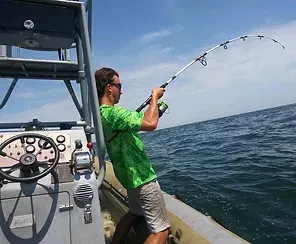
Wreck fishing is a whole different animal from your typical bottom fishing. We're dropping baits right into structure, which means you need to know what you're doing or you'll be re-rigging all day. The good news? Your captain has this dialed in. We're talking circle hooks to minimize gut hooking, enough weight to get down in the current, and leader material that can handle the inevitable scrapes against barnacle-covered steel. For the sea bass and tautog around the wrecks, we'll be using everything from green crabs to squid strips. When we're targeting spadefish, it's all about the presentation – these fish can be picky, but they're absolute bulldogs when you hook them. If we venture into the Bay for cobia, that's when things get fun. These fish are sight feeders and incredibly curious. Your captain might have you casting live eels or working bucktails around the pilings. The key is staying versatile and ready to switch tactics based on what the fish want that day.
Top Catches This Season
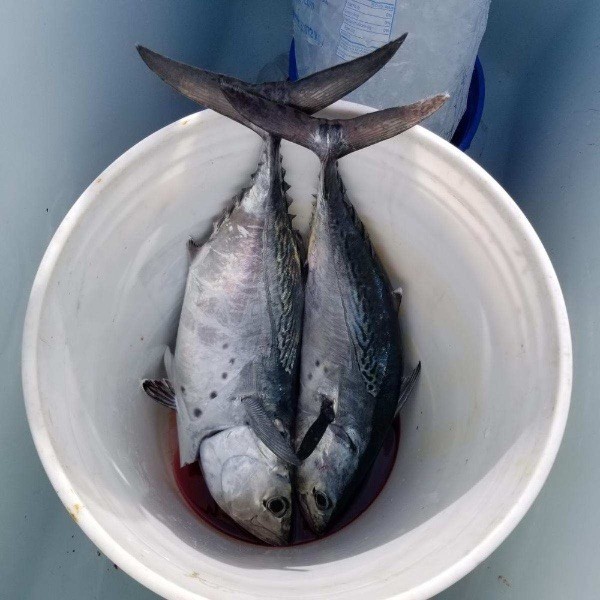
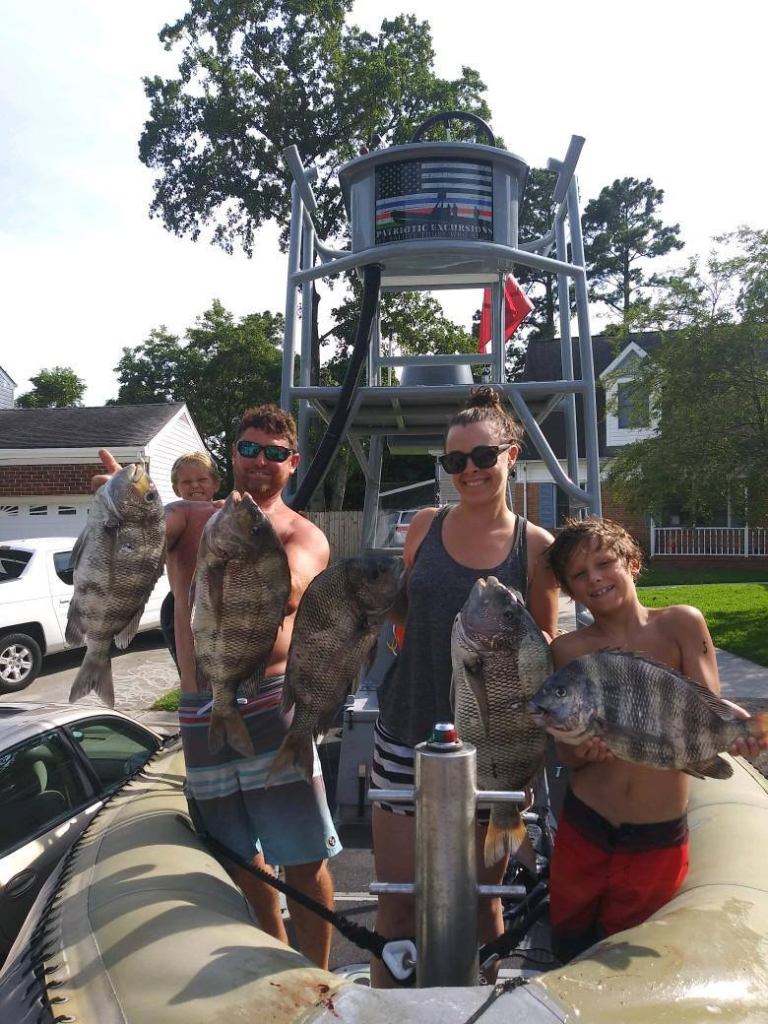
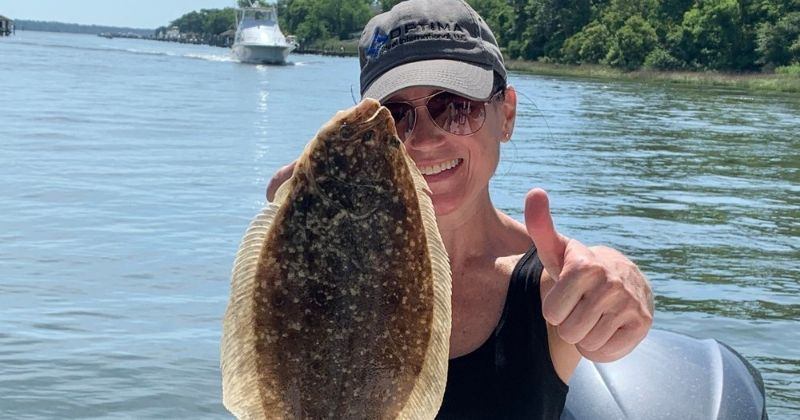
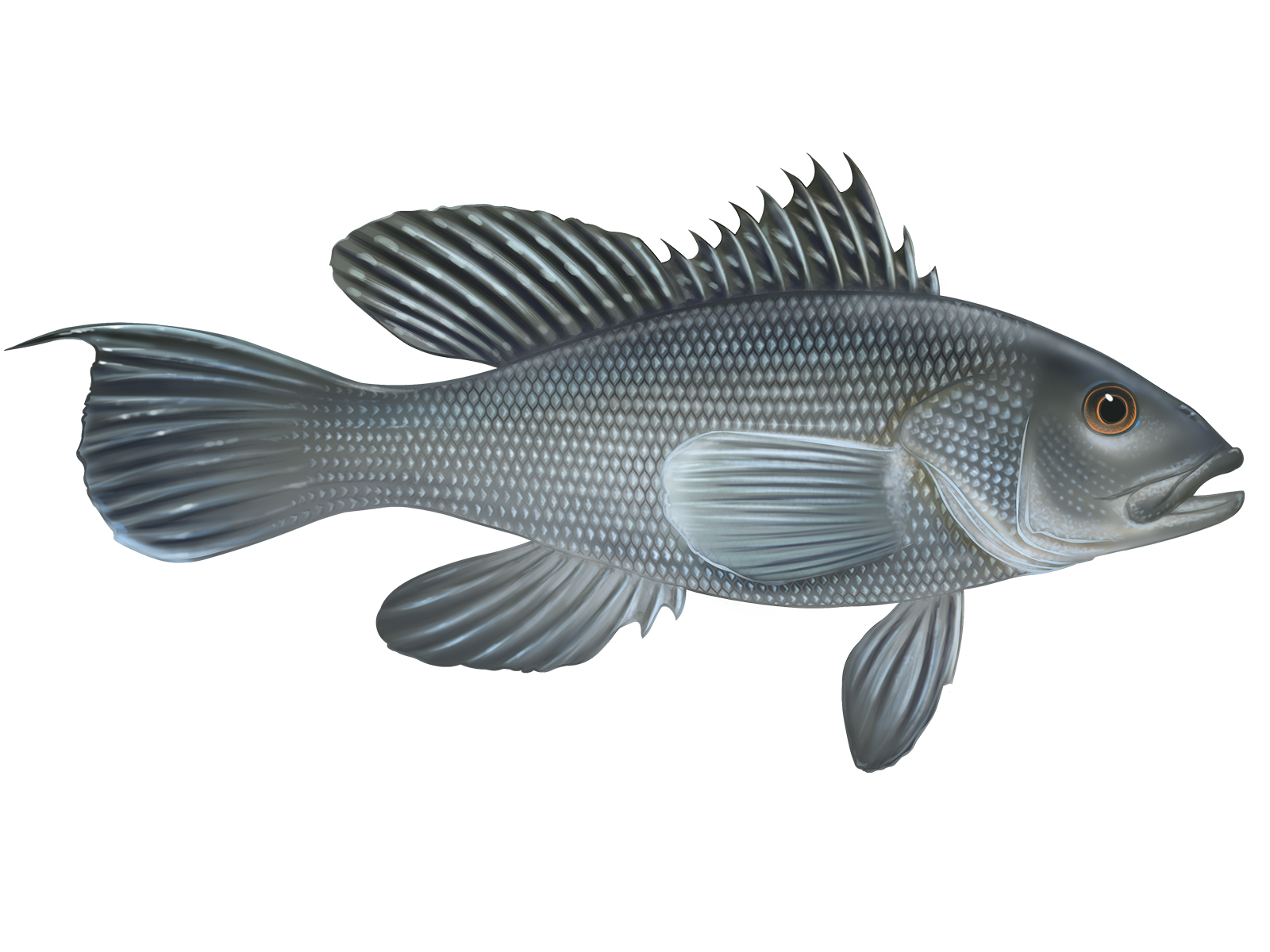
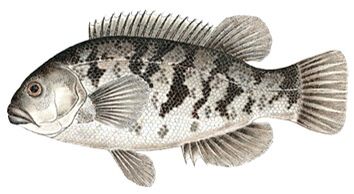
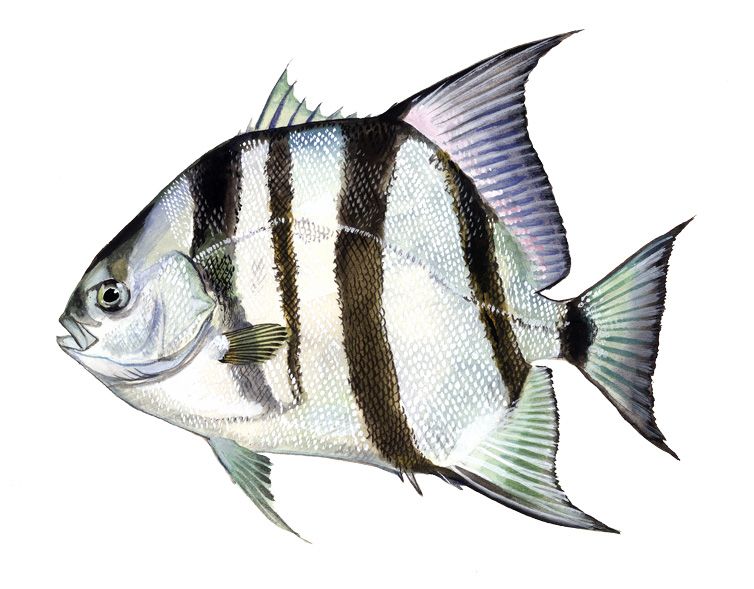
Sea bass are the bread and butter of Virginia Beach wreck fishing, and for good reason. These chunky fighters love the structure and will absolutely hammer a well-presented bait. Most of the keepers we're seeing are running 12 to 16 inches, with some real doormat-sized fish mixed in when conditions align. They're most active during the cooler parts of the day, which works perfect for our full-day format. Tautog are the muscle of the wreck scene – these fish have jaws like bolt cutters and will test your drag system every time. They're year-round residents around the wrecks, but fall and winter fishing can be absolutely phenomenal when other species have moved on. Southern flounder are the wildcards. When they're around, they're usually quality fish, and there's nothing quite like watching a big flatfish inhale your bait on the fishfinder. Spadefish are pure fun on light tackle. These disk-shaped fighters will bend your rod double and run circles around the boat. They school up around structure during the warmer months and provide some of the most consistent action you'll find. Spanish mackerel round out the target list with their blistering runs and acrobatic fights. When they move through the area, usually during the summer and early fall, it's game on with light tackle and small lures or bait.
Time to Book Your Spot
Look, there's a reason Patriotic Excursions keeps this trip limited to 4 anglers – it's about quality over quantity. You're not going to be fighting for rail space or waiting in line to use the net. This is personalized fishing at its finest, targeting some of the most productive waters off the Virginia coast. Whether you're after keeper sea bass for the dinner table, want to tangle with bruiser tautog, or hoping to sight-cast to curious cobia, this trip delivers the goods. The combination of prime fishing locations, expert local knowledge, and small group size makes this a top-rated charter option that books up fast. Don't sleep on this one – grab your spot and get ready for a day of world-class fishing that'll have you planning your next trip before you even hit the dock.
 Private Trip
 Wrecks/Reefs Fishing
 Richmond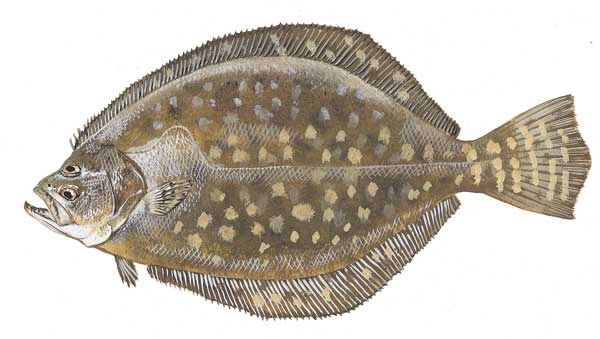

 Full day fishing at Wind Farms and Triangle Wrecks