Lake Lanier Morning Multi-Species Fishing Trip
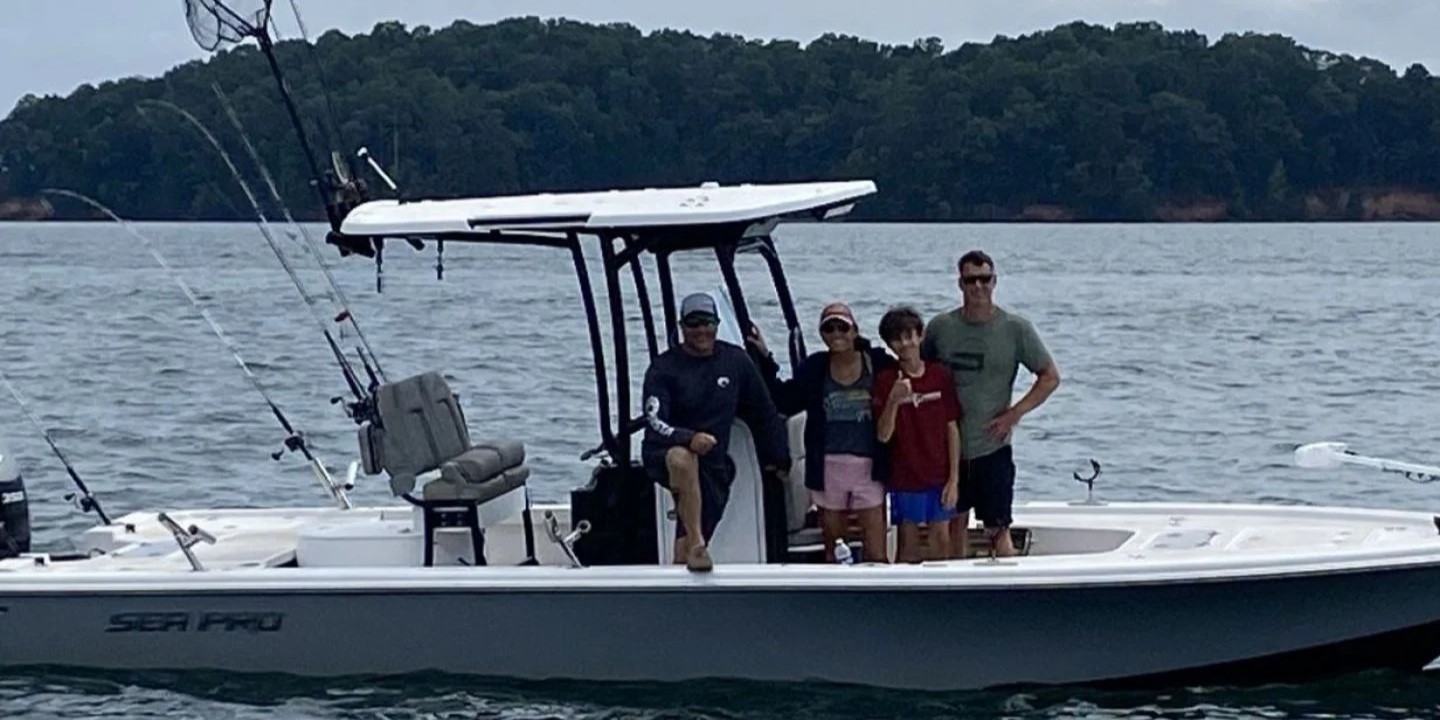
Lake Lanier's got a reputation for holding some serious fish, and Guide Rob Morris knows exactly where they're hiding. This top-rated 5-hour morning trip puts you right in the thick of Georgia's premier fishing destination, targeting everything from hard-fighting stripers to trophy catfish. With room for up to 3 anglers, you'll get personalized attention whether you're a weekend warrior or picking up a rod for the first time. Rob's been working these waters long enough to know which humps hold fish, when the bite turns on, and how to put you on the action that makes Lake Lanier a customer favorite among serious anglers.
What to Expect on the Water
Your morning starts early when the fish are most active and the lake's still quiet. Rob's got the boat rigged and ready to go, so you'll be casting lines while most folks are still drinking their first cup of coffee. The beauty of this multi-species approach is that you're never just sitting around waiting - if the bass aren't cooperating in one spot, we're moving to catfish holes or working the thermocline for stripers. Lake Lanier's 38,000 acres give us plenty of room to work, and Rob's electronics will show us exactly what's down there. You'll learn to read the water, understand structure, and pick up techniques that'll make you a better angler long after you leave the dock. The relaxed pace lets everyone get comfortable with different presentations, from finesse tactics to power fishing, depending on what the conditions call for.
Gear Setup & Techniques
Rob comes prepared with quality rods and reels matched to each species we're targeting, so you don't need to worry about bringing your own tackle. For stripers, we'll be working with medium-heavy spinning gear and baitcasters, throwing everything from topwater poppers at dawn to deep-diving crankbaits when they head to structure. Catfish action calls for heavier tackle and circle hooks with fresh bait - Rob knows the local bait shops and always brings the good stuff. When we're after gar, it's all about the wire leaders and patience, since these prehistoric fighters have razor-sharp teeth and attitudes to match. Bass fishing on Lanier means adapting to the conditions - could be drop-shotting steep banks, flipping docks, or working schooling fish on main lake points. You'll get hands-on experience with different techniques, and Rob's happy to explain the why behind each setup so you understand the strategy, not just the mechanics.
Species You'll Want to Hook
Spotted bass are the bread and butter of Lake Lanier fishing, and these scrappy fighters punch way above their weight class. Unlike their largemouth cousins, spots prefer the clearer, deeper water that Lanier's known for, and they'll absolutely demolish a well-presented drop shot or shaky head. Spring through fall offers the best action, but even winter fishing can be world-class when you find them staged on deep points. What makes spots special is their aggressive nature - they'll often school up and compete for your bait, leading to those magical moments when every cast gets bit.
White bass might be smaller than their striped cousins, but they make up for it with pure enthusiasm. When you find a school of whites feeding on the surface, it's like a feeding frenzy that'll wear out your arms in the best possible way. They're most active during spring and fall transitions, following the shad schools up into the creeks and back out to main lake structure. Rob knows the seasonal patterns and can put you on these silver bullets when they're really turned on.
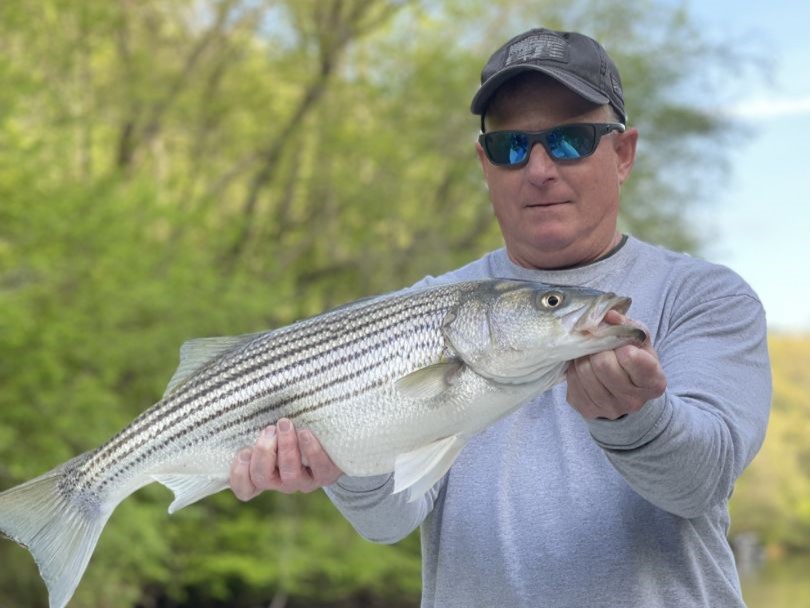
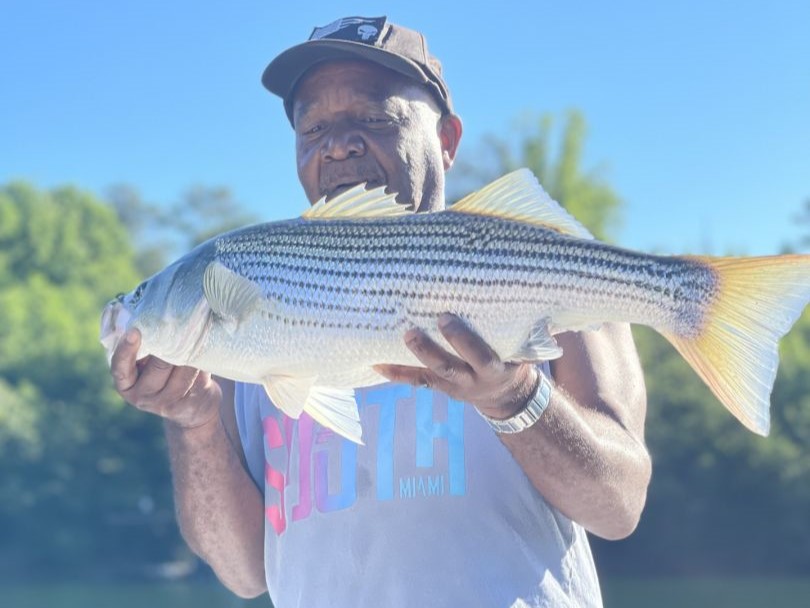
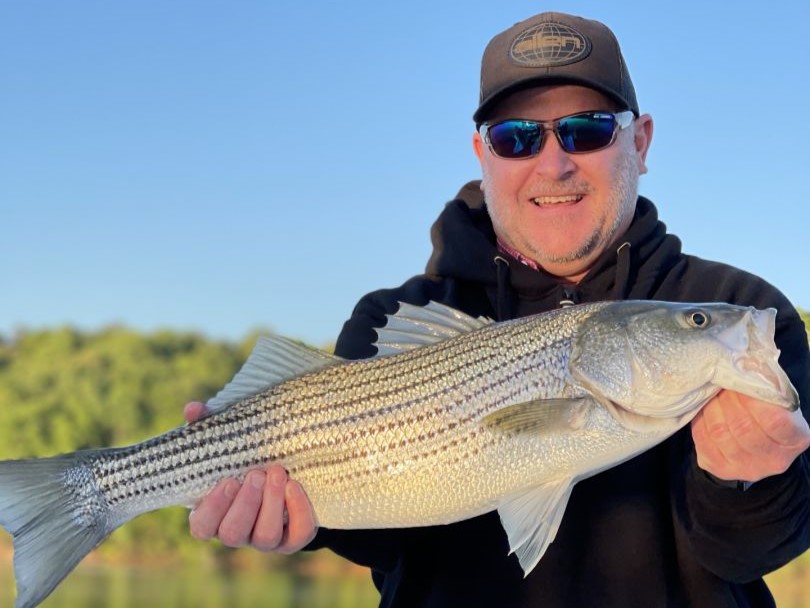
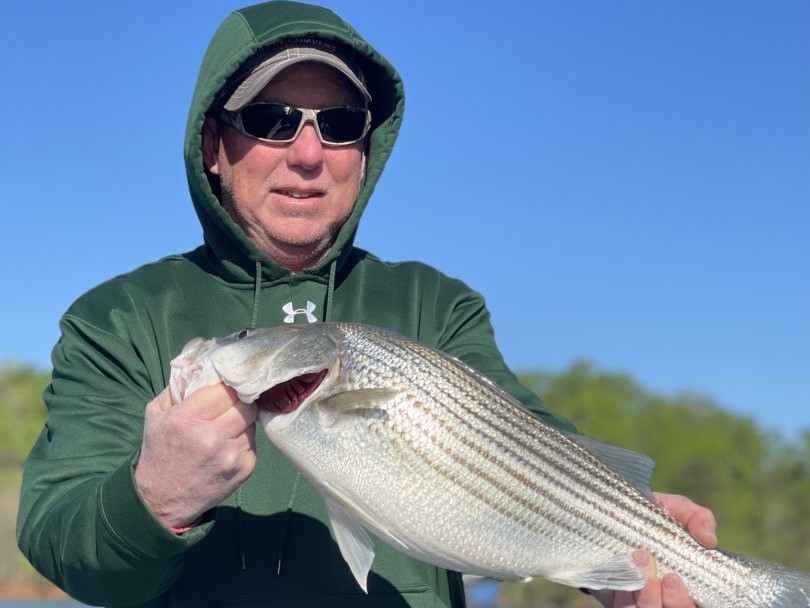
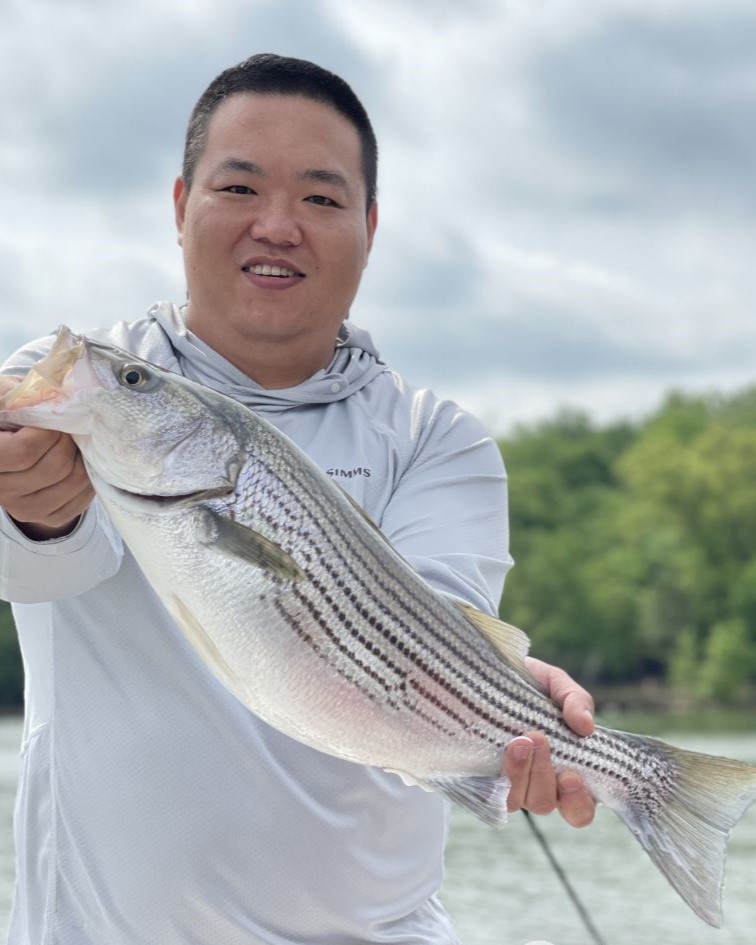
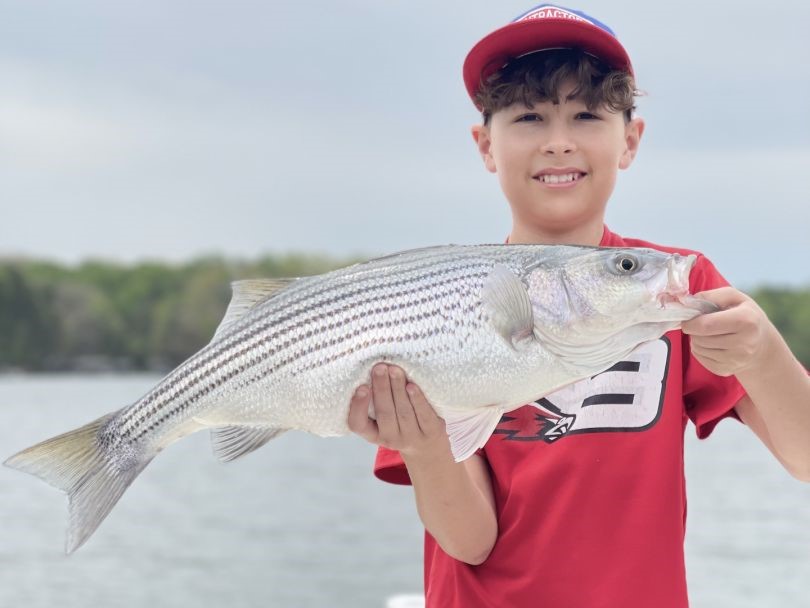
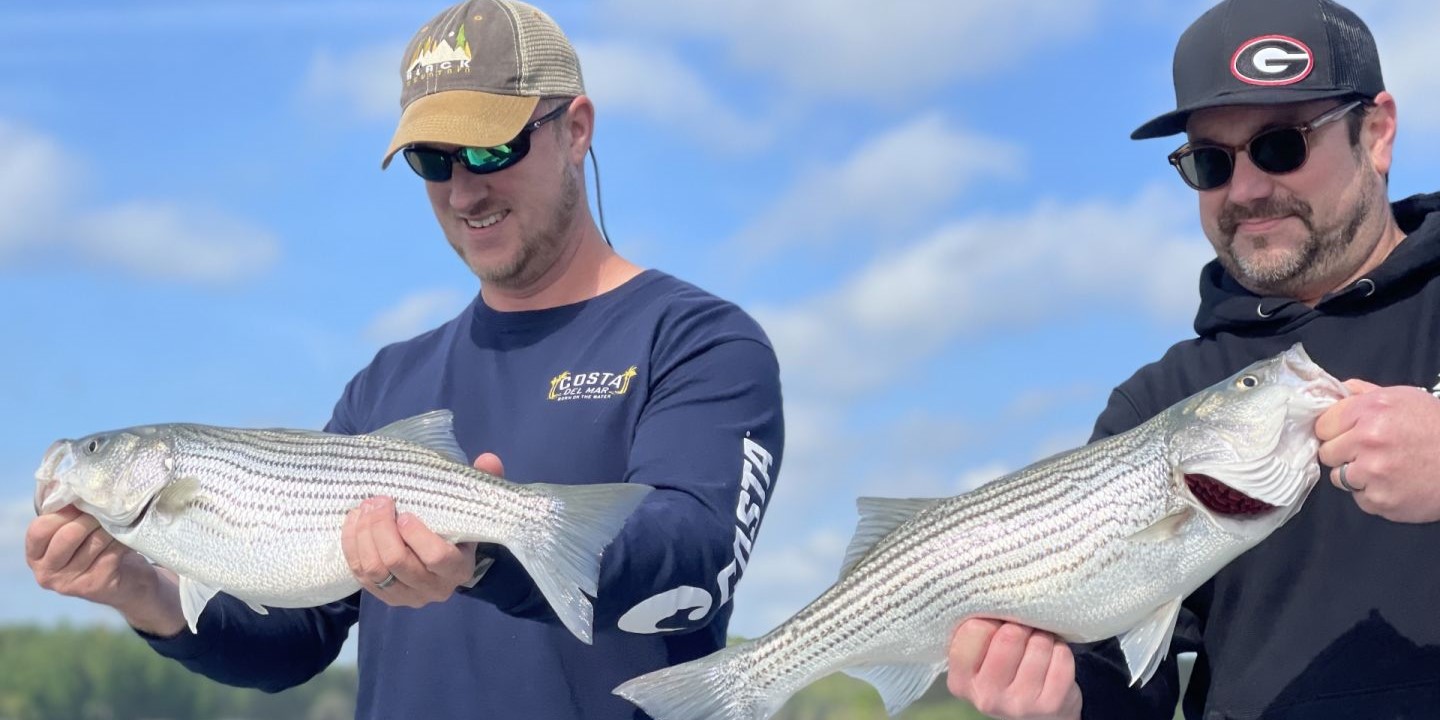
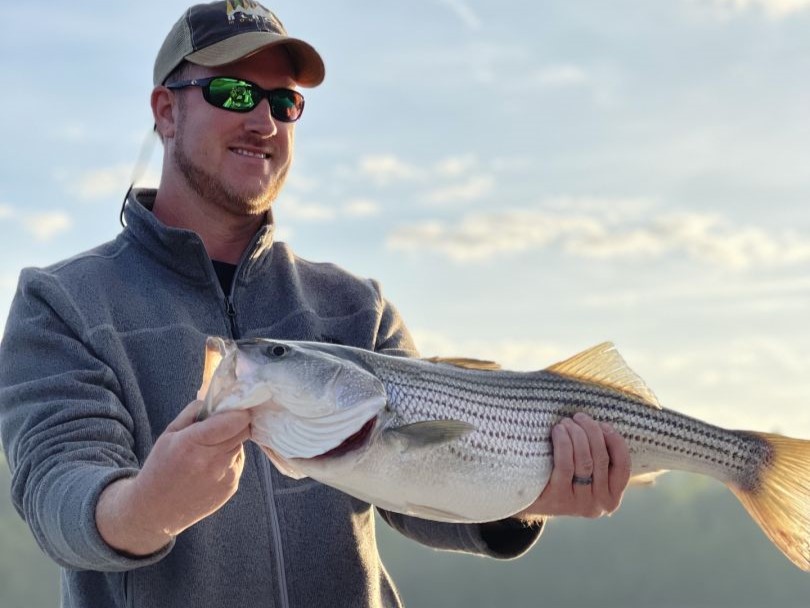
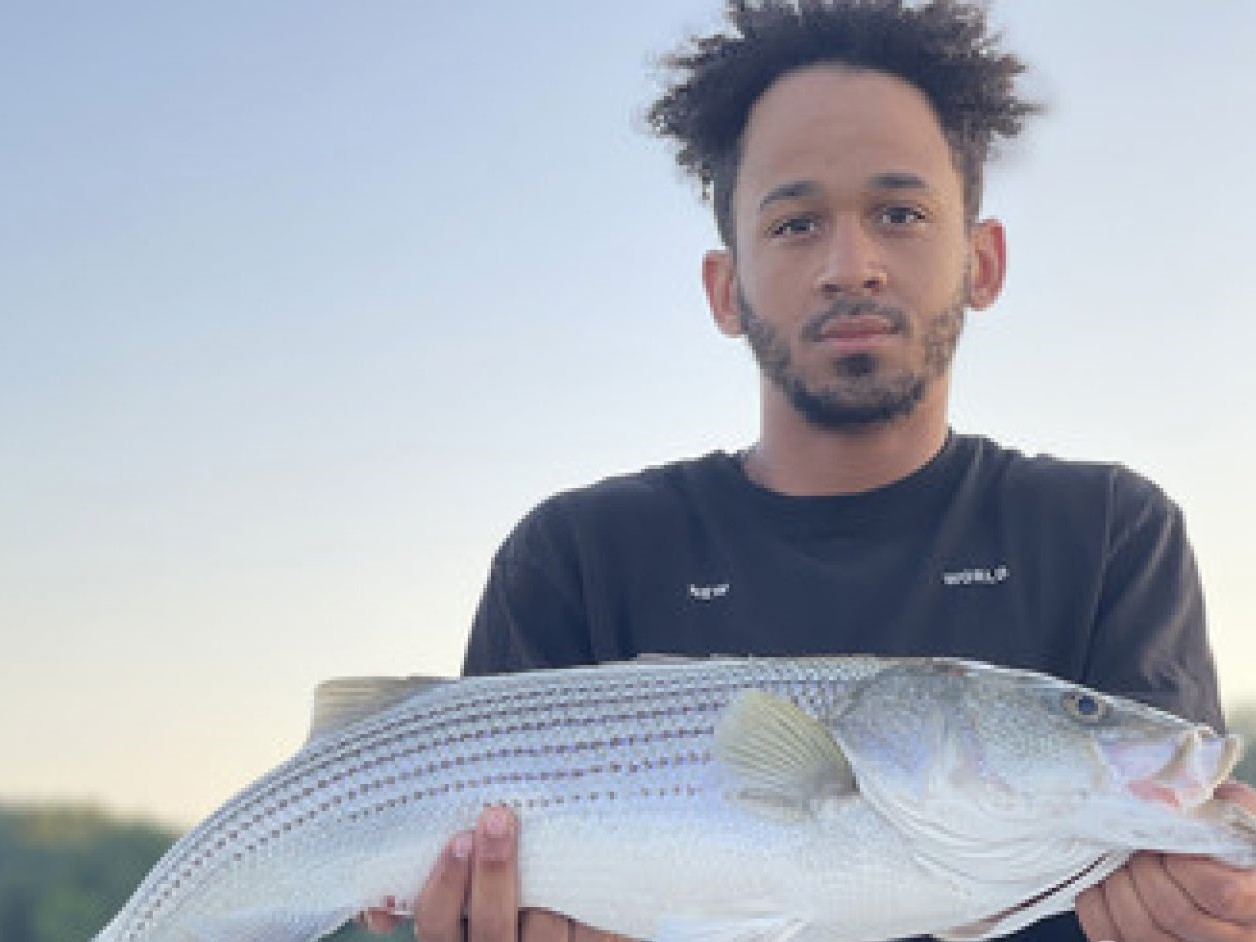
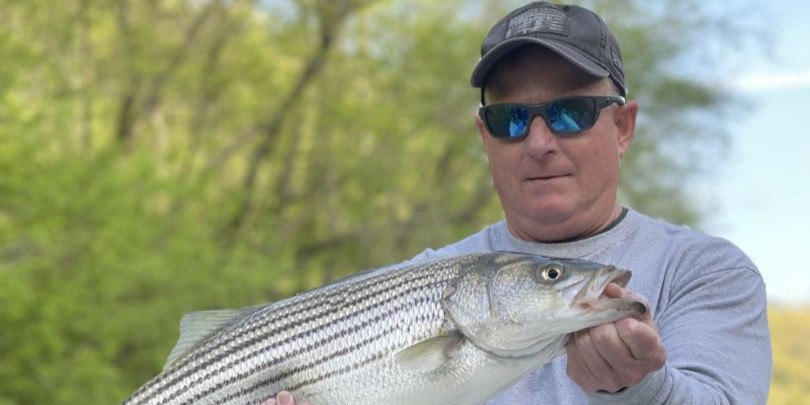
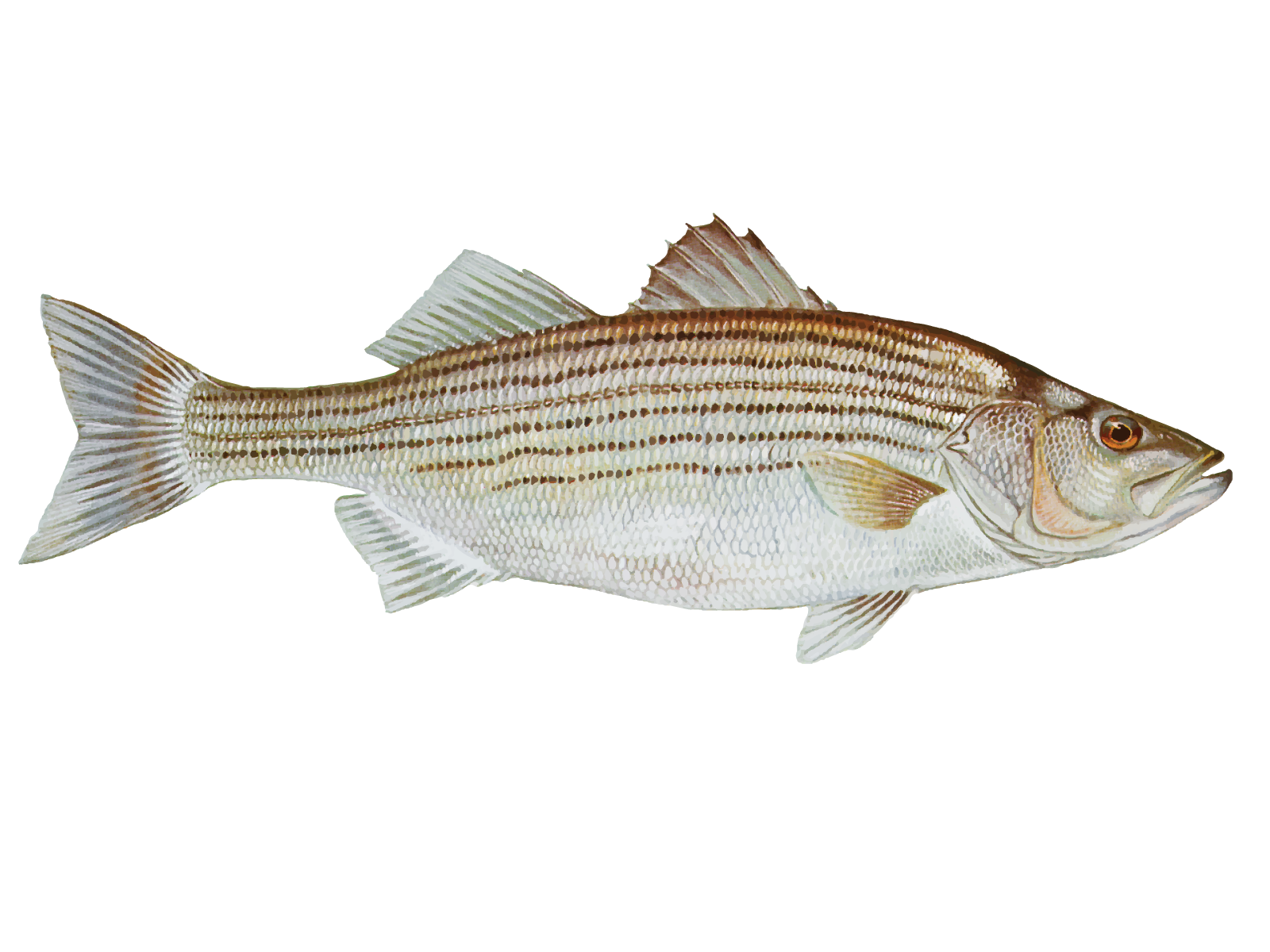
Striped bass are the crown jewel of Lake Lanier, with fish regularly pushing 20+ pounds and providing fights that'll test your drag system. These lake-run stripers behave differently than their saltwater relatives, relating heavily to structure and baitfish schools. Summer finds them in deeper water following the thermocline, while spring and fall bring them shallow enough for topwater action that'll get your heart pumping. The key to consistent striper fishing is understanding their relationship to oxygen levels and baitfish, something Rob's mastered through years of pattern recognition.
Channel catfish in Lanier grow fat and happy, with plenty reaching double digits and providing steady action when other species get finicky. Unlike river cats, these lake dwellers relate to specific structure and can be targeted with precision rather than just hoping for the best. Spring through fall offers the most consistent action, but winter fishing can be outstanding when you locate their deep-water haunts. What anglers love about Lanier's cats is their reliability - when nothing else is biting, Rob can usually find willing catfish to save the day.
Alligator gar represent the wildcard species that can turn a good day into an legendary one. These ancient predators can reach impressive sizes in Lanier's fertile waters, and hooking one is like connecting with a living dinosaur. They're most active in warmer months and require specific techniques and heavy tackle to handle their size and attitude. Gar fishing demands patience, but the payoff of seeing one of these prehistoric beasts come to the boat makes it all worthwhile. They're not always cooperative, but when they are, you'll understand why serious anglers specifically target these unique fish.
Time to Book Your Spot
Lake Lanier's fishing just keeps getting better, and slots with experienced guides like Rob fill up fast, especially during prime season. This multi-species approach gives you the best shot at consistent action while learning techniques you can use anywhere. Whether you're looking to introduce someone to fishing or add some new species to your personal best list, this morning trip delivers the kind of hands-on experience that makes you a better angler. Rob's knowledge of seasonal patterns, local hotspots, and fish behavior comes from years of dedicated time on these waters. Don't wait until peak season to book - the best fishing often happens when you least expect it, and having a guide who can adapt to changing conditions makes all the difference between a good day and a great one.
 Private Trip
 Lakes/Reservoirs/Ponds Fishing
 Lake Lanier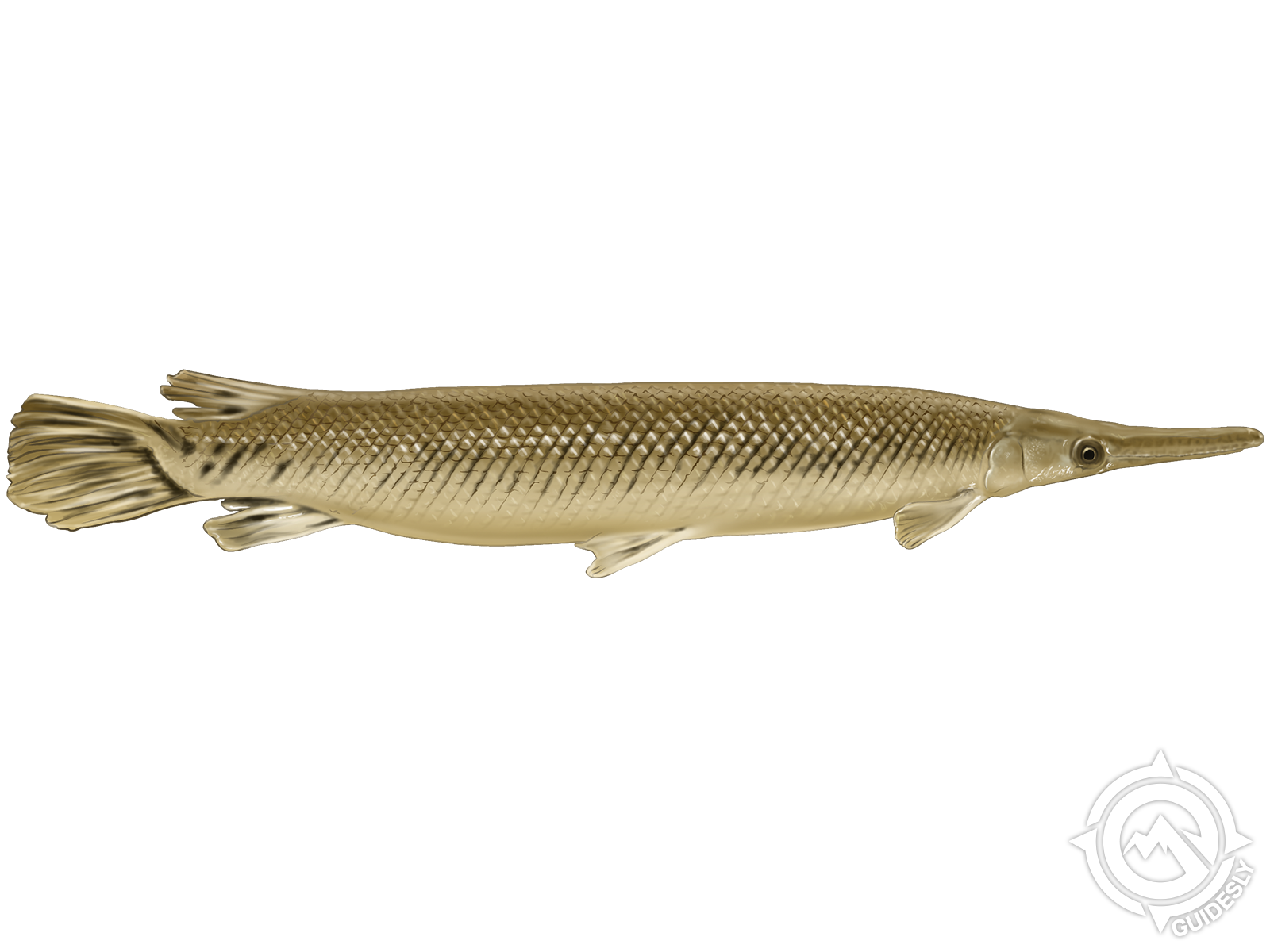



 5-hour guided striper fishing adventure on Lake Lanier