Afternoon Bass & Tarpon Fishing in Miami
Picture this: you're casting into Miami's legendary canals and backwaters as the afternoon sun hits just right, targeting some of Florida's most sought-after freshwater and inshore species. This 4-hour guided fishing trip puts you right in the action, chasing peacock bass, largemouth bass, snook, and tarpon with a seasoned local captain who knows exactly where these fish hang out. Whether you're a weekend warrior or picking up a rod for the first time, this afternoon adventure delivers the kind of Miami fishing experience that keeps anglers talking for years.
What to Expect on the Water
Your afternoon kicks off around midday when the fish start getting active again after the morning lull. We'll launch from one of Miami's prime access points and head straight to the honey holes where these species love to ambush baitfish. The beauty of this trip is the variety – one cast you might be working structure for largemouth bass, the next you're sight-fishing for cruising tarpon in the shallows. Your guide knows these waters like the back of their hand and will put you on fish whether they're holding tight to cover or roaming open water. The afternoon bite can be absolutely electric, especially when the peacock bass start schooling up and the snook begin their evening feed. You'll spend your time moving between productive spots, learning to read the water, and dialing in techniques that work specifically for South Florida's unique fishery.
Gear Setup & Techniques
We'll have you rigged and ready with medium to medium-heavy spinning gear that can handle everything from scrappy peacock bass to rolling tarpon. For the bass fishing, we'll be throwing everything from topwater plugs and spinnerbaits to soft plastics worked around downed trees and canal structure. The peacock bass absolutely crush topwater presentations, especially during that prime afternoon window. When we're targeting snook, we'll switch up to live bait or swimbaits worked along mangrove edges and dock pilings where they love to ambush prey. For tarpon, it's all about reading their movement patterns and getting a well-placed cast with the right bait at the perfect moment. Your captain will teach you how to work each lure effectively and adjust your retrieve based on what the fish are telling you that day. All gear and tackle are included, so you just need to bring your enthusiasm and maybe a cooler with some cold drinks.
Top Catches This Season
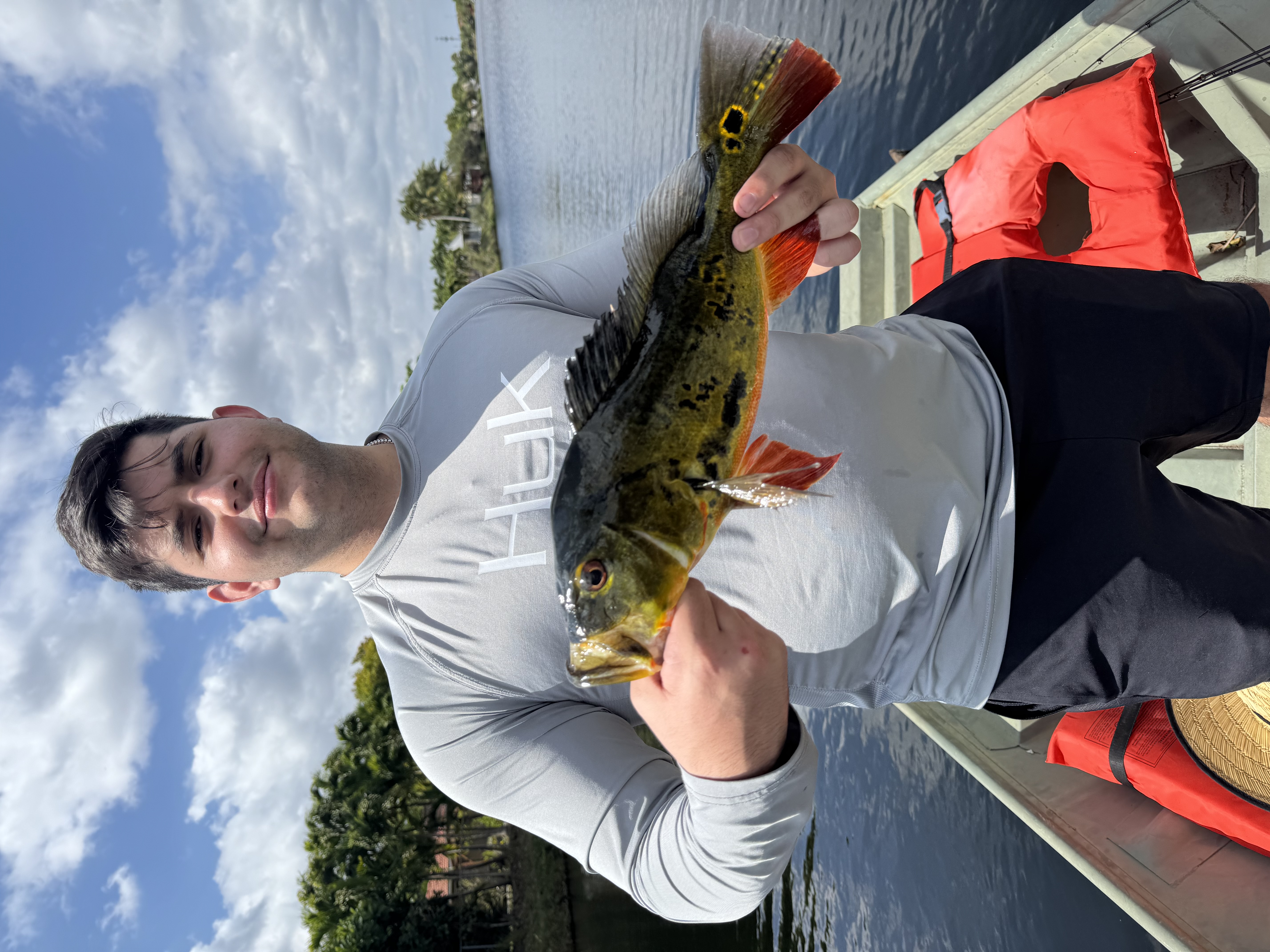
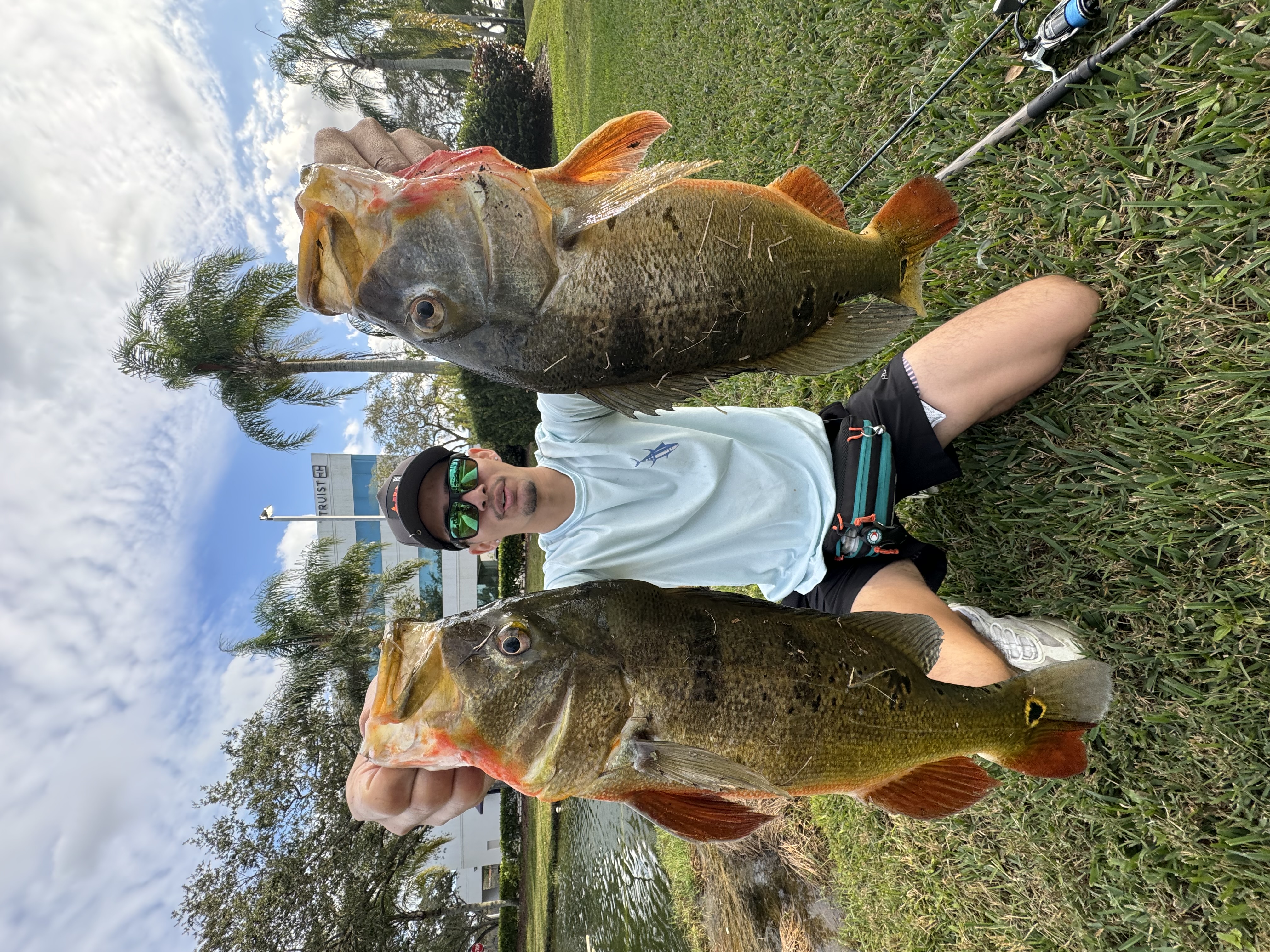
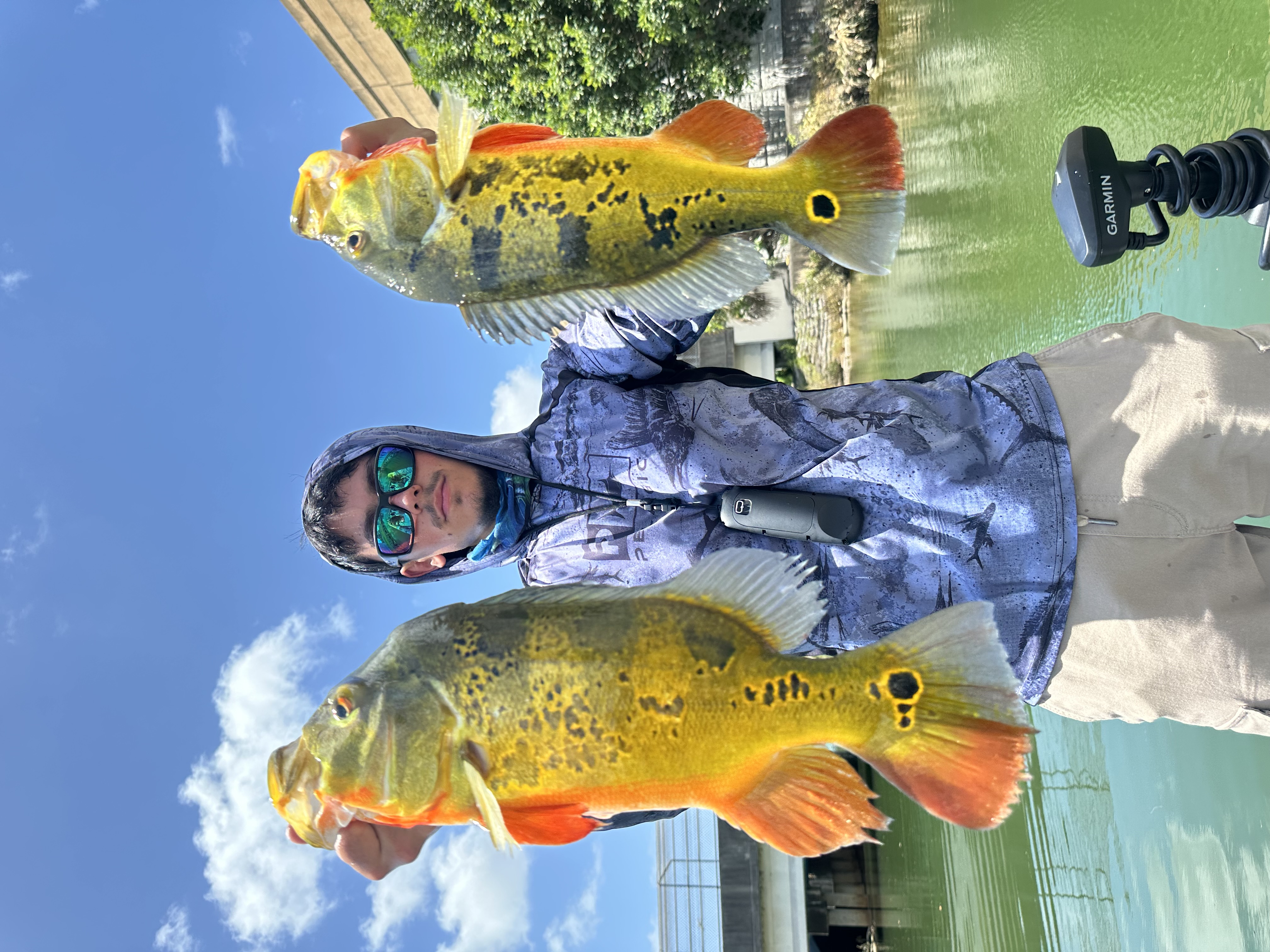
The peacock bass fishing has been absolutely phenomenal this year, with fish ranging from schoolie-sized specimens perfect for non-stop action up to legitimate 5-pound beauties that'll test your drag system. These South American natives have made Miami's canal system their playground, and they fight like nothing else you've encountered – think largemouth bass attitude with cichlid aggression. The largemouth bass population continues to thrive in Miami's freshwater areas, with fish pushing 8 pounds not uncommon for anglers who know how to work the right structure. Recent trips have produced some incredible snook action, particularly around bridge pilings and mangrove cuts where they stage during tide changes. The tarpon fishing has been a real highlight lately, with juvenile fish in the 20 to 60-pound range providing world-class light tackle action that'll have your arms burning and your heart racing. These silver kings jump like crazy and make blistering runs that'll make you understand why tarpon fishing is considered the pinnacle of inshore angling.
Species You'll Want to Hook
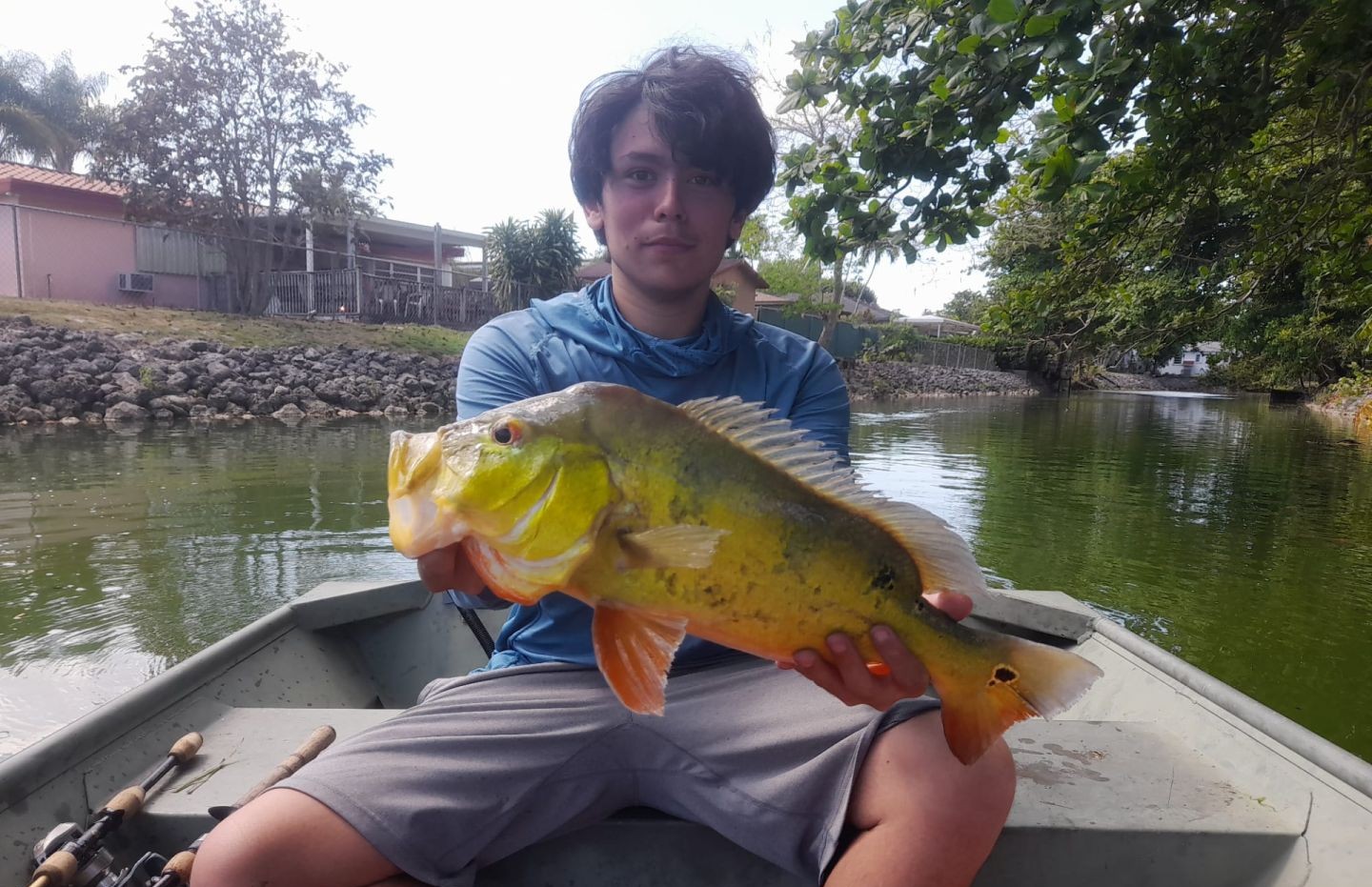
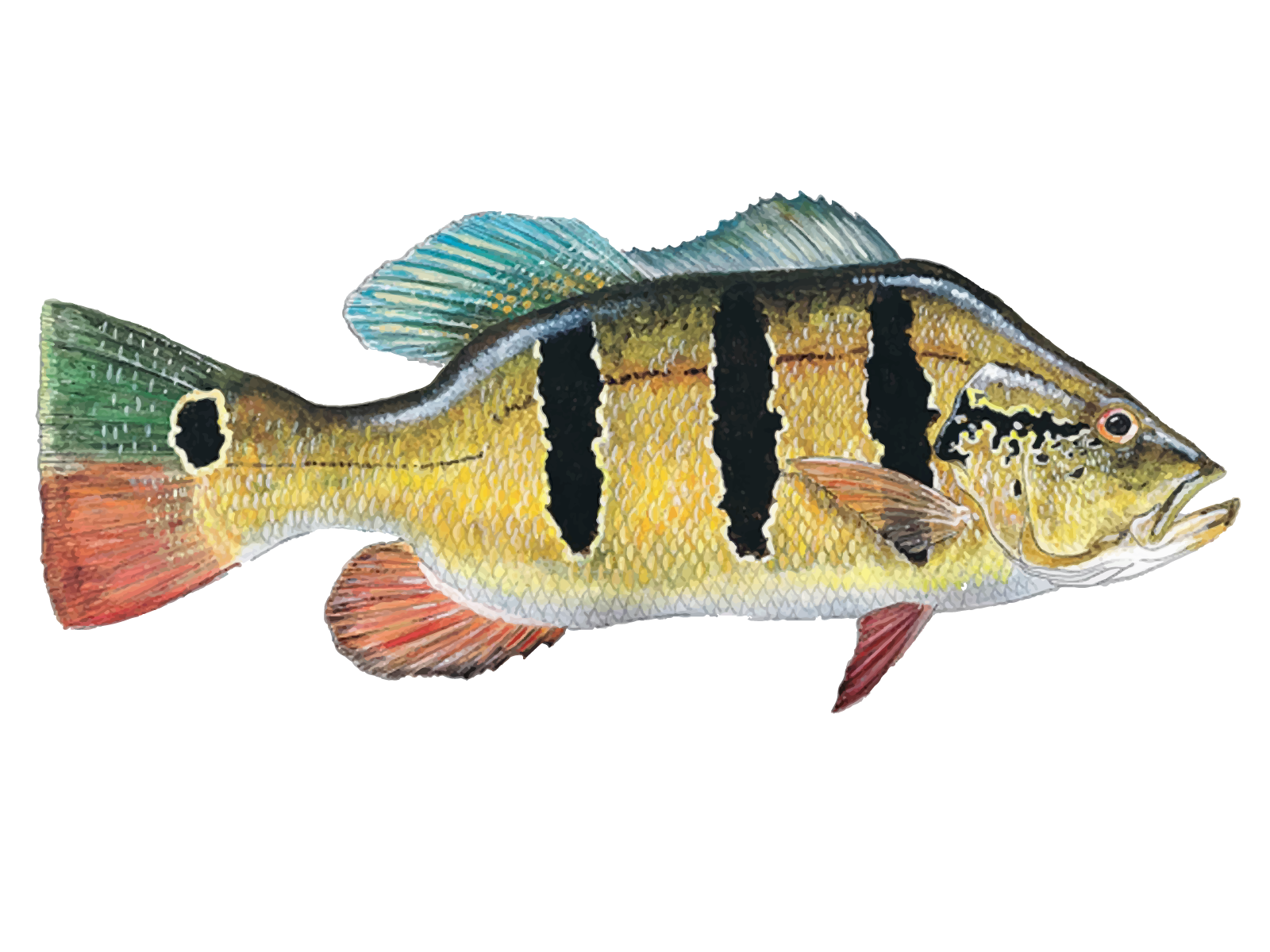
Peacock bass are the crown jewel of Miami's freshwater scene, and for good reason. These colorful fighters originally from South America have adapted perfectly to Florida's canal systems and provide some of the most exciting topwater action you'll find anywhere. They're most active during the warmer months and love to school up in deeper bends and around structure. What makes them special is their incredible aggression – they'll absolutely demolish a well-placed topwater lure and fight with an intensity that belies their size. Peacocks are also beautiful fish, with vibrant colors and distinctive eyespots that make for great photos.
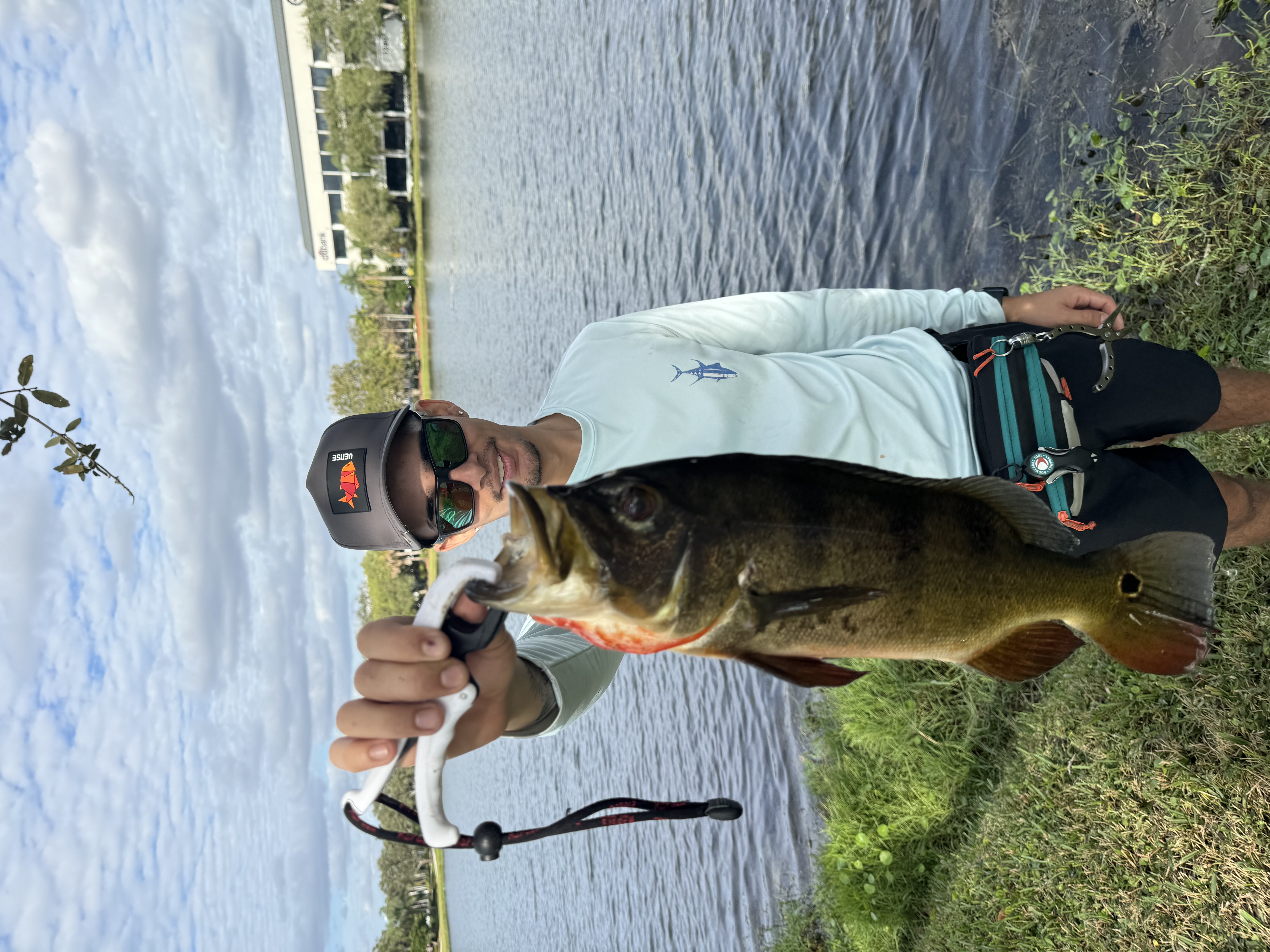
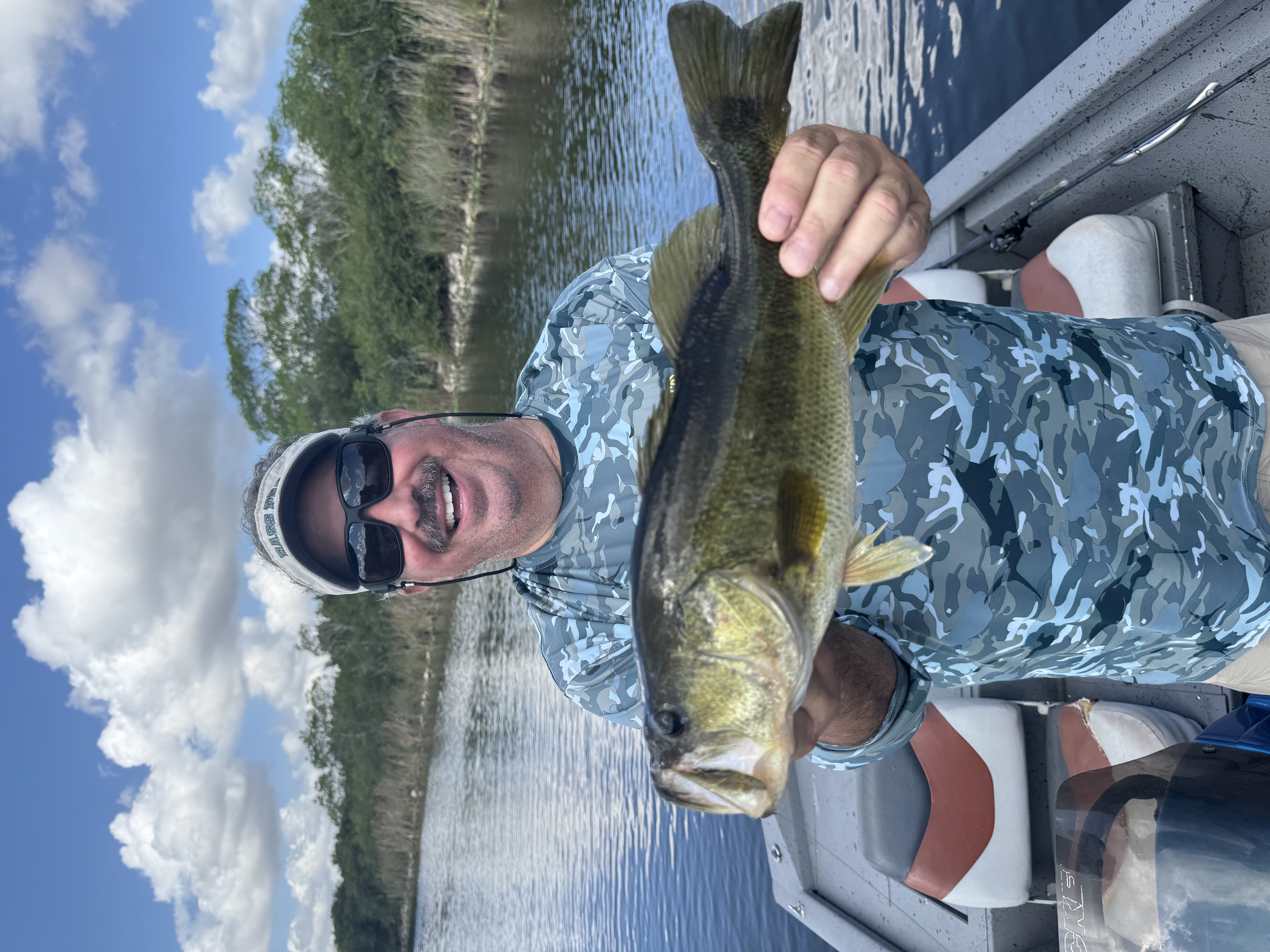
Largemouth bass in Miami waters behave a bit differently than their northern cousins, staying active year-round thanks to the subtropical climate. They grow fat and healthy on the abundant forage in these nutrient-rich waters, with fish over 6 pounds always a possibility. The best action typically happens around dawn and dusk, but afternoon fishing can be productive when working deeper structure or shaded areas. Miami's largemouths are particularly fond of soft plastics worked slowly around cypress trees and canal drop-offs. They're the perfect species for learning proper bass fishing fundamentals while still offering the chance at a true trophy.
Snook represent the perfect bridge between freshwater and saltwater angling, equally at home in brackish canals and saltwater creeks. These ambush predators are incredibly structure-oriented, setting up around docks, mangrove roots, and bridge pilings where they can surprise unsuspecting baitfish. They're notorious for their explosive strikes and acrobatic fights, often jumping multiple times before finally coming to the net. Snook are also excellent table fare, making them a favorite among anglers who like to keep an occasional fish for dinner. The afternoon hours can be prime time for snook, especially when targeting shaded structure during warmer months.
Tarpon, even the smaller juvenile fish we typically encounter on these trips, represent the absolute pinnacle of sport fishing excitement. Known as the "silver king," tarpon are famous for their spectacular jumping ability and incredibly strong runs. When a tarpon eats your bait and goes airborne, it's a moment you'll never forget. These fish are pure muscle and attitude, capable of making screaming runs that'll have you holding on for dear life. The afternoon can be prime time for tarpon, especially when they're rolling on the surface and actively feeding. While we're typically targeting smaller tarpon in the 20 to 60-pound range, even these "small" fish provide world-class sport fishing action that draws anglers from aroun
 Private Trip
 Lakes/Reservoirs/Ponds Fishing
 Miami
Miami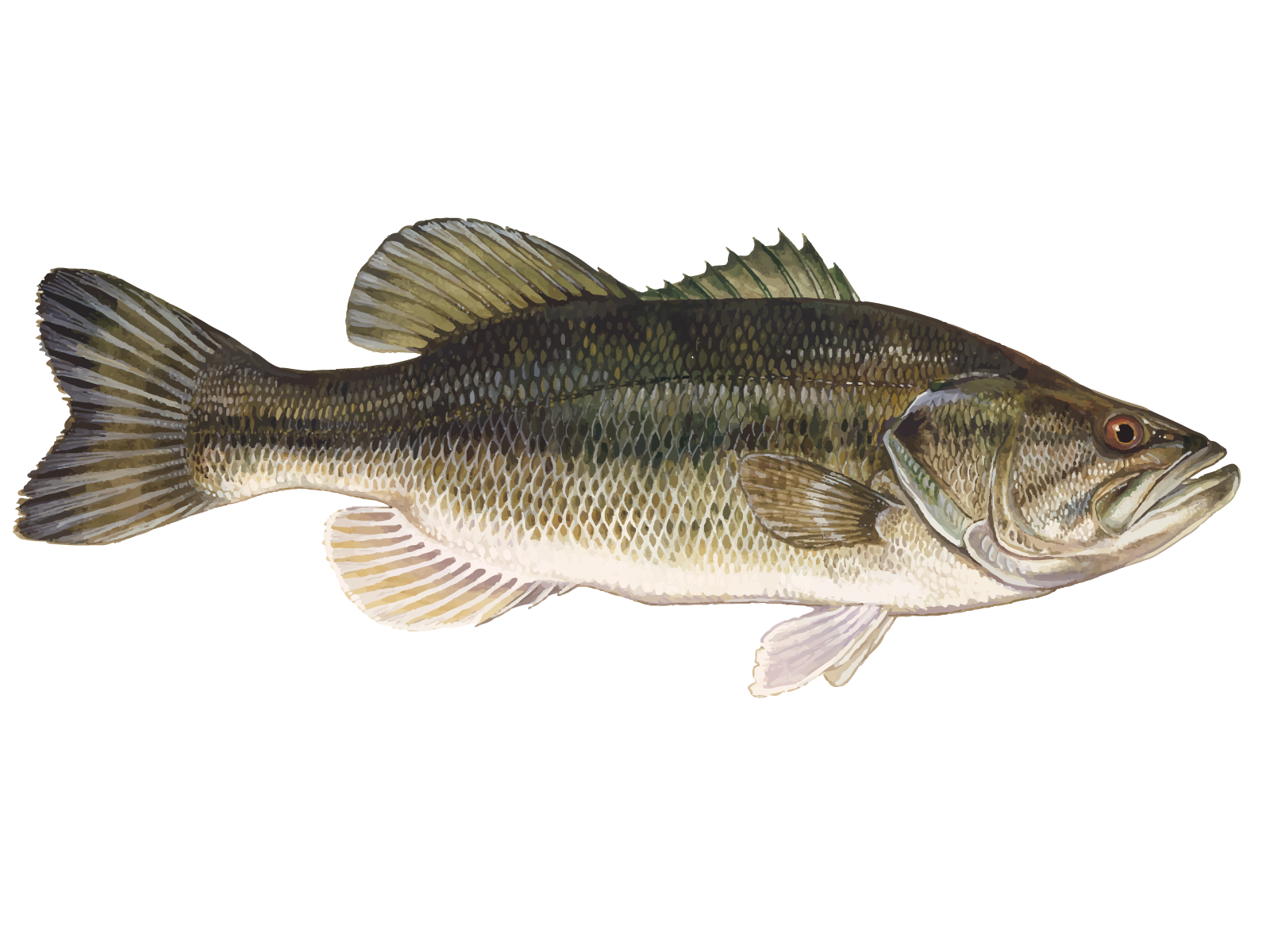
 Four-hour afternoon guided fishing trip in Miami waters