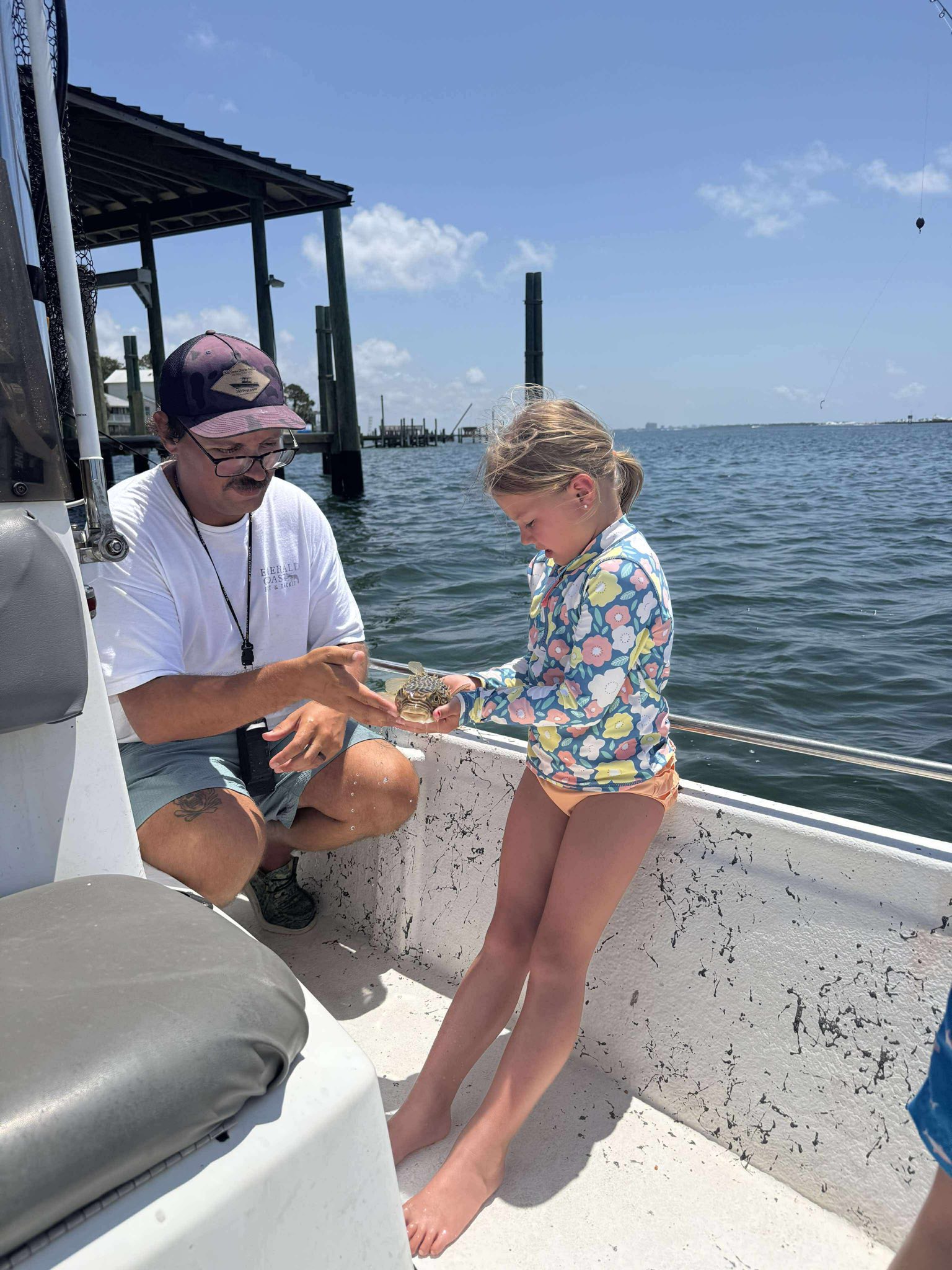
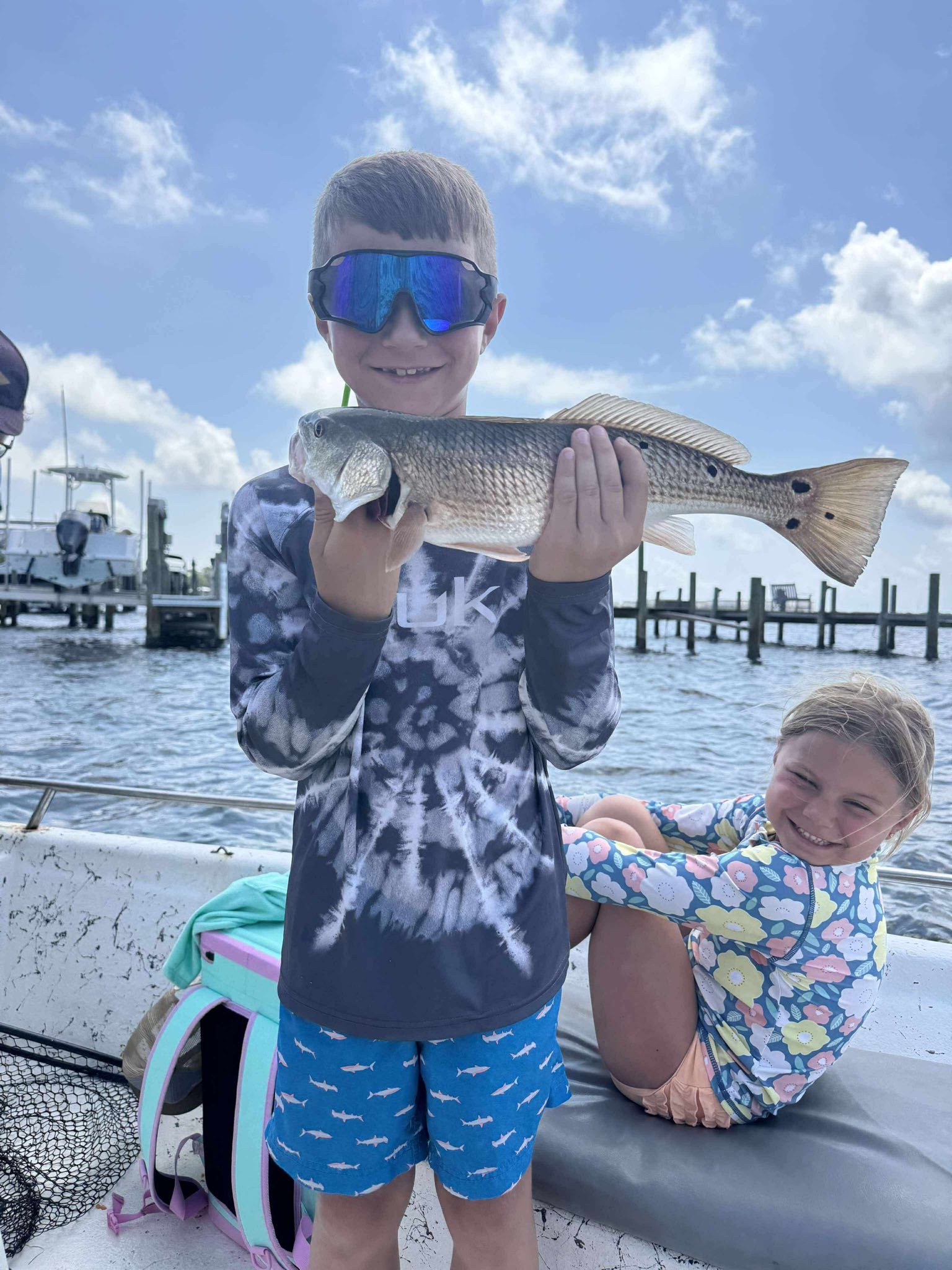
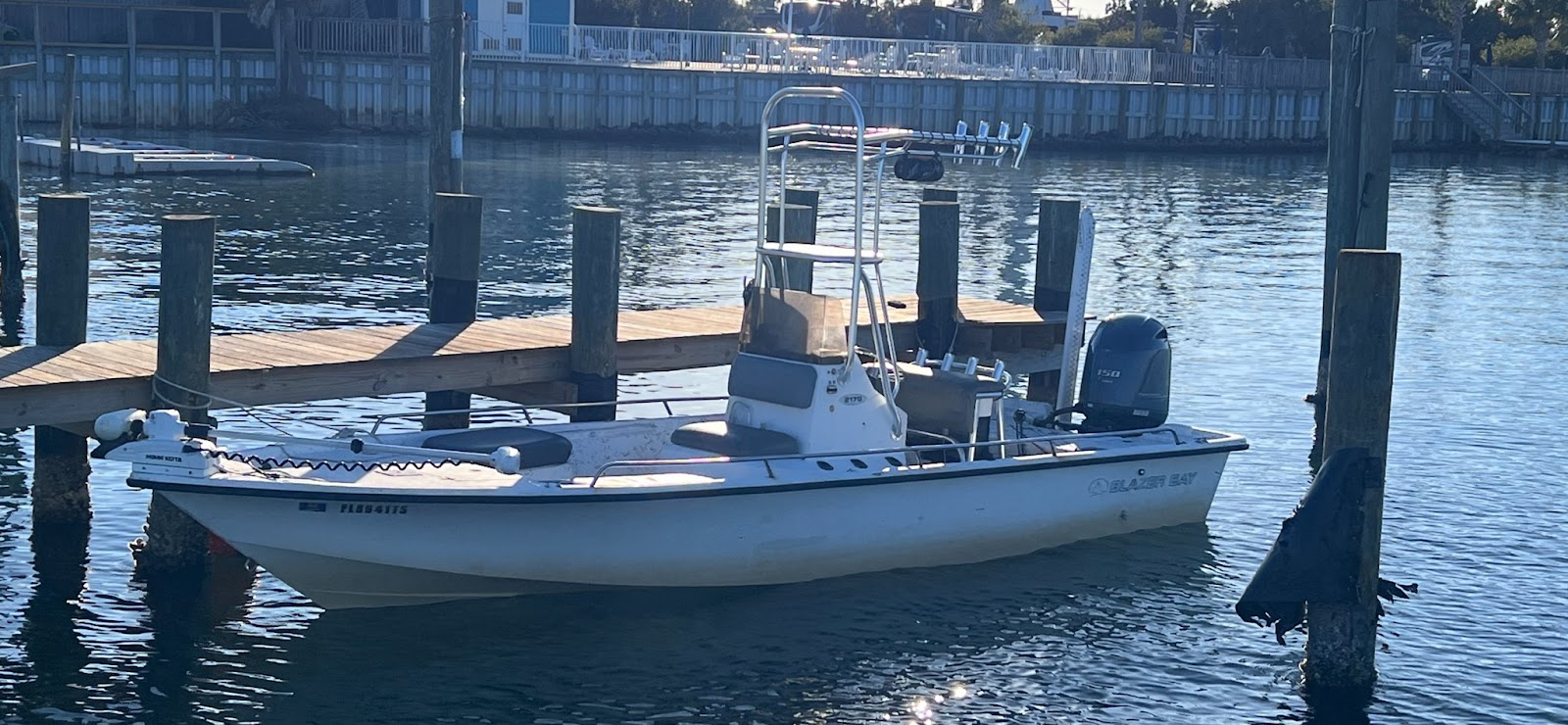
Morning Inshore Fishing – Okaloosa FL
Captain Alex knows these waters like the back of his hand, and this 6-hour morning trip puts you right in the heart of some of Florida's best inshore action. We're talking about hitting the prime spots along Okaloosa's coast where the fish are actually feeding – grass flats that hold schools of trout, docks where redfish prowl for crabs, and bridges where the current brings everything together. You'll have up to 4 spots on the boat, so bring your crew or join a small group of serious anglers who want to make the most of their time on the water.
What to Expect on the Water
This isn't your typical tourist trip where you sit around waiting for something to happen. Captain Alex runs a fishing operation, which means we're moving between productive spots based on what the fish are doing that day. The morning bite is usually solid, especially when we time it right with the tides. You'll start before the crowds hit the water, giving us first crack at the best structure. The boat's rigged with everything you need – quality rods, reels that can handle the fight, and tackle that actually works in these conditions. Your fishing license is covered, and at the end of the trip, we'll clean and bag whatever you're taking home. Whether you've been fishing these waters for years or you're still figuring out the difference between a redfish and a drum, Alex adjusts the approach to match your experience level.
Techniques and Terrain
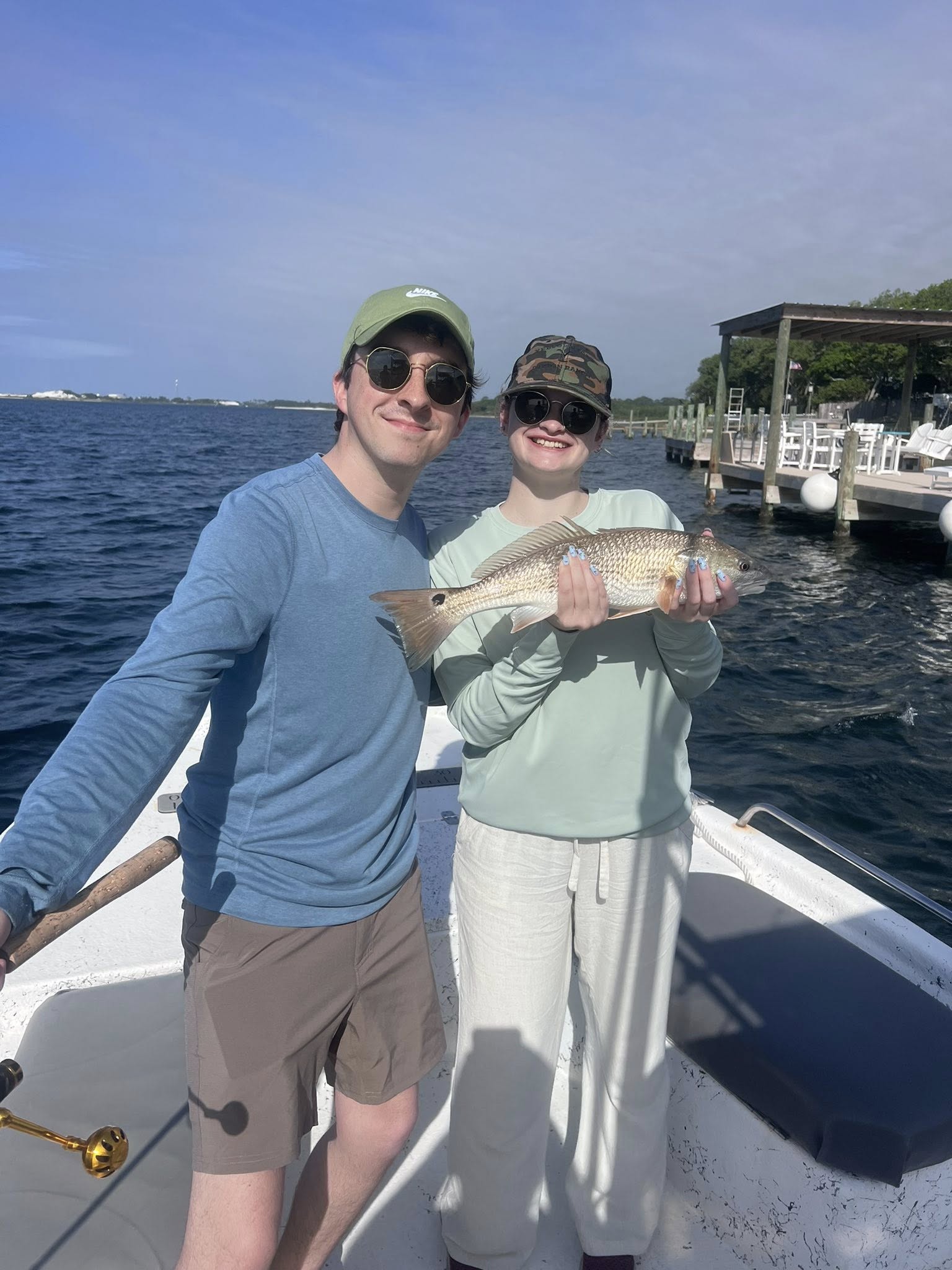
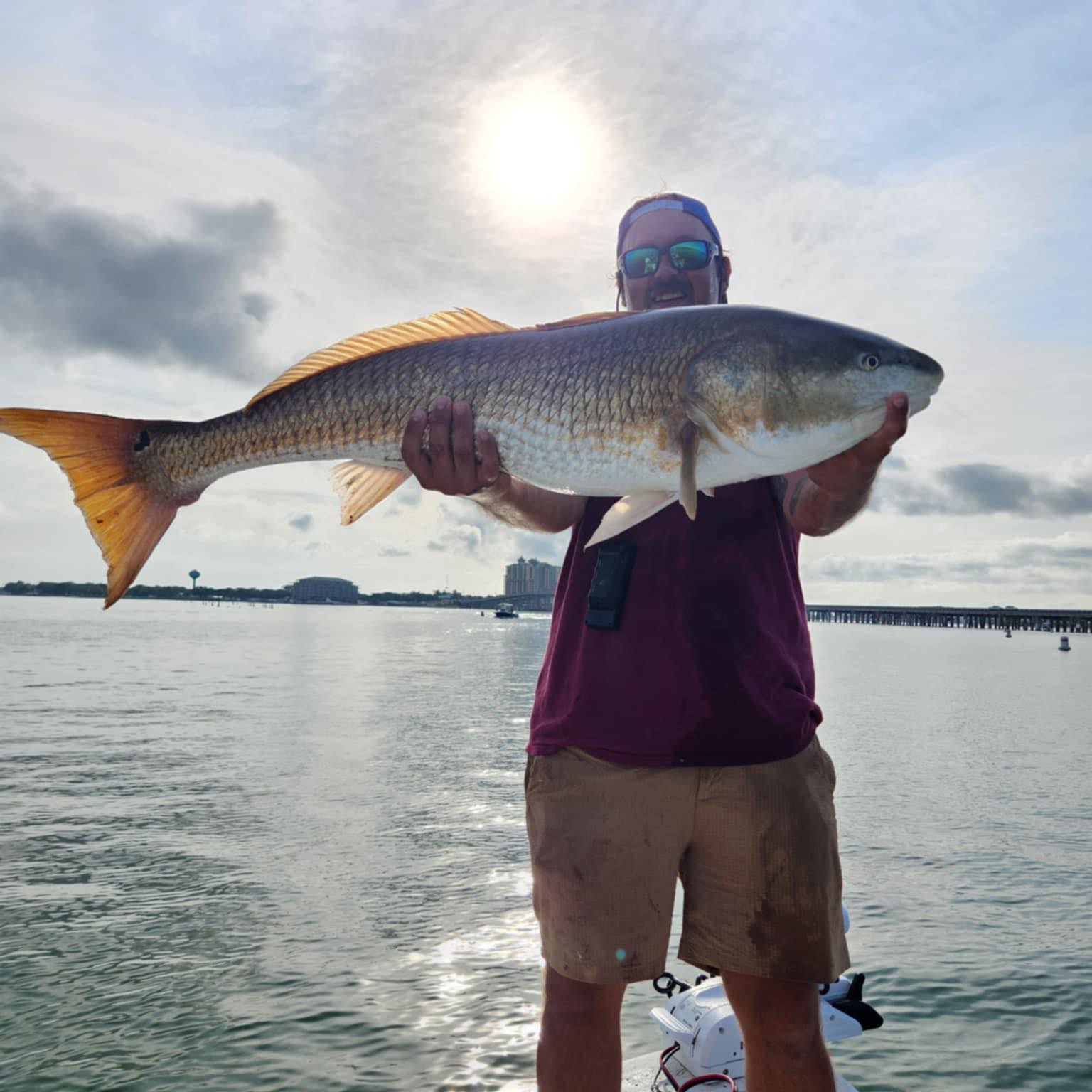
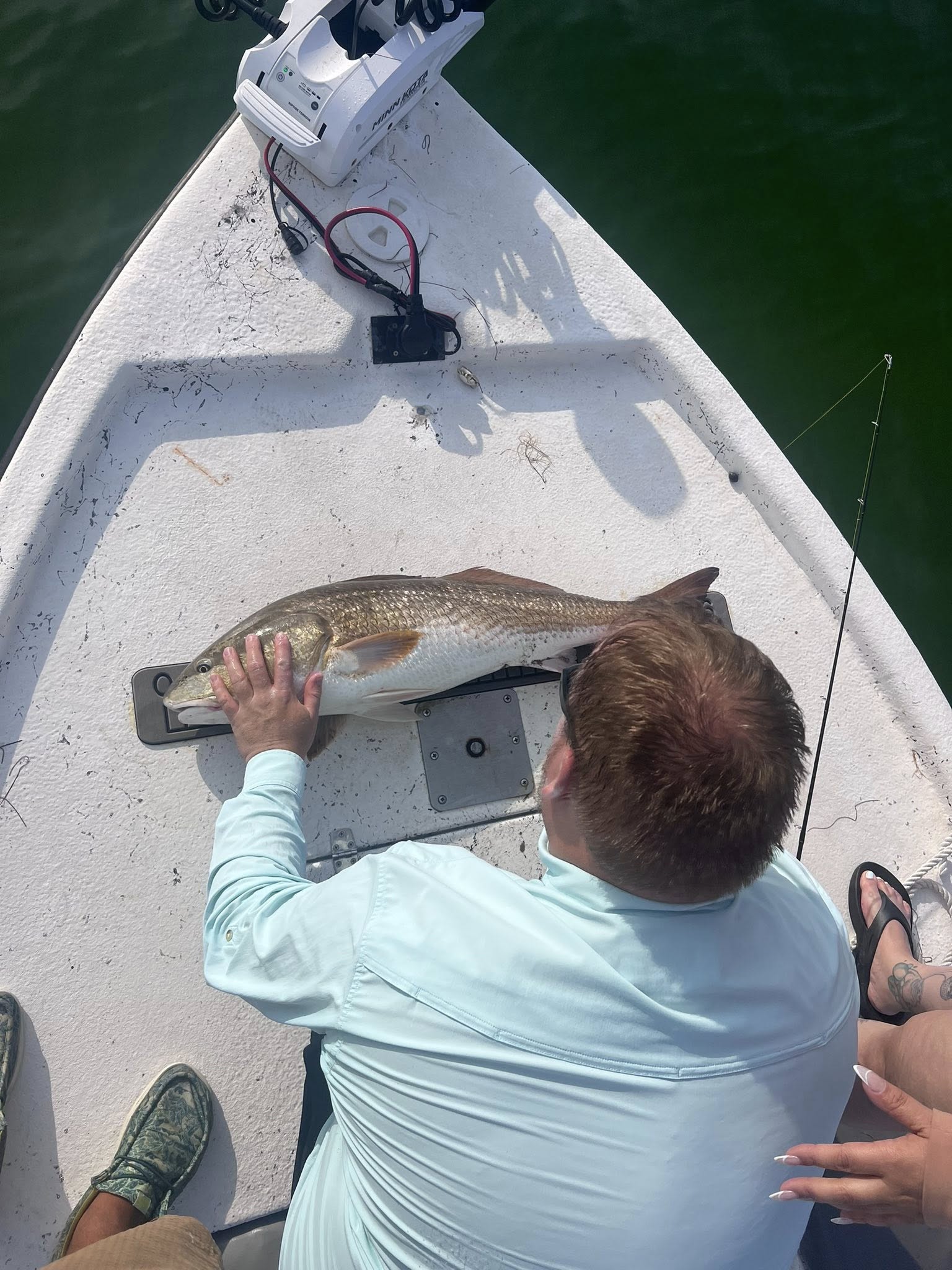
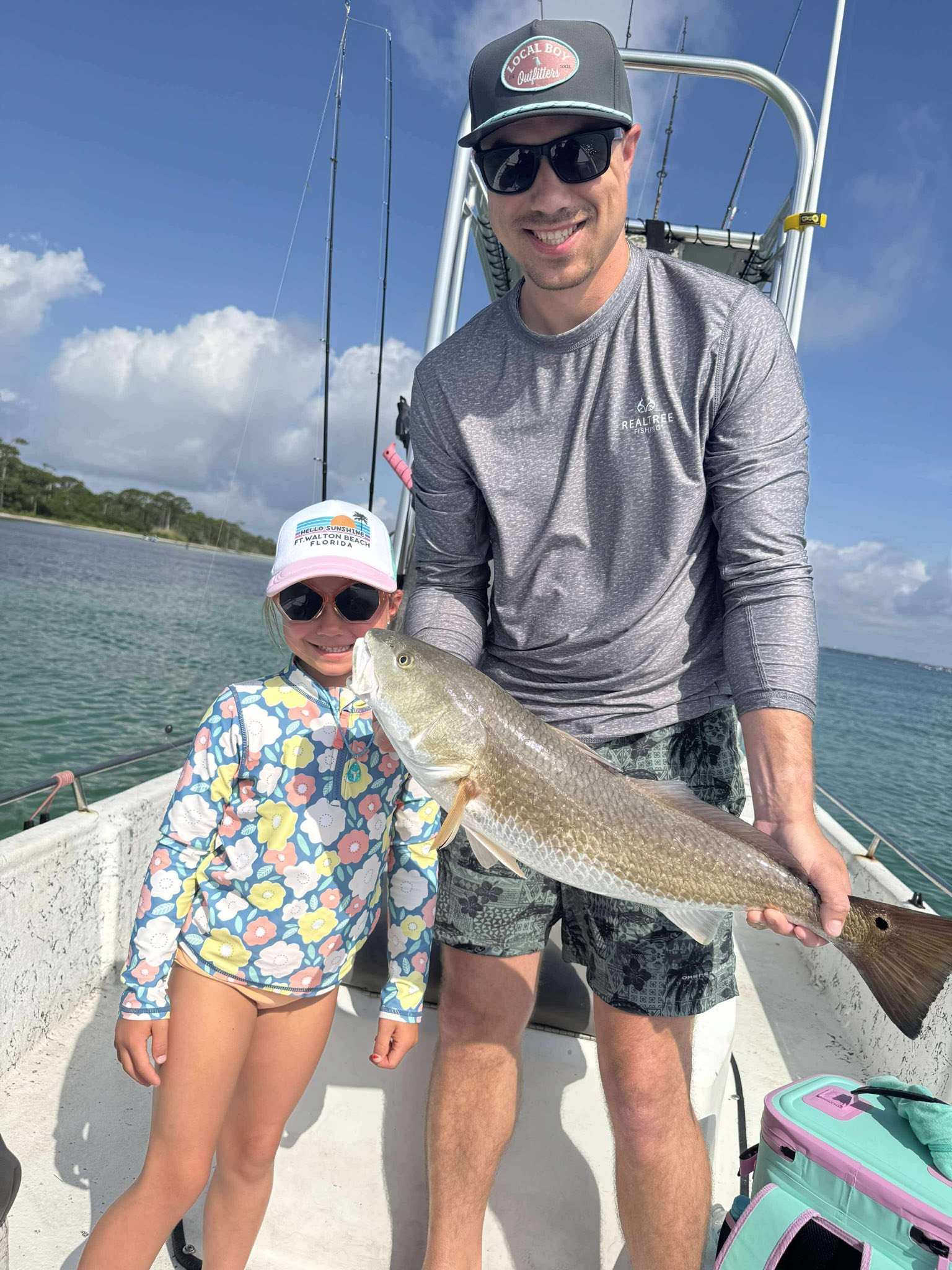
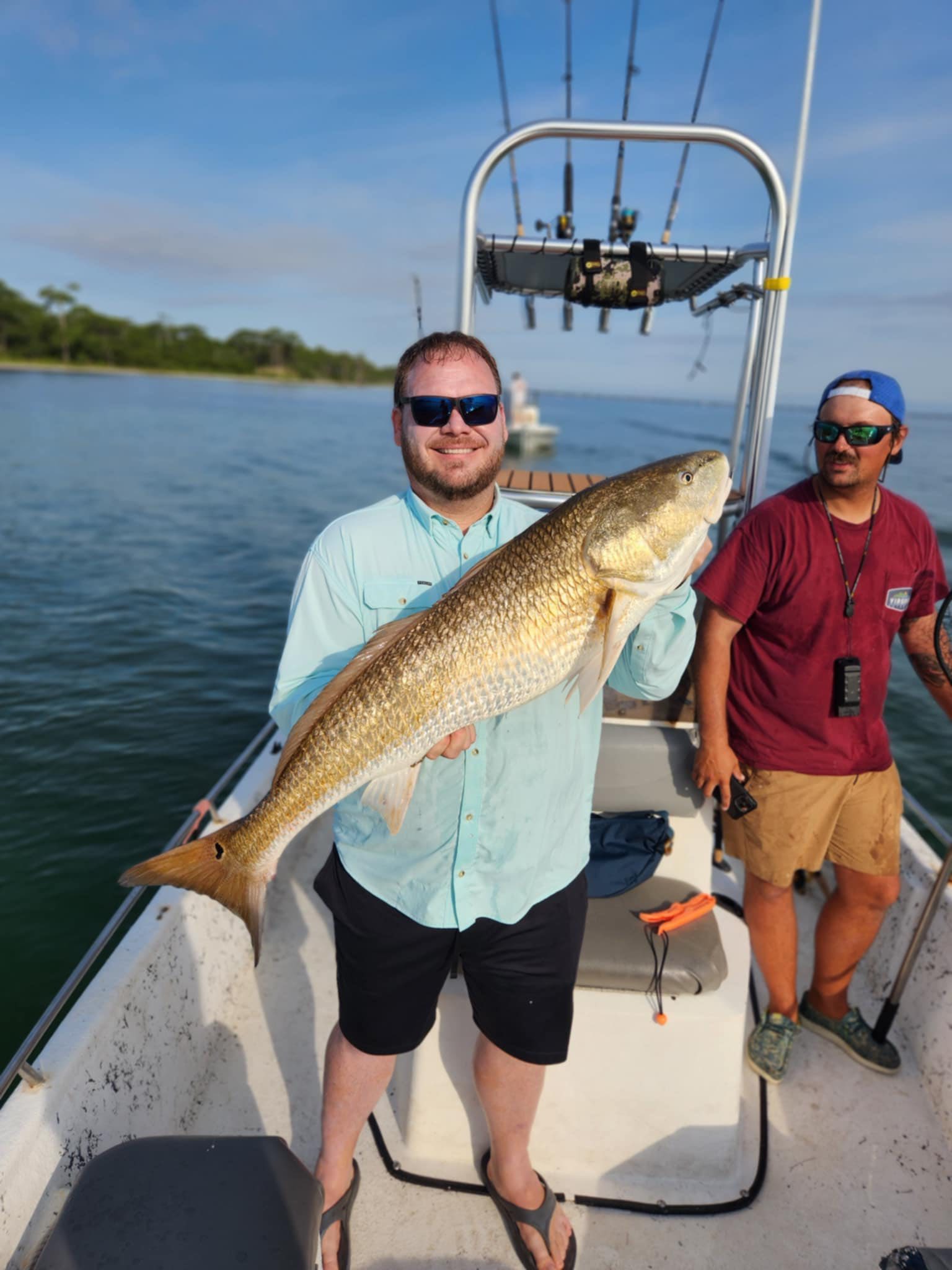
We fish the way inshore fishing should be done – targeting structure where fish actually live. The grass flats around Okaloosa hold incredible numbers of speckled trout, especially when the water temperature is right. We'll work these areas with soft plastics and live bait, covering water until we find the schools. Around the docks and pilings, it's a different game entirely. Redfish and black drum cruise these areas looking for crabs and baitfish, so we'll pitch baits tight to the structure and work them slow. The bridges are where things get interesting – the current creates ambush points, and you never know what's going to hit your line. We use circle hooks for most presentations, which means better hooksets and healthier fish releases. The gear is matched to the conditions, so you're not fighting a 20-pound fish on tackle that's too light or missing subtle bites because everything's too heavy.
Top Catches This Season
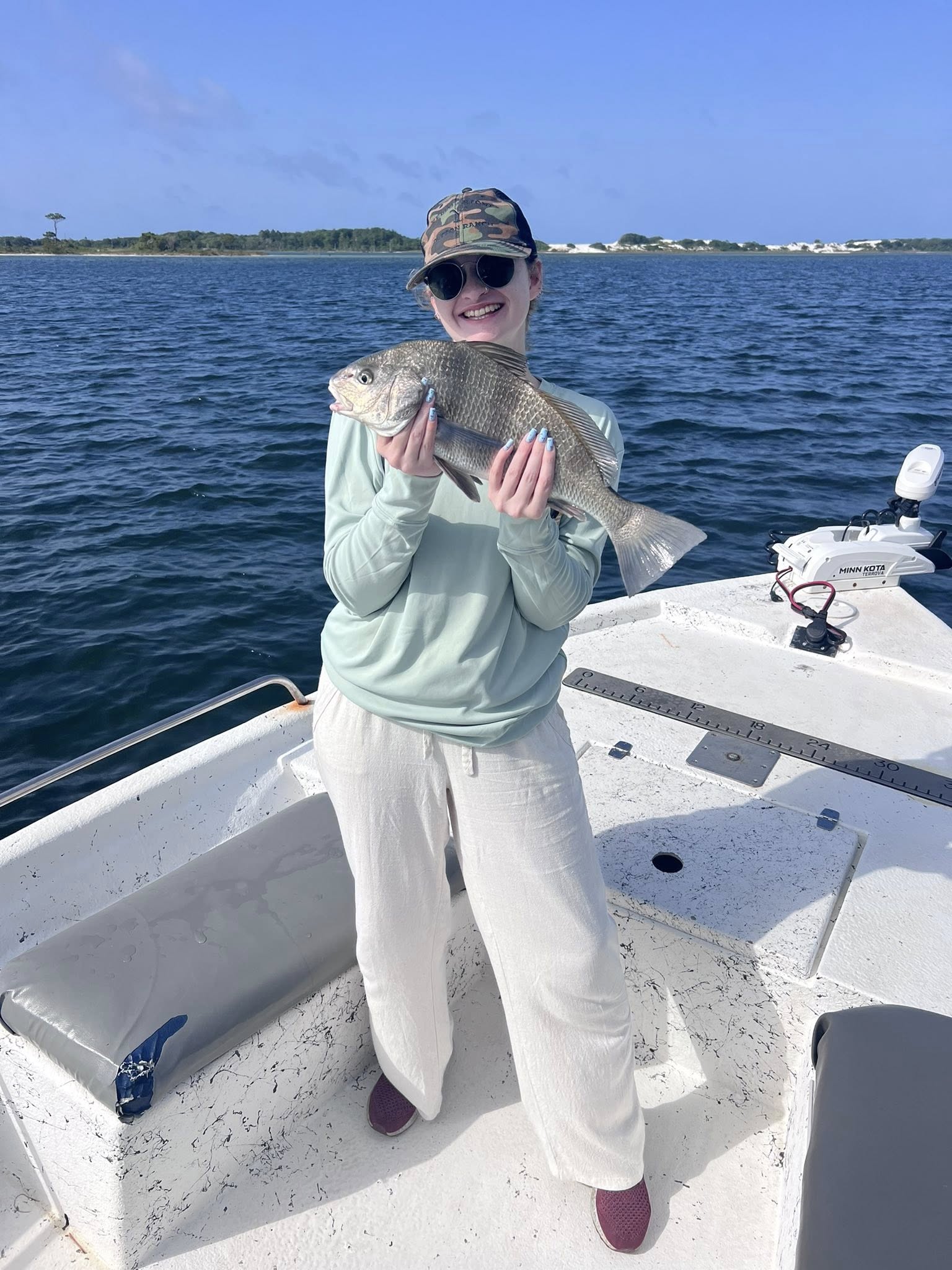
Black Drum are the heavyweights of the inshore waters around Okaloosa, and they fight like they mean it. These fish cruise the grass flats and around structure, often in schools that can keep you busy for hours. They're not the prettiest fish in the water, but they pull hard and test your drag system. Spring and fall are prime time for the bigger fish, with some pushing 40+ pounds. They're bottom feeders with a great sense of smell, so fresh bait and patience usually win the day. What makes them special is the way they fight – long, sustained runs that make your arms burn.
Tarpon show up in these waters during their seasonal migrations, and hooking one is something you won't forget. These are legitimate gamefish that can clear 6 feet of water when they jump. The smaller fish in the 30-60 pound range are more common in the inshore areas, but they still have that tarpon attitude. Late spring through summer is when your best shot at one, especially around the passes and deeper grass flats. They're catch and release fish, but the fight is worth the trip alone. When a tarpon eats your bait and goes airborne, everything else stops mattering.
King Mackerel bring the speed and the teeth to the party. These fish are built for fast runs and sharp turns, and they'll test your reflexes when they hit. The kings around Okaloosa tend to be in the 15-30 pound range, perfect for the inshore tackle we're using. They show up when the baitfish are thick, usually during the warmer months. What makes them exciting is the way they hunt – fast, aggressive, and unpredictable. They'll cut you off if you're not using wire leaders, and they fight dirty with those sudden direction changes.
Permit are the smart fish that make experienced anglers look like beginners. They're spooky, selective, and built like underwater bulldozers. The permit around Okaloosa's flats are typically in the 10-25 pound range, and they have this frustrating habit of following your bait without eating it. When one finally commits, the fight is everything you hoped for – strong runs, stubborn resistance, and that satisfying bend in your rod. Spring and summer offer the best opportunities, especially on the clearer flats where you can actually see them working.
Crevalle Jack are the fish that remind you why your drag system matters. They're not pretty, they're not great table fare, but they fight harder than fish twice their size. The jacks in these waters run anywhere from 5 to 20 pounds, and they all fight like they're twice that size. They show up in schools, so when you find one, there are usually more around. They're perfect for testing new anglers because they eat almost anything and fight everything. The way they use their body shape to leverage against your line is impressive, even if it gets old after the third one in a row.
Time to Book Your Spot
This 6-hour morning trip gives you real time on the water with a captain who knows how to find fish. The gear is provided, the licenses are covered, and your catch gets cleaned and bagged – you just need to show up ready to fish. With only 4 spots available, this isn't a cattle boat operation where you're fighting for space at the rail. Keep in mind that deposits are non-refundable, so make sure your dates work before you commit. Morning trips consistently produce better fishing than afternoon runs, especially during the warmer months when the fish feed early and go deep when the sun gets high
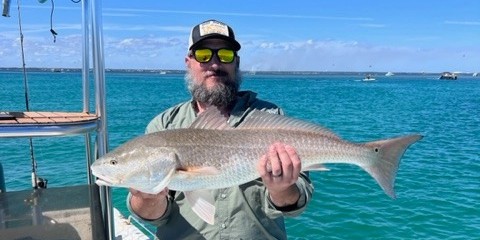
 Private Trip
 Inshore Fishing
 undefined, undefined


 Six-hour inshore trip targets redfish, trout, and flounder