Chincoteague Sunset Fishing & Pony Adventure
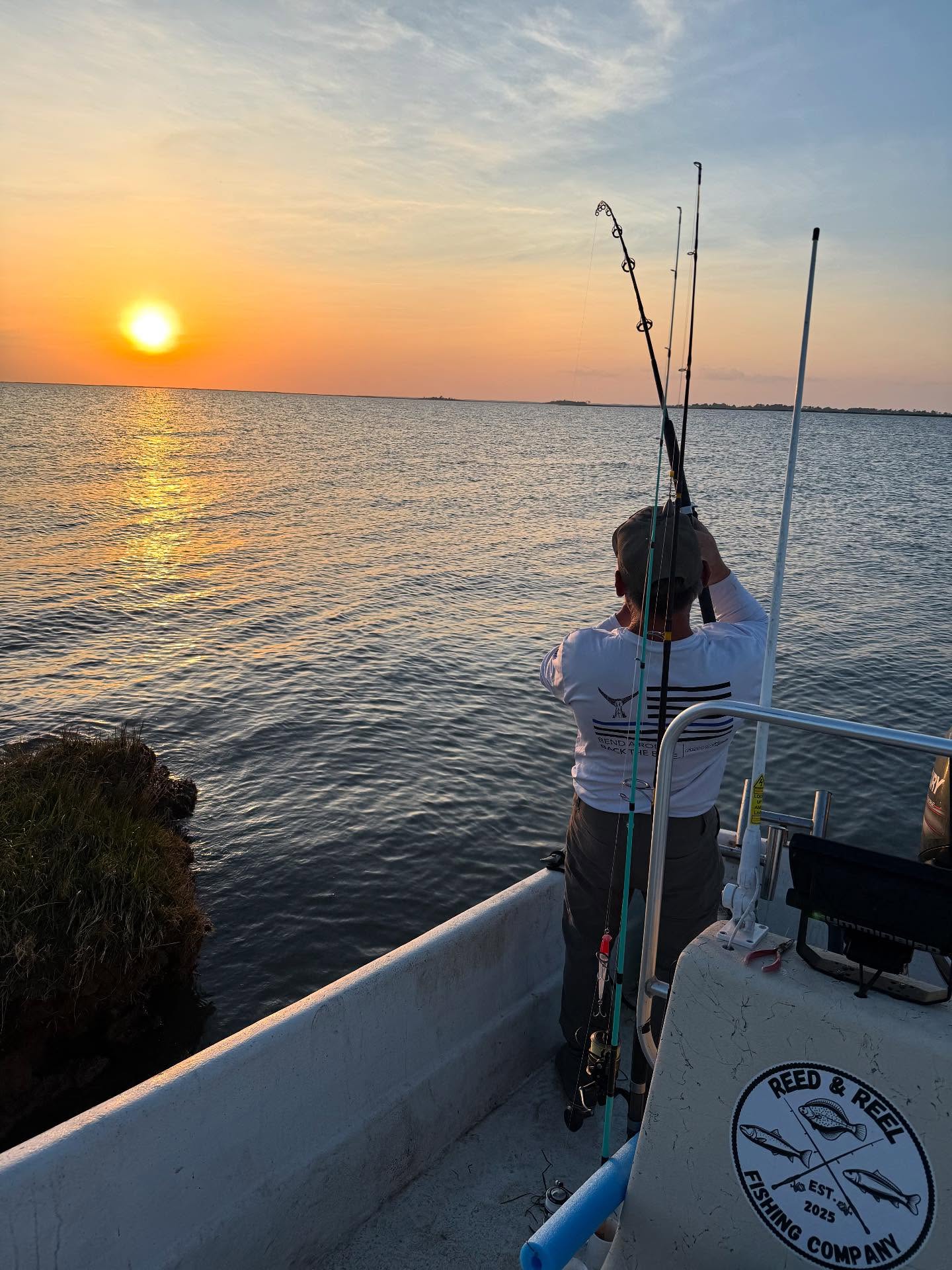
There's something magical about fishing Chincoteague waters as the sun starts to dip and the evening light turns everything golden. This 2-hour charter with Reed And Reel Fishing Company gives you the best of both worlds – you can stay focused on your lines or take a break to cruise over and check out the famous wild ponies along the shoreline. It's a top-rated evening trip that works perfect for families, couples, or anyone who wants to end their day with a rod in hand and some serious peace on the water. The captain keeps things flexible, so whether you're dead set on filling the cooler or just want to relax and see what bites, you're covered.
What to Expect on the Water
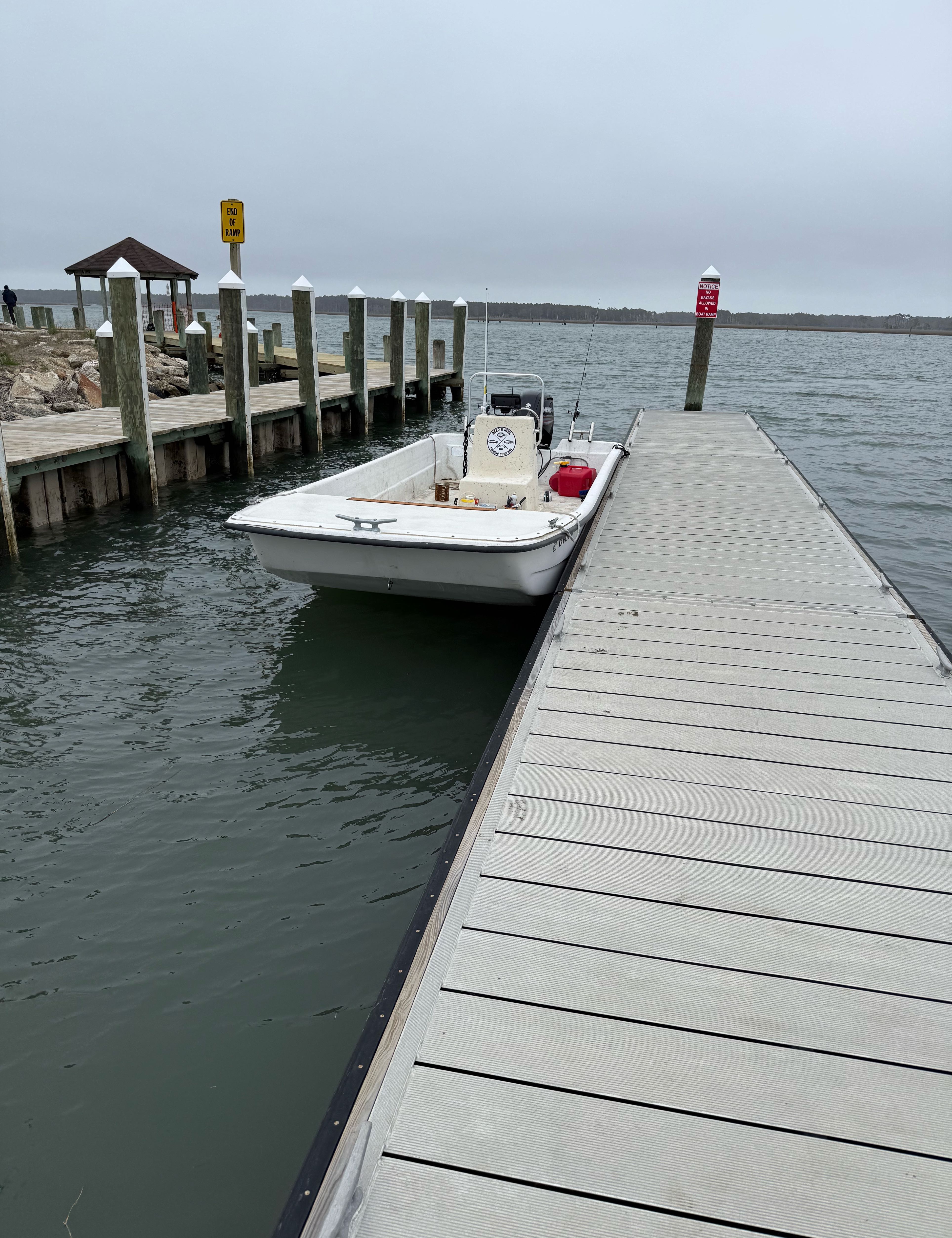
Your captain knows these backwater channels and flats like the back of their hand, and they'll adjust the game plan based on what's biting and what you're in the mood for. Some evenings you might start with light tackle casting near the grass beds, working topwater plugs or soft plastics for redfish that are cruising the shallows. Other times, the captain might suggest a drift with bottom rigs to target flounder and black drum holding in the deeper cuts. The boat stays comfortable with just four anglers max, so there's plenty of room to cast without getting tangled up with your buddies. All your gear comes included – rods, reels, bait, tackle, and even your fishing license – so you can travel light and focus on the fun stuff. Kids are totally welcome, and the captain keeps multiple sizes of life vests on board. Just bring your own snacks and drinks, and let the crew handle all the technical details like size limits and seasons.
Techniques and Tackle
Depending on the season and what's moving, your captain will walk you through different approaches that work best in Chincoteague's waters. Spring and fall often mean spinning gear with soft plastics, bouncing jigs along the bottom structure, or working the edges of grass flats with spoons and paddle tails. Summer evenings can be perfect for topwater action – nothing beats the surface explosion when a red or trout hammers a popper in shallow water. The captain might also set you up with Carolina rigs or knocker rigs for bottom fishing, especially when targeting flounder in the channels or sheepshead around structure. The beauty of this trip is that you don't need to be an expert – the captain will show you the techniques, help you read the water, and make sure your presentation is dialed in. Whether you're comfortable with spinning reels or want to try something new, they'll match the gear to your skill level and keep things simple but effective.
Target Species You'll Hook
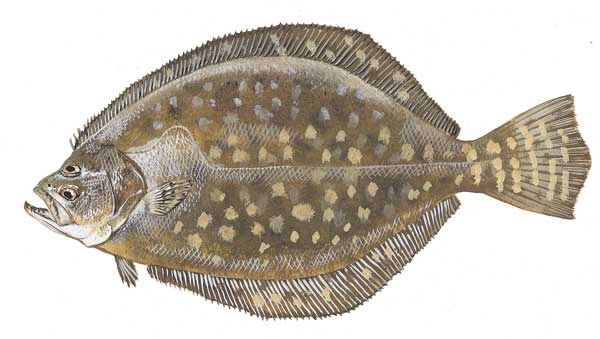
Southern Flounder are one of the customer favorites around Chincoteague, and for good reason. These flatfish are masters of camouflage, laying buried in sand and mud waiting to ambush baitfish. They typically run anywhere from keeper size around 16 inches up to doormat-sized fish pushing 6-7 pounds. Fall is prime time for flounder as they stage for their offshore migration, making them more aggressive and easier to pattern. What makes them exciting is the fight – they're not just dead weight like some bottom fish. A good flounder will make runs and use that flat body to really pull against the rod.
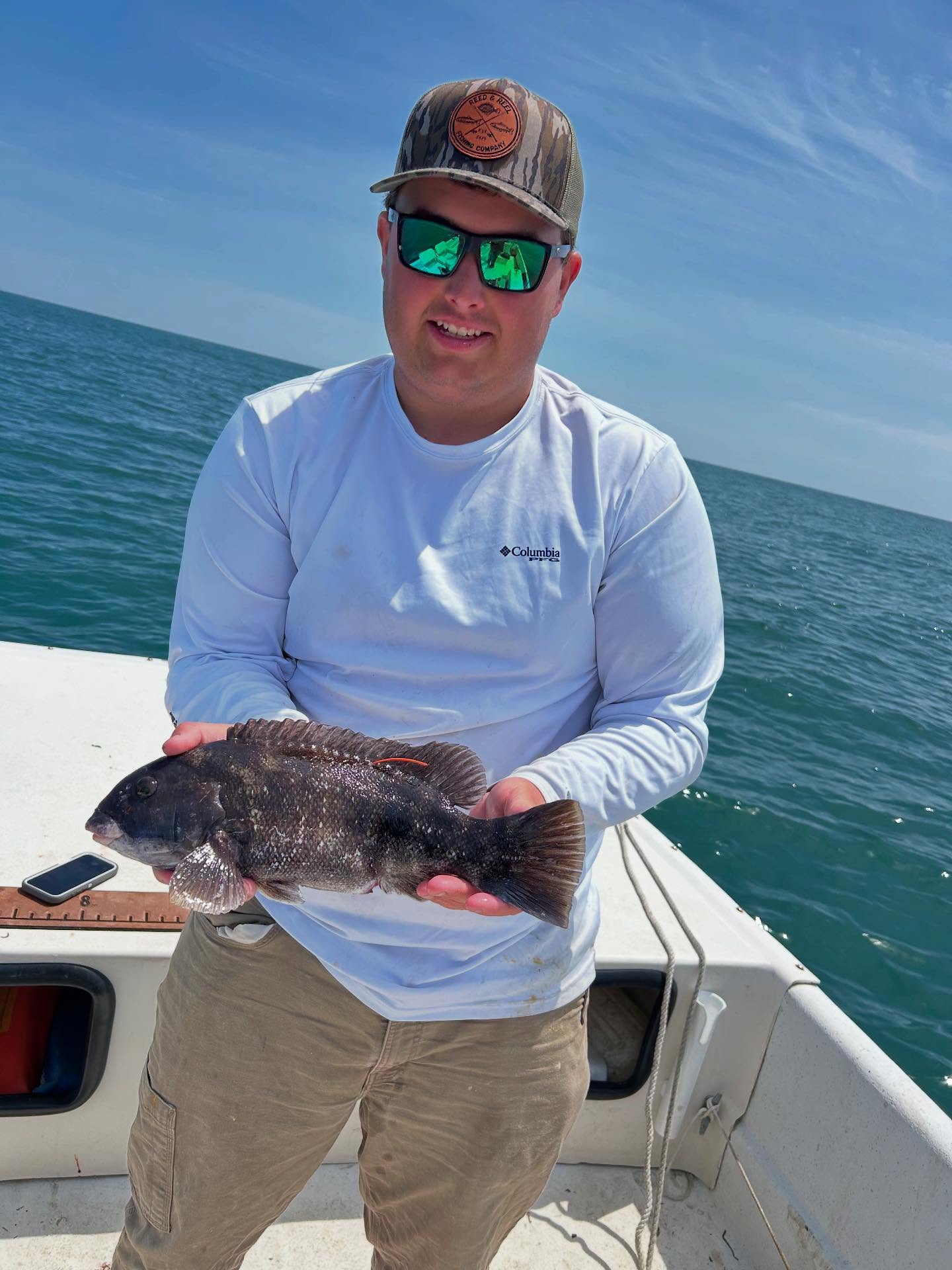
Black Drum are the workhorses of the inshore scene here, and they're perfect for kids or anyone who wants steady action. These fish school up and feed heavily on crabs, oysters, and marine worms around structure. You'll typically find them in the 2-8 pound range, though bigger fish show up regularly. They're year-round residents but really turn on during spring and fall. Black drum fight harder than most people expect – they use their deep bodies and strong tails to make solid runs, especially in shallow water where they can really dig in.
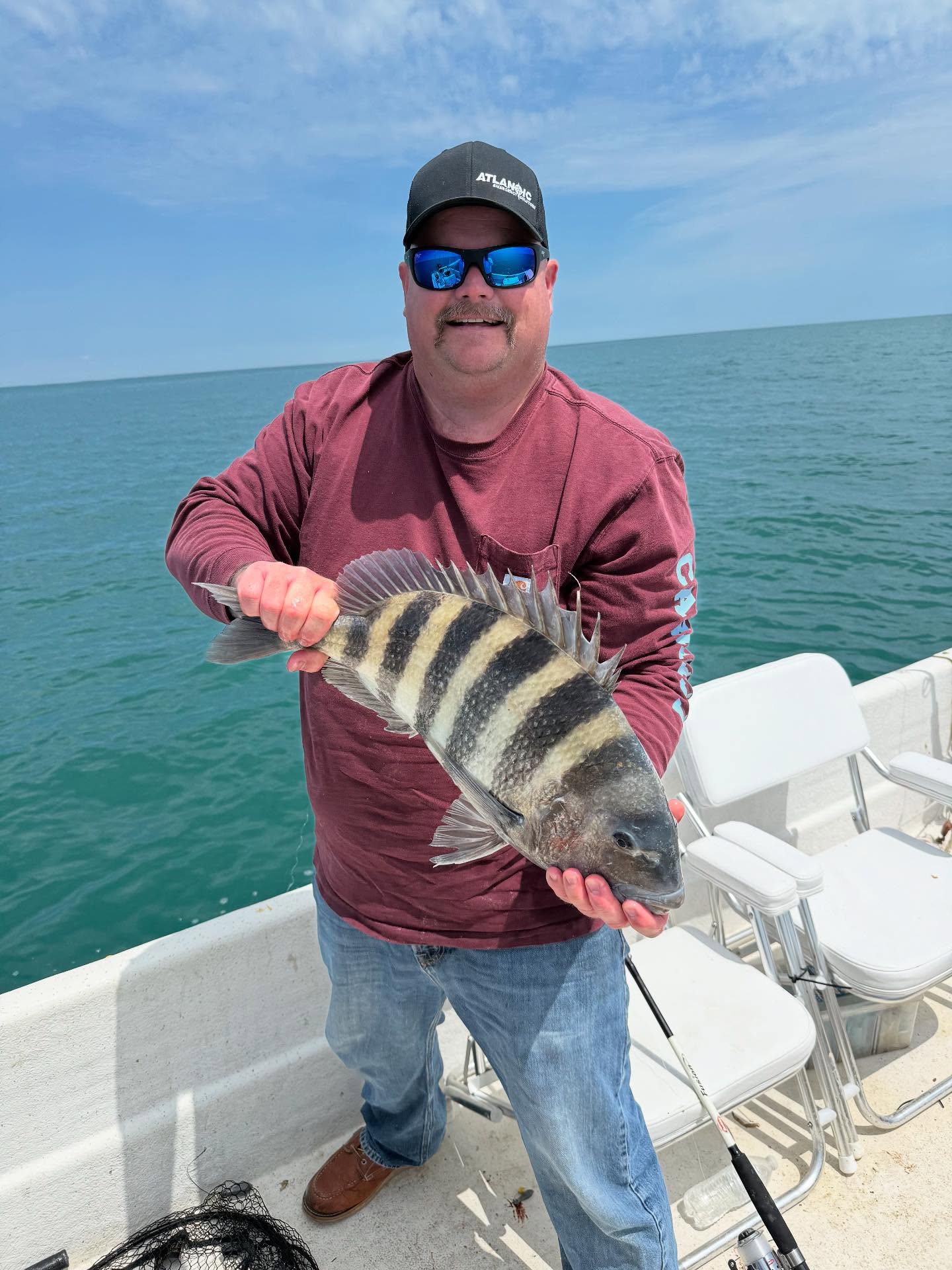
Sheepshead are the technical challenge fish that keep experienced anglers coming back. These black-and-white striped fish have human-like teeth designed for crushing shellfish, and they're notorious bait thieves. They hang around any kind of structure – docks, pilings, oyster bars – and require perfect timing and sensitive tackle to hook consistently. Most run 2-4 pounds, but they're pound-for-pound some of the strongest fighters in the bay. Spring is peak season when they move shallow to spawn.
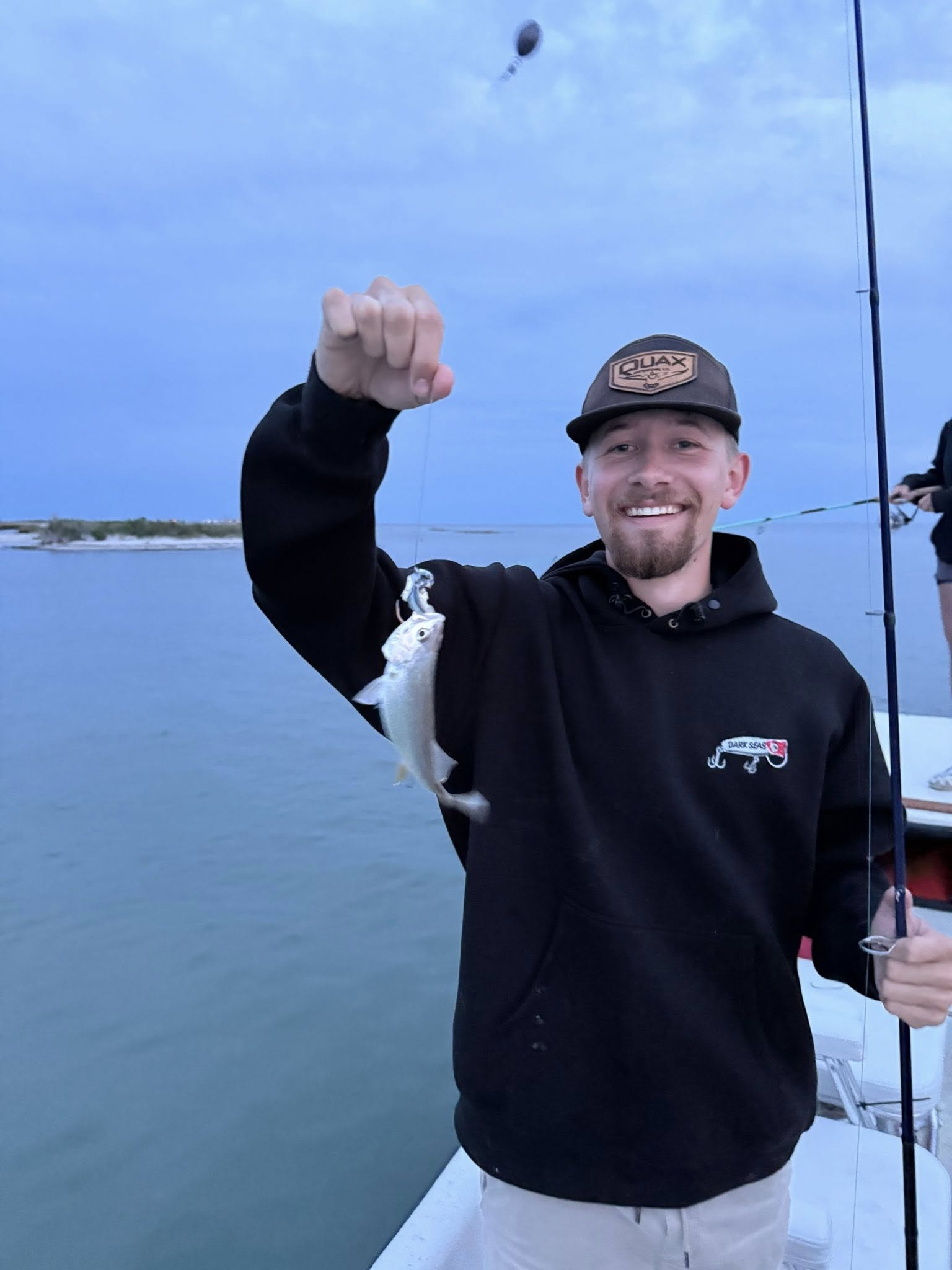
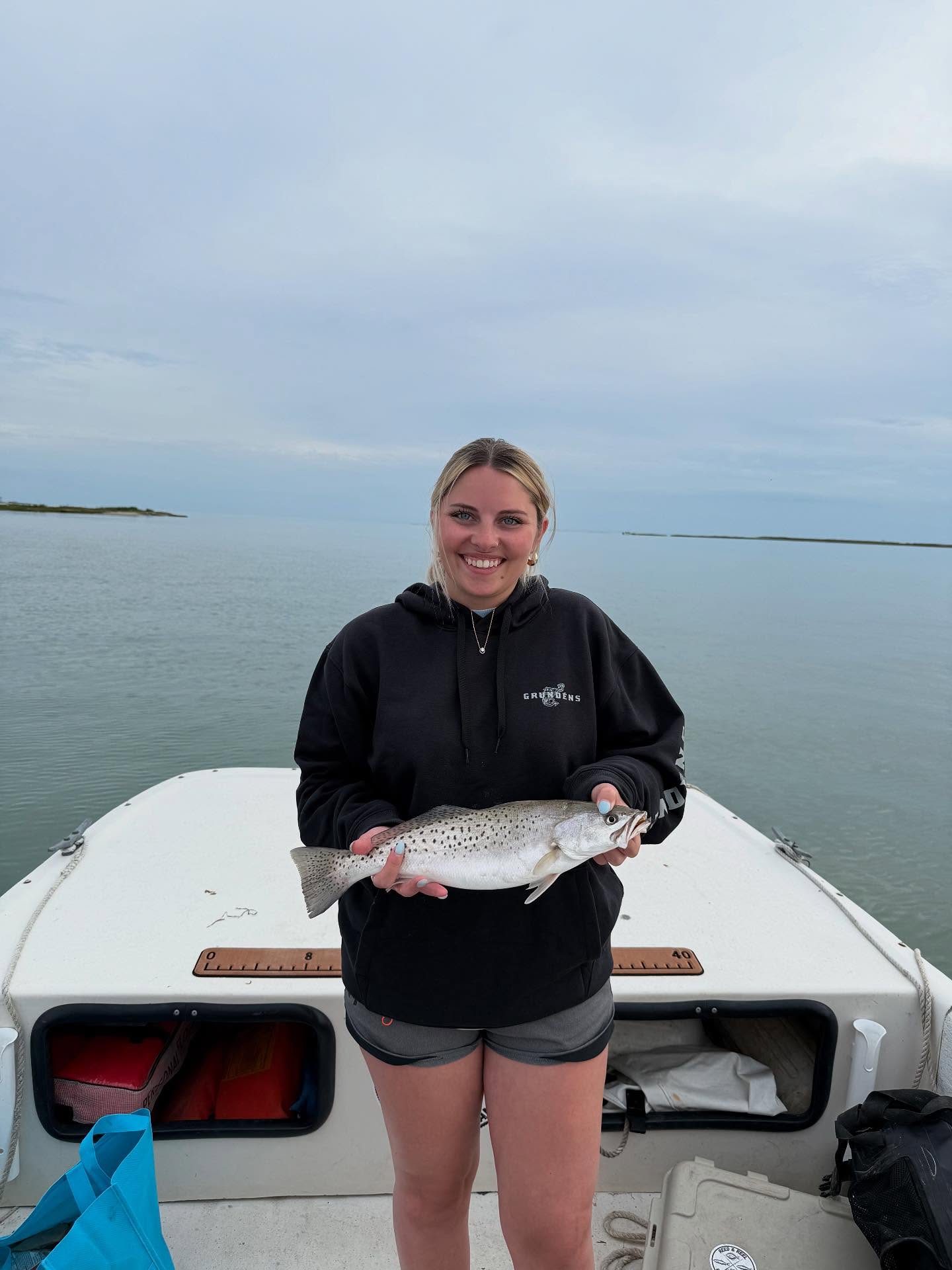
Sea Trout (speckled trout) are the bread-and-butter gamefish that make Chincoteague famous. These spotted beauties love grass flats, channel edges, and areas with good current flow. They're aggressive feeders that hit both live bait and artificials, making them perfect for all skill levels. Most fish run 14-20 inches, but gator trout over 24 inches show up regularly, especially in fall and winter. What makes them special is their willingness to hit topwater lures – watching a big trout blow up on a surface plug in shallow water never gets old.
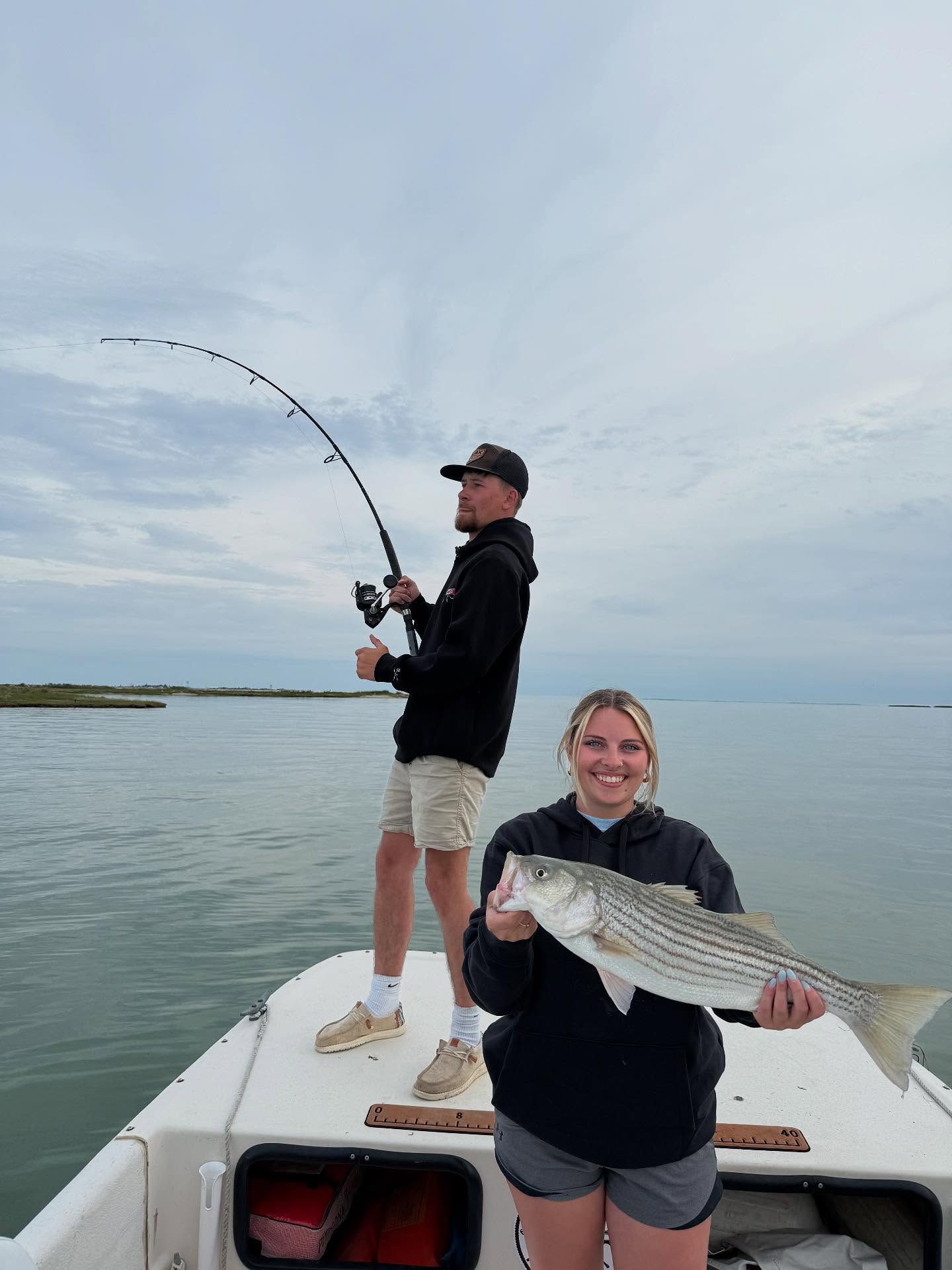
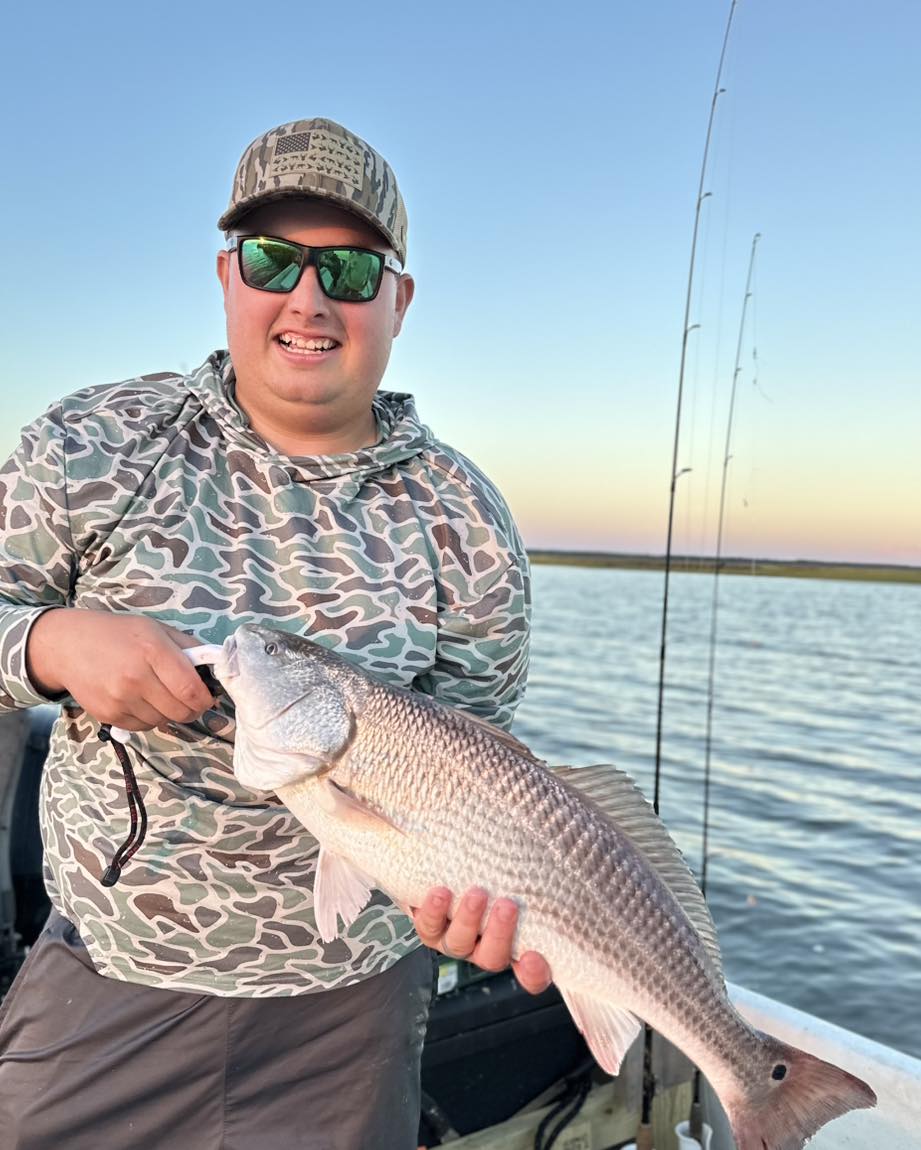
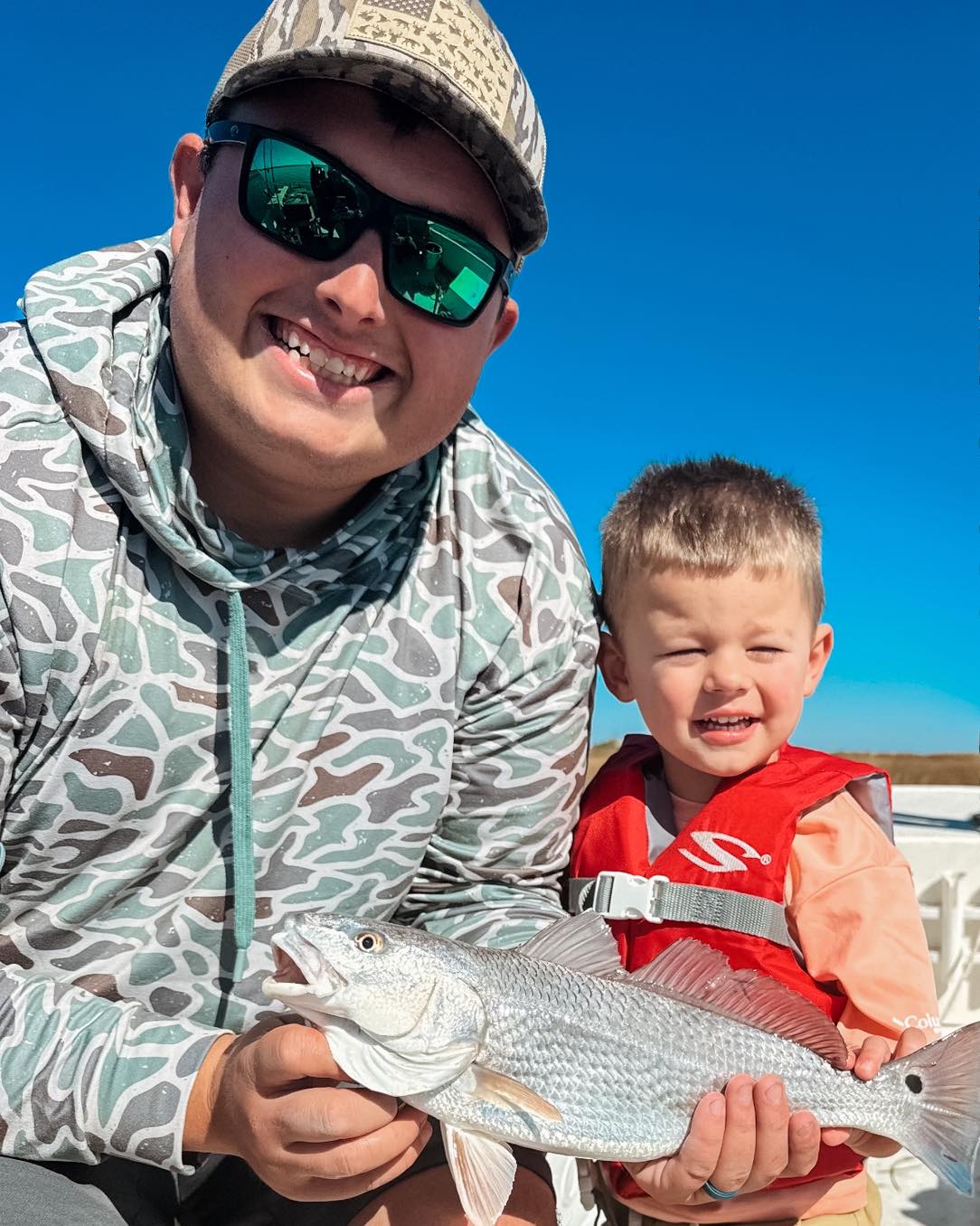
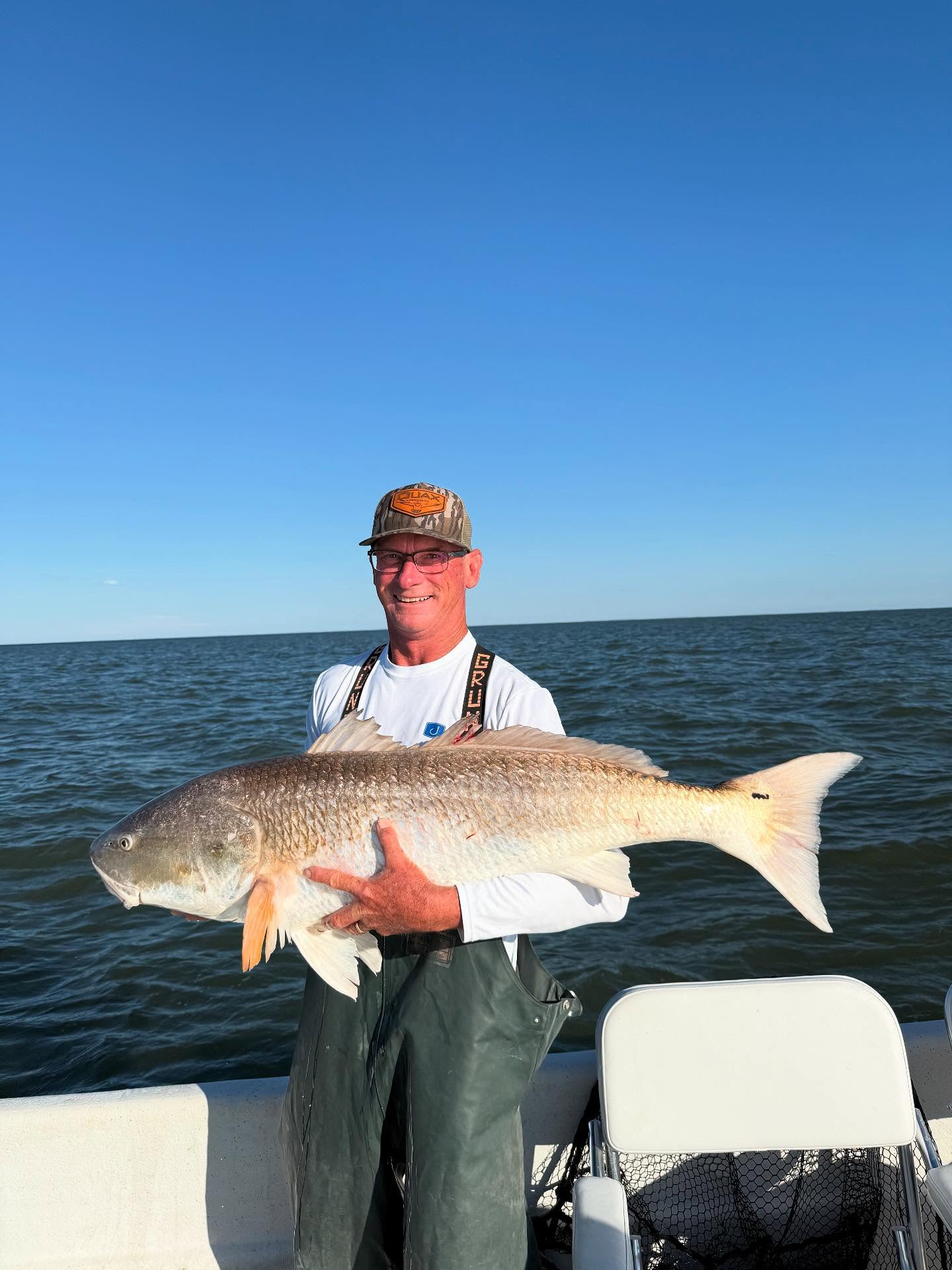
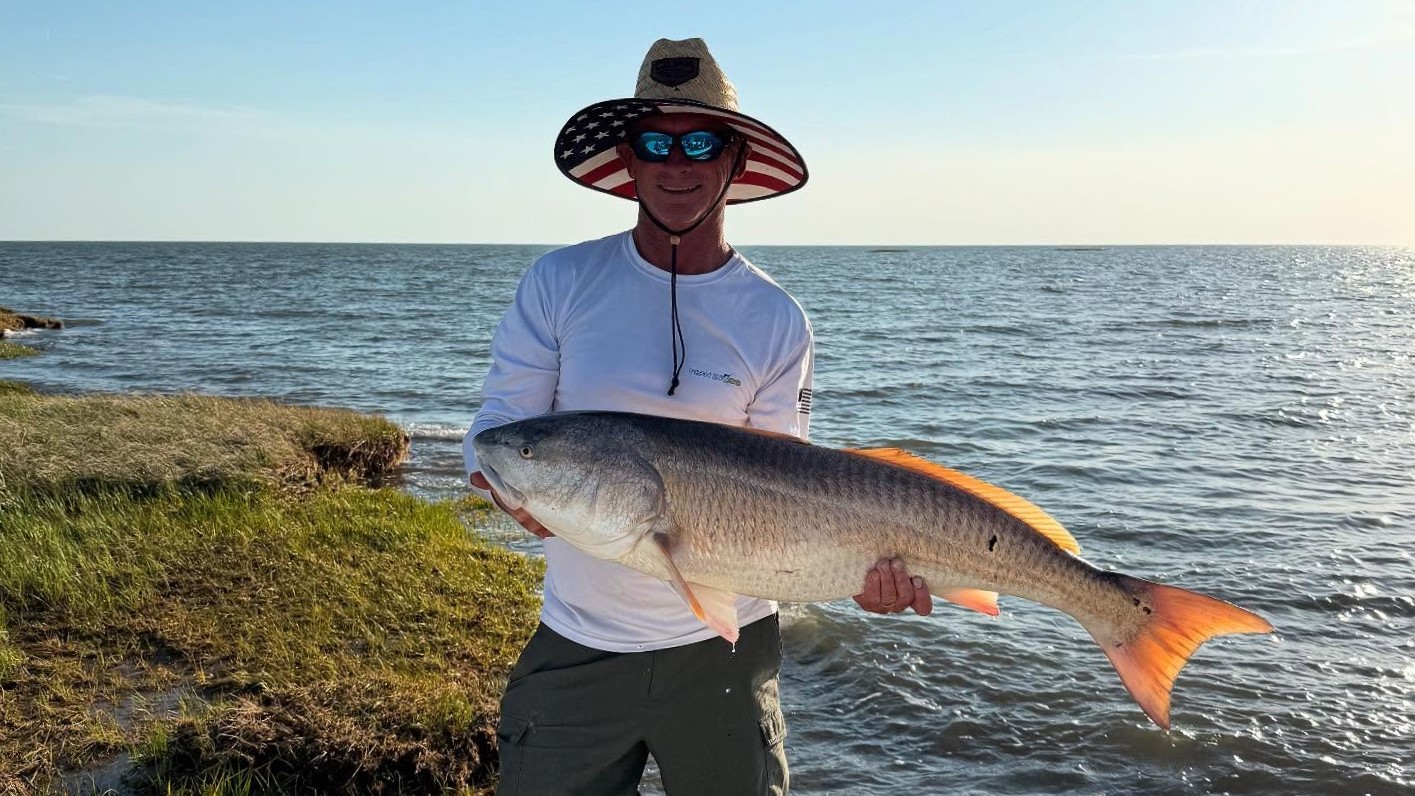
Redfish are the crown jewel of inshore fishing around here, and Chincoteague's shallow flats provide world-class red drum action. These copper-colored bruisers are built for the shallows, with powerful tails and an attitude to match. School-sized reds run 18-27 inches and provide fantastic sport on light tackle, while the occasional bull red over 30 inches will test your drag and your patience. Spring through fall offers the most consistent action, especially in the morning and evening hours. Reds are sight-fishing opportunities when conditions are right – seeing their backs and tails in skinny water gets the adrenaline pumping like nothing else.
Time to Book Your Spot
This evening charter hits all the right notes – quality fishing, stunning scenery, and the flexibility to make it your own trip. Whether you're a serious angler looking to add some Chincoteague species to your list or a family wanting to share a beautiful evening on the water,
 Private Trip
 Inshore Fishing
 Chincoteague


 Two-hour sunset charter combining fishing and pony watching