Private 12-Hour Extreme Inshore Fishing
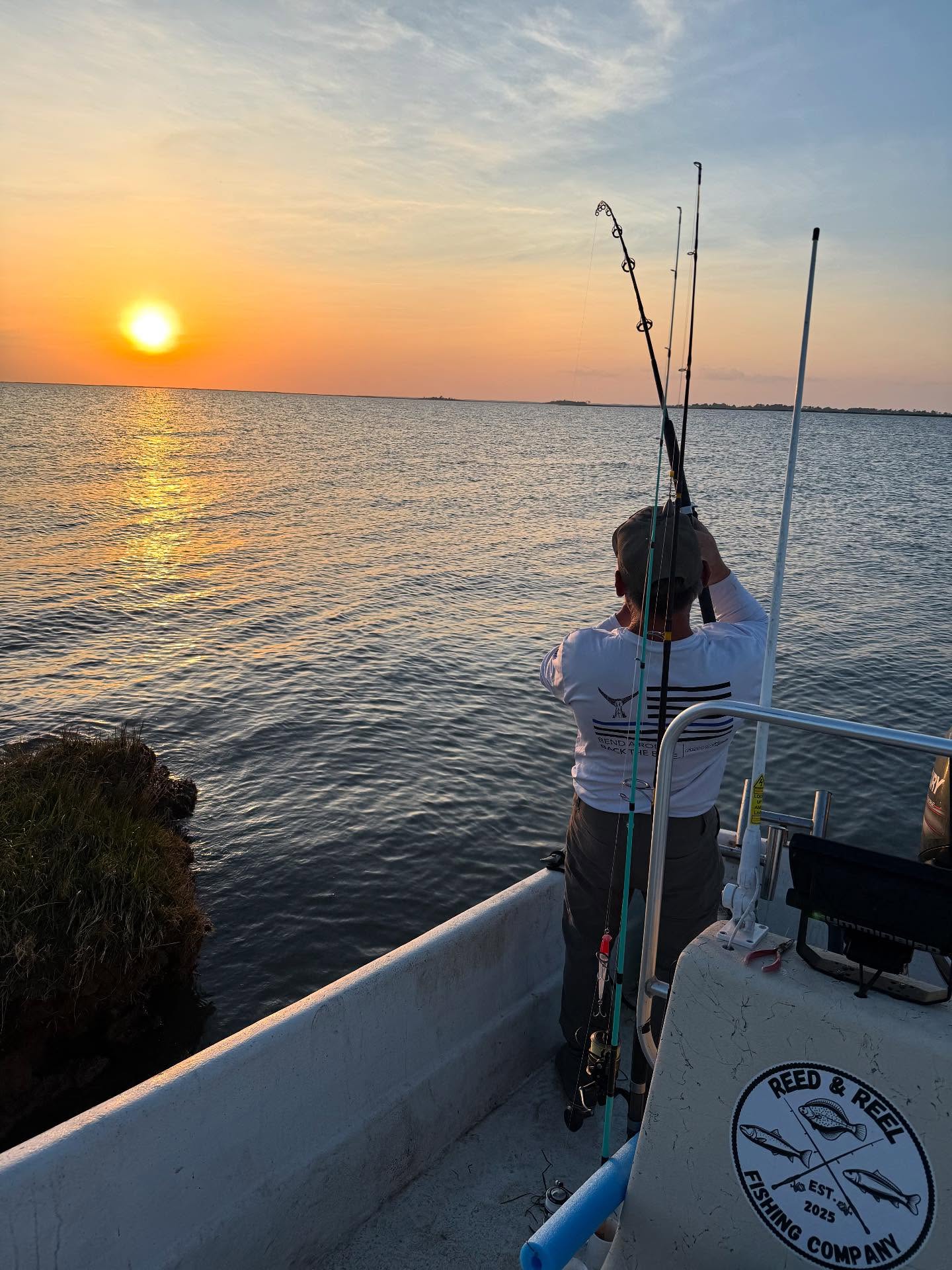
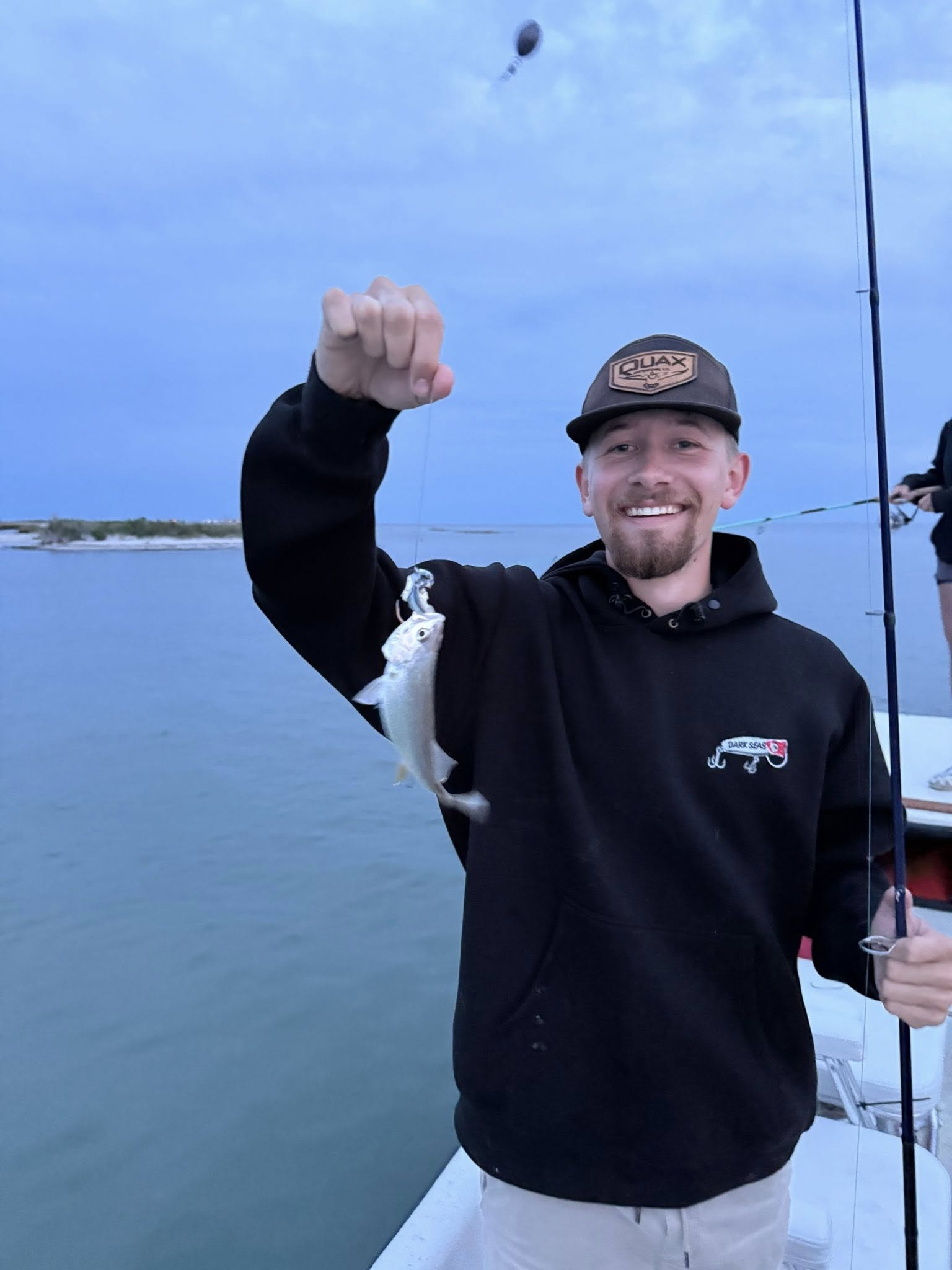
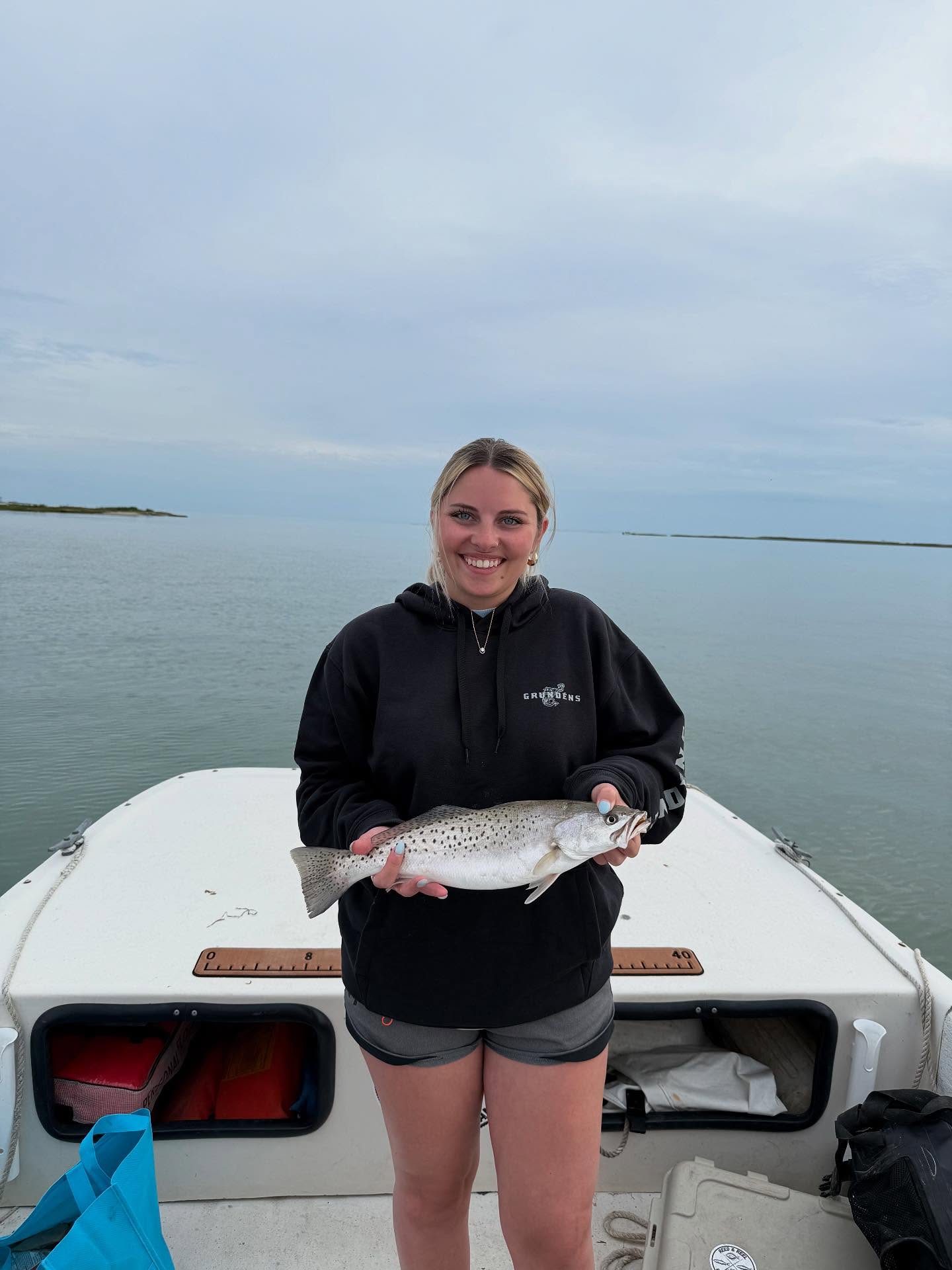
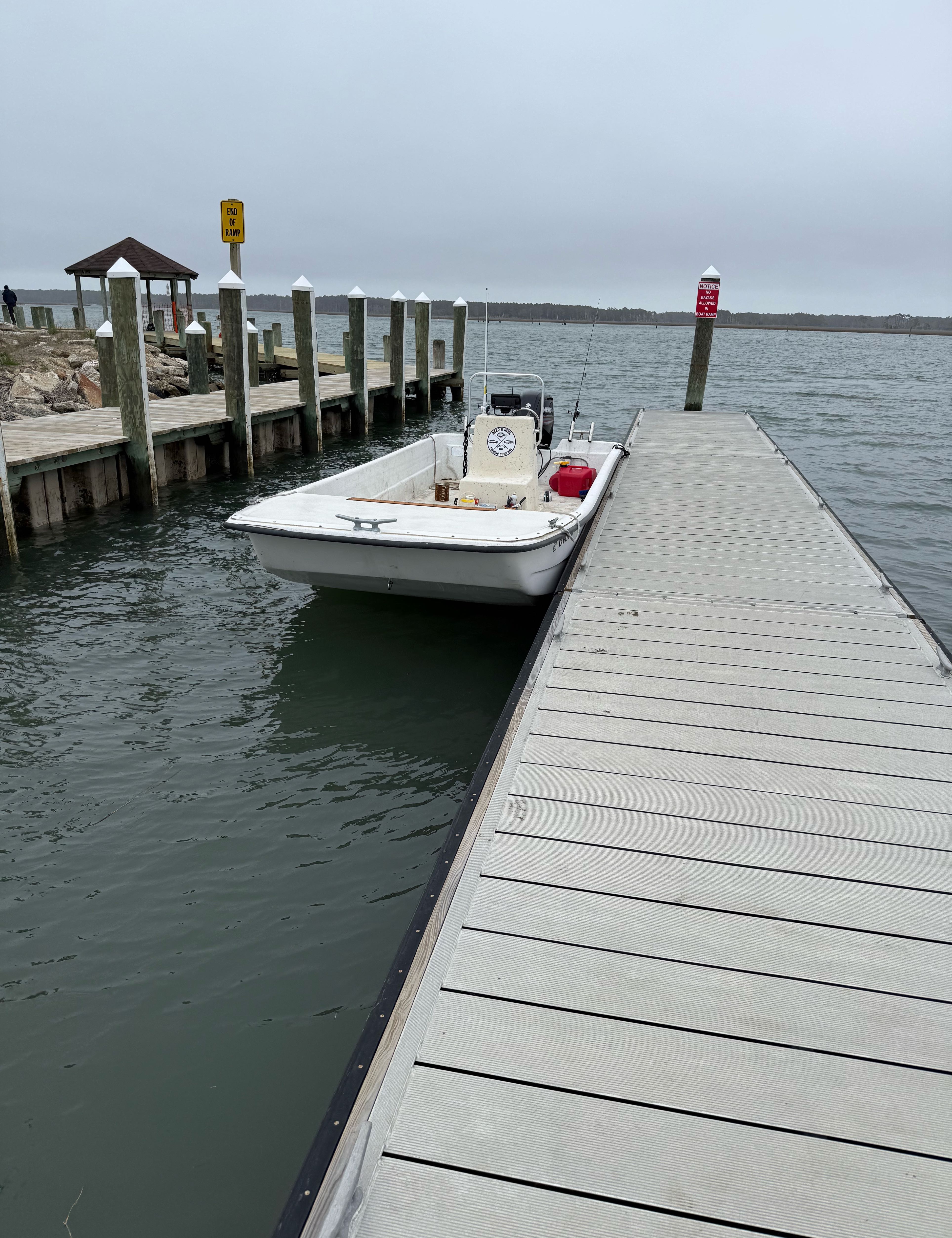
Chincoteague's inshore waters are calling, and this 12-hour marathon fishing trip with Reed And Reel Fishing Company is your ticket to some of the best action on the East Coast. Running from 8 AM to 8 PM, this isn't just another half-day charter – it's a full commitment to serious angling that gives you the time to really dial in on the fish. With space for up to 4 anglers, you'll have plenty of elbow room to work different techniques and chase whatever's biting without feeling rushed. Your captain knows these waters like the back of their hand, and they're ready to put you on everything from trophy reds to keeper stripers.
What to Expect on the Water
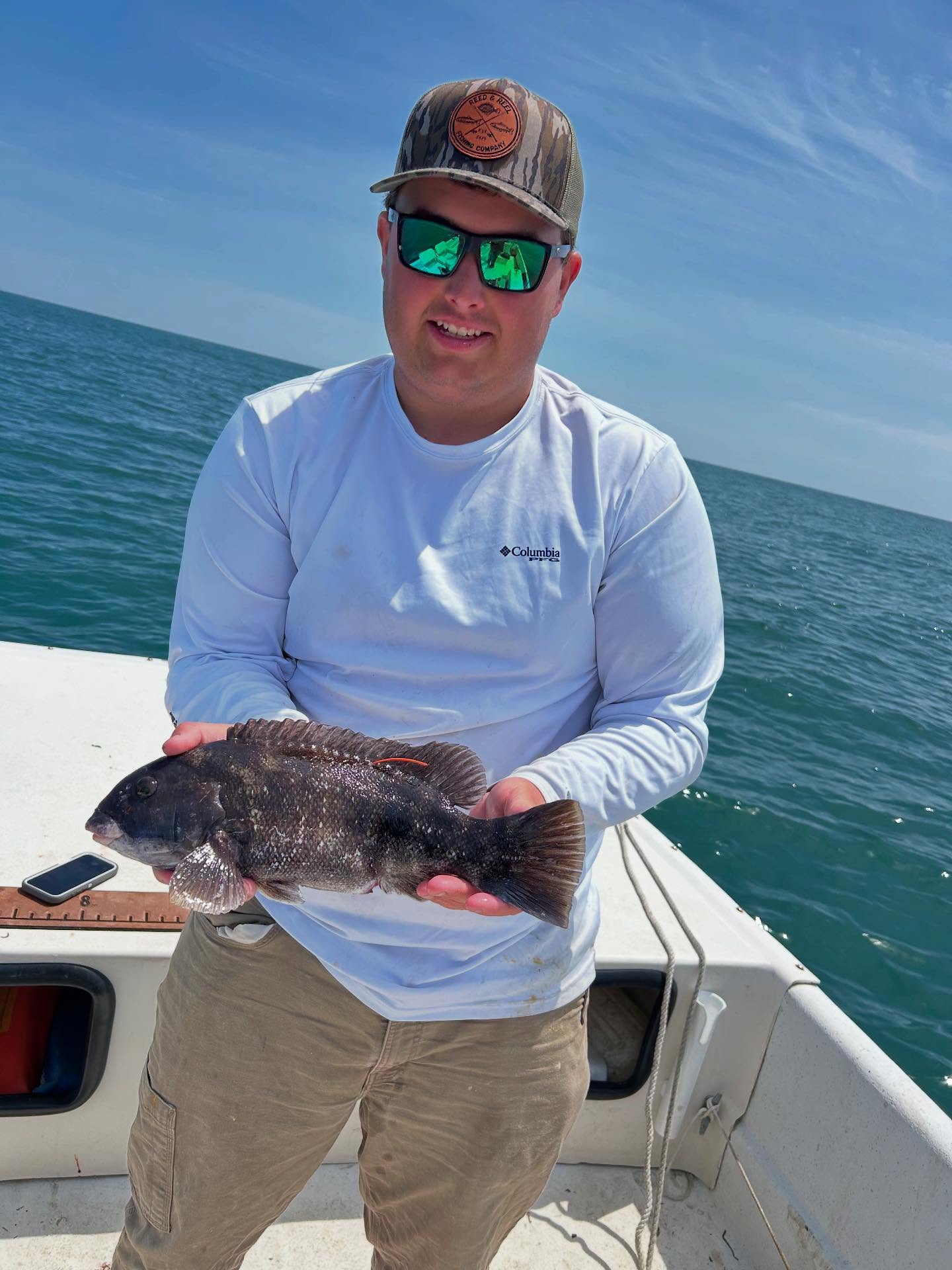
This is fishing the way it should be done – with time to actually fish. Twelve hours gives you the luxury of hitting multiple spots, adjusting to changing tides, and really getting into a rhythm with the bite. Your captain will read the conditions and switch up tactics as needed, whether that means working the grass flats with soft plastics for redfish, dropping jigs on structure for black drum, or sight-casting to cruising cobia when they show up. The beauty of Chincoteague's inshore scene is the variety – you might start the morning working shallow for trout and end the day bottom fishing for black sea bass on deeper structure. Your fishing license is covered, so all you need to bring is your gear, some snacks to keep you fueled, and drinks to stay hydrated during what's going to be a long but rewarding day.
Techniques and Tackle
Your captain will guide you through the full arsenal of inshore techniques depending on what's working and what you're targeting. Spinning gear gets the workout when sight-casting to reds in skinny water or working topwater poppers over grass beds at dawn. When the bite calls for it, you'll switch to jigging vertical structure for sheepshead and black drum, bouncing leadheads along the bottom and feeling for that telltale thump. Bottom fishing comes into play for the bigger black sea bass and flounder, especially during tide changes when they're feeding heavy. The key here is versatility – Chincoteague's fish don't stick to one pattern, and neither will you. Your captain will have you switching rigs and techniques throughout the day, keeping things fresh and maximizing your chances at different species as conditions change.
Species You'll Want to Hook
Southern Flounder are the ultimate ambush predators, lying buried in sandy bottoms waiting for baitfish to swim overhead. These flatfish are most active during moving tides, particularly around creek mouths and channel edges where they set up to intercept prey. Fall months bring the best action as they fatten up before their offshore spawning run. What makes them special is the fight – they don't give up easy, and a keeper flounder will make multiple runs before coming to the boat. Plus, they're hands-down some of the best eating fish in these waters.
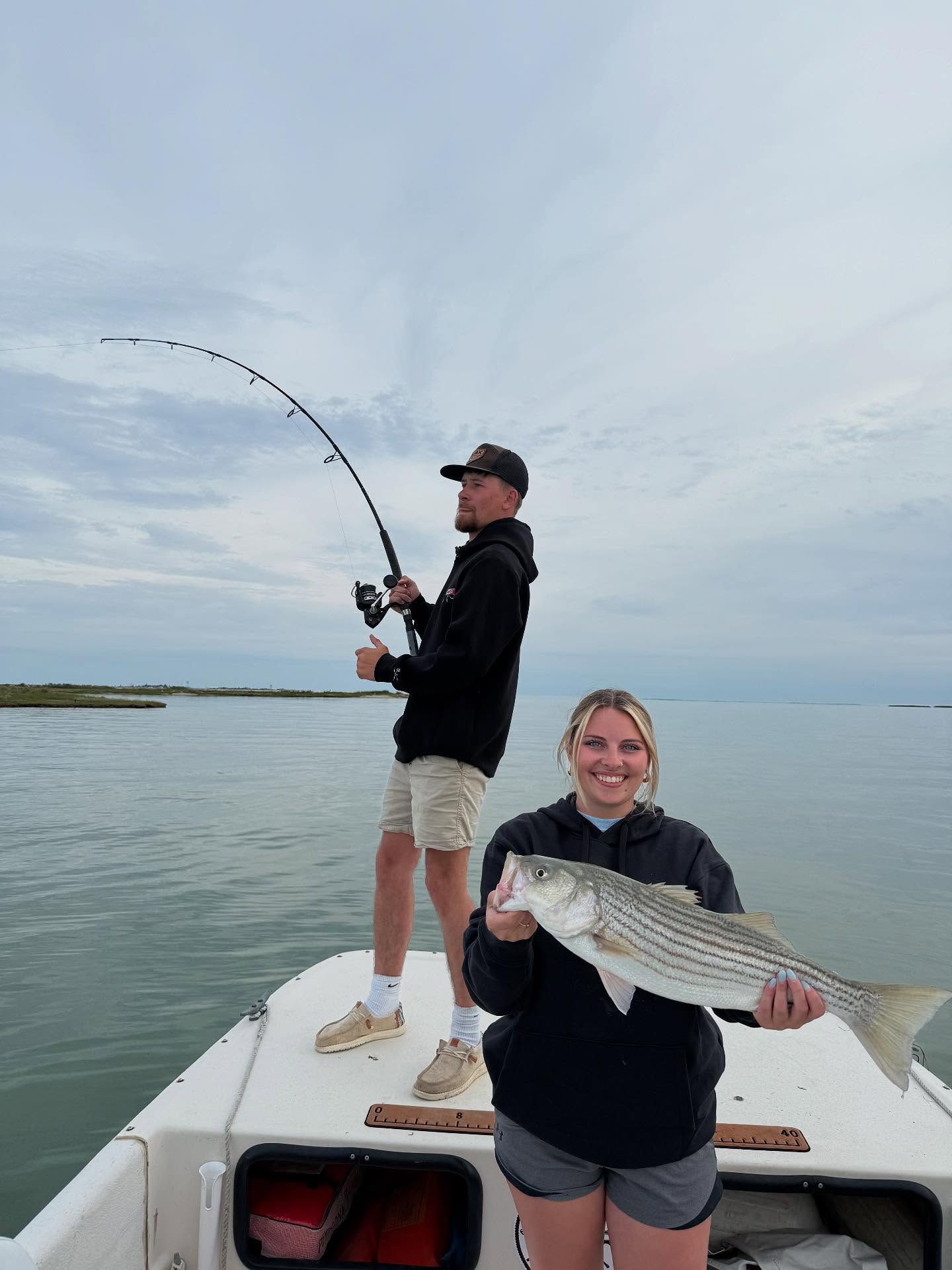
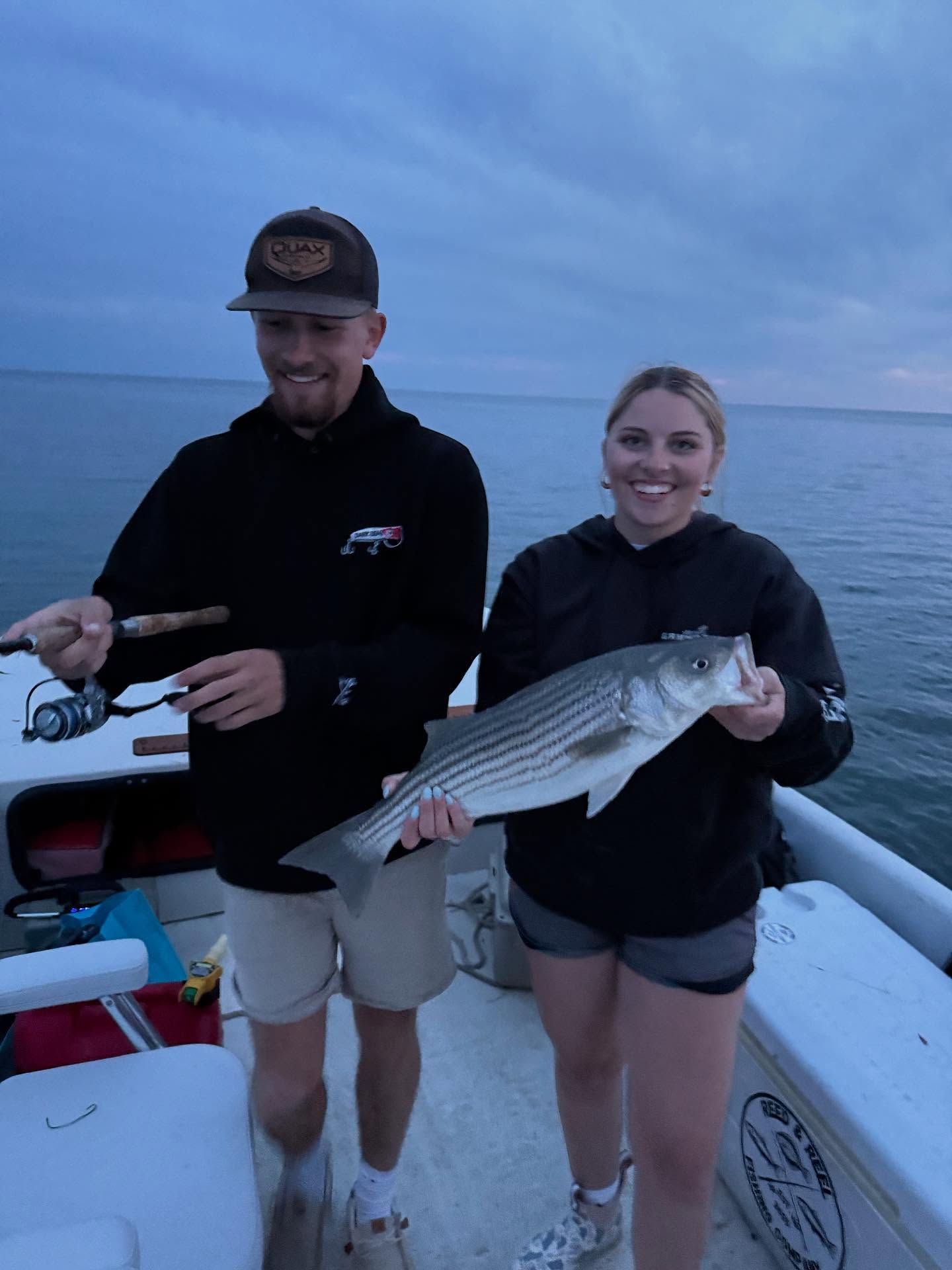
Striped Bass, or "rockfish" as the locals call them, are the bread and butter of Chincoteague fishing. These silver bullets show up in schools and when you find them, you find them big. Spring and fall migrations bring the best action, but resident fish provide solid catches through summer. They'll hit everything from live bait to topwater plugs, and a good striper will test your drag with long, powerful runs. The 18-28 inch fish are perfect for the table, while the bigger cows make for great photos before release.
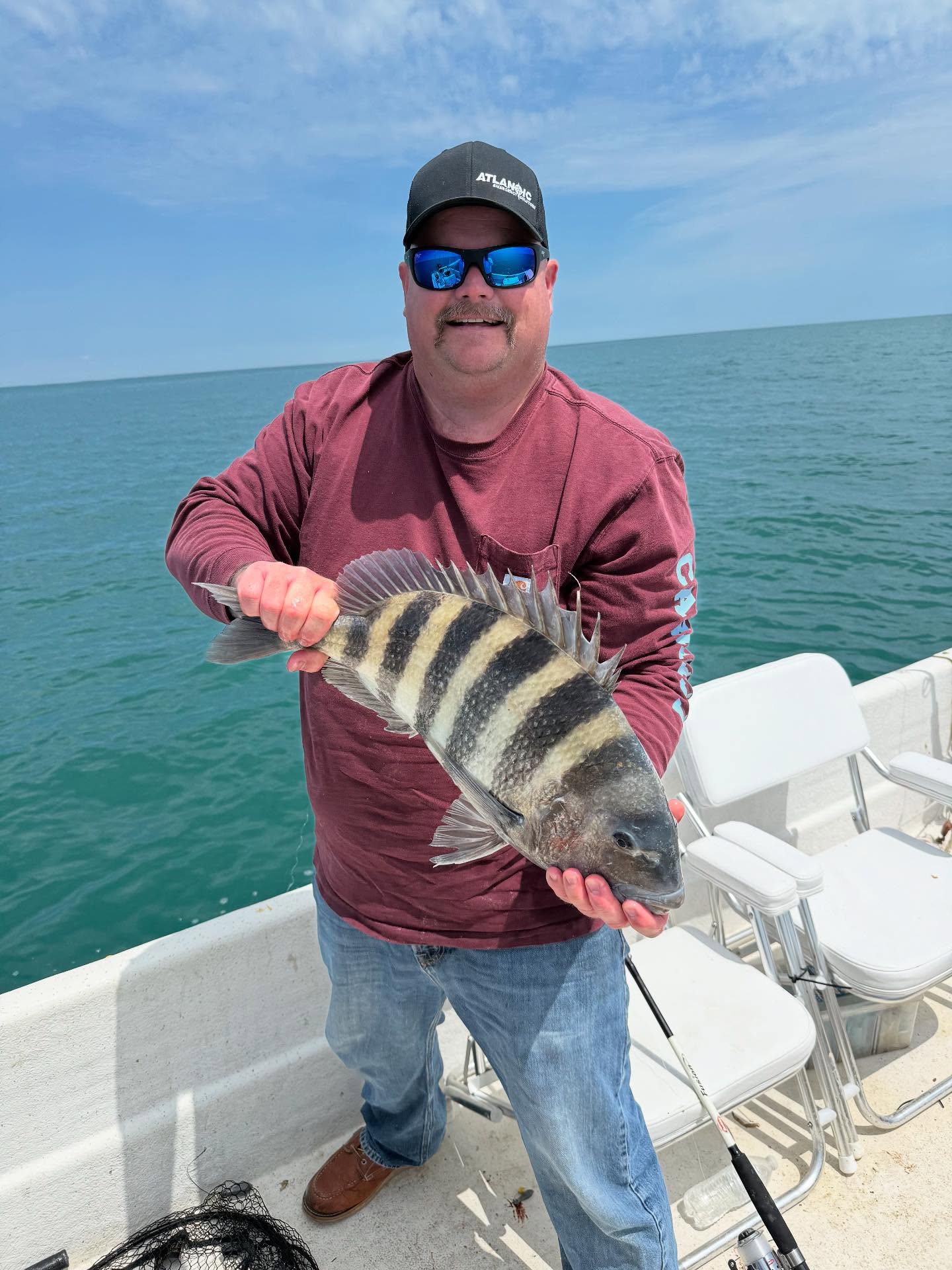
Sheepshead are the convict-striped tricksters that will test your patience and skill. These fish hang around structure like pilings, rocks, and jetties, picking at barnacles and crabs with their human-like teeth. They bite light and spit fast, so you need to be on your game. Best fishing happens during warmer months when they're most active. What makes them worth the effort is their incredible table fare – firm, white meat that rivals any fish in the sea. Plus, outsmarting a sheepshead feels like a real accomplishment.
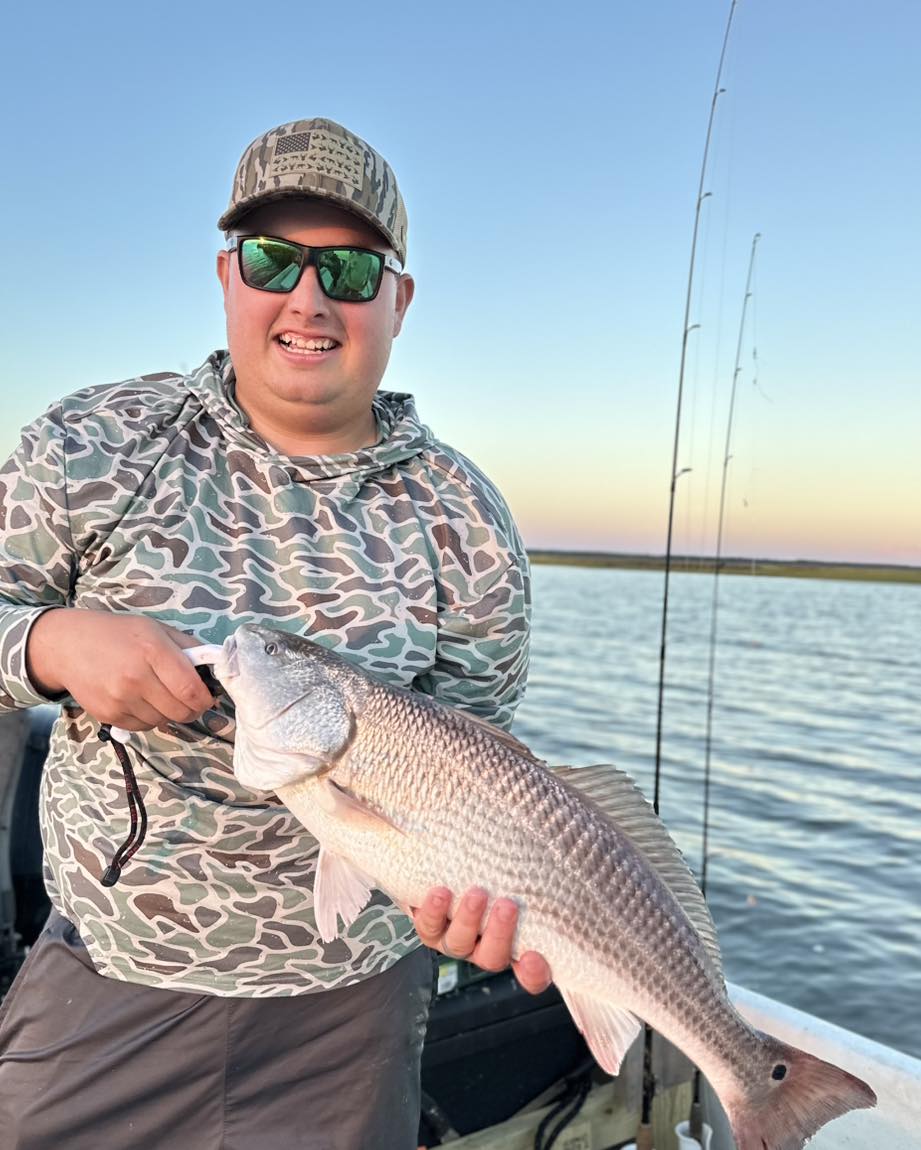
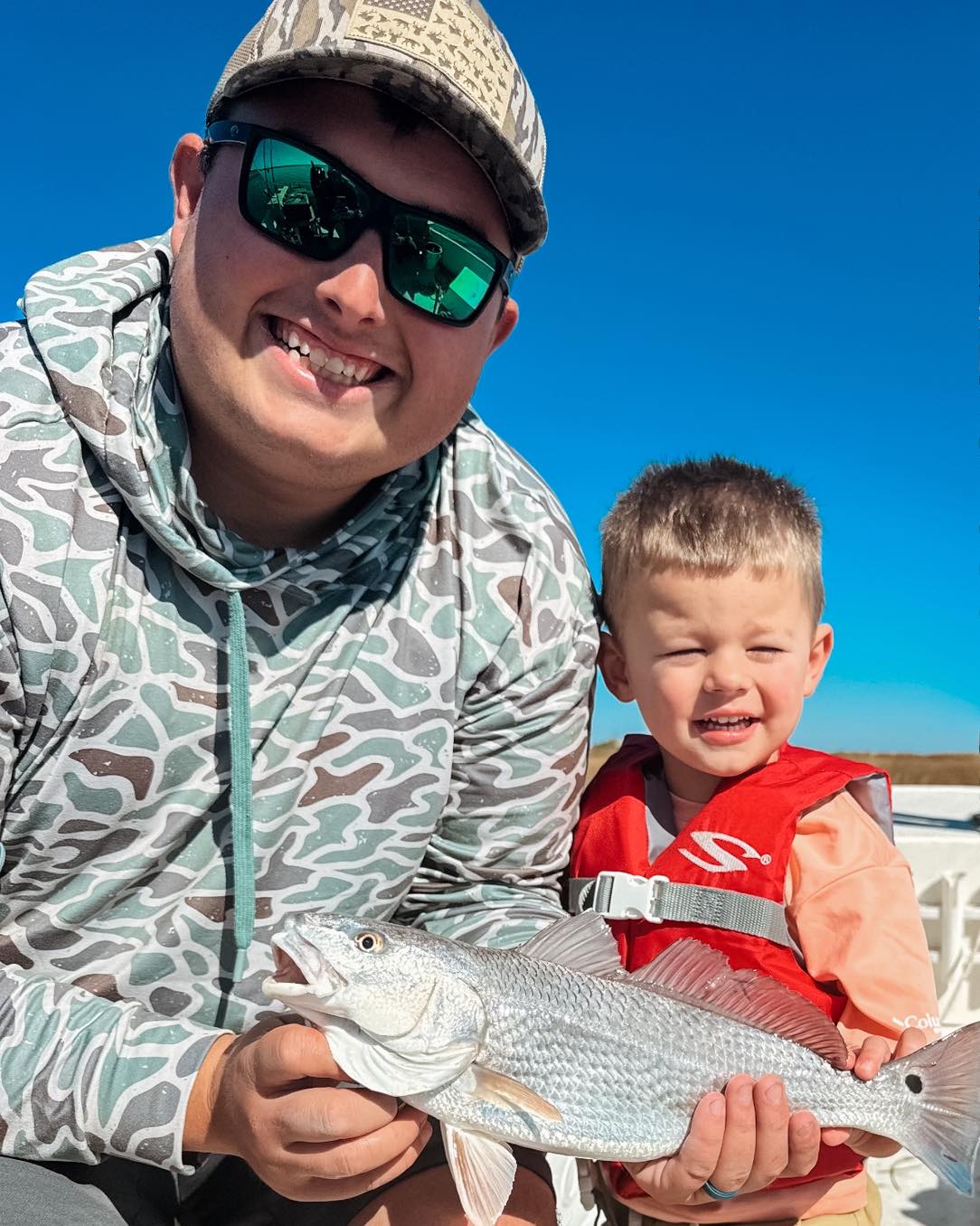
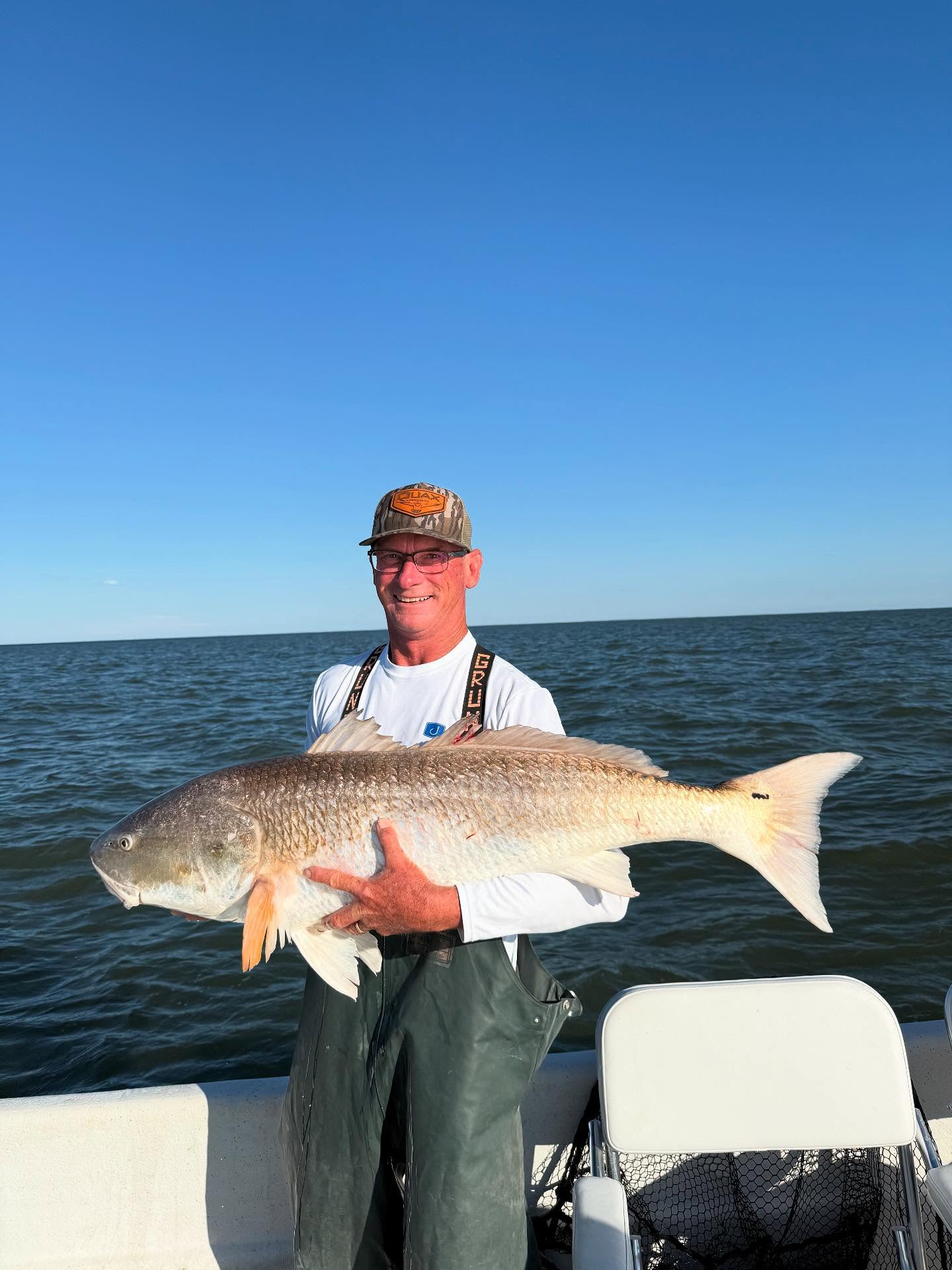
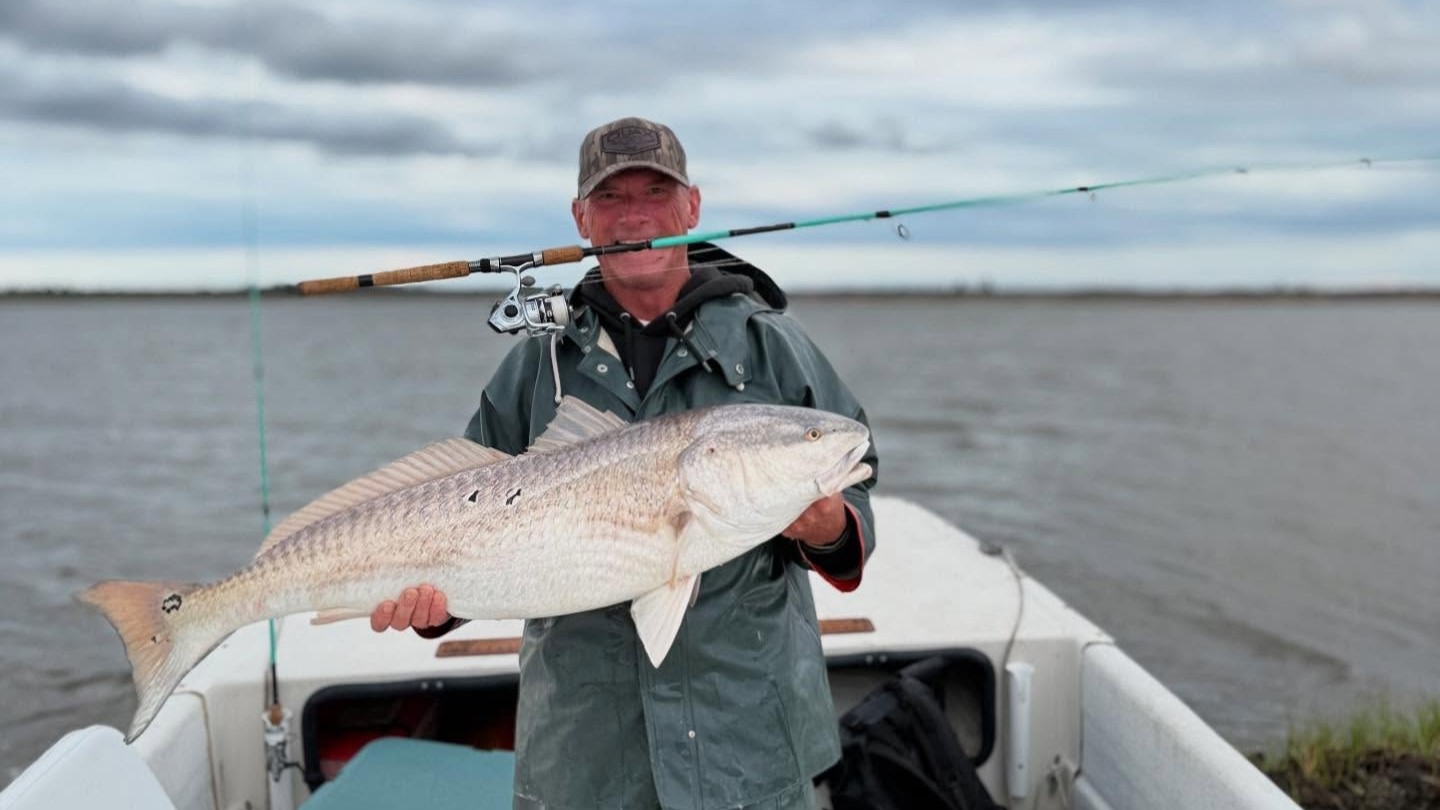
Redfish, the copper-colored bruisers of the shallows, are what inshore dreams are made of. These drum species cruise grass flats and oyster bars, often showing their backs in knee-deep water. Summer through fall offers prime action, especially on warmer days when they're actively feeding. Reds fight dirty – they'll use their broad sides to leverage against you and make blistering runs toward structure. The slot-sized fish (18-27 inches) are perfect for dinner, while the oversized bulls provide epic battles on light tackle.
Cobia are the sharks of the inshore world – big, brown, and always hungry. These fish cruise alone or in small groups, often following rays and other bottom-disturbers to pick up stirred-up crabs and baitfish. Peak season runs late spring through early fall when water temperatures climb. They're sight-fishing at its finest – you'll spot them cruising just under the surface and cast right to them. When hooked, cobia are pure power, making long runs and testing every knot in your setup. They're also fantastic on the table, with firm steaks that grill perfectly.
Time to Book Your Spot
A 12-hour charter isn't something you do every day, but when you want to really get after it, this is the trip that delivers. Reed And Reel Fishing Company has built their reputation on putting anglers on fish, and this marathon trip gives you the best shot at experiencing everything Chincoteague's inshore waters have to offer. You'll come off the water tired but satisfied, with a cooler full of fish and stories that'll last long after the trip ends. Don't let another season slip by wondering what you missed – book your extreme inshore adventure and find out why serious anglers keep coming back to these productive waters.
 Private Trip
 Inshore Fishing
 Chincoteague


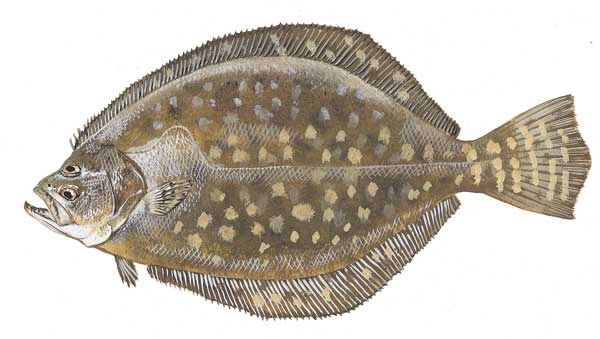
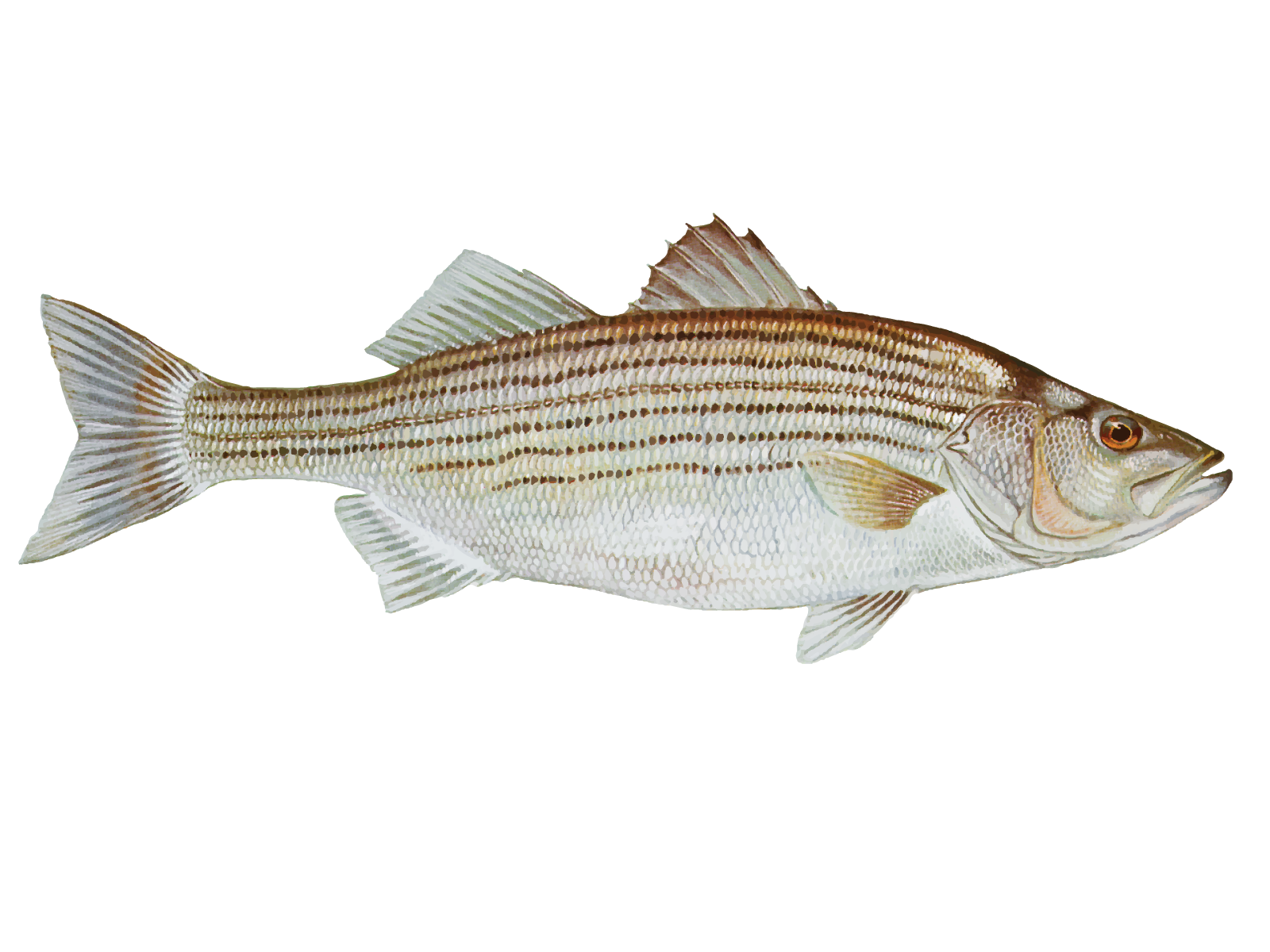
 12-hour charter targets redfish, trout, flounder, and striped bass